Artwork
The Stoning of Saint Stephen
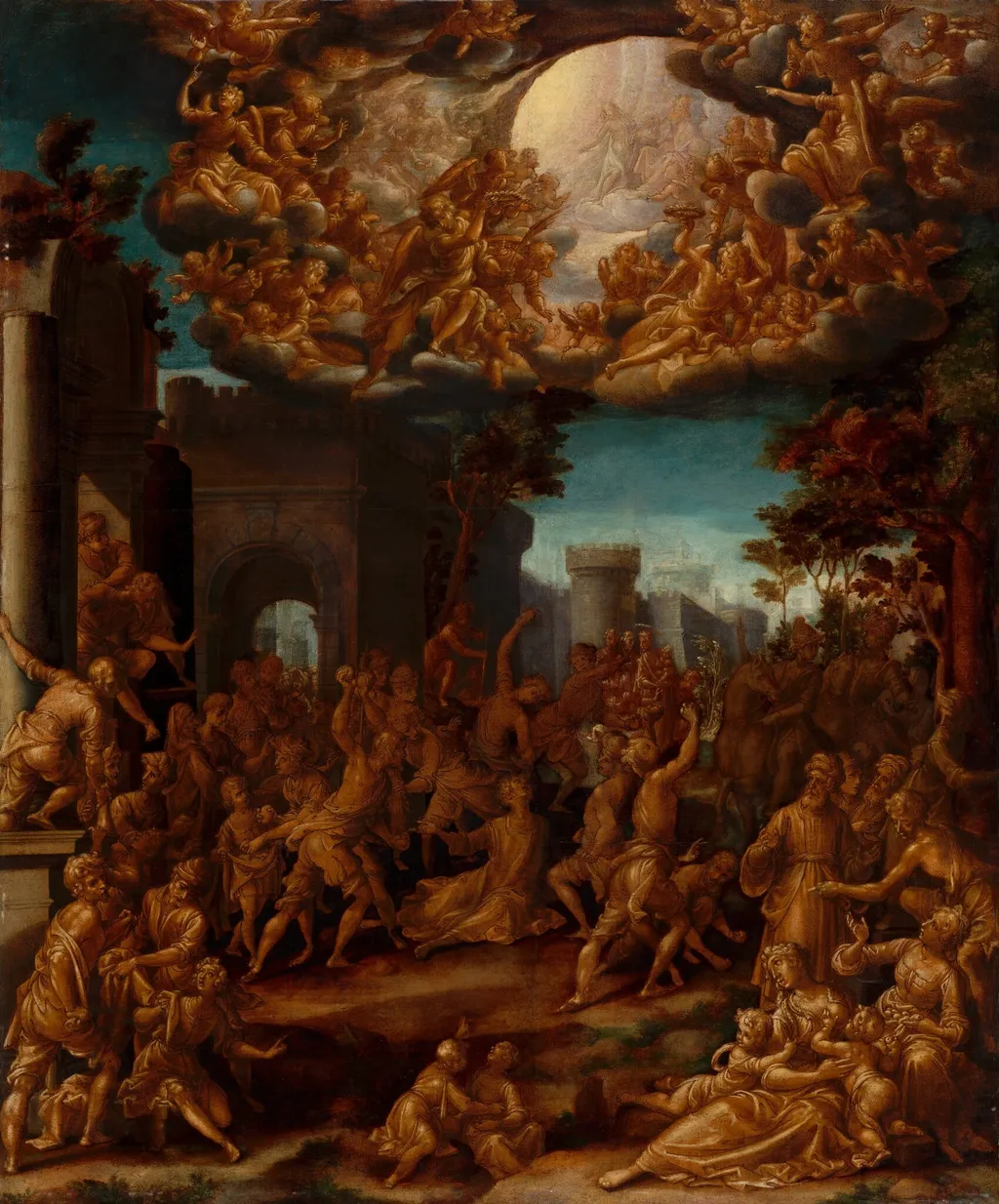
The Stoning of Saint Stephen is an oil drawing by the Renaissance artist Aurelio Lomi. It dates from 1602 and is held in the collection of the National Gallery of Art.
About this work
Overview
Created around 1602 by the Pisan artist Aurelio Lomi, this drawing combines pen and ink with oil paint applied over a chalk underdrawing on four joined sheets.
Created around 1602 by the Pisan artist Aurelio Lomi, this drawing combines pen and ink with oil paint applied over a chalk underdrawing on four joined sheets. It portrays the martyrdom of Saint Stephen, the first Christian martyr, as described in the Acts of the Apostles. The work is part of the National Gallery of Art’s collection in Washington, D.C., and exemplifies the transitional style between late Mannerism and early Baroque in central Italy.
Subject & Meaning
The scene captures the violent moment of Saint Stephen’s stoning by a mob, as he prays for his persecutors. Figures are arranged in a dense, swirling composition, emphasizing chaos and emotional intensity. The inclusion of a distant architectural structure and a luminous moon situates the event in a tangible, earthly space, reinforcing the historical weight of the martyrdom while subtly invoking divine presence through the night sky.
Technique & Style
Lomi employed chalk for initial contours, then layered pen and ink for definition, adding oil paint to model forms with subtle gradations. The use of chiaroscuro—contrasting light and shadow—gives the figures a sculptural presence, enhancing volume and spatial depth. Warm earth tones dominate the palette, while cooler blues in the background recede, creating atmospheric perspective and focusing attention on the central drama.
History & Provenance
The drawing was likely made as a preparatory study for a larger altarpiece or fresco, though no finished painting by Lomi on this subject is known to survive. It remained in private collections in Tuscany before entering the National Gallery of Art’s holdings. Its survival as a standalone work reflects its artistic significance and the value placed on preparatory drawings in early 17th-century Italian workshops.
Context
Lomi worked in Pisa during a period when artists were absorbing the naturalism of Caravaggio and the dynamism of late Mannerism. This drawing reflects those influences through its dramatic lighting and crowded composition. Religious subjects like Stephen’s martyrdom were common in Counter-Reformation Italy, where visual narratives were used to inspire devotion and reinforce doctrinal truths.
Legacy
Though Lomi is less widely known than his contemporaries, this drawing stands as a refined example of Florentine-Pisan draftsmanship at the turn of the 17th century. Its technical precision and emotional gravity offer insight into how artists translated biblical narratives into compelling visual forms, influencing regional practices even as larger movements like Baroque painting gained prominence.
Artist & collection
Artist
Aurelio Lomi (29 February 1556 – 1622) was an Italian painter of the late-Renaissance and early-Baroque periods, active mainly in his native town of Pisa, in the Grand Duchy of Tuscany.

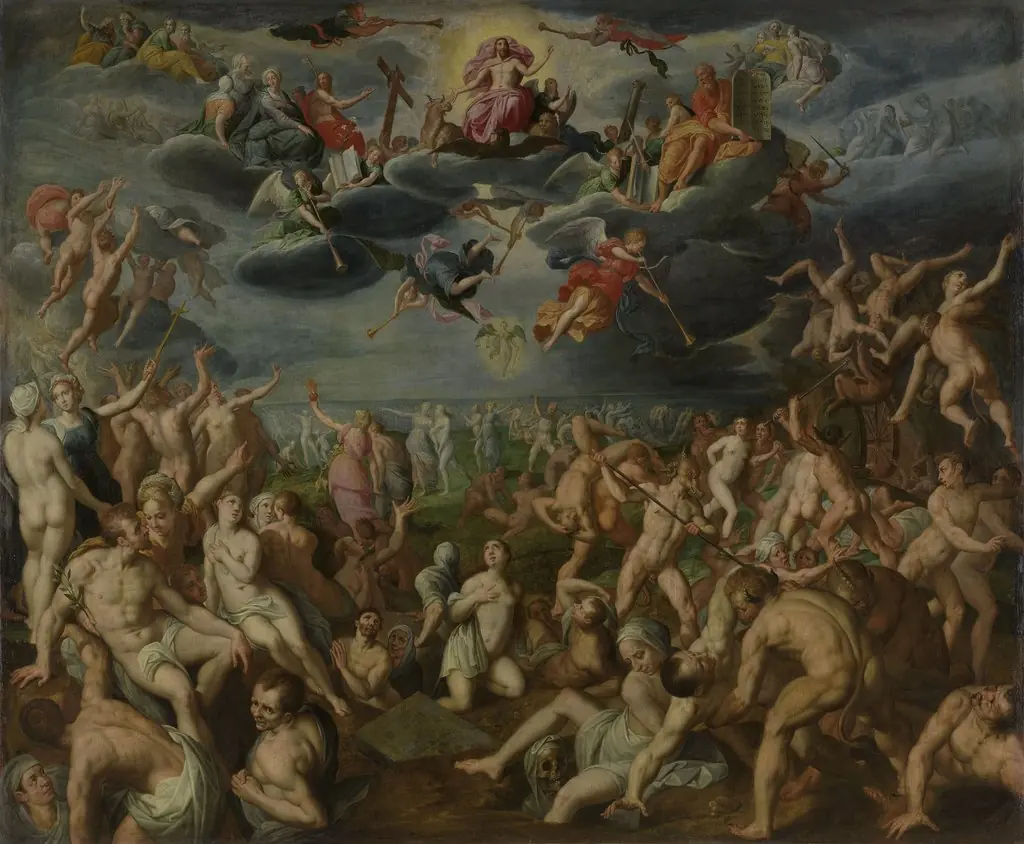 The Last Judgement
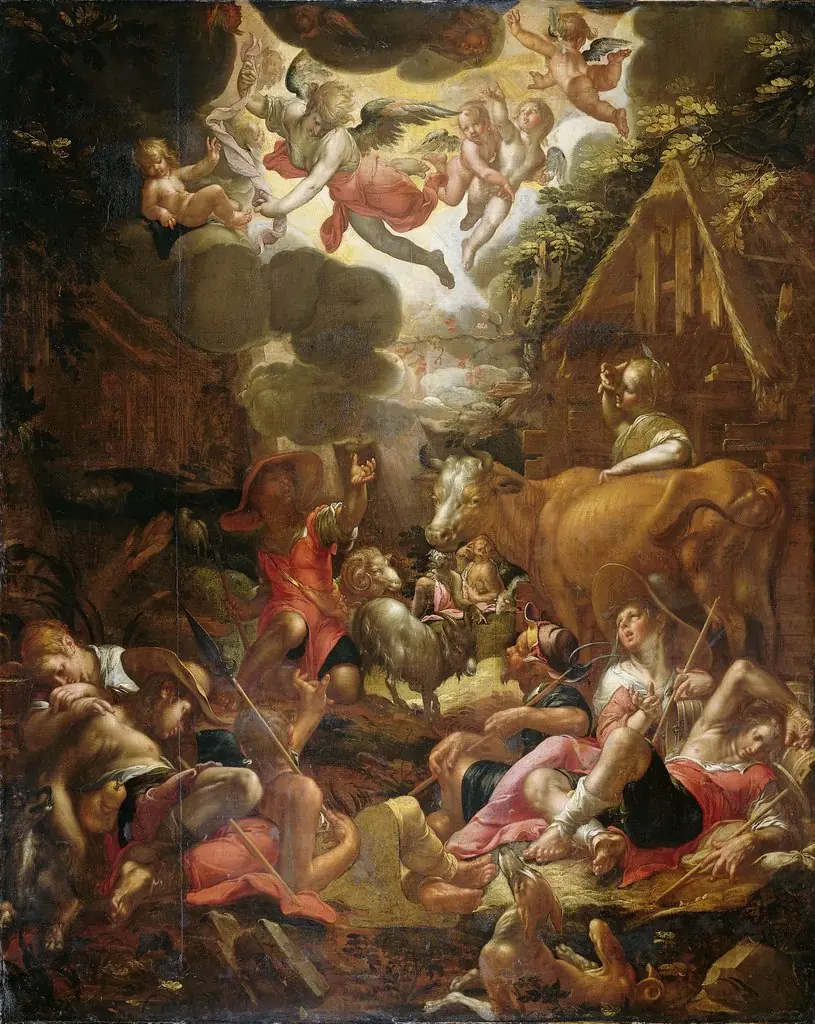 Annunciation to the Shepherds
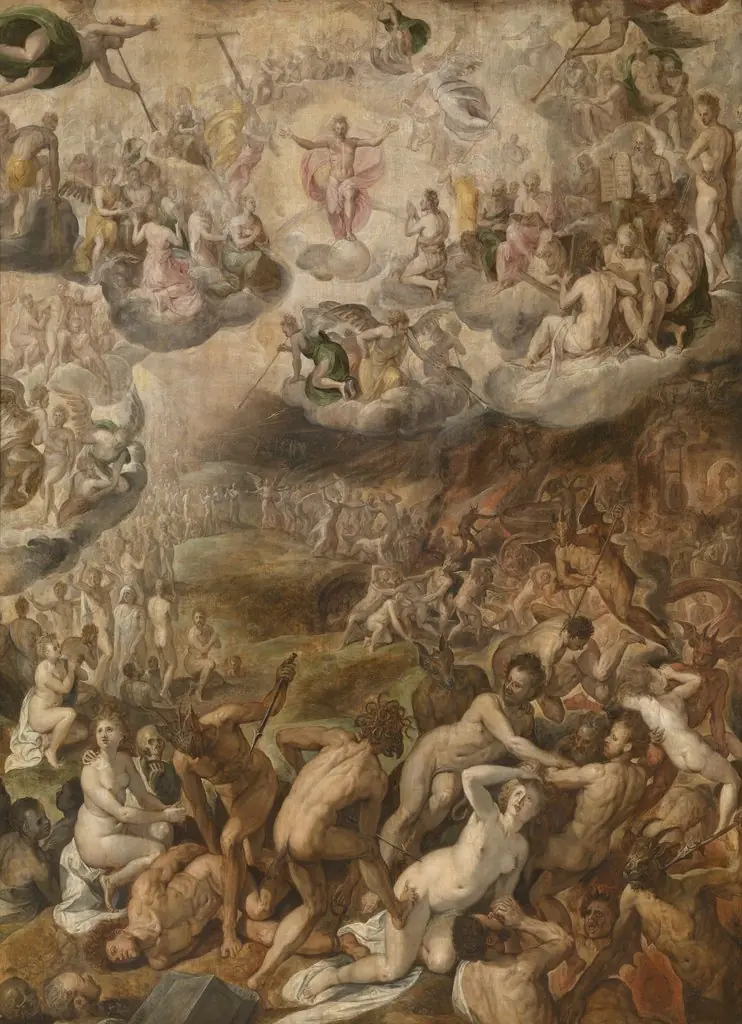 The Last Judgement
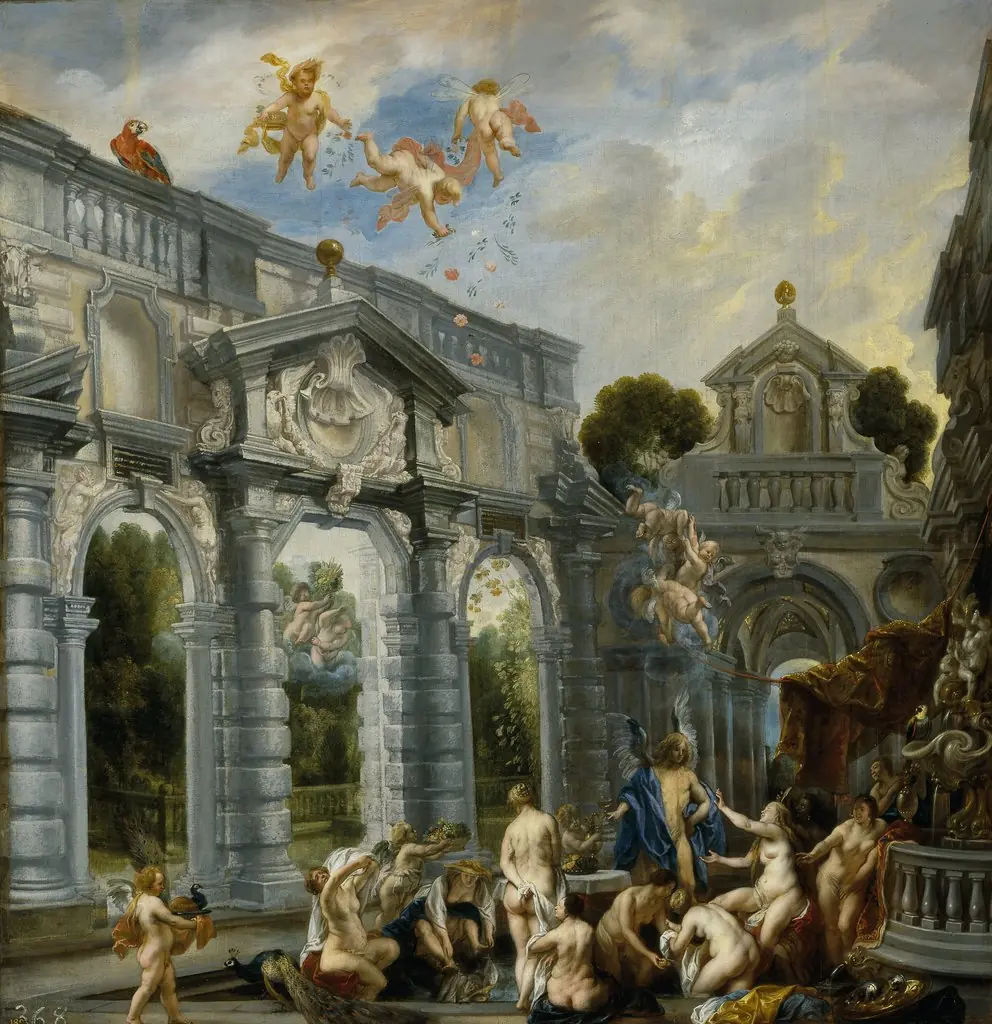 Nymphs at the Fountain of Love
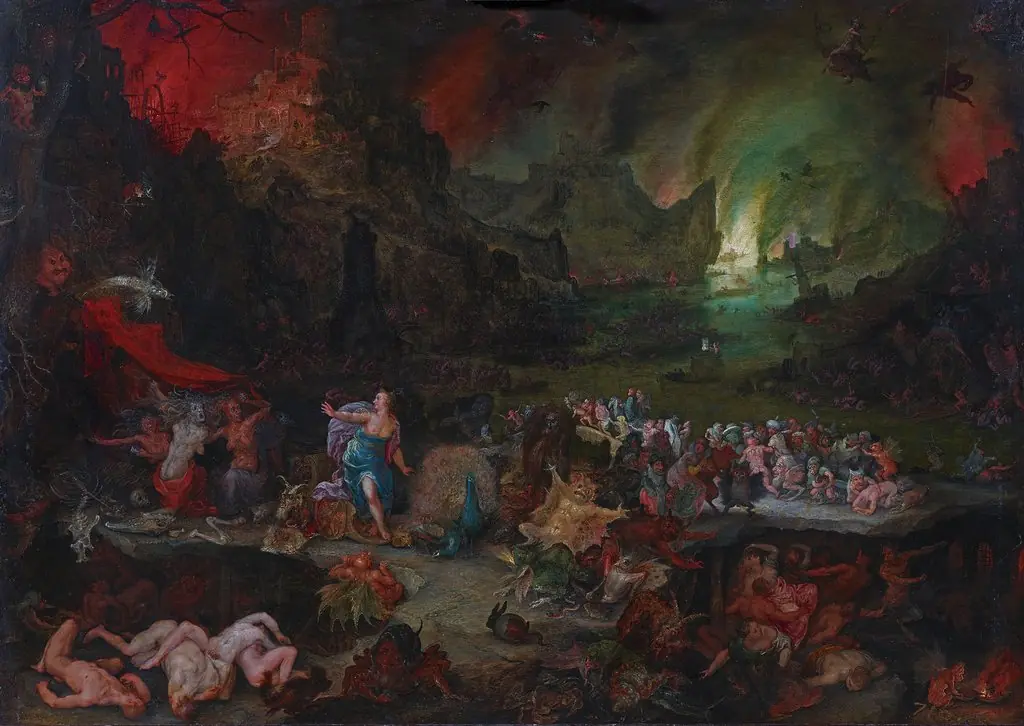 Juno in the Underworld
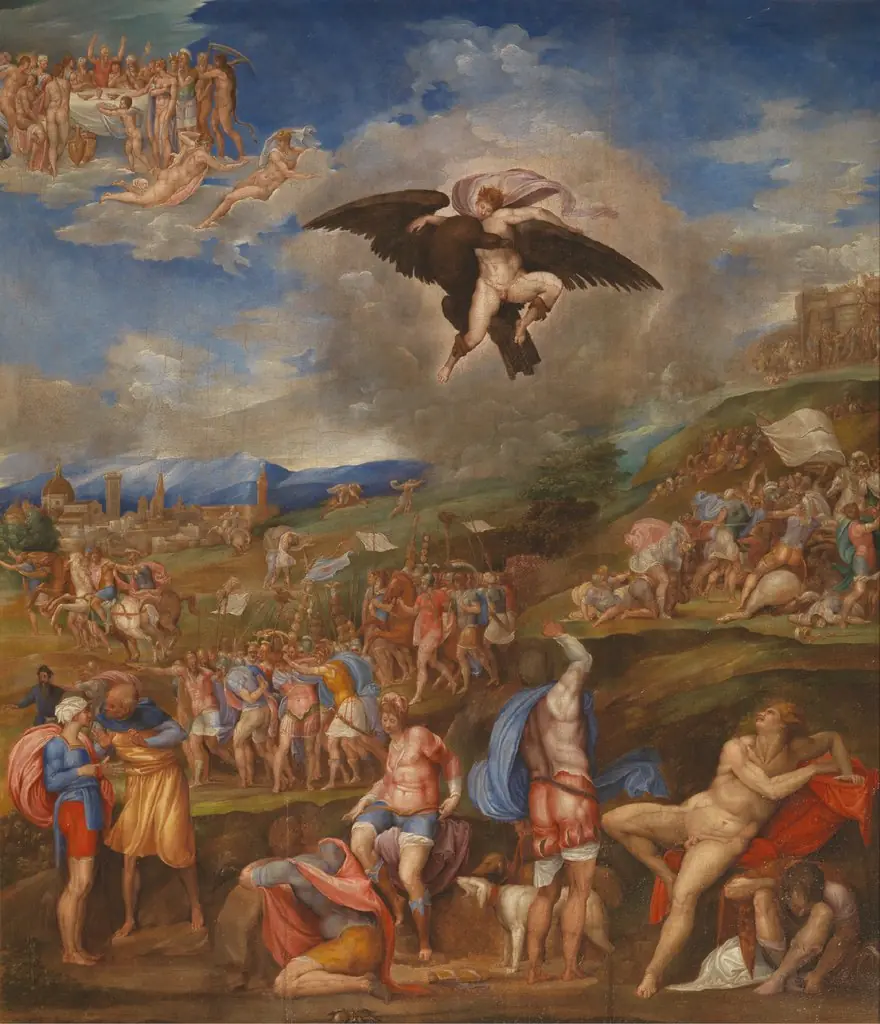 The Battle of Montemurlo
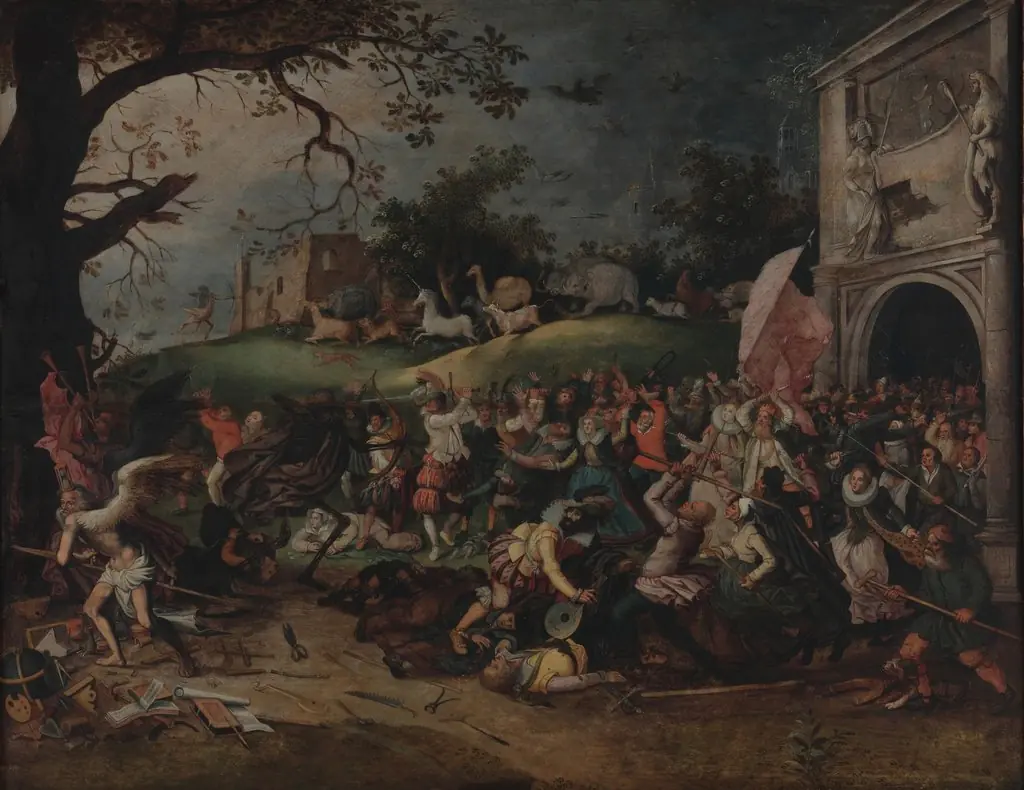 The fight against death and time
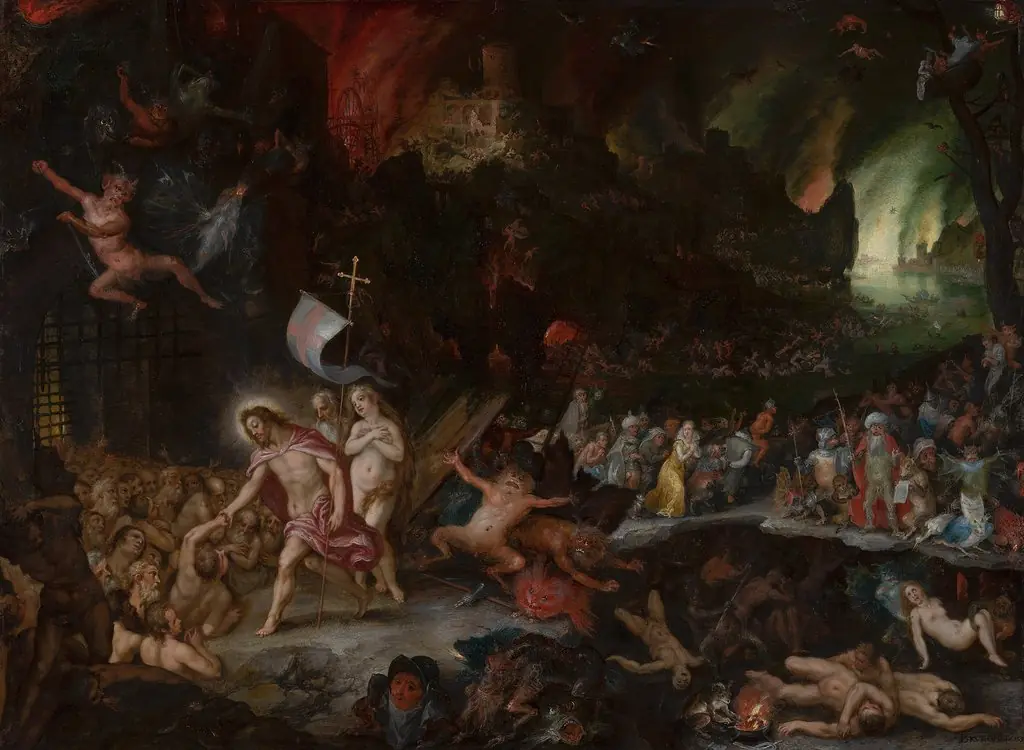 Christ's Descent into Limbo
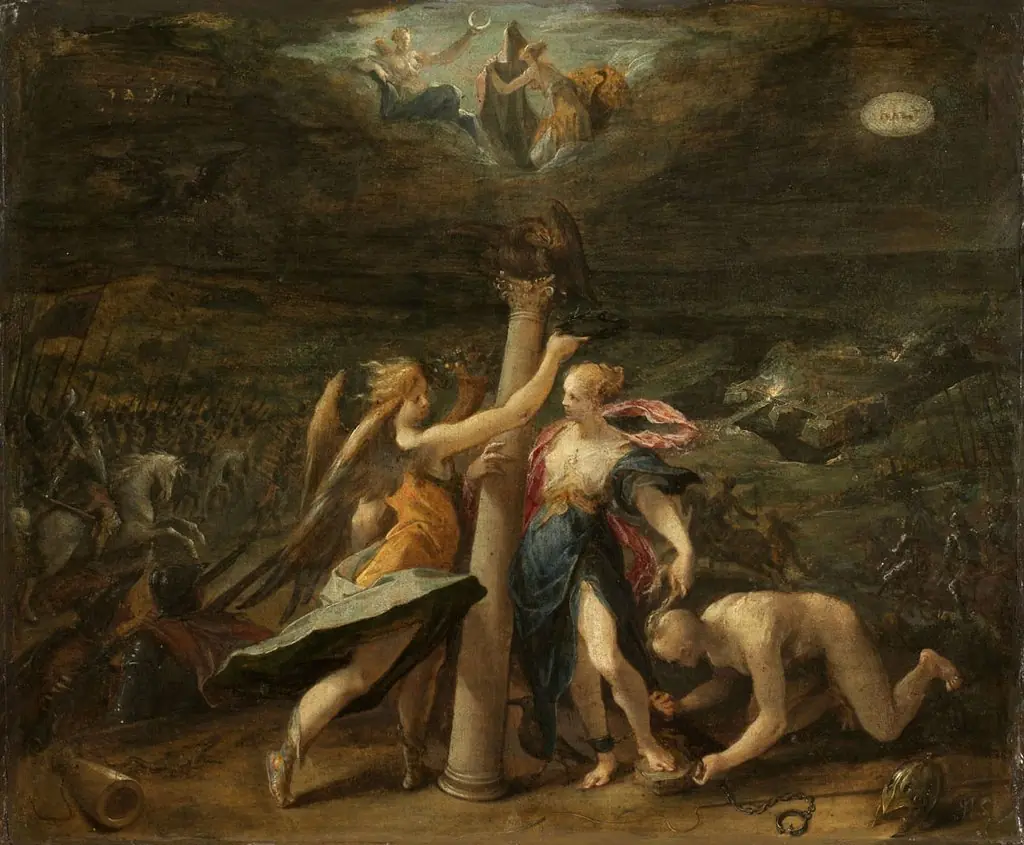 Allegory of the Reconquest of Győr
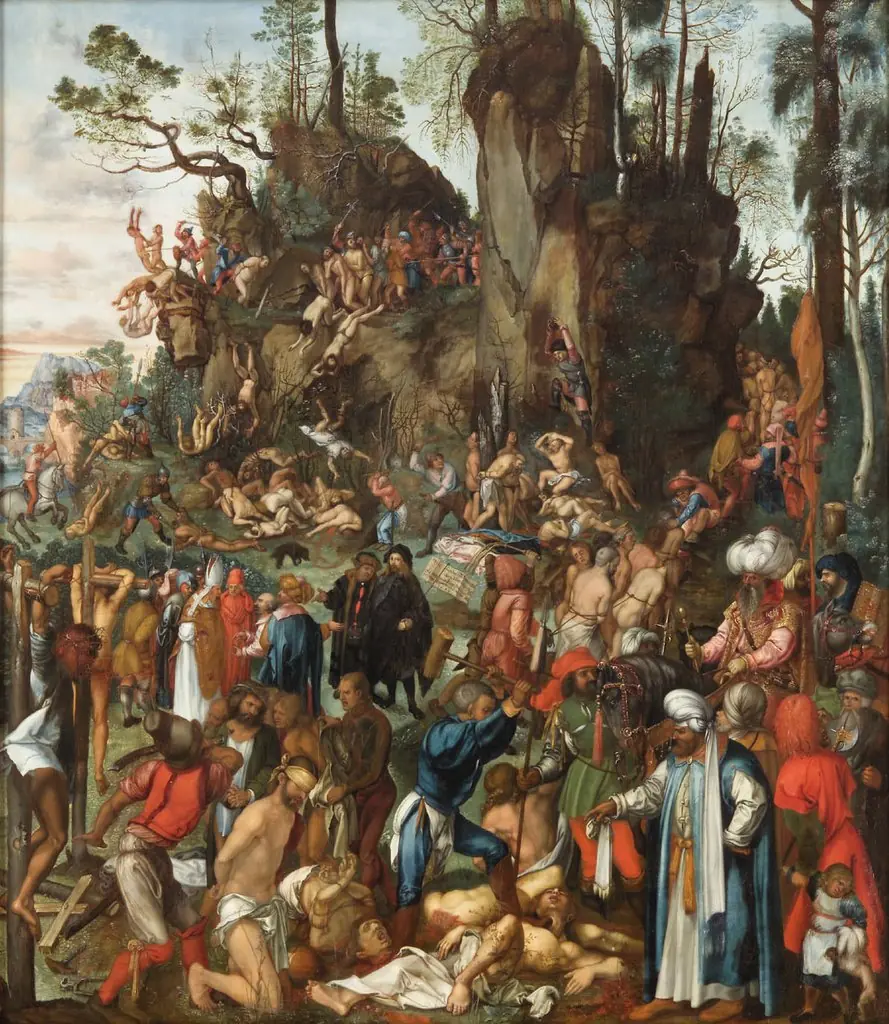 Marter der Zehntausend Christen
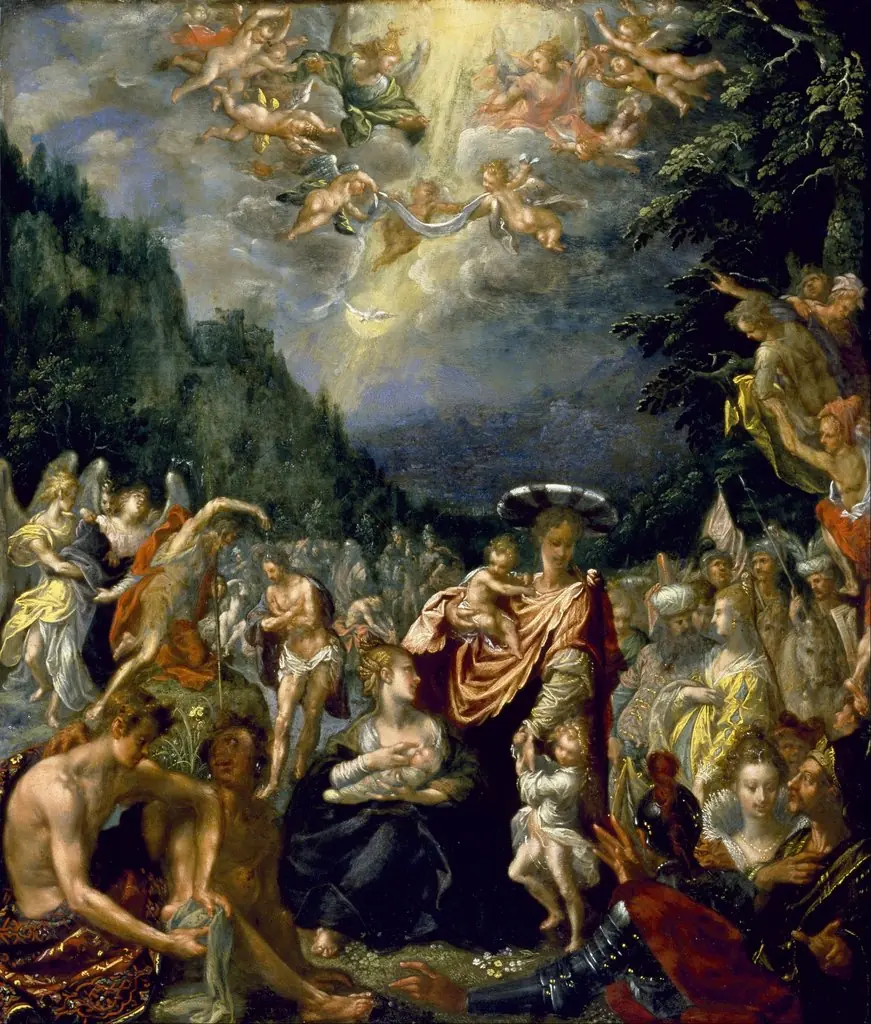 The Baptism of Christ
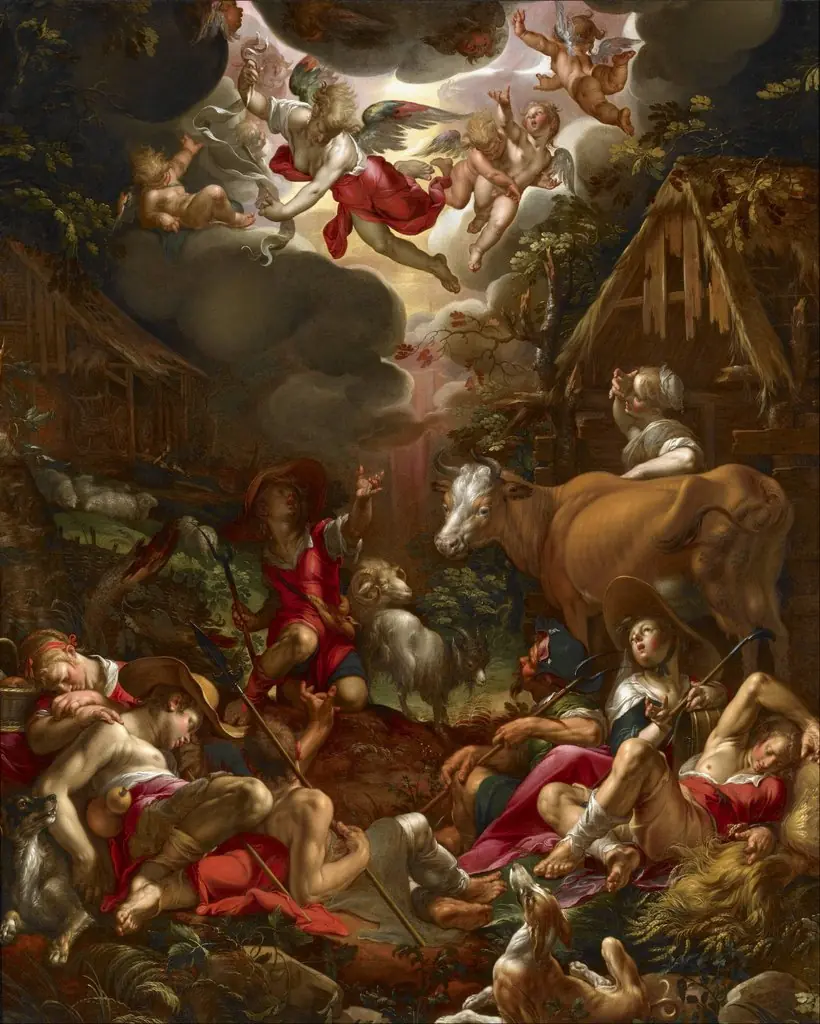 The Annunciation to the Shepherds