Artwork
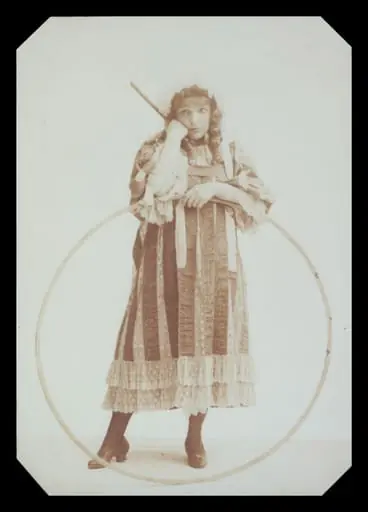
Guy Little Theatrical Photograph
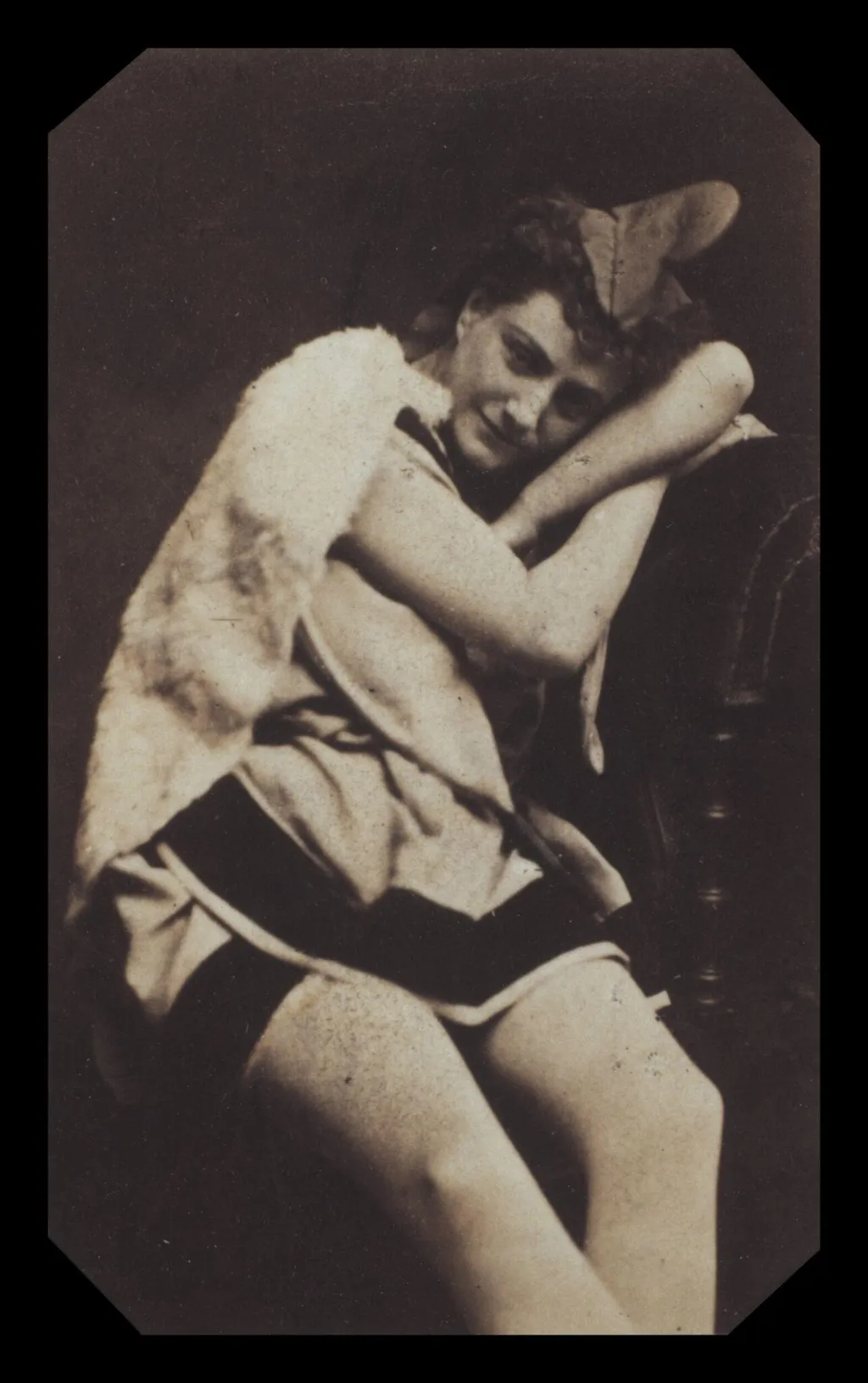
Guy Little Theatrical Photograph is a photographic photography by the Impressionist artist London Stereoscopic and Photographic Company. It dates from 1873 and is held in the collection of the Victoria and Albert Museum.
About this work
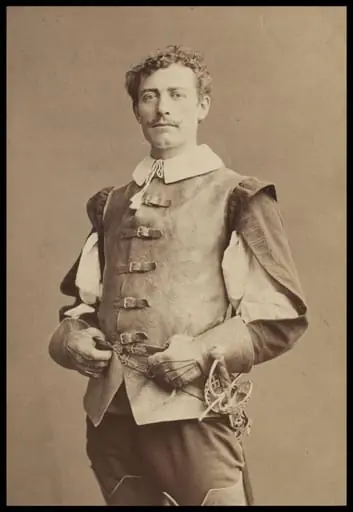
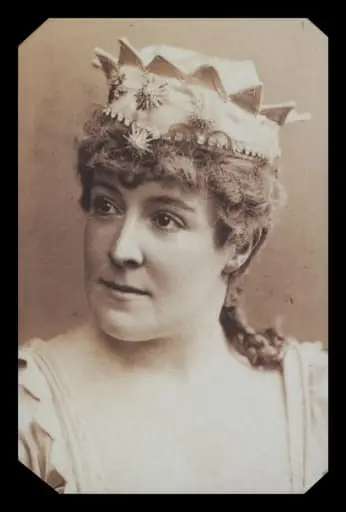
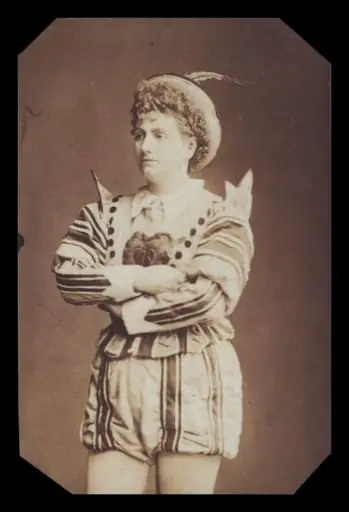
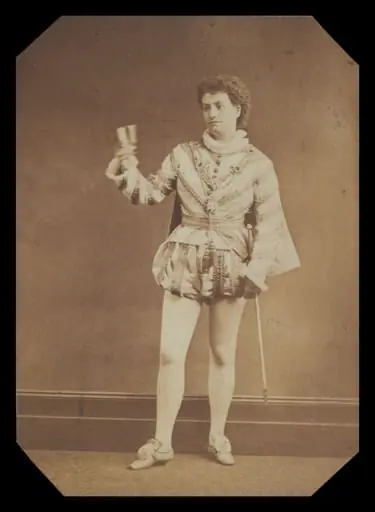
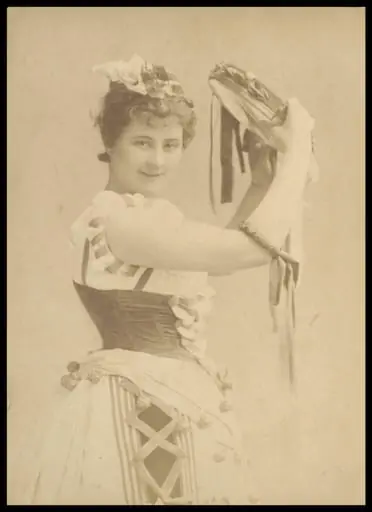
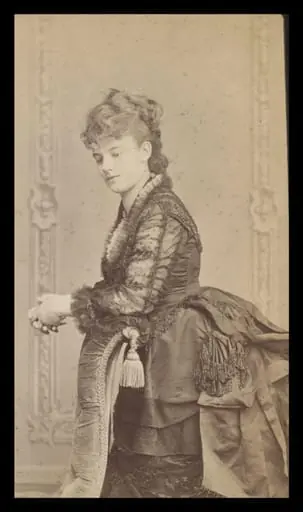
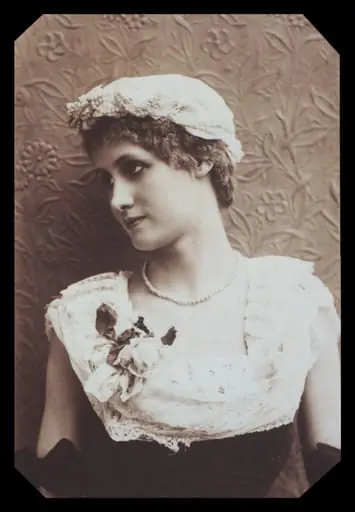
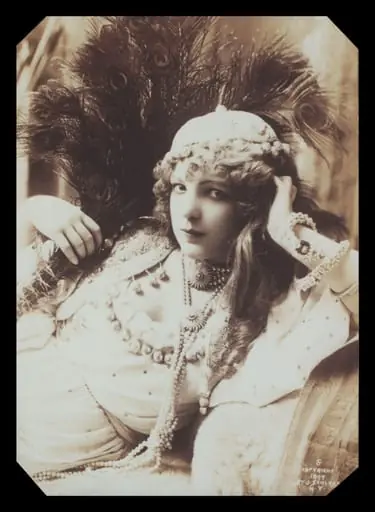
In 1873, a London studio captured Rose Bell on stage. She played Paris in a comic opera at the Alhambra Theatre. The photo was printed on stiff card with the company’s name.
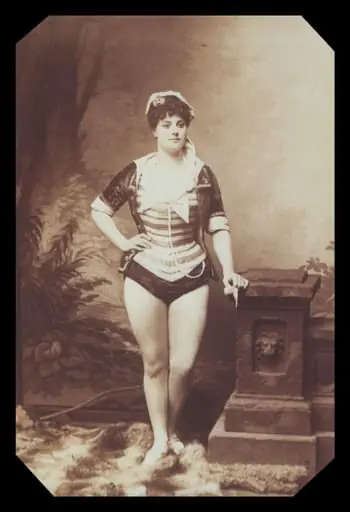
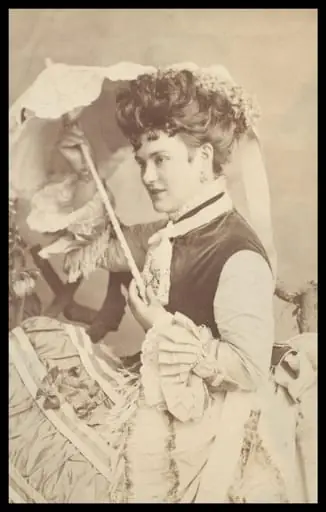
This snapshot shows theater life in the 1870s. Actresses like Bell were stars of the day. Their images sold as collectible cards to fans.
Look up the Victoria and Albert Museum next.
Overview
This photograph, taken in 1873 at the Alhambra Theatre in London, depicts actress Rose Bell in costume as Paris from the comic opera La Belle Hélène.
This photograph, taken in 1873 at the Alhambra Theatre in London, depicts actress Rose Bell in costume as Paris from the comic opera La Belle Hélène. Printed as a cabinet card—an albumen print mounted on thick cardstock—it bears the imprint of the studio that produced it. The image was later removed from its original backing and incorporated into a personal album compiled by Guy Tristram Little, a legal professional and avid collector of theatrical memorabilia, who bequeathed the collection to the V&A in 1953.
Subject & Meaning
Rose Bell portrayed Paris, the mythological figure central to the satirical plot of Jacques Offenbach’s La Belle Hélène, a popular operetta of the era. Her depiction in costume reflects the theatrical culture of 1870s London, where stage performers were celebrated as public figures. The photograph served not only as a record of performance but also as a commodity, allowing audiences to own a tangible connection to the spectacle they had witnessed, reinforcing the celebrity status of actors like Bell.
Technique & Style
The image was produced using the albumen printing process, common in the mid-to-late 19th century, which involved coating paper with egg white and salt before sensitizing it with silver nitrate. Captured on a glass negative, the photograph was then printed at cabinet card size—approximately 4.25 by 6.5 inches—offering greater detail and durability than earlier cartes de visite. The studio lighting and posed composition reflect conventions of theatrical portraiture, designed to highlight costume and expression rather than naturalism.
History & Provenance
The photograph was once part of a private collection assembled by Guy Tristram Little, who systematically removed such images from their original mounts and organized them into bound albums. Little, a solicitor and executor of Gabrielle Enthoven’s estate, inherited her extensive theatrical archive. Upon his death in 1953, the collection, including this image, was donated to the Victoria and Albert Museum, where it became part of the foundational holdings of the Theatre and Performance collections.
Context
In the 1870s, cabinet cards replaced cartes de visite as the preferred format for theatrical portraits, reflecting growing public interest in celebrity culture. Theatrical photography flourished alongside the expansion of London’s entertainment districts, with studios specializing in capturing performers in costume. These images circulated widely among fans, functioning as both souvenirs and status objects, mirroring the rise of mass-produced visual culture in the Victorian era.
Legacy
The photograph survives as a material artifact of 19th-century theatrical fandom and the institutionalization of performance history. Its preservation within the V&A’s collection underscores the museum’s role in documenting ephemeral arts. As part of Little’s broader archive, it contributes to the understanding of how audiences engaged with performance beyond the stage, through the domestic consumption of photographic imagery.
Artist & collection
Artist
London Stereoscopic and Photographic Company
They snapped portraits for London’s theater crowd in the 1800s, turning actors and dancers into instant celebrities.