Artwork
Guy Little Theatrical Photograph
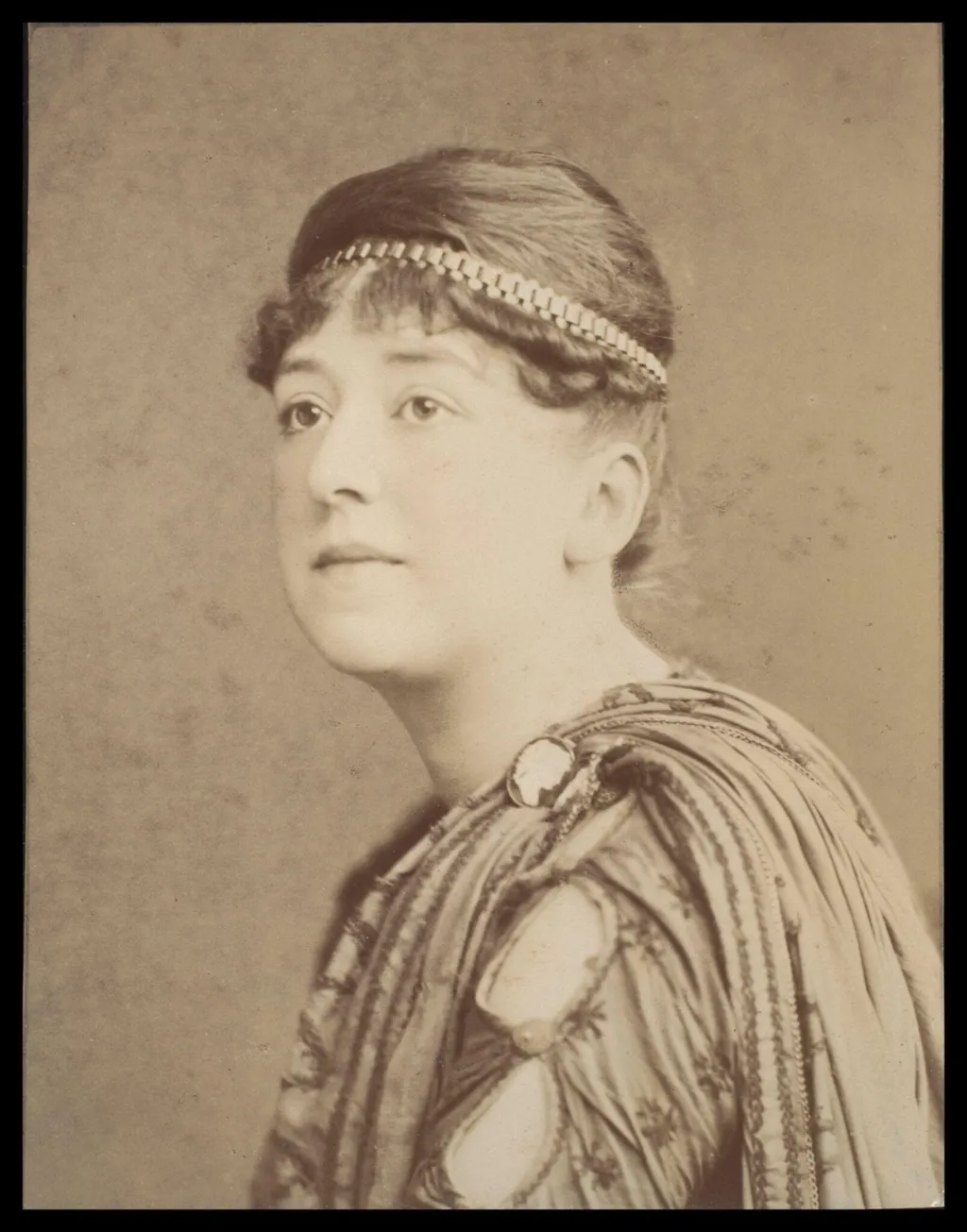
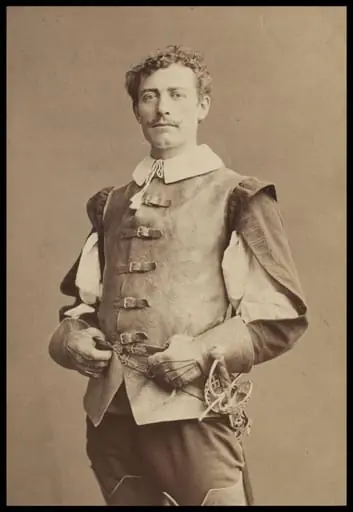
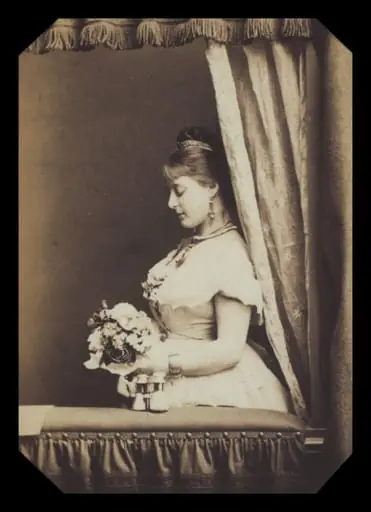
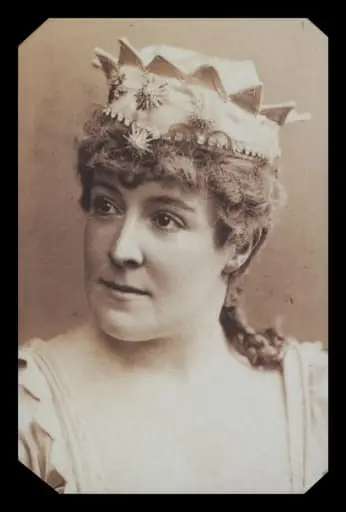
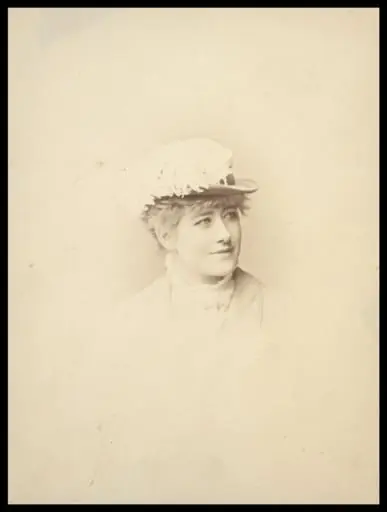
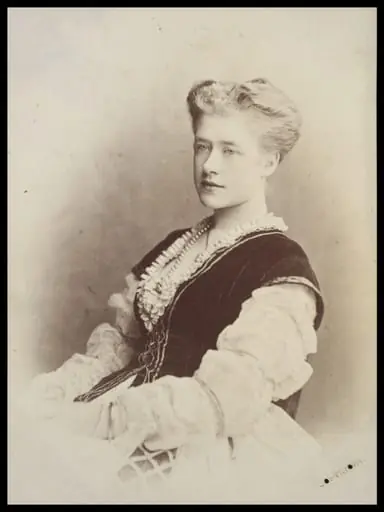
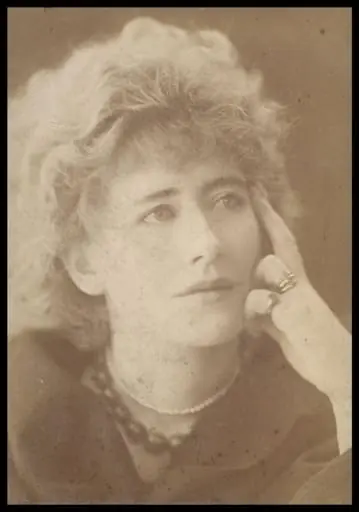
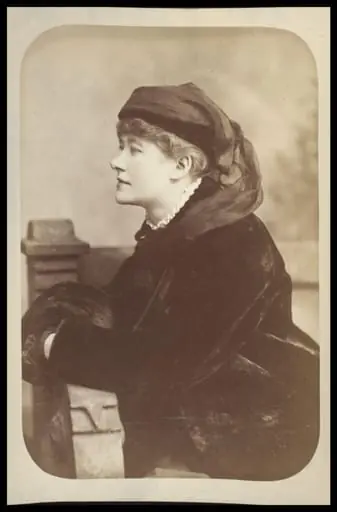
Guy Little Theatrical Photograph is a photographic photography by the Impressionist artist London Stereoscopic and Photographic Company. It dates from 1883 and is held in the collection of the Victoria and Albert Museum. The image captures actress Amy Roselle in costume as Cynisca from the 1883 production of *Pygmalion and Galatea* at London’s Lyceum Theatre.
About this work
This photo shows Amy Roselle acting in a play called Pygmalion and Galatea. It was taken in 1883 by a London company that made lots of these pictures for fans.
Back then, photos were brand new. Actors sold them as small cards called cartes de visite. Later they switched to bigger cabinet cards.
Look up the London Stereoscopic and Photographic Company next.
Overview
The image captures actress Amy Roselle in costume as Cynisca from the 1883 production of *Pygmalion and Galatea* at London’s Lyceum Theatre. Produced by the London Stereoscopic and Photographic Company, the picture is a typical Victorian theatrical portrait intended for public circulation.
Subject & Meaning
Roselle is depicted in the role of Cynisca, a character drawn from the mythic narrative of Pygmalion. The pose and costume convey the dramatic moment of the play, offering contemporary audiences a visual record of stage performance and the actress’s interpretation of the role.
Technique & Style
The photograph is an albumen print made from a glass negative, a common process in the late nineteenth century. It was originally mounted on a stiff card, either as a petite “carte de visite” or the slightly larger “cabinet card,” formats that facilitated collection and exchange among admirers of theatre.
History & Provenance
The card was part of a larger assemblage of theatrical cartes de visite and cabinet cards gathered by solicitor Guy Tristram Little (d. 1953). Little, an avid collector of ephemera, donated the bound albums to the Victoria and Albert Museum, where they now form part of the museum’s Theatre Collections.
Context
During the Victorian era, photographic portraiture became a popular means for actors to promote their stage personas. The rise of cartes de visite in the 1850s and their later evolution into cabinet cards reflected broader trends in mass‑produced visual culture and the growing celebrity of theatrical performers.
Artist & collection
Artist
London Stereoscopic and Photographic Company
They snapped portraits for London’s theater crowd in the 1800s, turning actors and dancers into instant celebrities.