Artwork
Guy Little Theatrical Photograph
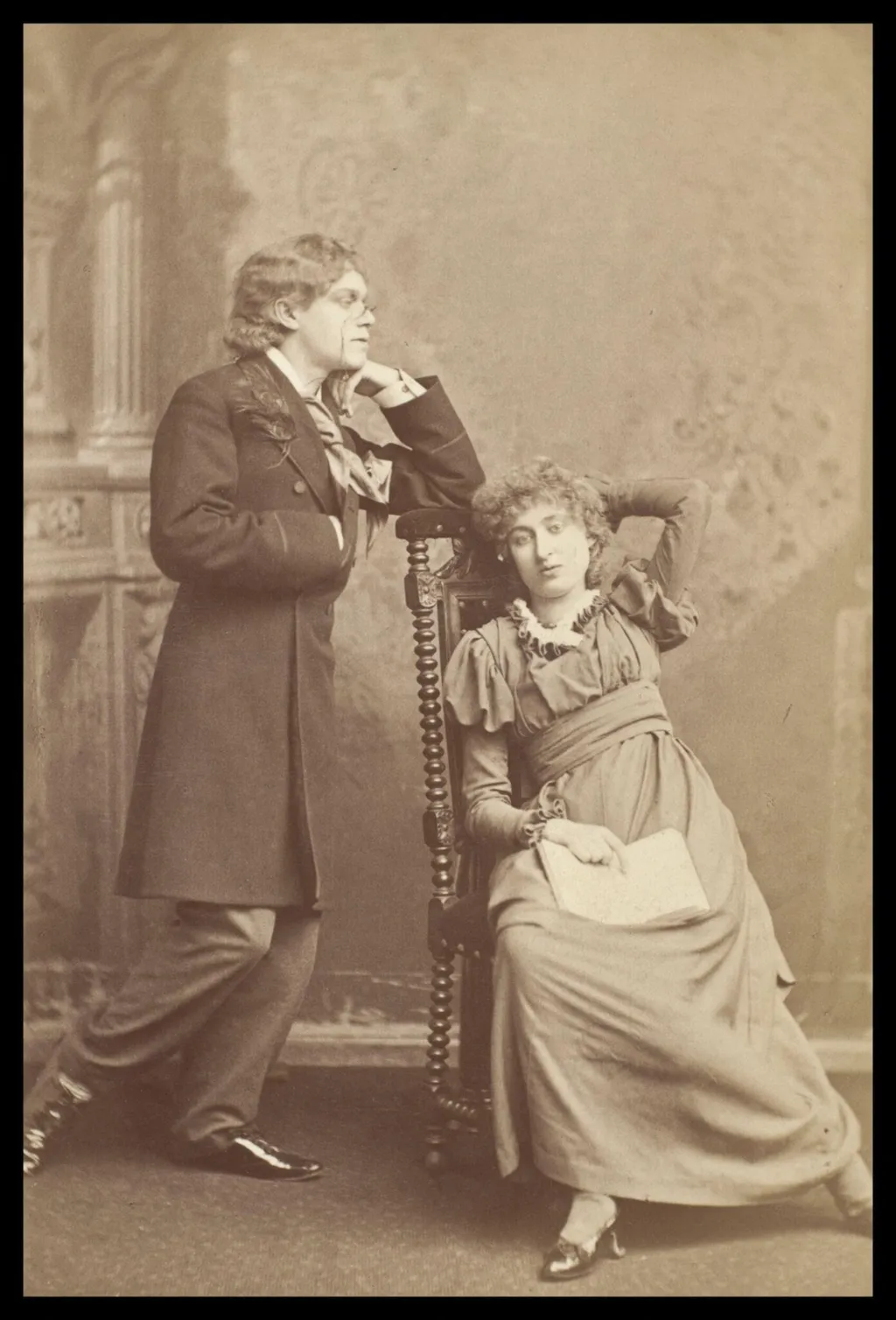
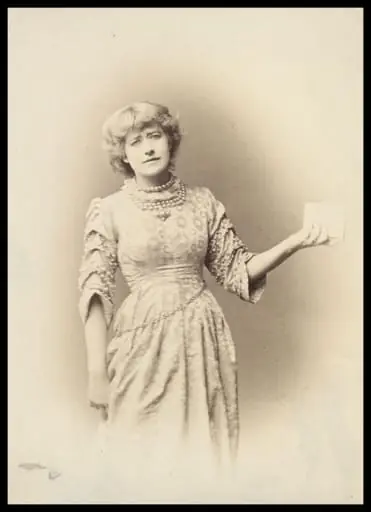
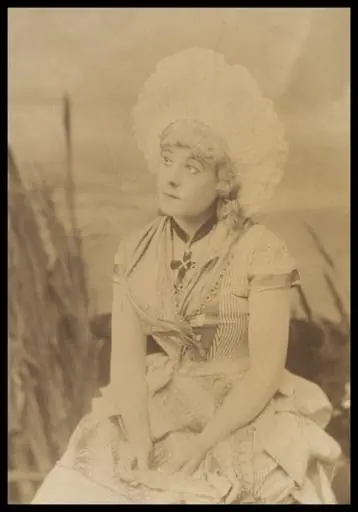
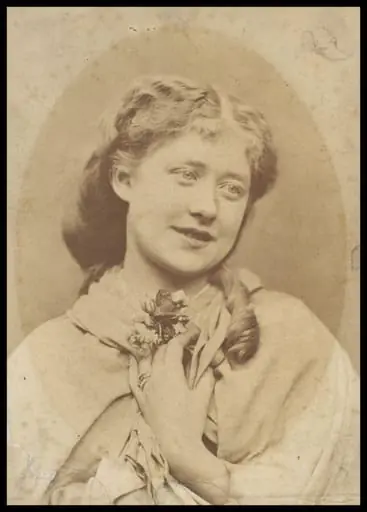
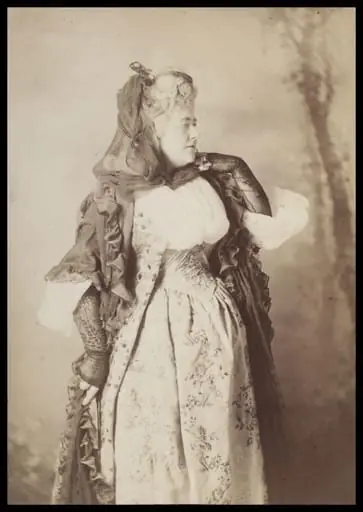
Guy Little Theatrical Photograph is a photographic photography by the Impressionist artist London Stereoscopic and Photographic Company. It dates from 1887 and is held in the collection of the Victoria and Albert Museum.
About this work
Victorian actors sold these as “cartes de visite” to make extra money.
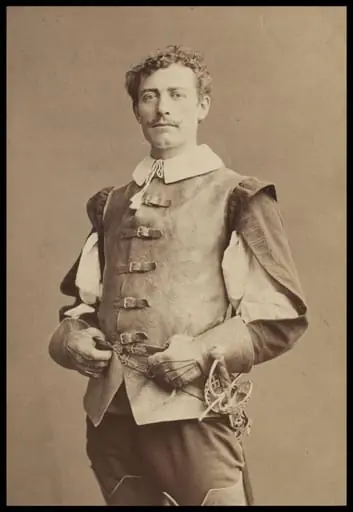
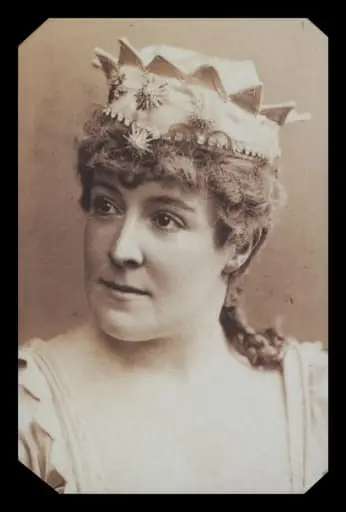
This black-and-white photo shows a stage scene from 1887. Rowland Buckstone plays Basil Giorgione. Cissy Grahame plays Nellie Forrester. Both stand in full costume for the play *The Colonel*.
It’s one of many theatrical photos made for fans to collect. Victorian actors sold these as “cartes de visite” to make extra money.
Ever wonder where these old actor photos end up? See more at the Victoria and Albert Museum.
Overview
This black-and-white photograph captures a moment from the 1887 production of *The Colonel* at the Comedy Theatre, featuring actors Rowland Buckstone and Cissy Grahame in character. Taken by Guy Little, it belongs to a personal archive of theatrical imagery he assembled over decades. The image was originally produced as a cabinet card—a larger format that succeeded the earlier carte de visite—intended for public sale and collection by theatre enthusiasts during the late Victorian era.
Subject & Meaning
The photograph depicts Rowland Buckstone as Basil Giorgione and Cissy Grahame as Nellie Forrester, two central figures in the comedy *The Colonel*. Their full costumes and staged posture suggest a key scene meant to convey character and narrative. Such images served not only as souvenirs but also as visual advertisements, reinforcing public recognition of actors and their roles, bridging the gap between live performance and domestic consumption.
Technique & Style
The image is an albumen print on card stock, typical of late 19th-century photographic production. Made from a glass negative, it reflects the standard studio practice of the time: controlled lighting, static poses, and minimal background detail to emphasize the subjects. The format—cabinet card—was designed for durability and display, often kept in albums alongside other theatrical and celebrity portraits.
History & Provenance
The photograph was collected by Guy Tristram Little, a solicitor and avid archivist of popular visual culture. He systematically removed such images from their original mounts and organized them into curated albums. Upon his death in 1953, his collection was bequeathed to the Victoria and Albert Museum, where it became part of the foundational material for the museum’s Theatre and Performance holdings.
Context
During the late 1800s, theatrical photography flourished as a commercial enterprise. Actors and managers capitalized on public fascination with celebrity, selling cabinet cards as affordable collectibles. These images circulated widely, allowing audiences to maintain a personal connection to performances they could not always attend. The practice reflected broader Victorian interests in documentation, memory, and the material culture of entertainment.
Legacy
Little’s collection preserved a vast array of ephemeral theatrical imagery that might otherwise have been lost. His meticulous curation ensured that these photographs became valuable historical records, offering insight into performance styles, costume design, and audience culture. Today, they remain essential resources for scholars studying the intersection of theatre, photography, and popular media in the Victorian and Edwardian eras.
Artist & collection
Artist
London Stereoscopic and Photographic Company
They snapped portraits for London’s theater crowd in the 1800s, turning actors and dancers into instant celebrities.