Artwork
Die Todesstunde
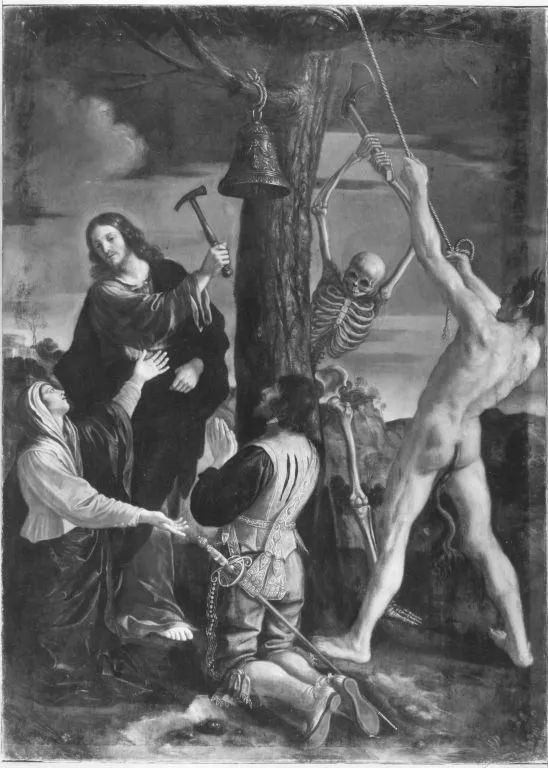
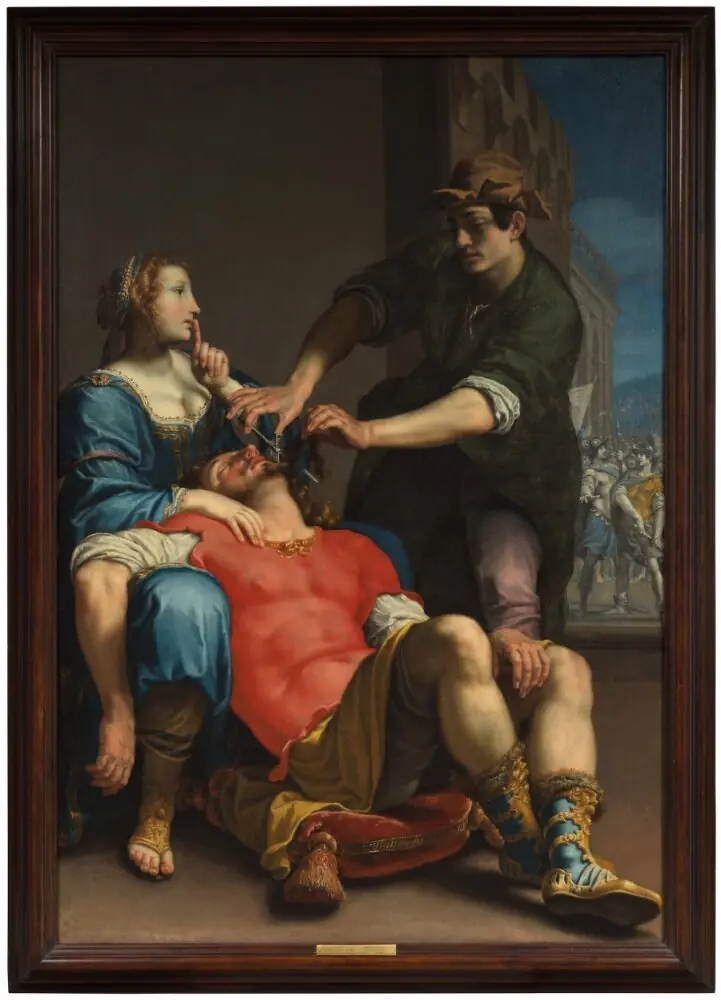
Die Todesstunde is an unspecified painting by the Early Baroque Italian artist Lorenzo Lippi. It dates from 1635 and is held in the collection of the Bavarian State Painting Collections.
About this work
Overview
Painted in 1635 by Lorenzo Lippi, Die Todesstunde is an oil on canvas work currently housed in the Alte Pinakothek in Munich.
Painted in 1635 by Lorenzo Lippi, Die Todesstunde is an oil on canvas work currently housed in the Alte Pinakothek in Munich. The composition centers on a moment of intense human confrontation, rendered with a heightened sense of theatricality. Lippi employs a limited but expressive palette to emphasize emotional weight, balancing dark shadows against areas of light to guide the viewer’s focus through the scene.
Subject & Meaning
The painting illustrates a moment of execution or punishment, with a kneeling figure bound by a rope tied to a tree, while a standing figure holds the other end. A skeletal figure dangles above, suggesting death as an inescapable presence. The scene evokes moral or divine retribution, possibly referencing biblical or allegorical themes of sin and judgment common in 17th-century Italian art, though no specific narrative is definitively identified.
Technique & Style
Lippi uses chiaroscuro to model forms and intensify the drama, contrasting the illuminated figures against a dim, atmospheric background. The brushwork is precise in the faces and hands, while the foliage and sky are rendered with looser, more suggestive strokes. The spatial arrangement draws the eye downward toward the central struggle, reinforcing the psychological tension through compositional hierarchy and directional lighting.
History & Provenance
The painting entered the collection of the Alte Pinakothek in the 19th century, likely as part of a broader acquisition of Italian Baroque works. Its early history prior to museum acquisition remains undocumented, though its style aligns with Lippi’s known output from his Florentine period. No significant alterations or restorations are recorded in public archives.
Context
Created during the height of the Baroque era, the work reflects the period’s fascination with emotional intensity and moral allegory. Lippi, influenced by Caravaggio’s naturalism and the dramatic lighting of his followers, adapted these elements into a distinctly personal style. The painting’s subject matter resonates with contemporary religious and philosophical concerns about mortality and justice in post-Tridentine Italy.
Legacy
Though not widely exhibited outside German collections, Die Todesstunde remains a representative example of Lippi’s ability to merge narrative clarity with psychological depth. It contributes to scholarly understanding of how Florentine painters interpreted Baroque themes without fully adopting Roman grandeur, offering a quieter, more introspective variant of the movement’s dramatic ideals.
Artist & collection

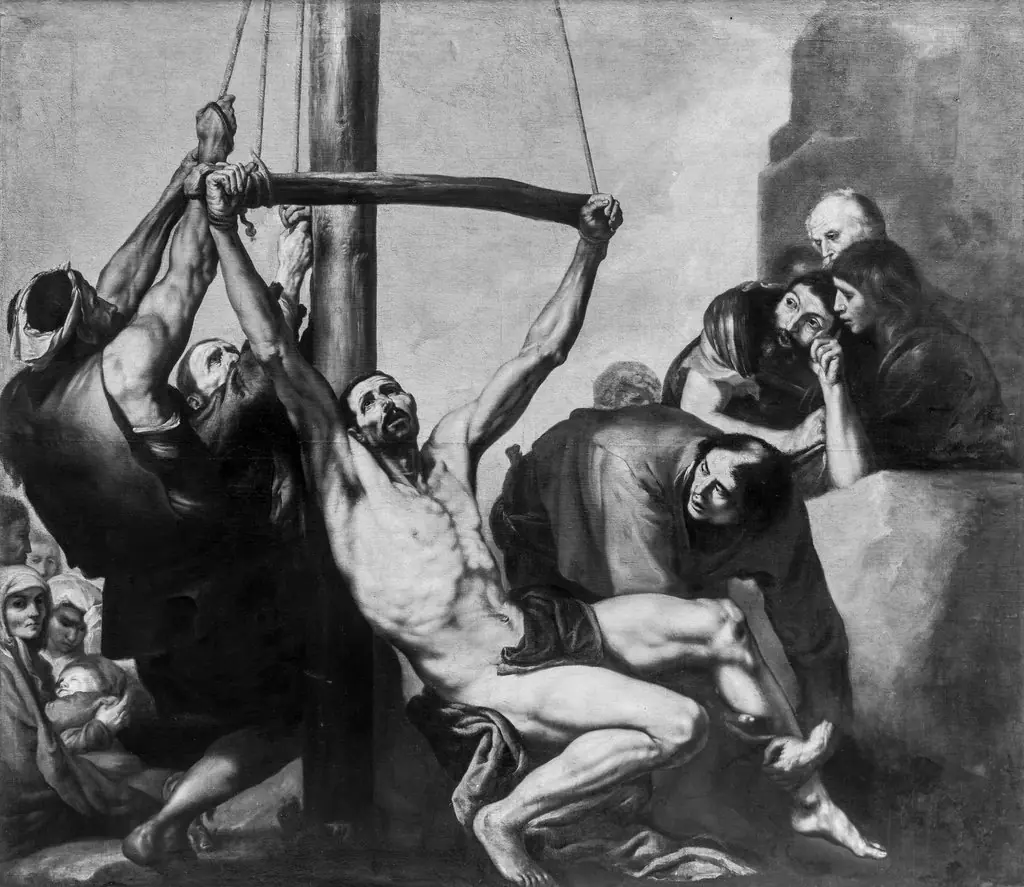 The Martyrdom of Saint Bartholomew
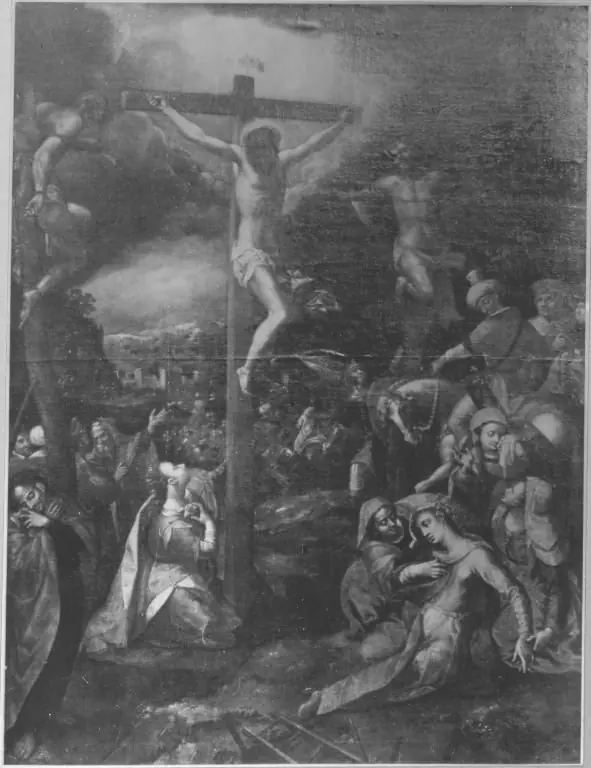 Kreuzigung Christi (Kopie nach)
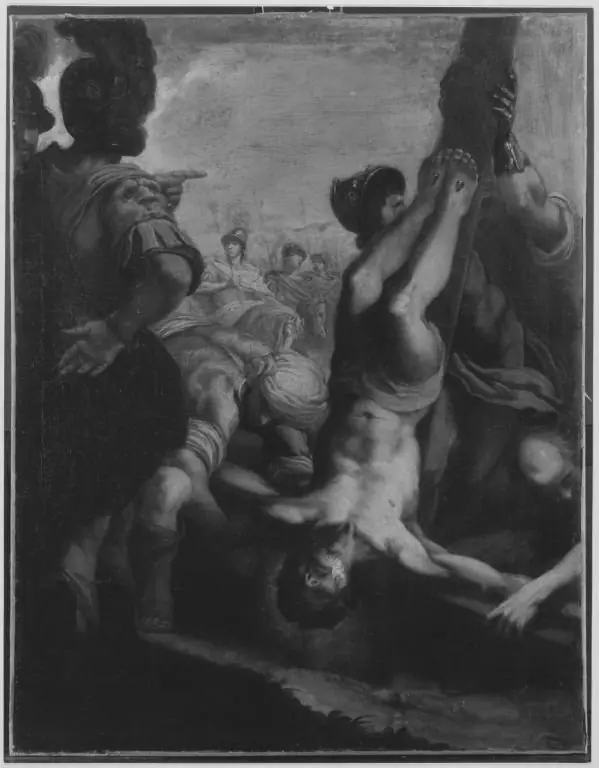 Die Kreuzigung des hl. Petrus
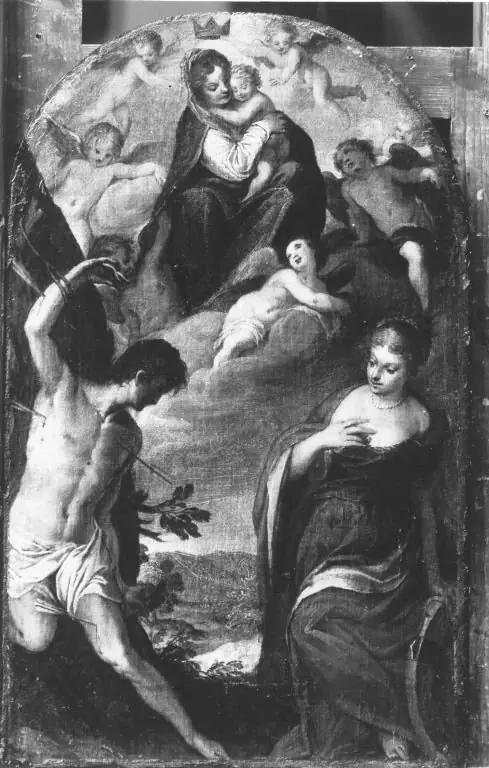 Maria mit Kind und den hll. Sebastian und Katharina (zugeschrieben)
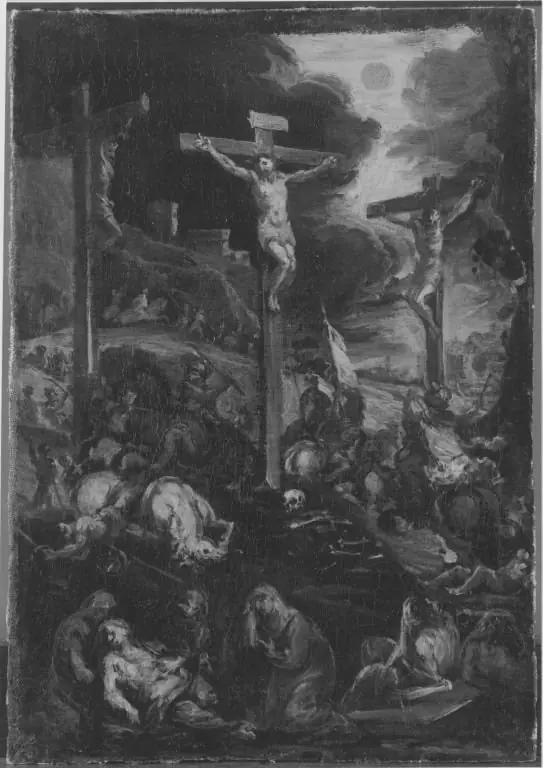 Kreuzigung Christi (Kopie nach dem Altarbild der Münchner Augustinerkirche) (Kopie nach)
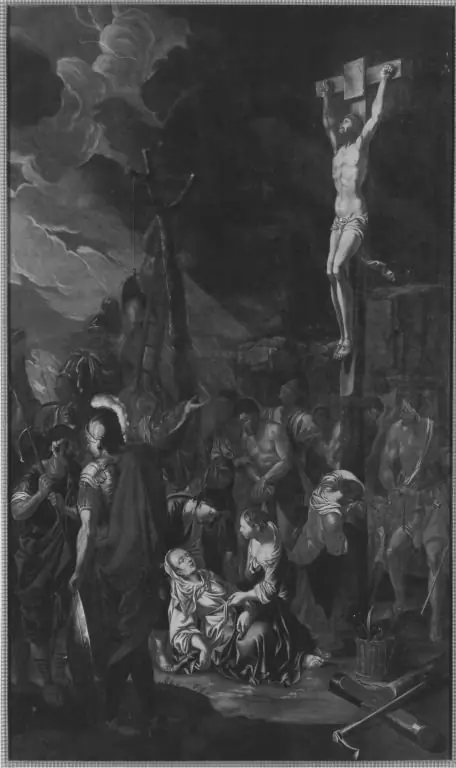 Kreuzigung
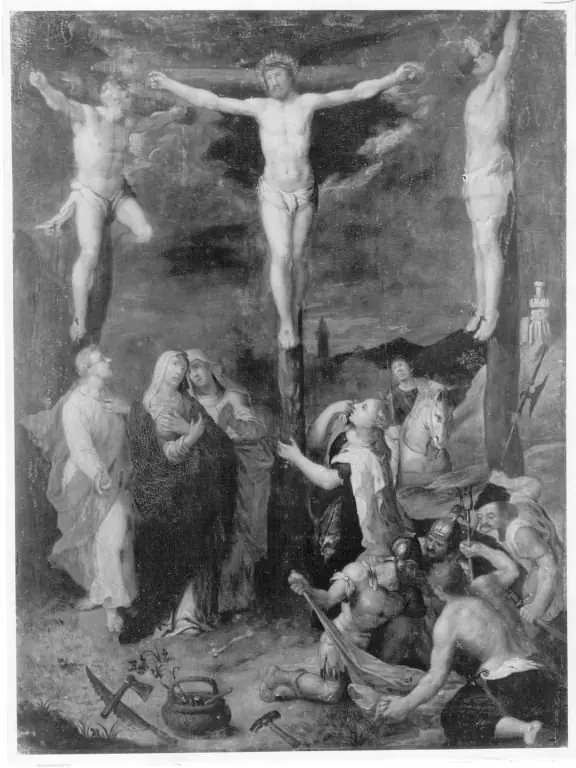 Christus am Kreuz
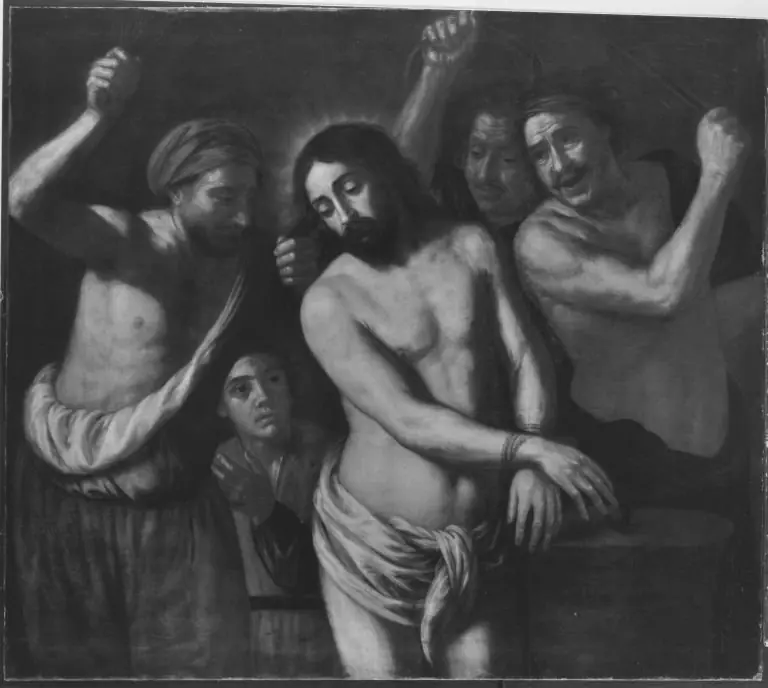 Verspottung Christi
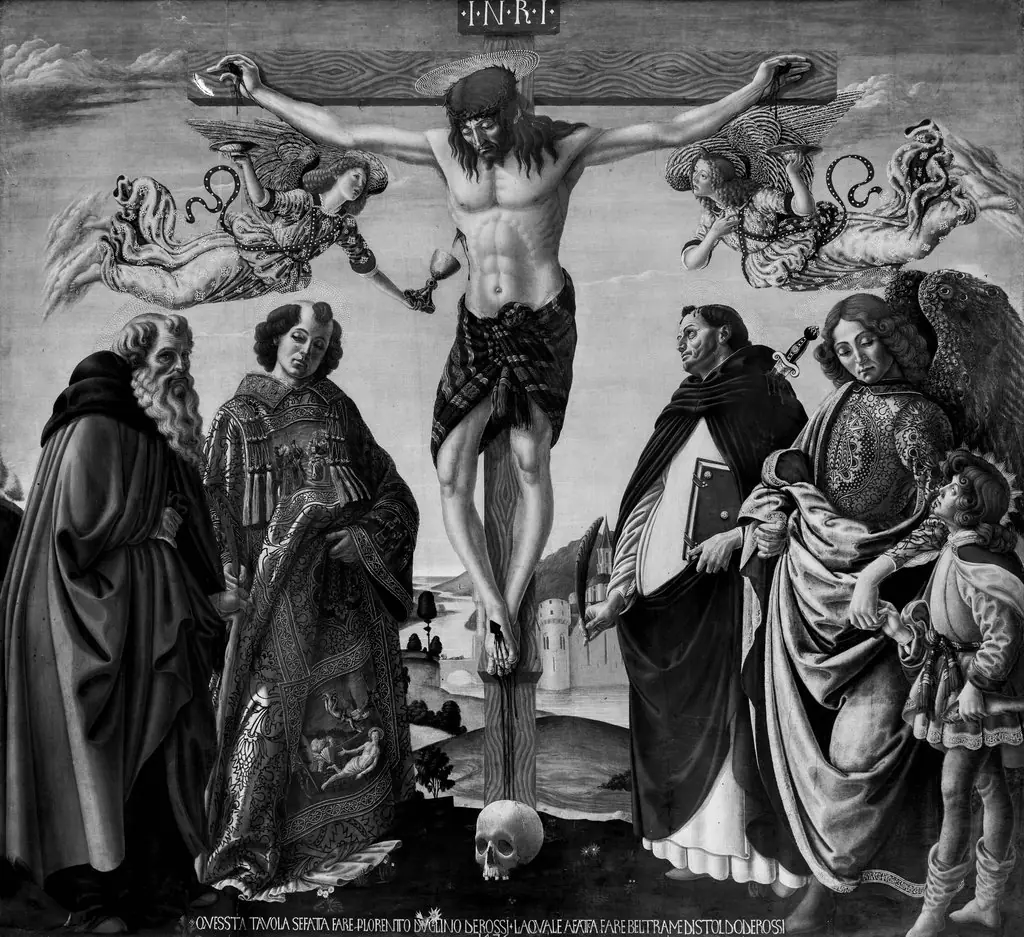 Christ on the Cross and Four Saints
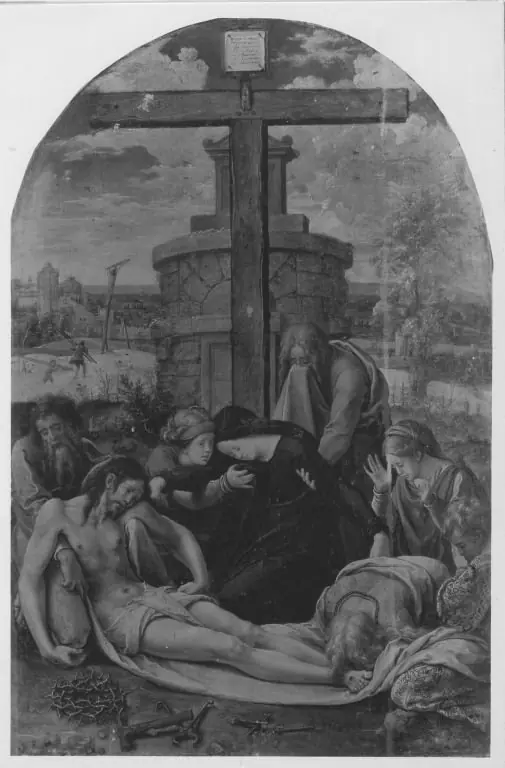 Lamentation of Christ (after Raphael)
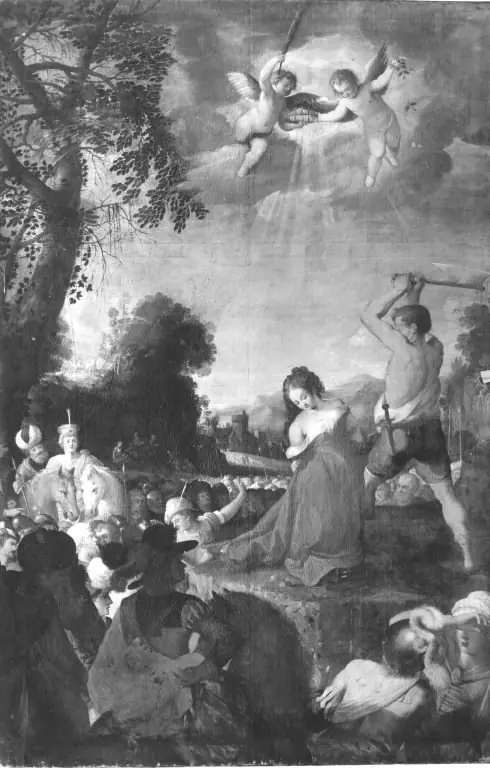 Enthauptung der hl. Katharina (?)
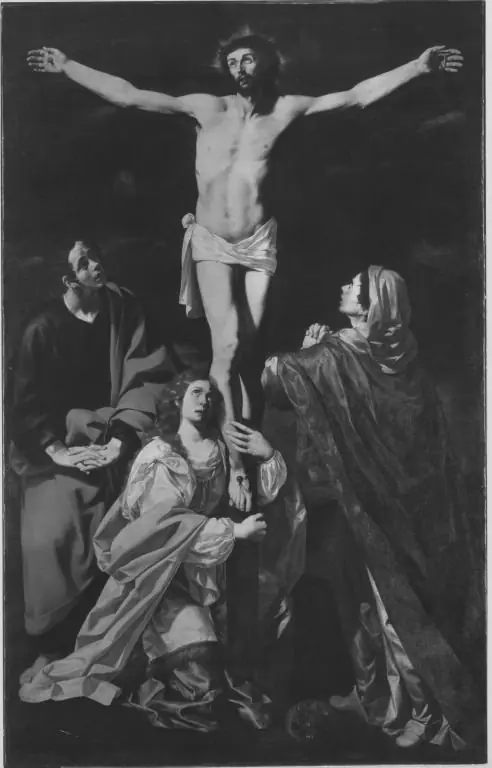 Christus am Kreuz (?)