Artwork
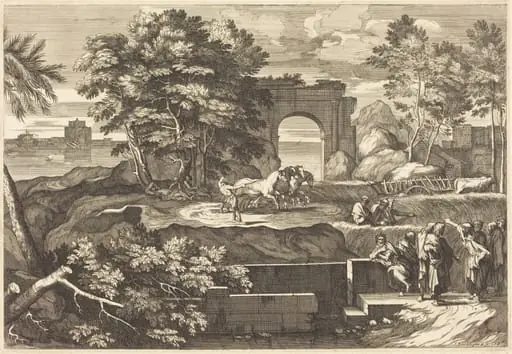
Mercury and Argus (Mercure et Argus)
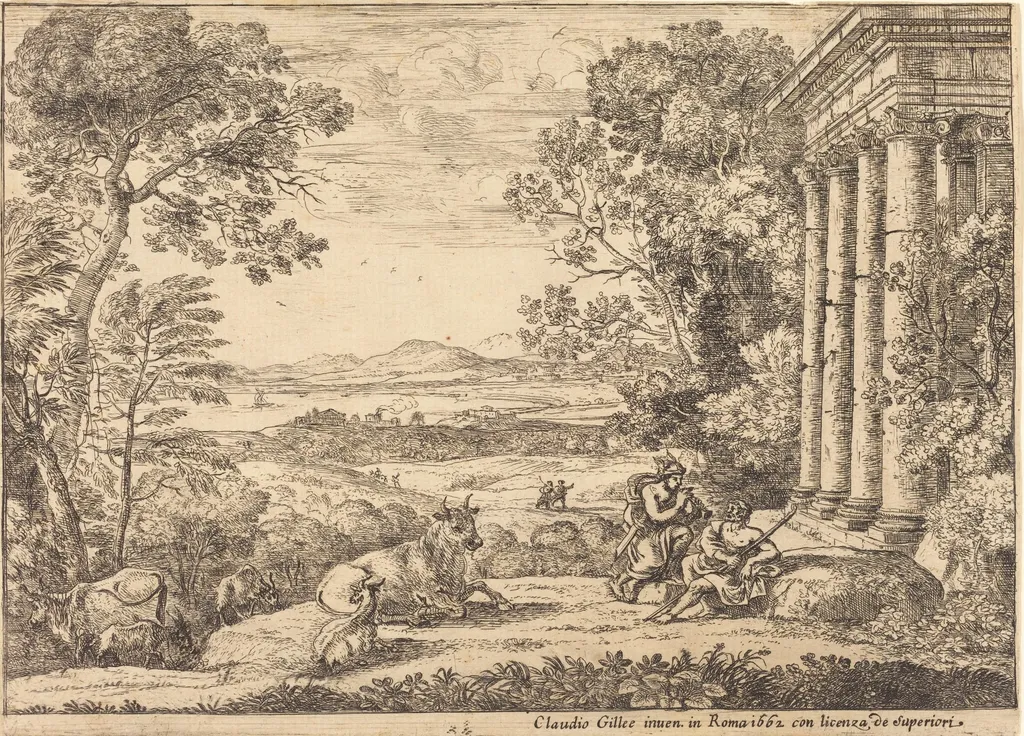
Mercury and Argus (Mercure et Argus) is an ink print by the Baroque artist Claude Lorrain. It dates from 1662 and is held in the collection of the National Gallery of Art.
About this work
Overview
In the foreground a seated figure leans on a staff while a bull rests nearby; beyond, gentle hills roll toward a distant waterline dotted with sparse trees.
Claude Lorrain’s 1662 etching *Mercury and Argus* presents a tranquil countryside scene framed by a classical columned building on the right. In the foreground a seated figure leans on a staff while a bull rests nearby; beyond, gentle hills roll toward a distant waterline dotted with sparse trees. The composition balances natural serenity with mythological reference, characteristic of Lorrain’s landscape‑focused approach.
Subject & Meaning
The print draws on a episode from Greek mythology in which the messenger god Mercury encounters the watchful giant Argus. By placing these figures within an idealized pastoral setting, Lorrain merges the narrative of divine intervention with a timeless, harmonious environment, suggesting a contemplation of the interplay between human (or divine) action and the enduring landscape.
Technique & Style
Executed as an etching, the work relies on fine line work to model light and shadow, creating atmospheric depth across the hills and water. Lorrain’s handling of chiaroscuro in the print mirrors his painted practice, using gradual tonal transitions to suggest distance and volume while preserving the crispness of architectural detail in the columned structure.
History & Provenance
Created during Lorrain’s mature period while he was resident in Italy, the etching was likely produced for the market of collectors interested in classical subjects rendered in a landscape idiom. Surviving impressions have appeared in several 17th‑century print collections and are now held by major European museums, reflecting the artist’s reputation across the continent.
Context
*Mercury and Argus* belongs to the Baroque era, a time when artists emphasized dramatic lighting and emotive storytelling. Lorrain, though best known for his oil landscapes, applied the same theatrical sensibility to his prints, integrating mythological narrative into a natural setting—a practice that aligned with contemporary tastes for grand, historically infused scenery.
Artist & collection
Artist
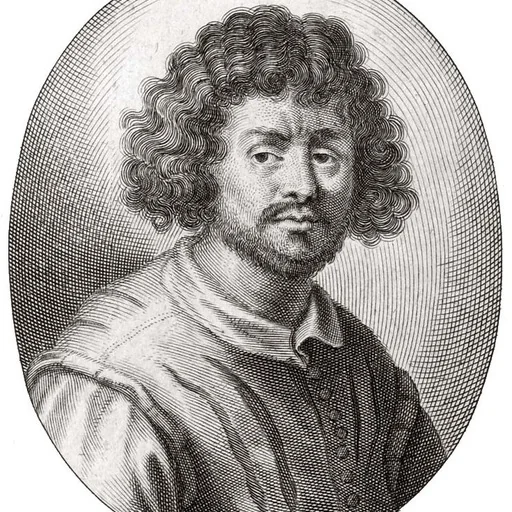
Claude Lorrain (French: ; born Claude Gellée , called le Lorrain in French; traditionally just Claude in English; c.

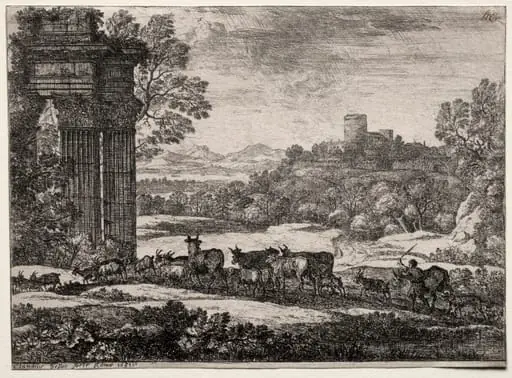 The Herd Returning in Stormy Weather
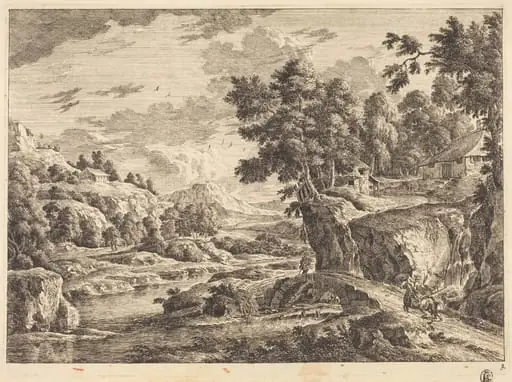 Landscape with a Bridge and Three Farm Buildings
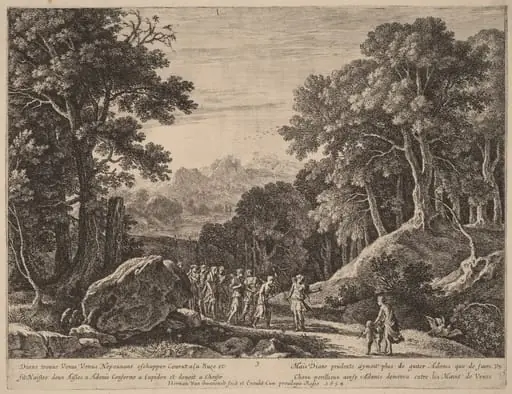 Venus Offering Diana a Choice between Cupid and Adonis
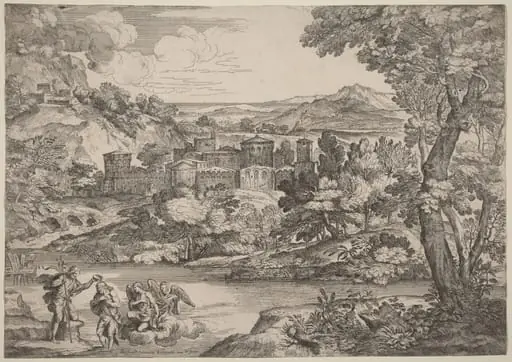 The Baptism of Christ, Set in a Mountainous Landscape
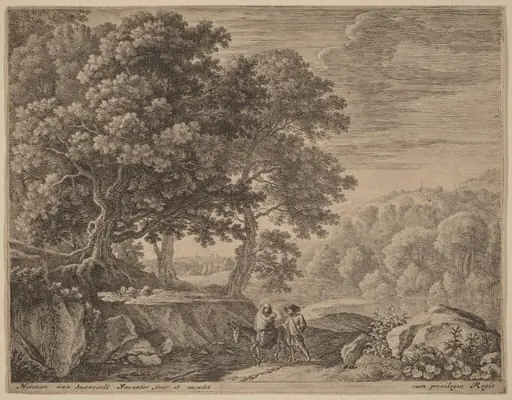 The Little Angels on the Hill
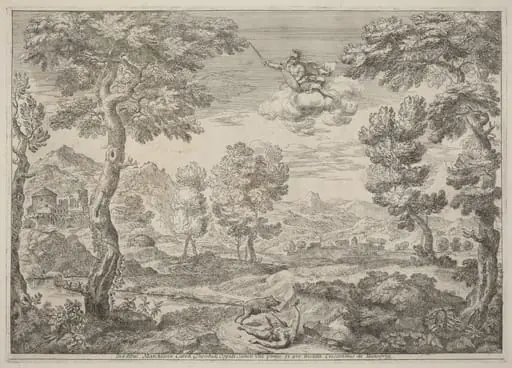 Mars's Revenge on Adonis
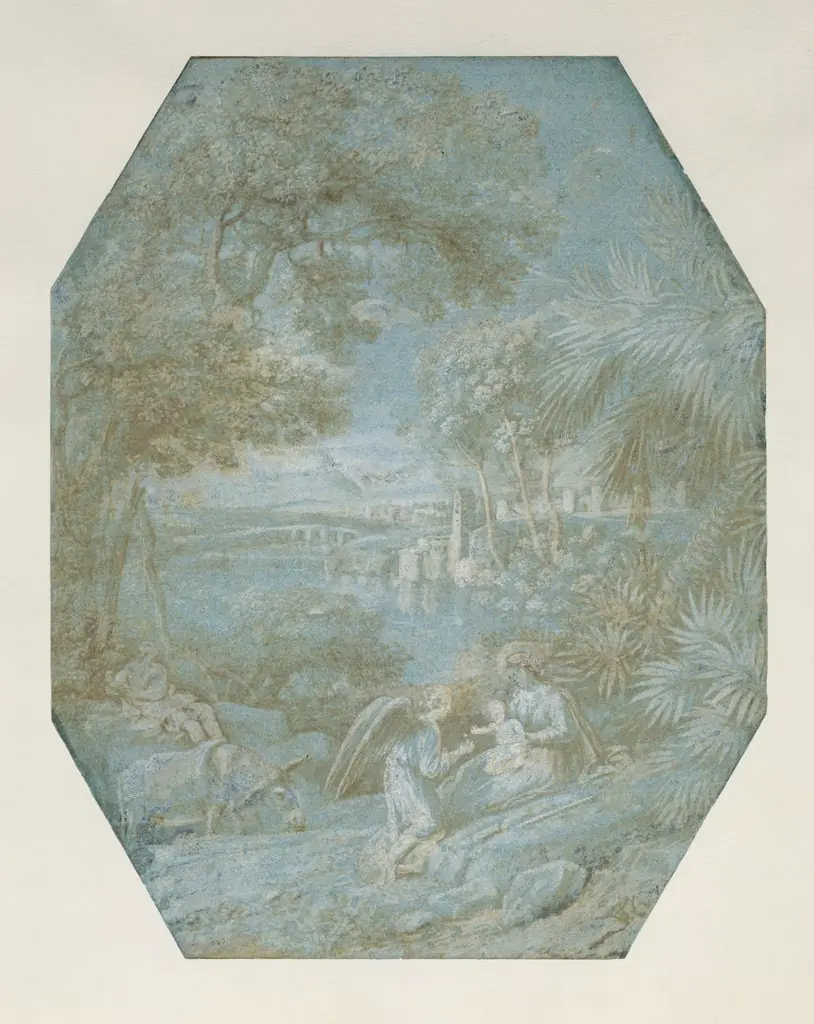
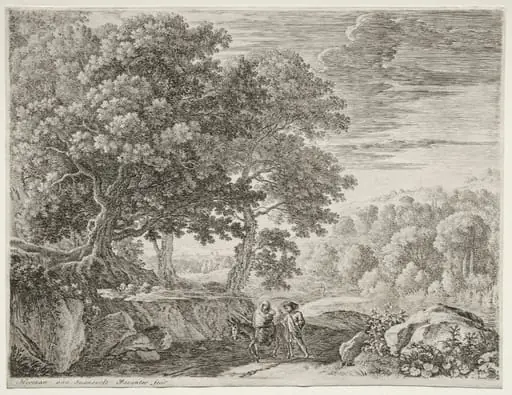 The Flight into Egypt: The Holy Family
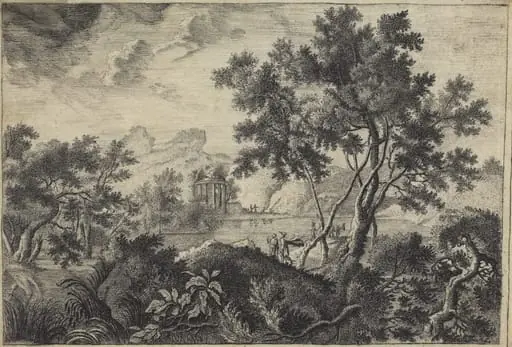 Classical Landscape with a Tempietto
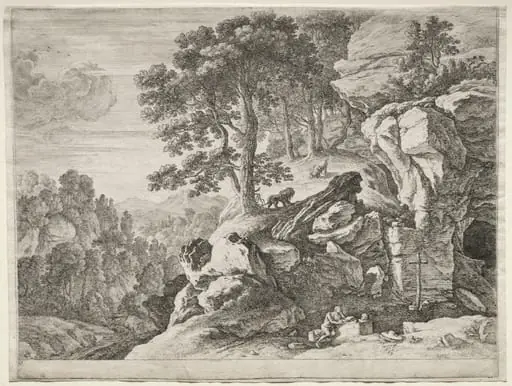 The Penitents: St. Jerome in the Desert
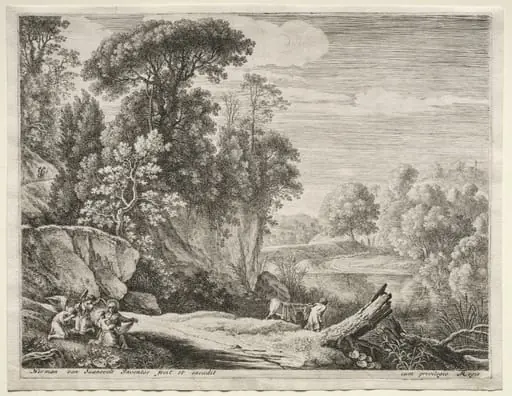 The Flight into Egypt: The Donkey Led to the River
 The Pharisees Complain to Our Lord
 The Mule Driver