Artwork
The Ford (Le passage du gué)
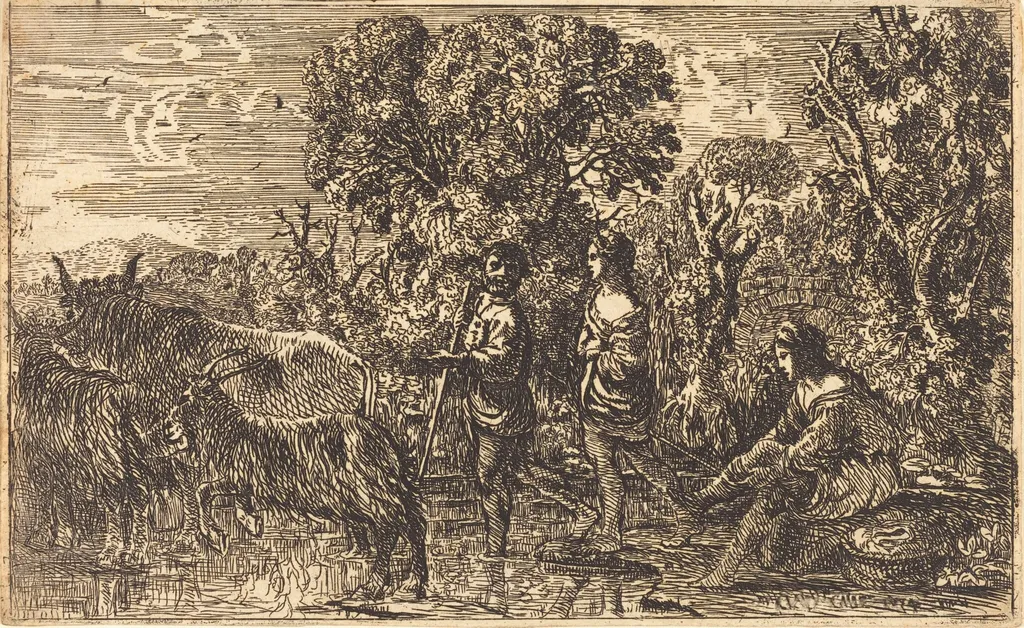
The Ford (Le passage du gué) is an ink print by the Baroque artist Claude Lorrain. It dates from 1634 and is held in the collection of the National Gallery of Art.
About this work
A group of riders guides horses across a shallow river. The water flows clear over rocks. Trees frame the scene. A boat with red sails floats downstream.
Claude made this etching in 1634. It shows his skill with light and shadow. Drypoint lines create deep blacks and soft textures.
Look for the same calm light in his paintings at the National Gallery of Art, Washington.
Overview
The Ford (Le passage du gué) is an etching created by Claude Lorrain in 1634, exemplifying his Baroque-era style and emphasis on landscape. The work features a serene rural scene with figures, horses, and a boat, set against a backdrop of trees and a shallow, rocky river.
Subject & Meaning
The etching depicts a moment of everyday activity - riders guiding horses across a river - subtly infused with classical compositional principles. Small figures, common in Lorrain's work, are drawn from biblical or classical sources, though here they serve to enhance the natural setting rather than dominate it.
Technique & Style
Technically, The Ford showcases Lorrain's mastery of etching, particularly in capturing light and shadow. Drypoint lines are utilized to achieve deep blacks and soft textures, characteristic of his skill in rendering nuanced environments.
History & Provenance
Created in 1634, The Ford reflects Lorrain's long residency in Italy, despite his origins in the Duchy of Lorraine. His pioneering focus on landscape is evident, anticipating later developments in the genre.
Context
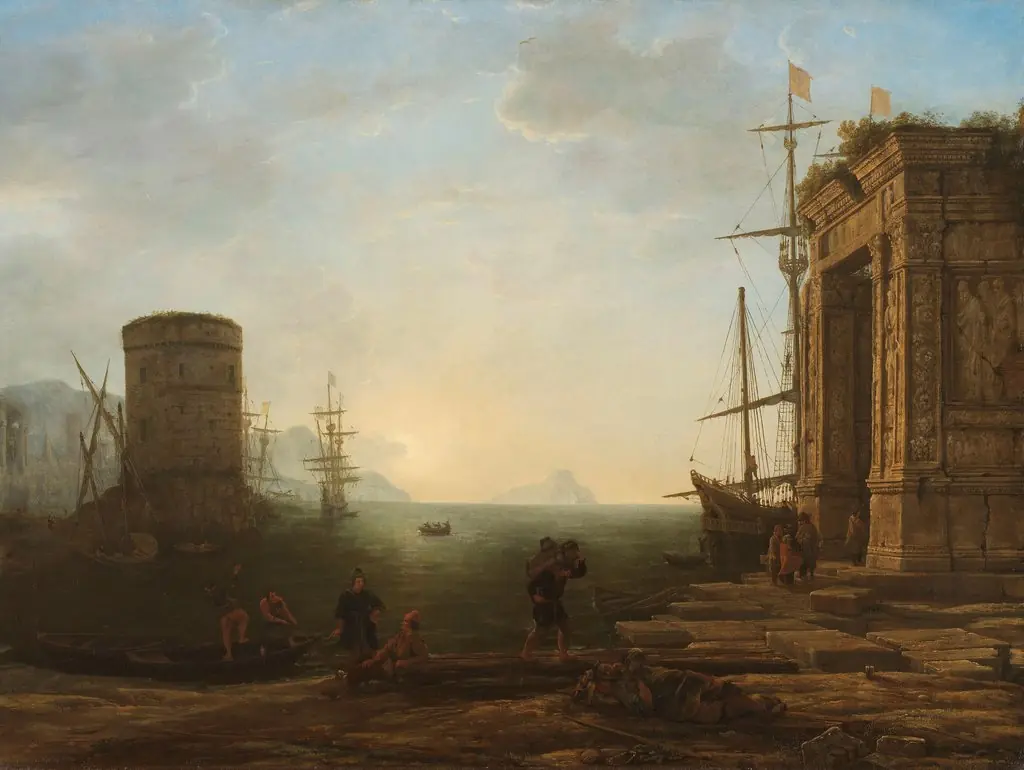
Lorrain's work, including The Ford, influenced the development of landscape painting. Comparisons can be drawn with his paintings at the National Gallery of Art, Washington, which share similar lighting effects.
Legacy
As one of the earliest significant landscape painters, Lorrain's The Ford contributes to the evolution of the genre, blending naturalism with classical ideals, leaving a lasting impact on European art.
Artist & collection
Artist
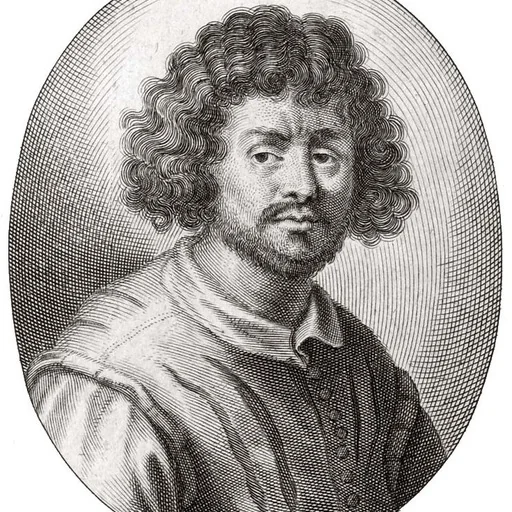
Claude Lorrain (French: ; born Claude Gellée , called le Lorrain in French; traditionally just Claude in English; c.

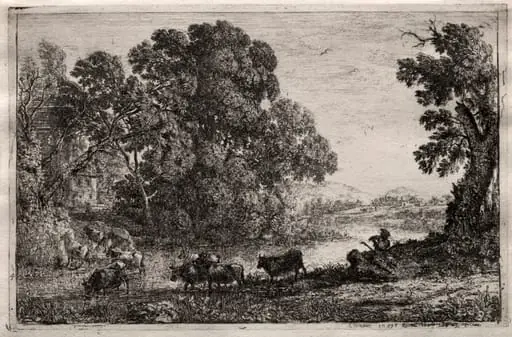 The Cowherd
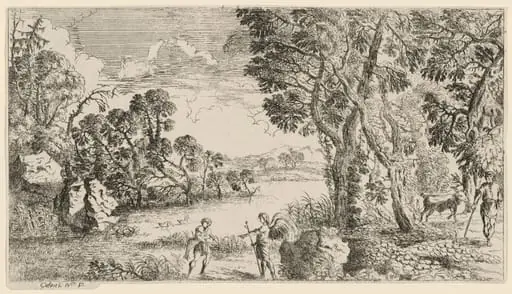 River Landscape with Tobias and the Angel
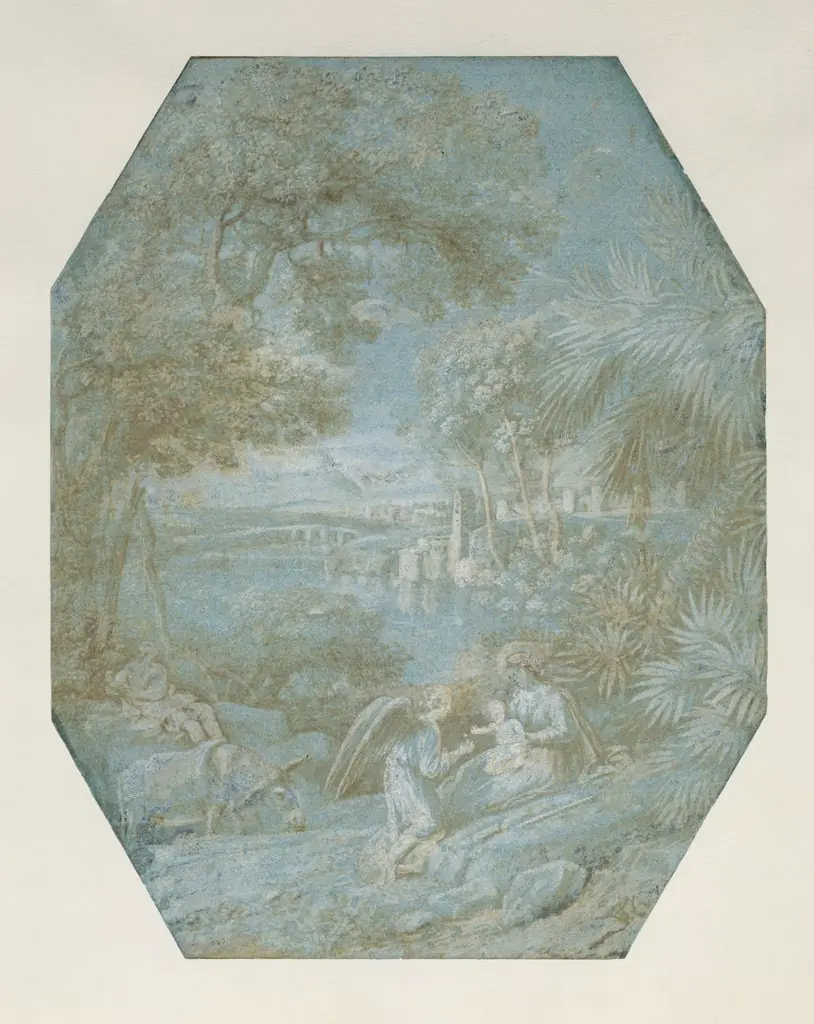
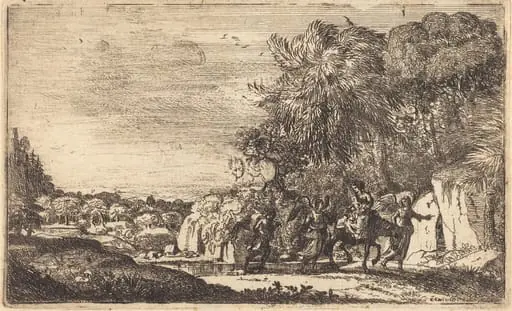 The Flight into Egypt (La fuite en Egypte)
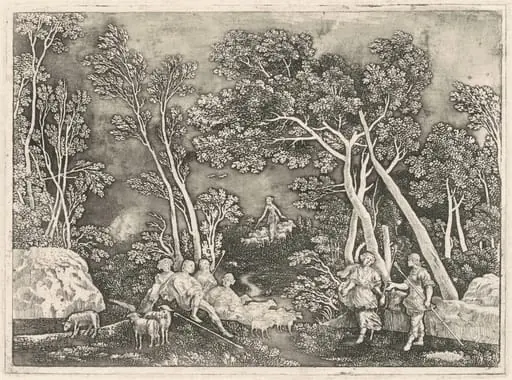 Nymphs in a Landscape
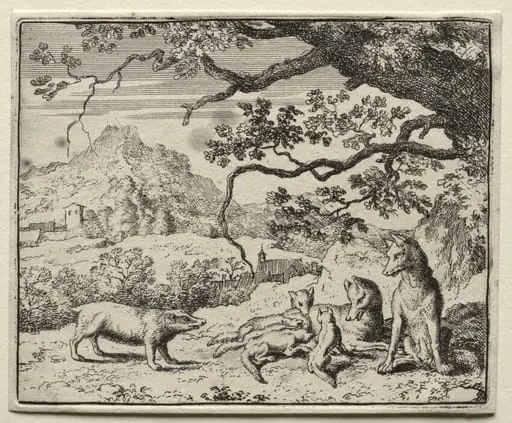 Reynard the Fox: The Badger Calls Reynard to Court
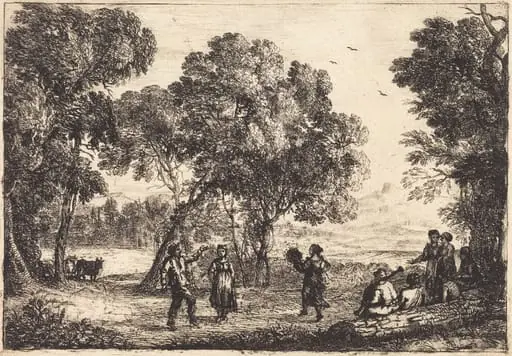 The Country Dance (Small Plate) (La danse sous les arbres)
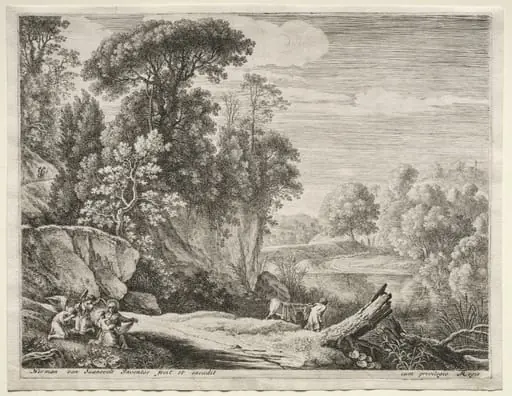 The Flight into Egypt: The Donkey Led to the River
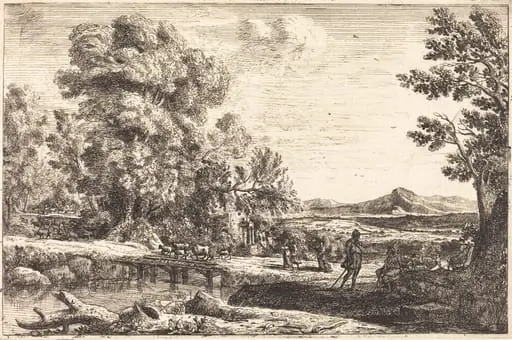 Rebecca and Eliezer (Le pont de bois)
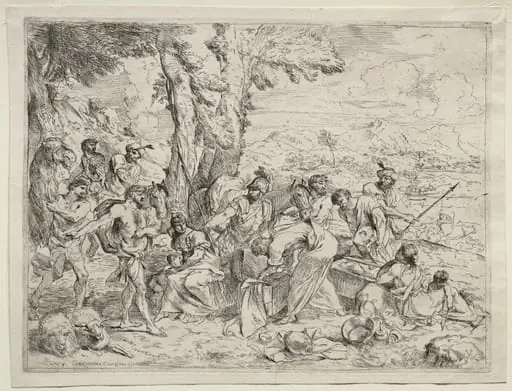 Laban Searching for Idols in Rachel's Baggage
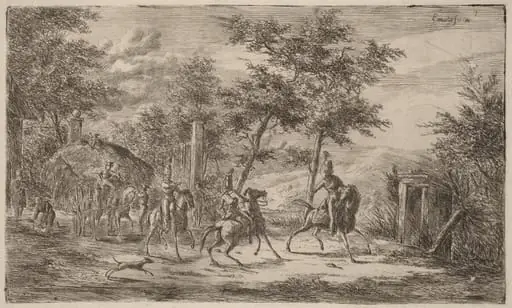 Cavalry and Hay Wagon