Artwork
The Harpies Attacking Aeneas and His Companions
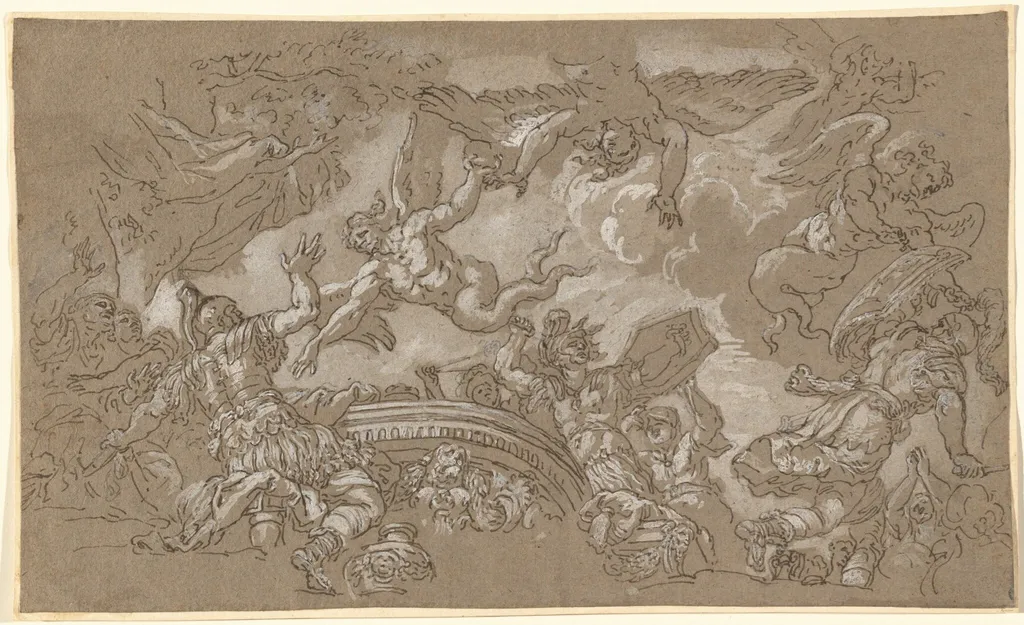
The Harpies Attacking Aeneas and His Companions is a chalk drawing by the Baroque artist Johann Carl Loth. It dates from 1680 and is held in the collection of the National Gallery of Art.
About this work
Overview
Created around 1680, this drawing by Johann Carl Loth depicts a moment from Virgil’s Aeneid in which the harpies, mythological bird-women, descend upon Aeneas and his crew as they feast on the island of Strophades. Executed in pen and brown ink over black chalk, with selective white highlights on gray-brown paper, the work exemplifies Loth’s mastery of dynamic composition and expressive line in a medium suited to rapid, dramatic storytelling.
Subject & Meaning
The creatures, with human faces and avian bodies, swoop down in violent motion, their talons tearing at the food and the men’s garments.
The scene illustrates the divine punishment inflicted on Aeneas’s men for consuming the food meant for the harpies. The creatures, with human faces and avian bodies, swoop down in violent motion, their talons tearing at the food and the men’s garments. The moment captures the clash between mortal transgression and supernatural retribution, a theme central to Virgil’s epic and frequently invoked in Baroque art to underscore moral consequence.
Technique & Style
Loth employed a controlled yet energetic use of ink and chalk to convey movement and tension. The black chalk underdrawing defines the figures’ muscular forms, while the pen lines articulate feathers, fabric, and the chaos of the attack. White heightening accentuates highlights on skin and wings, adding luminosity against the muted paper tone. The composition is tightly packed, emphasizing the immediacy of the assault.
History & Provenance
The drawing is believed to have been made during Loth’s later years in Venice, where he was active as a painter and draftsman. It likely served as a preparatory study for a larger painting or as an independent work for a collector interested in classical themes. Its survival in good condition suggests it was valued early on, though its specific provenance before the 19th century remains undocumented.
Context
Loth worked in a Venetian artistic environment steeped in narrative painting and mythological subjects, influenced by Titian and Veronese. While his paintings often leaned toward grandeur, this drawing reveals a more intimate, urgent handling of classical myth. The harpy episode was a popular subject in 17th-century art, reflecting contemporary fascination with ancient literature and the grotesque as moral allegory.
Legacy
Though Loth is less widely known today than his Venetian contemporaries, this drawing stands as a refined example of Baroque draftsmanship focused on mythological drama. It reflects the enduring appeal of Virgil’s text among European artists and demonstrates how preparatory works could achieve expressive power independent of final paintings, preserving the immediacy of the artist’s hand.
Artist & collection


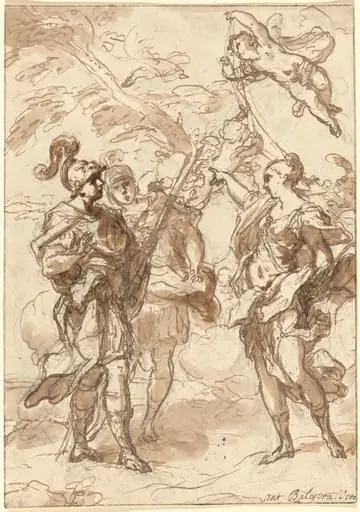 Venus as a Huntress Appearing to Aeneas and Achates
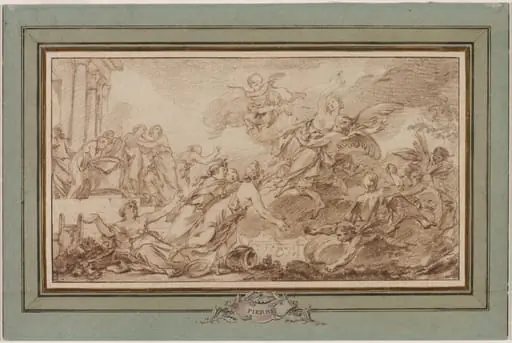 Boreas Abducting Oreithyia
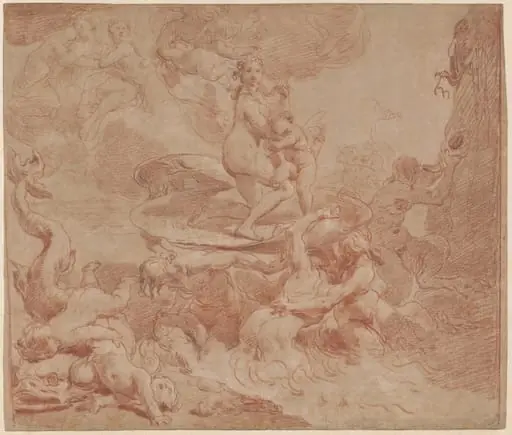 The Birth of Venus
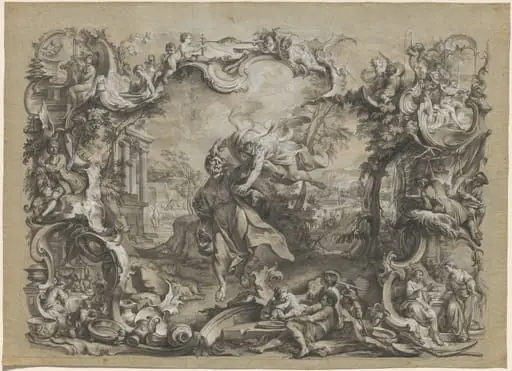 The Angel Carrying off Habakkuk by His Hair, Surrounded by an Elaborate Rococo Frame
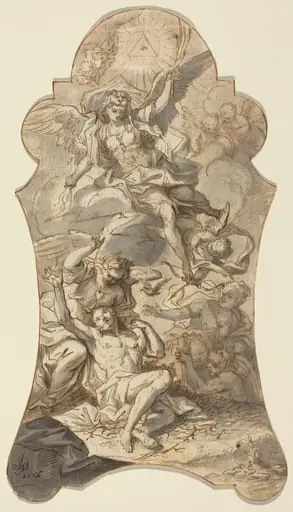 The Holy Angels Protecting a Hermit from Evils
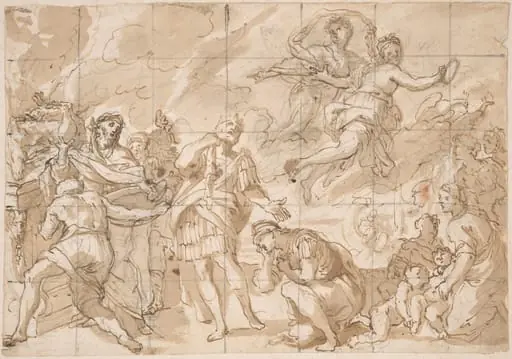 The Sacrifice of Iphigenia
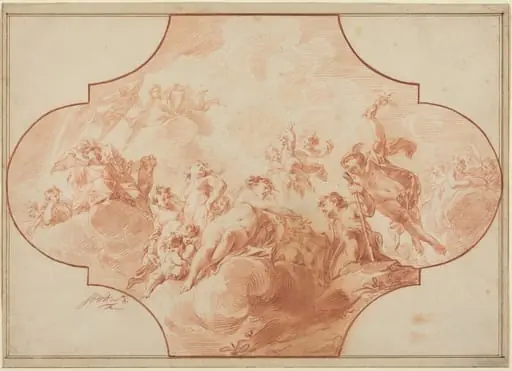 The Judgment of Paris
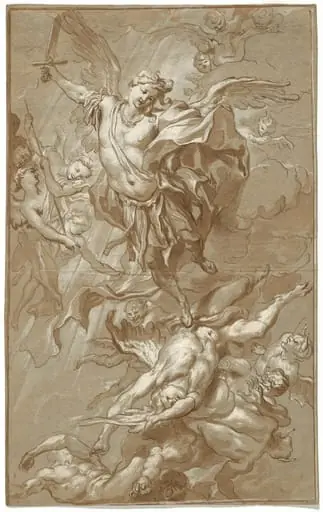 Saint Michael and the Rebel Angels
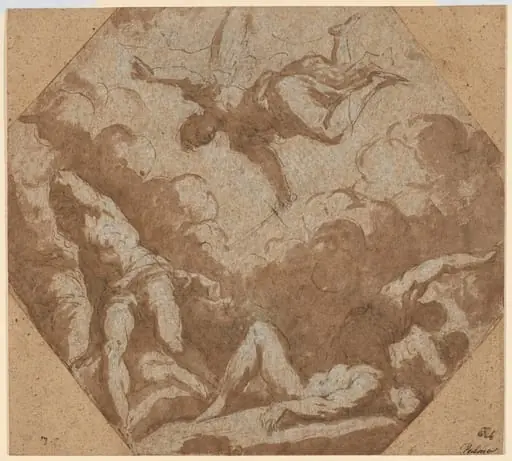 The Fall of the Rebel Angels
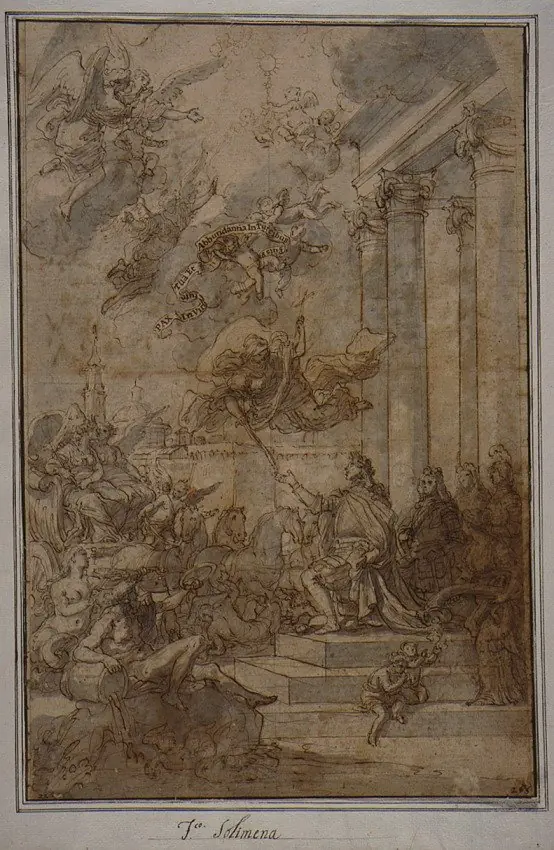 Allegory of the Entry of Charles Bourbon into Naples
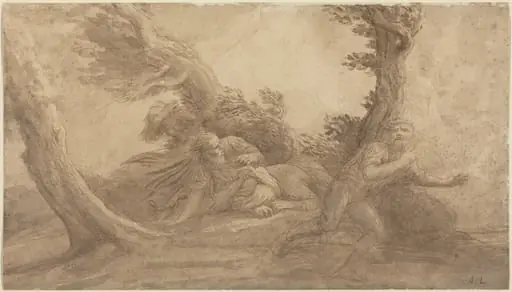 Clap of Thunder
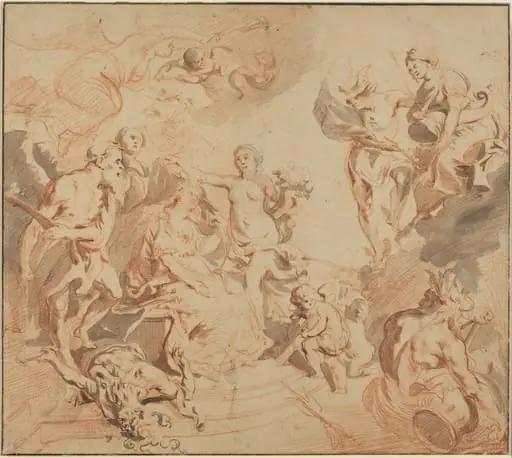 Antwerp Blessed with Abundance