Artwork
L'Assomption de la vierge
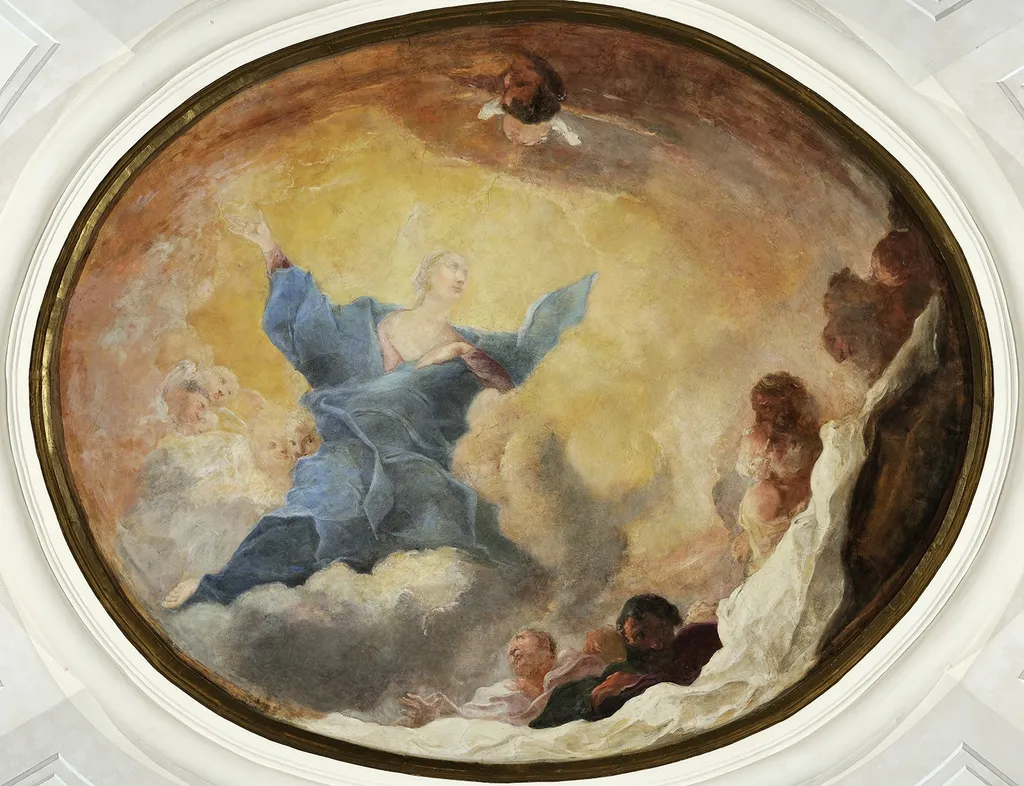
L'Assomption de la vierge is an unspecified painting by the French Classical Baroque artist Louis Cretey. It dates from 1690 and is held in the collection of the Museum of Fine Arts of Lyon.
About this work
Overview
L'Assomption de la vierge is a 1690 painting by Louis Cretey, a prominent French Baroque artist associated with the Lyonnaise school. The work is part of the French Classical Baroque movement and is currently housed at the Museum of Fine Arts of Lyon.
Subject & Meaning
The painting depicts the Assumption of the Virgin Mary, a frequently represented theme in 17th-century religious art, symbolizing Mary's ascension into heaven. The scene shows Mary, clad in a distinctive blue robe, ascending with outstretched arms, enveloped by a luminous halo, while a group of onlookers below exhibit varied reactions.
Technique & Style
Cretey employs a strategic color palette to evoke depth and emotional resonance. The vivid blue of Mary's robe contrasts sharply with the lighter, more subdued background tones, drawing the viewer's focus upwards. The use of light, particularly the halo surrounding Mary, is characteristic of Baroque techniques used to convey divine presence.
History & Provenance
Created in 1690, the painting is attributed to Louis Cretey, a known figure in the Lyonnaise school of French Baroque. It is now part of the permanent collection at the Museum of Fine Arts in Lyon, France.
Context
L'Assomption de la vierge reflects the religious and artistic inclinations of its time, aligning with the Baroque movement's emphasis on dramatic lighting and emotionally charged scenes of religious subjects.
Artist & collection
Artist
Louis Cretey, formerly known as Pierre-Louis Cretey (c.1635 – after 1702), was a French baroque painter and one of the leading masters in the Lyonnaise school.


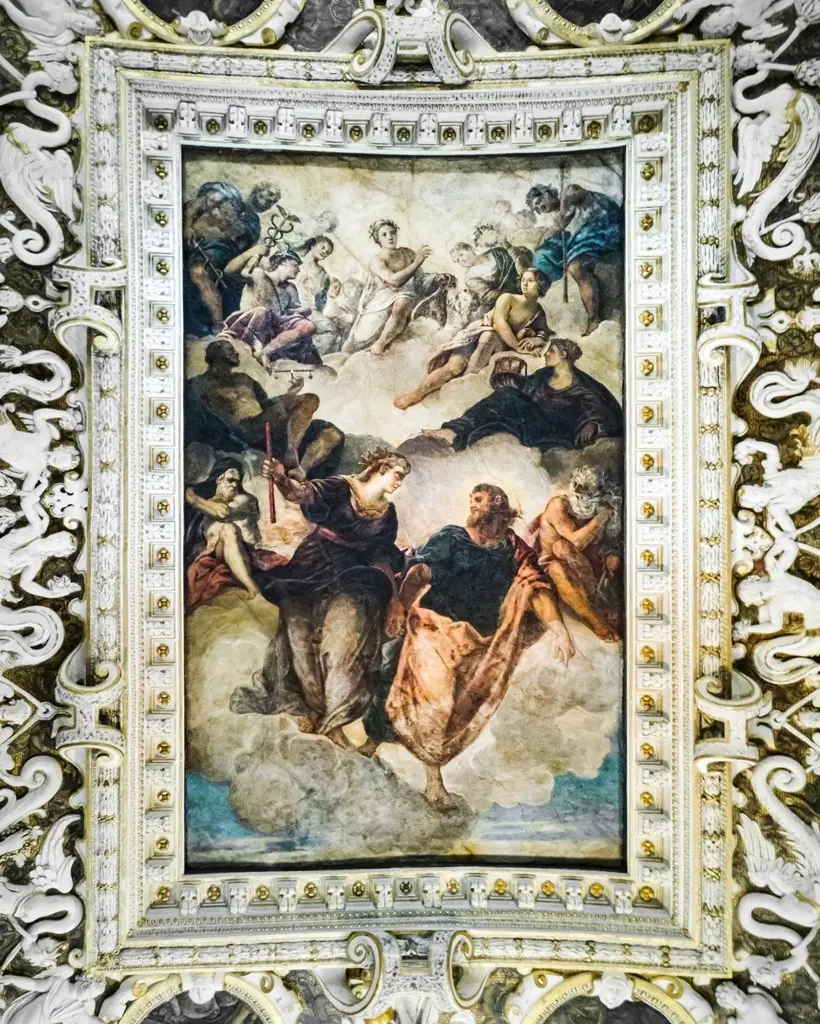 Jupiter hands over the dominion of the Adriatic to Venice
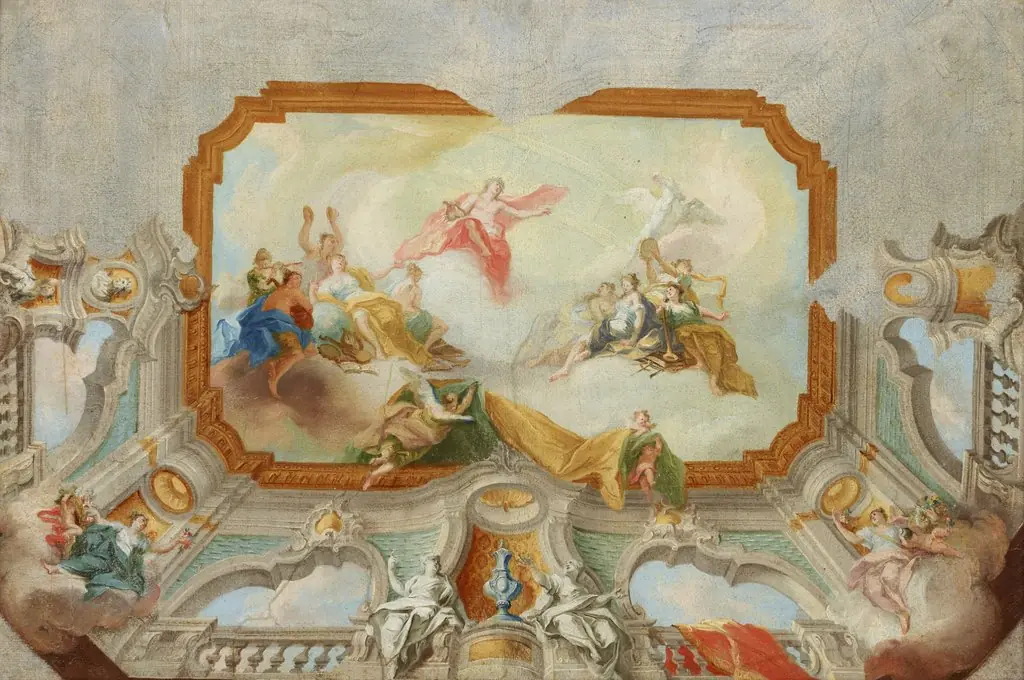 Apollo with the Muses – Project for a Plafond
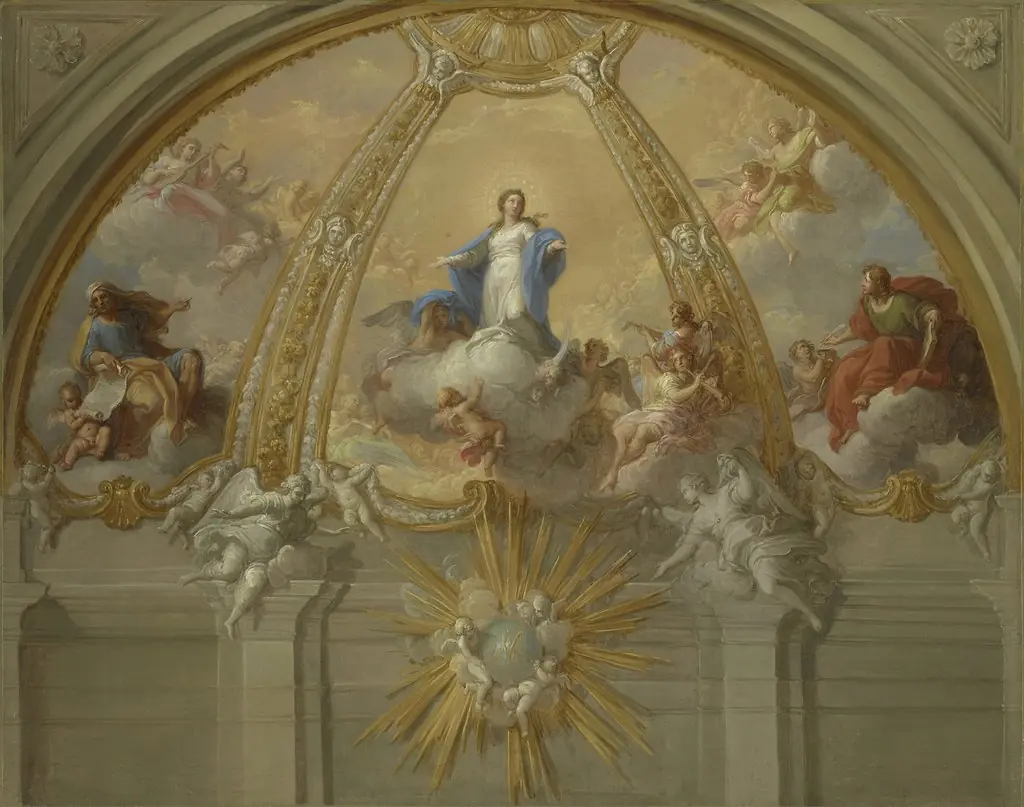 Immaculate Conception
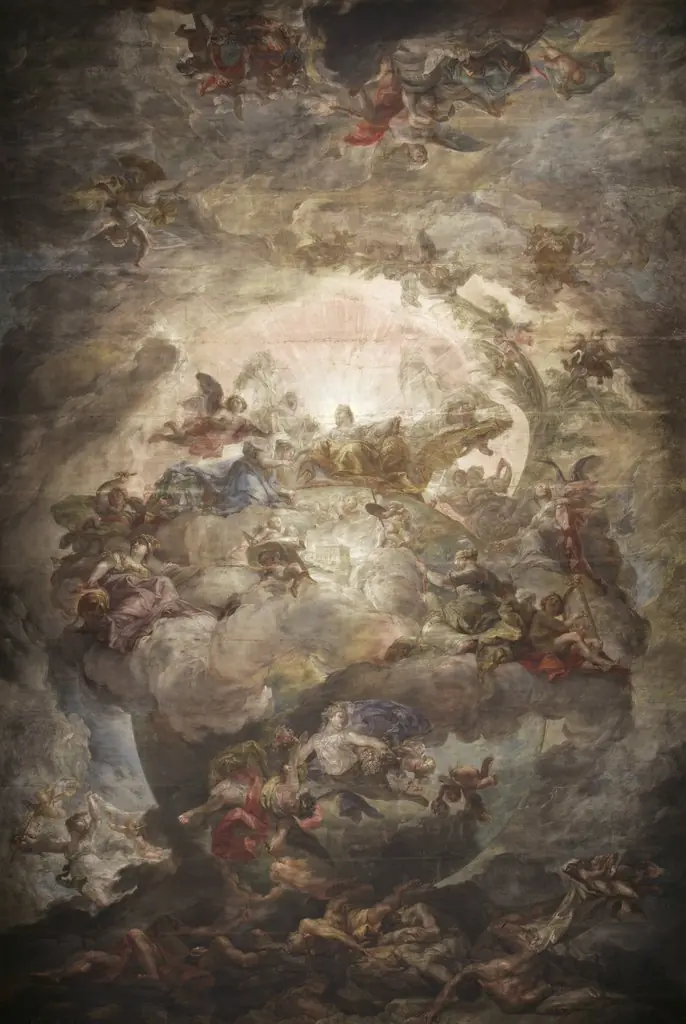 Allegory of the donation of the Casino to Queen María Isabel de Braganza by the Municipality of Madrid
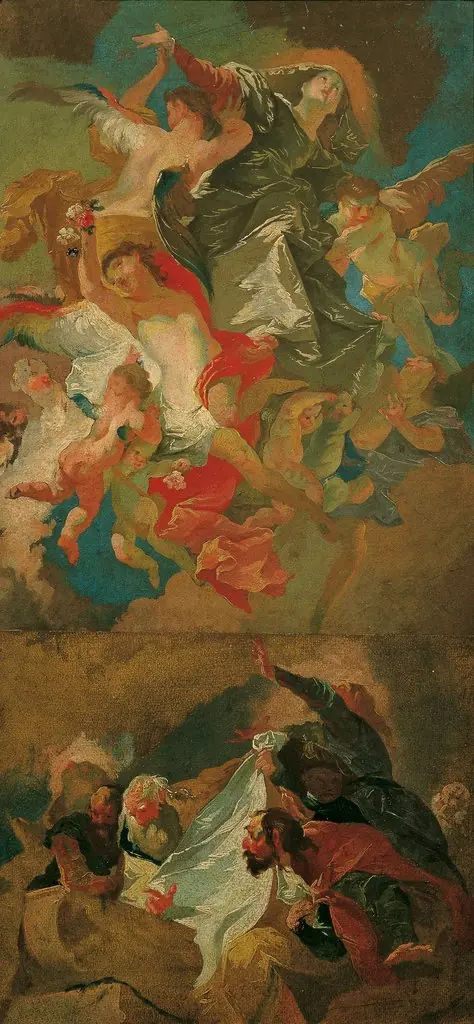 Assumption of Mary
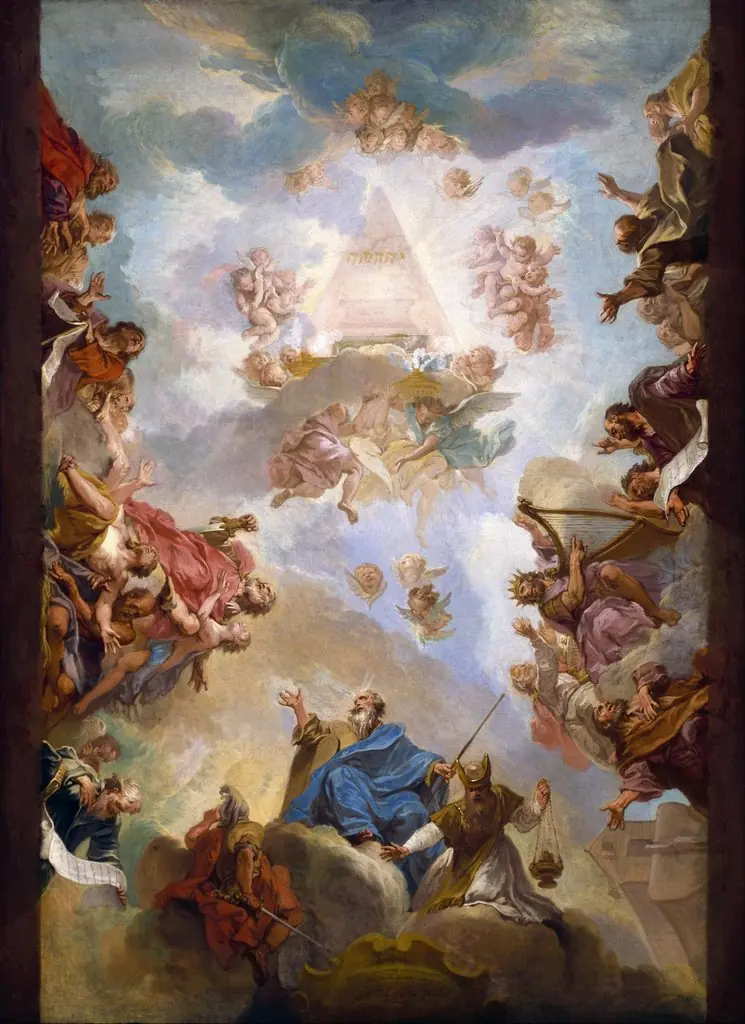 Prophets and Kings of the Old Testament Adoring the Name of Jehovah
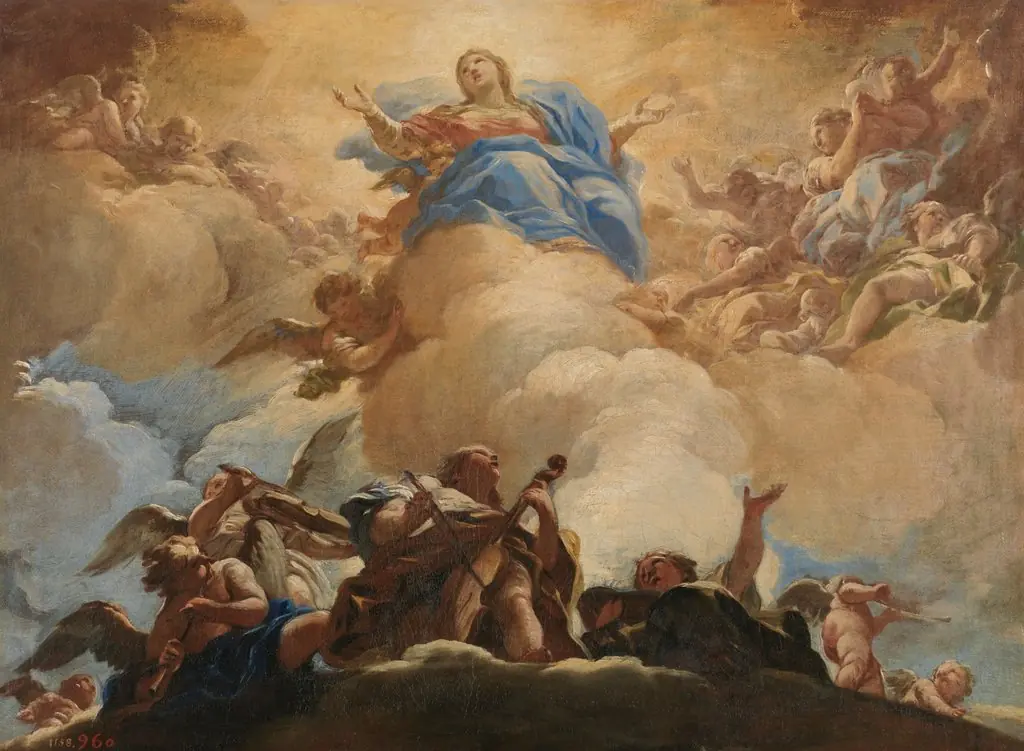 The Assumption of the Virgin
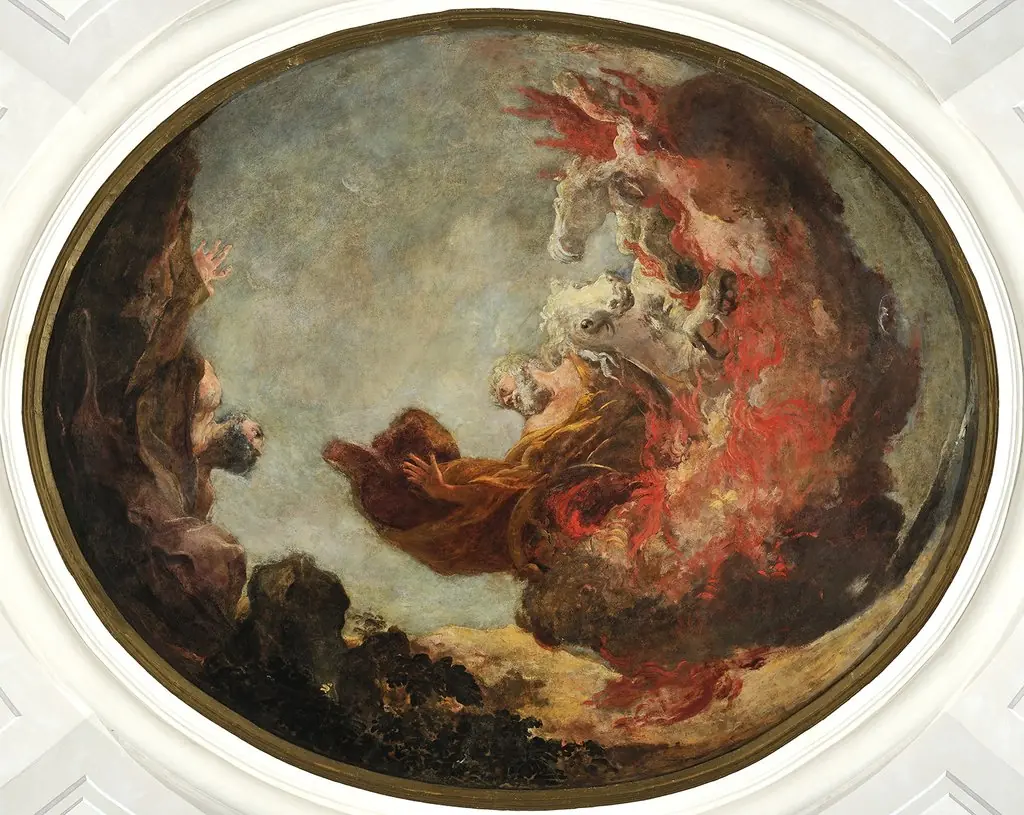 Le Prophète Elie
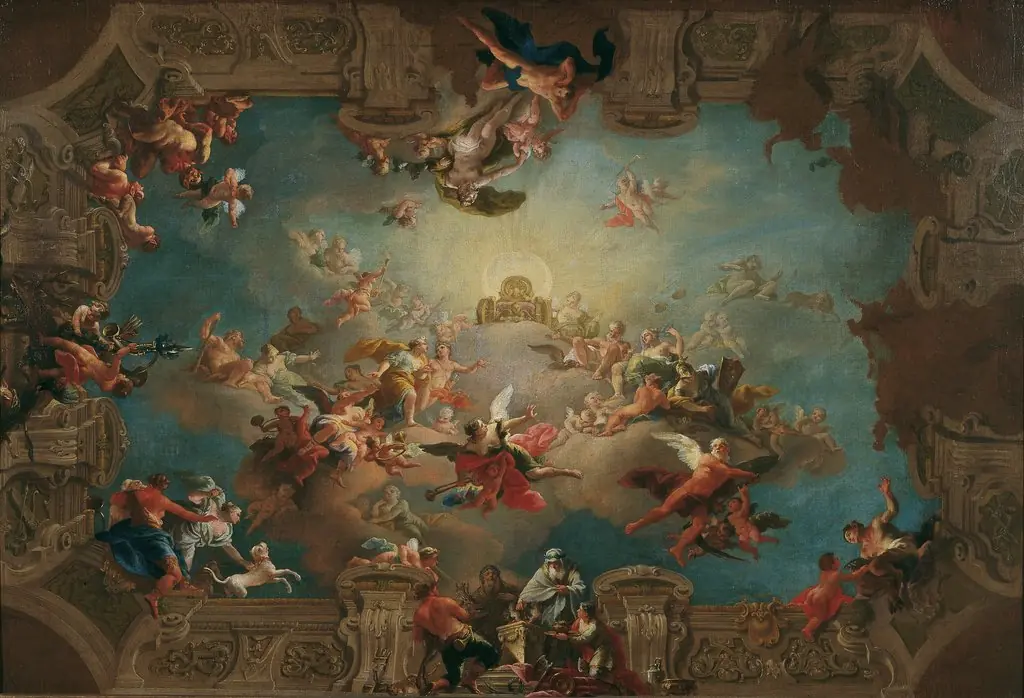 Diana's Admission to Olympus
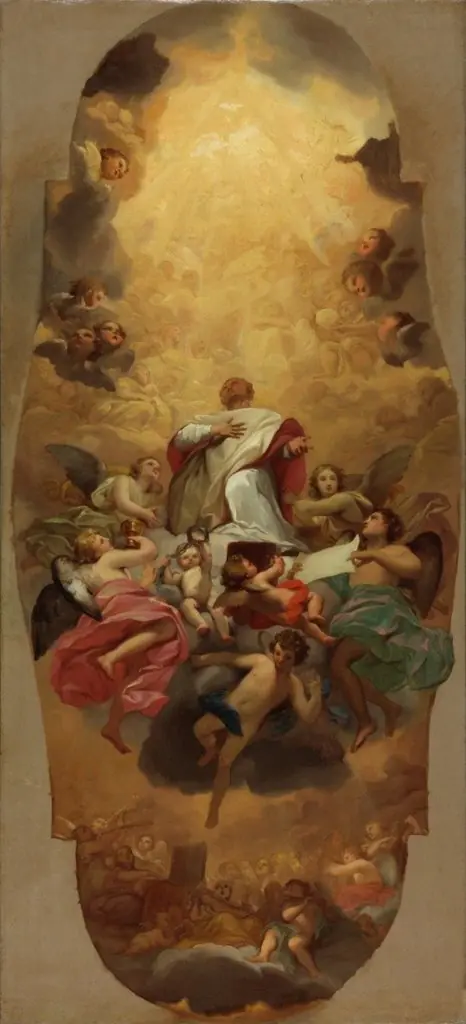 The Glory of St. Eusebius of Rome
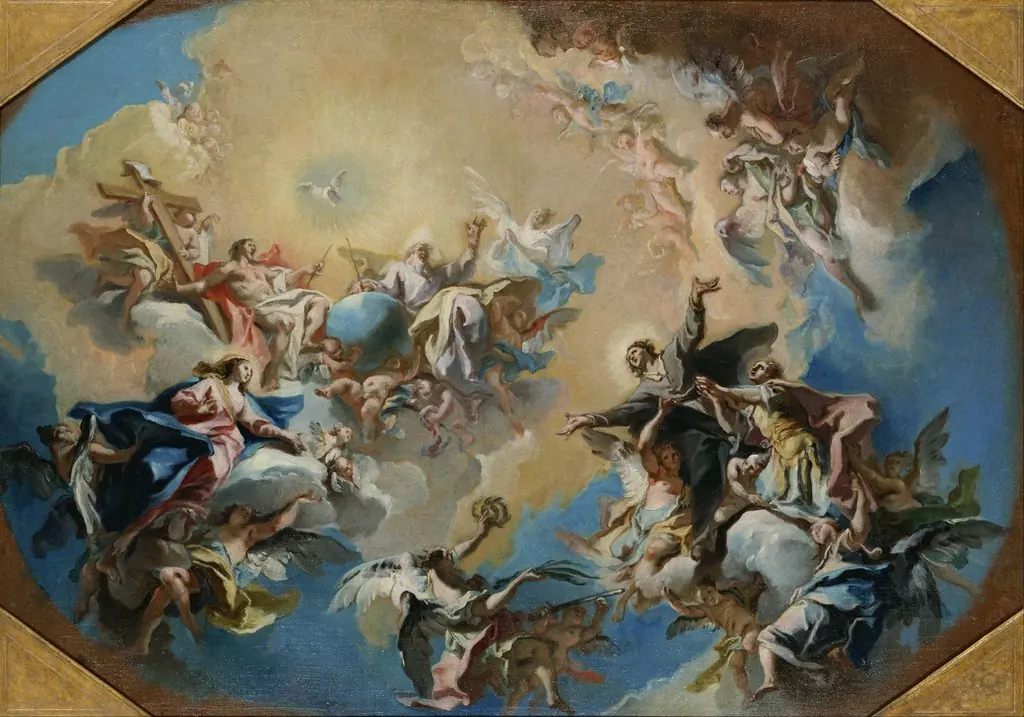 The Glorification of St. Felix and St. Adauctus