Artwork
Allegory of the donation of the Casino to Queen María Isabel de Braganza by the Municipality of Madrid
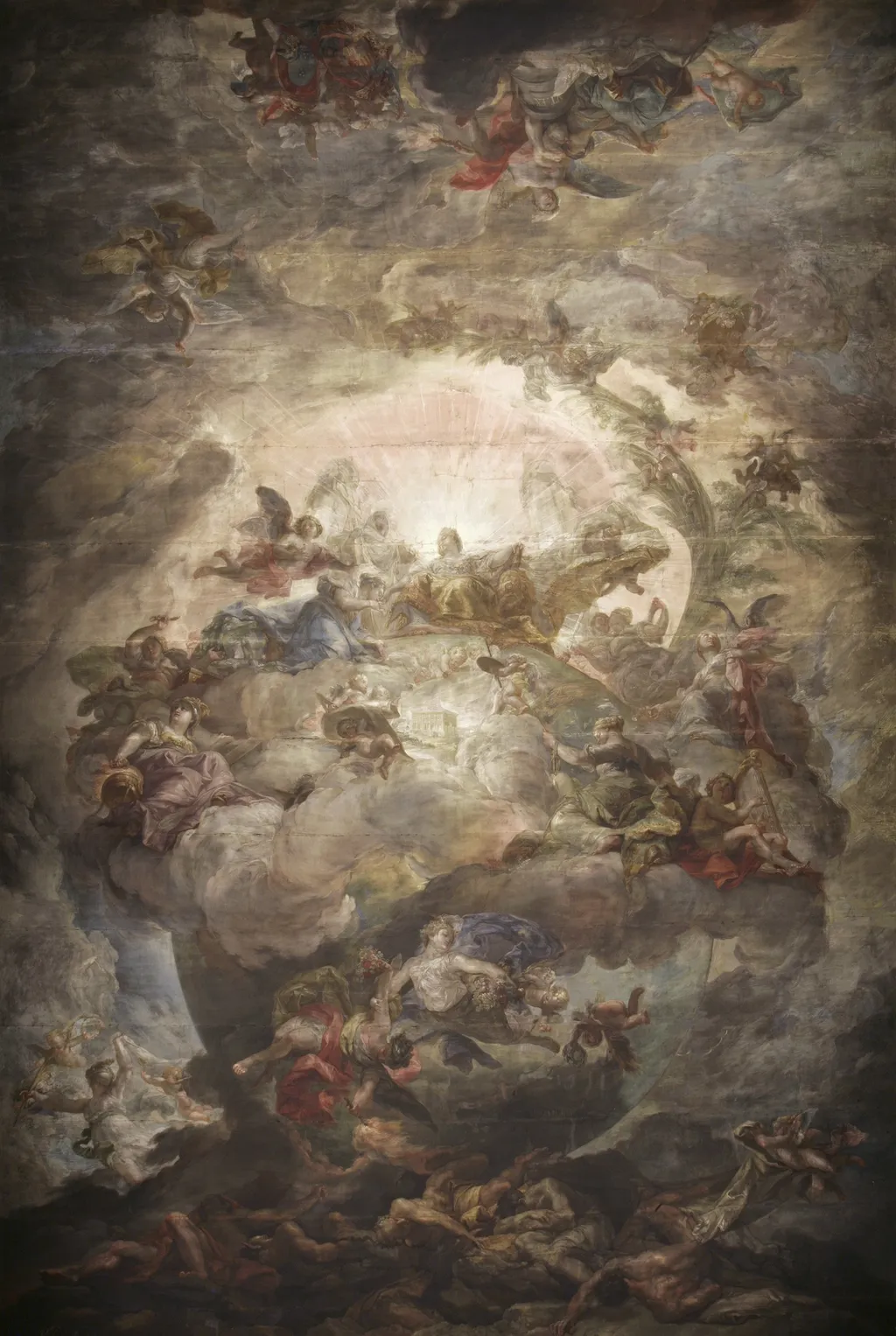
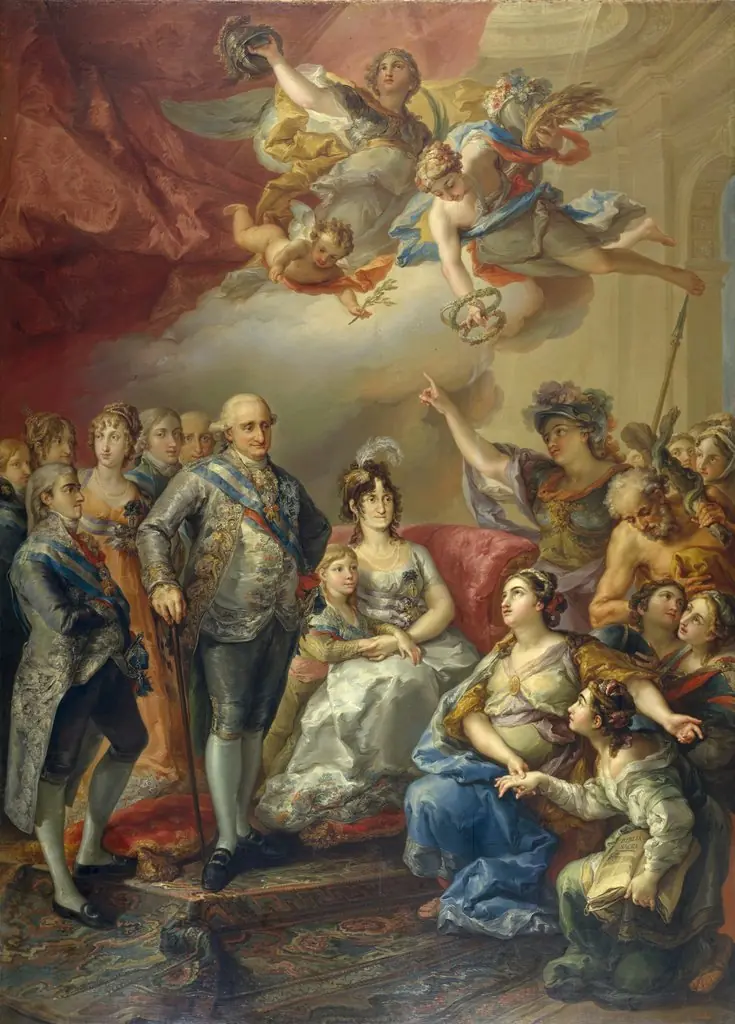
Allegory of the donation of the Casino to Queen María Isabel de Braganza by the Municipality of Madrid is a tempera painting by Vicente López Portaña. It dates from 1818 and is held in the collection of the Museo del Prado.
About this work
Overview
Painted in 1818 by Vicente López Portaña, this tempera work commemorates the formal transfer of the Casino building in Madrid to Queen María Isabel de Braganza.
Painted in 1818 by Vicente López Portaña, this tempera work commemorates the formal transfer of the Casino building in Madrid to Queen María Isabel de Braganza. Commissioned by the city’s municipal authorities, the painting serves as a ceremonial record of civic generosity toward the monarchy. Executed with precision, it blends portraiture with allegory to elevate a political act into a symbolic moment of public devotion.
Subject & Meaning
The central figure is Queen María Isabel, adorned in regal attire and a crown, receiving the keys to the Casino from civic representatives. Surrounding figures include dignitaries, officials, and symbolic personifications of arts and civic virtue. In the background, laborers and artisans suggest the collective effort behind the gift. The scene frames the donation not merely as a transaction, but as an act of national unity and royal legitimacy.
Technique & Style
López Portaña employed tempera to achieve fine detail and luminous coloration, emphasizing textures in fabric, metal, and skin. The composition is tightly organized, with figures arranged in a hierarchical yet naturalistic manner. Lighting enhances the queen’s prominence, while intricate patterns in clothing and architecture reflect the artist’s training in academic portraiture and his commitment to clarity and decorum.
History & Provenance
Commissioned shortly after the queen’s arrival in Spain, the painting was completed in 1818 and entered the Royal Collection. It was later transferred to the Museo del Prado, where it remains part of the institution’s 19th-century Spanish holdings. Its preservation reflects its role as both a political document and a record of courtly culture during Ferdinand VII’s reign.
Context
Created during the post-Napoleonic restoration of the Spanish monarchy, the painting aligns with efforts to reinforce royal authority through public ritual and visual propaganda. The Casino, once a private club, was repurposed as a royal residence, symbolizing the crown’s reintegration into civic life. Such commissions were common among European courts seeking to legitimize power through art.
Legacy
Though not widely exhibited, the painting exemplifies the conventions of Spanish Neoclassical allegory and the role of portraiture in state representation. López Portaña’s ability to merge individual likeness with symbolic narrative influenced later court painters. The work remains a key reference for understanding how visual culture served political reconciliation in early 19th-century Spain.
Own this work as a print
Artist & collection
Artist
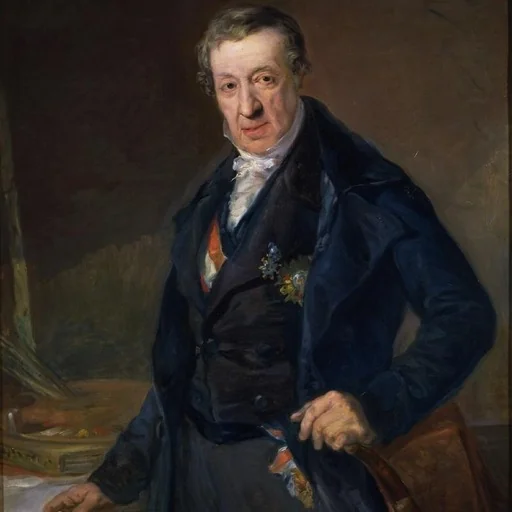
Vicente López Portaña (Spanish: ; 19 September 1772 – 22 July 1850) was a Spanish painter, considered one of the best portrait painters of his time.

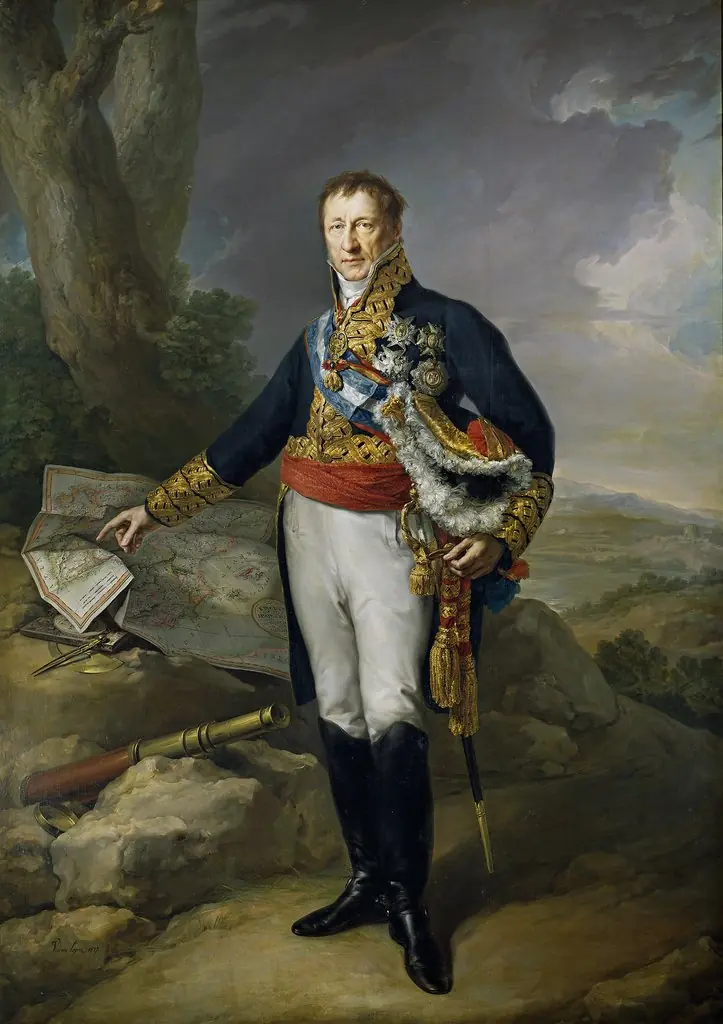 Pedro de Alcántara Álvarez de Toledo y Salm Salm, XIII duque del Infantado
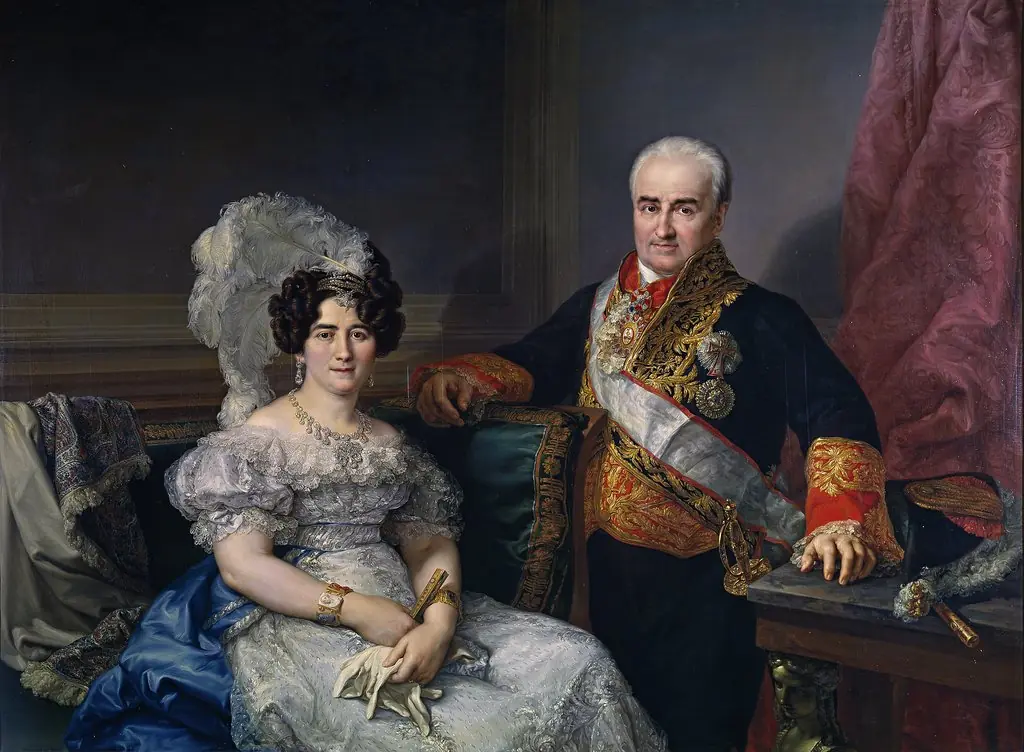 Antonio Ugarte and his wife Maria Antonia Larrazábal
 Charles IV and his Family honoured by the University of Valencia
 The Painter Francisco Goya
 José Gutiérrez de los Ríos
 Portrait of Marie-Thérèse Geoffrin, geb. Rodet (1699-1777)
 Félix Máximo López, First Organist of the Royal Chapel
 María Pilar de la Cerda y Marín de Resende, Duchess of Nájera
 Allegory of Tuscany
 Allegory of the Planets and Continents
 Allegorie auf die glückliche Regierung Mährens
 Diana's Admission to Olympus
 Prophets and Kings of the Old Testament Adoring the Name of Jehovah
 Sketch for Allegory of the Institution of the Order of Charles III
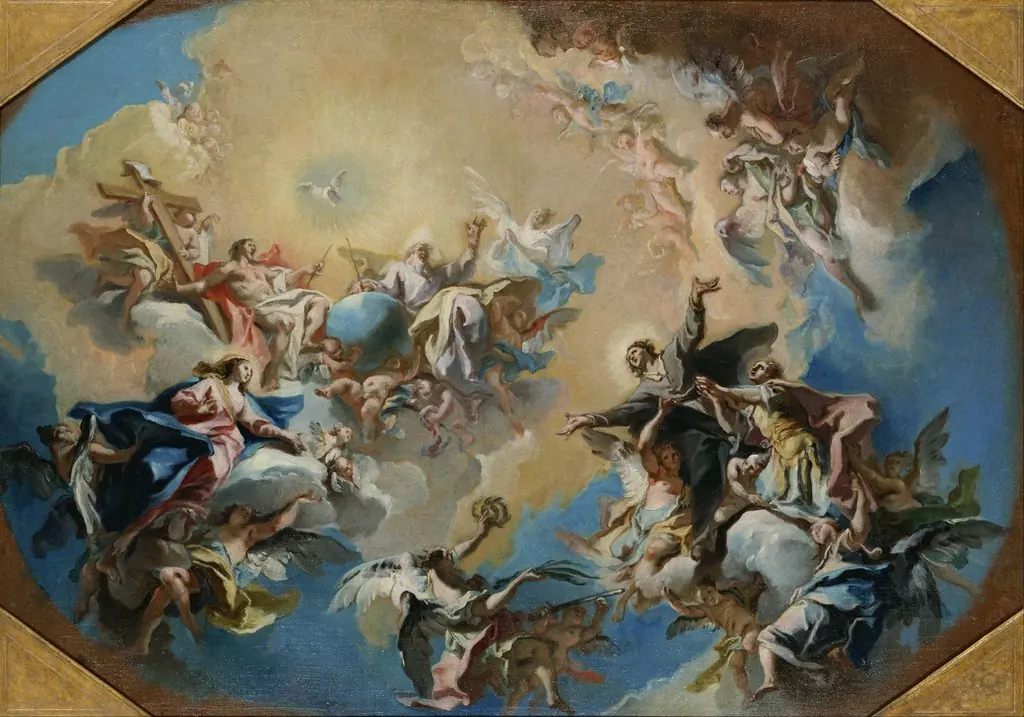 The Glorification of St. Felix and St. Adauctus
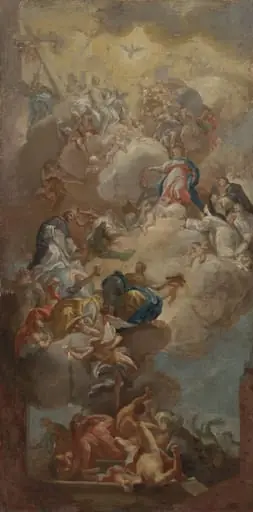 The Glorification of Saint Dominic
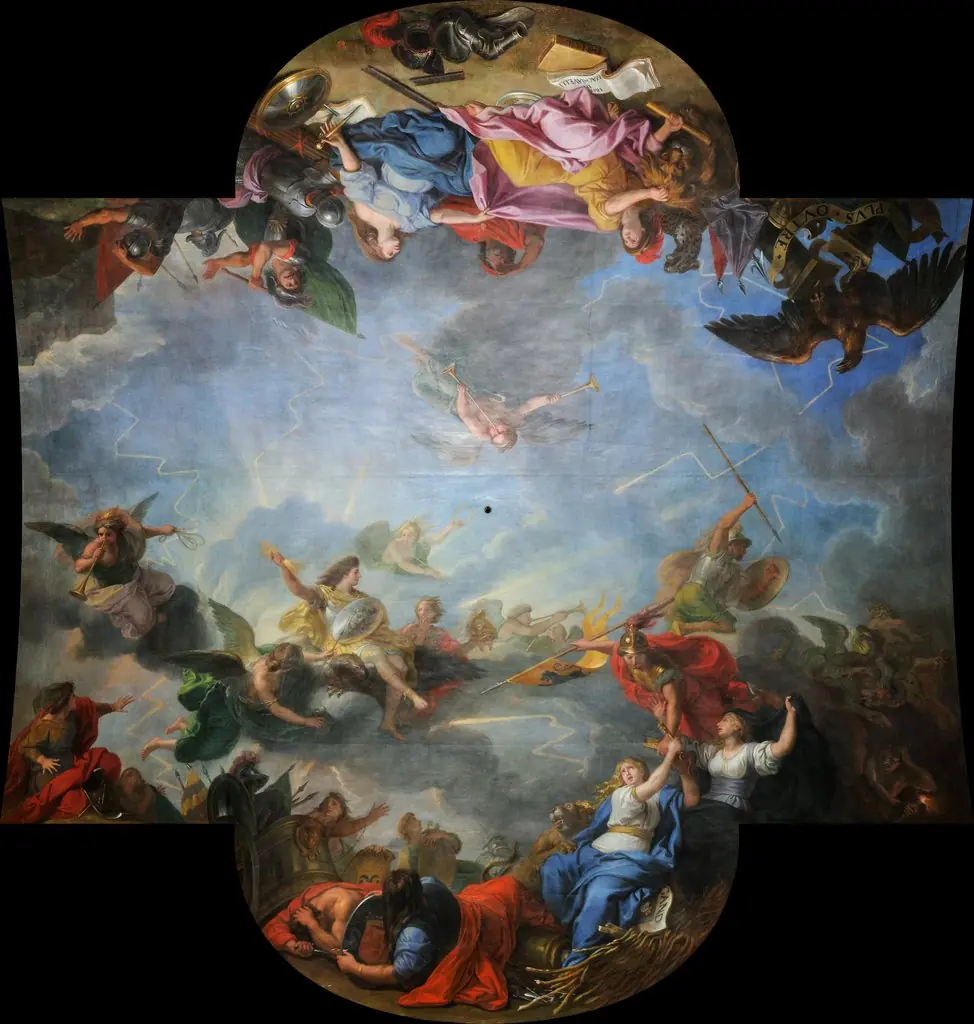 capture the citadel
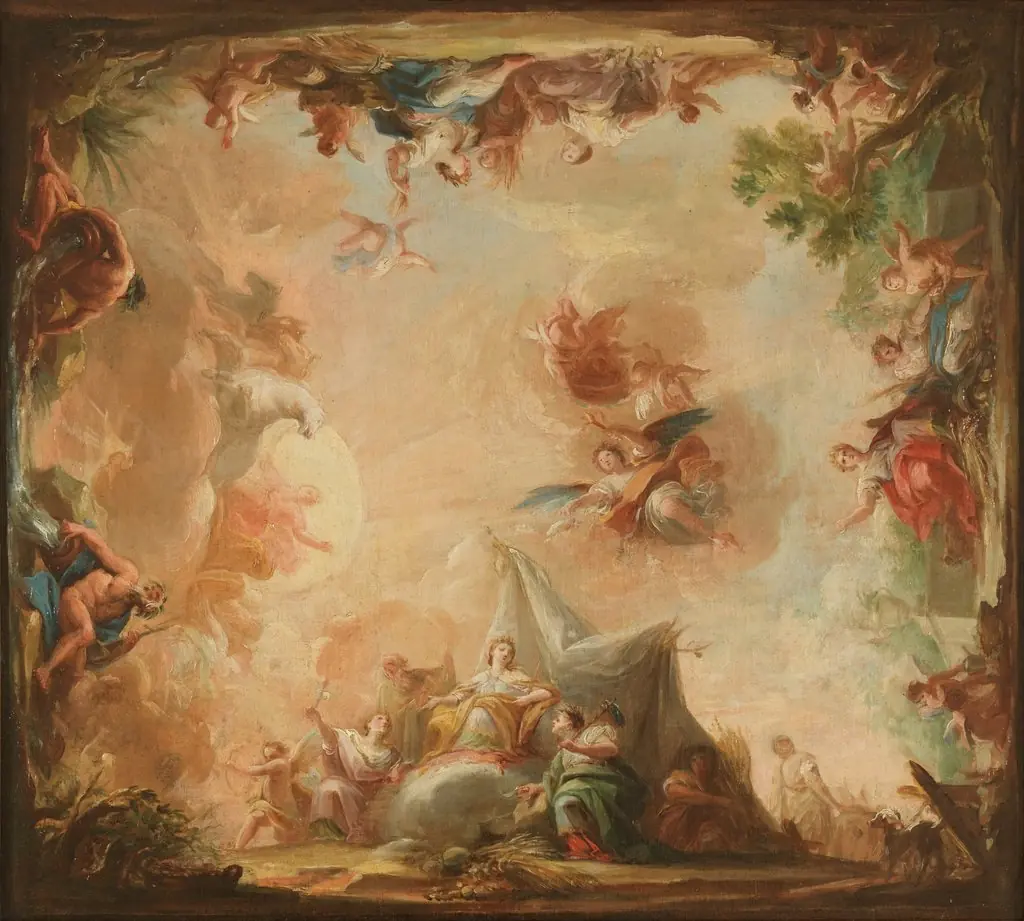 The Goddess Cybele offering her Produce to the Earth
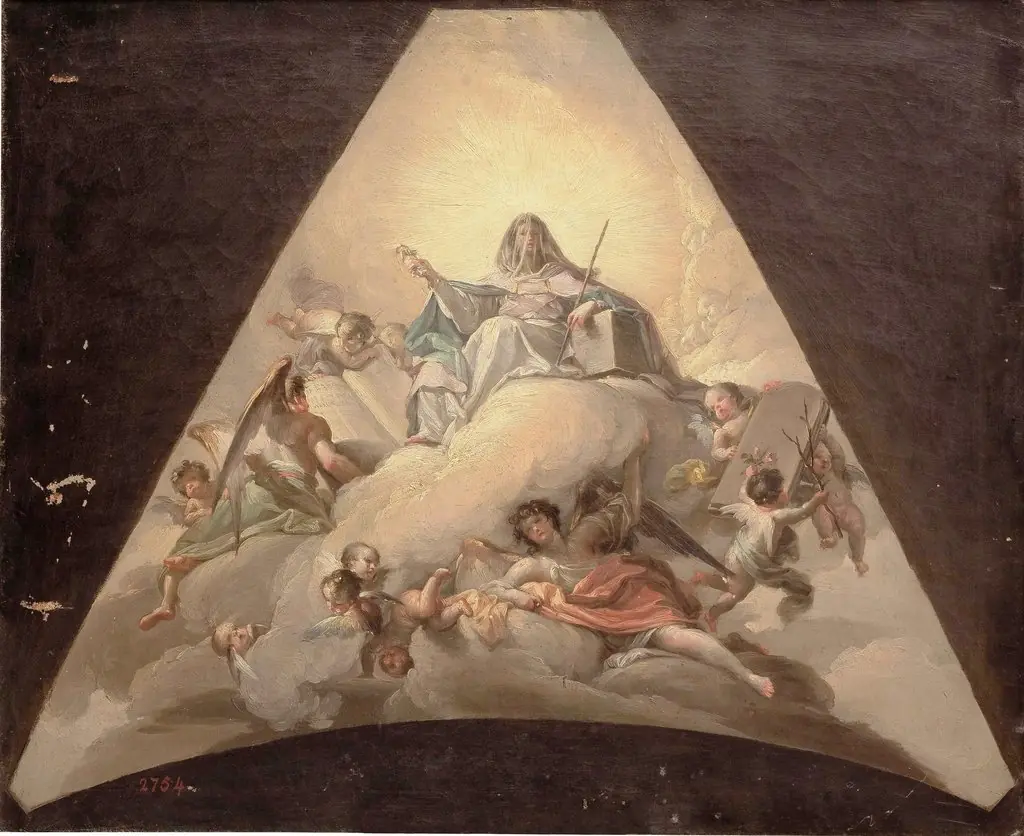 Alegoría de la Iglesia
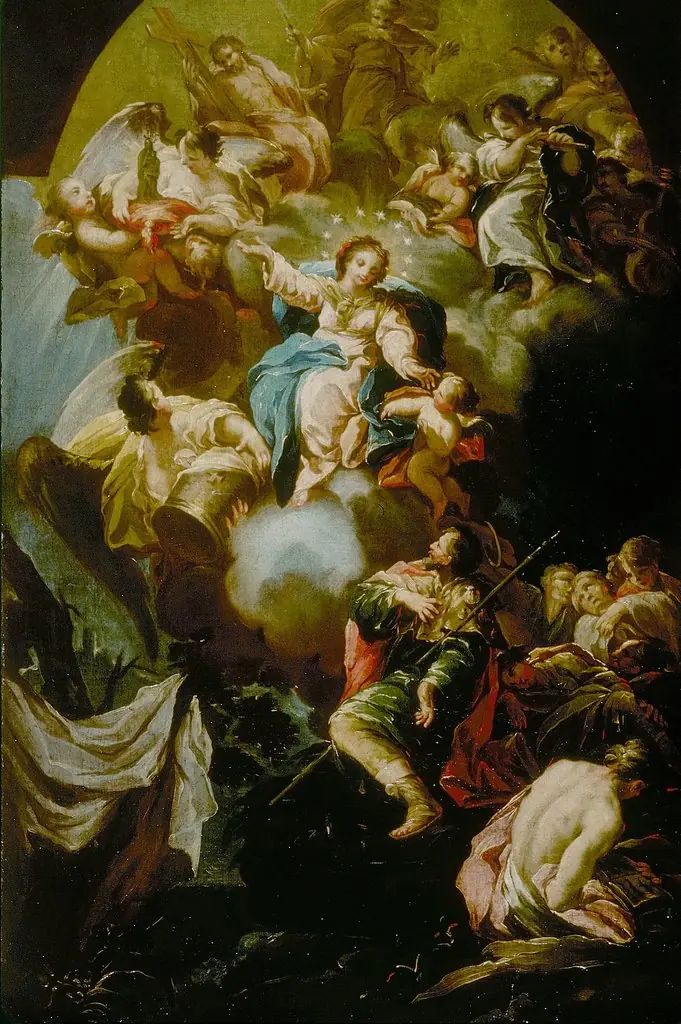 Saint Jame's Vision of the Virgin of the Pillar