Artwork
Egypt and Nubia, Volume II: Group of Nubians-Wady Kardasey
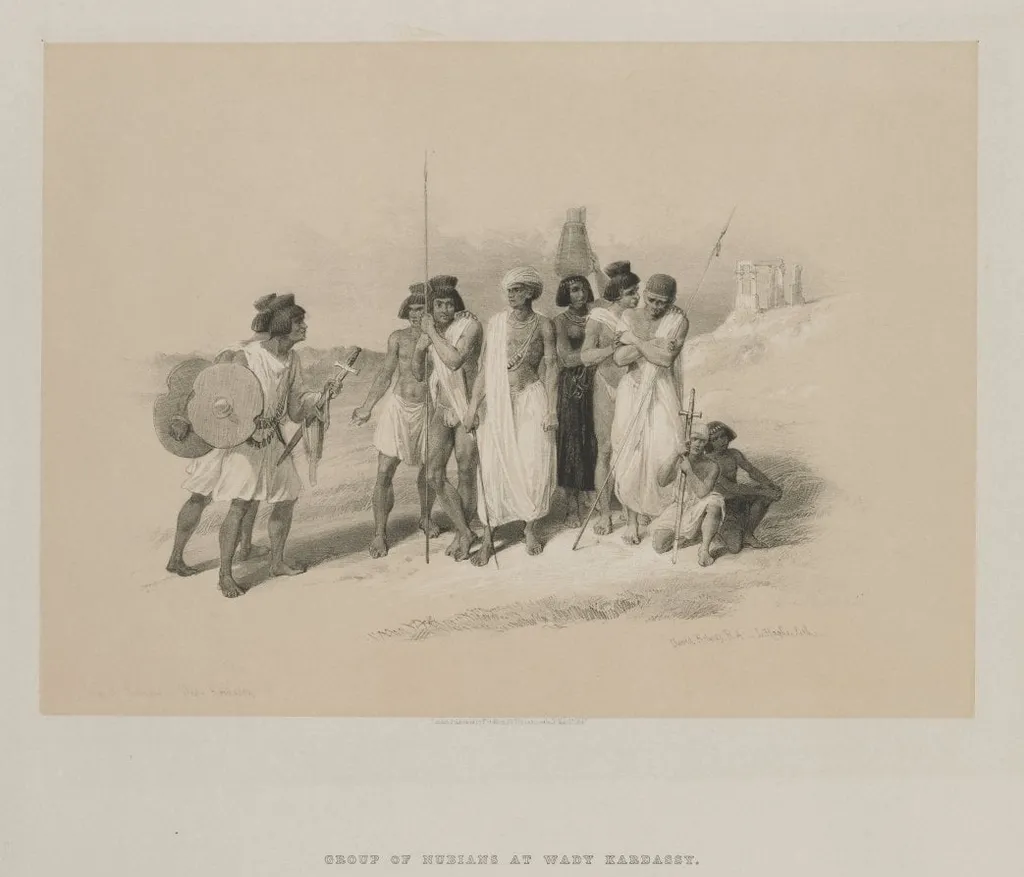
Egypt and Nubia, Volume II: Group of Nubians-Wady Kardasey is a print by the Romanticist artist Louis Haghe. It dates from 1847 and is held in the collection of the Cleveland Museum of Art.
About this work
Overview
Produced under the London firm Day & Haghe, it reflects the mid-19th century European interest in recording archaeological and cultural sites.
Created in 1847 by Louis Haghe, this lithograph is part of a two-volume series documenting landscapes and people of Egypt and Nubia. Produced under the London firm Day & Haghe, it reflects the mid-19th century European interest in recording archaeological and cultural sites. Haghe, trained in watercolor and lithography, brought technical precision to ethnographic imagery, blending observation with artistic interpretation for a Western audience.
Subject & Meaning
The image portrays a group of Nubian men in the Wady Kardasey region, their postures and attire suggesting daily life in a desert environment. One figure kneels, possibly in contemplation or rest, while others stand with simple tools or shields. The distant pyramid anchors the scene in a known cultural landscape, implying a relationship between the people and ancient monuments. The depiction avoids idealization, presenting individuals with quiet dignity rather than exoticism.
Technique & Style
Haghe employed lithography to achieve a loose, sketch-like quality, emphasizing texture over fine detail. The figures are rendered with minimal outlines and soft tonal gradations, evoking the immediacy of field drawing. The background—sparse rocks and a pyramid—is suggested rather than defined, reinforcing the atmospheric quality of the desert. This approach aligns with Romantic-era tendencies to prioritize mood and spontaneity over rigid realism.
History & Provenance
The print originated from Day & Haghe, a leading Victorian lithographic studio known for its topographical publications. Louis Haghe, a Belgian-born artist who settled in London in 1823, contributed extensively to their projects. This work was likely produced from sketches made during travels in the region, though no record confirms his personal presence at Wady Kardasey. The series was distributed to libraries and collectors, serving both scholarly and decorative purposes.
Context
In the 1840s, European interest in Egyptology surged following Napoleon’s campaigns and the decipherment of the Rosetta Stone. Publications like Haghe’s aimed to document sites and peoples before modernization altered them. While framed as scientific, such works often reflected colonial perspectives. The inclusion of Nubians—distinct from Egyptians in contemporary European thought—highlighted regional diversity within the Nile Valley.
Legacy
Haghe’s lithographs remain valuable as historical records of 19th-century visual anthropology. Though later scholarship has critiqued their cultural framing, the works preserve details of dress, posture, and landscape now altered or lost. Their stylistic restraint and attention to environmental context distinguish them from more sensationalized contemporary imagery, offering a quieter, more observational record of Nubian life.
Artist & collection
Artist
Louis Haghe (17 March 1806 – 9 March 1885) was a lithographer and watercolourist from the Netherlands and then the United Kingdom.

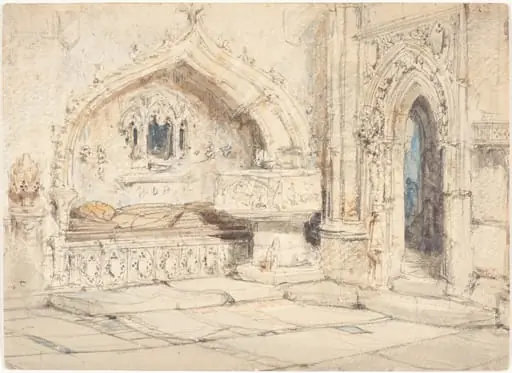 Interior of a Church with a Wall Tomb and Medieval Font
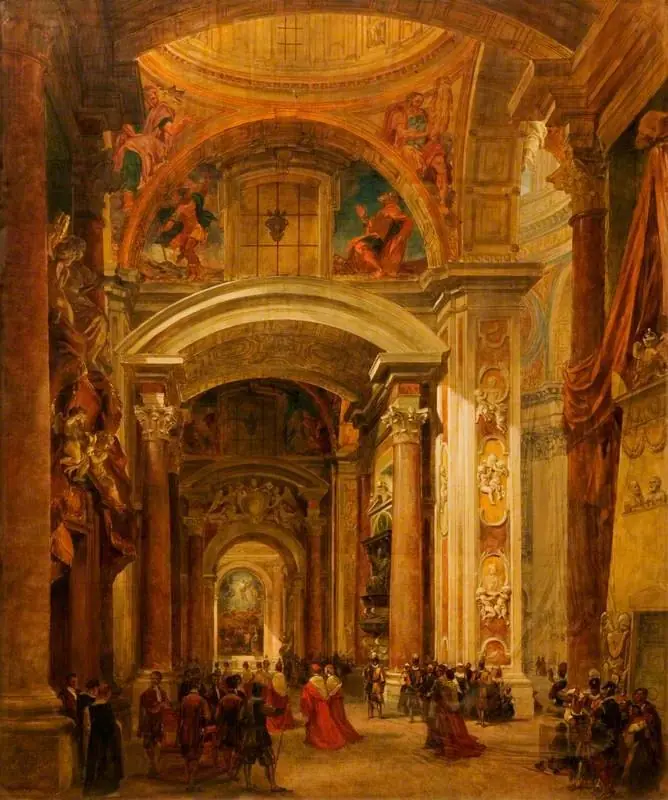 Interior of St Peter's, Rome
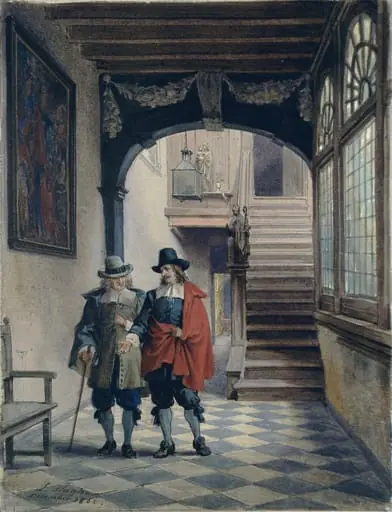 The Corridor, Brewer's Hall, Antwerp
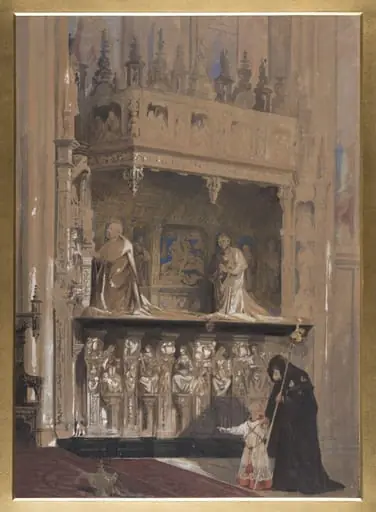 Monument of the Cardinald D'Amboise in Rouen Cathedral
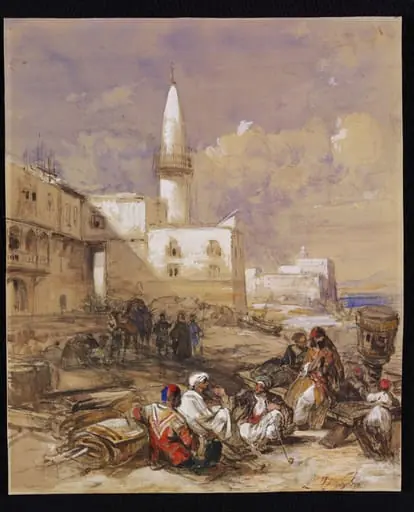 The Quay at Suez
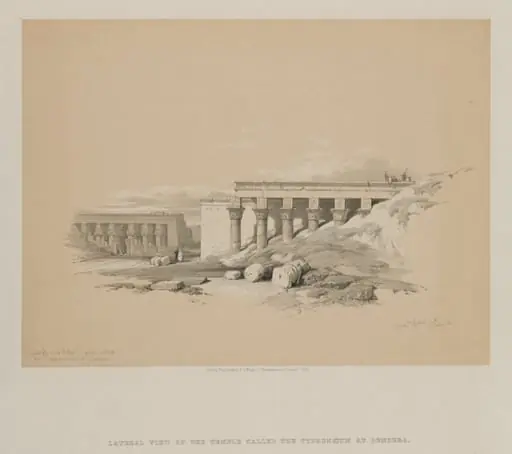 Egypt and Nubia, Volume II: Lateral View of the Temple called The Typhonoeum at Dendera
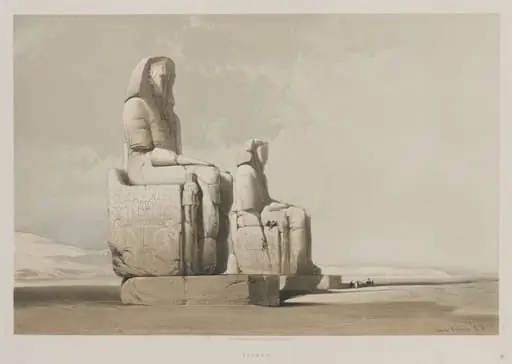 Egypt and Nubia, Volume I: Thebes
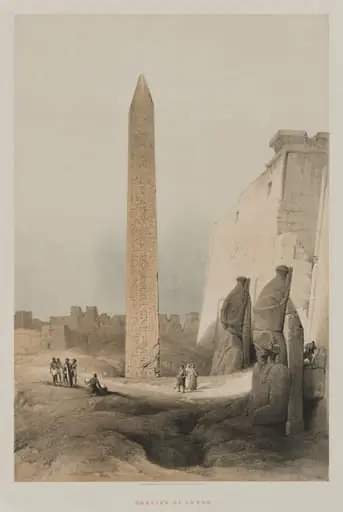 Egypt and Nubia, Volume I: Luxor
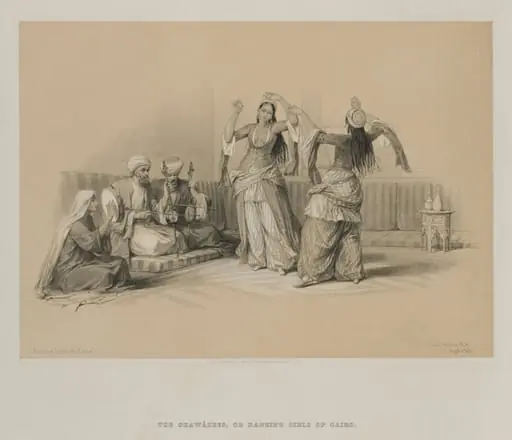 Egypt and Nubia, Volume III: Dancing Girls at Cairo
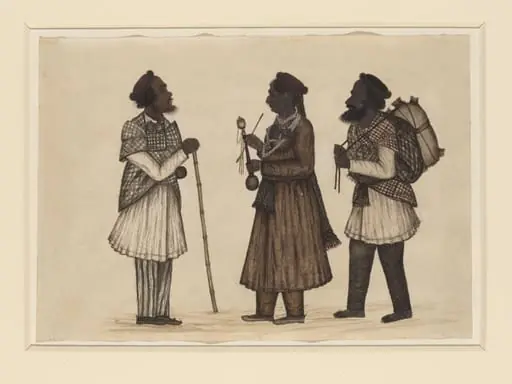 A Punjabi woman standing with a Punjabi man on either side.
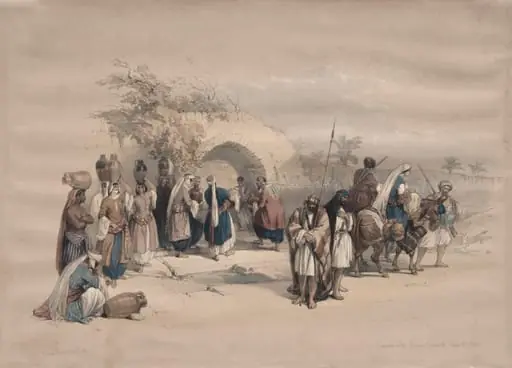 Fountain of the Virgin, Nazareth
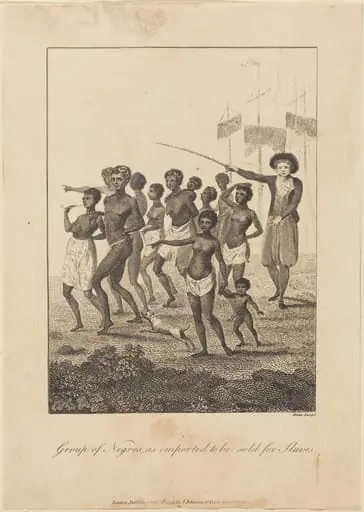 Group of Negros, as imported to be sold for Slaves
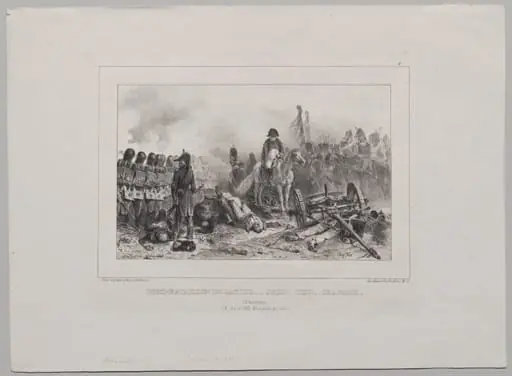 Lithographic Album of 1837: Half-Battalion at Left…Aim!...Fire!...Load
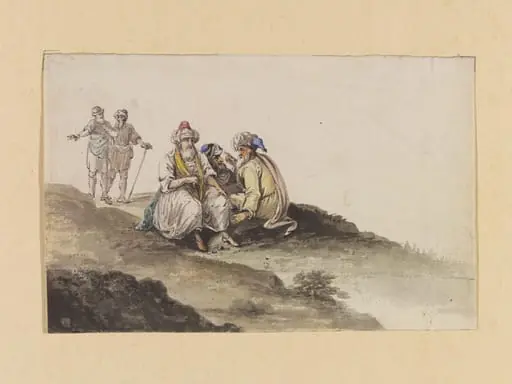 A Group of Turks
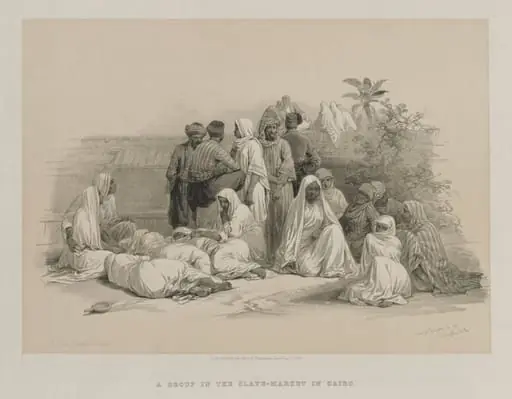 Egypt and Nubia, Volume III: In the Slave Market at Cairo