Artwork
Egypt and Nubia: Volume II - No. 42, Ruins of Kom Ombo
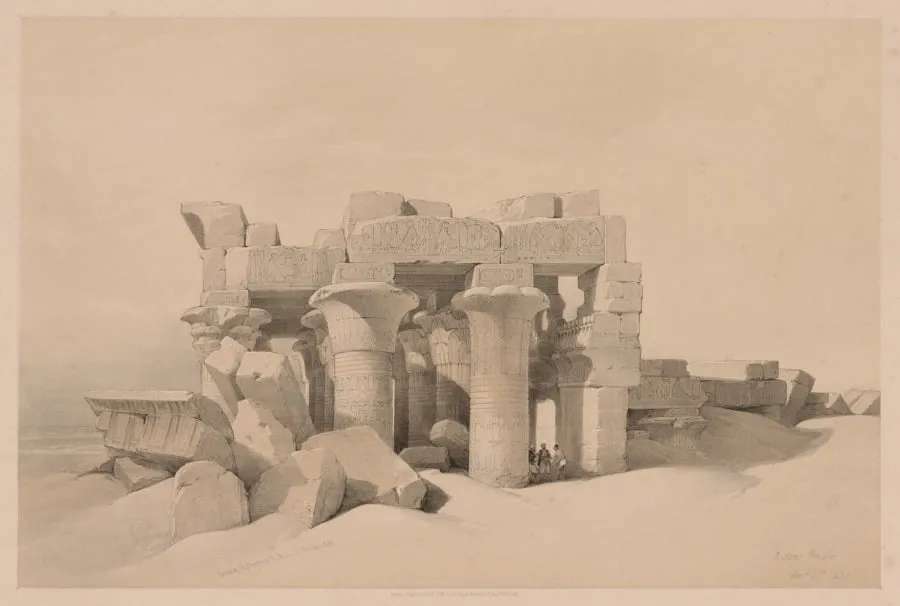
Egypt and Nubia: Volume II - No. 42, Ruins of Kom Ombo is a print by the Romanticist artist Louis Haghe. It dates from 1838 and is held in the collection of the Cleveland Museum of Art. Egypt and Nubia: Volume II - No.
About this work
Overview
Egypt and Nubia: Volume II - No. 42, Ruins of Kom Ombo is an 1838 print by Louis Haghe, a Belgian-born British artist. It forms part of a series documenting archaeological sites in Egypt and Nubia.
Subject & Meaning
The print depicts the ancient ruins of Kom Ombo, showcasing a crumbling stone structure with intricate carvings, set against a desert landscape. Figures in the foreground provide scale, highlighting the monument's grandeur.
Technique & Style
Created using lithography, the work reflects Haghe's training in both watercolour and lithographic techniques. The piece embodies characteristics of Romanticism, emphasizing emotive and imaginative representation through warm, earthy tones and the juxtaposition of decay with former glory.
History & Provenance
Produced in 1838, the print was part of Haghe's contributions to the *Egypt and Nubia* series. Haghe, co-founder of the London-based firm Day & Haghe (established circa 1830), utilized his skills to capture the essence of these ancient sites for Victorian audiences.
Context
The work was created during the early Victorian era, a time of growing interest in antiquity and exploration. It catered to this fascination, offering viewers a glimpse into the ancient world through meticulously detailed lithography.
Legacy
As part of the *Egypt and Nubia* series, *Ruins of Kom Ombo* contributed to the broader documentation and popularization of Egyptian and Nubian archaeological sites during the 19th century, influencing how these cultures were perceived in Europe.
Artist & collection
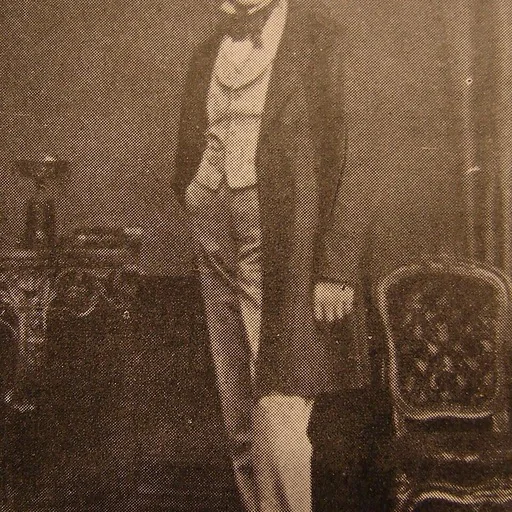
Artist
Louis Haghe (17 March 1806 – 9 March 1885) was a lithographer and watercolourist from the Netherlands and then the United Kingdom.

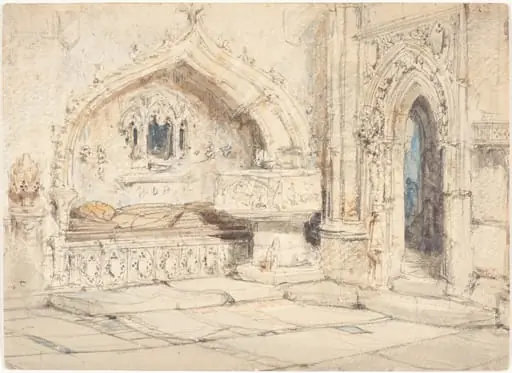 Interior of a Church with a Wall Tomb and Medieval Font
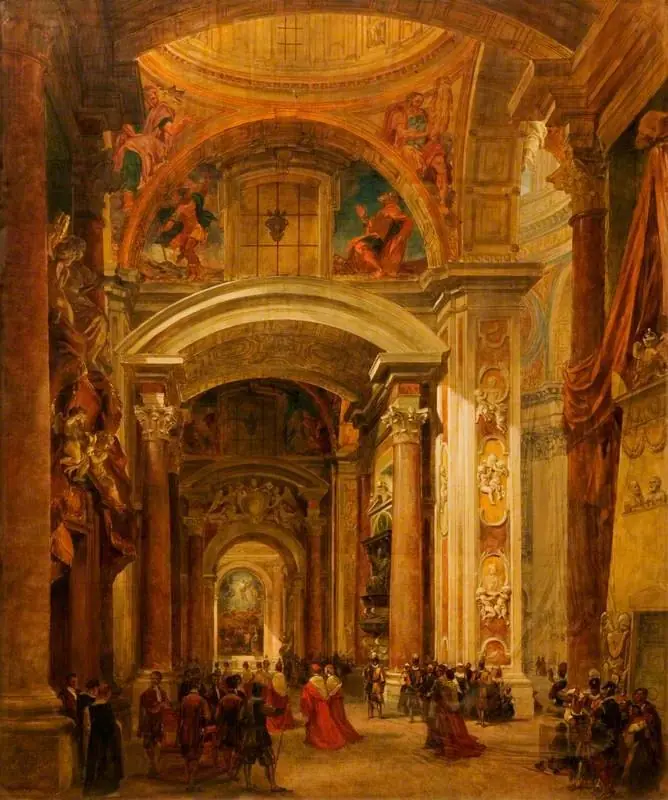 Interior of St Peter's, Rome
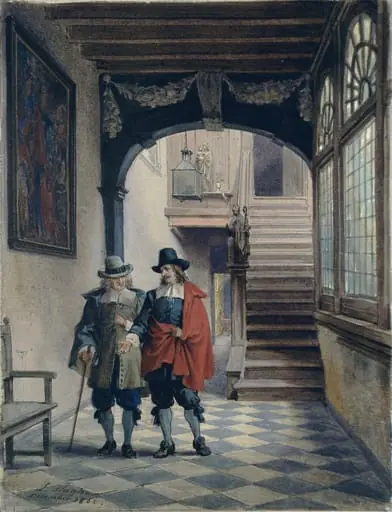 The Corridor, Brewer's Hall, Antwerp
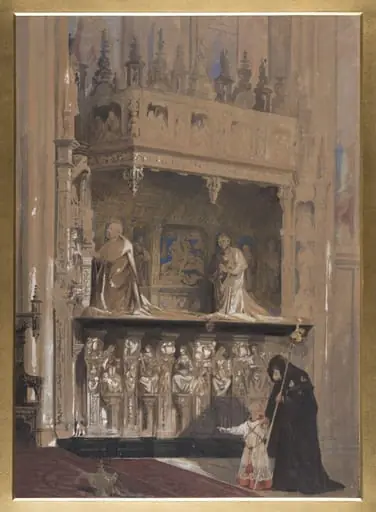 Monument of the Cardinald D'Amboise in Rouen Cathedral
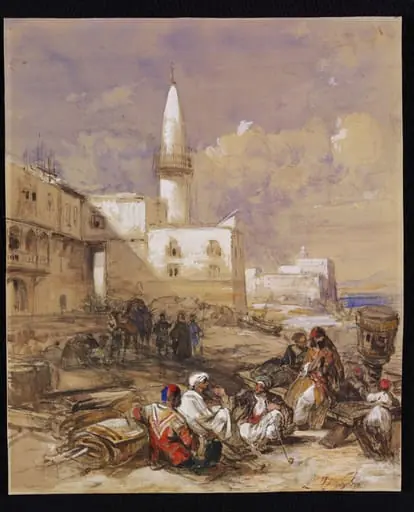 The Quay at Suez
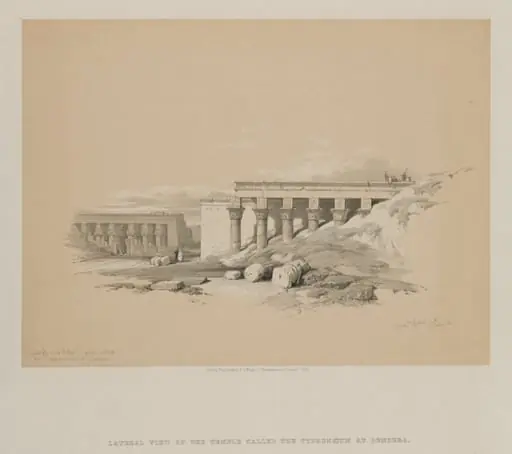 Egypt and Nubia, Volume II: Lateral View of the Temple called The Typhonoeum at Dendera
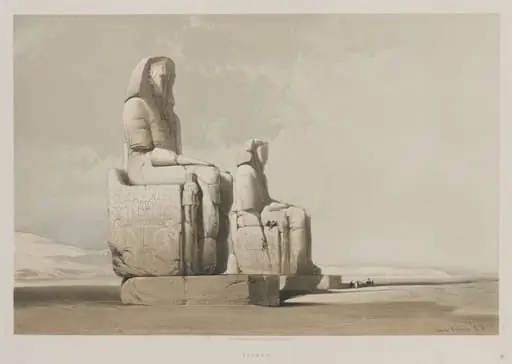 Egypt and Nubia, Volume I: Thebes
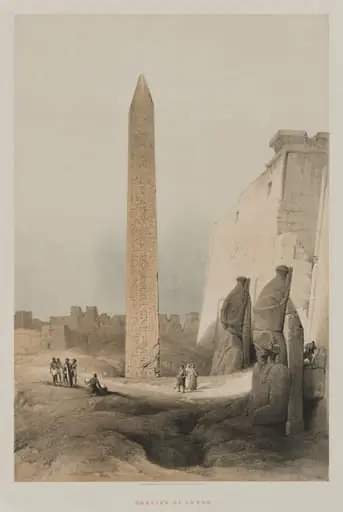 Egypt and Nubia, Volume I: Luxor
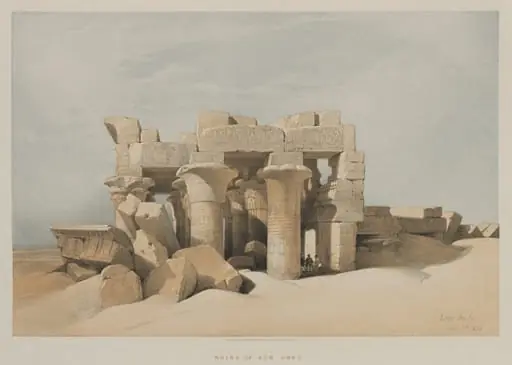 Egypt and Nubia, Volume I: Kom-Ombo
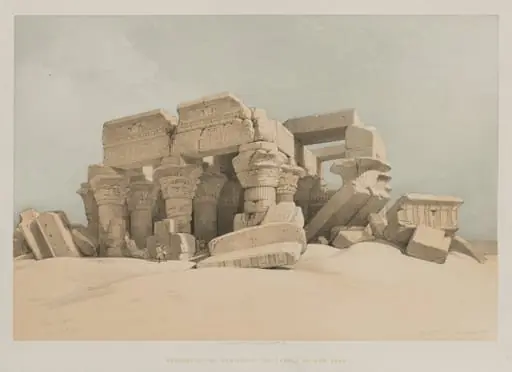 Egypt and Nubia, Volume II: Kom-Ombo
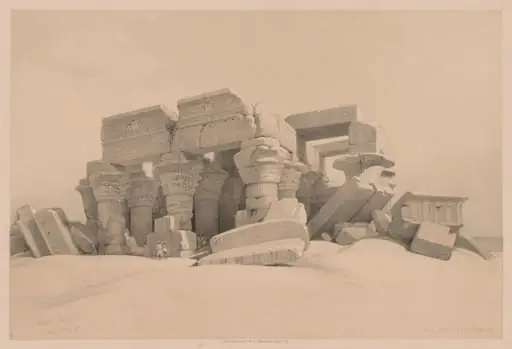 Egypt and Nubia: Volume I - No. 1, No. 2, Remains of the Portico of the Temple of Kom Ombo
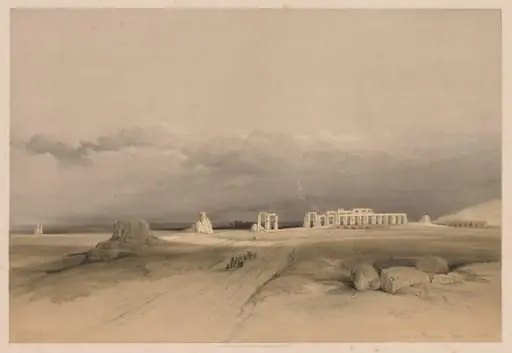 Egypt and Nubia: Volume II - No. 8, Ruins of the Memnonium, Thebes
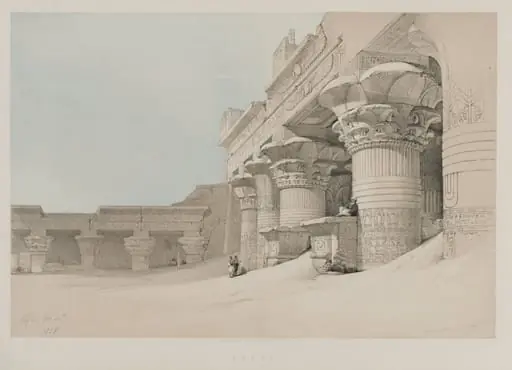 Egypt and Nubia, Volume II: Edfou
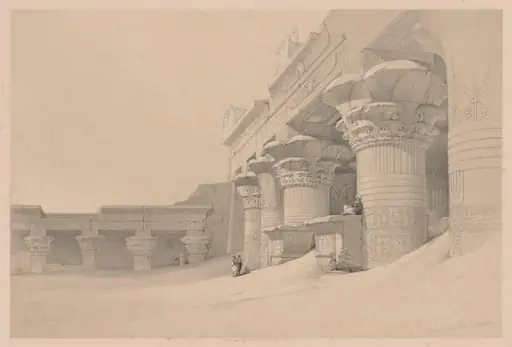 Egypt and Nubia: Volume I - No. 10, Edfou
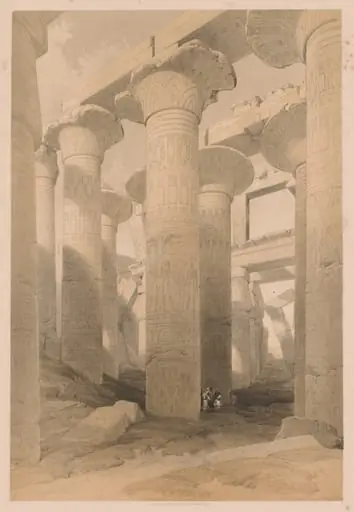 Egypt and Nubia: Volume II - No. 14, Karnak
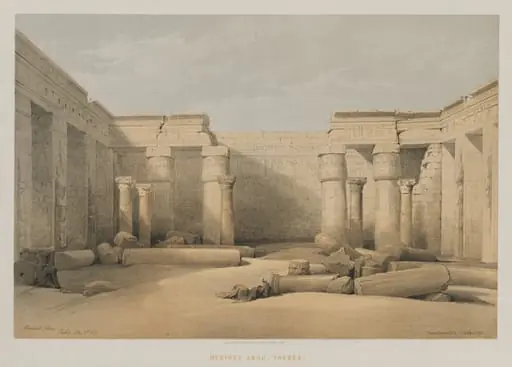 Egypt and Nubia, Volume II: Medinet Abou, Thebes
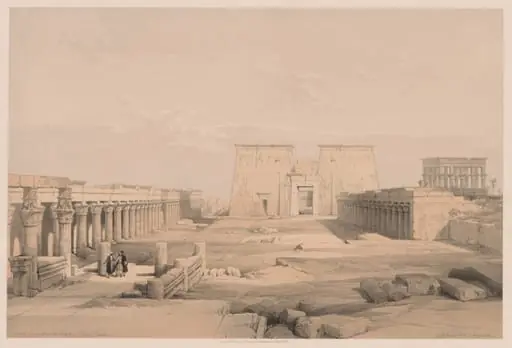 Egypt and Nubia: Volume I - No. 42, Grand Approach to the Temple of Philae, Nubia
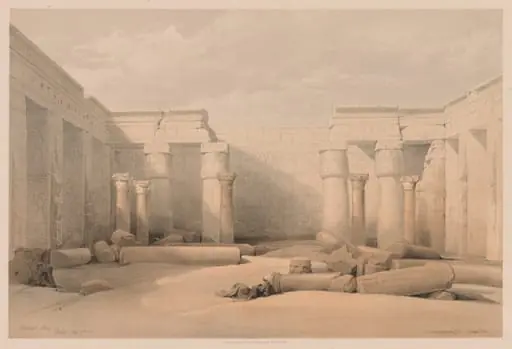 Egypt and Nubia: Volume II - No. 18, Medinet Abou, Thebes
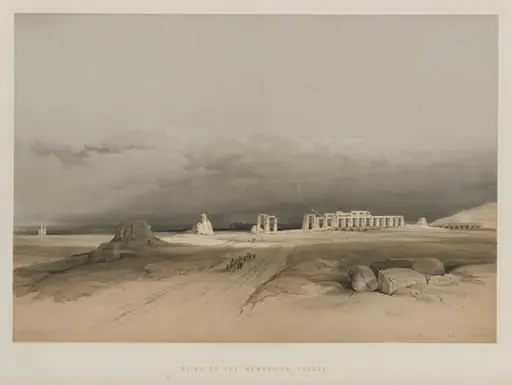 Egypt and Nubia, Volume II: Ruins of Memnonium, Thebes
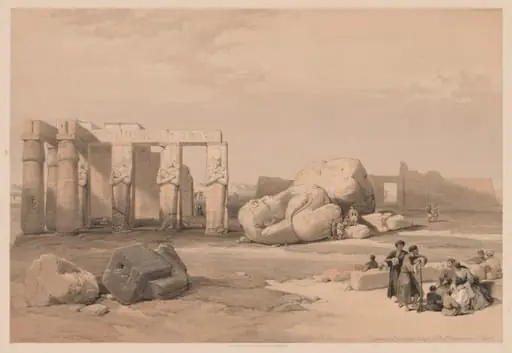 Egypt and Nubia: Volume II - No. 4, Fragments of the Great Colossi, at the Memnonium