Artwork
Egypt and Nubia, Volume III: Mosque el Mooristan, Cairo
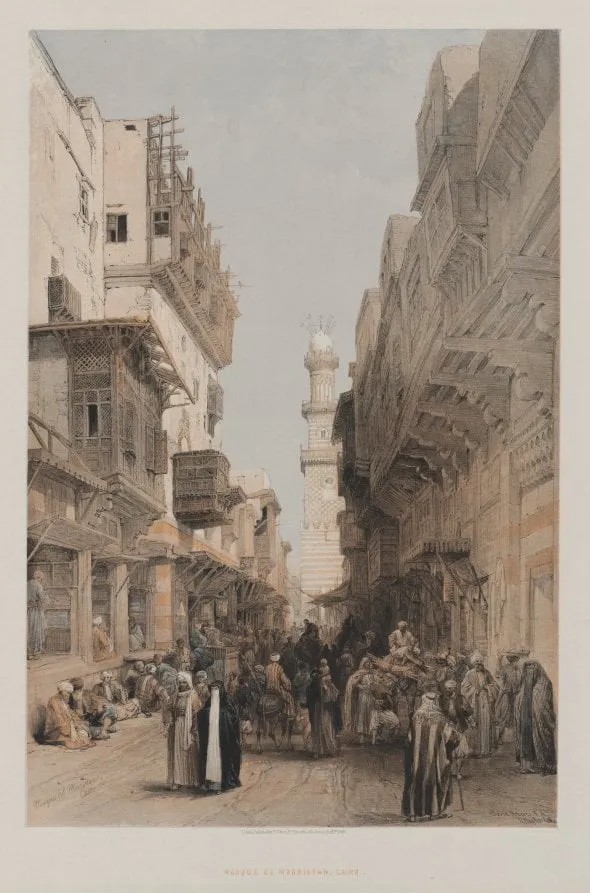
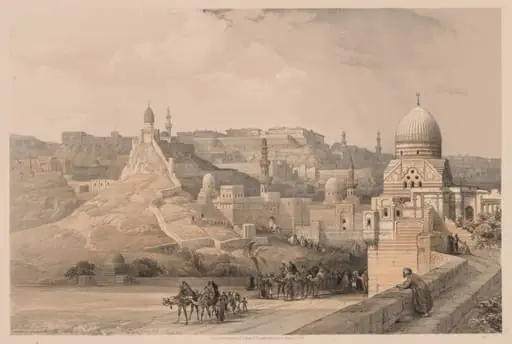
Egypt and Nubia, Volume III: Mosque el Mooristan, Cairo is a print by the Romanticist artist Louis Haghe. It dates from 1849 and is held in the collection of the Cleveland Museum of Art.
About this work
Overview
Egypt and Nubia, Volume III: Mosque el Mooristan, Cairo is a lithographic print created by Louis Haghe in 1849, as part of a series documenting Egyptian and Nubian architectural scenes.
Subject & Meaning
The print depicts a bustling street scene near Cairo's Mosque el Mooristan, focusing on everyday life in a crowded, worn urban environment, emphasizing the vitality of ordinary people amidst aged architecture.
Technique & Style
Haghe employed detailed lithographic illustration, a medium he mastered through his work with the prominent London firm Day & Haghe, which he co-founded around 1830.
History & Provenance
Louis Haghe, a Belgian-born British artist (1806–1885), trained initially in watercolor before transitioning to lithography, drawing from his architectural family background (son and grandson of architects).
Context
This work aligns with elements of the Romanticism movement, which often emphasized the beauty in everyday, mundane scenes and the emotional appeal of aged, worn structures.
Artist & collection
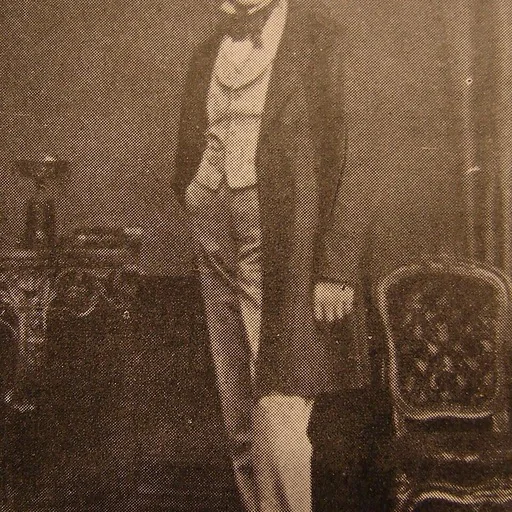
Artist
Louis Haghe (17 March 1806 – 9 March 1885) was a lithographer and watercolourist from the Netherlands and then the United Kingdom.

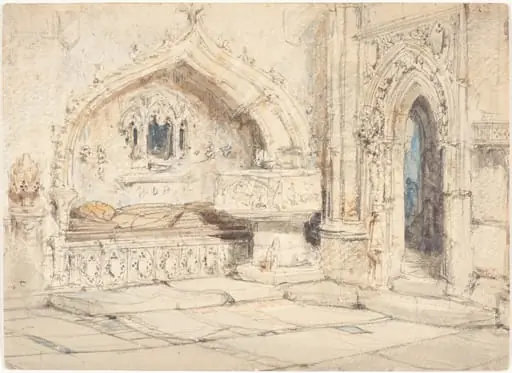 Interior of a Church with a Wall Tomb and Medieval Font
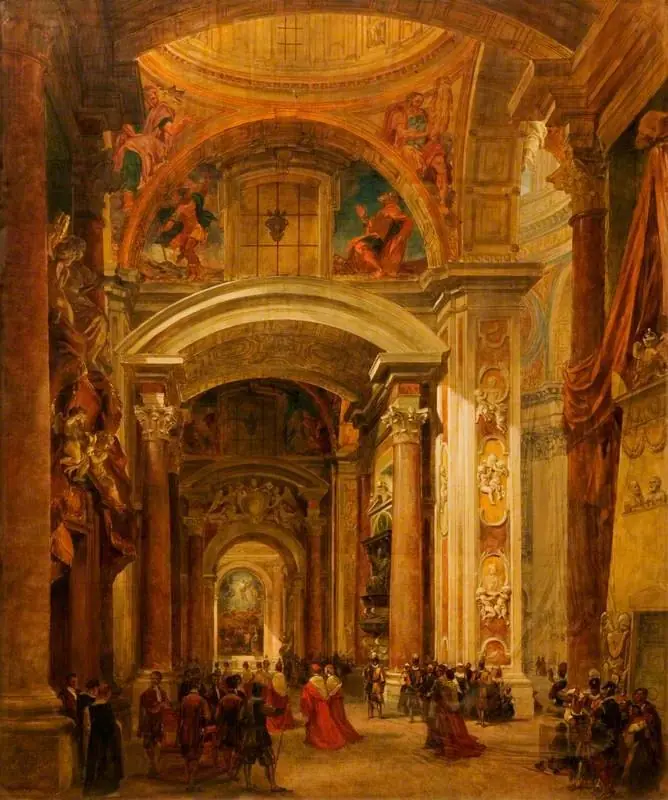 Interior of St Peter's, Rome
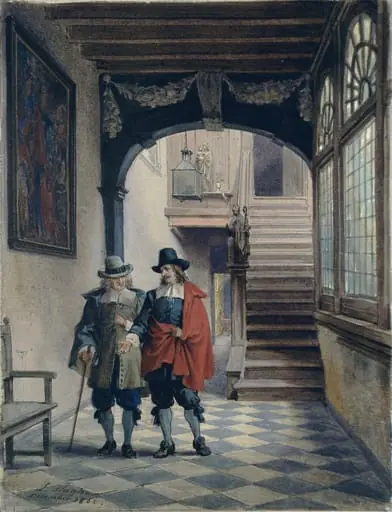 The Corridor, Brewer's Hall, Antwerp
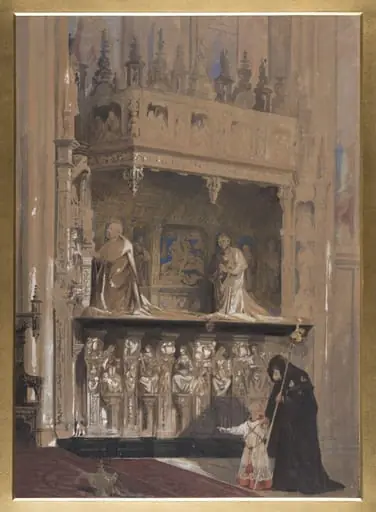 Monument of the Cardinald D'Amboise in Rouen Cathedral
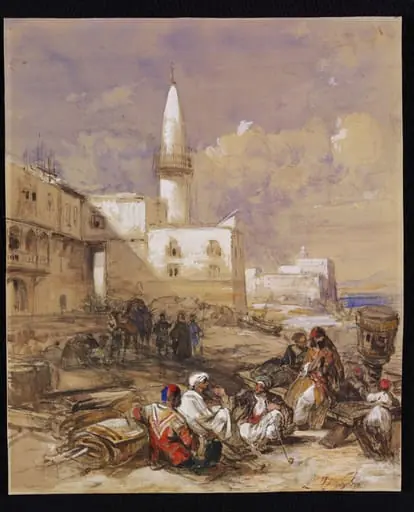 The Quay at Suez
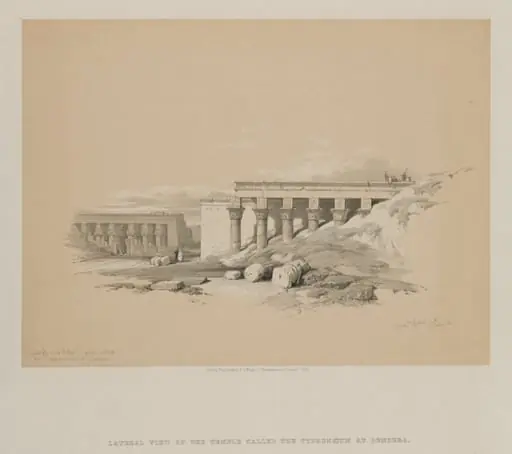 Egypt and Nubia, Volume II: Lateral View of the Temple called The Typhonoeum at Dendera
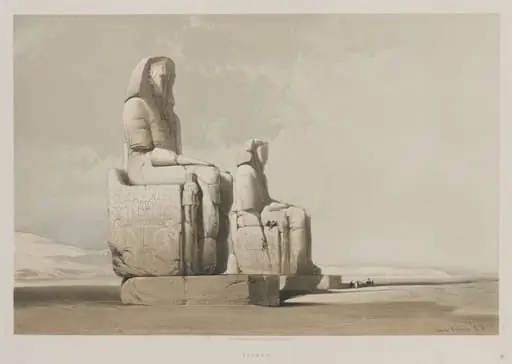 Egypt and Nubia, Volume I: Thebes
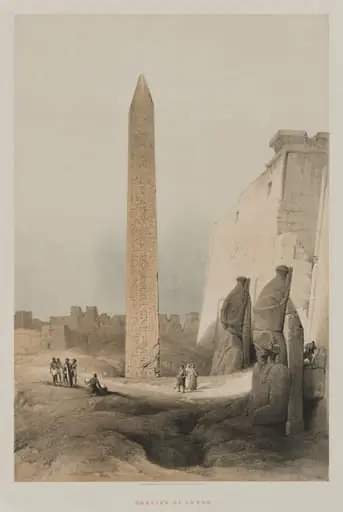 Egypt and Nubia, Volume I: Luxor
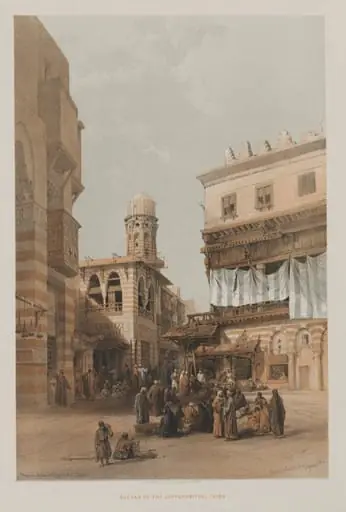 Egypt and Nubia, Volume III: Bazaar of the Coppersmiths, Cairo
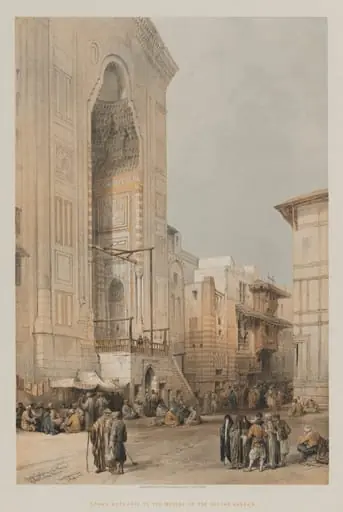 Egypt and Nubia, Volume III: Grand Entrance to the Mosque of the Sultan Hassan
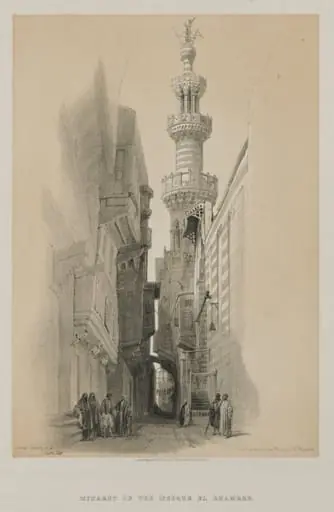 Egypt and Nubia, Volume III: The Minaret of the Mosque El Rhamree
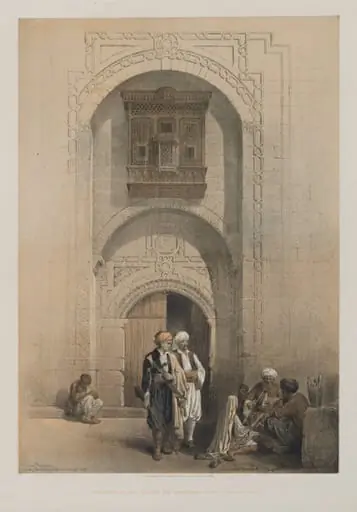 Egypt and Nubia, Volume III: Modern Mansion, showing the Arabesque Architecture of Cairo
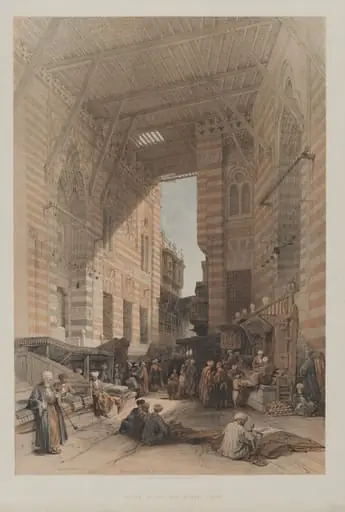 Egypt and Nubia, Volume III: Bazaar of the Silk Mercers, Cairo
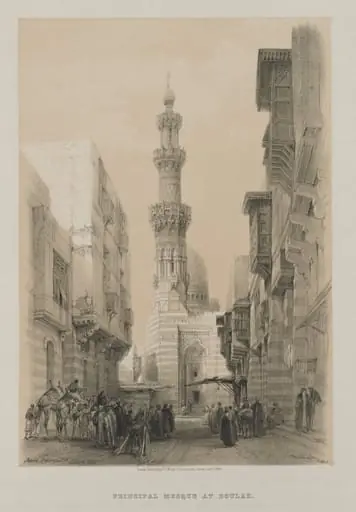 Egypt and Nubia, Volume III: Bullack, Cairo
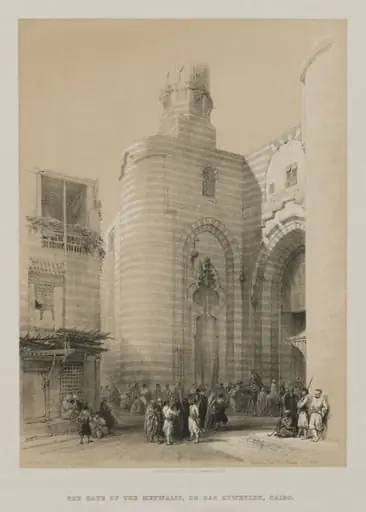 Egypt and Nubia, Volume III: Gate of the Metwaleys, Cairo
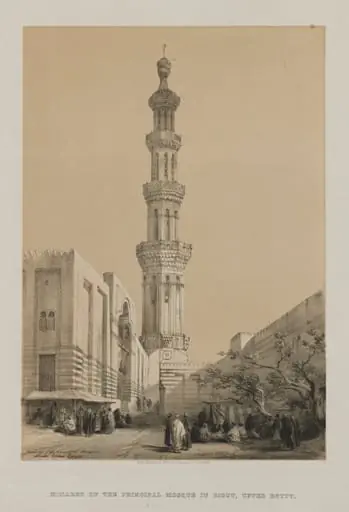 Egypt and Nubia, Volume III: Minaret of the Principal Mosque Siout, Upper Egypt
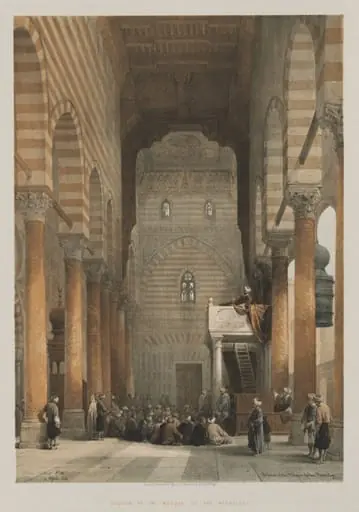 Egypt and Nubia, Volume III: Interior of the Mosque of the Metwalys
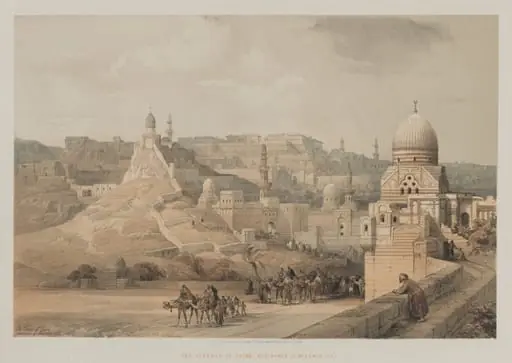 Egypt and Nubia, Volume III: The Citadel of Cairo, Residence of Mehemet Ali
 Egypt and Nubia: Volume III - No. 34, The Citadel of Cairo, Residence of Mehemet Ali