Artwork
Egypt and Nubia, Volume III: The Citadel of Cairo, Residence of Mehemet Ali
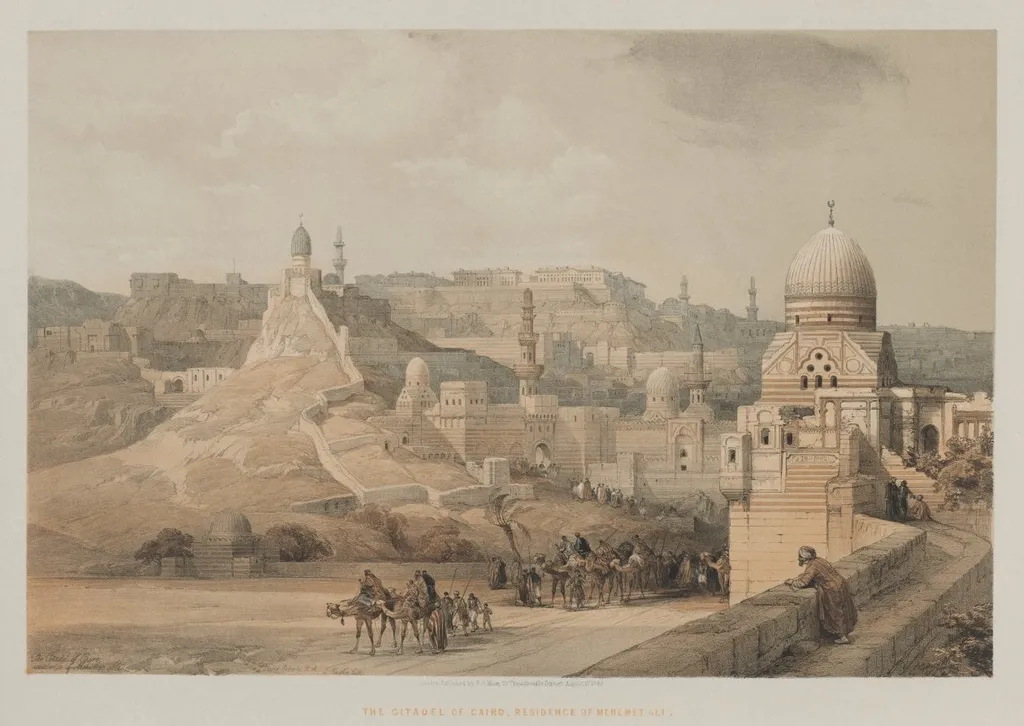
Egypt and Nubia, Volume III: The Citadel of Cairo, Residence of Mehemet Ali is a print by the Romanticist artist Louis Haghe. It dates from 1849 and is held in the collection of the Cleveland Museum of Art.
About this work
Overview
Created in 1849 by Louis Haghe, this lithograph is the third volume in a series documenting sites across Egypt and Nubia.
Created in 1849 by Louis Haghe, this lithograph is the third volume in a series documenting sites across Egypt and Nubia. Produced by the London-based firm Day & Haghe, which Haghe co-founded in the 1830s, the print reflects a systematic effort to record architectural landmarks of the region. As a Belgian-born artist settled in England, Haghe brought technical precision to the project, combining lithographic skill with watercolor sensibilities to produce a detailed visual record of the era.
Subject & Meaning
The image centers on the Citadel of Cairo, a medieval fortress complex that served as the seat of power for Muhammad Ali Pasha, the Ottoman viceroy of Egypt. The composition situates the structure atop a rocky outcrop, emphasizing its dominance over the surrounding city. Figures on horseback and camel along a winding path ground the scene in daily life, suggesting the Citadel’s role as both a political center and a landmark within an active urban landscape.
Technique & Style
Haghe employed lithography to achieve fine tonal gradations and architectural clarity, a method well-suited to reproducing intricate details. His background in watercolor informed the soft, atmospheric sky and subtle shading of stone surfaces. The rendering balances topographical accuracy with a restrained aesthetic, avoiding dramatic embellishment while preserving the texture of buildings, the rhythm of minarets, and the quiet presence of human activity within the scene.
History & Provenance
The print was issued as part of a multi-volume publication commissioned during a period of growing European interest in the Near East. Produced by Day & Haghe, a leading lithographic firm of the time, the series was distributed to academic and private collectors. The Citadel, as Muhammad Ali’s residence, was a focal point of political and architectural significance, making it a natural subject for documentation in a project aimed at preserving regional heritage through print.
Context
This work emerged during a time when European travelers and scholars were systematically recording Egypt’s monuments following Napoleon’s campaign. While Romanticism often idealized exotic landscapes, Haghe’s approach leaned toward documentary precision. The inclusion of contemporary figures—travelers, observers—anchors the image in lived reality, distinguishing it from purely fantastical depictions common in the period.
Legacy
Haghe’s lithograph contributed to a broader 19th-century archive of Egyptian architecture, influencing later archaeological and topographical studies. Its restrained detail and integration of human presence set a standard for ethnographic illustration. Though not widely exhibited today, the print remains a valuable resource for understanding how Western artists engaged with the visual culture of the Middle East during the early Victorian era.
Artist & collection
Artist
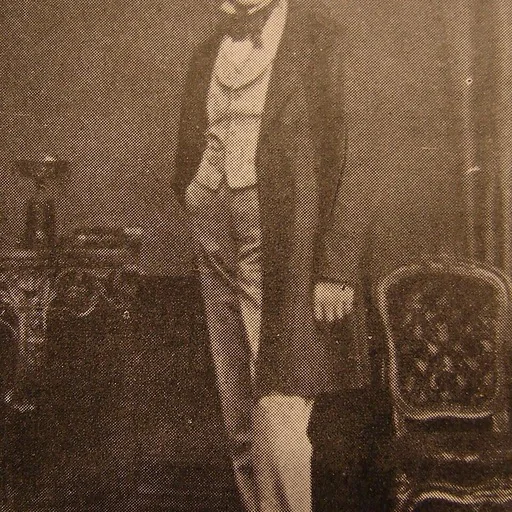
Louis Haghe (17 March 1806 – 9 March 1885) was a lithographer and watercolourist from the Netherlands and then the United Kingdom.

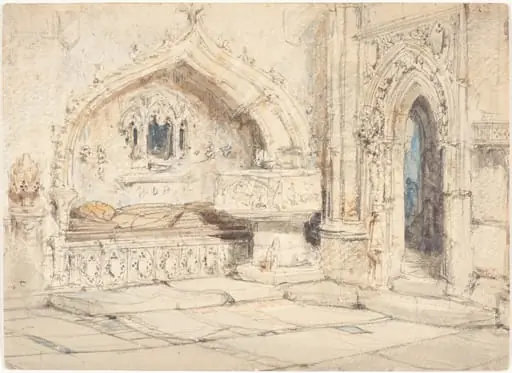 Interior of a Church with a Wall Tomb and Medieval Font
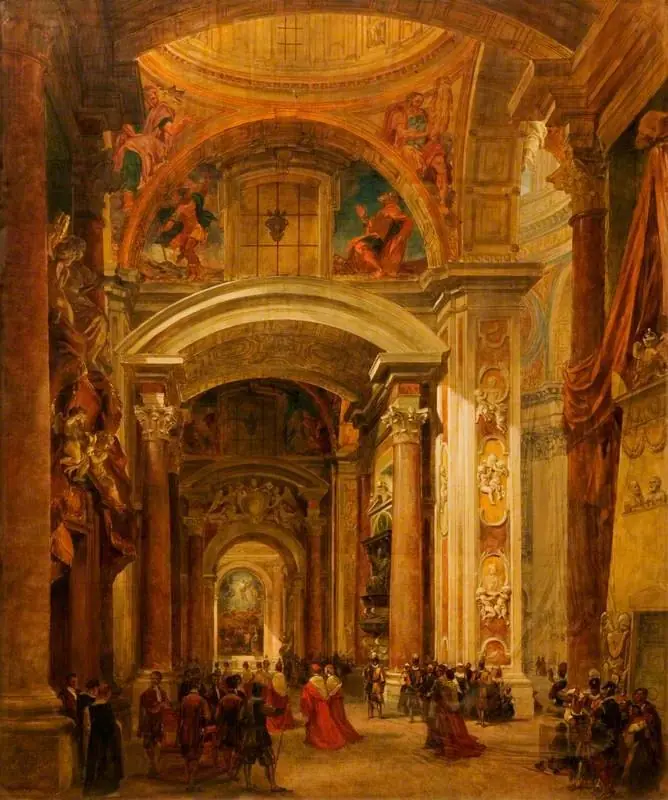 Interior of St Peter's, Rome
 The Corridor, Brewer's Hall, Antwerp
 Monument of the Cardinald D'Amboise in Rouen Cathedral
 The Quay at Suez
 Egypt and Nubia, Volume II: Lateral View of the Temple called The Typhonoeum at Dendera
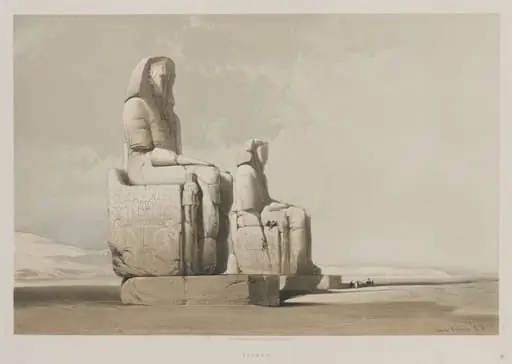 Egypt and Nubia, Volume I: Thebes
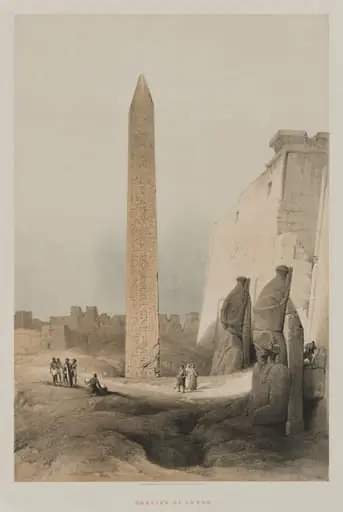 Egypt and Nubia, Volume I: Luxor
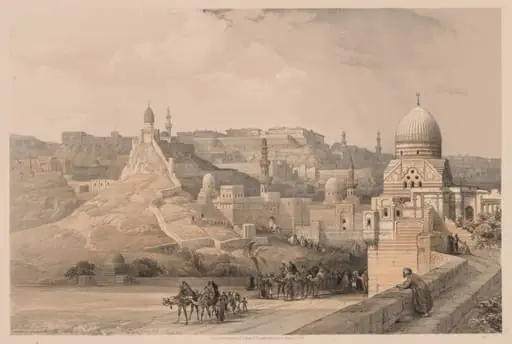 Egypt and Nubia: Volume III - No. 34, The Citadel of Cairo, Residence of Mehemet Ali
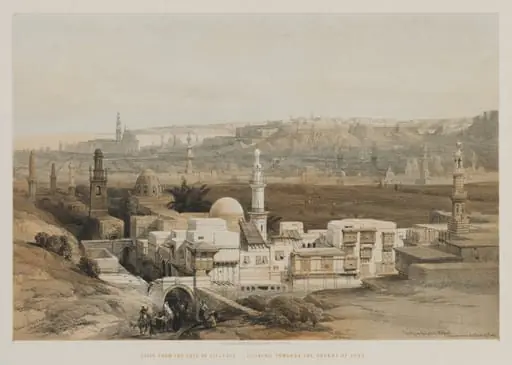 Egypt and Nubia, Volume III: Cairo from the Gate of Citzenib, Looking towards the Desert of Suez
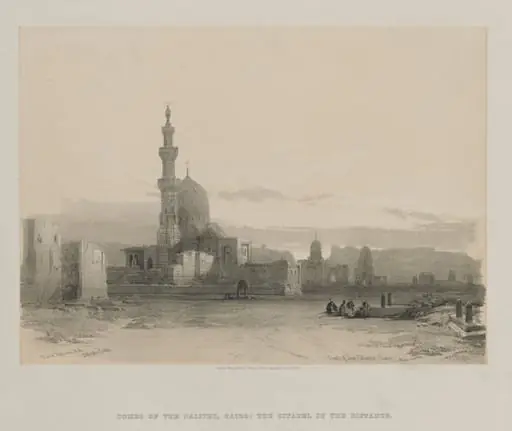 Egypt and Nubia, Volume III: Tombs of the Caliph's, Cairo
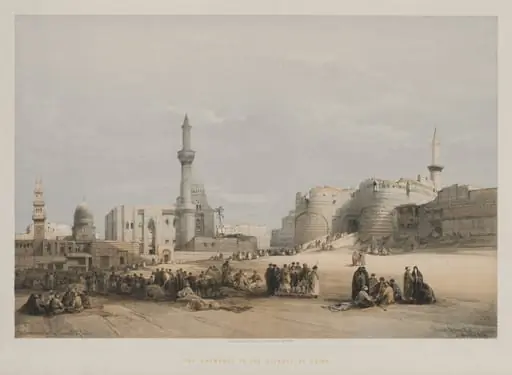 Egypt and Nubia, Volume III: The Entrance to the Citadel of Cairo
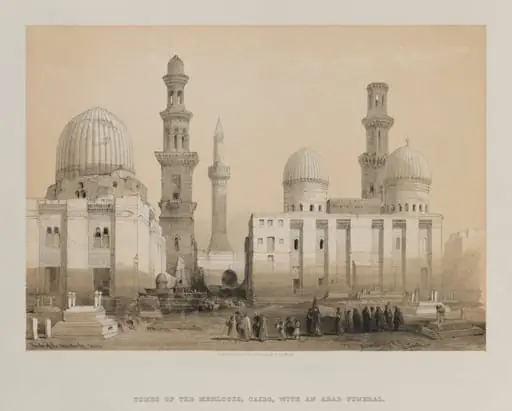 Egypt and Nubia, Volume III: Tomb of the Memlooks, Cairo
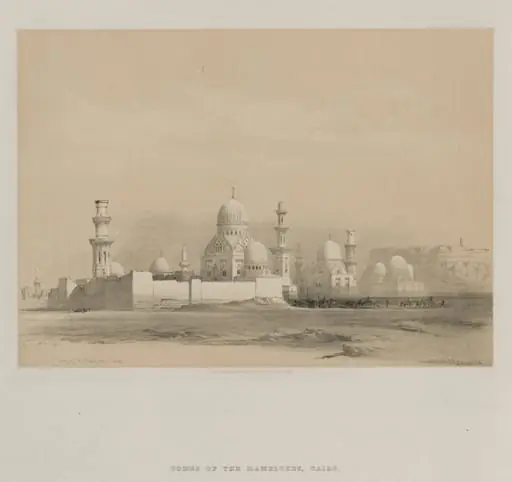 Egypt and Nubia, Volume III: Tombs of the Memlooks, Cairo
![Egypt and Nubia, Volume III: Tombs of the Caliphs-Cairo. Mosque of Ayed Be[y], by Louis Haghe](https://artifactworldgallery.com/img/louis-haghe--egypt-and-nubia-volume-iii-tombs-of-the-caliphs-cairo-mosque--9062e89e981f8684-w320.webp) Egypt and Nubia, Volume III: Tombs of the Caliphs-Cairo. Mosque of Ayed Be[y]
Egypt and Nubia, Volume III: Tombs of the Caliphs-Cairo. Mosque of Ayed Be[y]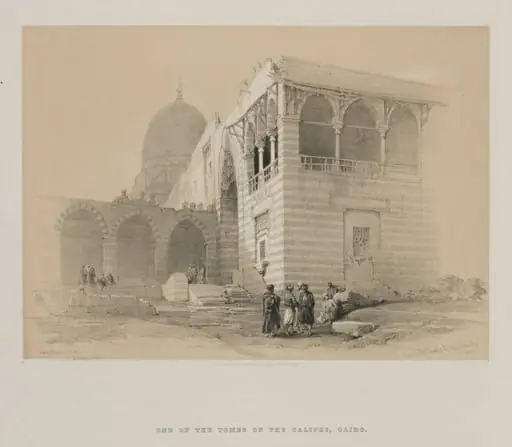 Egypt and Nubia, Volume III: One of the Tombs of the Khalifs, Cairo
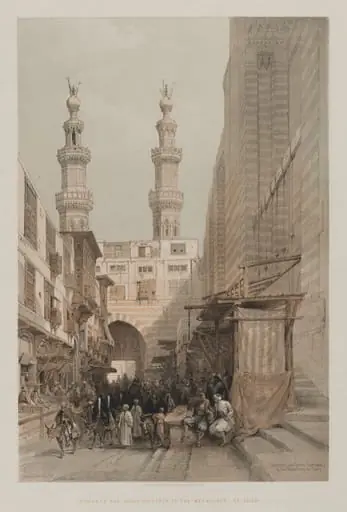 Egypt and Nubia, Volume III: Minarets, and Grand Entrance of the Metwaleys, at Cairo
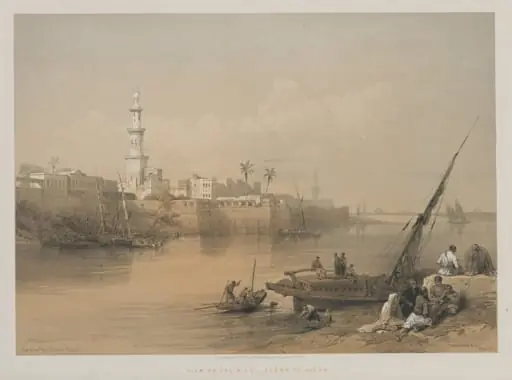 Egypt and Nubia, Volume III: View on the Nile, Ferry to Gizeh