Artwork
Egypt and Nubia, Volume III: Bazaar of the Coppersmiths, Cairo
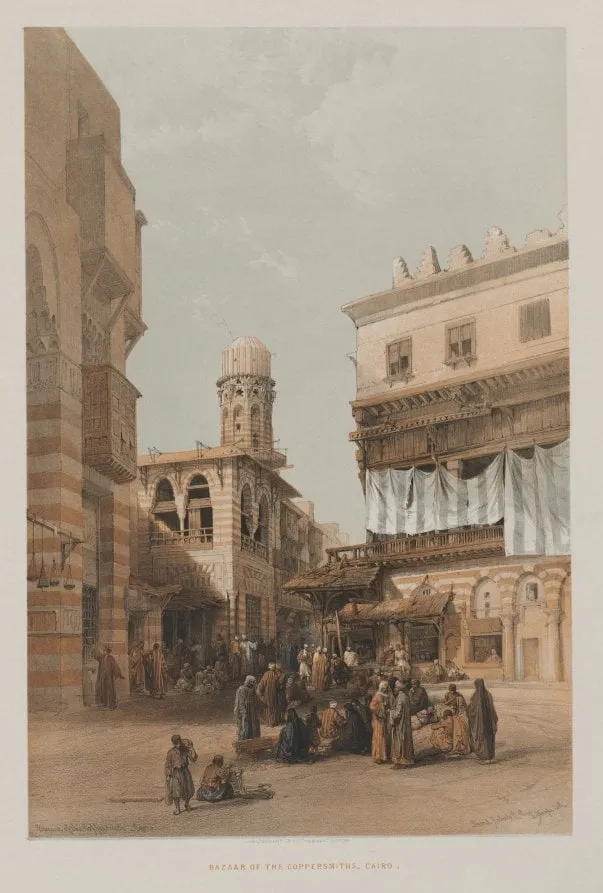
Egypt and Nubia, Volume III: Bazaar of the Coppersmiths, Cairo is a print by the Romanticist artist Louis Haghe. It dates from 1848 and is held in the collection of the Cleveland Museum of Art.
About this work
Overview
Louis Haghe’s 1848 lithograph, titled *Egypt and Nubia, Volume III: Bazaar of the Coppersmiths, Cairo*, records a crowded market street in the Egyptian capital. Rendered in muted earth tones, the image captures vendors, shoppers in long robes, and the architectural rhythm of arches, balconies and a distant tower, conveying the everyday bustle of mid‑nineteenth‑century Cairo.
Subject & Meaning
The scene focuses on a lively commercial hub where merchants display copper wares and textiles, while locals gather around stalls and sit on the ground. By emphasizing the interaction of figures and the intricate layout of the market, the work offers a visual study of urban social life and trade practices in Egypt during the early Victorian era.
Technique & Style
Executed as a lithograph, the print reflects Haghe’s training in both watercolour and lithography, allowing fine line work and subtle tonal variation. Small details—such as the delicate rendering of hands, woven mats, and hanging cloth—demonstrate the artist’s meticulous approach, while the overall composition balances architectural depth with a crowded foreground.
History & Provenance
Haghe, a Belgian‑born British lithographer, co‑founded the London firm Day & Haghe, a leading publisher of illustrated works in the 1840s. This print formed part of a larger illustrated volume documenting Egypt and Nubia, produced for a European audience interested in the region’s geography and culture. The work now resides in the collection of the Cleveland Museum of Art.
Artist & collection
Artist
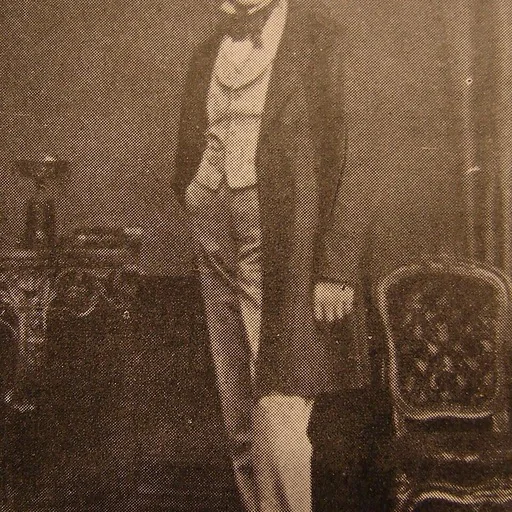
Louis Haghe (17 March 1806 – 9 March 1885) was a lithographer and watercolourist from the Netherlands and then the United Kingdom.

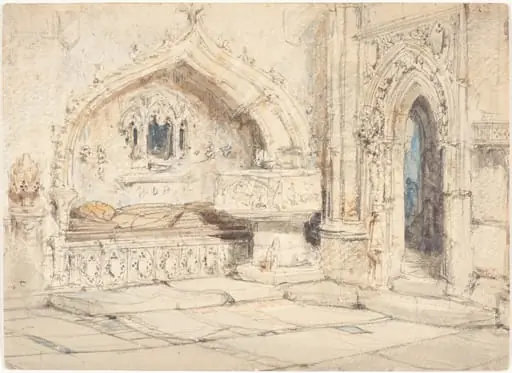 Interior of a Church with a Wall Tomb and Medieval Font
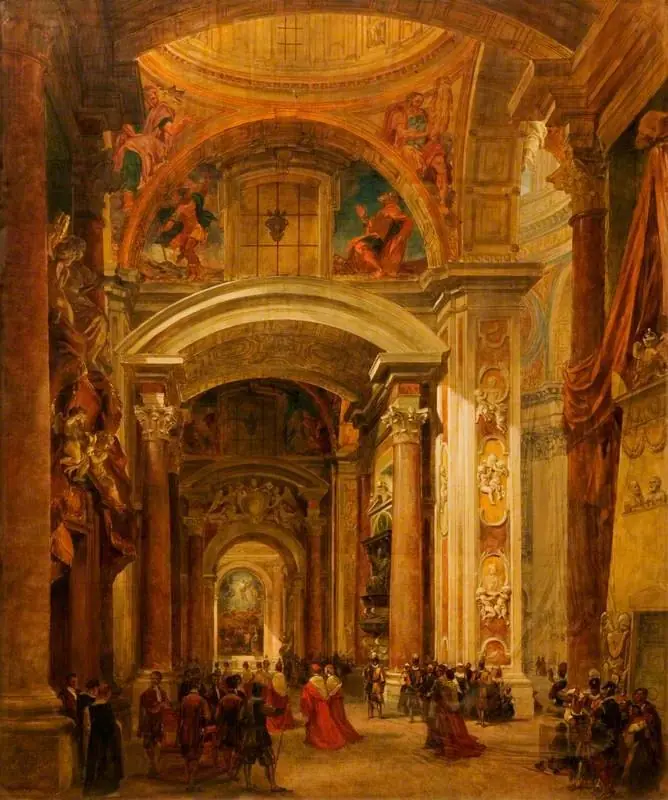 Interior of St Peter's, Rome
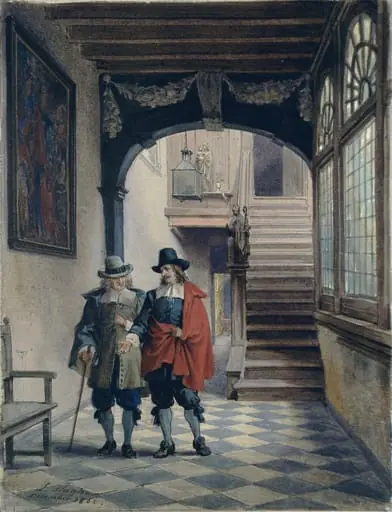 The Corridor, Brewer's Hall, Antwerp
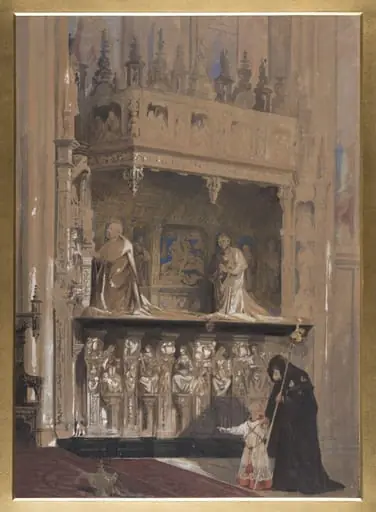 Monument of the Cardinald D'Amboise in Rouen Cathedral
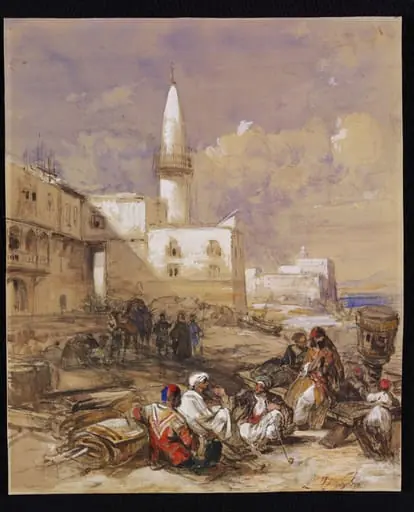 The Quay at Suez
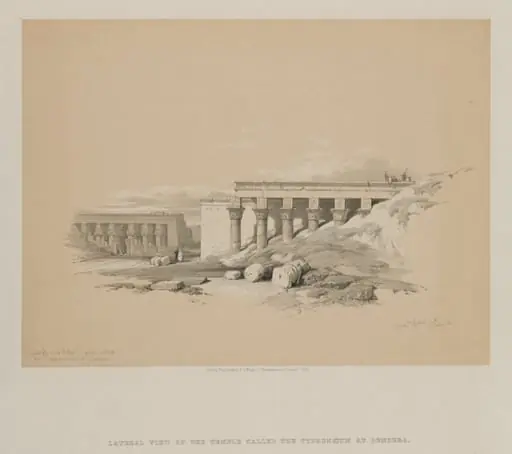 Egypt and Nubia, Volume II: Lateral View of the Temple called The Typhonoeum at Dendera
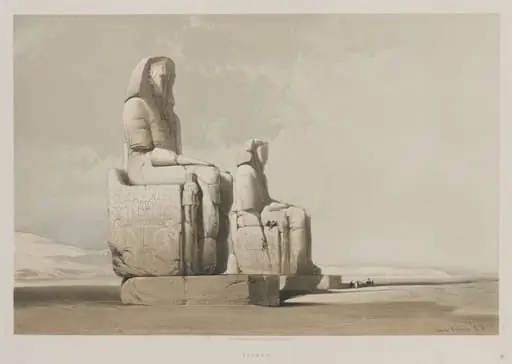 Egypt and Nubia, Volume I: Thebes
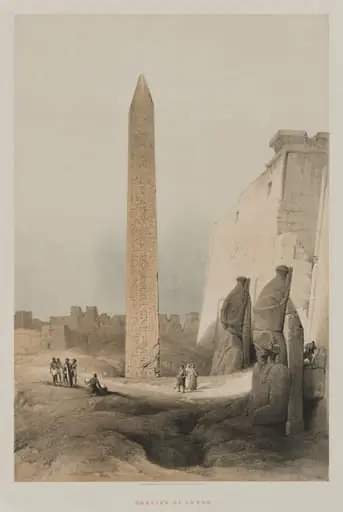 Egypt and Nubia, Volume I: Luxor
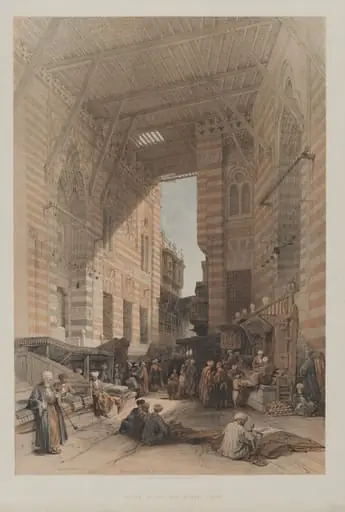 Egypt and Nubia, Volume III: Bazaar of the Silk Mercers, Cairo
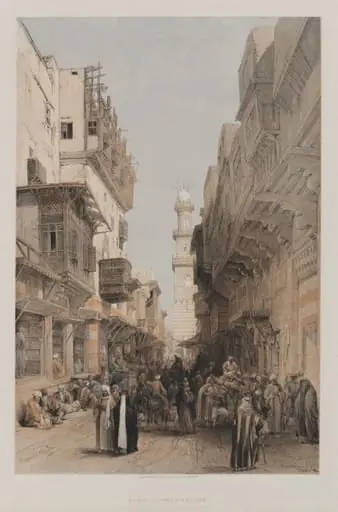 Egypt and Nubia, Volume III: Mosque el Mooristan, Cairo
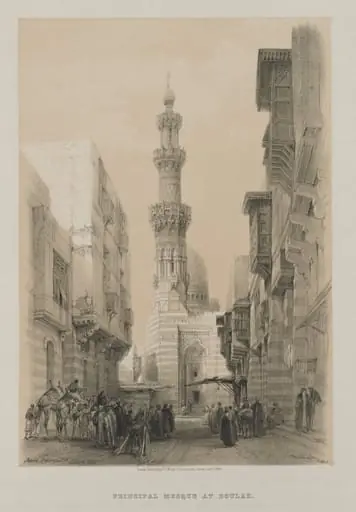 Egypt and Nubia, Volume III: Bullack, Cairo
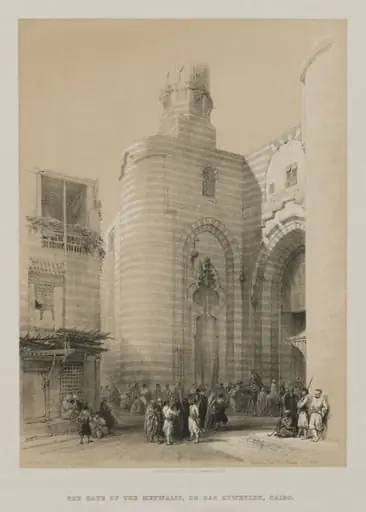 Egypt and Nubia, Volume III: Gate of the Metwaleys, Cairo
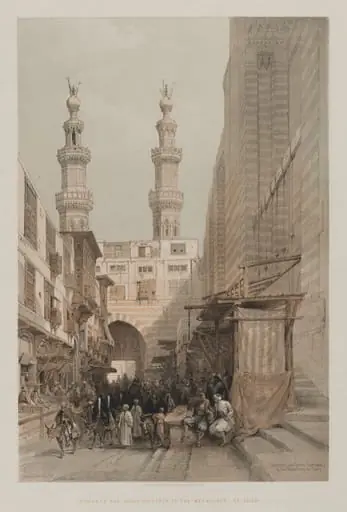 Egypt and Nubia, Volume III: Minarets, and Grand Entrance of the Metwaleys, at Cairo
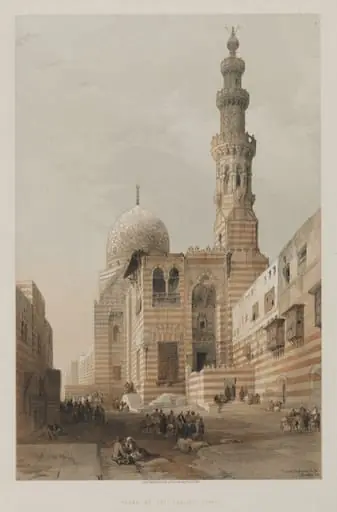 Egypt and Nubia, Volume III: Tombs of the Khalifs, Cairo
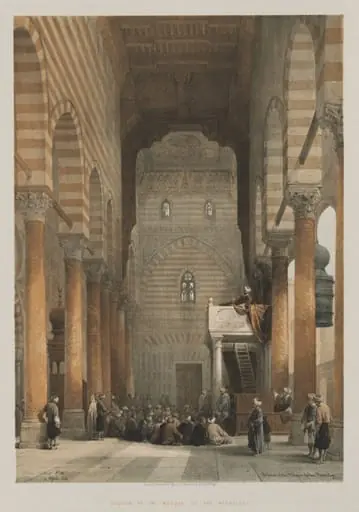 Egypt and Nubia, Volume III: Interior of the Mosque of the Metwalys
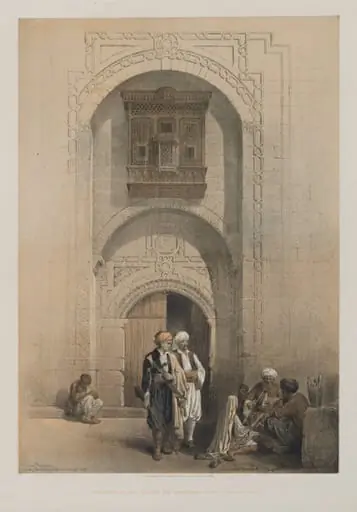 Egypt and Nubia, Volume III: Modern Mansion, showing the Arabesque Architecture of Cairo
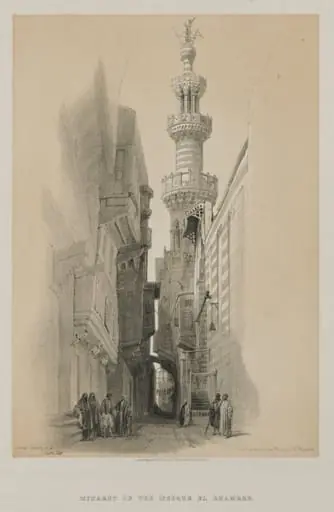 Egypt and Nubia, Volume III: The Minaret of the Mosque El Rhamree
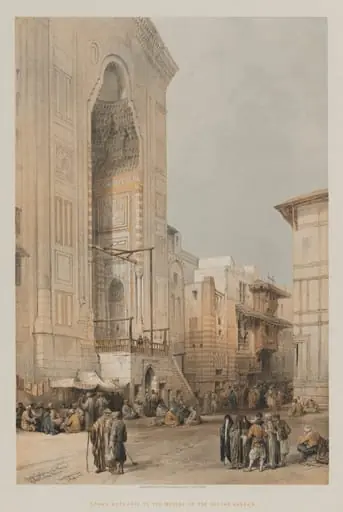 Egypt and Nubia, Volume III: Grand Entrance to the Mosque of the Sultan Hassan
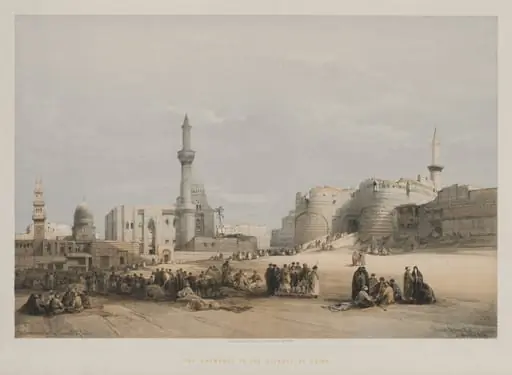 Egypt and Nubia, Volume III: The Entrance to the Citadel of Cairo
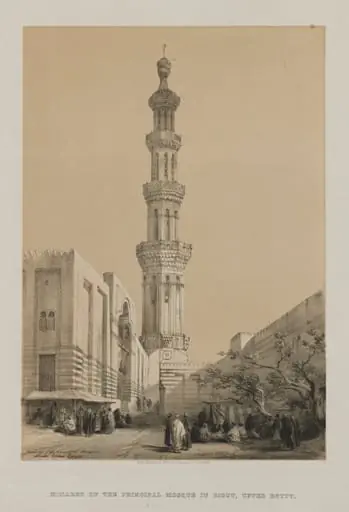 Egypt and Nubia, Volume III: Minaret of the Principal Mosque Siout, Upper Egypt