Artwork
Egypt and Nubia, Volume III, No. 26, Cairo, Looking West
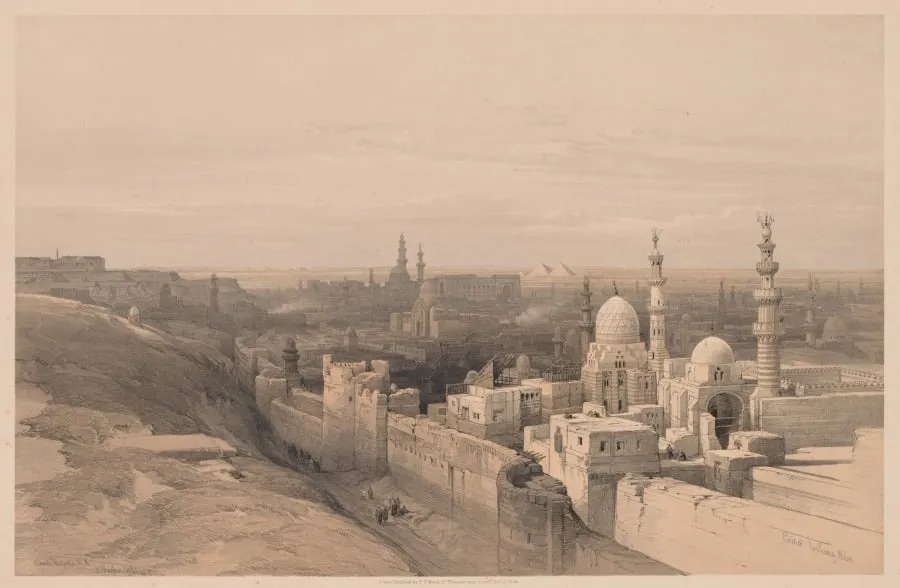
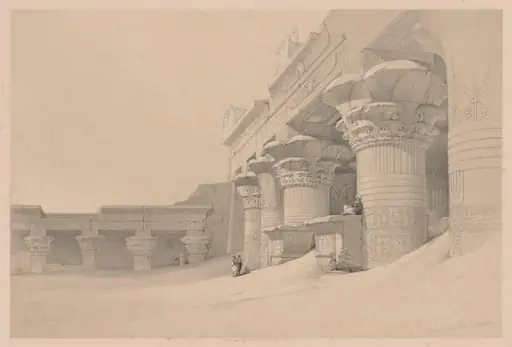
Egypt and Nubia, Volume III, No. 26, Cairo, Looking West is a print by the Romanticist artist Louis Haghe. It dates from 1838 and is held in the collection of the Cleveland Museum of Art. This print is one of many pages from David Roberts’s illustrated travel series documenting Egypt and Nubia, published in the 1840s.
About this work
Overview
This print is one of many pages from David Roberts’s illustrated travel series documenting Egypt and Nubia, published in the 1840s.
This print is one of many pages from David Roberts’s illustrated travel series documenting Egypt and Nubia, published in the 1840s. Created from sketches made during his 1838–39 journey, it presents a westward view of Cairo’s urban landscape along the Nile. The image was reproduced using lithography, a technique that allowed for detailed, mass-produced prints, making the sights of the Middle East accessible to European audiences unfamiliar with the region.
Subject & Meaning
The scene captures Cairo’s skyline as it appeared in the late 1830s, with mosques, minarets, and domes rising above the riverbank, framed by swaying palm trees. Boats on the Nile suggest daily life and transport. The composition emphasizes architectural grandeur and natural setting, offering a visual record of a city undergoing gradual change under Ottoman and local rule, rather than overt colonial intervention at the time of depiction.
Technique & Style
Roberts’s original sketches were translated into lithographs by Louis Haghe, a skilled printer who refined the drawings for mass reproduction. Lithography enabled fine tonal gradations and precise line work, preserving the atmospheric haze and architectural detail of Roberts’s on-site observations. The style blends topographical accuracy with romanticized lighting, reflecting 19th-century European conventions for depicting foreign landscapes.
History & Provenance
Produced between 1845 and 1849, the volume was part of a multi-volume set published in London. Roberts’s travels were funded in part by subscription, a common model for illustrated books at the time. The prints were distributed across Europe and North America, becoming a primary visual reference for Western audiences. The original sketches are now held in institutional collections, while the printed volumes remain in private and public libraries.
Context
The publication coincided with Britain’s growing political and economic interests in Egypt, though Roberts’s work focused on documentation rather than political commentary. His images contributed to a broader European fascination with the Orient, shaped by archaeological discovery and imperial expansion. While not overtly propagandistic, the prints reinforced a visual narrative of Egypt as ancient, exotic, and ripe for Western interpretation.
Legacy
Roberts’s lithographs became a standard reference for 19th-century depictions of Egypt, influencing both popular imagination and academic study. The series helped establish travel illustration as a legitimate genre and preserved detailed records of Cairo’s architecture before modernization. Today, the prints are valued for their historical record, offering insight into how the Middle East was visually constructed for European viewers during a period of shifting global power.
Artist & collection
Artist
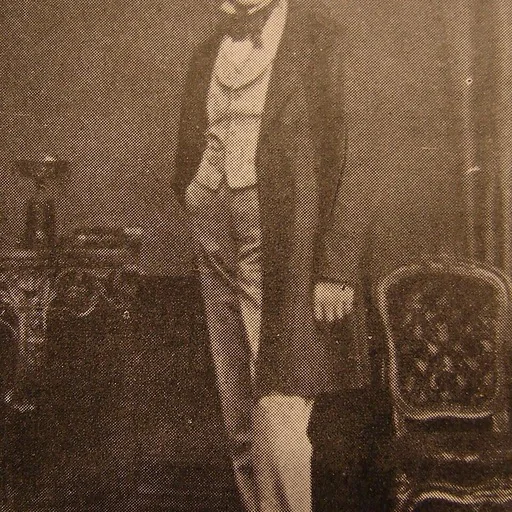
Louis Haghe (17 March 1806 – 9 March 1885) was a lithographer and watercolourist from the Netherlands and then the United Kingdom.

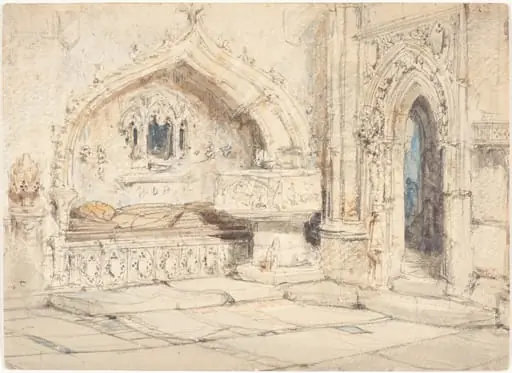 Interior of a Church with a Wall Tomb and Medieval Font
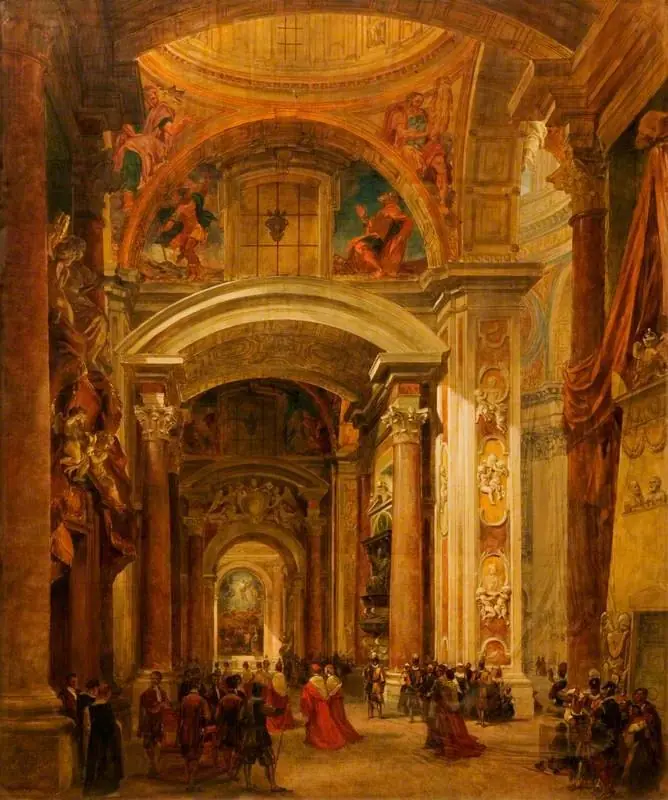 Interior of St Peter's, Rome
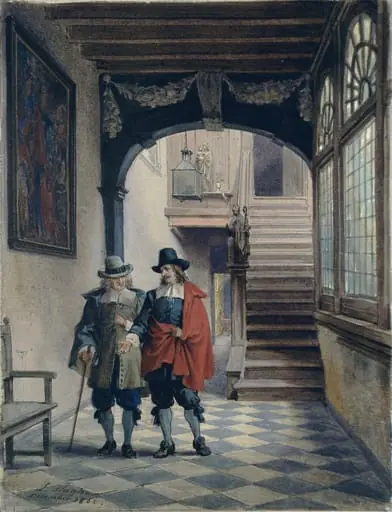 The Corridor, Brewer's Hall, Antwerp
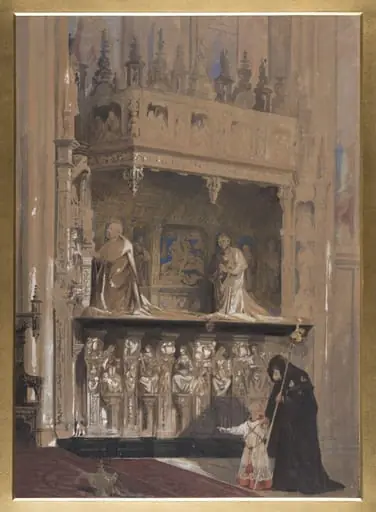 Monument of the Cardinald D'Amboise in Rouen Cathedral
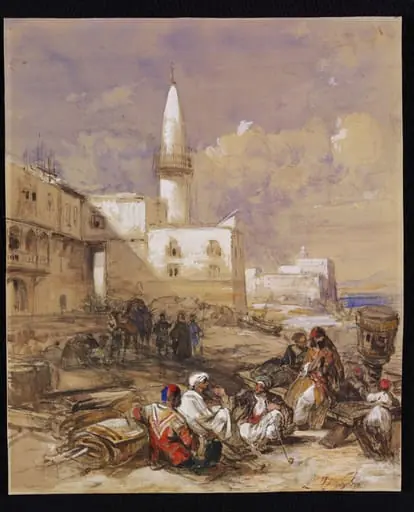 The Quay at Suez
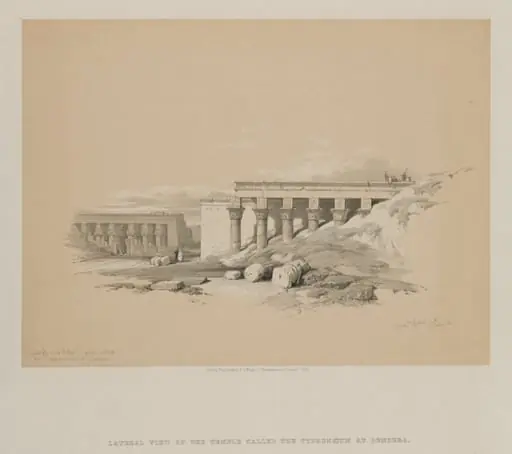 Egypt and Nubia, Volume II: Lateral View of the Temple called The Typhonoeum at Dendera
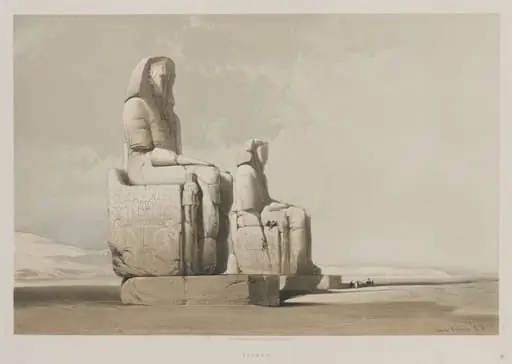 Egypt and Nubia, Volume I: Thebes
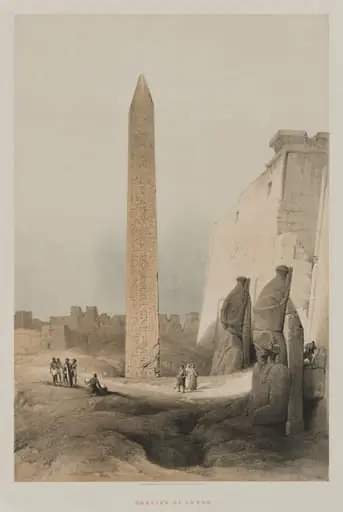 Egypt and Nubia, Volume I: Luxor
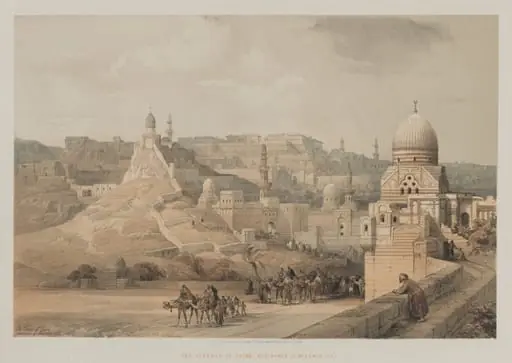 Egypt and Nubia, Volume III: The Citadel of Cairo, Residence of Mehemet Ali
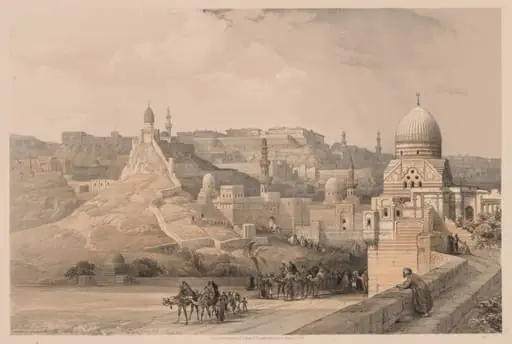 Egypt and Nubia: Volume III - No. 34, The Citadel of Cairo, Residence of Mehemet Ali
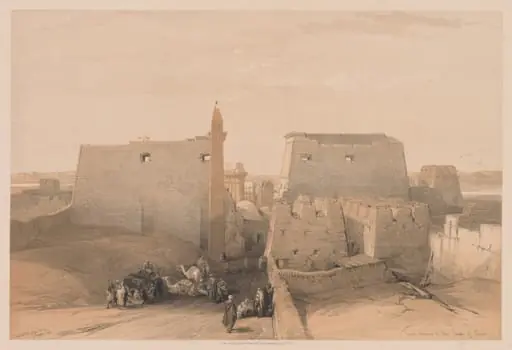 Egypt and Nubia: Volume II - No. 38, Grand Entrances to the Temple of Luxor
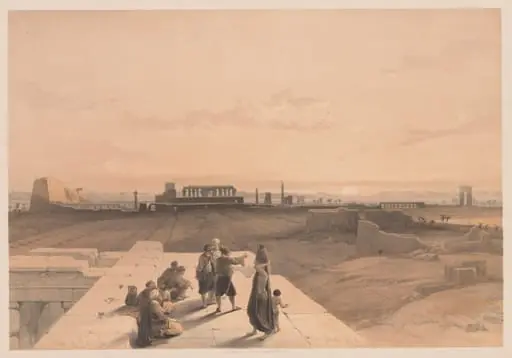 Egypt and Nubia: Volume I - No. 38, Ruins of Karnak
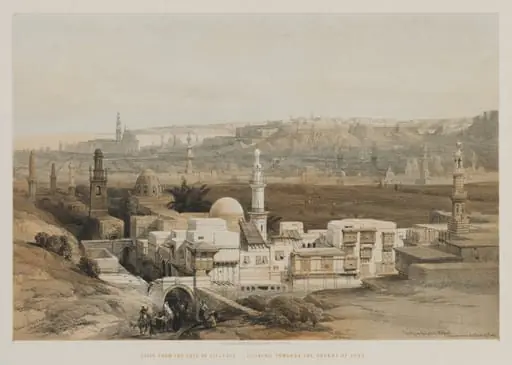 Egypt and Nubia, Volume III: Cairo from the Gate of Citzenib, Looking towards the Desert of Suez
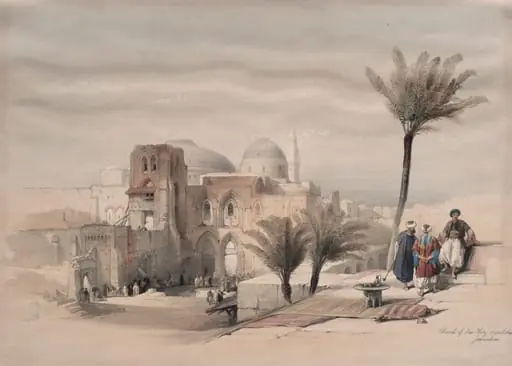 Church of the Holy Sepulchre, Jerusalem
 Egypt and Nubia: Volume I - No. 10, Edfou