Artwork
Young Woman Ironing
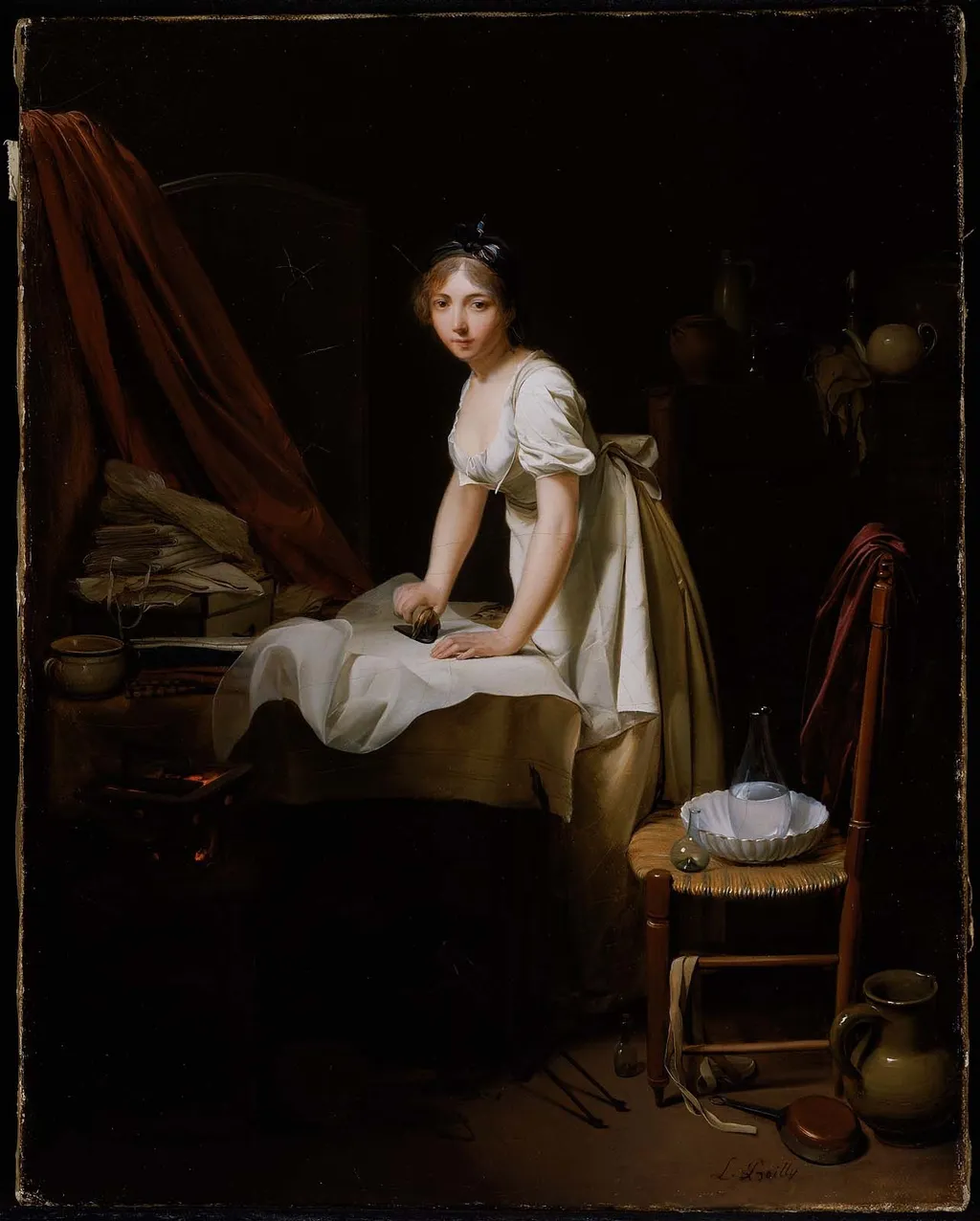
Young Woman Ironing is an oil painting by Louis-Léopold Boilly. It dates from 1800 and is held in the collection of the Museum of Fine Arts Boston.
About this work
Overview
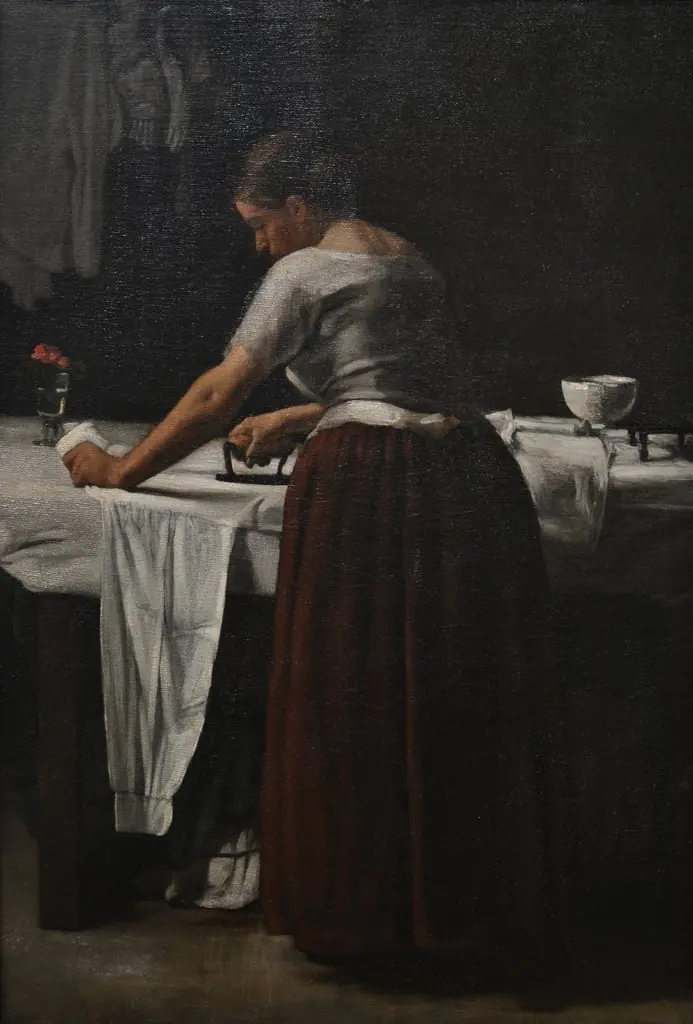
Painted in 1800 by Louis-Léopold Boilly, this oil on canvas depicts a young woman engaged in the routine task of ironing. The work is part of the collection at the Museum of Fine Arts, Boston. Rendered with quiet precision, the scene captures a moment of solitary labor, framed by minimal domestic surroundings and a subdued palette that emphasizes the figure’s presence against a darkened interior.
Subject & Meaning
The scene avoids romanticization, instead presenting domestic labor as a quiet, unembellished reality of daily life in early 19th-century France.
The woman, dressed in a simple white gown with puffed sleeves and her hair secured by a black ribbon, is portrayed mid-task, holding an iron in one hand and fabric in the other. Her gaze meets the viewer directly, conveying neither exhaustion nor sentimentality, but a composed attentiveness. The scene avoids romanticization, instead presenting domestic labor as a quiet, unembellished reality of daily life in early 19th-century France.
Technique & Style
Boilly employs chiaroscuro to model the figure with subtle gradations of light, enhancing the three-dimensionality of her form and the texture of fabric. The dark background isolates the subject, drawing focus to her posture and the tactile details of the iron, the water bowl, and the folded garments. Brushwork is controlled and precise, reflecting the artist’s training in genre painting and his interest in capturing ordinary moments with psychological nuance.
History & Provenance
Created in 1800, the painting entered the Museum of Fine Arts, Boston’s collection in the early 20th century. It was likely acquired through a private sale or donation, as Boilly’s genre scenes were popular among collectors of French academic art. The work has remained in the museum’s care since, with no record of significant restoration or relocation.
Context
During the early 1800s, French society was redefining domestic roles amid post-revolutionary social shifts. Boilly’s depiction of a working-class woman aligns with a growing interest in everyday life, distinct from grand historical or mythological subjects. Unlike idealized portrayals, this image offers an unadorned view of labor, reflecting a broader trend in French art toward realism and social observation.
Legacy
Though not widely exhibited outside institutional settings, the painting exemplifies Boilly’s contribution to French genre painting. Its restrained composition and psychological stillness influenced later artists interested in intimate domestic scenes. The work endures as a quiet testament to the dignity of routine labor, preserved without embellishment or moral judgment.
Artist & collection
Artist
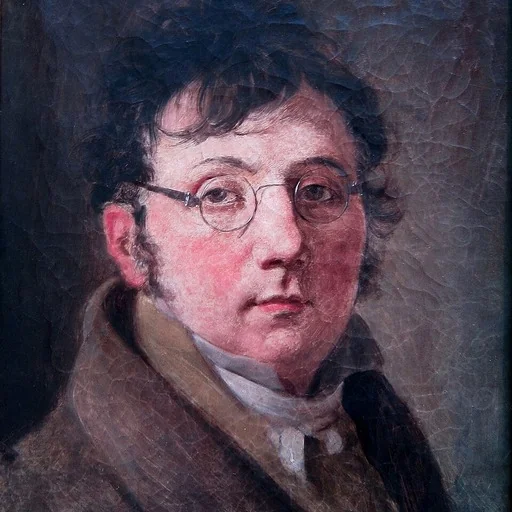
Louis-Léopold Boilly was a French painter and draftsman. A creator of popular portrait paintings, he also produced a vast number of genre paintings documenting French middle-class social life. His life and work spanned…

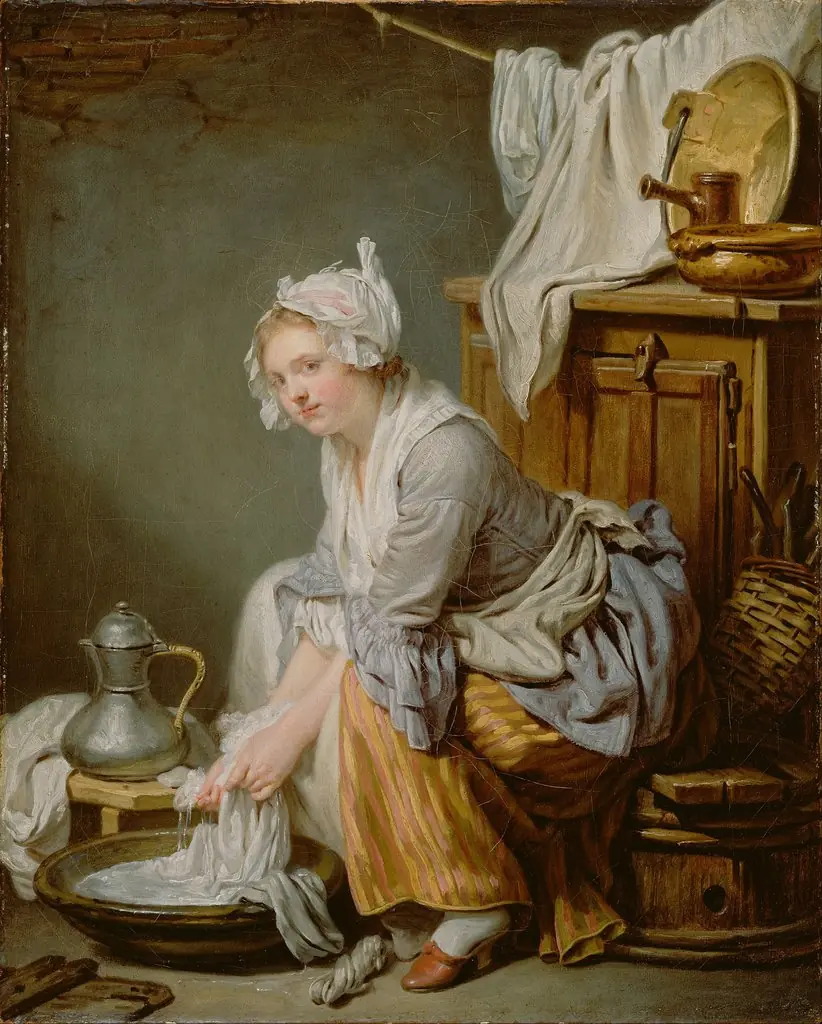 The Laundress (La Blanchisseuse)
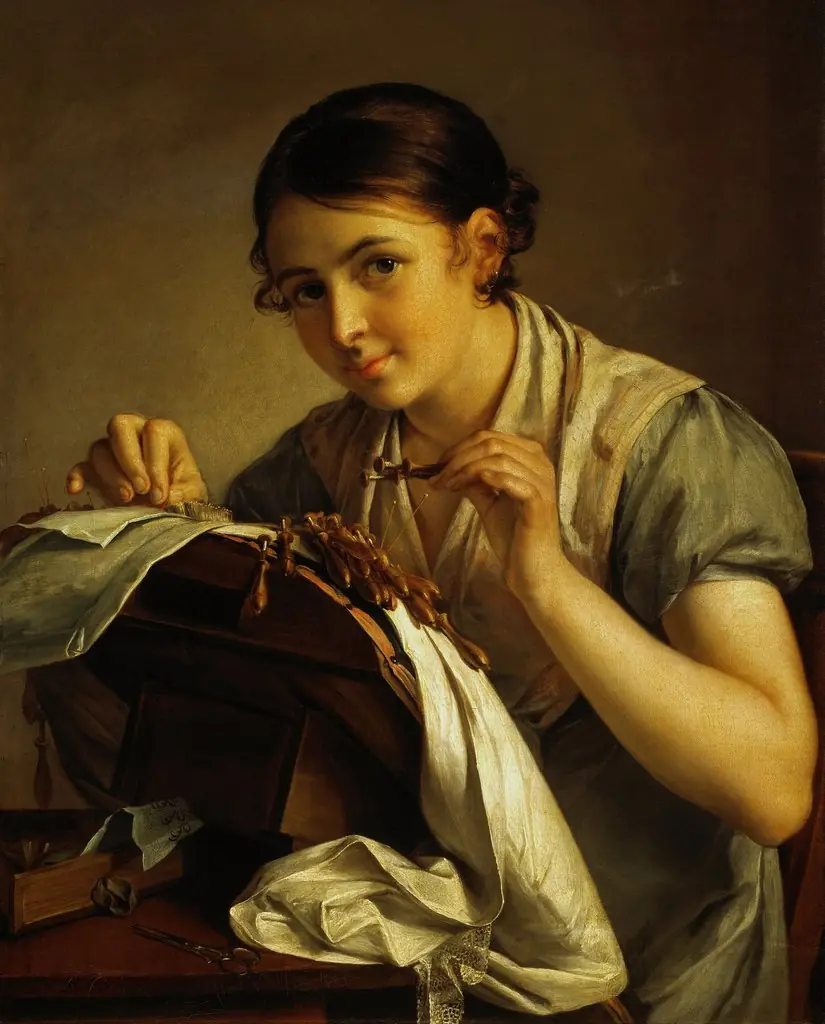 Lace-maker
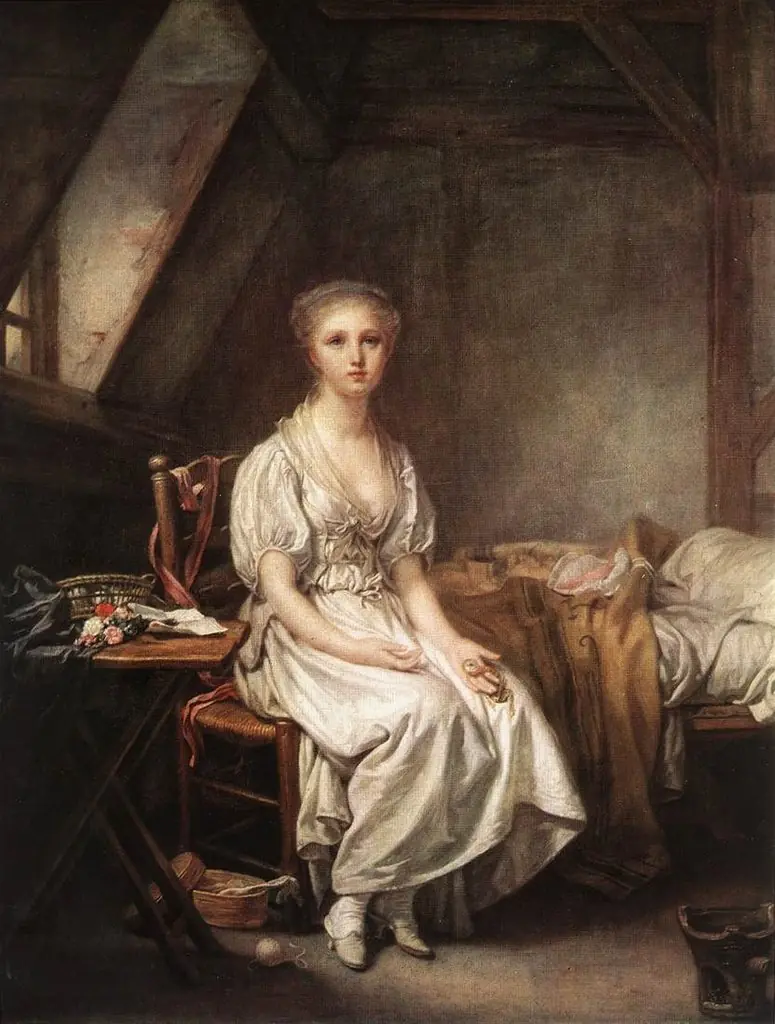 The Complain of the Watch
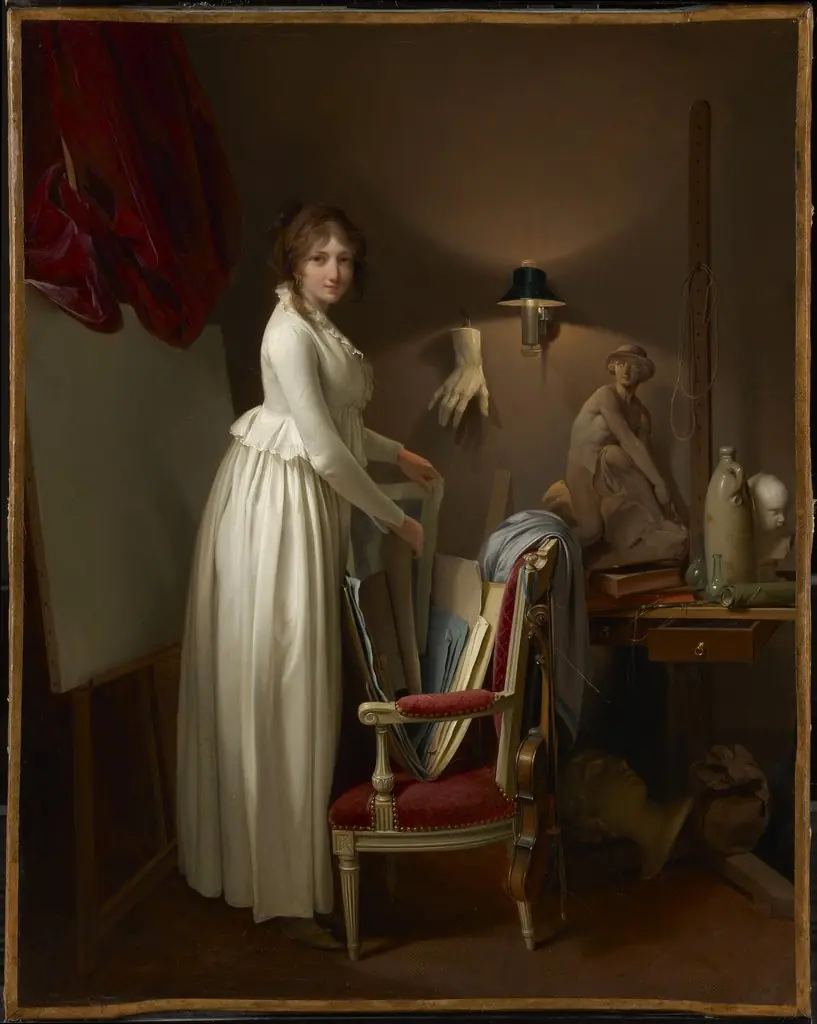 The Artist's Wife in His Studio
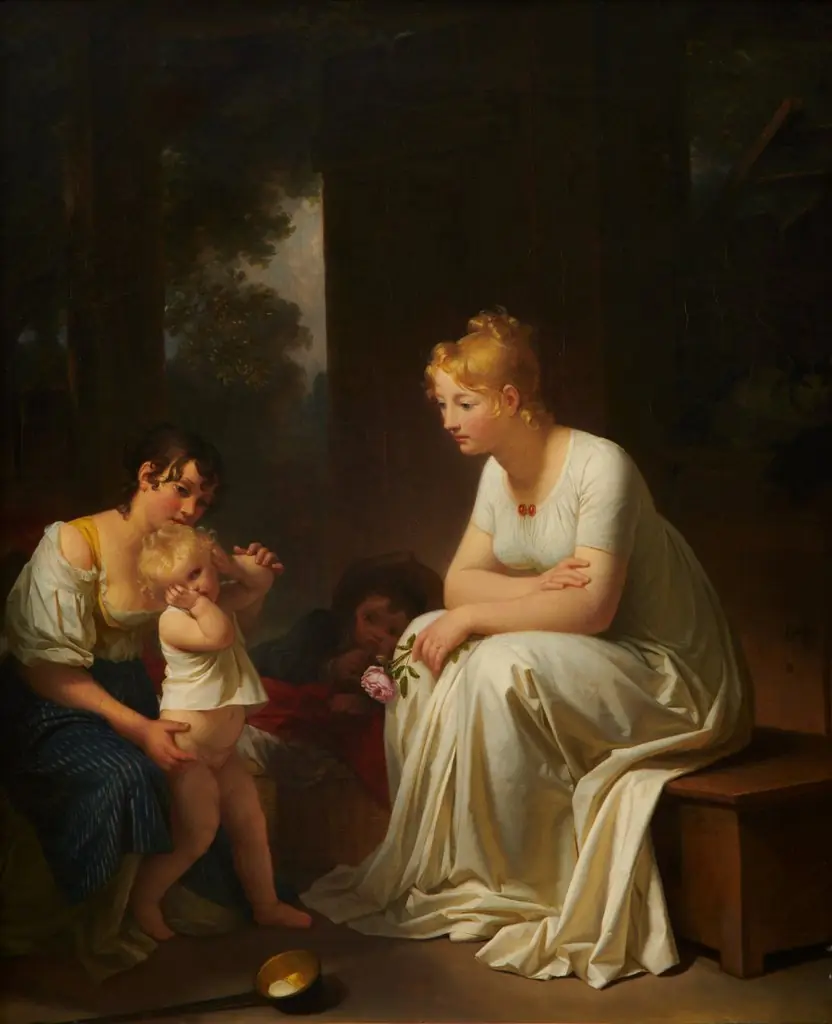 The Capricious Child (L’enfant capricieux)
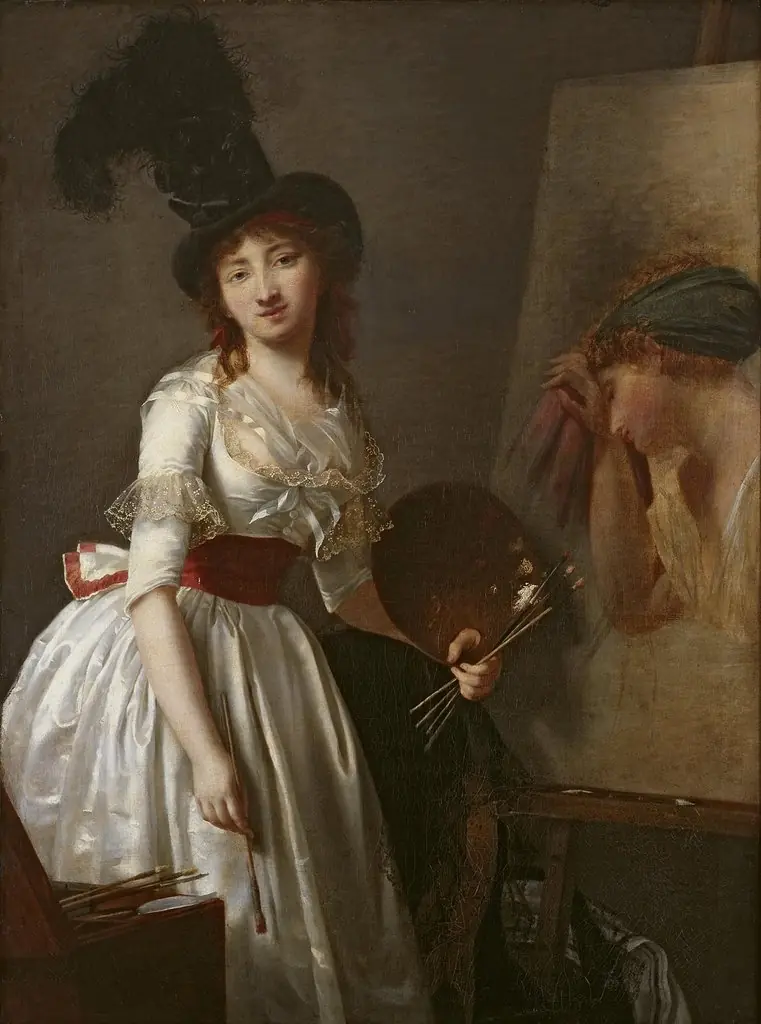 Portrait of a Female Painter, Pupil of David
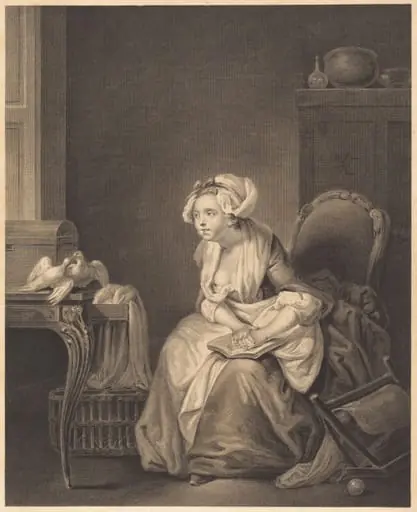 La premiere lecon d'amour
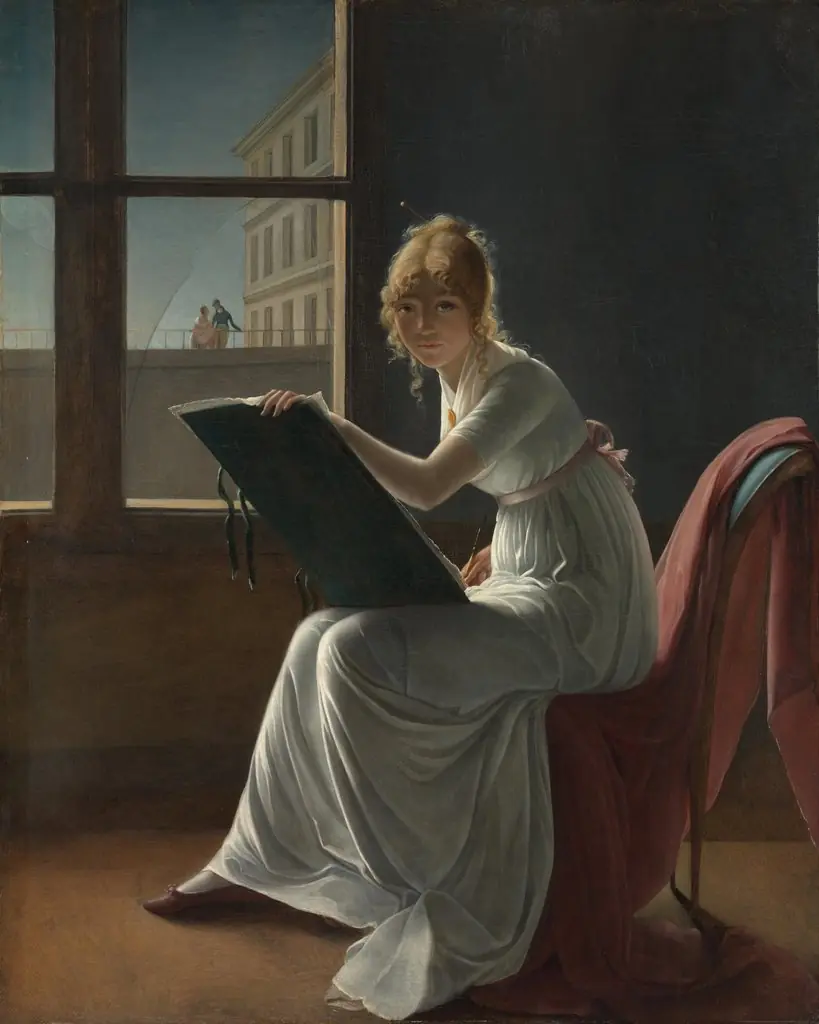 Portrait of Charlotte du Val d'Ognes
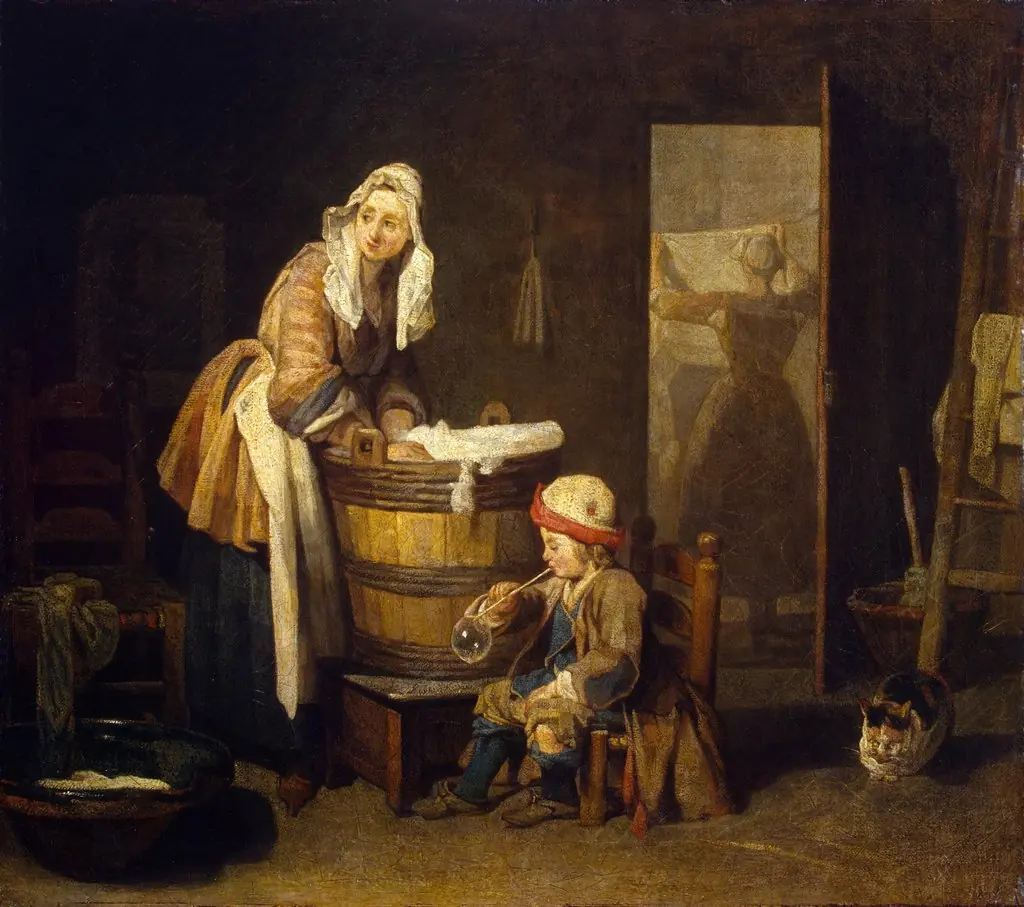 The Laundress
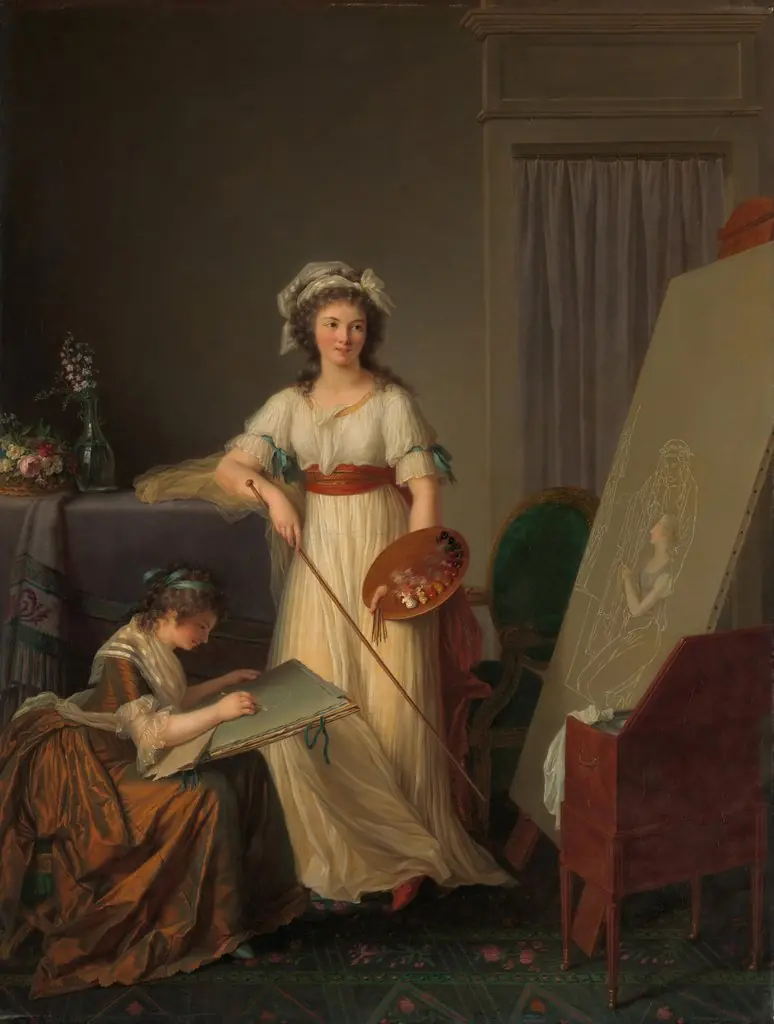 The Interior of an Atelier of a Woman Painter
 A Painter's Studio
 Woman Ironing