Artwork
The Rest on the Flight into Egypt (recto)
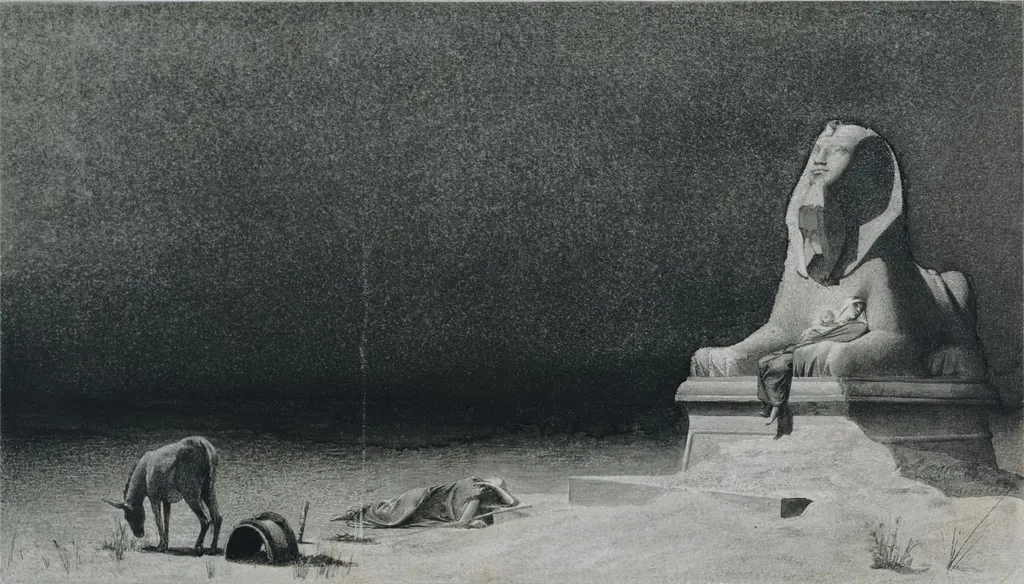
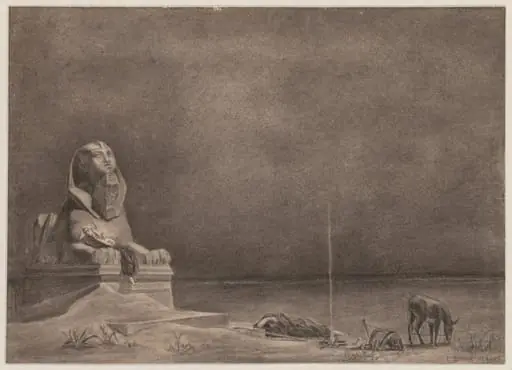
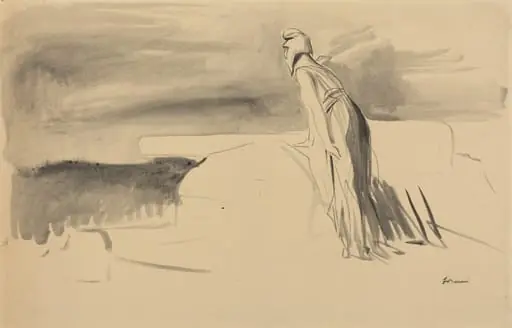
The Rest on the Flight into Egypt (recto) is a drawing by the Impressionist artist Luc-Olivier Merson. It dates from 1880 and is held in the collection of the Cleveland Museum of Art.
About this work
Overview
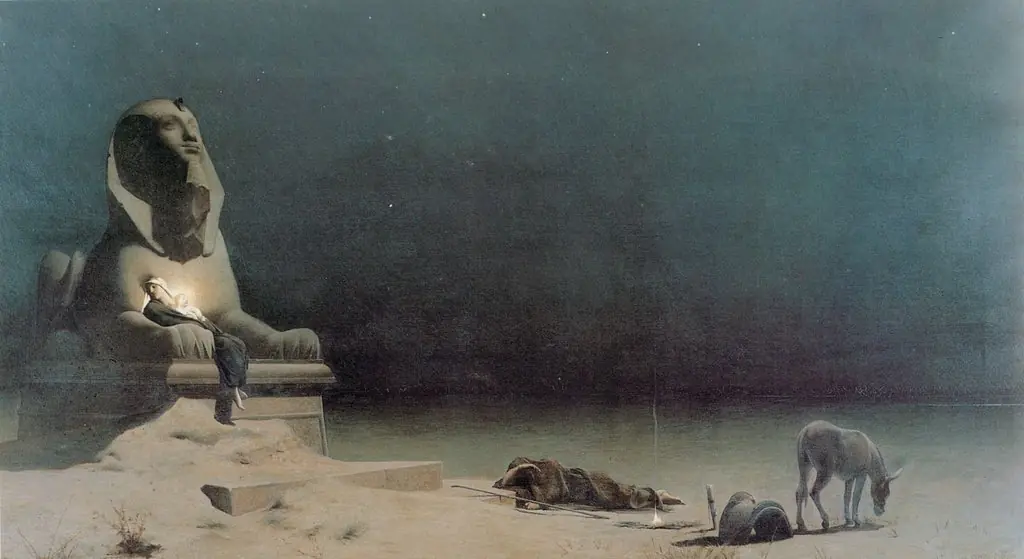
This drawing by Luc-Olivier Merson serves as a preparatory study for his 1879 Salon exhibition piece, The Rest on the Flight into Egypt.
This drawing by Luc-Olivier Merson serves as a preparatory study for his 1879 Salon exhibition piece, The Rest on the Flight into Egypt. It mirrors the painting’s composition but in reverse, indicating it may have been a working variant rather than a simple copy. Executed in a delicate, tonal medium, it captures the same nocturnal stillness and symbolic weight as the final oil, offering insight into Merson’s compositional decisions before finalizing the painted version.
Subject & Meaning
The scene depicts the Holy Family resting during their flight into Egypt, but departs from conventional portrayals by placing them within the embrace of a monumental sphinx. Rather than a symbol of danger or paganism, the sphinx functions as a protective, almost maternal form, its stone limbs cradling the sleepers. The extinguishing fire and moonlit silence suggest divine guardianship, transforming a moment of exile into one of serene, otherworldly safety.
Technique & Style
Merson employs a refined chiaroscuro technique, using subtle gradations of graphite or ink wash to model forms in low light. The sphinx’s surface is rendered with smooth, even tones, contrasting with the loose, atmospheric handling of the desert and sky. Delicate linework defines the figures’ drapery and the faint glow of the dying fire, emphasizing quietude over drama. The overall effect is ethereal, with soft edges and minimal detail reinforcing the dreamlike mood.
History & Provenance
Created around the time of the painting’s debut at the 1879 Paris Salon, this drawing likely served as a compositional trial or studio reference. Its reversed orientation suggests Merson explored multiple alignments before settling on the final painting’s direction. While the painted version gained widespread attention and was replicated in oil, this drawing remained in the artist’s possession, possibly as a personal record of the work’s evolution.
Context
In late 19th-century France, biblical subjects were often reimagined through a lens of archaeological accuracy and symbolic depth. Merson’s use of the sphinx reflects contemporary fascination with Egyptology following Napoleon’s campaigns and the rise of Orientalist aesthetics. By integrating an ancient Egyptian monument into a Christian narrative, he fused historical curiosity with spiritual quietism, appealing to audiences seeking both intellectual and emotional resonance.
Legacy
Though overshadowed by the popularity of the painted version, this drawing preserves Merson’s original vision in a more intimate, experimental form. It reveals his interest in blending classical antiquity with sacred themes, a tendency that influenced later Symbolist approaches to religious imagery. As a rare surviving study linked to a major Salon success, it offers a window into the artist’s process and the cultural currents shaping religious art at the turn of the century.
Artist & collection
Artist
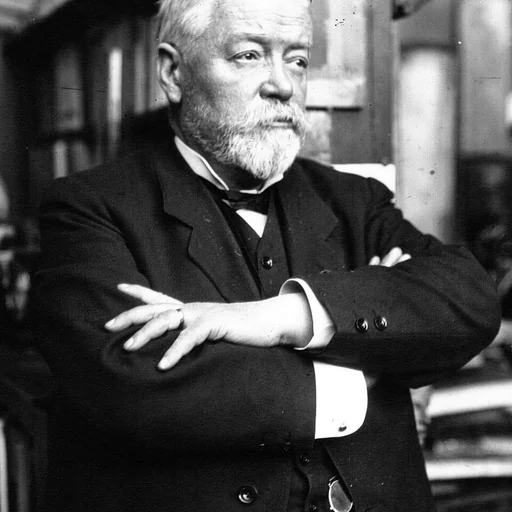
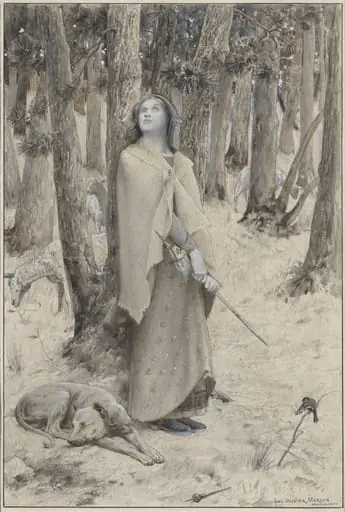
Luc-Olivier Merson (21 May 1846 - 13 November 1920) was a French academic painter and illustrator. He was also known for his postage stamp and currency designs.

![Sketch of a Sphinx [?] (verso), by Luc-Olivier Merson](https://artifactworldgallery.com/img/luc-olivier-merson--sketch-of-a-sphinx-verso--01aae5545d384a57-w320.webp)
![The Rest on the Flight into Egypt (recto); Sketch of a Sphinx [?] (verso), by Luc-Olivier Merson](https://artifactworldgallery.com/img/luc-olivier-merson--the-rest-on-the-flight-into-egypt-recto-sketch-of-a-sphinx-v--25f9a663b49091e6-w320.webp)