Artwork
Uniate woman
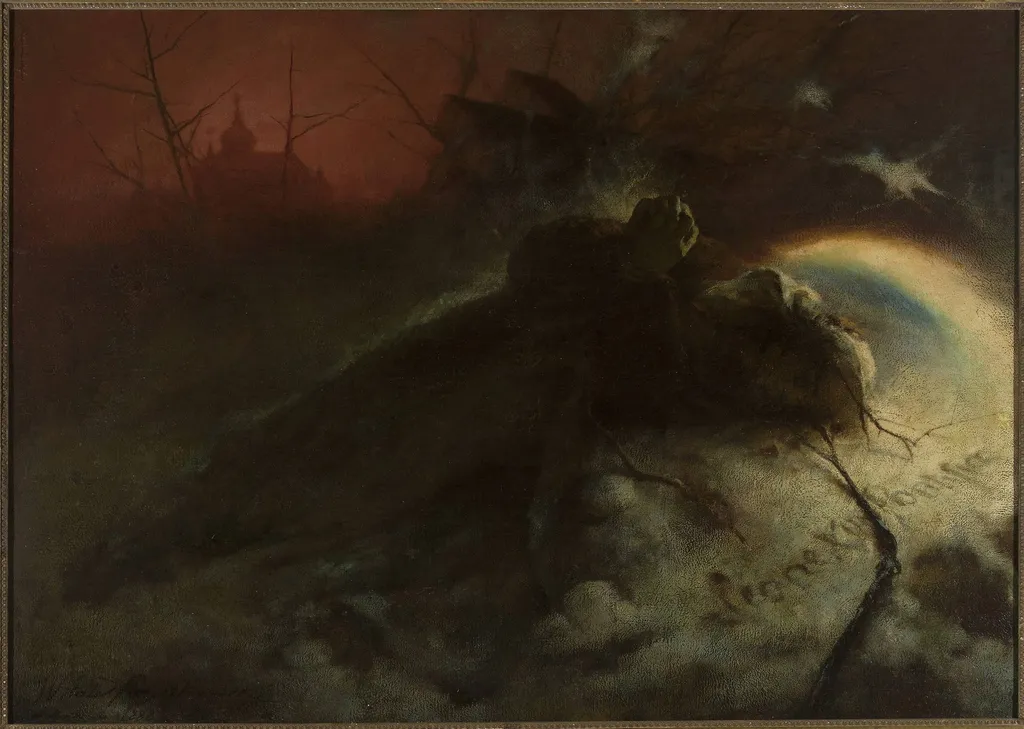
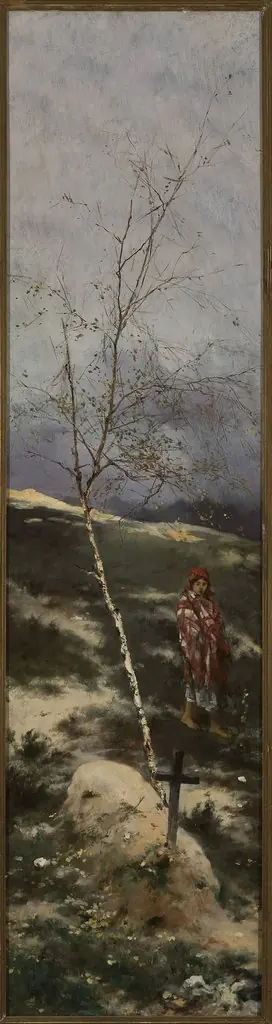
Uniate woman is an oil painting by the Post-Impressionist artist Witold Pruszkowski. It dates from 1894 and is held in the collection of the National Museum in Warsaw.
About this work
Overview
Uniate woman is an 1894 oil painting by Witold Pruszkowski, housed in the National Museum in Warsaw. While associated with Symbolism, the work also exhibits Post-Impressionist characteristics.
Subject & Meaning
The painting portrays a woman in traditional Uniate attire, characterized by a dark cloak and white headscarf. Her somber, introspective pose, with downcast eyes, conveys solemnity and reverence.
Technique & Style
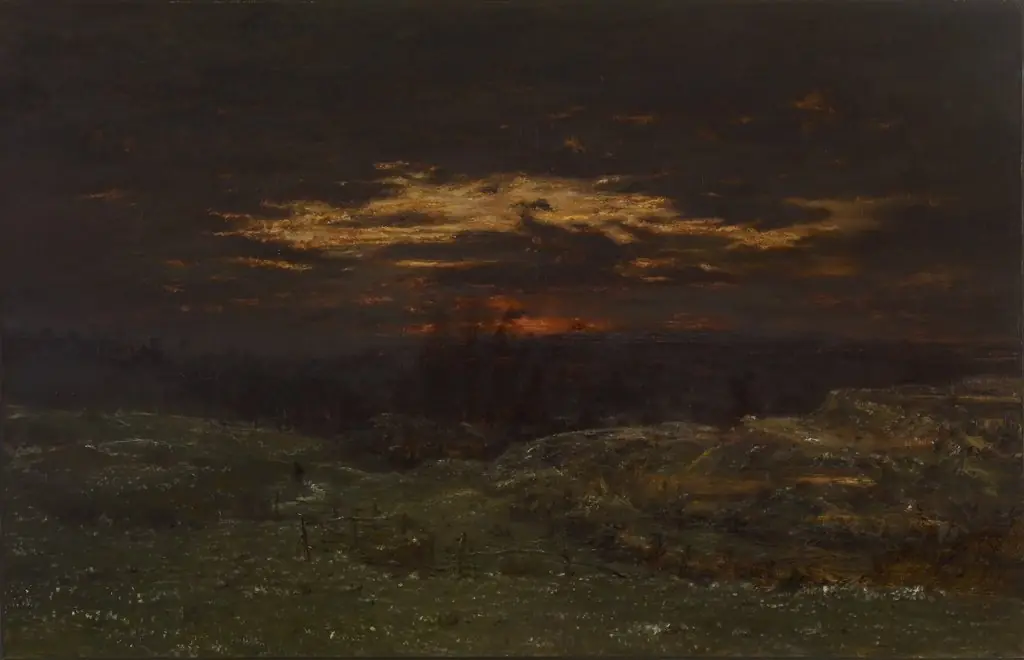
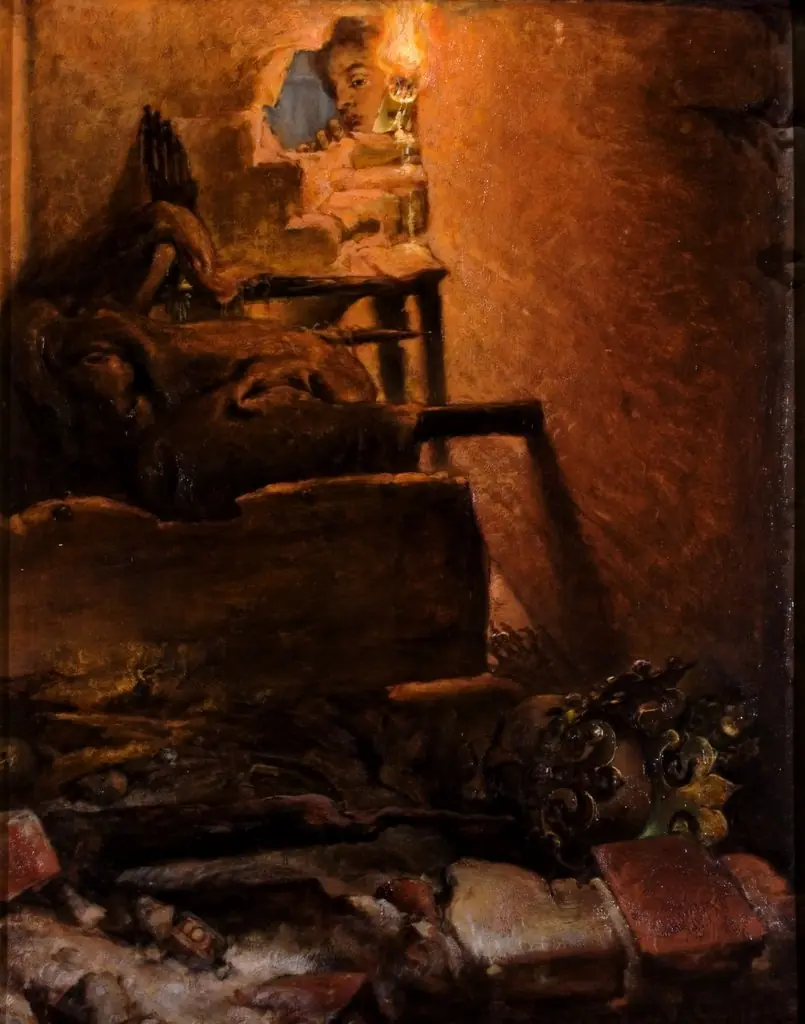
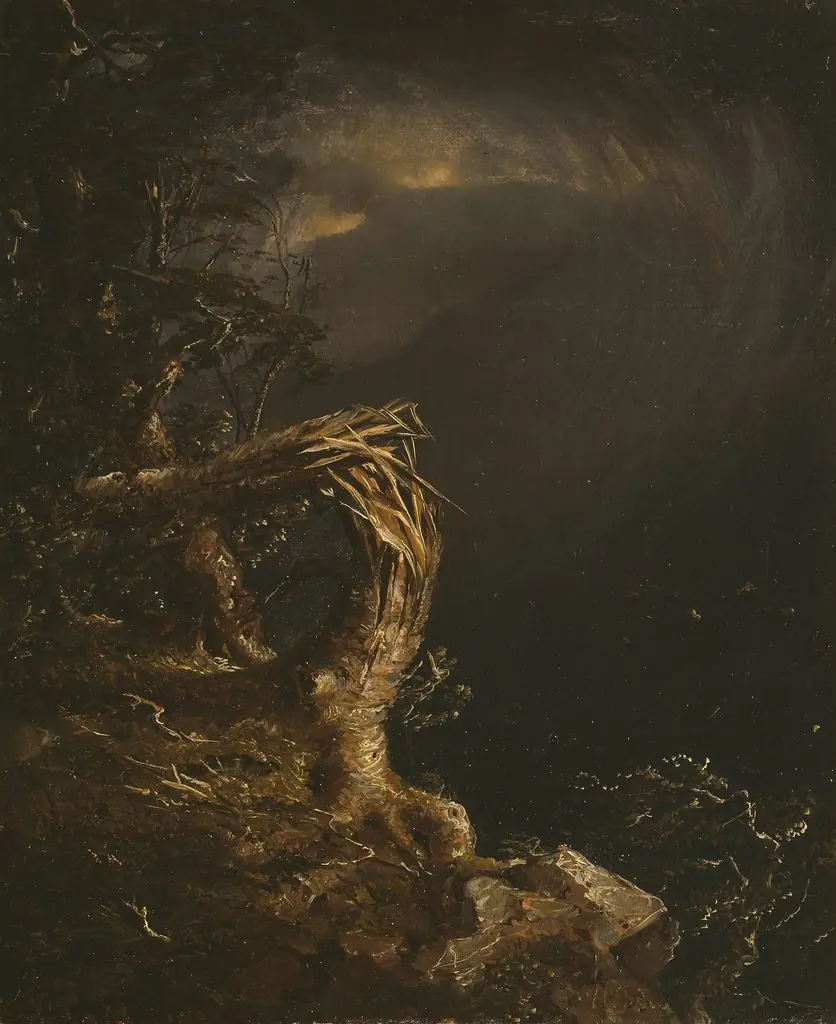
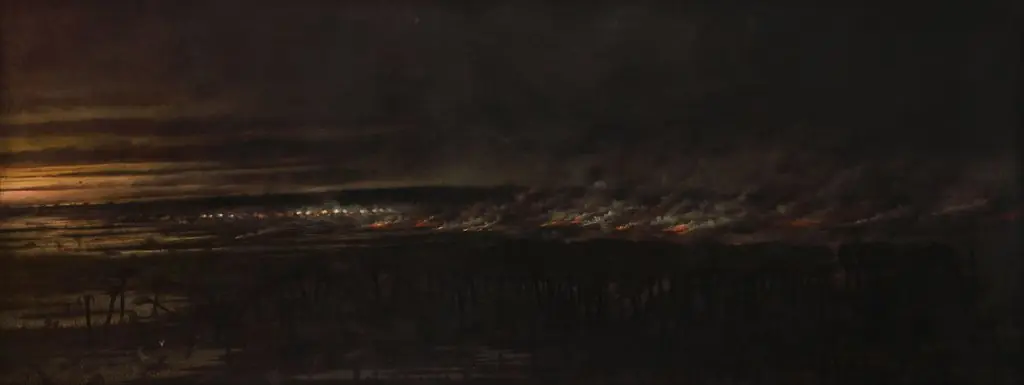
Pruszkowski employs a predominantly dark and muted color palette with brown and gray tones, creating depth and dimensionality. The composition draws the viewer’s attention to the subject through subtle contrasts, akin to chiaroscuro techniques.
History & Provenance
Created in 1894 by Polish artist Witold Pruszkowski, the painting is part of the National Museum in Warsaw’s collection. Pruszkowski’s work bridges Symbolism and Post-Impressionism.
Context
Uniate woman reflects Pruszkowski’s exploration of cultural and religious themes, common in late 19th-century European art, particularly among Symbolist and Post-Impressionist movements.
Legacy
While specific legacy details of 'Uniate woman' are not widely documented, the piece contributes to the broader understanding of Pruszkowski’s contribution to the intersection of Symbolist and Post-Impressionist art in Poland.
Artist & collection
Artist
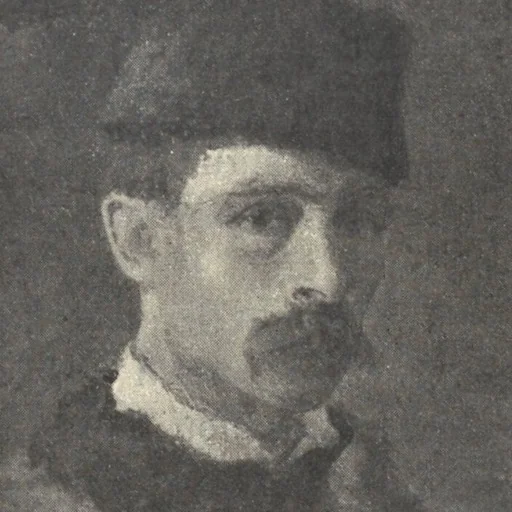
Witold Pruszkowski Polish pronunciation: (14 January 1846, Bershad - 10 October 1896, Budapest) was a Polish painter and graphic artist in the Symbolist style.