Artwork
Noce de Village (Village Wedding)
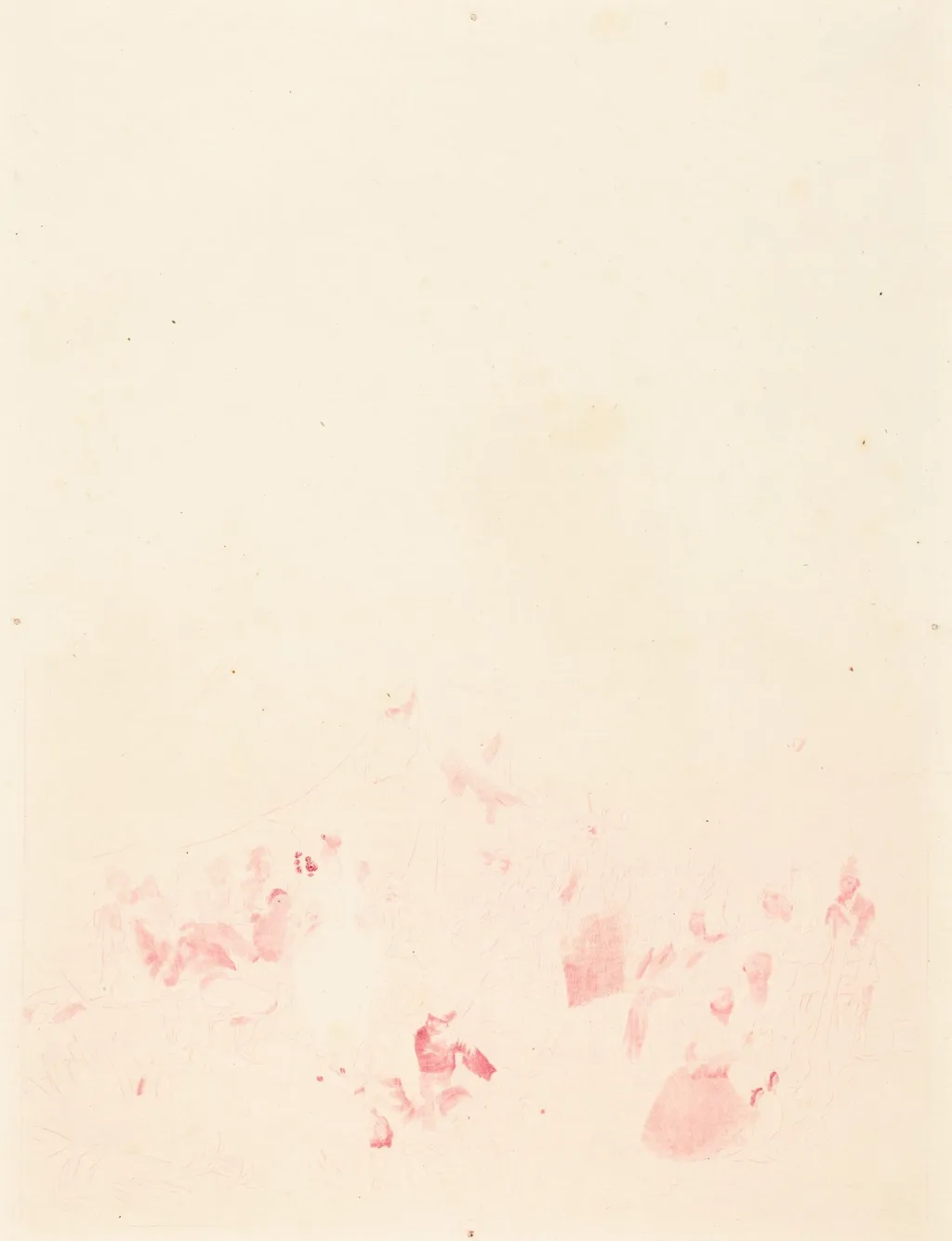
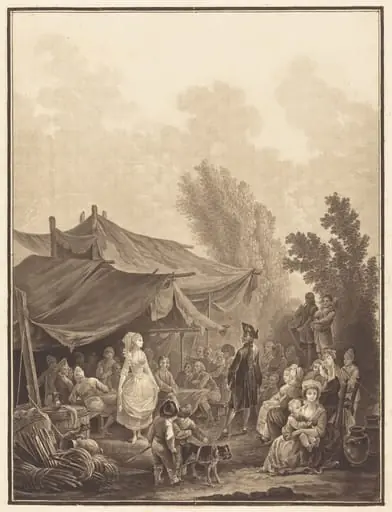
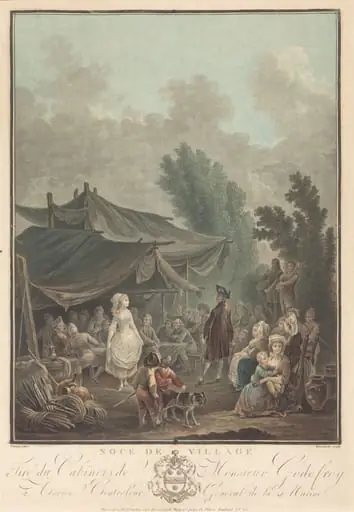
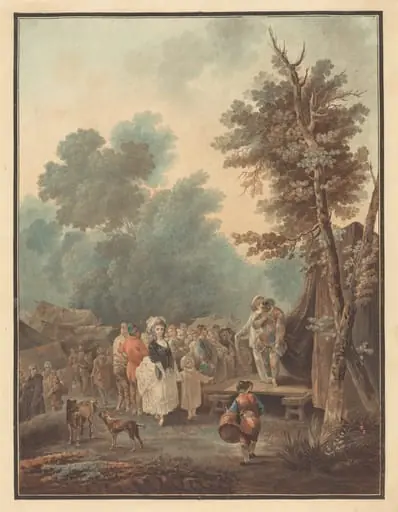
Noce de Village (Village Wedding) is an ink print by the Romanticist artist Charles-Melchior Descourtis. It dates from 1785 and is held in the collection of the National Gallery of Art.
About this work
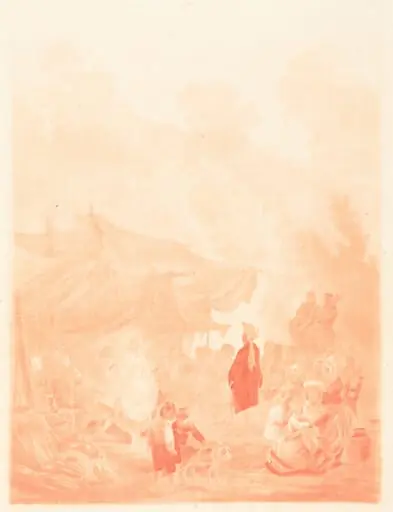
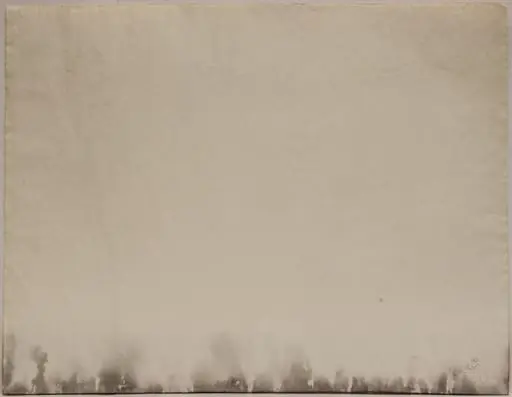
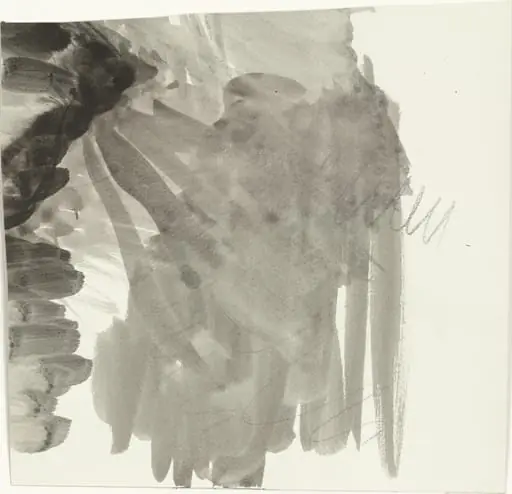
The scene is full of people, but they're not very clear because the painting is faded and has some marks on it.
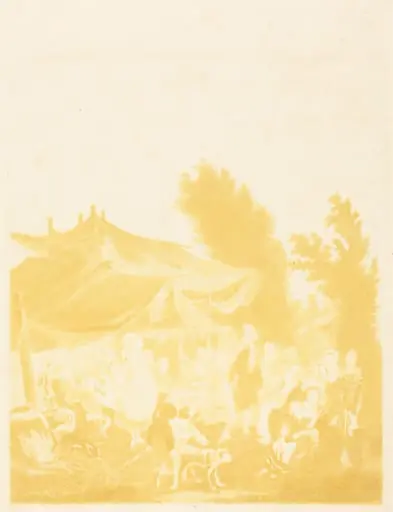
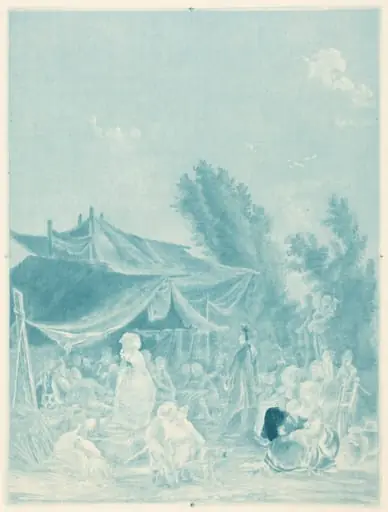
This painting shows a village wedding scene. It's done in a wash manner with etching, printed in carmine ink. The scene is full of people, but they're not very clear because the painting is faded and has some marks on it.
The painting is quite old, from 1785. It's an example of Romanticism, which was an art movement that focused on emotions and nature. The artist, Charles-Melchior Descourtis, was part of this movement.
If you like this painting, you might want to look up more works by Charles-Melchior Descourtis.
Overview
Noce de Village (Village Wedding), created in 1785 by Charles-Melchior Descourtis, is a print executed in wash and etching techniques using carmine ink. It captures a rural celebration with a dense arrangement of figures, rendered in soft tonal gradations rather than sharp detail. The work’s surface shows signs of age, including fading and surface marks, which affect the clarity of its imagery but preserve its historical texture.
Subject & Meaning
The scene depicts a communal wedding in a French village, emphasizing collective participation over individual portraiture. Figures gather in loose, informal groupings, suggesting spontaneous celebration rather than formal ceremony. The absence of clear facial details shifts focus from personal identity to the shared ritual, reflecting an interest in everyday life and social bonds over idealized narratives.
Technique & Style
Descourtis employed wash techniques over etched lines to achieve subtle tonal variations, using carmine ink to impart warmth and depth. The method prioritizes atmospheric effect over precision, with blurred contours and layered ink creating a sense of movement and dim light. This approach aligns with emerging 18th-century print practices that favored emotional tone over linear clarity.
History & Provenance
The print originates from the late 18th century, a period when reproductive and genre prints circulated widely among middle-class audiences. While specific ownership history is undocumented, its survival in modest condition suggests it was privately held rather than displayed publicly. Its survival reflects the durability of ink-on-paper works from this era despite environmental wear.
Context
Though often associated with Romanticism for its focus on rural life, Descourtis’s work predates the movement’s full emergence. The print aligns more closely with pre-Romantic interest in vernacular scenes, influenced by Dutch genre painting and French etching traditions. It reflects a broader European trend toward documenting ordinary life with empathy, before the heightened emotionalism of later Romanticism.
Legacy
Descourtis’s print contributes to a lesser-known strand of 18th-century printmaking that valued quiet observation over dramatic expression. While not widely reproduced or studied today, it remains a representative example of how everyday rituals were rendered in print form during a transitional period in European visual culture, bridging Enlightenment realism and Romantic sentiment.
Artist & collection

Artist
Charles-Melchior Descourtis (1753–1820) was a French artist, born in Paris.