Artwork
Caritas
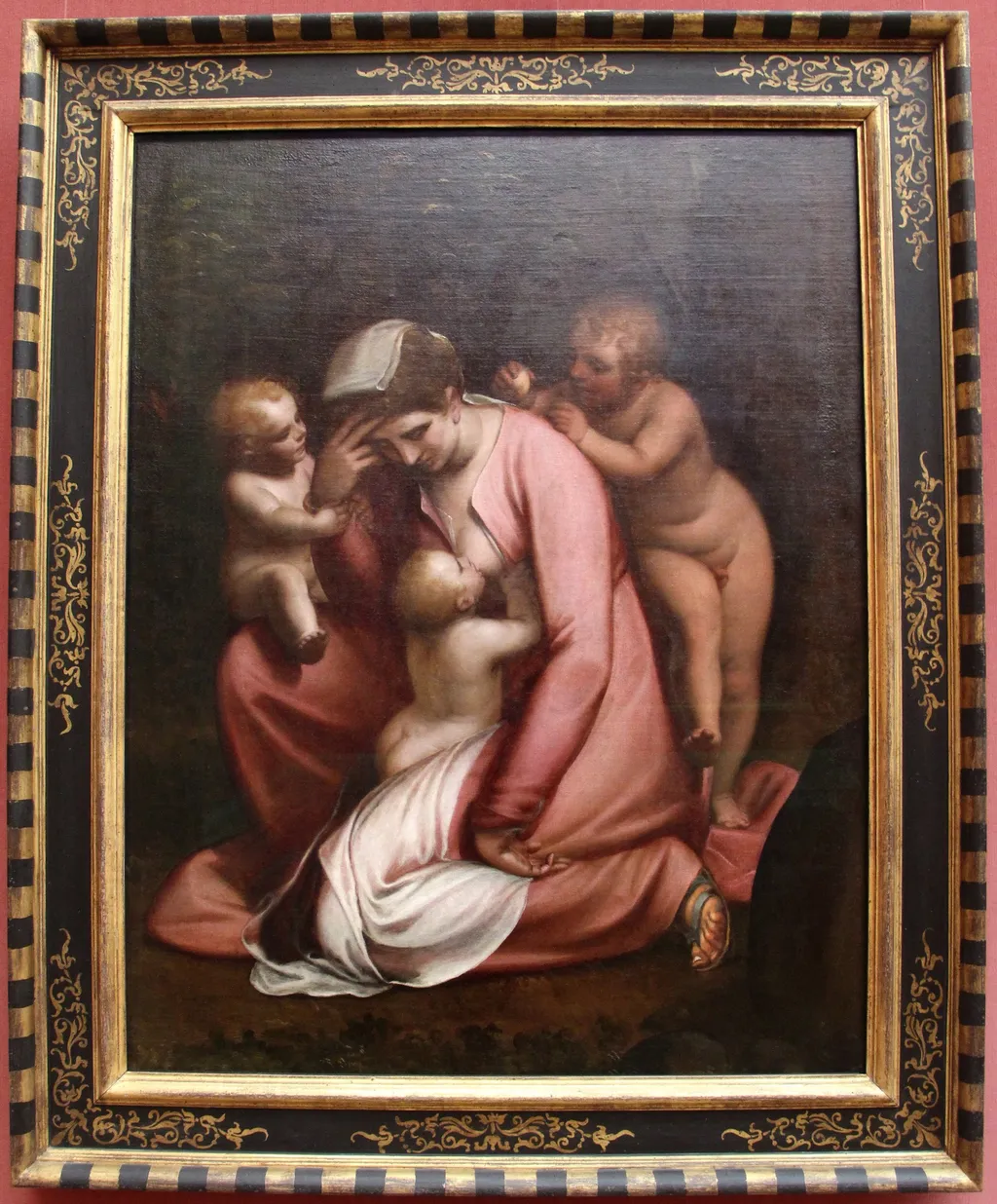
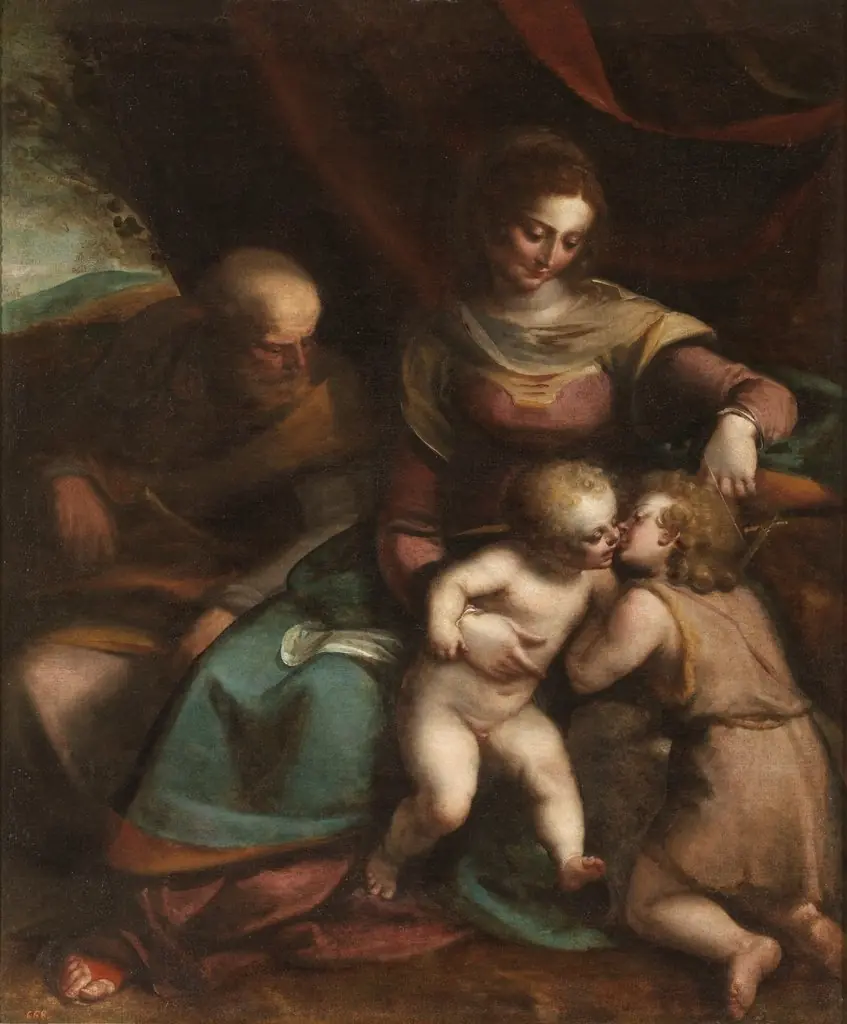
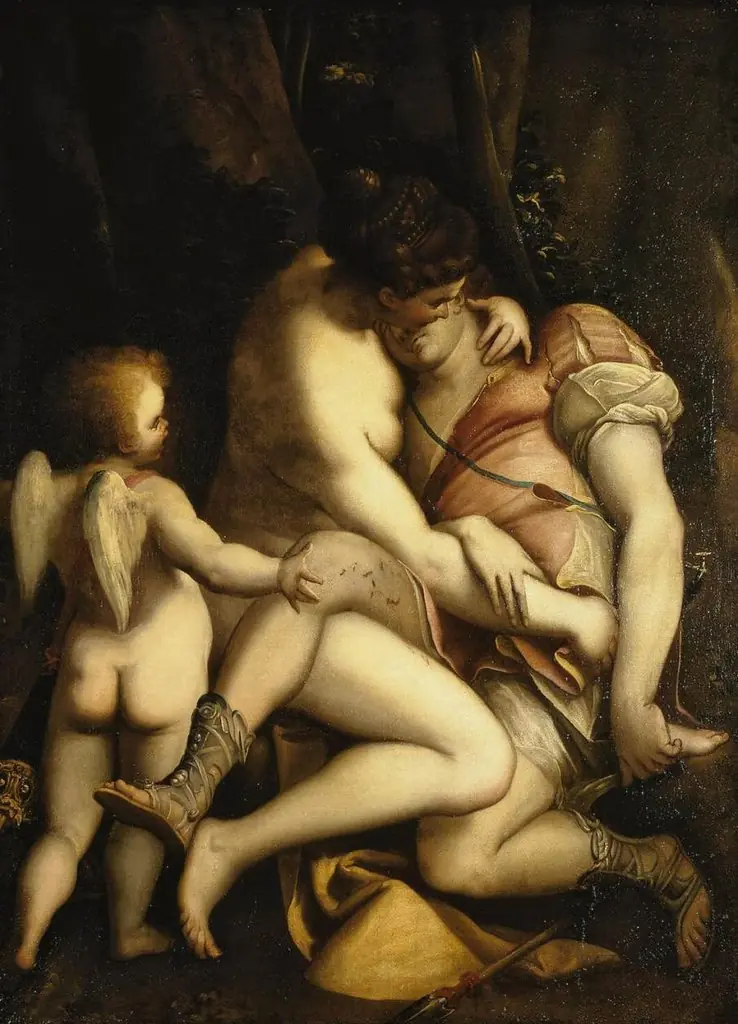
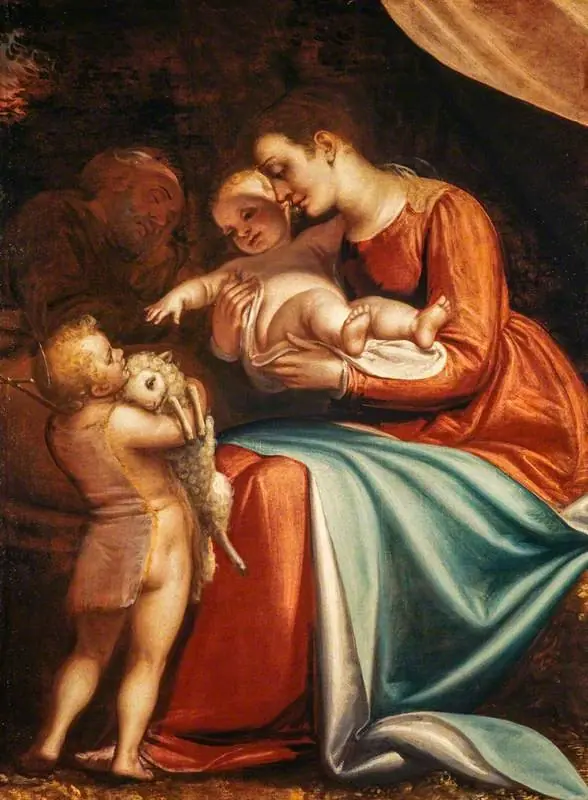
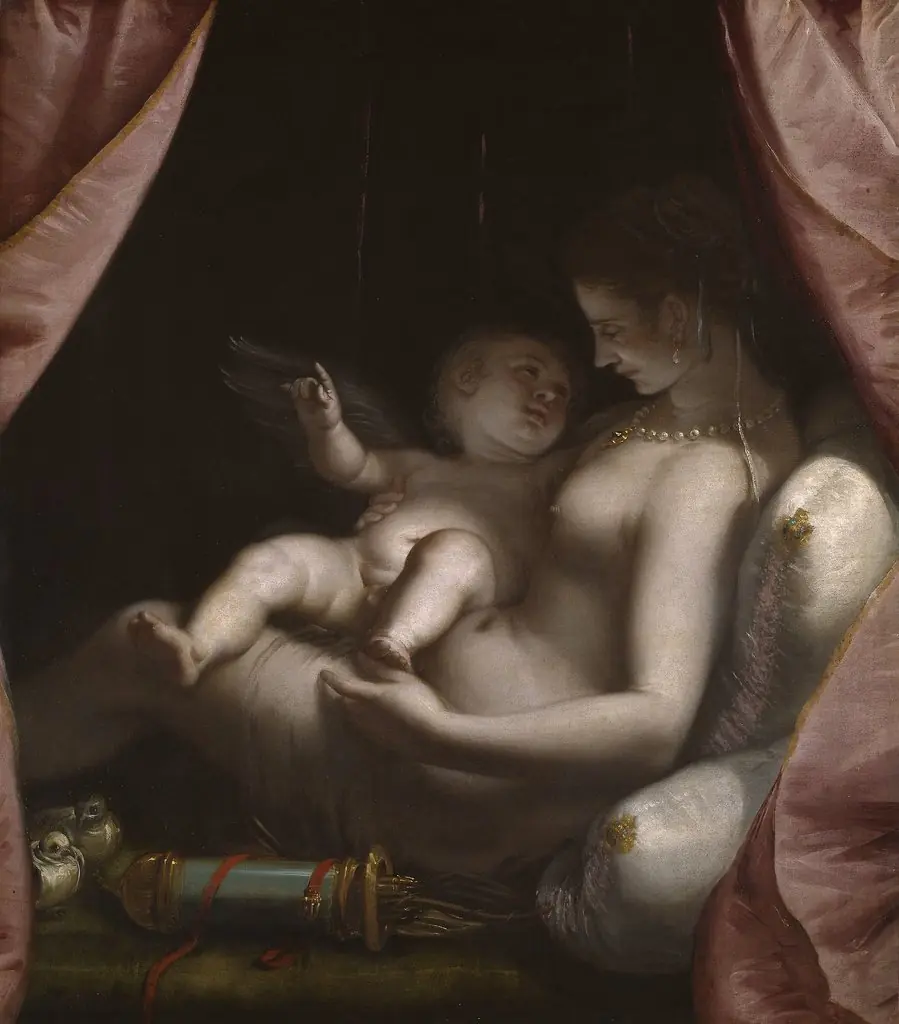
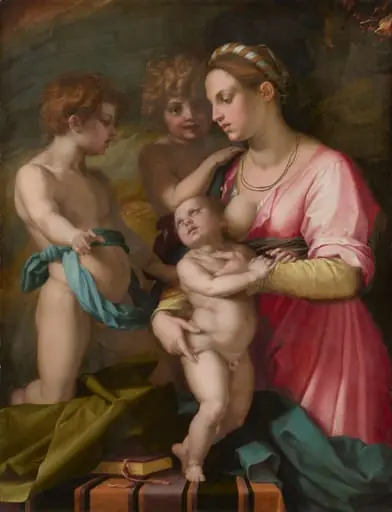
Caritas is a paint painting by the Mannerist artist Luca Cambiaso. It dates from 1570 and is held in the collection of the Gemäldegalerie Berlin.
About this work
Overview
Created around 1570, Luca Cambiaso’s work titled Caritas is an oil painting that resides in Berlin’s Gemäldegalerie.
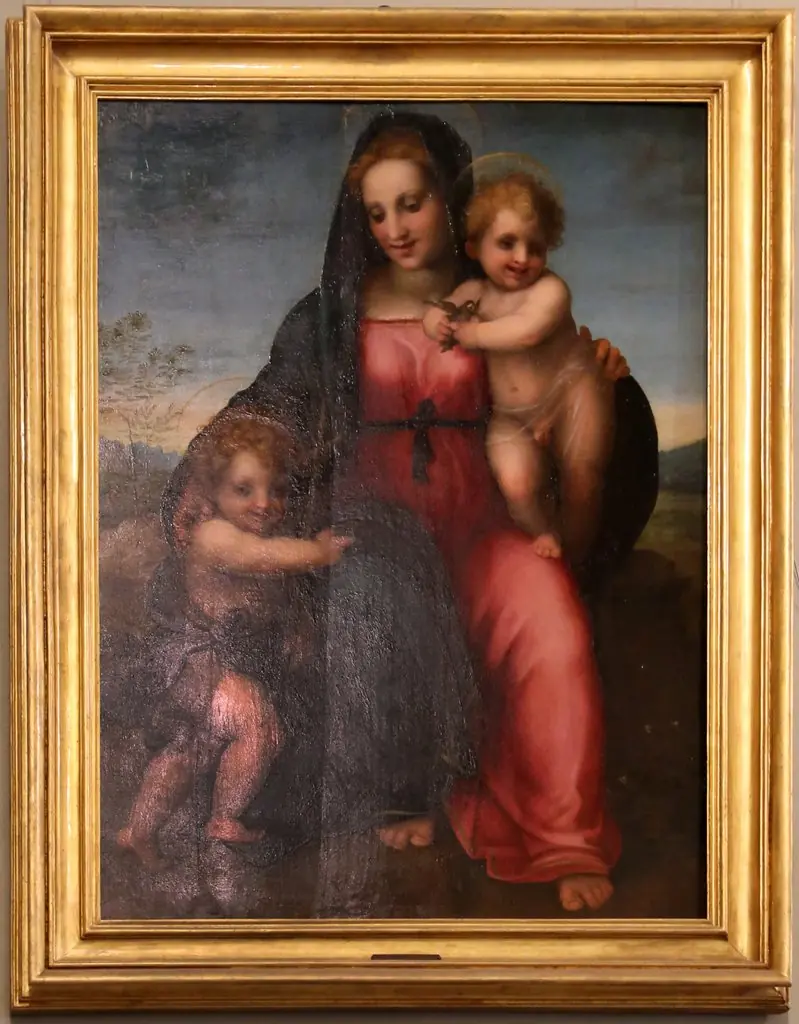
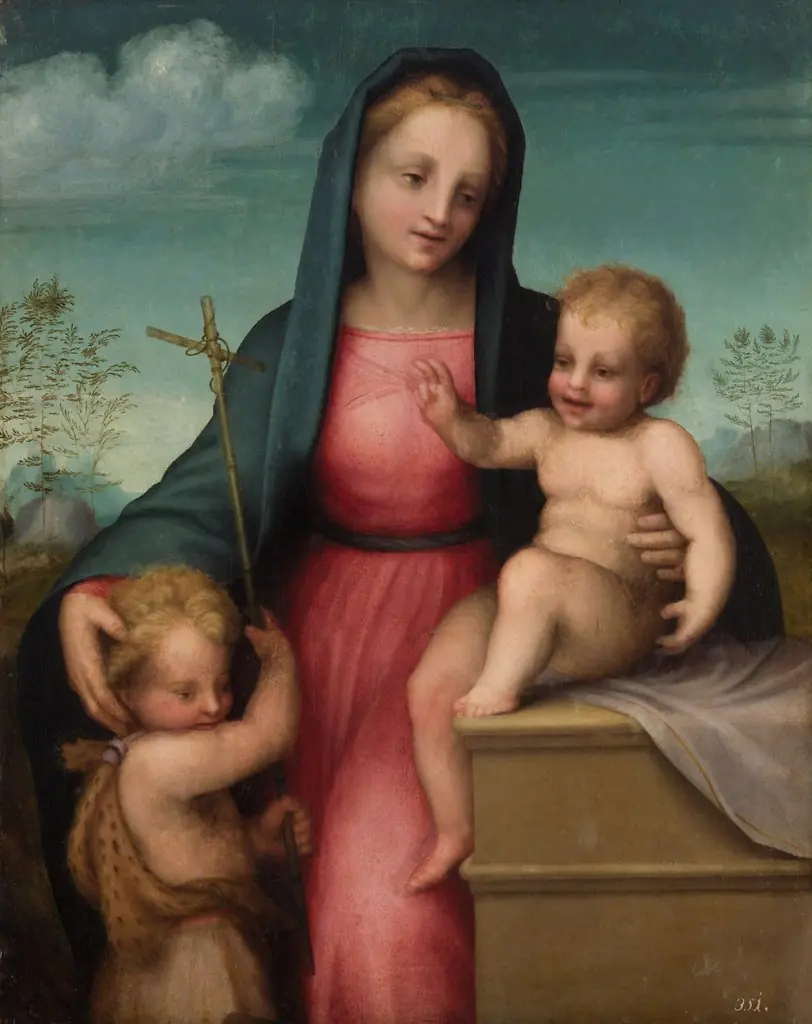
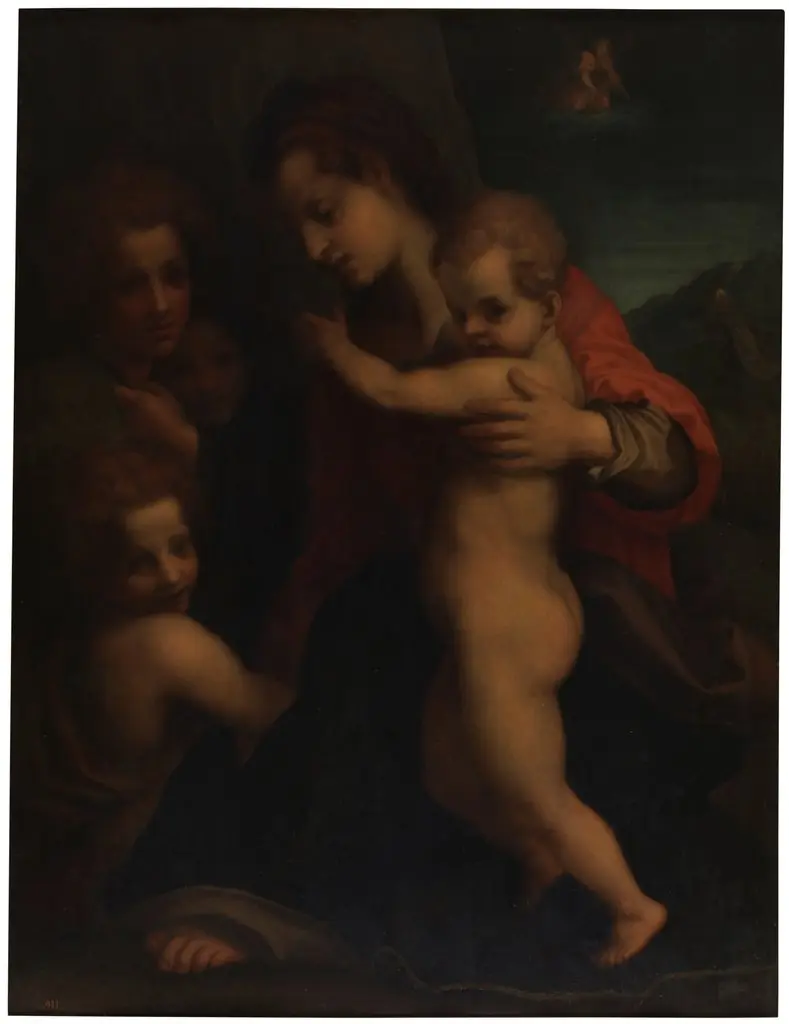
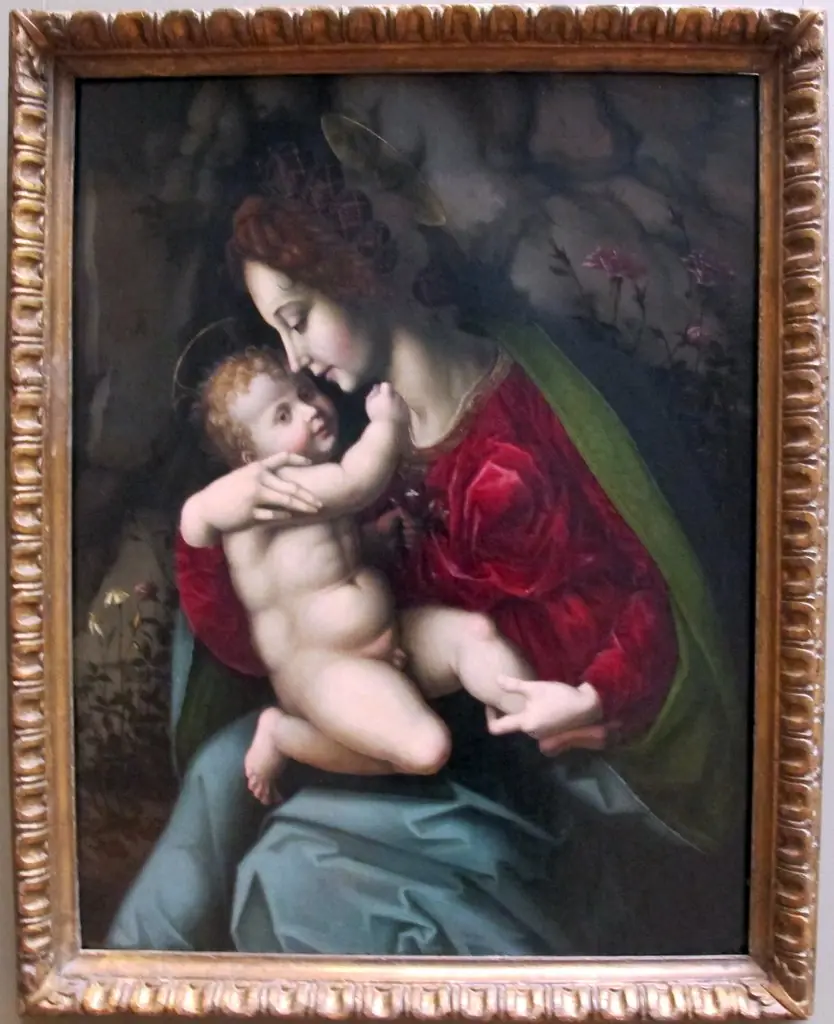
Created around 1570, Luca Cambiaso’s work titled Caritas is an oil painting that resides in Berlin’s Gemäldegalerie. The composition centers on a seated woman in a deep pink gown, her head modestly covered with a white veil. She cradles a naked infant in her lap while two additional infants flank her, each interacting with the woman’s hair, set against a muted, dark backdrop that emphasizes the figures.
Subject & Meaning
The scene depicts a motherly figure embodying the Christian virtue of charity, traditionally identified as the personification of Caritas. The tender gesture of the central infant, whose arms encircle the woman’s neck, alongside the playful engagement of the side children, underscores themes of nurturing, generosity, and the intimate bonds of familial love within a religious context.
Technique & Style
Cambiaso employs a restrained palette, allowing the pink of the dress and the creamy tones of the infants’ skin to emerge from the surrounding darkness. The contrast between illuminated flesh and shadowed background creates a sense of depth and focus. Brushwork is smooth and controlled, characteristic of late‑Renaissance Lombard painting, while the composition balances simplicity with emotional resonance.
History & Provenance
Caritas was produced in the latter half of the sixteenth century, a period when Cambiaso was active in Genoa and known for religious commissions. The painting entered the collection of the Gemäldegalerie in Berlin, where it remains on display, offering insight into the artist’s devotional output and the broader circulation of Italian works across European museums.
Artist & collection
Artist
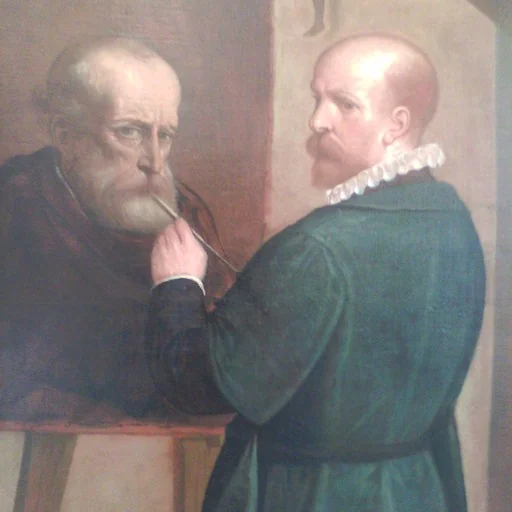
Luca Cambiaso was an Italian painter and draughtsman and the leading artist in Genoa in the 16th century.