Artwork
Madonna col Bambino e san Giovannino
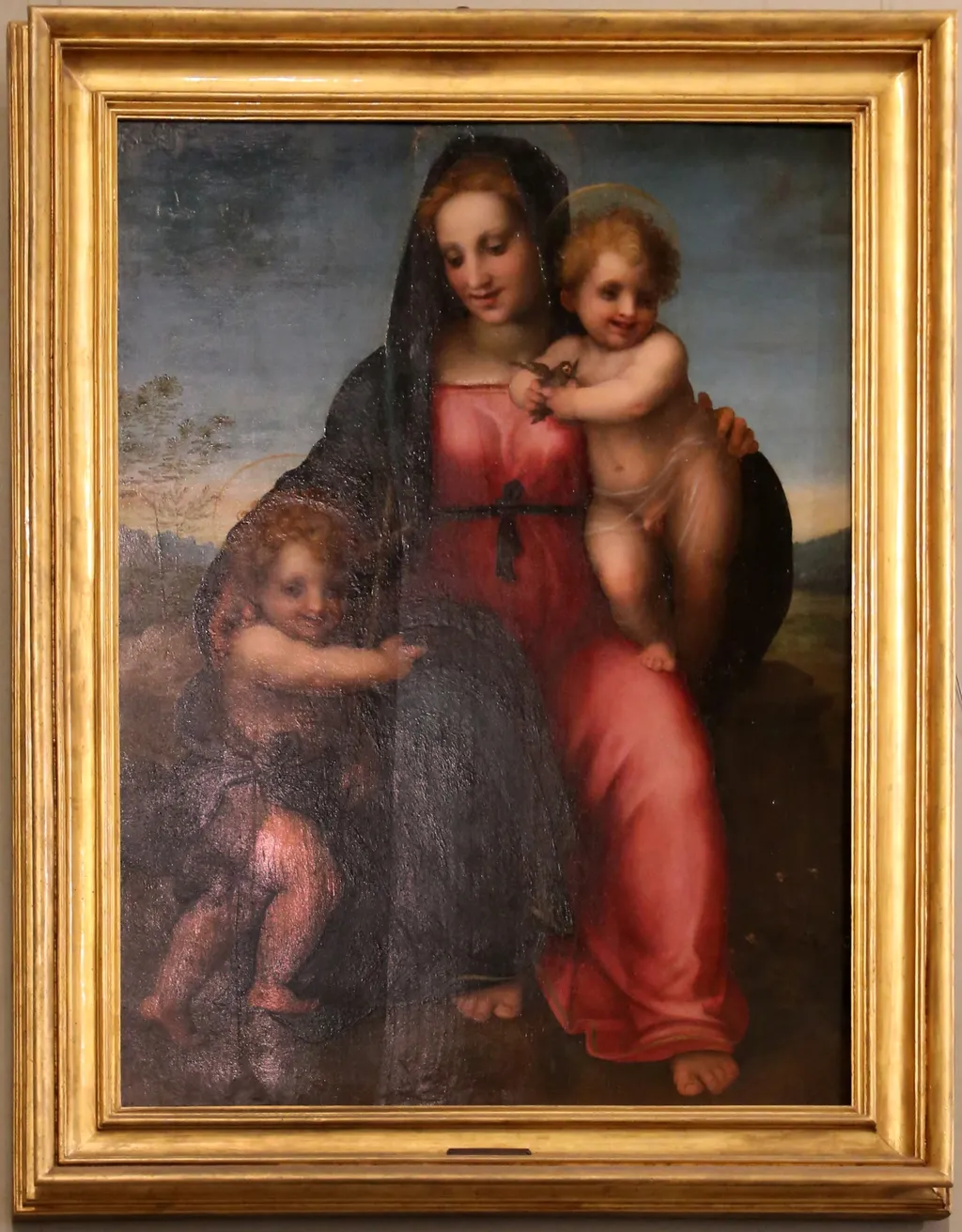
Madonna col Bambino e san Giovannino is an unspecified painting by Andrea del Sarto. It dates from 1518 and is held in the collection of the Galleria Borghese.
About this work
Overview
Painted around 1518 by Andrea del Sarto, this devotional work portrays the Virgin Mary with the Christ Child and the infant John the Baptist.
Painted around 1518 by Andrea del Sarto, this devotional work portrays the Virgin Mary with the Christ Child and the infant John the Baptist. Executed in oil on panel, it resides in the Galleria Borghese in Rome. The composition centers on a quiet, intimate moment between the figures, emphasizing tenderness over grandeur. The background is softly rendered, allowing the figures to dominate the space with subtle naturalism.
Subject & Meaning
The Virgin Mary, depicted with calm serenity, holds the Christ Child on her lap while the young John the Baptist, identifiable by his simple garment, sits at her feet. Their proximity suggests spiritual kinship and foreshadows John’s future role as precursor to Christ. The gentle gaze between mother and children conveys maternal devotion and divine connection, typical of Florentine devotional imagery of the period.
Technique & Style
Del Sarto employs delicate modeling and nuanced tonal transitions to render fabric, skin, and hair with quiet realism. The pink robe of the Virgin shows intricate folds, while the black mantle drapes with weight and texture. The infants’ features are softly defined, their expressions tender yet restrained. The muted background enhances the figures’ presence through atmospheric perspective, avoiding decorative distraction.
History & Provenance
The painting entered the Borghese collection in the early 17th century, likely acquired by Cardinal Scipione Borghese, a noted patron of Renaissance art. Its attribution to del Sarto has been consistently supported by stylistic analysis and archival records. It remained in the Borghese family’s possession through centuries, never leaving the collection, and is now part of the gallery’s permanent display.
Context
Created during del Sarto’s mature period in Florence, the work reflects the city’s humanist approach to religious subjects, blending classical harmony with emotional restraint. It aligns with contemporaneous works by Raphael and Fra Bartolomeo, emphasizing naturalism and psychological depth over theatricality. The composition avoids overt symbolism, favoring quiet intimacy over doctrinal assertion.
Legacy
Though less widely known than some of del Sarto’s altarpieces, this painting exemplifies his mastery of quiet emotional resonance. It influenced later Florentine painters who favored intimate devotional scenes over monumental narratives. Its preservation in the Borghese collection ensured its continued study, contributing to modern appreciation of early 16th-century Florentine painting beyond its most celebrated names.
Artist & collection
Artist
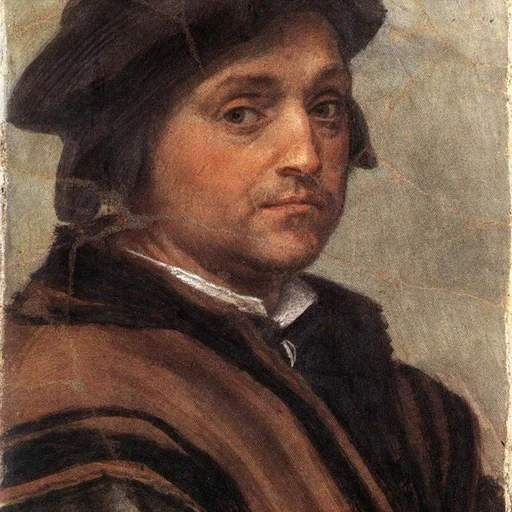
Andrea del Sarto was an Italian painter from Florence, whose career flourished during the High Renaissance and early Mannerism.

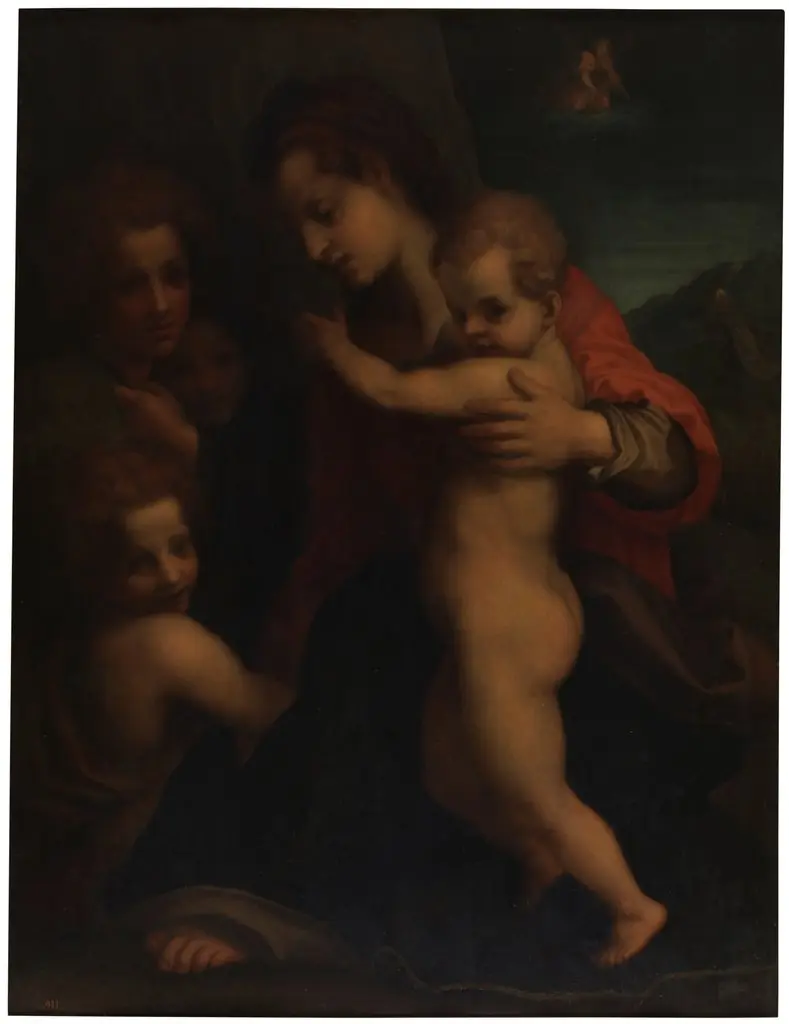 The Virgin with the Child, Saint John and Angels
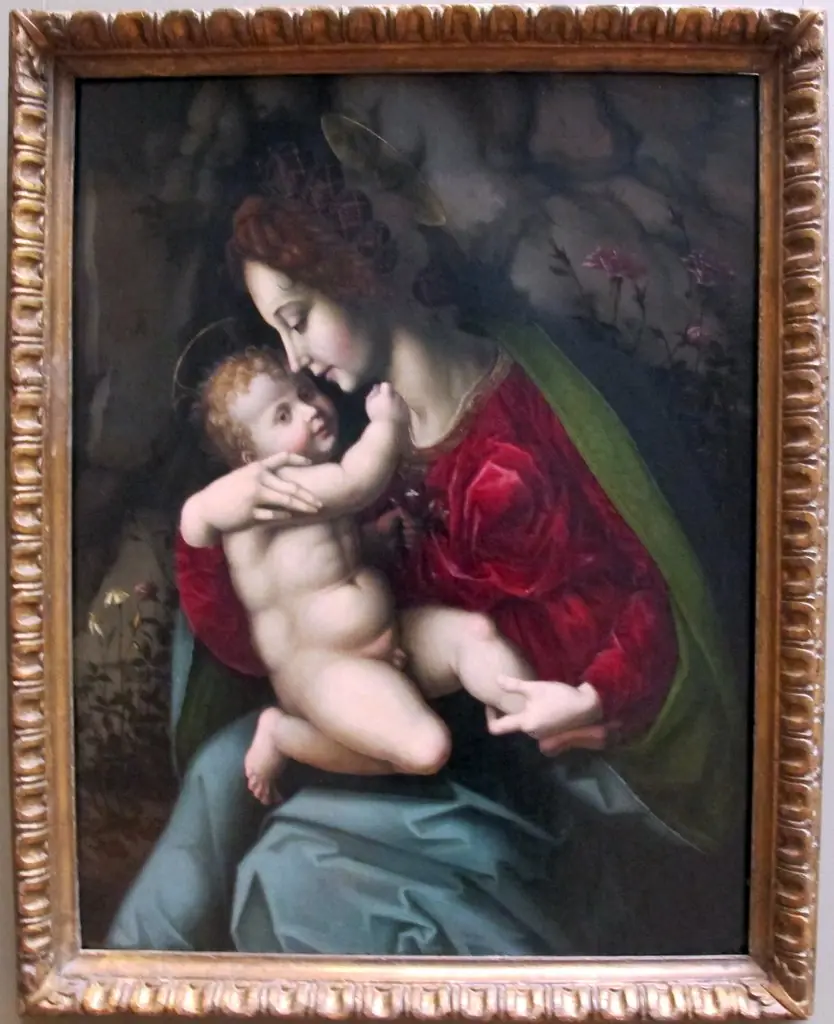 Virgin and Child
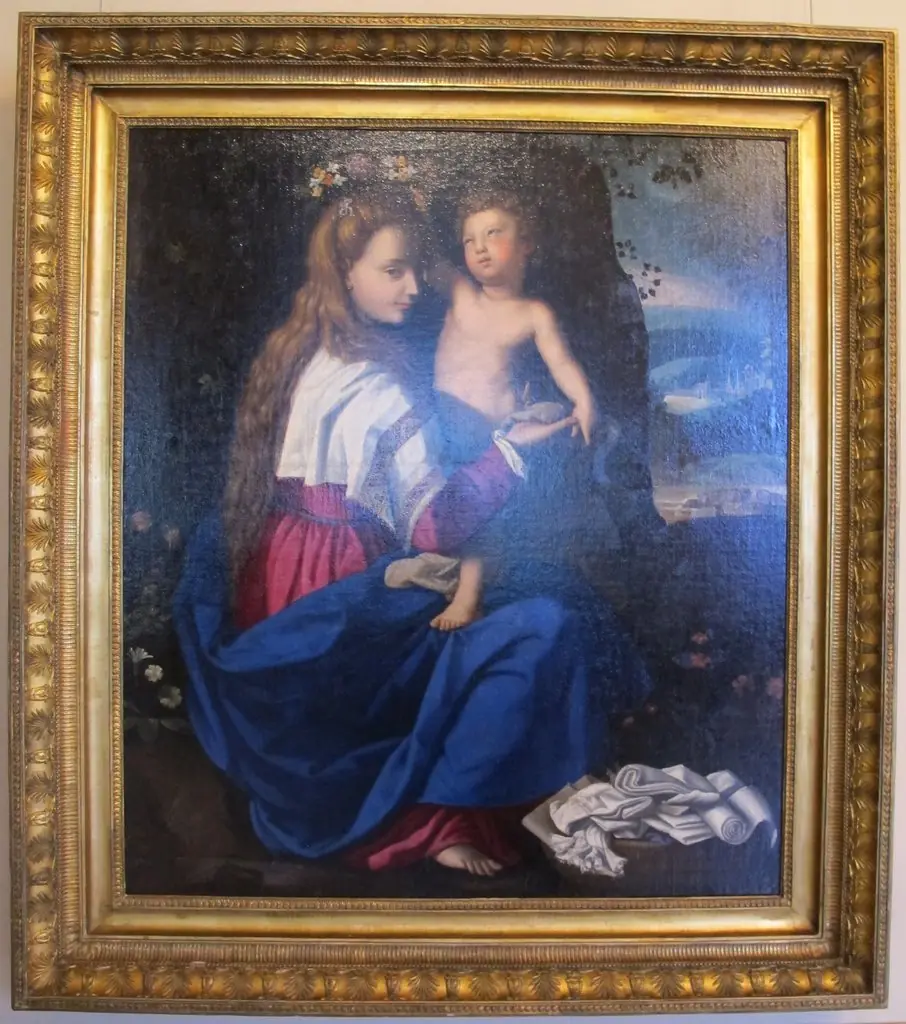 Allegory of the Christian Church
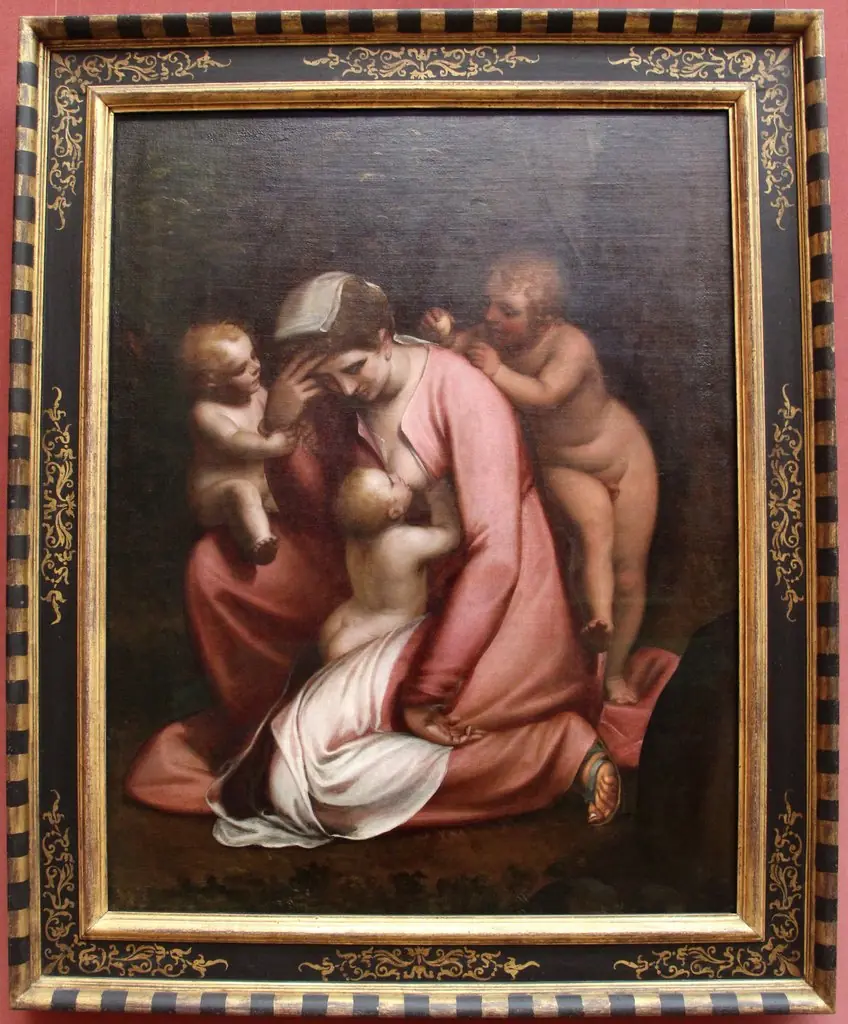 Caritas
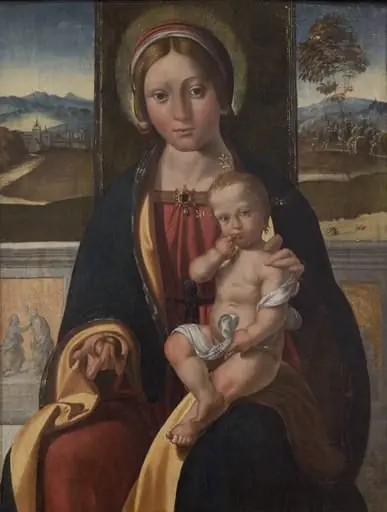 The Virgin and Child
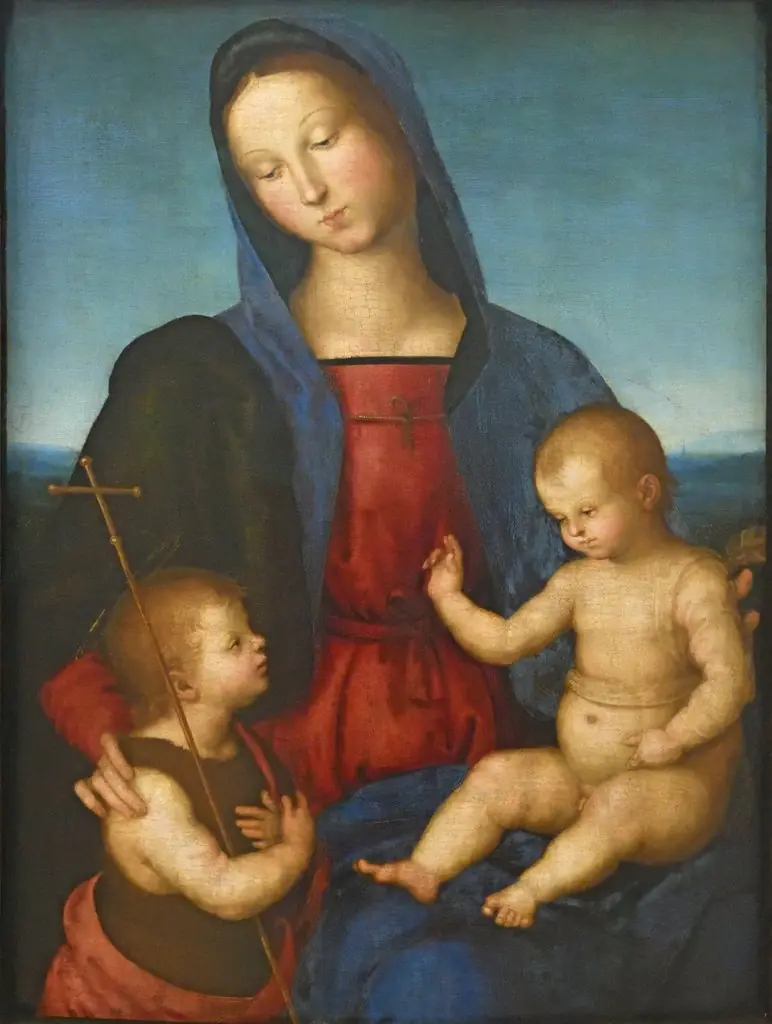 Madonna Diotallevi
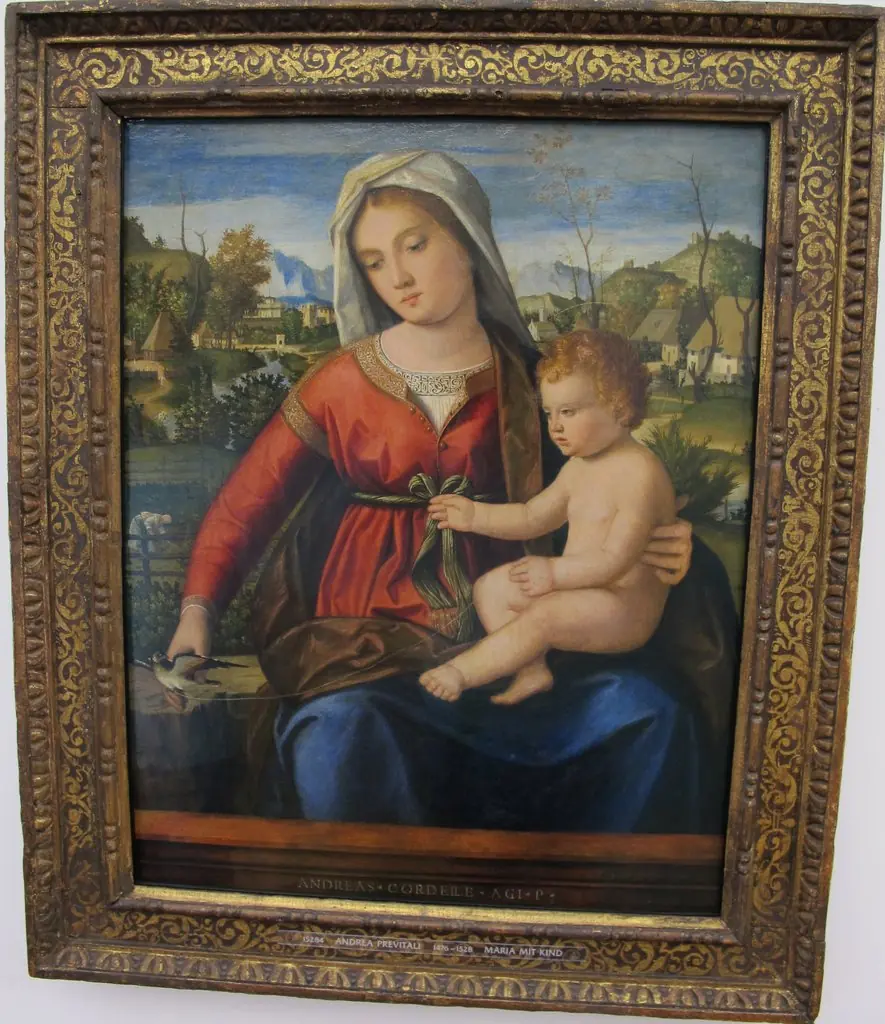 Muttergottes mit Kind
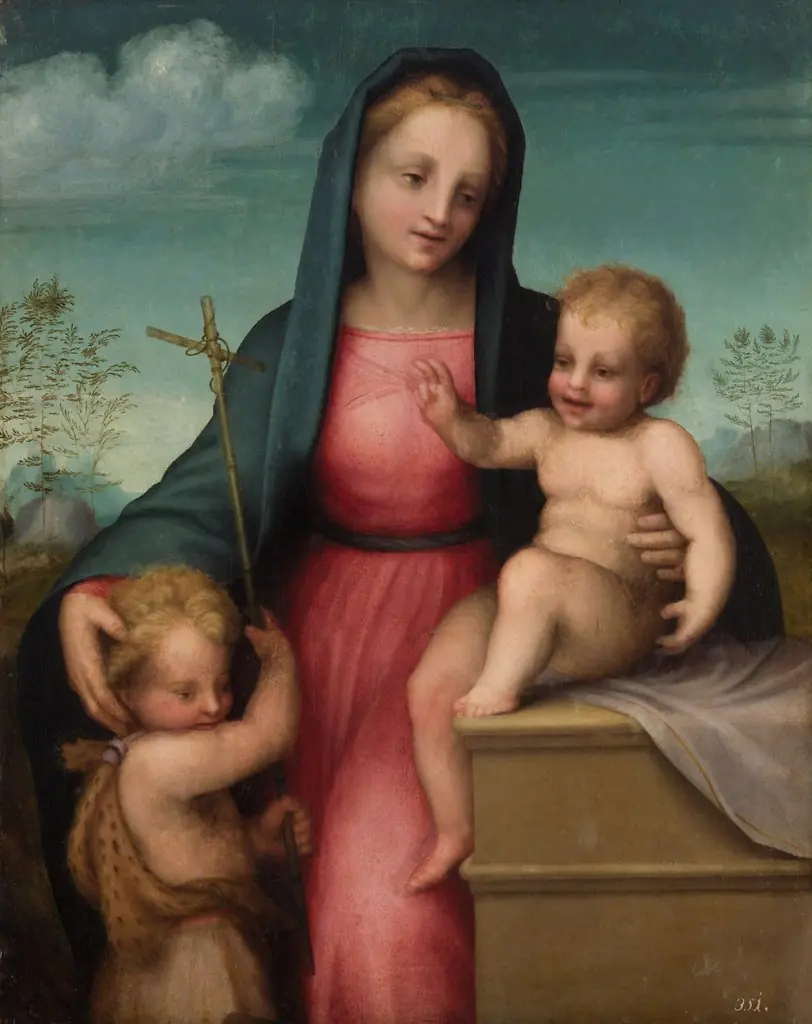 Maria mit Kind und Johannesknaben
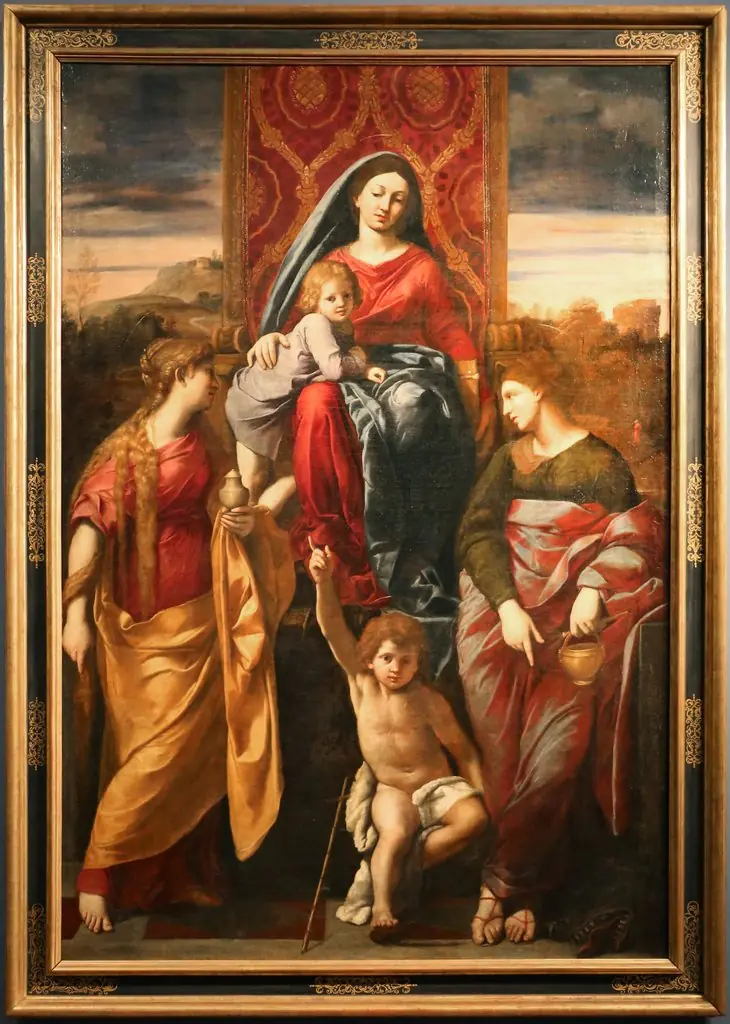 Thronende Maria mit dem Kind und den Heiligen Martha, Magdalena und Johannes dem Täufer
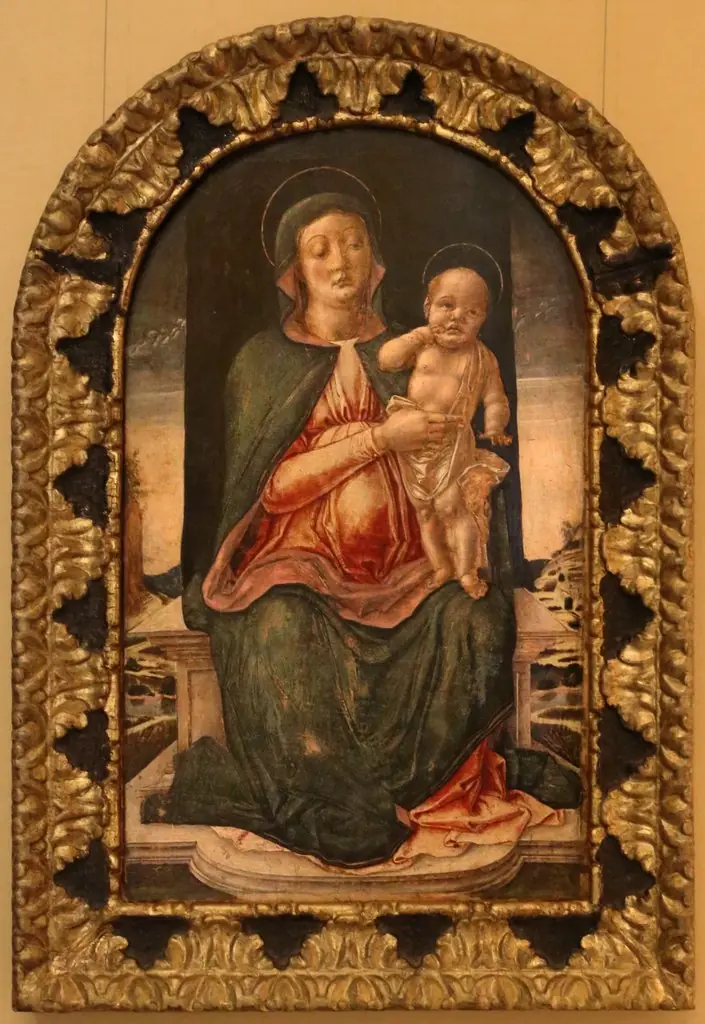 madonna col bambino