Artwork
Charles II
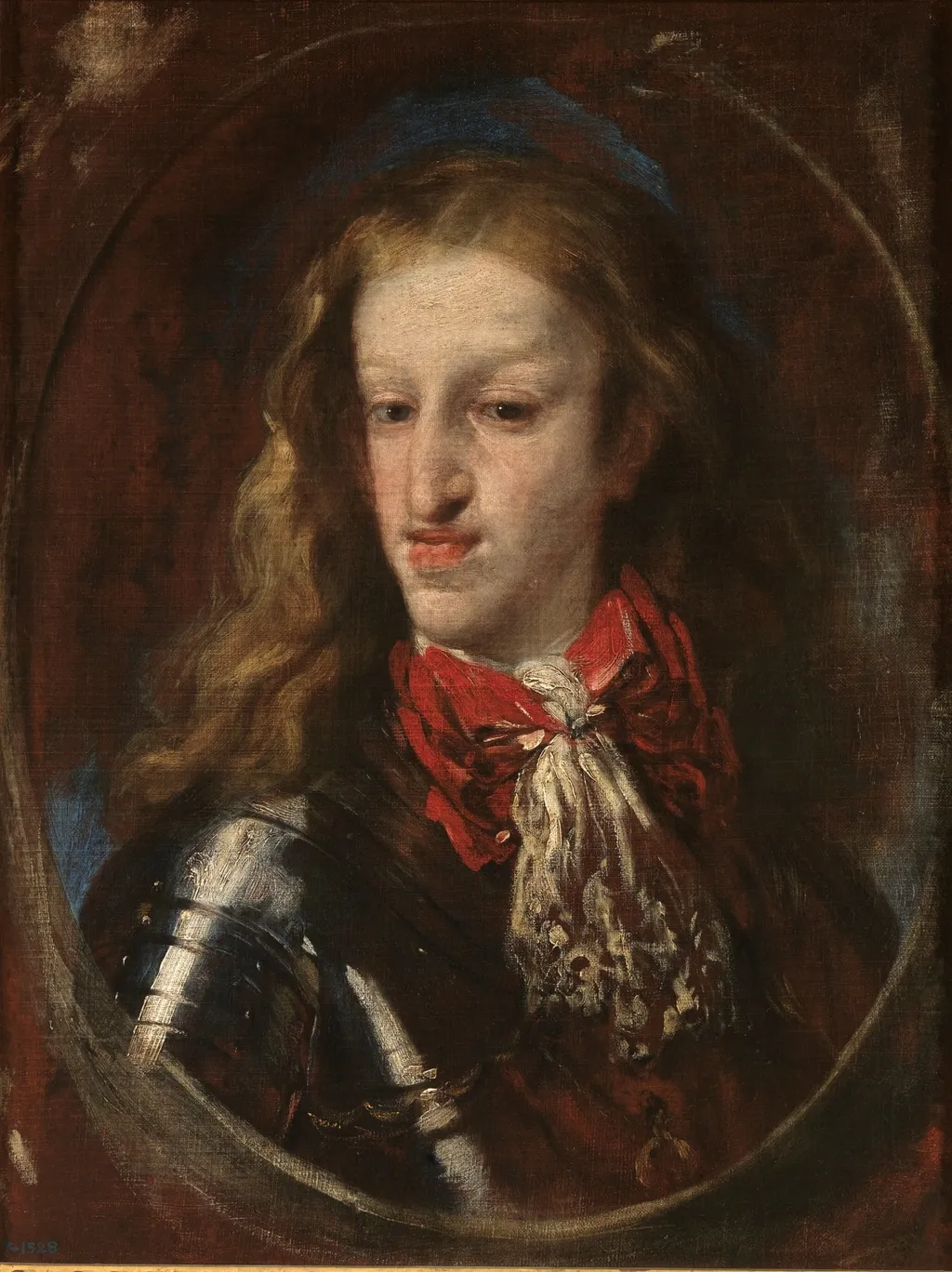
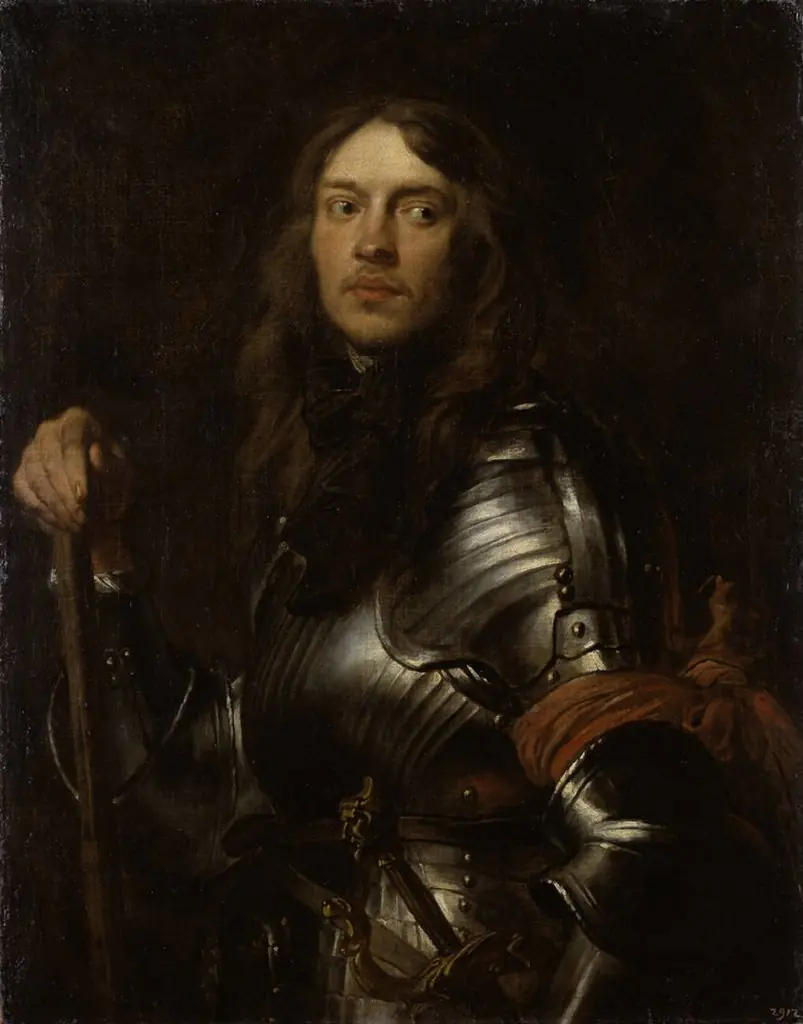
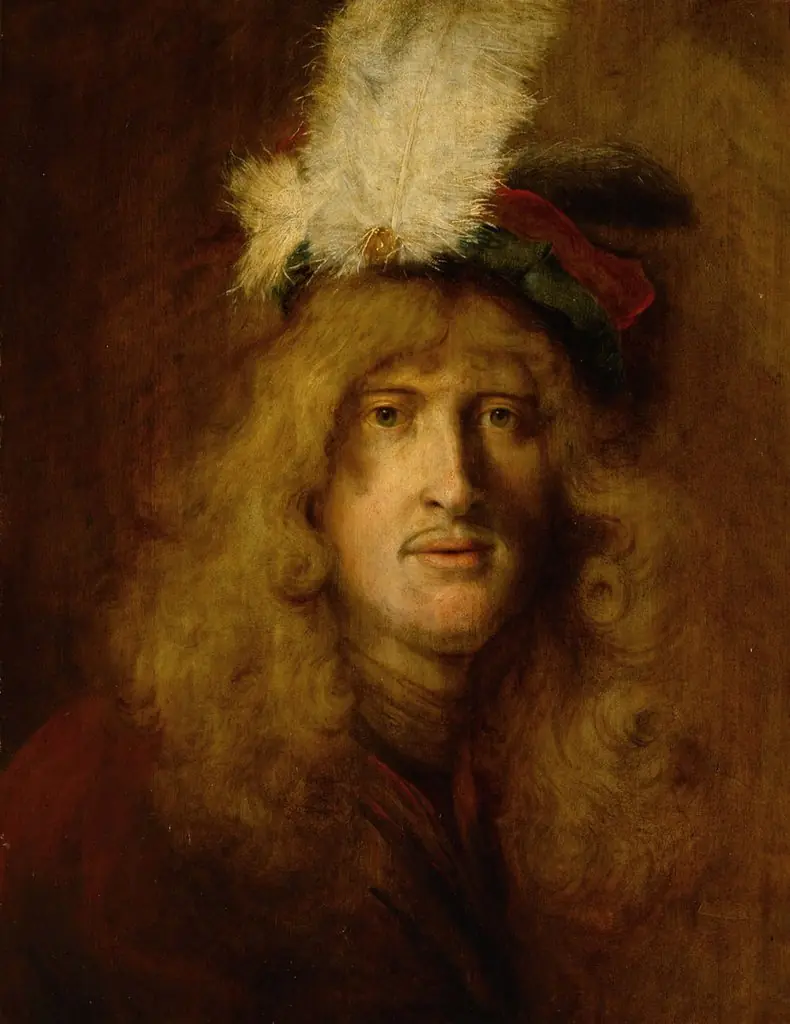
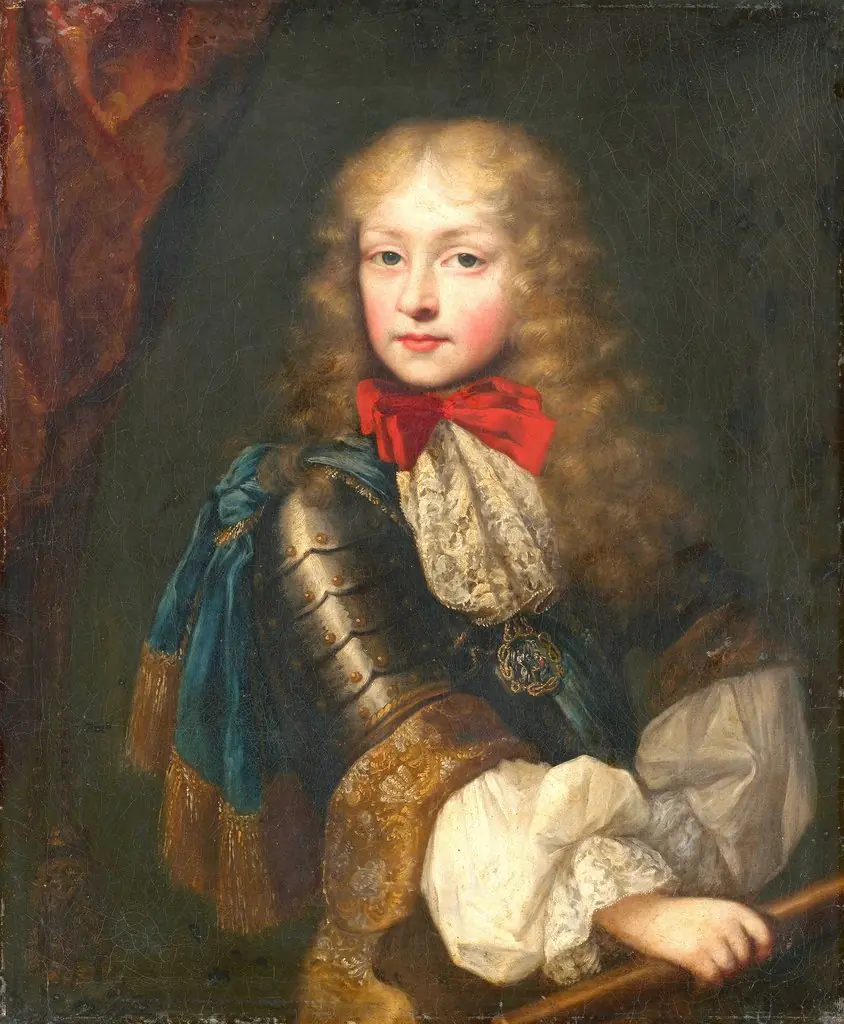
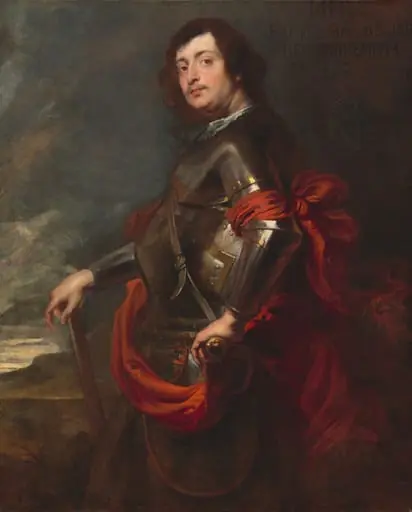
Charles II is an oil painting by the Barbizon school artist Luca Giordano. It dates from 1697 and is held in the collection of the Museo del Prado.
About this work
Overview
Executed with precision and a restrained palette, the work belongs to the collection of the Museo del Prado in Madrid.
Painted in 1697 by Luca Giordano, this oil portrait captures Charles II of Spain, the last Habsburg ruler of Spain. Executed with precision and a restrained palette, the work belongs to the collection of the Museo del Prado in Madrid. It presents the monarch in formal attire, emphasizing his status through symbolic elements rather than grandeur, reflecting the diminished power of the Spanish crown at the time.
Subject & Meaning
Charles II is depicted wearing the insignia of the Order of the Golden Fleece, a prestigious chivalric order tied to Habsburg authority. The armor on his shoulder and the elaborate cravat signify his royal dignity and military associations. His solemn expression and direct gaze convey a sense of burdened responsibility, aligning with his reputation as a physically and politically weakened monarch during a period of dynastic decline.
Technique & Style
Giordano employed chiaroscuro to model the king’s face with subtle gradations of light and shadow, enhancing its three-dimensionality. The metallic armor is rendered with meticulous detail, contrasting with the soft texture of the lace-trimmed cravat. The dark, unbroken background isolates the figure, focusing attention on his attire and expression. The brushwork balances realism with a courtly formality typical of late Baroque portraiture.
History & Provenance
Commissioned during Charles II’s final years, the painting entered the Spanish royal collection and remained in royal hands until the Prado’s establishment. It was likely intended for display in a palace setting, reinforcing the monarchy’s continuity despite its frailty. The work’s survival through political upheavals and its preservation in the Prado reflect its enduring significance as a document of Habsburg rule in Spain.
Context
Painted near the end of Charles II’s reign, the portrait emerges from a Spain weakened by war, economic strain, and the absence of a direct heir. Giordano, an Italian artist working in Spain, adapted his style to suit Spanish court expectations. The image avoids overt celebration, instead presenting the king as a solemn figure burdened by duty — a quiet reflection of a dynasty nearing its end.
Legacy
The portrait stands as one of the last official images of a Habsburg monarch in Spain before the War of the Spanish Succession. Its restrained realism and symbolic detail offer insight into how power was visually negotiated in decline. Today, it serves as a historical record of courtly representation and the transition from Habsburg to Bourbon rule in Spain.
Artist & collection

Artist
Luca Giordano was an Italian late-Baroque painter and printmaker in etching. Giordano was one of the most celebrated artists of the Neapolitan Baroque, whose vast output included altarpieces, mythological paintings and…