Artwork
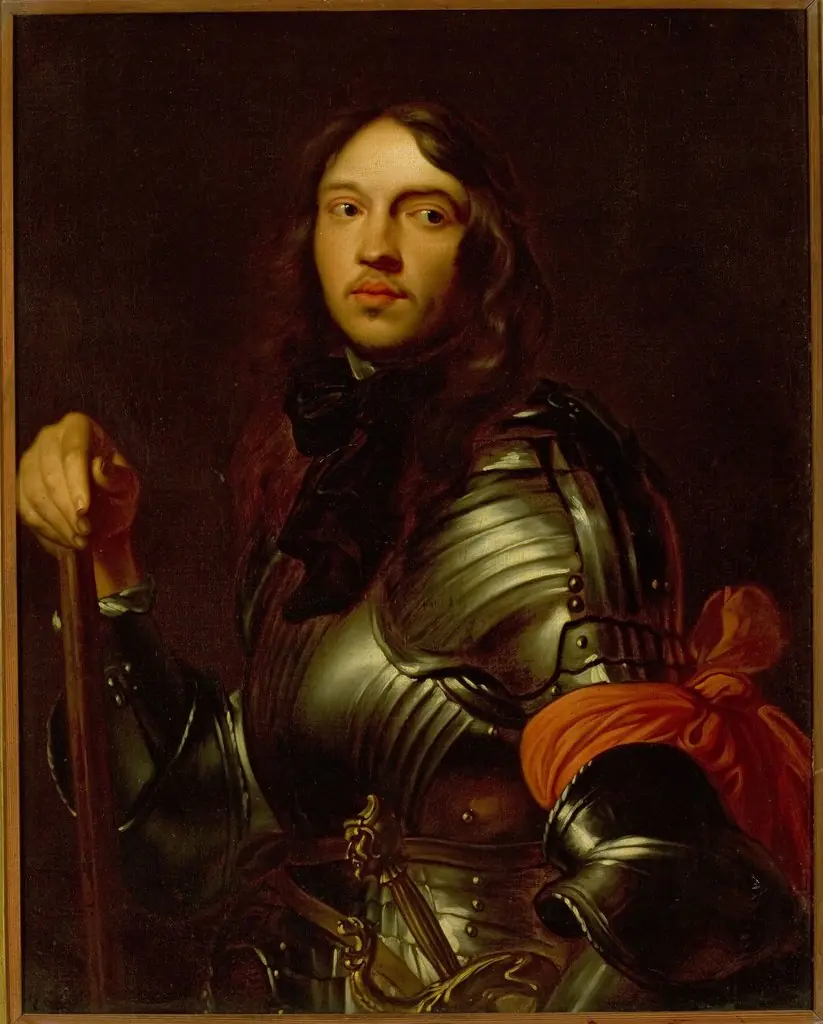
Portrait of a Man in Armour with a Red Scarf
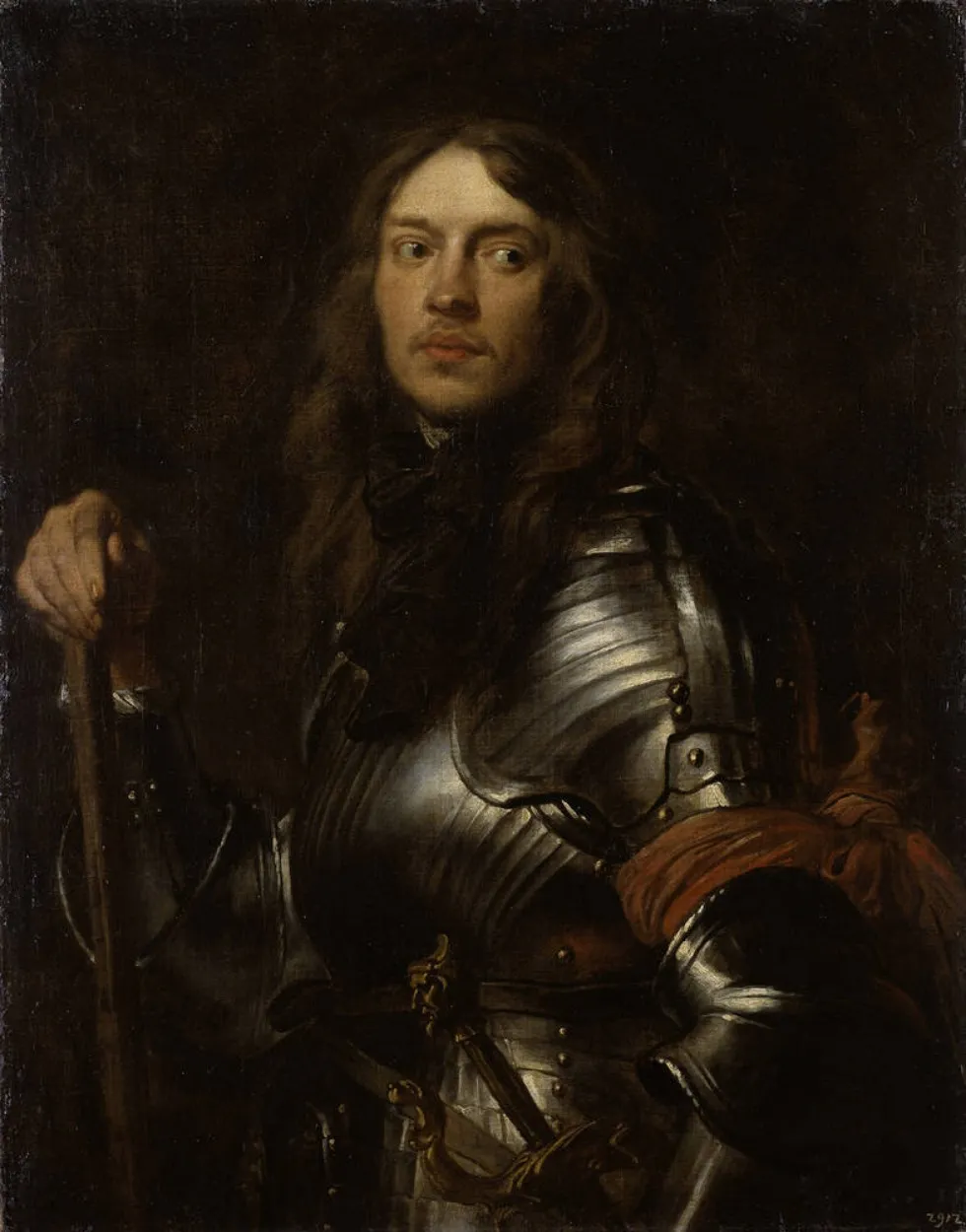
Portrait of a Man in Armour with a Red Scarf is an oil painting by the Flemish Baroque painting artist Anthony van Dyck. It dates from 1626 and is held in the collection of the Gemäldegalerie Alte Meister.
About this work
Overview
Executed in oil on panel, the work reflects the stylistic rigor of Flemish Baroque painting.
Painted in 1626, this portrait captures a nobleman in armor during Anthony van Dyck’s formative years as an artist, prior to his appointment as court painter in England. Executed in oil on panel, the work reflects the stylistic rigor of Flemish Baroque painting. Van Dyck, trained under Rubens, demonstrates early command of composition and texture, balancing realism with a restrained elegance that would define his later career.
Subject & Meaning
The sitter, likely a member of the aristocracy or military elite, is depicted with quiet authority. His armor suggests status and martial readiness, while the red scarf introduces a personal, perhaps symbolic, element—possibly indicating rank, allegiance, or individuality. The grip on his sword and the direct gaze convey composure and self-possession, avoiding overt aggression in favor of dignified restraint.
Technique & Style
Van Dyck employs chiaroscuro to model the armor’s reflective surfaces and the soft folds of the scarf, creating a tangible sense of volume. The metallic sheen of the armor is rendered with subtle gradations, contrasting with the rich, flat red of the fabric. The dark, undefined background isolates the figure, focusing attention on texture and expression. His brushwork is precise yet fluid, revealing influence from Rubens without imitation.
History & Provenance
The painting entered the Gemäldegalerie Alte Meister collection in Dresden, where it remains today. Its early date places it within van Dyck’s Antwerp period, before his move to England. While its original commission is undocumented, its quality suggests it was made for a private patron of means, possibly connected to the Habsburg court or a local noble family in the Southern Netherlands.
Context
Created during the height of the Flemish Baroque, the portrait aligns with a broader trend of depicting individuals with psychological depth and material specificity. Unlike grand ceremonial portraits, this work emphasizes intimacy and individuality, reflecting a shift toward personal portraiture among the elite. Van Dyck’s training under Rubens positioned him at the center of a vibrant artistic community responding to both religious and secular patronage.
Legacy
This portrait exemplifies van Dyck’s early mastery in blending aristocratic presence with technical finesse. Though less known than his later English court portraits, it reveals the foundations of his signature style: controlled elegance, nuanced lighting, and an acute sensitivity to fabric and metal. It remains a key reference for understanding his artistic evolution before he became a defining figure in European portraiture.
Artist & collection
Artist
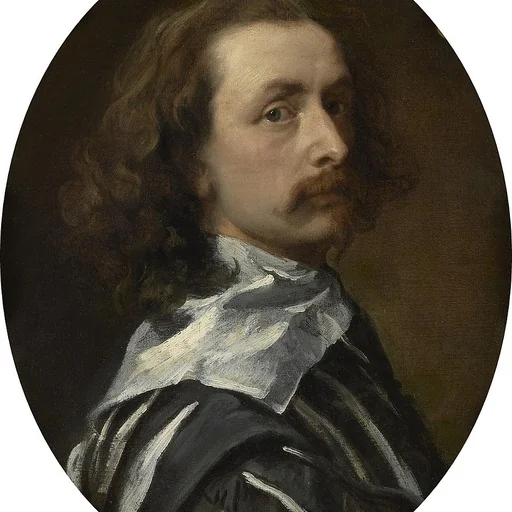
Sir Anthony van Dyck (; Dutch: Antoon van Dijck ; 22 March 1599 – 9 December 1641) was a Flemish Baroque artist, who became the leading court painter in England after success in the Spanish Netherlands and Italy.

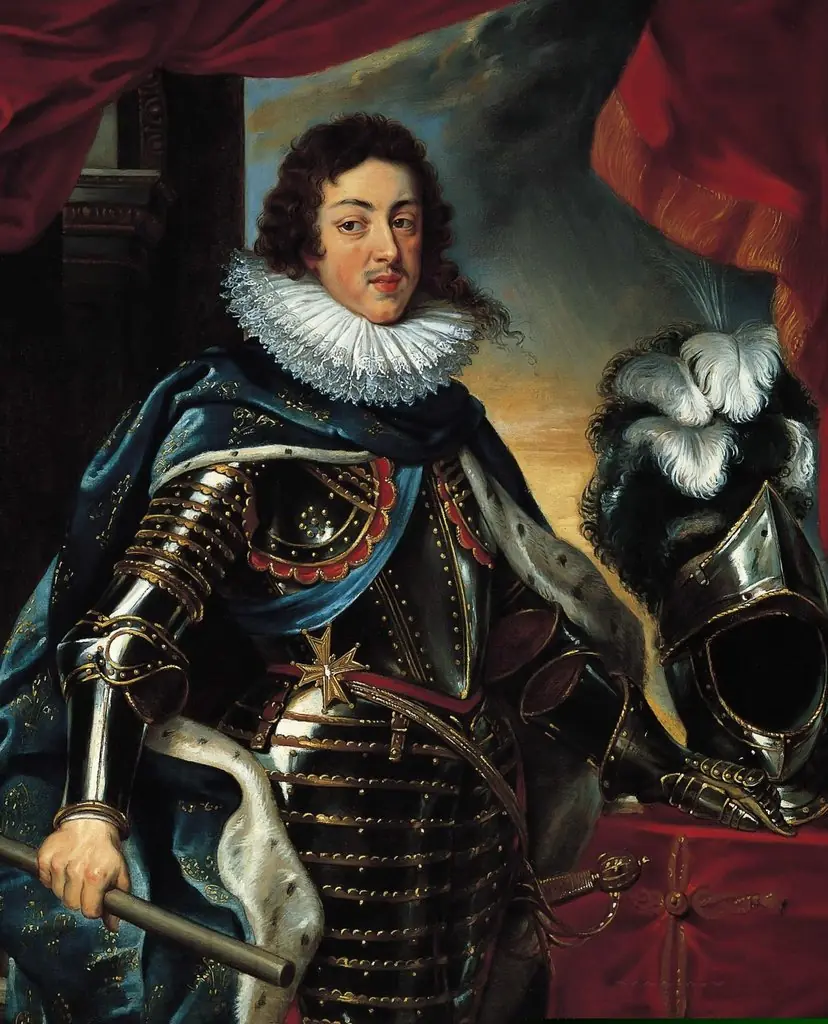 Portrait of Louis XIII in Armour
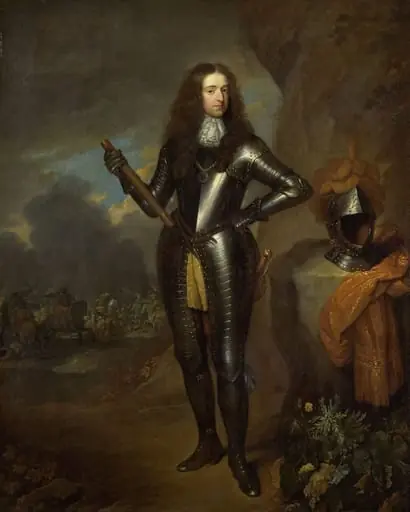 William III (1650-1702), Prince of Orange and since 1689, King of England
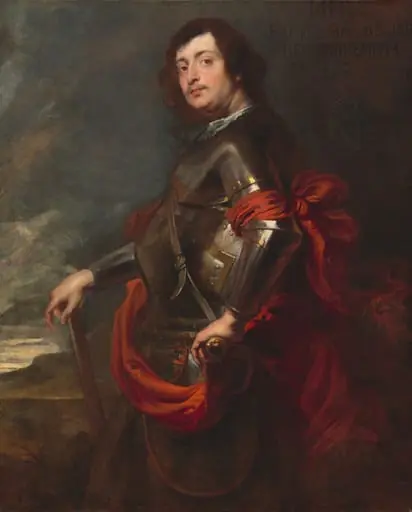 The Prefect Raffaele Raggi
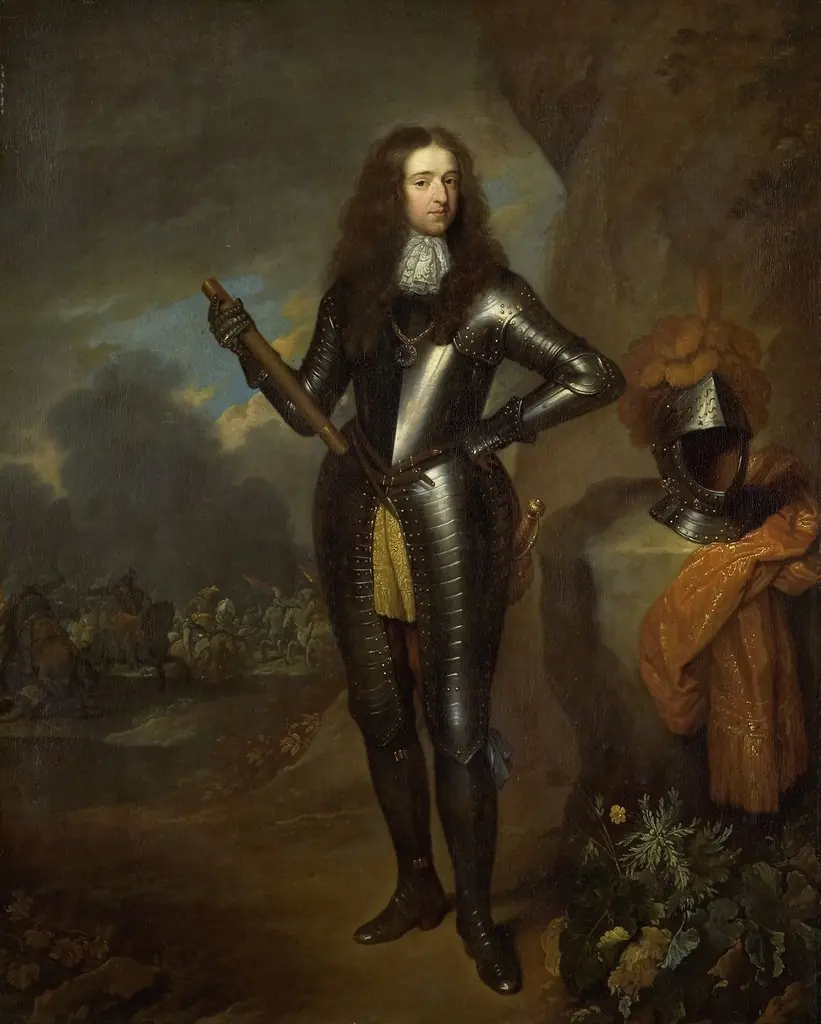 William III (1650-1702), Prince of Orange and since 1689, King of England
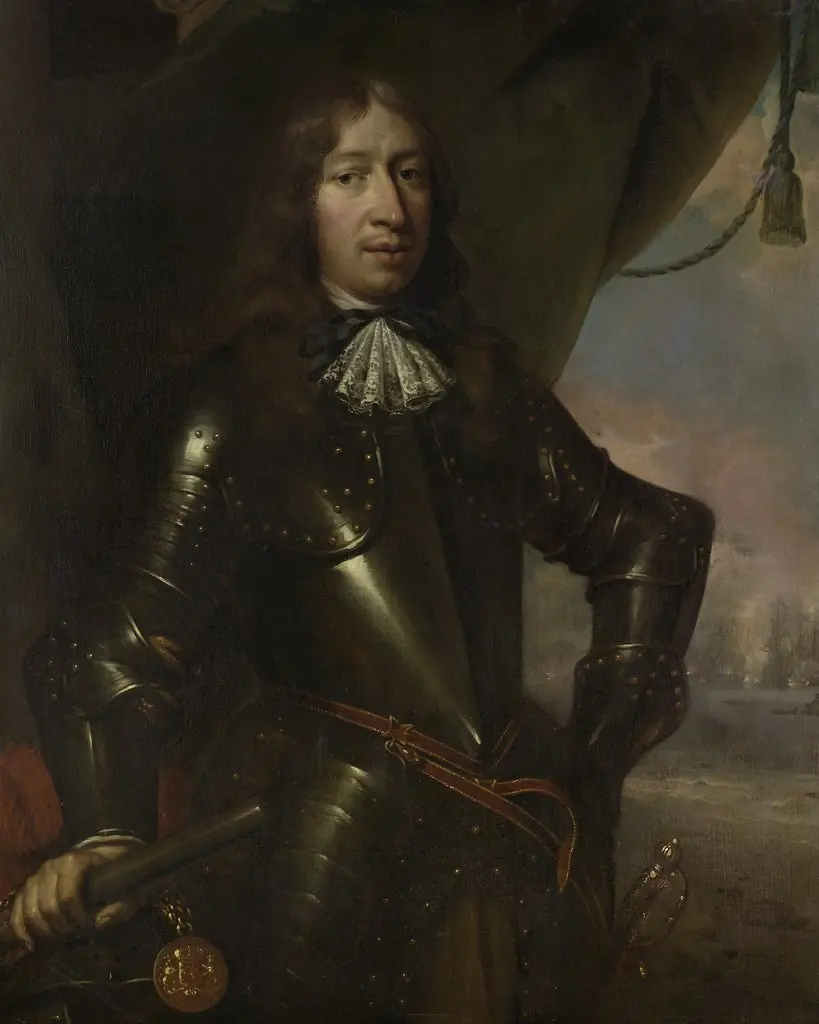 Portrait of Willem Joseph Baron van Ghent (1626-72), vice-admiral
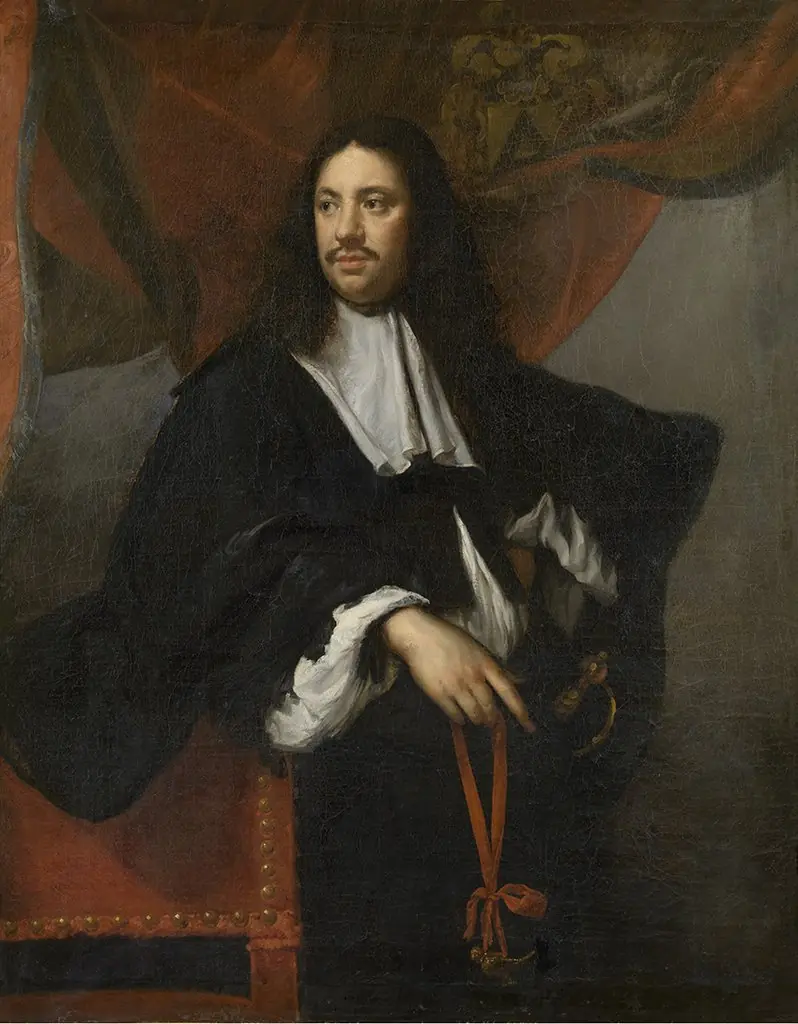 Portrait of Jan-Filips van Boonem, Dean of the Guild of St. George in Bruges
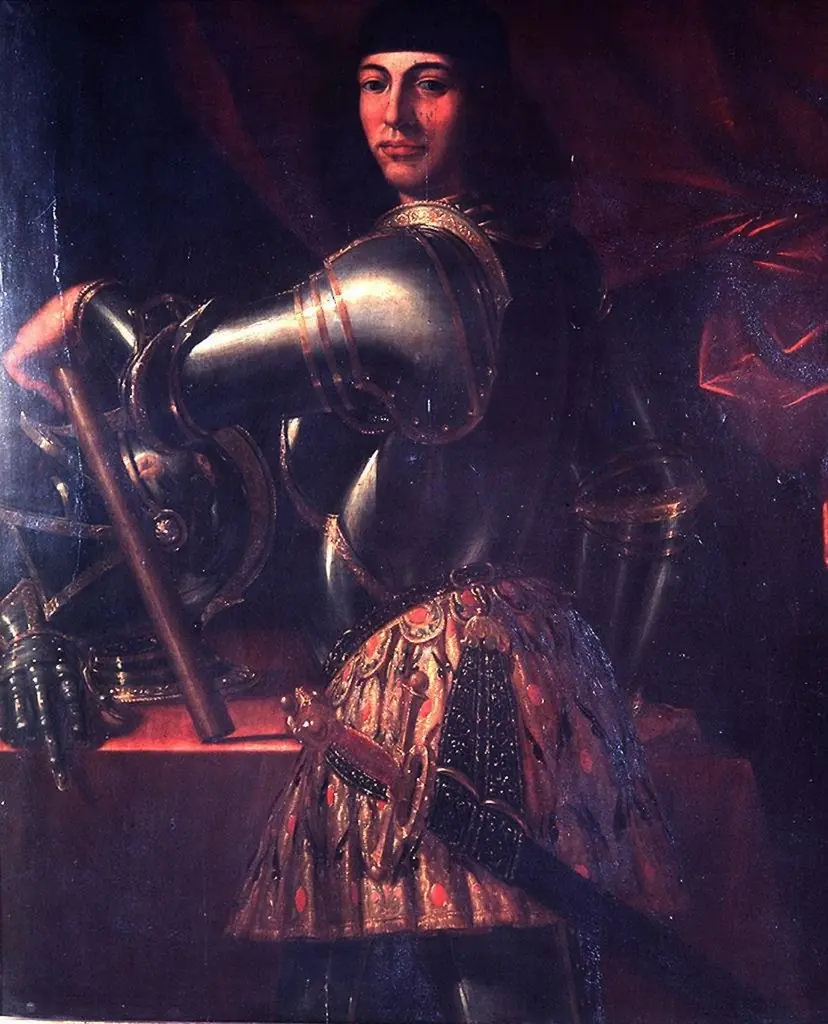 Portrait of Piero di Lorenzo de' Medici
 Portrait of a Captain
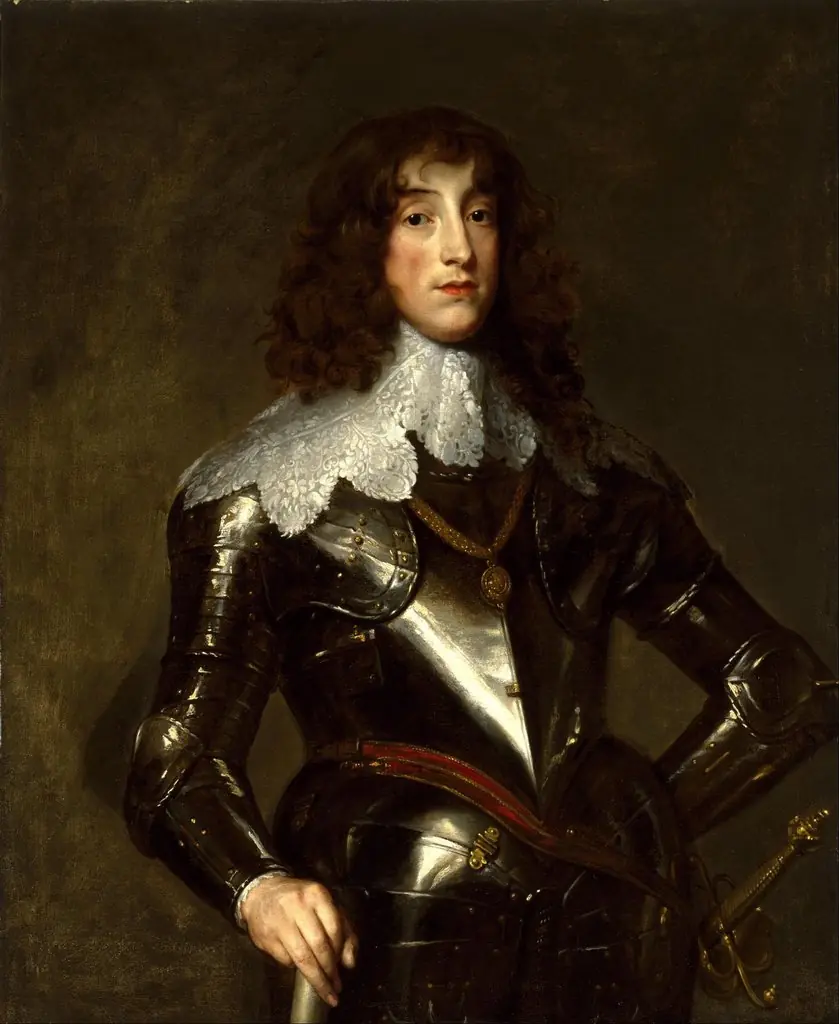 Charles Louis, Elector Palatine
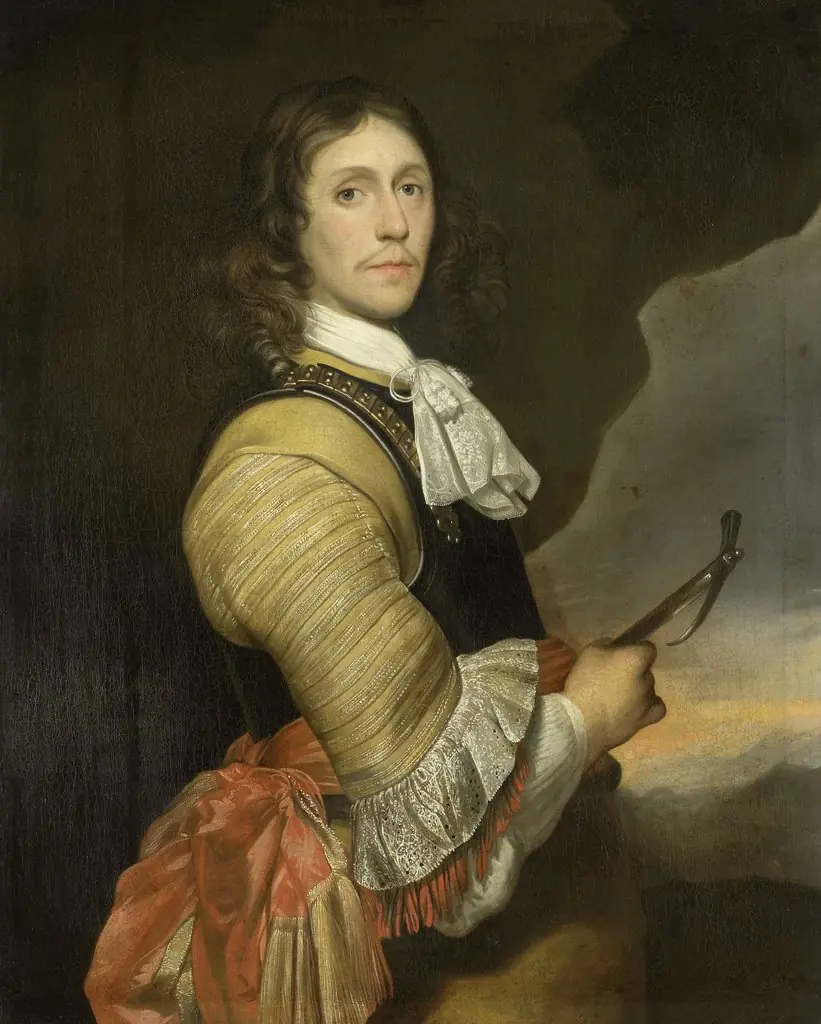 Portrait of an officer
 Ludvig VI, 1630-78, lantgreve av Hessen-Darmstadt
 Portrait of a young man in armour