Artwork
Drunken Silenus
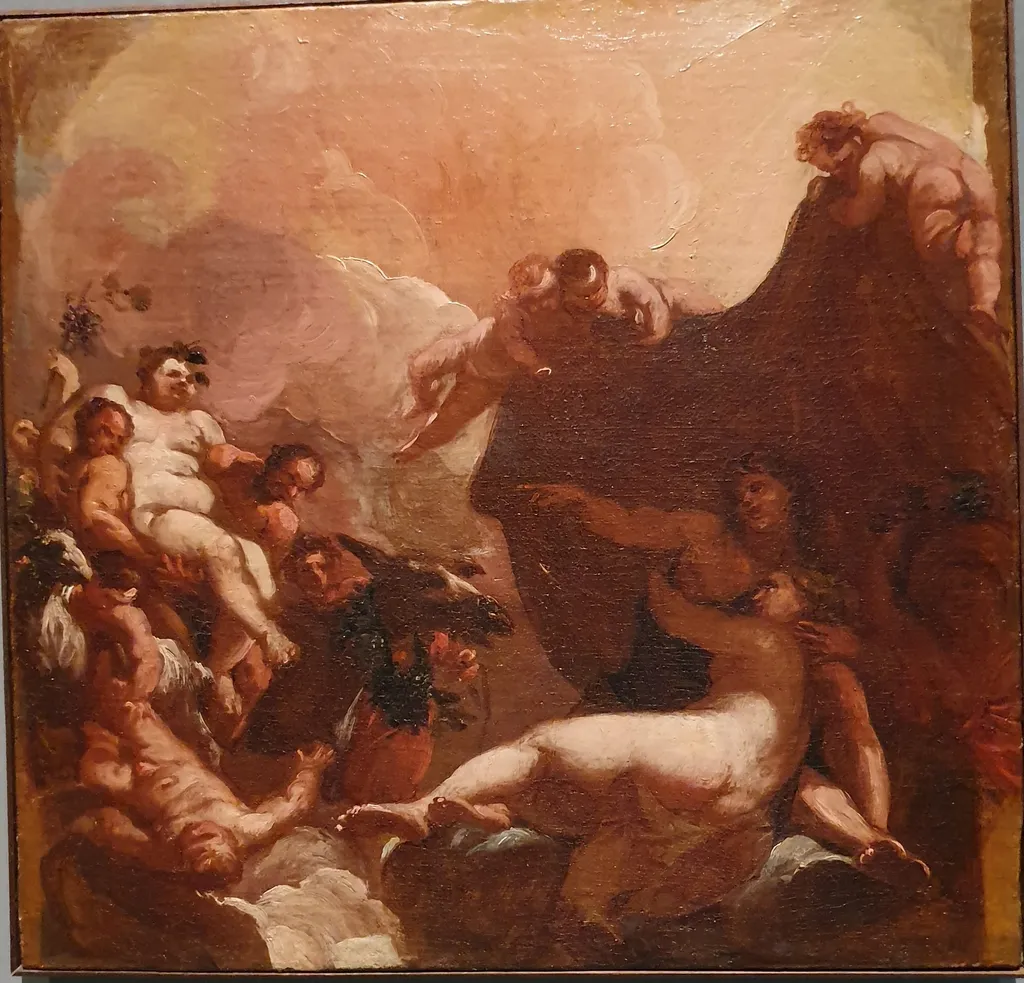
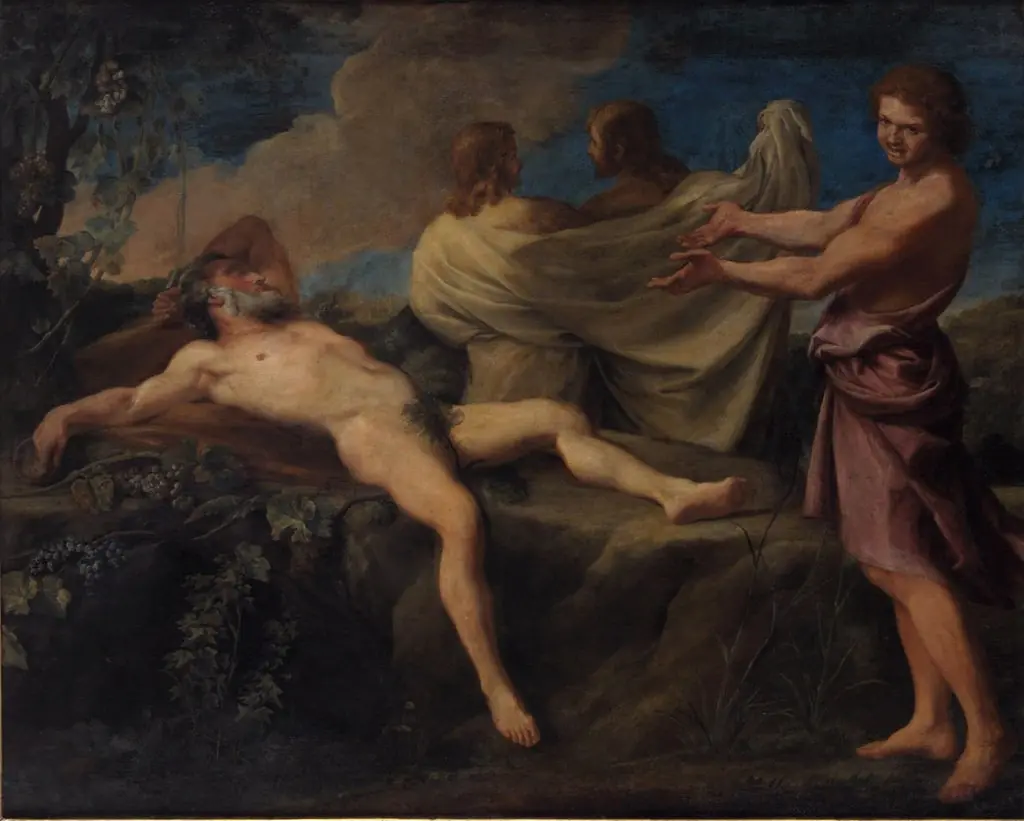
Drunken Silenus is an unspecified painting by the Early Baroque Italian artist Luca Giordano. It dates from 1690 and is held in the collection of the National Museum of Ancient Art.
About this work
Overview
Luca Giordano's painting Drunken Silenus, dated to 1690, is part of the collection at the National Museum of Ancient Art.
Subject & Meaning
The subject of the painting is Silenus, a figure from classical mythology known for his intoxicated state, often symbolizing the consequences of excess. Giordano's depiction likely explores themes of revelry and moral caution.
Technique & Style
While specific technical details of Drunken Silenus are not provided, Giordano's works from this period typically exhibit Baroque characteristics, including dramatic lighting and expressive brushwork, which would be used here to emphasize Silenus's inebriated condition.
History & Provenance
Created in 1690, Drunken Silenus is attributed to Luca Giordano. Its current location is the National Museum of Ancient Art, though the acquisition history is not specified.
Context
Painted in 1690, Drunken Silenus reflects the Baroque era's fascination with classical themes and the dramatic. It may have been commissioned for a private collection or a religious institution, given the moral undertones often present in Giordano's work.
Legacy
As a work by a prominent Baroque artist, Drunken Silenus contributes to the understanding of 17th-century artistic practices and the enduring influence of mythological subjects in art. Its impact on later artists or specific exhibitions it has been part of is not detailed.
Artist & collection

Artist
Luca Giordano was an Italian late-Baroque painter and printmaker in etching. Giordano was one of the most celebrated artists of the Neapolitan Baroque, whose vast output included altarpieces, mythological paintings and…

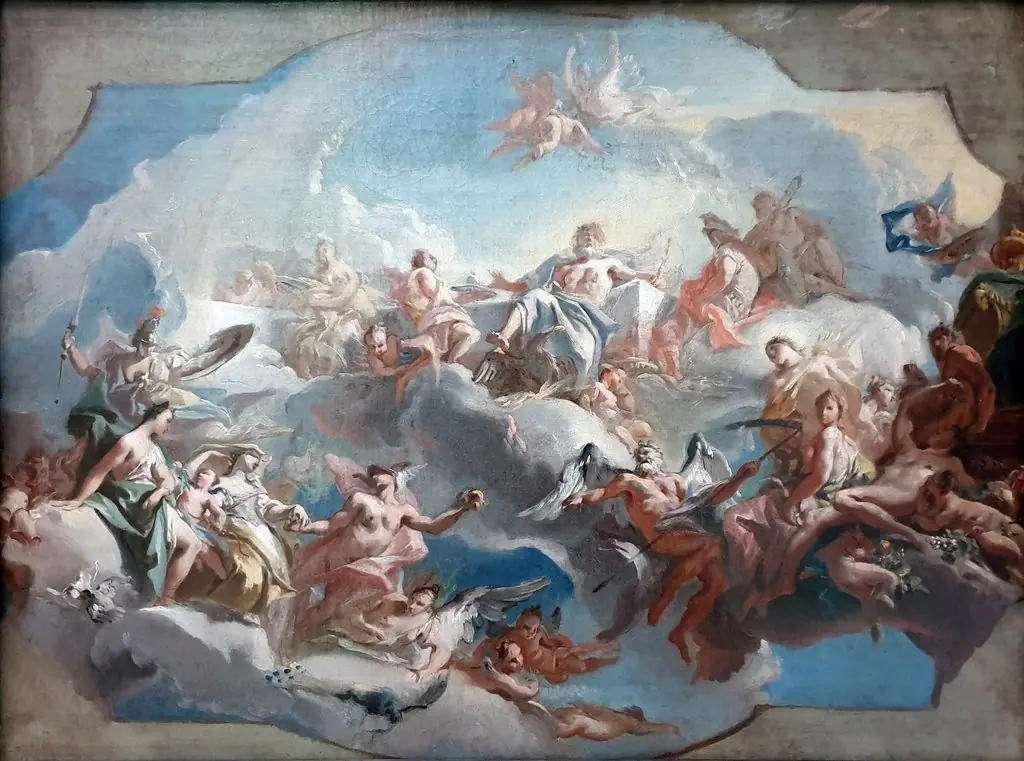 Departure of the goddesses Juno, Venus and Minerva for the judgment of Paris
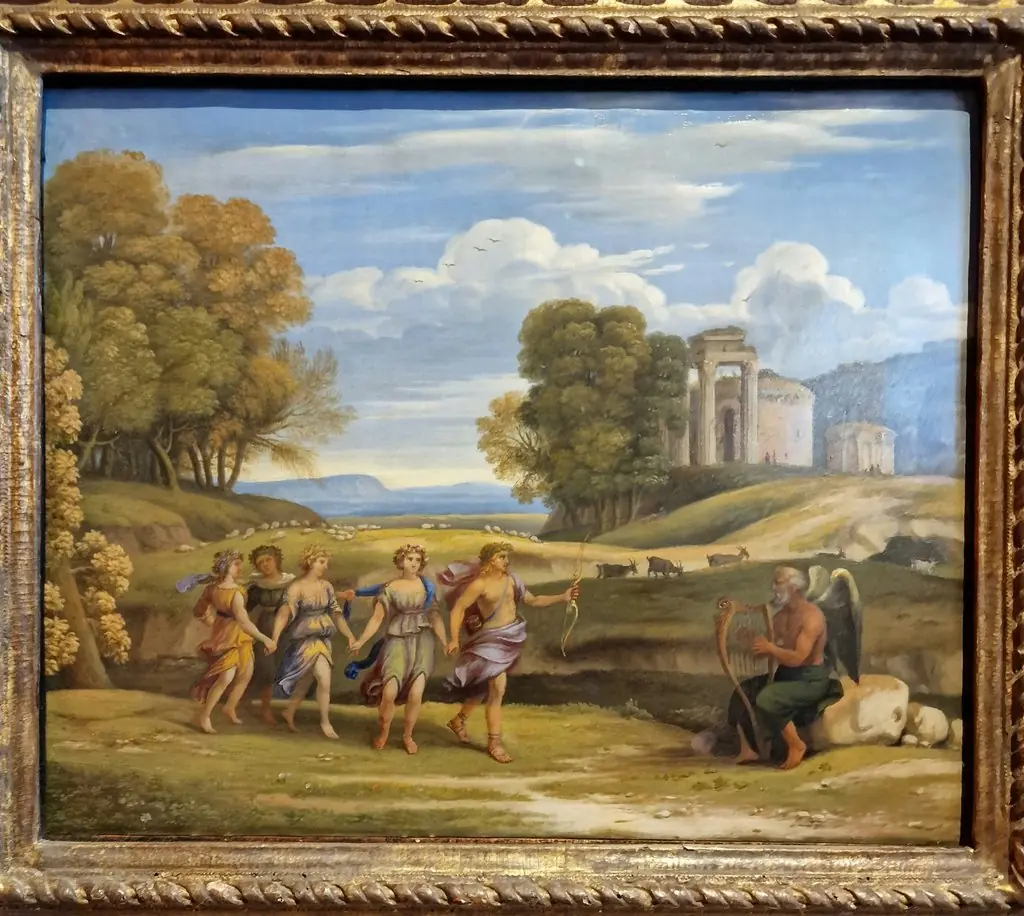 La Danse des Saisons
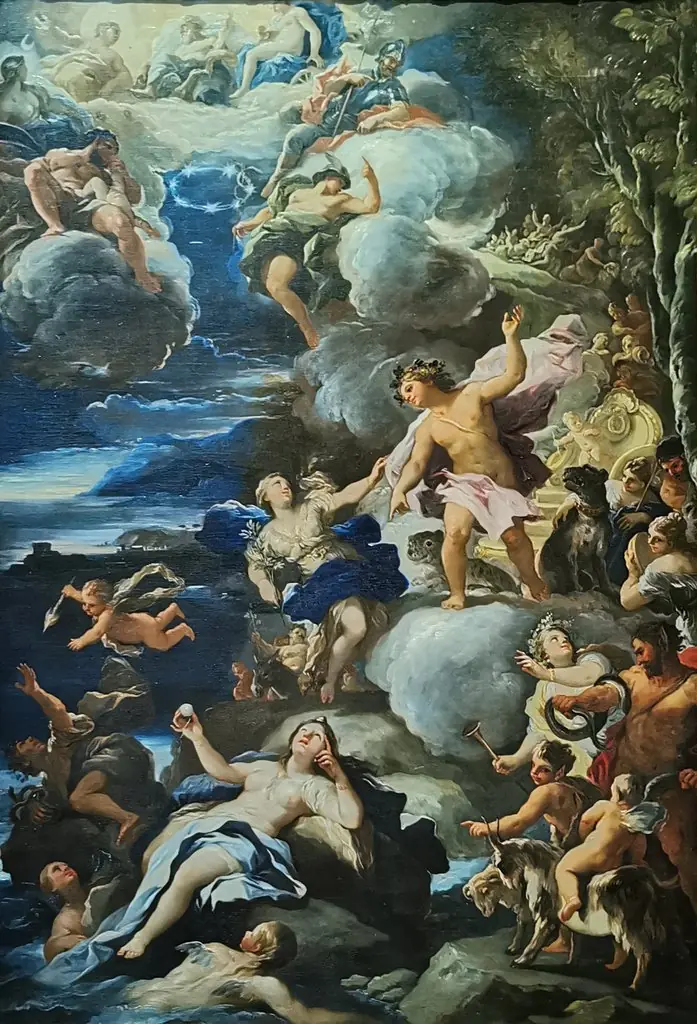 Bacchus and Ariadne
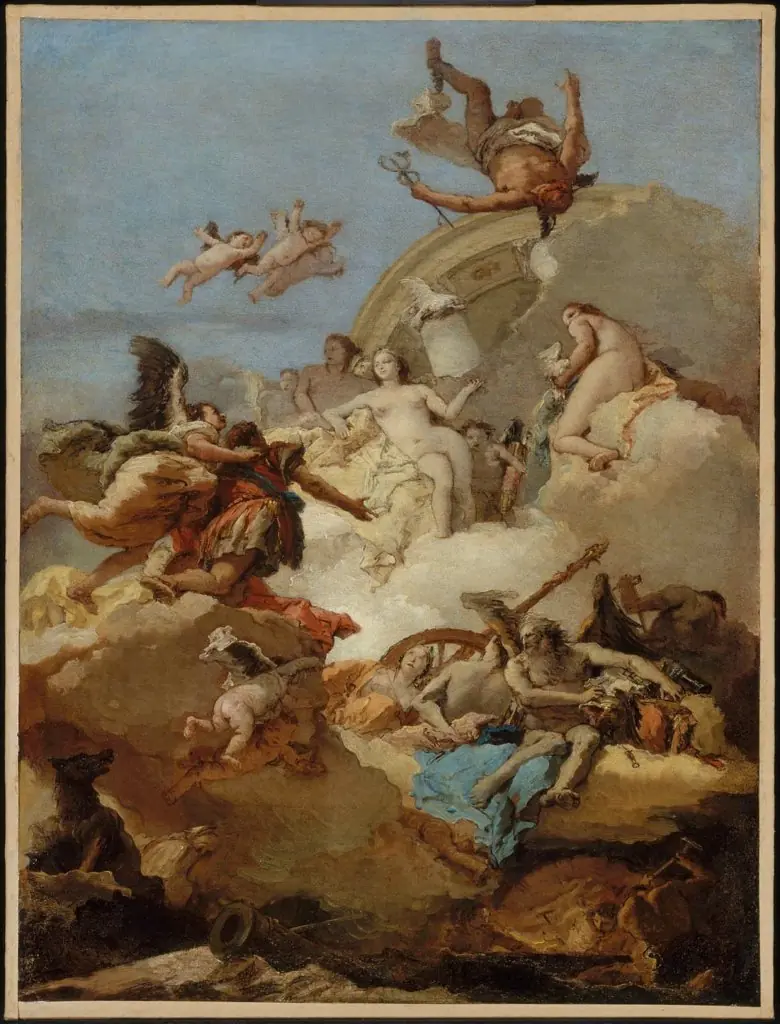 Apotheosis of Aeneas
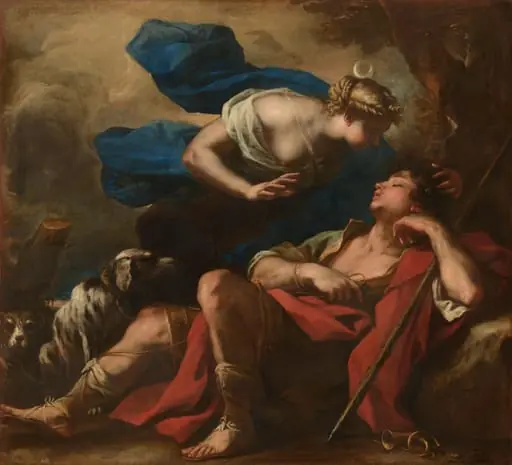
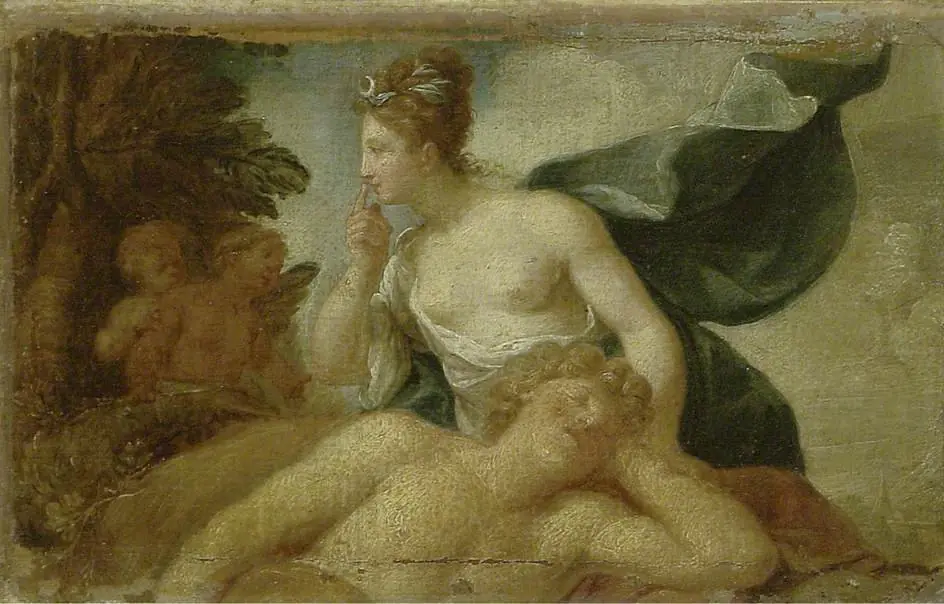 Diana and Endymion
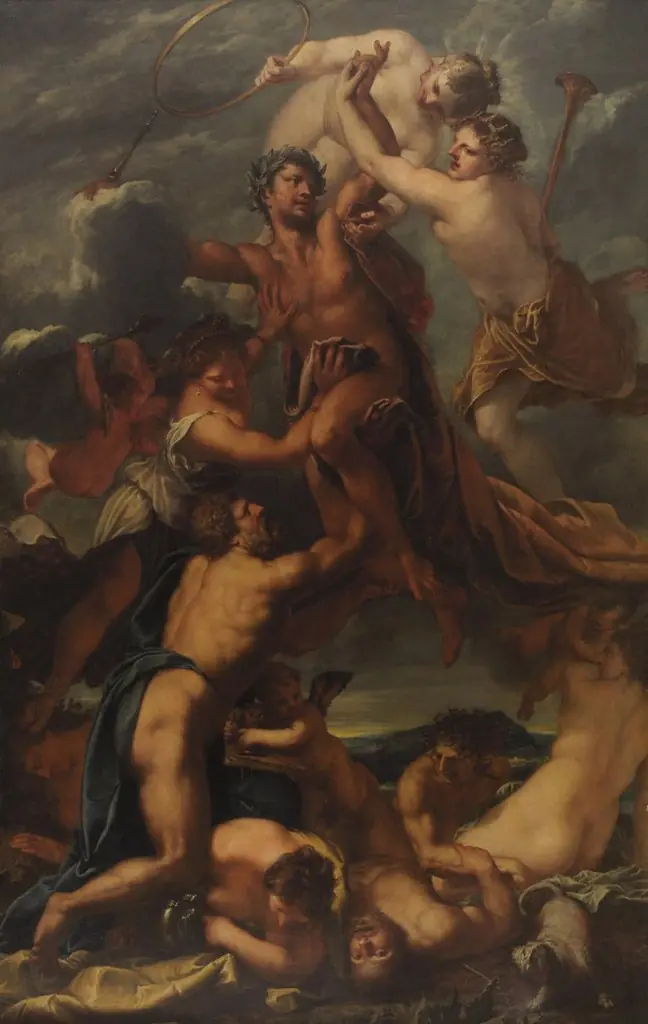 The apotheosis of Emperor Leopold I
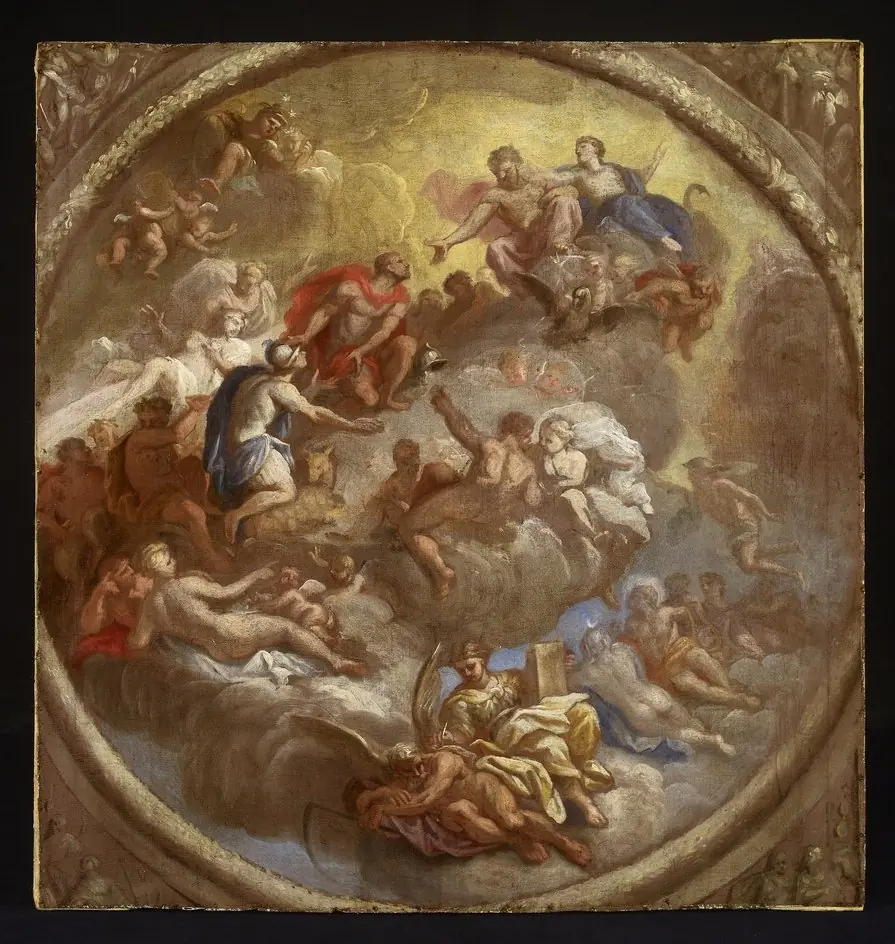 Sketch for a Ceiling Design
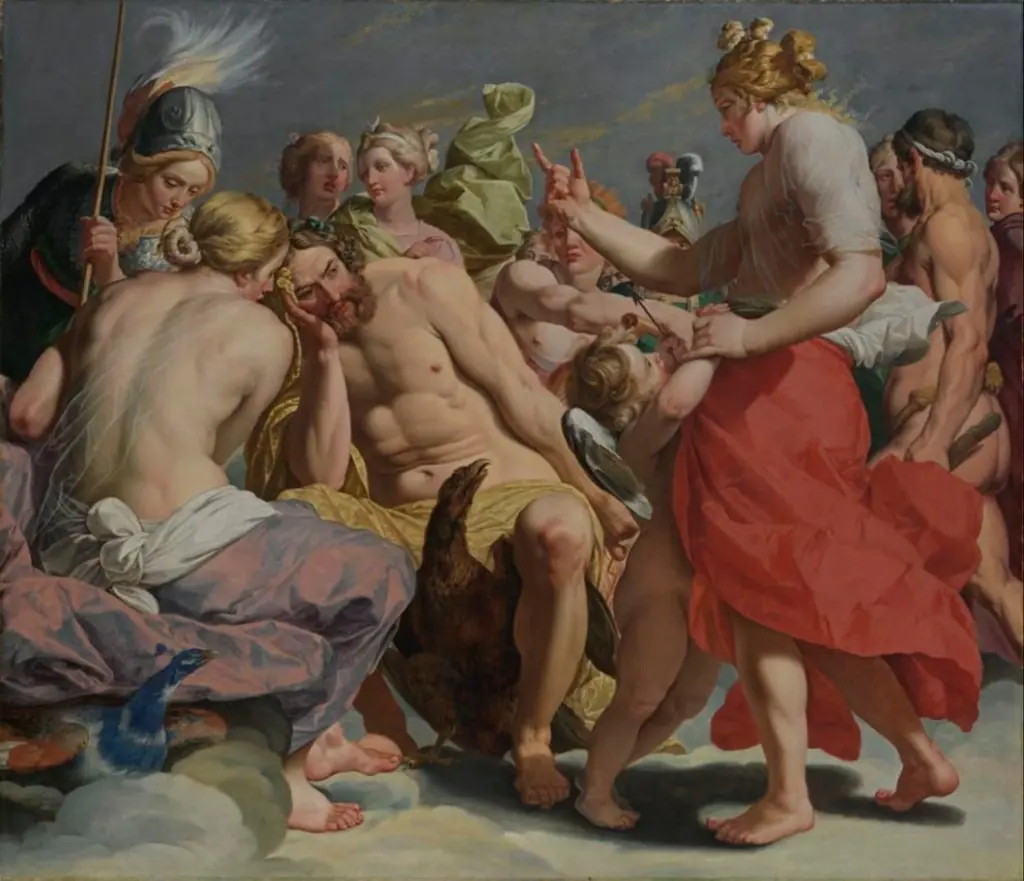 Mount Olympus
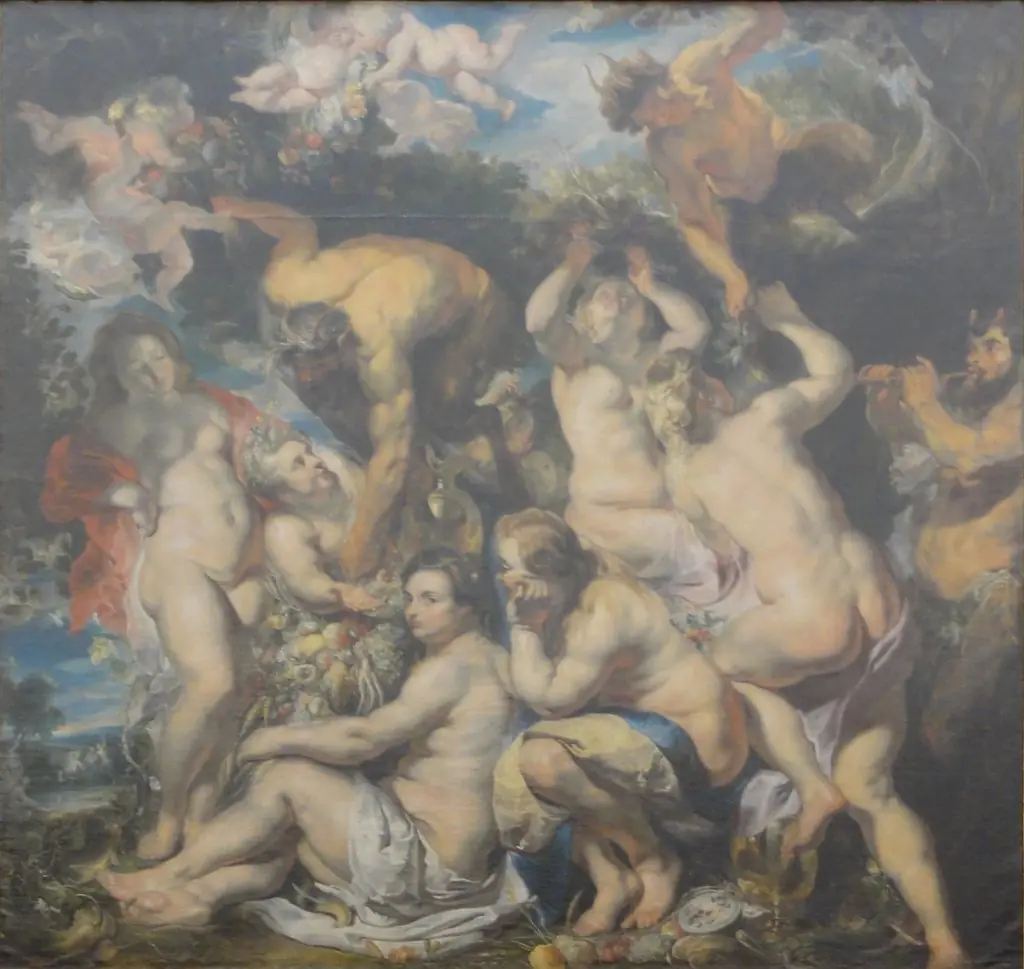 Allegory of fertility
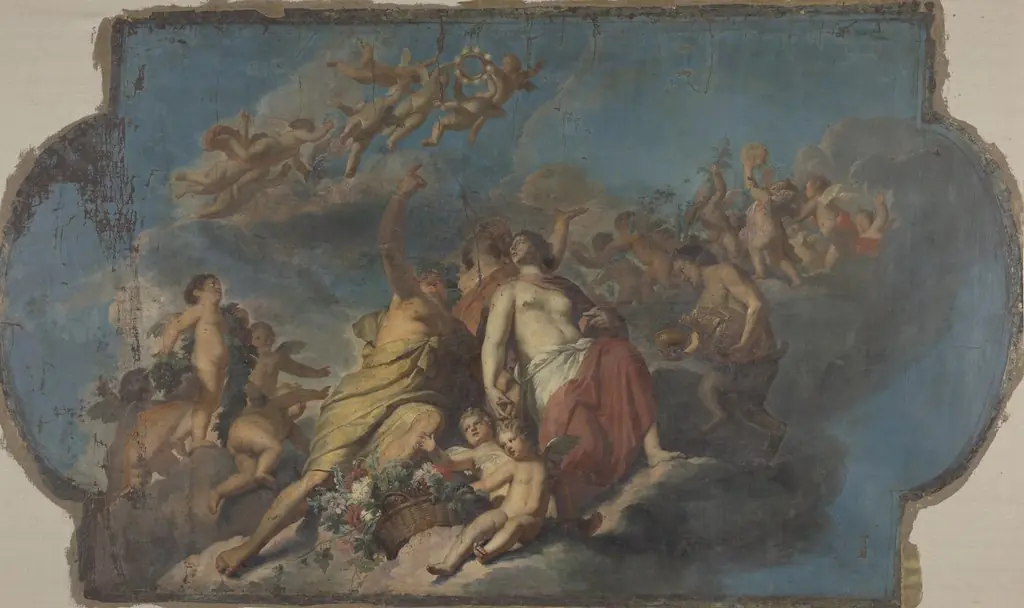 The Marriage of Bacchus and Ariadne
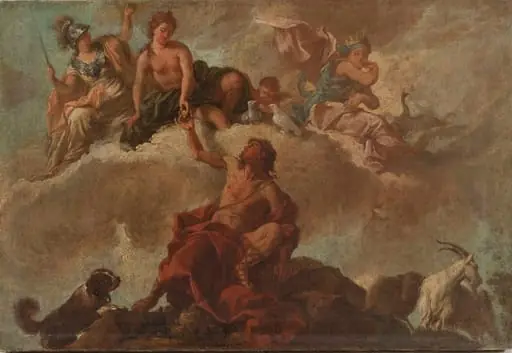 Judecata lui Paris
 Drunkenness of Noah