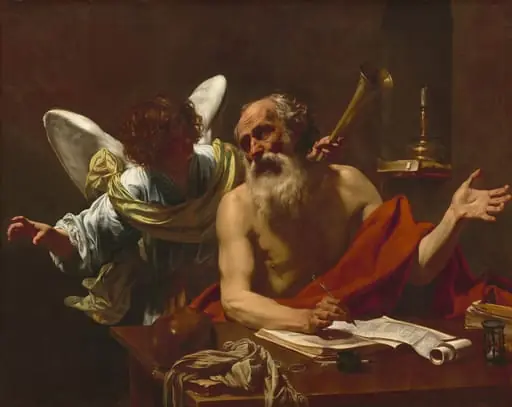
Artwork
St Jerome
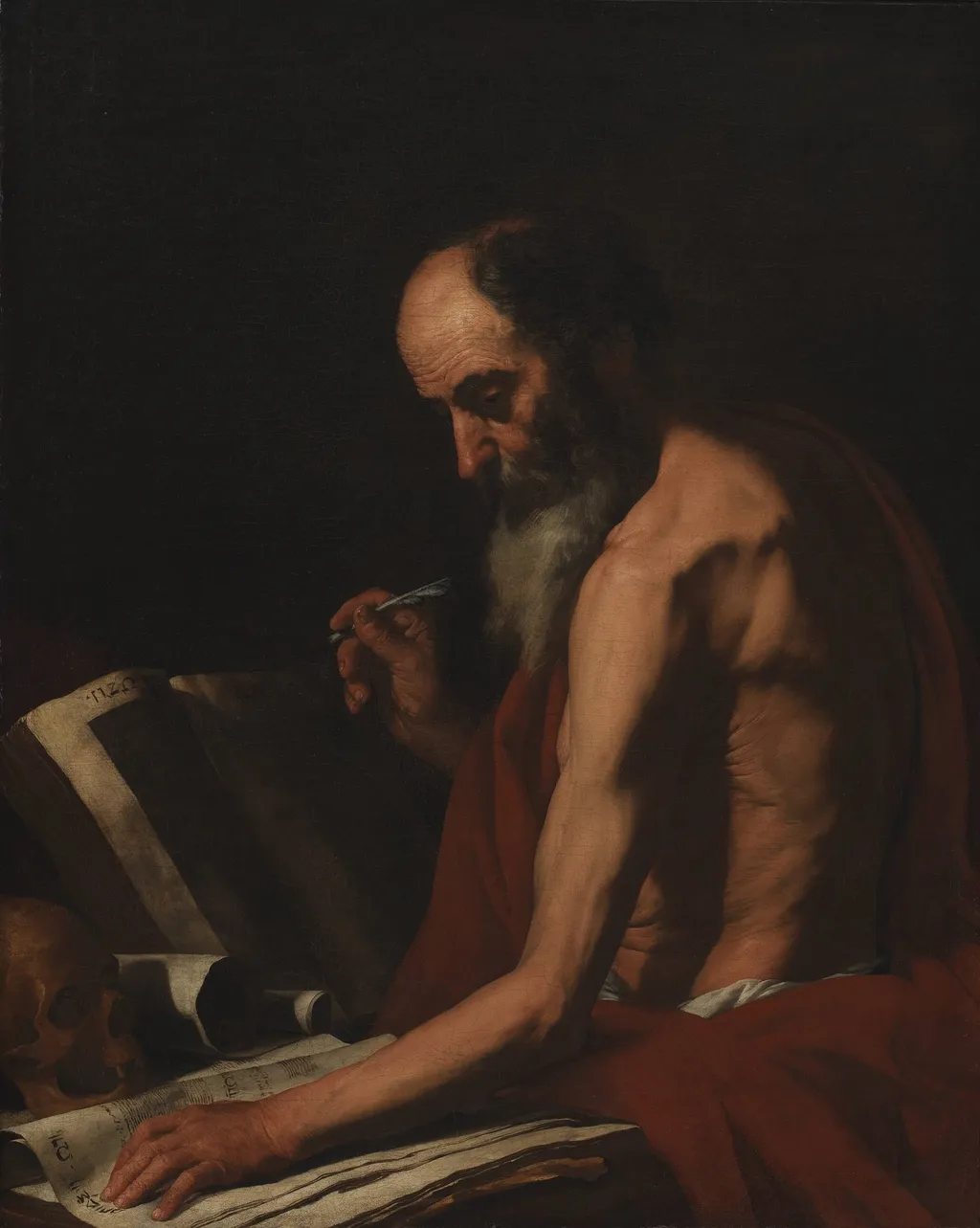
St Jerome is a photography by Unknown. It dates from 1649 and is held in the collection of the Statens Museum for Kunst. Created around 1649, this portrait depicts St.
About this work
Overview
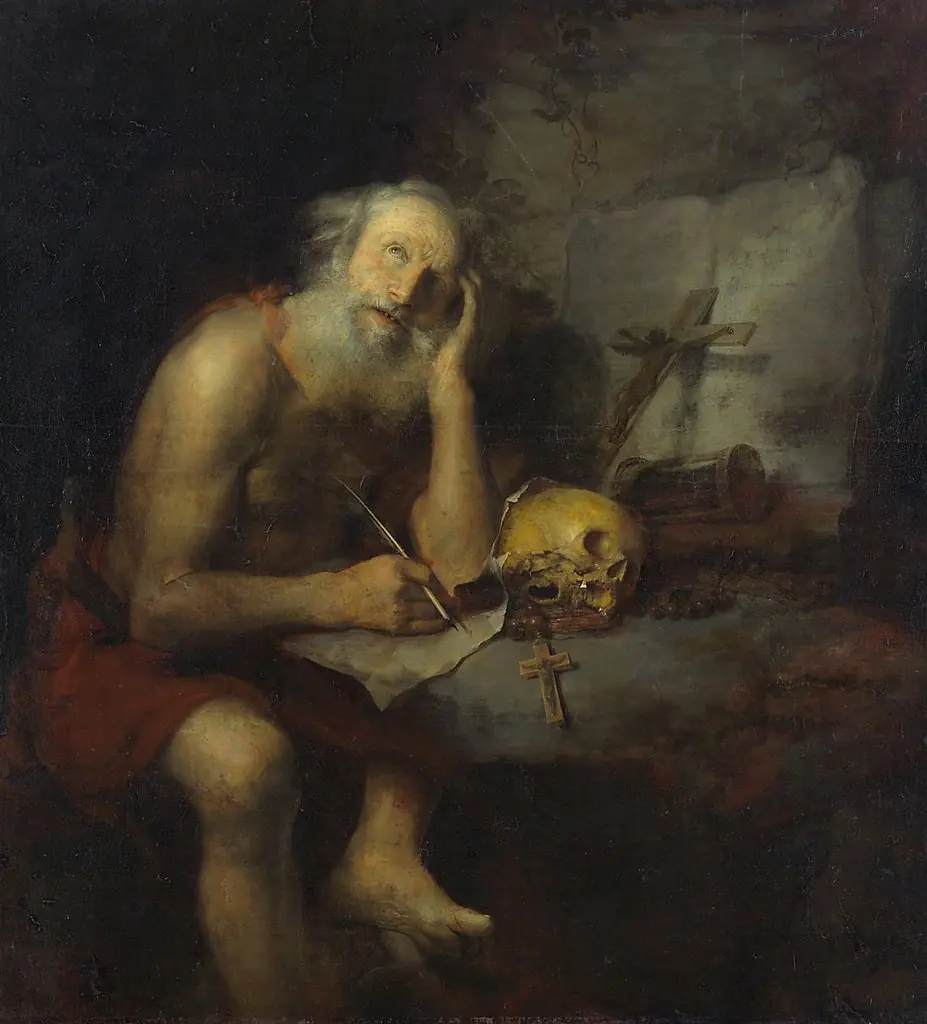
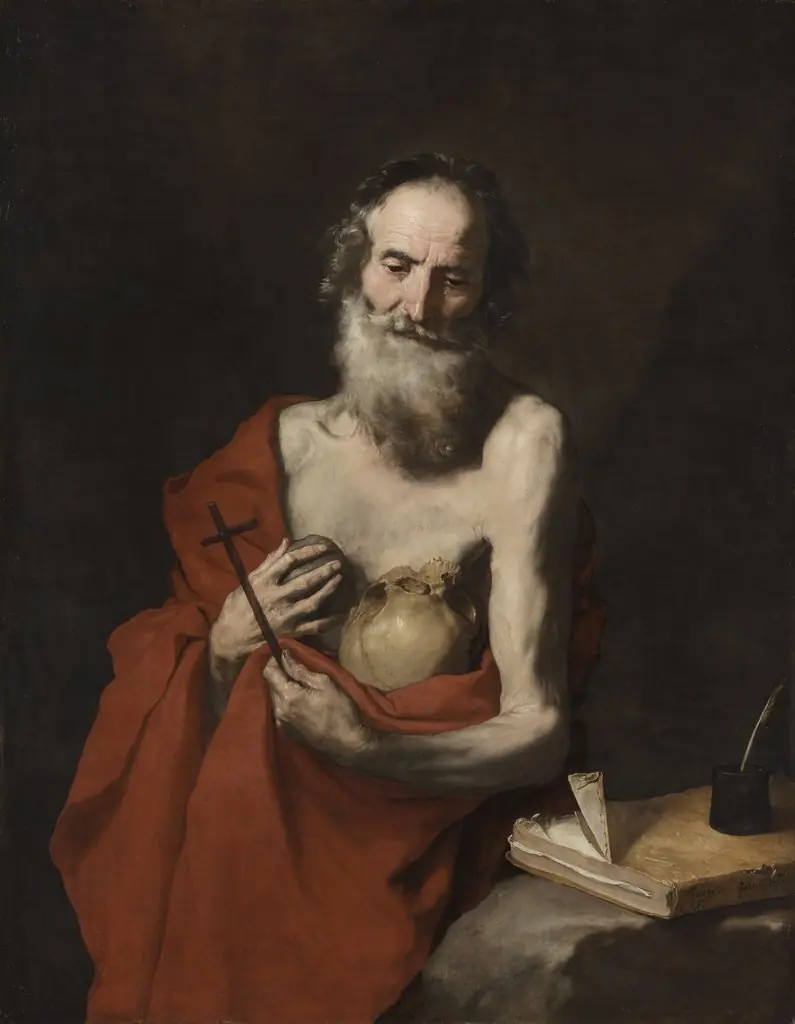
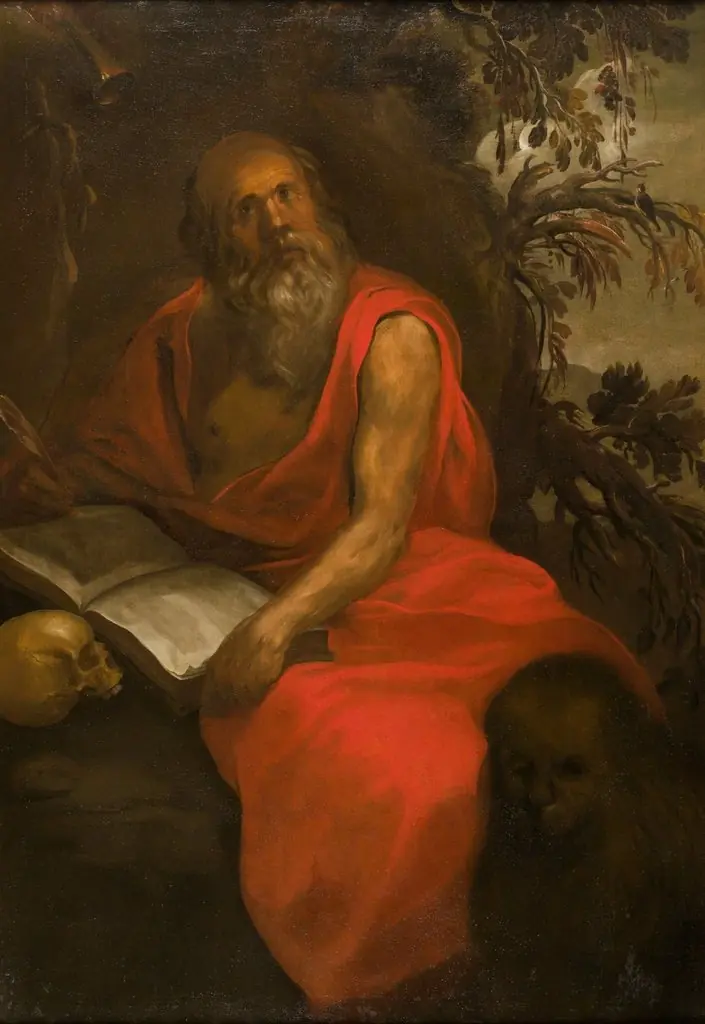
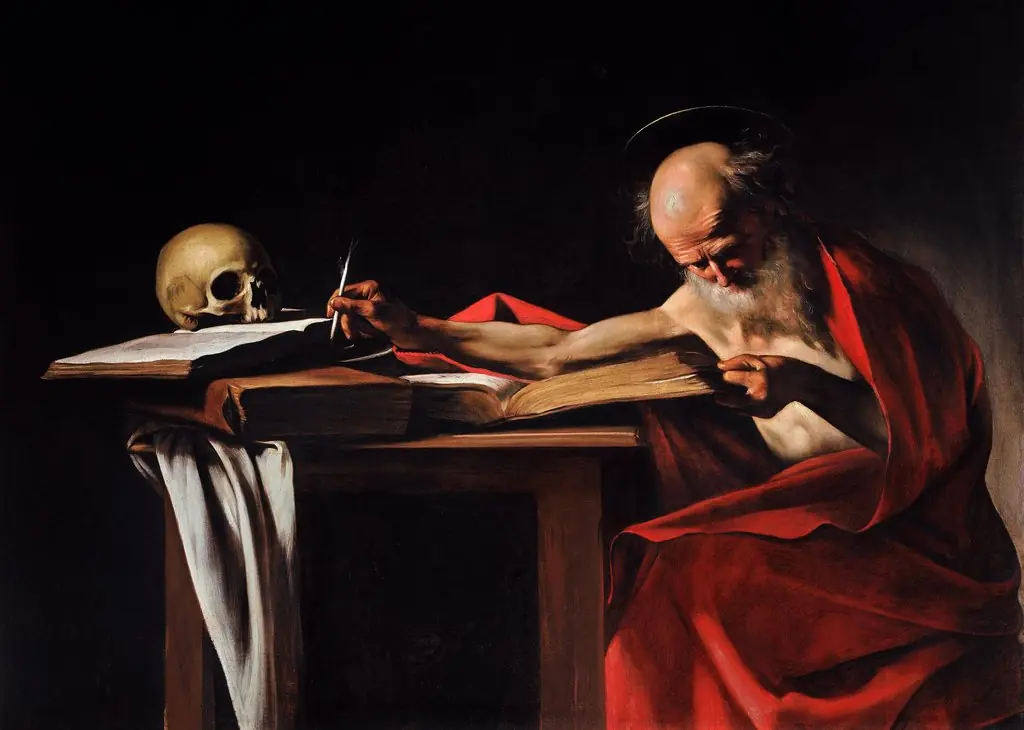
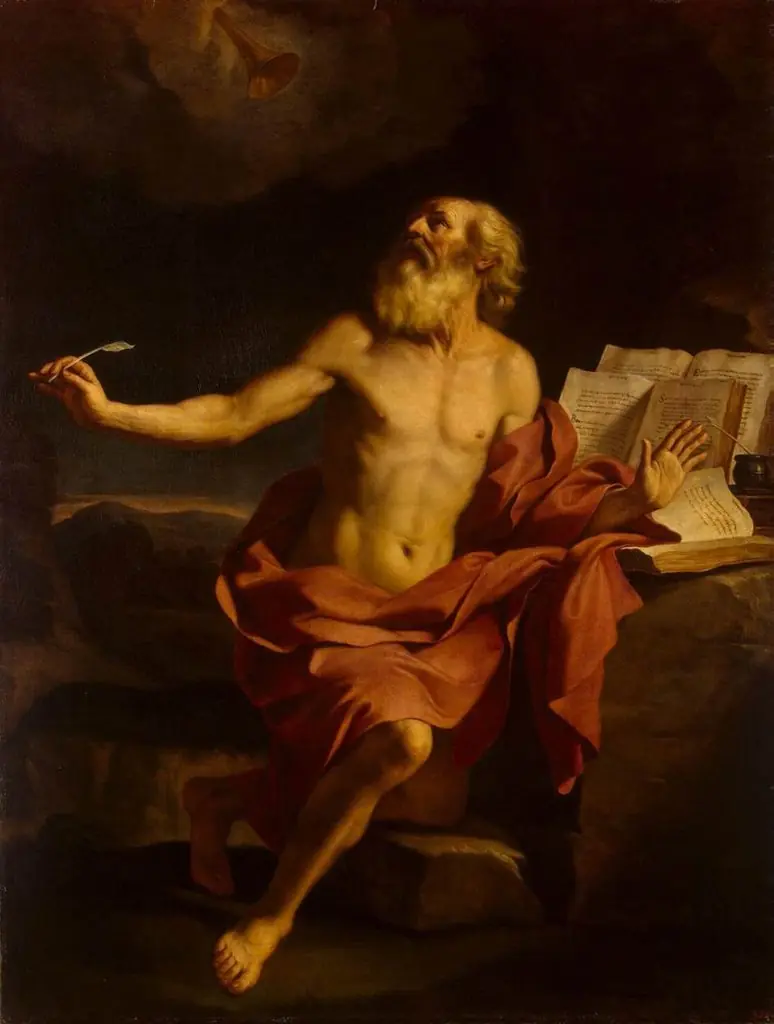
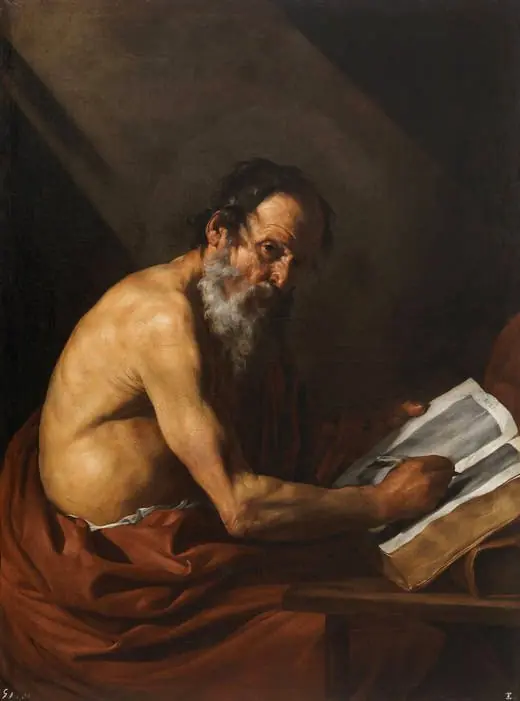
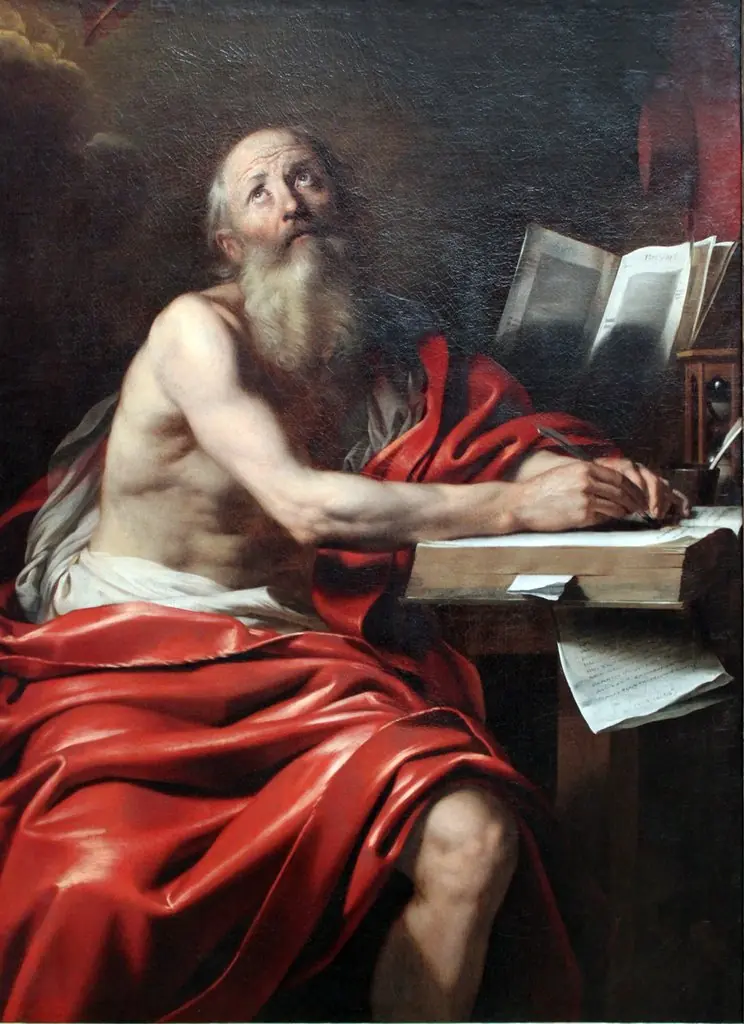
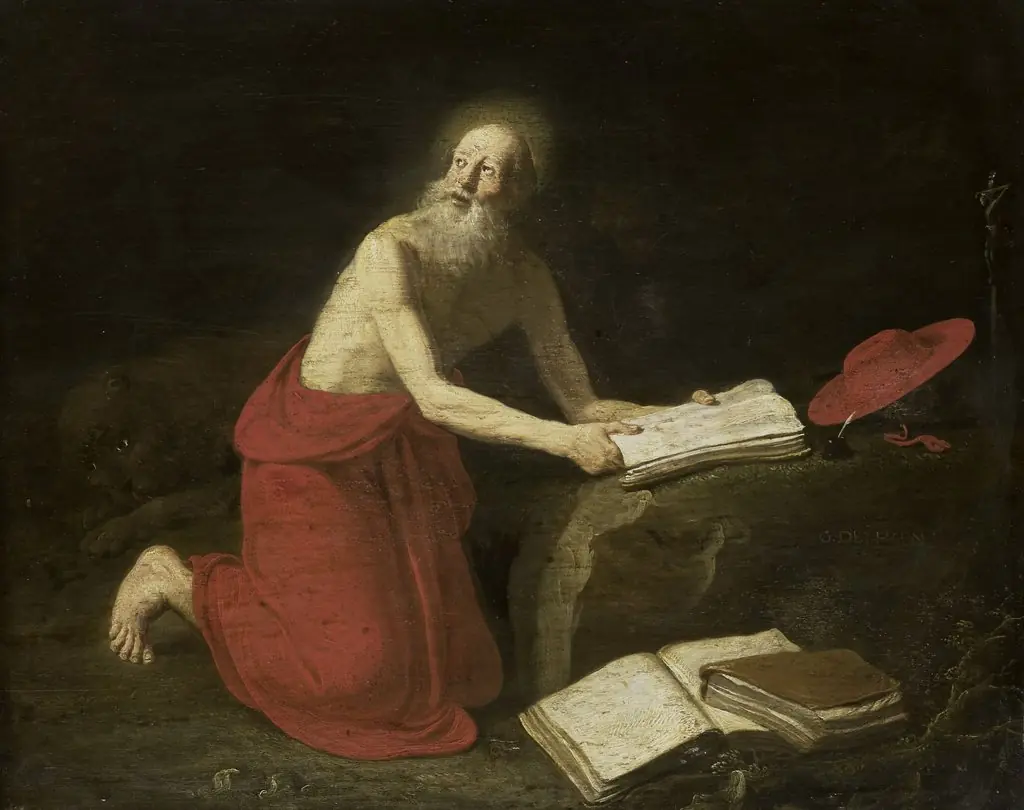
Created around 1649, this portrait depicts St. Jerome, the 4th-century scholar and translator of the Bible into Latin. The image is held in the collection of the Museum of Ethnography. Rendered in a restrained palette with focused illumination, the work emphasizes the saint’s intellectual labor through careful attention to posture, gesture, and the interplay of light and shadow.
Subject & Meaning
St. Jerome is shown in the act of transcription, a central aspect of his legacy as the author of the Vulgate. The open book and quill suggest continuous scholarly devotion. His aged features and white beard convey wisdom and endurance, aligning with traditional iconography of the saint as a penitent scholar. The solitary setting reinforces themes of contemplation and spiritual discipline.
Technique & Style
The brushwork is controlled, favoring texture over detail—particularly in the fabric and wood grain—creating a quiet, intimate atmosphere.
The artist employs chiaroscuro to model the figure with dramatic depth, using warm light to highlight the face, hands, and desk surface while the surrounding space recedes into shadow. This contrast enhances the three-dimensionality of the form without ornamental distraction. The brushwork is controlled, favoring texture over detail—particularly in the fabric and wood grain—creating a quiet, intimate atmosphere.
History & Provenance
The work dates to the mid-17th century and entered the Museum of Ethnography’s collection through documented acquisition. Its origin as a devotional or scholarly image remains unclear, though its style suggests influence from Northern European traditions of religious portraiture. No earlier records of ownership or exhibition have been identified beyond its current institutional custody.
Context
During the 17th century, depictions of St. Jerome were common in Catholic Europe, often commissioned for monastic or academic settings. This image reflects a broader trend of portraying religious figures as contemplative individuals rather than grand symbols. The emphasis on writing and solitude aligns with Counter-Reformation ideals that valued personal piety and textual study.
Legacy
The image contributes to a visual tradition that links religious authority with intellectual labor. Though not widely reproduced, its restrained composition and use of light reflect a quiet, humanist approach to sacred subjects. It remains a representative example of how devotional themes were rendered with psychological subtlety in early modern European art.
Artist & collection

 Domestic Scene
 Giacomo and Cardinal Marco, investing Andrea, Abbot of San Zeno, with his Benefice
 The Nymph of Fontainebleau
 Portrait of a Woman
 Madonna and Child with Saints in the Enclosed Garden
 Venus and Minerva
 Family Group of Four on Sofa
 Wall painting from Room H of the Villa of P. Fannius Synistor at Boscoreale