Artwork
Martyrdom of St. Philip
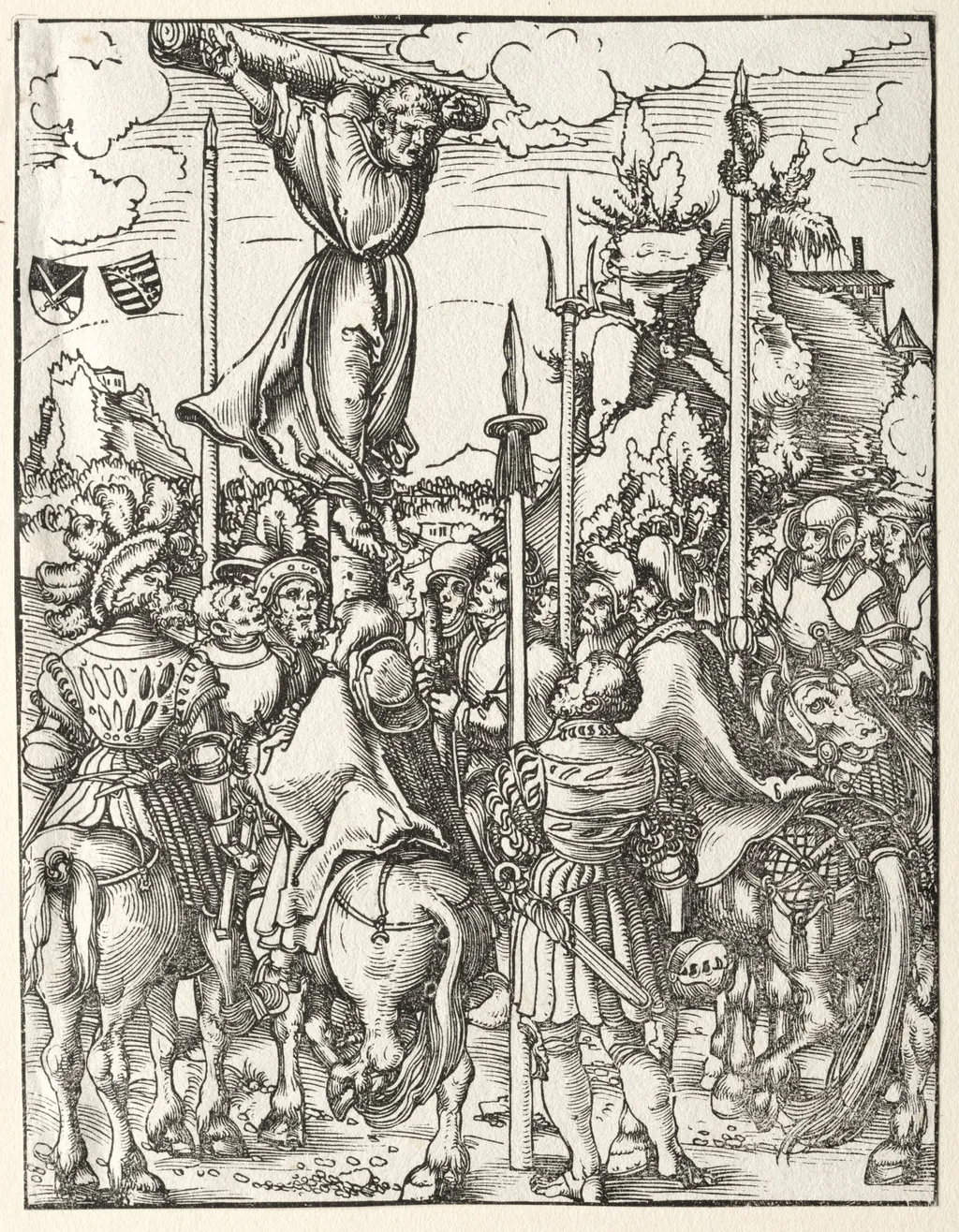
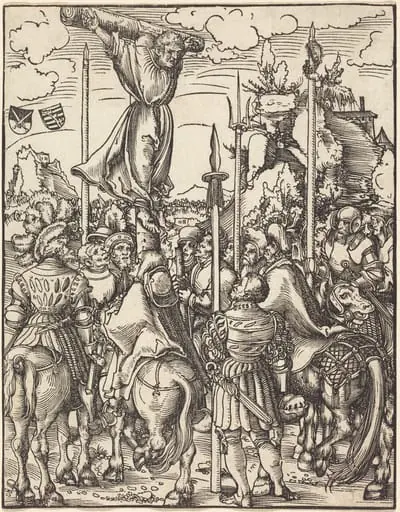
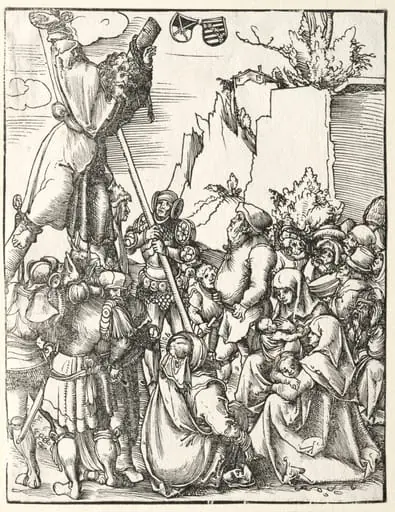
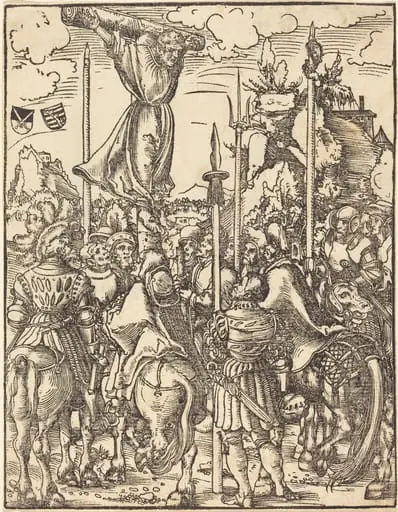
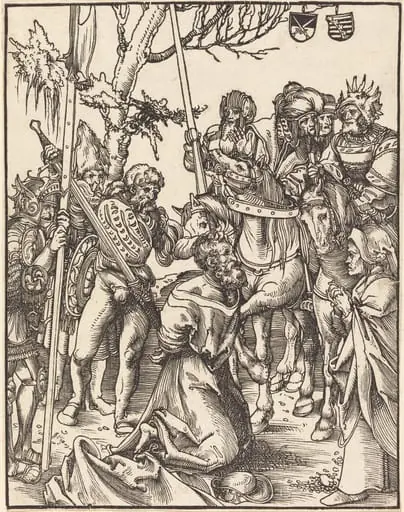
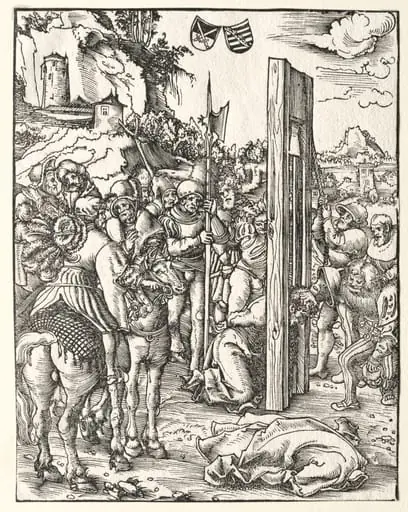
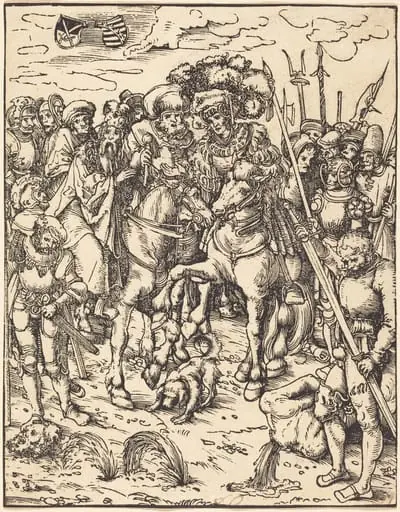
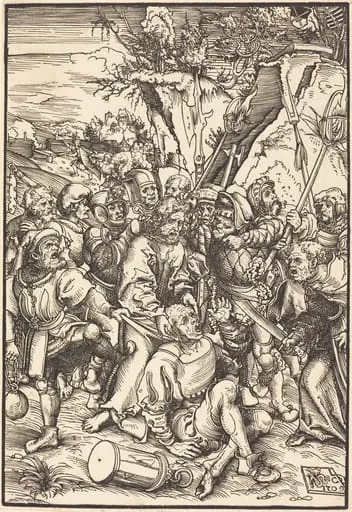
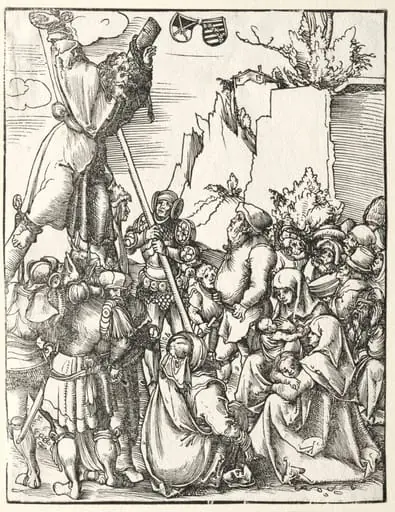
Martyrdom of St. Philip is a print by Lucas Cranach the Elder. It dates from 1522 and is held in the collection of the Cleveland Museum of Art.
About this work
Overview
This print captures a violent moment from early Christian tradition, rendered with sharp line work and emotional intensity characteristic of his graphic output.
Lucas Cranach the Elder produced the woodcut *Martyrdom of St. Philip* circa 1522, during a period when his artistic focus shifted in response to the Protestant Reformation. As court painter to the Electors of Saxony, he frequently illustrated biblical narratives with renewed urgency, aligning visual storytelling with reformist theology. This print captures a violent moment from early Christian tradition, rendered with sharp line work and emotional intensity characteristic of his graphic output.
Subject & Meaning
The scene portrays the execution of Saint Philip, traditionally believed to have been crucified upside down in Phrygia. Cranach emphasizes the brutality of the act, positioning the saint as the focal point amid a crowd of soldiers and onlookers. The composition conveys both suffering and indifference, reflecting Protestant interpretations that stressed the cost of faith and the moral corruption of persecution. The absence of divine intervention underscores human agency in martyrdom.
Technique & Style
Cranach employed the woodcut medium with precise, angular lines to define figures and architecture. He used dense hatching to model forms and create contrast, though without the full chiaroscuro of painting. The figures are stylized, their gestures exaggerated for emotional impact. Background elements—trees, distant buildings—are simplified, directing attention to the central drama. The flatness of space and rhythmic repetition of forms reflect the conventions of Northern Renaissance printmaking.
History & Provenance
Created during Cranach’s tenure at the Wittenberg court, the print likely served devotional or propagandistic purposes within reformist circles. It was produced alongside other biblical scenes commissioned to support Lutheran teachings. While no early ownership records are well documented, the work circulated widely through Cranach’s print shop, reaching audiences across German-speaking regions. Its survival in multiple impressions suggests sustained interest in reformist iconography.
Context
In the early 1520s, Cranach’s workshop became a hub for Protestant visual culture, producing images that replaced Catholic saints with biblical narratives emphasizing scripture and martyrdom. The depiction of Philip’s execution aligned with Lutheran efforts to validate suffering as testimony to faith. Unlike earlier medieval martyr scenes, Cranach’s version omits heavenly glory, focusing instead on earthly violence and moral ambiguity, mirroring the Reformation’s secularizing turn.
Legacy
Cranach’s *Martyrdom of St. Philip* contributed to the standardization of Protestant visual language, influencing later generations of printmakers who sought to convey religious conviction through stark, narrative-driven imagery. Its emphasis on human cruelty and quiet endurance became a template for reformist depictions of persecution. Though less celebrated than his portraits, this print exemplifies how graphic art shaped theological discourse in early 16th-century Europe.
Artist & collection
Artist
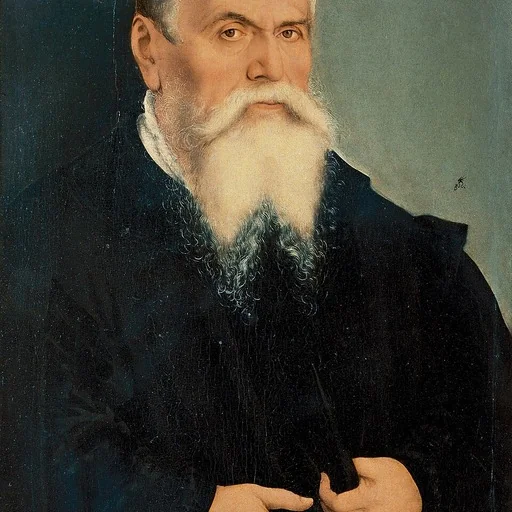
Lucas Cranach the Elder was a German Renaissance painter and printmaker in woodcut and engraving.