Artwork
Martyrdom of St. Matthias
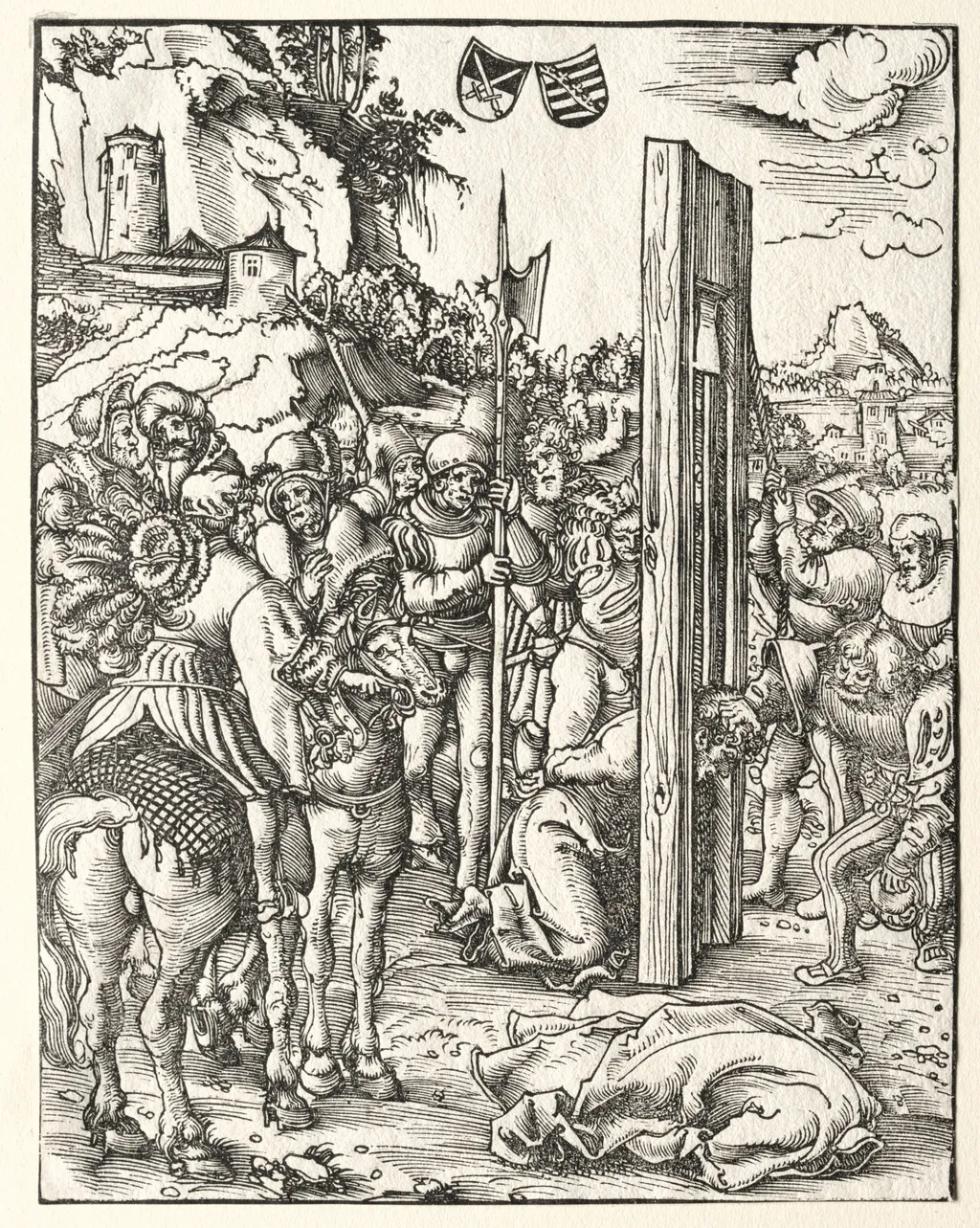
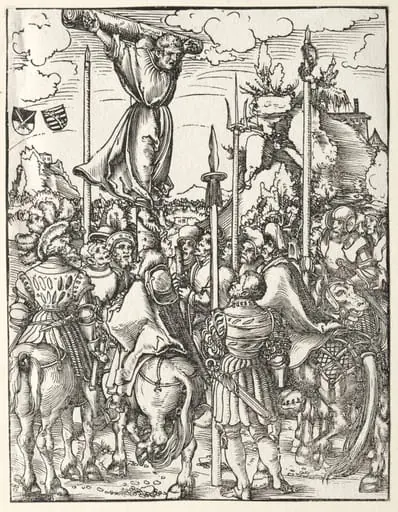
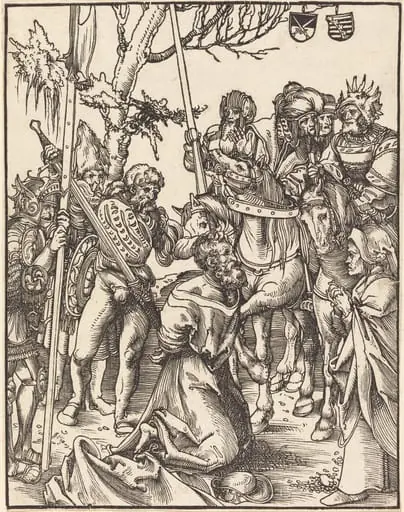
Martyrdom of St. Matthias is a print by Lucas Cranach the Elder. It dates from 1522 and is held in the collection of the Cleveland Museum of Art. Martyrdom of St.
About this work
Overview
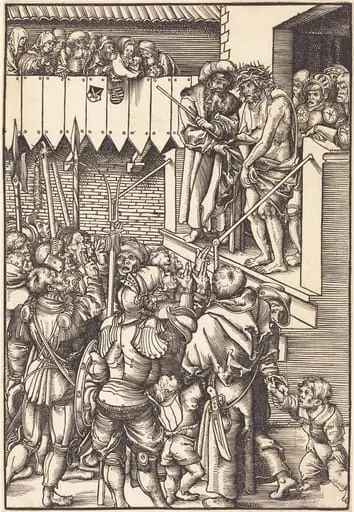
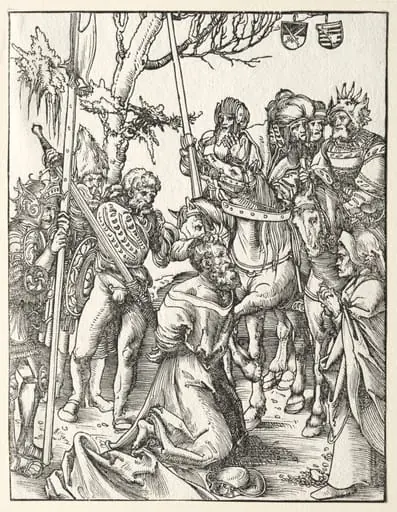
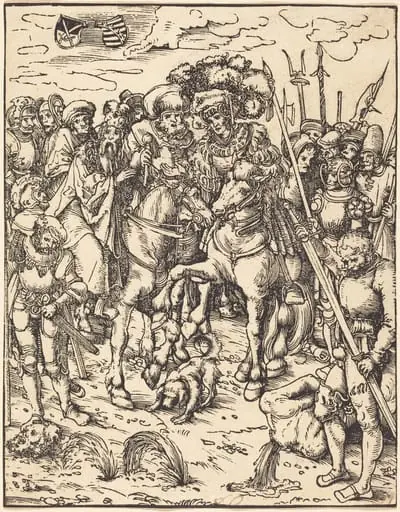
Martyrdom of St. Matthias is a circa 1522 print by Lucas Cranach the Elder, a prominent German Renaissance artist and supporter of the Protestant Reformation. The work depicts the execution of St. Matthias in a detailed, crowded scene.
Subject & Meaning
The print illustrates the traditional account of St. Matthias's martyrdom by stoning, indicated by the central figure holding a palm branch—a symbol of victory in martyrdom. The scene conveys Cranach's exploration of religious themes during his association with the Reformation.
Technique & Style
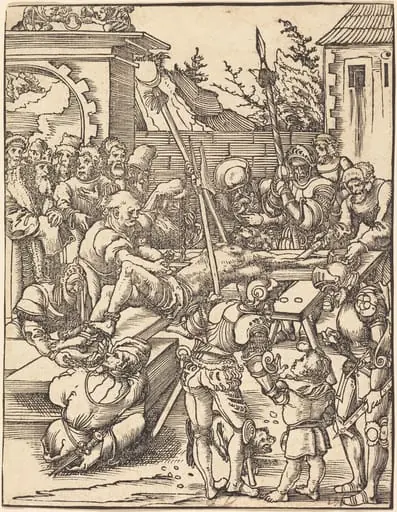
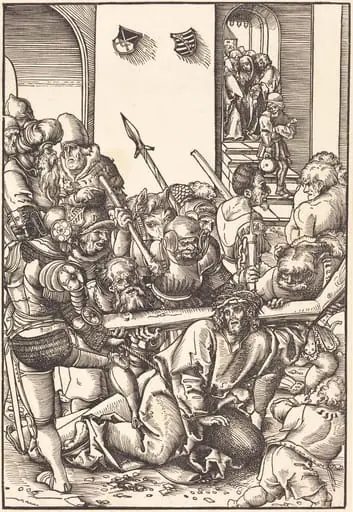
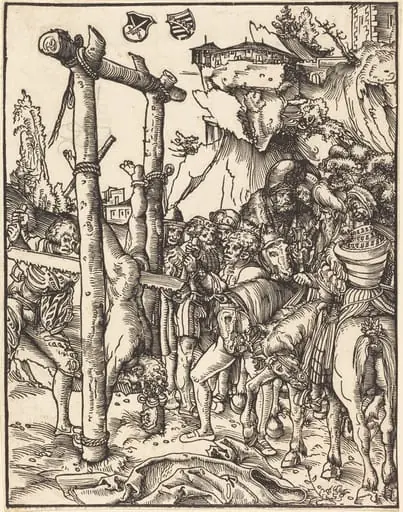
Characterized by a busy, detailed composition, the black-and-white print efficiently conveys a complex scene within a small format. The style reflects Cranach's ability to pack narrative depth into compact artworks.
History & Provenance
Created around 1522, the print was produced during Cranach's tenure as court painter to the Electors of Saxony, alongside his output of Reformation-aligned works. Specific provenance details are not provided here.
Context
The work's creation coincides with the early stages of the Protestant Reformation in Germany, a movement Cranach supported. The subject matter and style may have been chosen to resonate with contemporary religious and political sentiments.
Legacy
While specific legacy details of this print are not highlighted, it contributes to the broader understanding of Cranach's contributions to Reformation-era art and his mastery of detailed, narrative prints.
Artist & collection
Artist
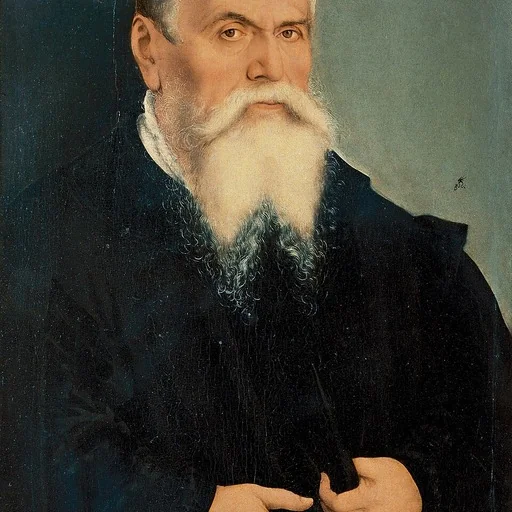
Lucas Cranach the Elder was a German Renaissance painter and printmaker in woodcut and engraving.