Artwork
Saint Philip
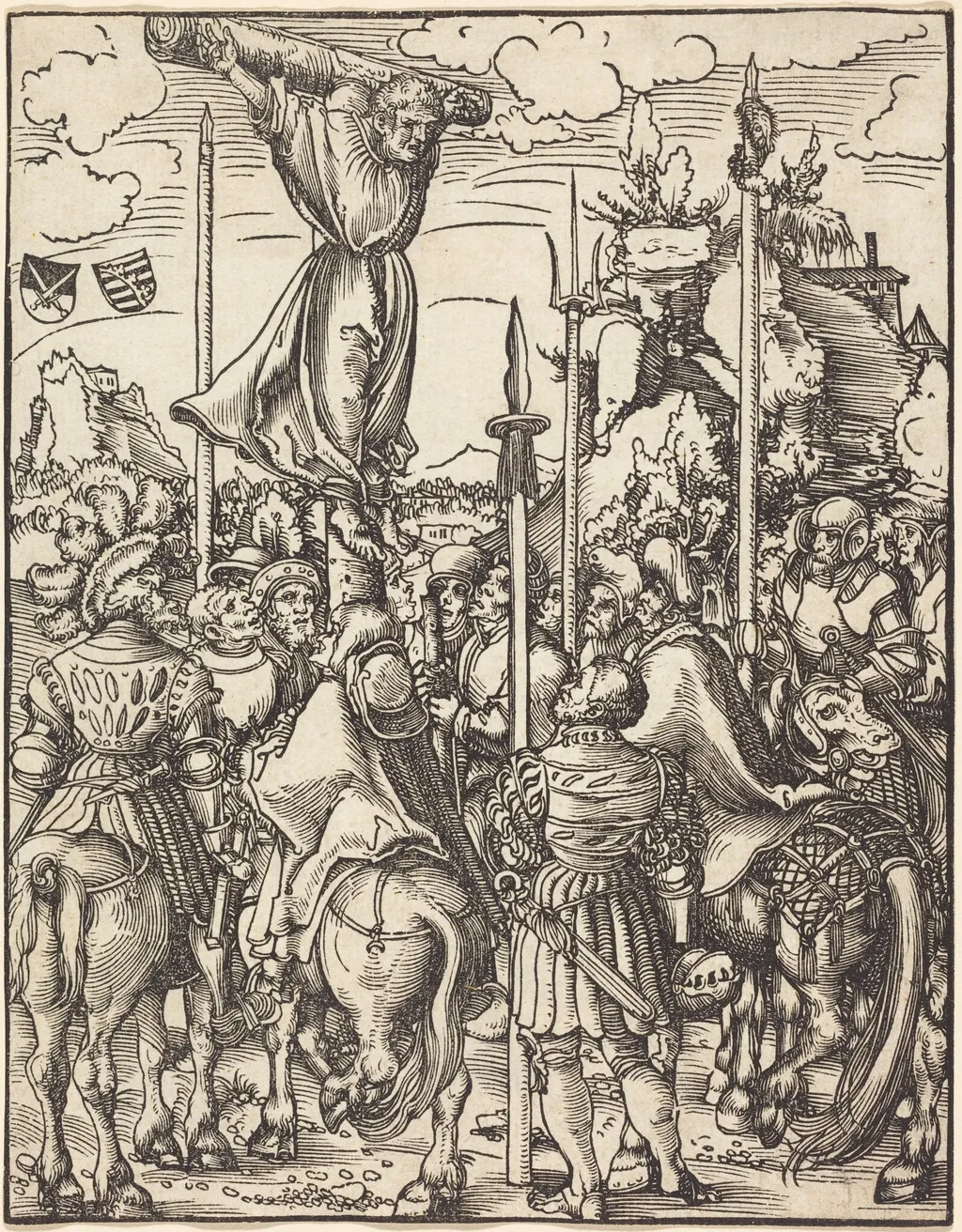
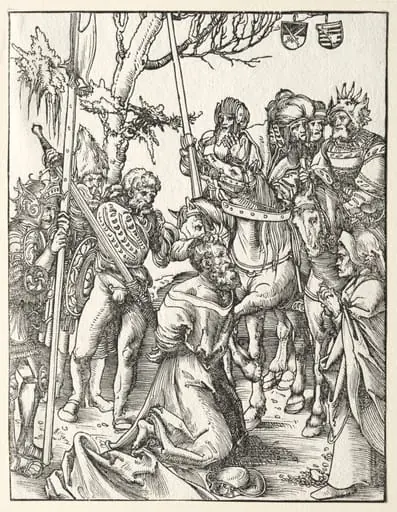
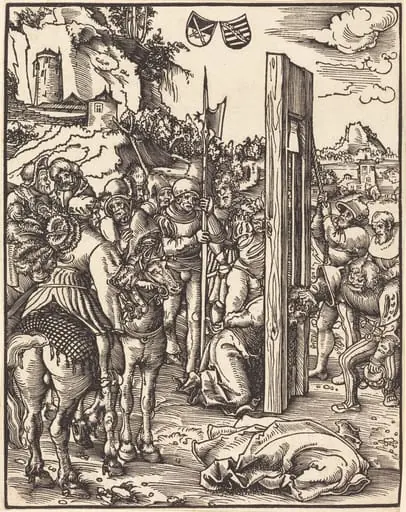
Saint Philip is an ink print by the Renaissance artist Lucas Cranach the Elder. It dates from 1512 and is held in the collection of the National Gallery of Art.
About this work
Overview
Lucas Cranach the Elder’s woodcut titled *Saint Philip* was produced in 1512. The print presents the apostle holding a book in one hand and a cross in the other, his long beard and composed expression lending a tranquil dignity. The composition is set against an unadorned background, emphasizing the figure without decorative distraction.
Subject & Meaning
The image focuses on the biblical figure of Philip, traditionally associated with the dissemination of Christian teaching. By pairing the written text with the crucifix, Cranach underscores the apostle’s role as both a bearer of doctrine and a witness to Christ’s sacrifice, reflecting the theological concerns of early 16th‑century reformist thought.
Technique & Style
Executed as a woodcut, the work was carved from a single block of wood, allowing the artist to produce multiple impressions quickly. Cranach’s handling of line and contrast yields a clear, graphic silhouette, while the restrained detailing aligns with the austere aesthetic favored by reformist visual culture.
History & Provenance
Created during Cranach’s early career, the print emerged while he served as court painter to the Electors of Saxony. This period marks his shift from exclusively Catholic commissions toward imagery that accommodated emerging Lutheran ideas, positioning the work within his broader transition toward Reformation‑aligned art.
Context
The woodcut circulated at a time when printed materials were pivotal to the spread of Protestant theology. Its reproducibility meant that images of saints could reach a wide audience, supporting the reformers’ aim to disseminate religious concepts beyond the confines of traditional ecclesiastical art.
Artist & collection
Artist
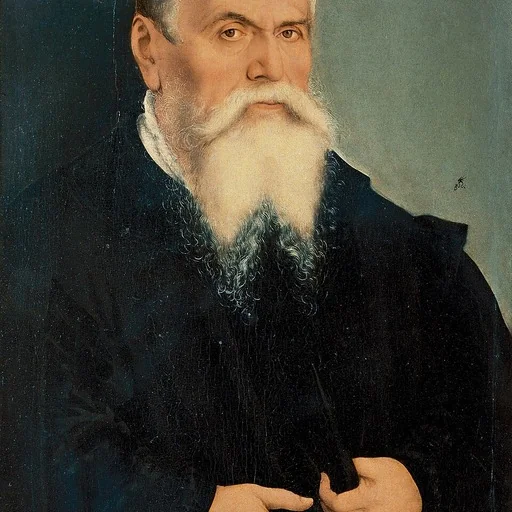
Lucas Cranach the Elder was a German Renaissance painter and printmaker in woodcut and engraving.