Artwork
Adam and Eve
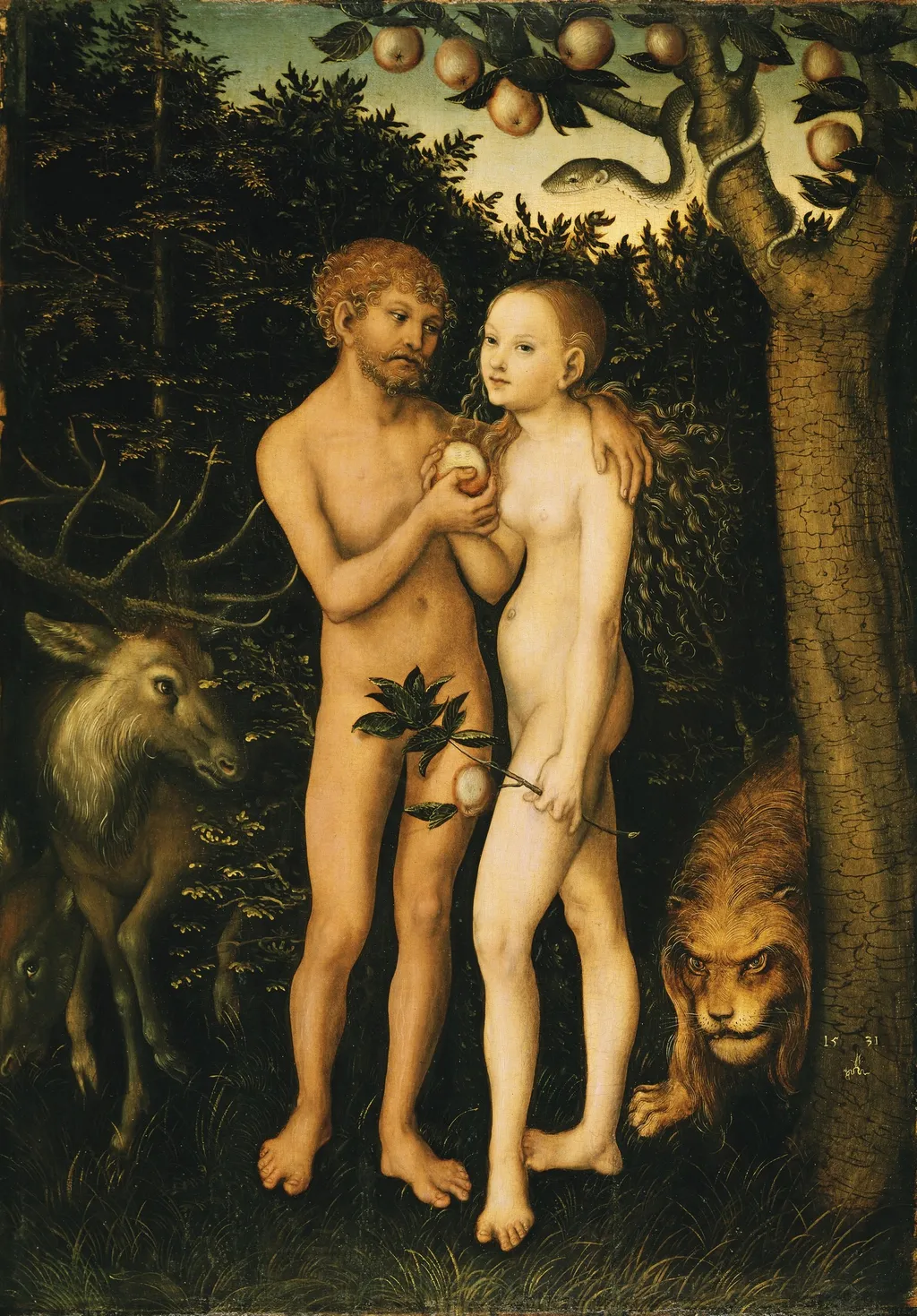
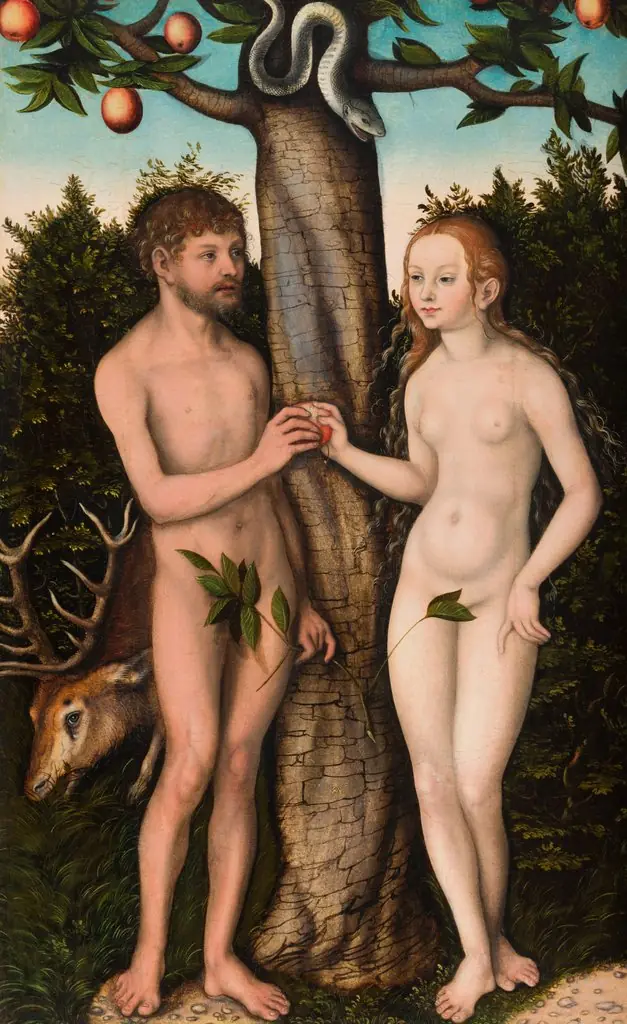
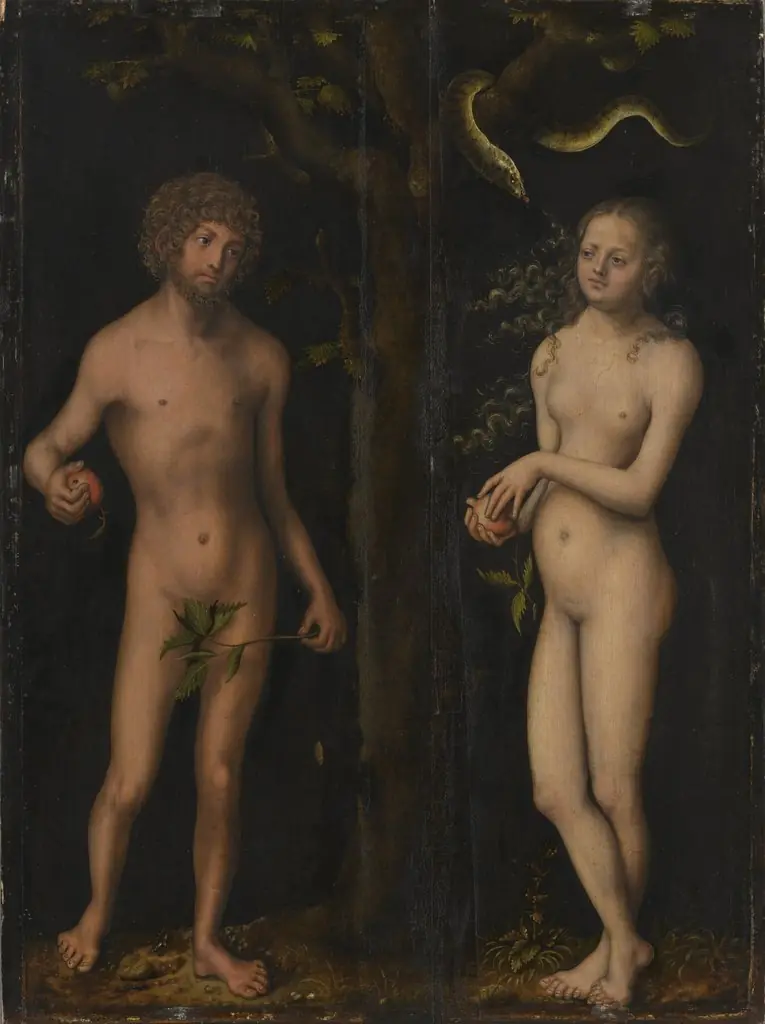
Adam and Eve is a paint painting by the Northern Renaissance artist Lucas Cranach the Elder. It dates from 1531 and is held in the collection of the Gemäldegalerie Berlin.
About this work
Overview
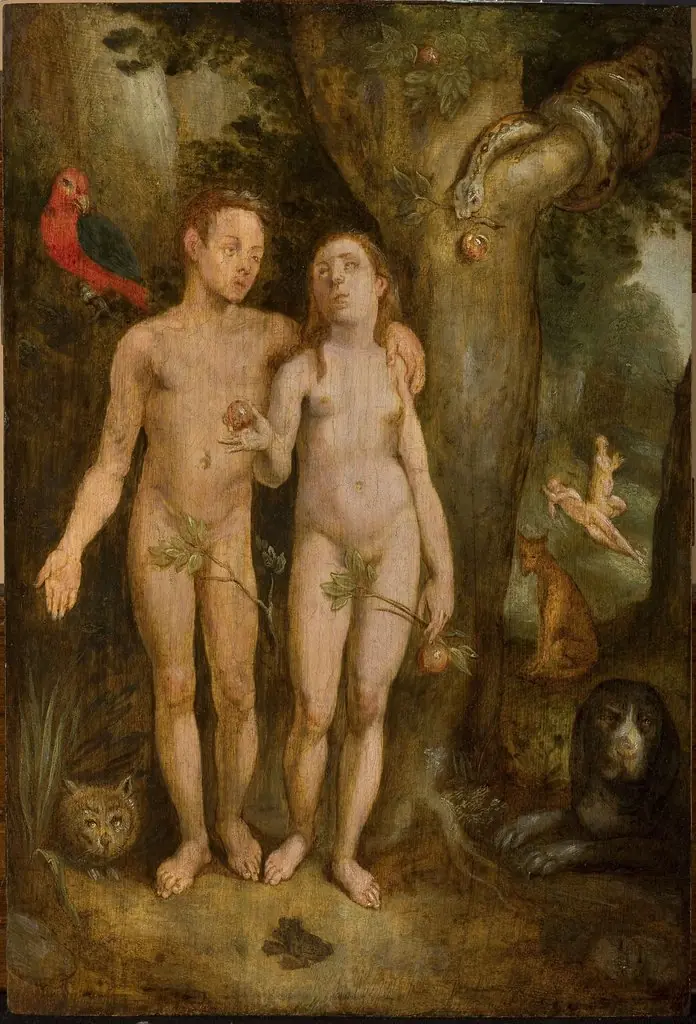
Painted in 1531 by Lucas Cranach the Elder, this oil-on-panel work depicts the biblical story of Adam and Eve in the Garden of Eden. It is part of the collection at the Gemäldegalerie in Berlin. The composition centers on the first humans amid a dense, meticulously rendered woodland, with symbolic animals and the serpent present to underscore the narrative of the Fall.
Subject & Meaning
The serpent coils behind them, and the lion and deer, often interpreted as symbols of earthly harmony before sin, watch silently.
The painting illustrates the moment after Adam and Eve have consumed the forbidden fruit. Adam holds the apple, while Eve clutches a branch heavy with fruit, their postures suggesting awareness of their transgression. The serpent coils behind them, and the lion and deer, often interpreted as symbols of earthly harmony before sin, watch silently. The scene conveys both innocence and the onset of moral consequence.
Technique & Style
Cranach employs fine brushwork to render the textures of bark, leaves, fur, and skin with quiet precision. The figures are naturalistic but stylized, with elongated proportions and calm, introspective expressions. The forest background is densely packed with botanical detail, reflecting Northern Renaissance interest in the natural world, while the palette remains restrained, dominated by earth tones and muted greens.
History & Provenance
Created during Cranach’s tenure as court painter to the Electors of Saxony, the painting likely served a devotional or didactic purpose in a Protestant context. It entered the Berlin collection in the 19th century, having passed through various German noble holdings. Its survival through the Reformation reflects its enduring relevance in Lutheran visual culture.
Context
Painted shortly after the Protestant Reformation, this work aligns with Lutheran emphasis on scripture and moral instruction. Unlike Catholic depictions that often idealized the figures, Cranach presents Adam and Eve with human vulnerability. The inclusion of animals and flora reflects contemporary interest in natural history and the belief that creation bore divine order—even after the Fall.
Legacy
Cranach’s version of Adam and Eve became a widely reproduced model in Northern Europe, influencing later Protestant iconography. Its balance of realism and symbolism offered a template for depicting biblical narratives without overtly Catholic imagery. The painting remains a key example of how Reformation-era artists adapted traditional subjects to new theological frameworks.
Own this work as a print
Artist & collection
Artist
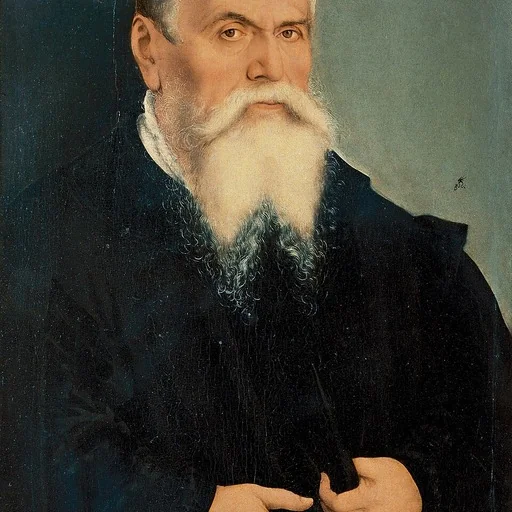
Lucas Cranach the Elder was a German Renaissance painter and printmaker in woodcut and engraving.