Artwork
Feast of Herod
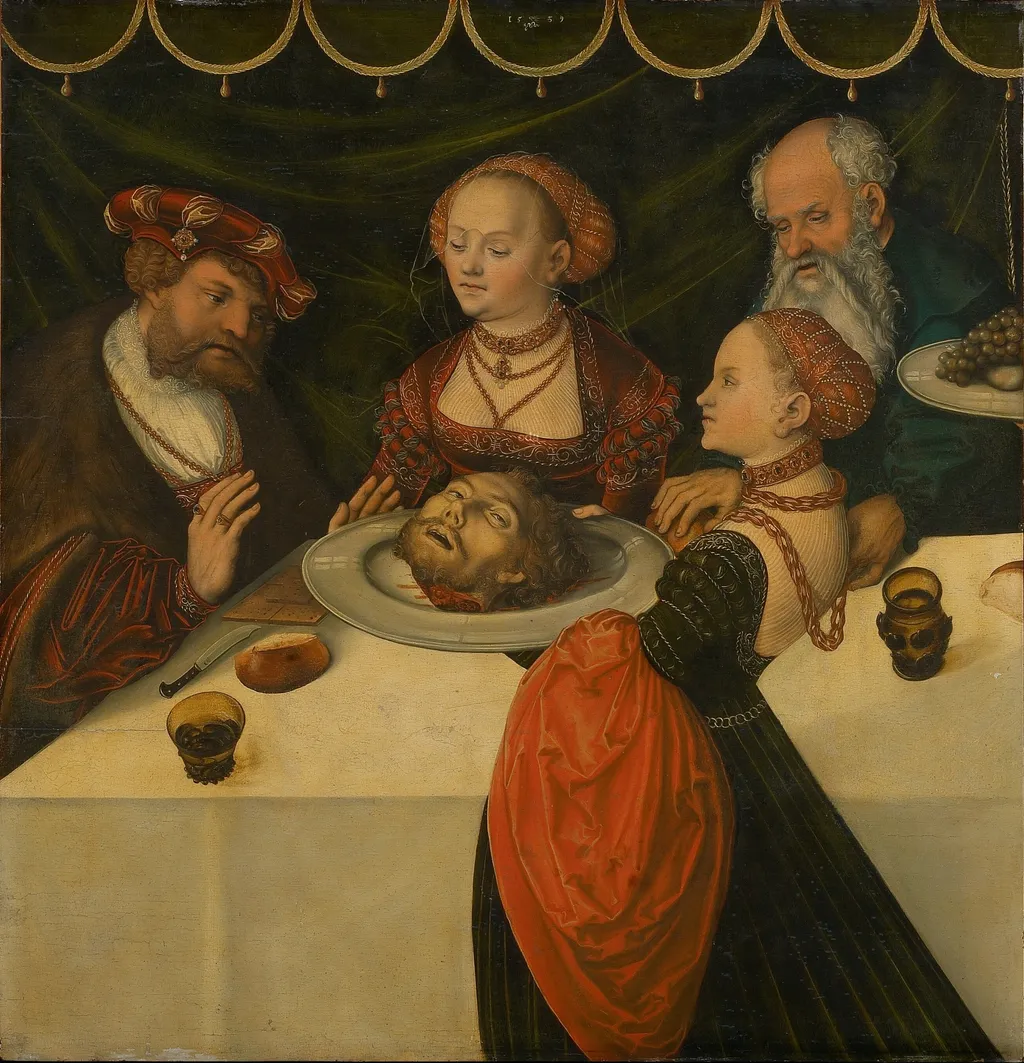
Feast of Herod is an unspecified painting by the Northern Renaissance artist Lucas Cranach the Elder. It dates from 1539 and is held in the collection of the Kunsthistorisches Museum.
About this work
Overview
Painted in 1539 by Lucas Cranach the Elder, this work depicts the moment after the beheading of John the Baptist, as recounted in the Gospels.
Painted in 1539 by Lucas Cranach the Elder, this work depicts the moment after the beheading of John the Baptist, as recounted in the Gospels. Executed in oil on panel, it is part of the Kunsthistorisches Museum’s collection in Vienna. The composition centers on a banquet table where the aftermath of the execution is presented with chilling stillness, contrasting the opulence of the setting with the gravity of the act.
Subject & Meaning
The scene captures Herod’s feast, where Salome presents the severed head of John the Baptist on a platter. Herod, seated calmly, appears detached as he receives the grim offering. Surrounding figures react with visible distress—his wife recoils, clutching her chest, while a child beside her cowers. The moment underscores moral consequence, not celebration, transforming a royal banquet into a tableau of guilt and unease.
Technique & Style
Cranach employs sharp, linear forms and restrained modeling to define figures and fabrics. Rich textiles and jewelry are rendered with precise detail, emphasizing aristocratic luxury, yet the palette remains muted, dominated by dark tones that isolate the table in near-shadow. The lighting is directional, heightening the emotional tension without dramatic contrast, reinforcing the painting’s psychological restraint.
History & Provenance
Commissioned during the Reformation, the painting reflects Cranach’s close ties to Lutheran reformers. It entered the Habsburg collection in the 16th century and has remained in imperial holdings since, eventually housed in the Kunsthistorisches Museum. Its survival through centuries of political change speaks to its enduring status as a significant work of Northern Renaissance religious art.
Context
In early 16th-century Germany, depictions of John the Baptist’s death served as moral warnings against tyranny and moral corruption. Cranach’s version diverges from earlier, more theatrical treatments by minimizing violence and emphasizing psychological tension. The calm demeanor of the executioner and the passive presentation of the head align with Protestant emphasis on inner conscience over external spectacle.
Legacy
The painting influenced later Northern artists in its use of quiet drama to convey moral gravity. Its restrained composition and psychological depth set it apart from contemporaneous Italian treatments of the same subject. Though not widely reproduced, it remains a key example of how Reformation-era artists adapted biblical narratives to reflect contemporary ethical concerns.
Own this work as a print
Artist & collection
Artist
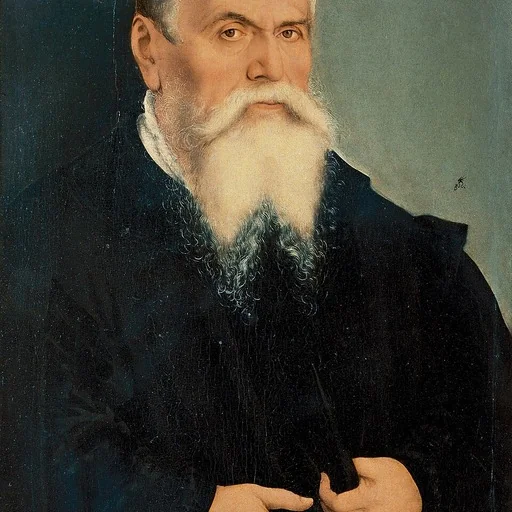
Lucas Cranach the Elder was a German Renaissance painter and printmaker in woodcut and engraving.

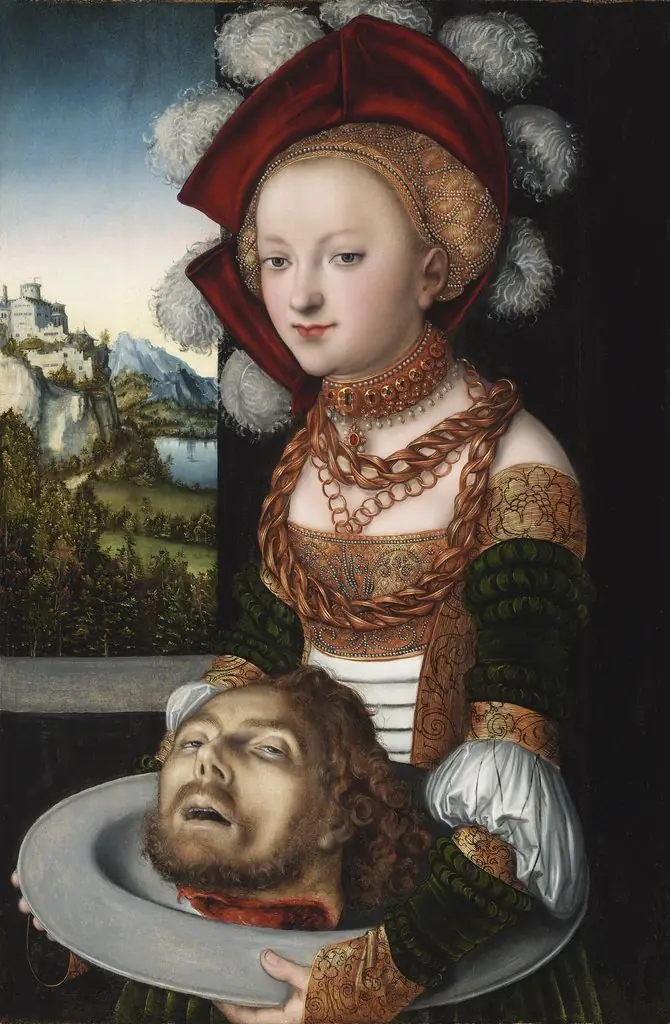 Salome with the head of Saint John the Baptist
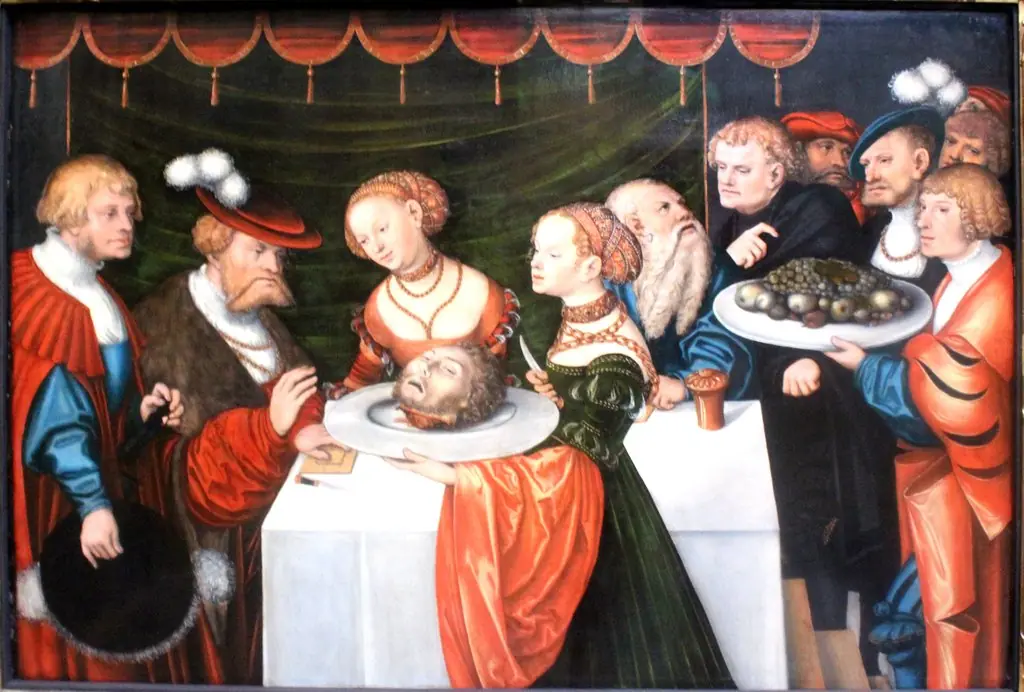 Salome with the head of St John the Baptist at Herodes table
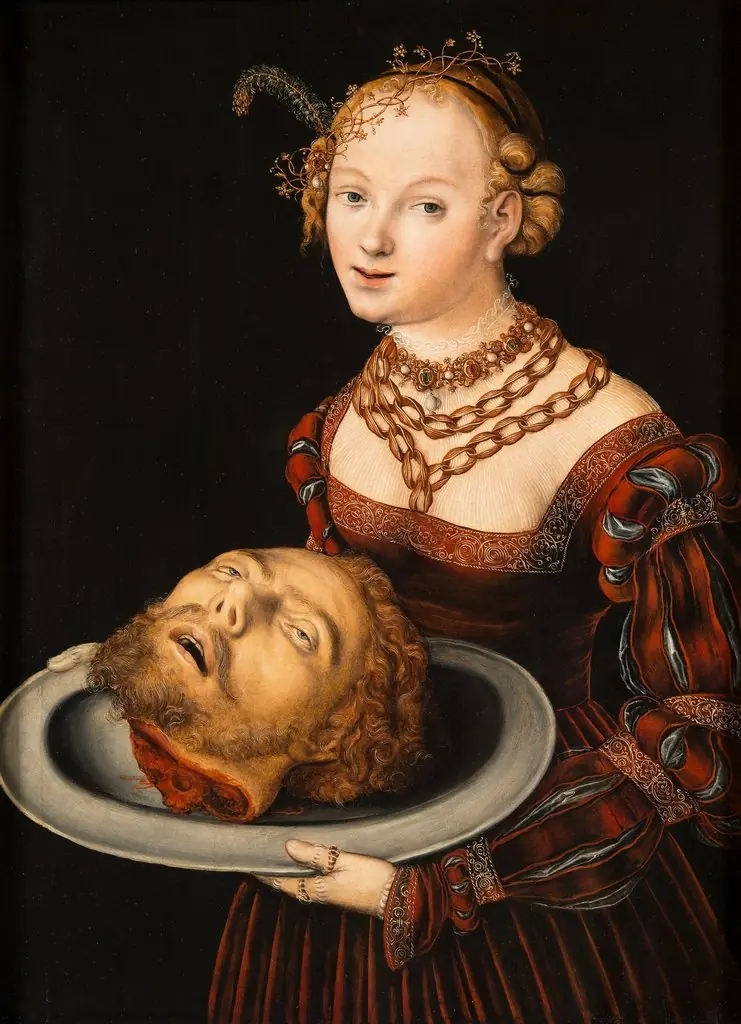 Salome with the Head of St John the Baptist
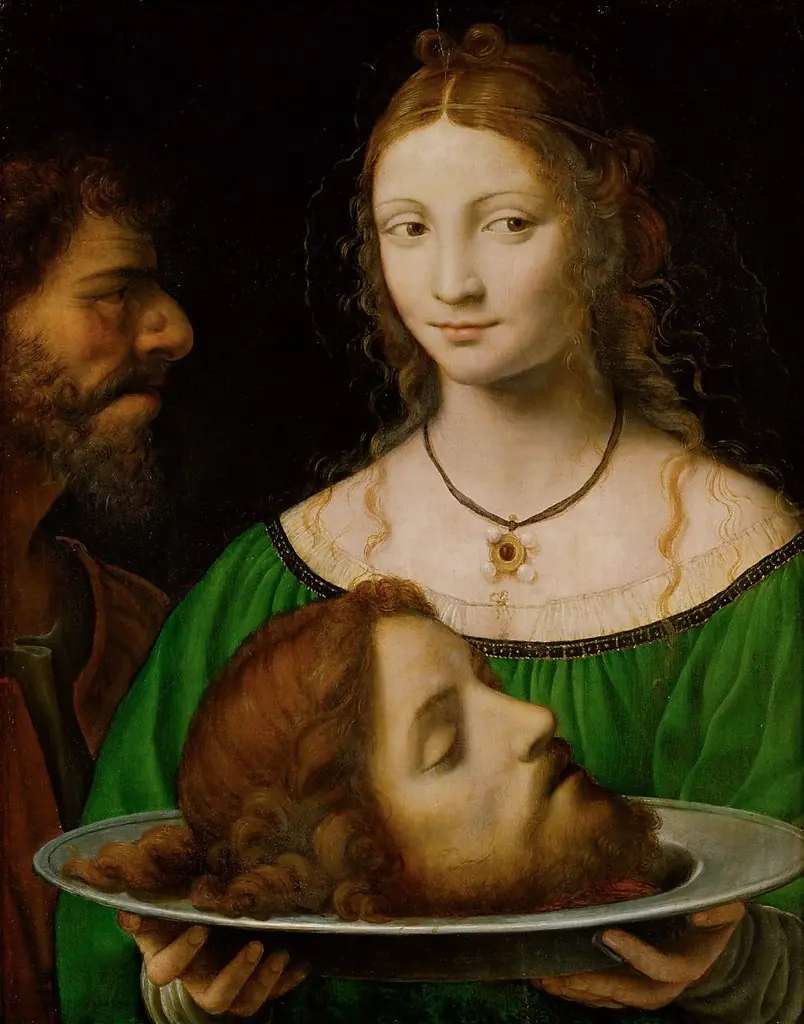 Salome with the Head of John the Baptist
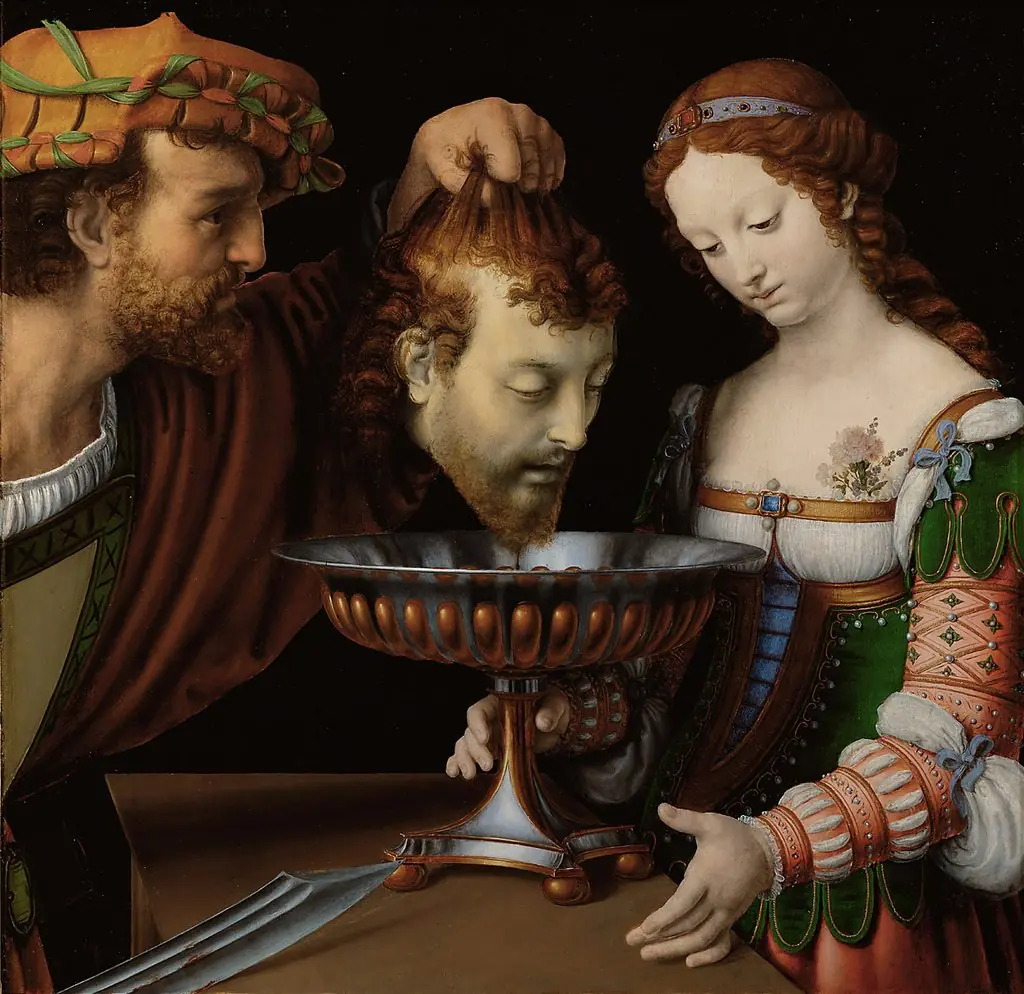 Salome with John the Baptist's head
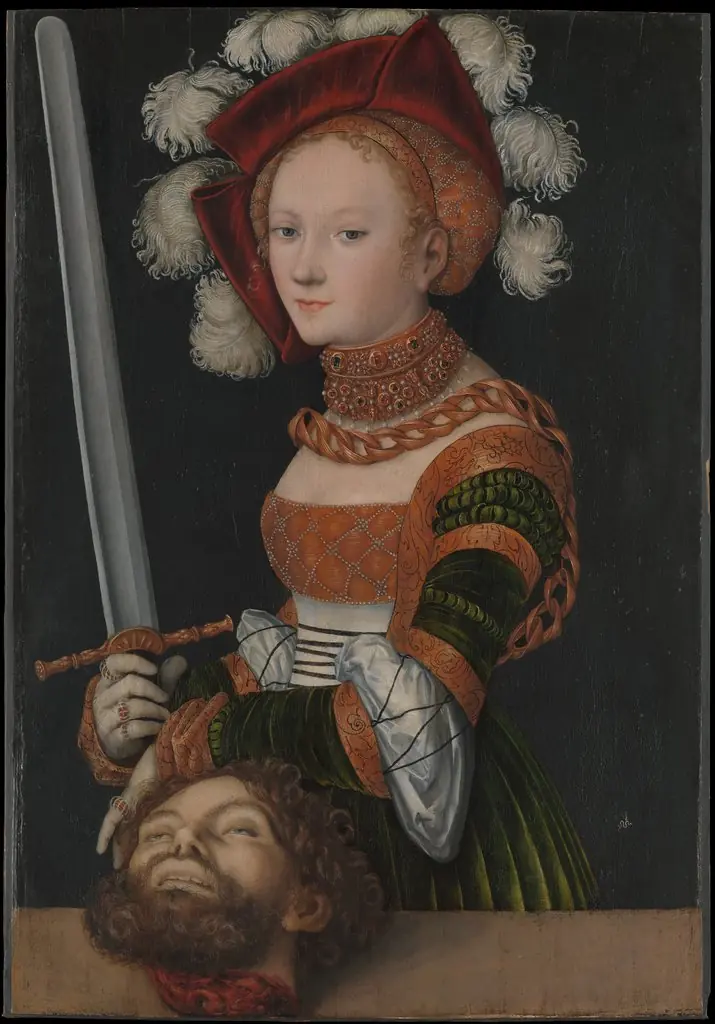
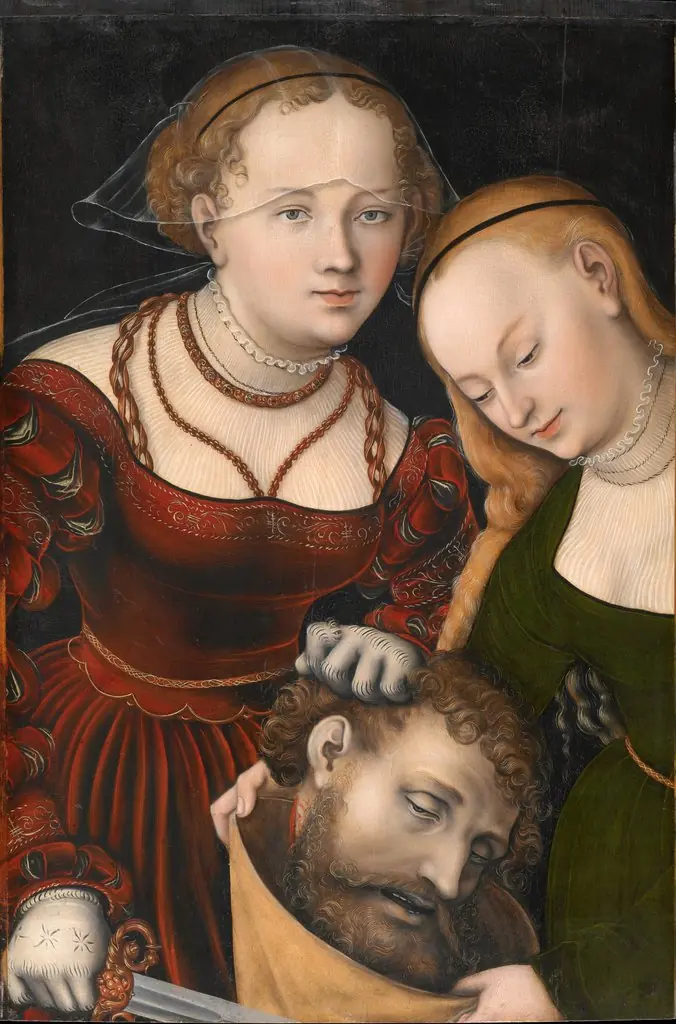 Judith with the head of Holofernes and a servant
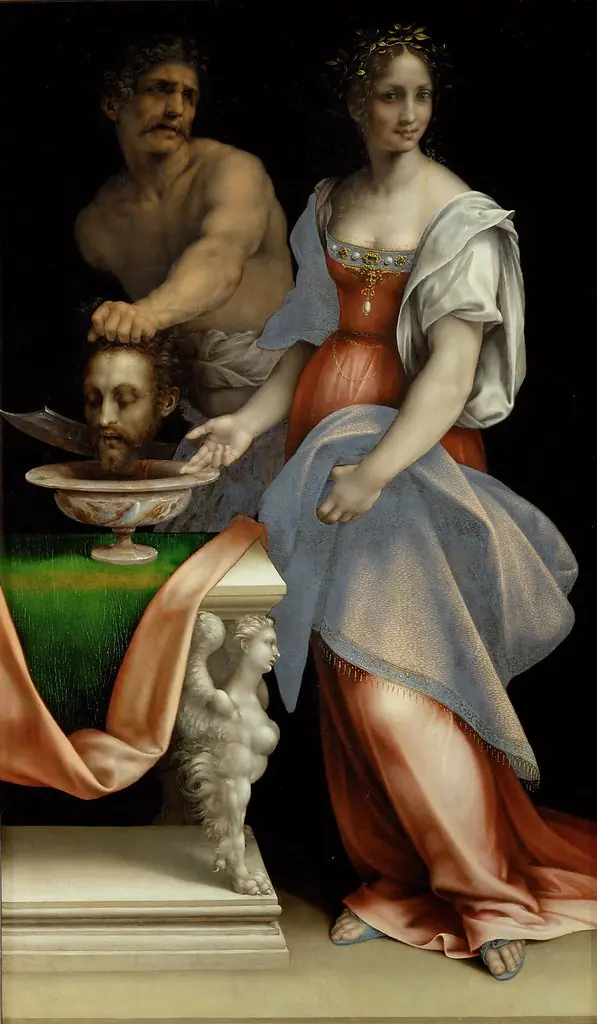 Salome with the head of John the Baptist
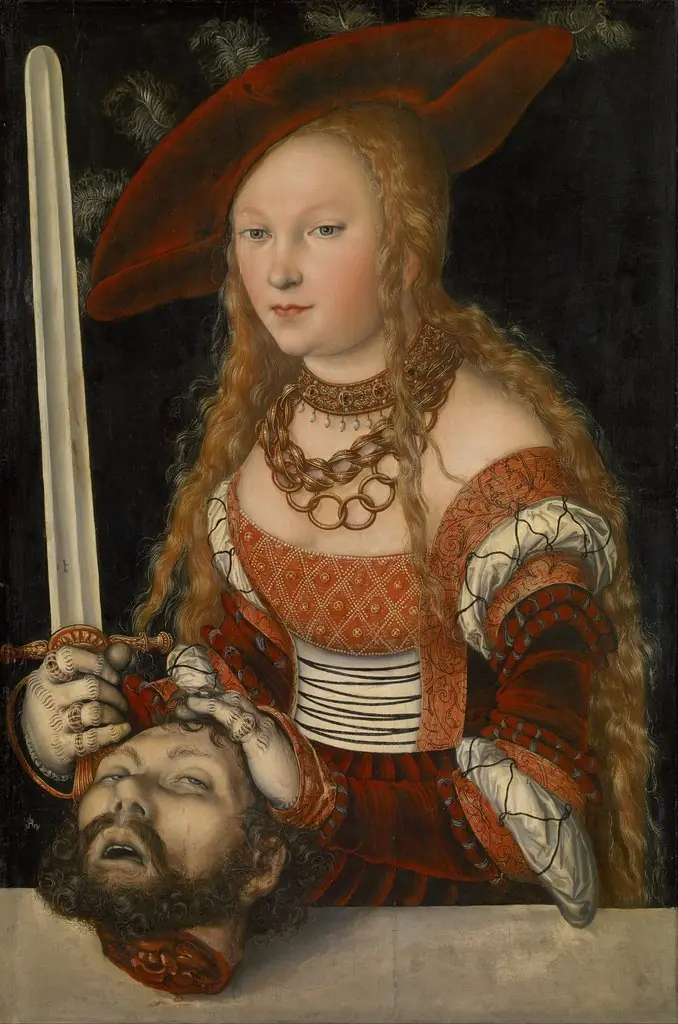 Judith with the head of Holofernes
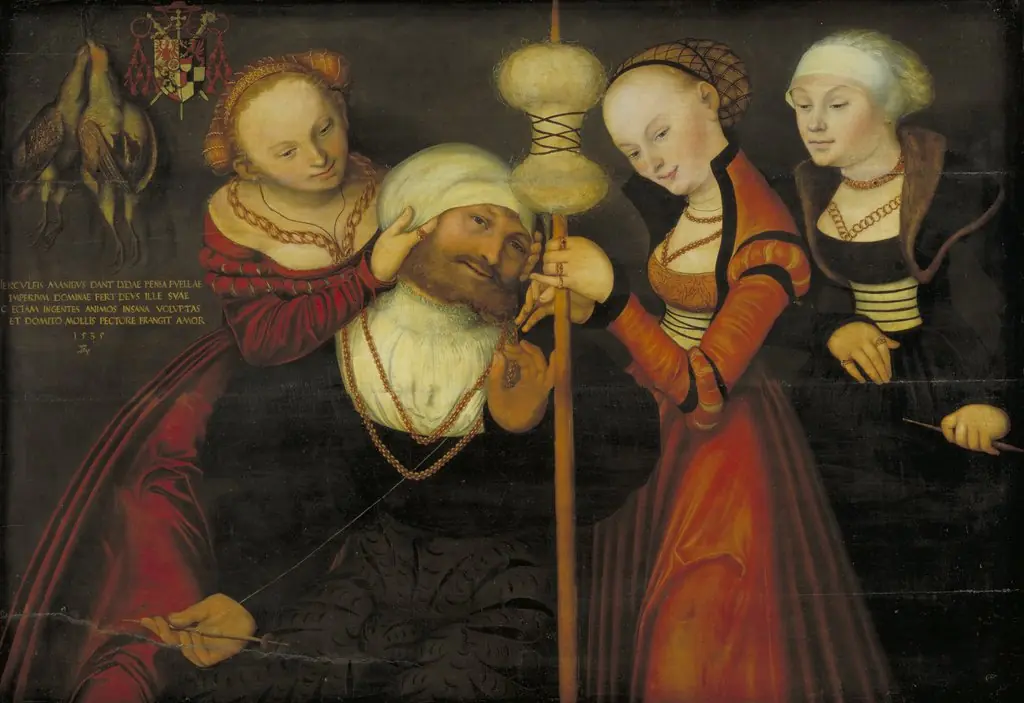 Hercules with Omphale
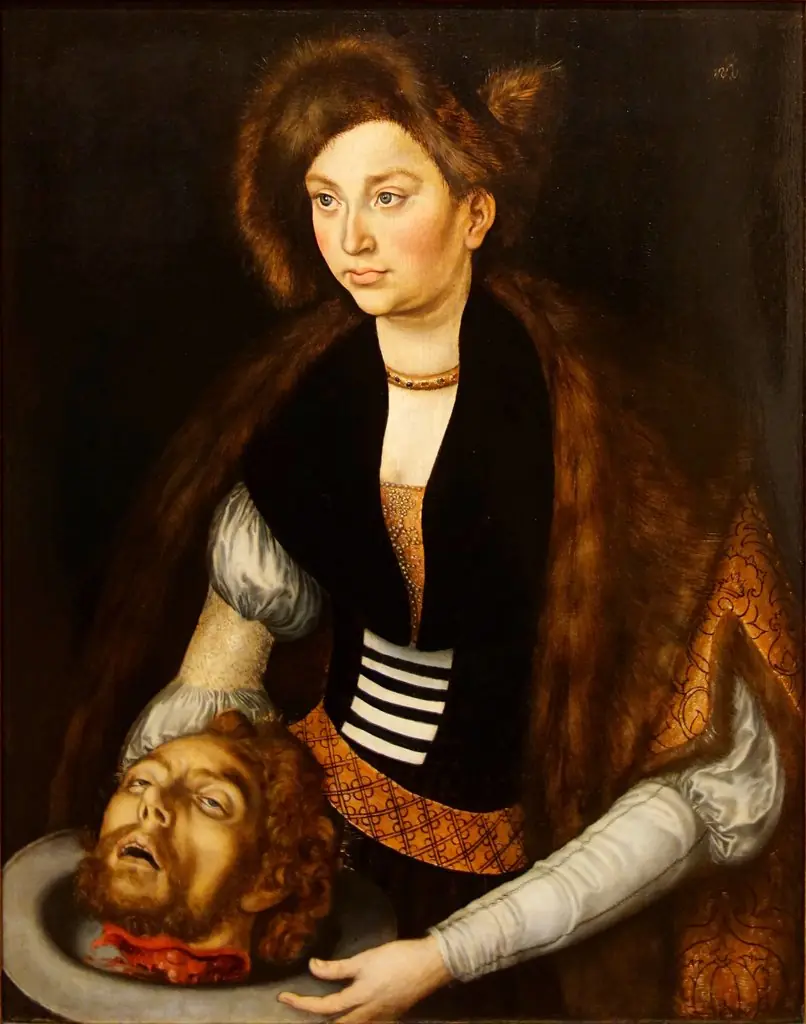 Salome with the head of Saint John the Baptist
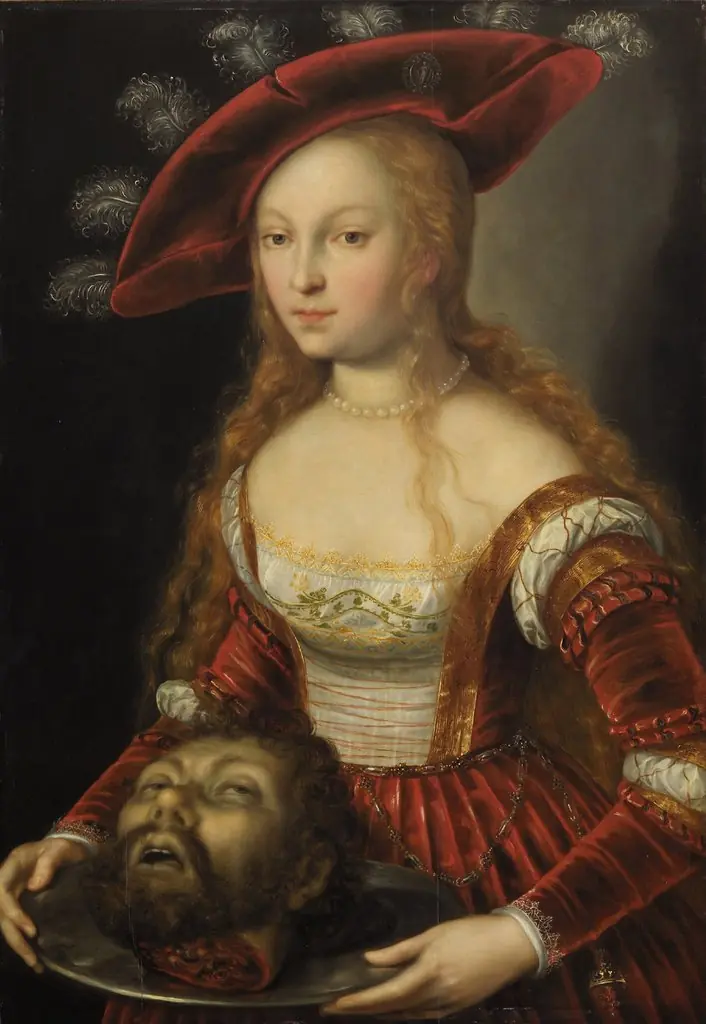 Salome with the head of John the Baptist
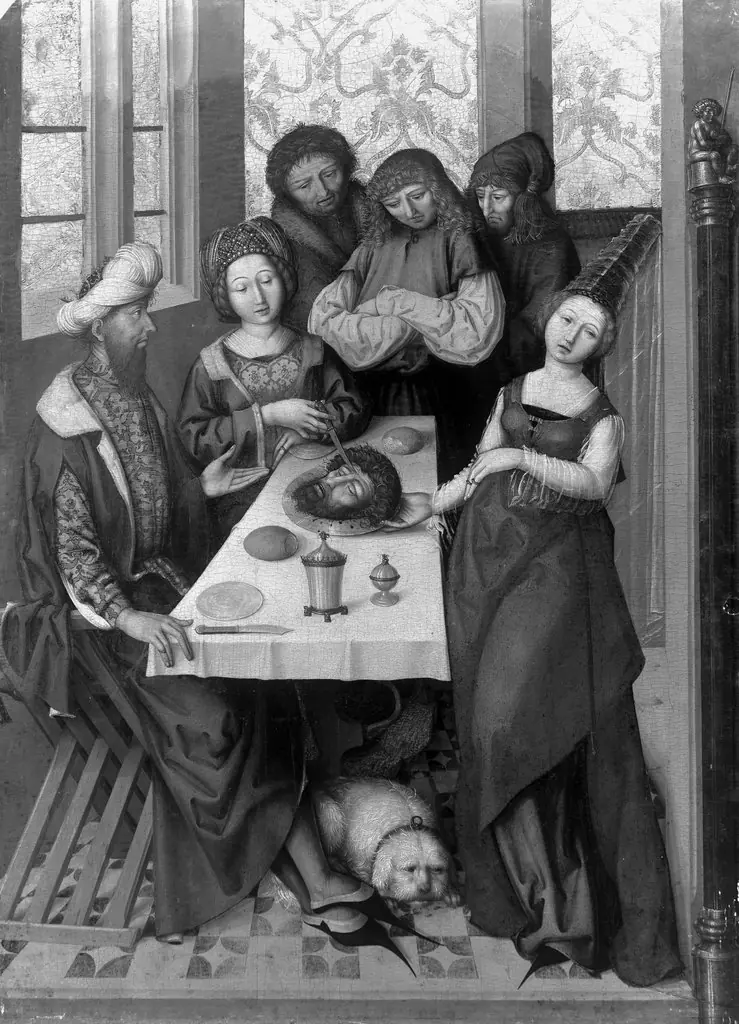 Herod's feast