Artwork
Salome with the head of Saint John the Baptist
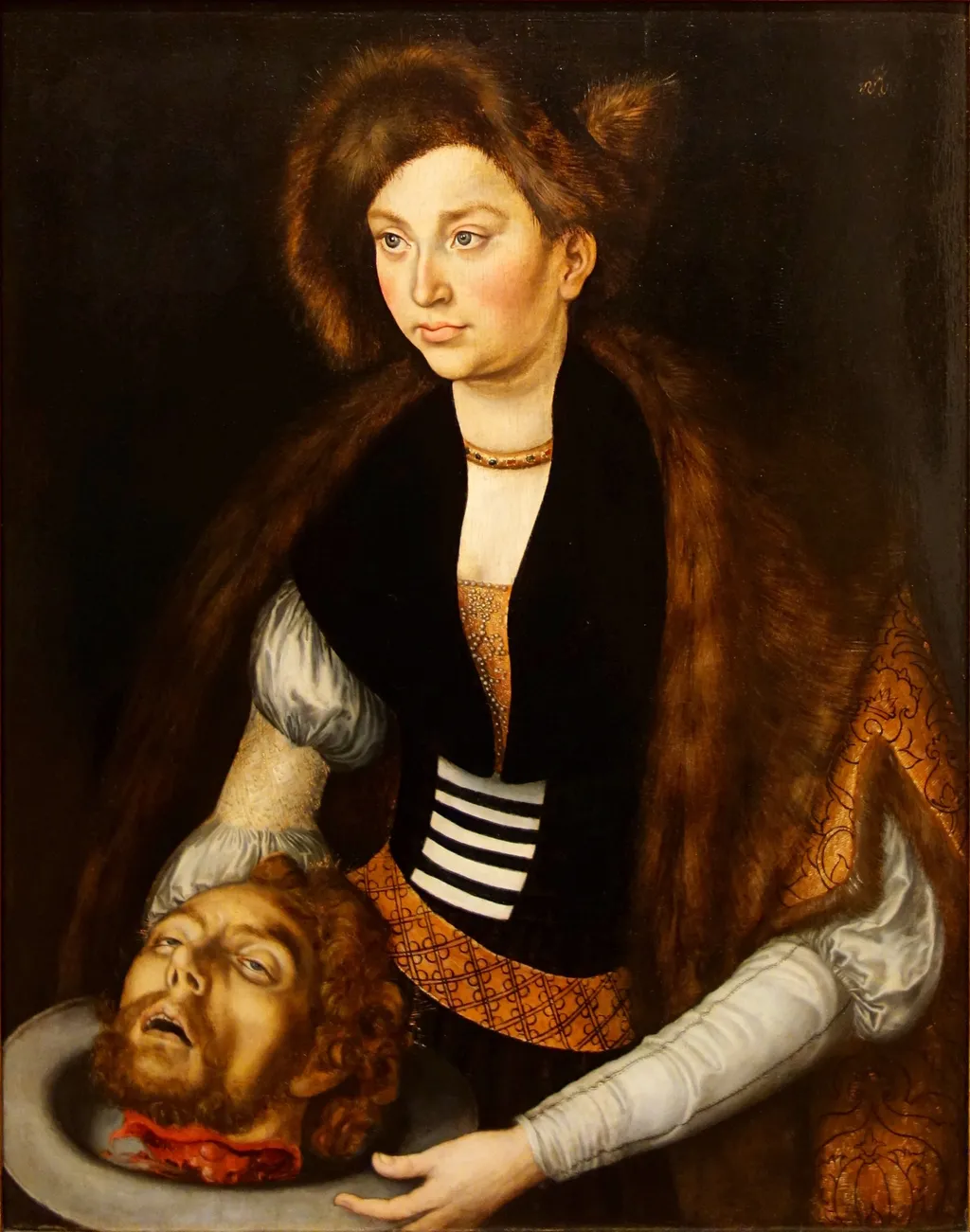
Salome with the head of Saint John the Baptist is an oil painting by the Northern Renaissance artist Lucas Cranach the Elder. It dates from 1510 and is held in the collection of the National Museum of Ancient Art.
About this work
Overview
Painted in 1510 by Lucas Cranach the Elder, this oil-on-panel work portrays Salome presenting the severed head of John the Baptist.
Painted in 1510 by Lucas Cranach the Elder, this oil-on-panel work portrays Salome presenting the severed head of John the Baptist. Executed with meticulous detail, the painting reflects the Northern Renaissance emphasis on realism and psychological depth. It is currently held in the collection of the National Museum of Ancient Art in Lisbon, where it remains one of the few surviving religious works by Cranach from this early phase of his career.
Subject & Meaning
The scene draws from the biblical account of Salome’s request, prompted by her mother Herodias, for John the Baptist’s head on a platter. Cranach avoids theatricality, focusing instead on quiet solemnity. Salome’s composed demeanor and the absence of violence suggest contemplation over vengeance, aligning with Protestant moral introspection emerging in early 16th-century Germany. The head, still bearing signs of life, underscores the gravity of the act.
Technique & Style
Cranach employs oil paint to render textures with precision: the fur trim of Salome’s cloak, the sheen of her gold necklace, and the pallor of the severed head are rendered with subtle gradations. The palette is restrained—dominated by muted reds, blacks, and whites—enhancing the painting’s somber tone. Facial expressions are carefully modeled, avoiding exaggeration, while the background remains dark and undefined, focusing attention entirely on the figures.
History & Provenance
The painting entered the collection of the National Museum of Ancient Art in Lisbon through the Portuguese royal collection, likely acquired in the 18th or 19th century. Its journey from Germany to Portugal reflects the broader movement of Northern Renaissance art across Europe. While its early ownership is undocumented, its preservation suggests it was valued as a devotional or scholarly object long before its institutional acquisition.
Context
Created during the early years of the Reformation, the painting reflects a shift in religious imagery away from Catholic grandeur toward personal moral reflection. Cranach, a close associate of Martin Luther, often depicted biblical subjects with psychological nuance rather than spectacle. This work aligns with Protestant interests in scriptural accuracy and inner conviction, even as it retains traditional iconography.
Legacy
Though less famous than later depictions by Caravaggio or Titian, Cranach’s version stands as an early example of the psychological treatment of biblical violence in Northern art. Its quiet intensity influenced subsequent Protestant artists who sought to convey moral weight without sensationalism. The painting remains a key reference for understanding how Reformation ideals shaped visual narratives in early 16th-century Europe.
Own this work as a print
Artist & collection
Artist
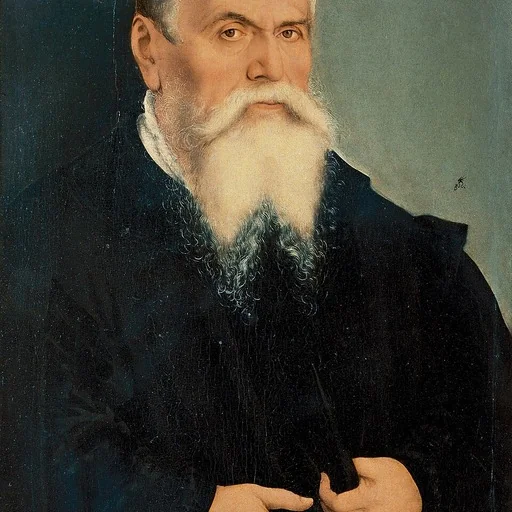
Lucas Cranach the Elder was a German Renaissance painter and printmaker in woodcut and engraving.

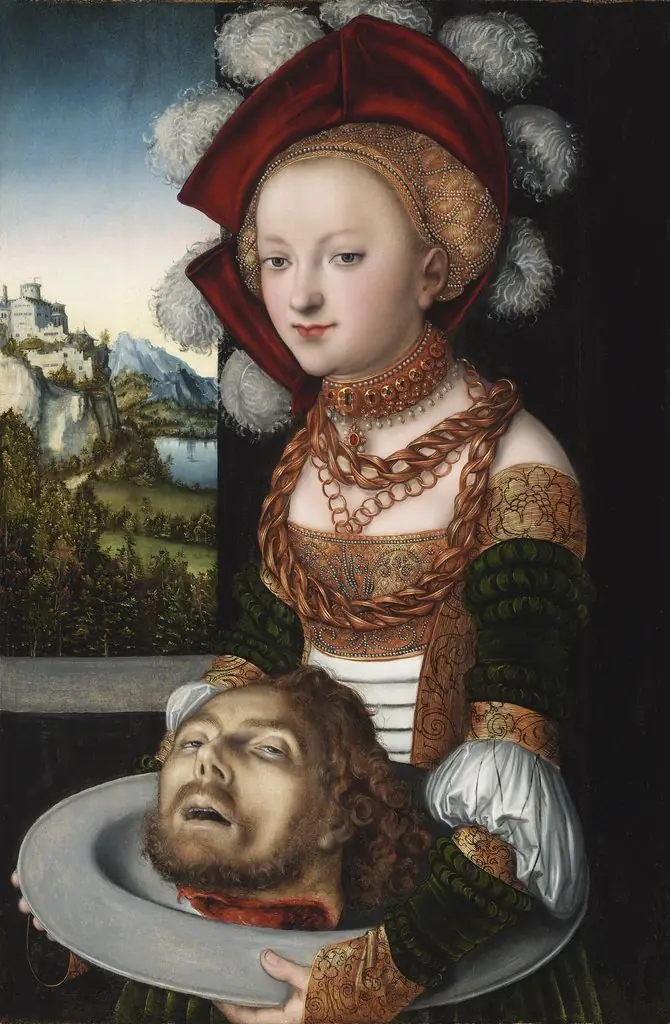 Salome with the head of Saint John the Baptist
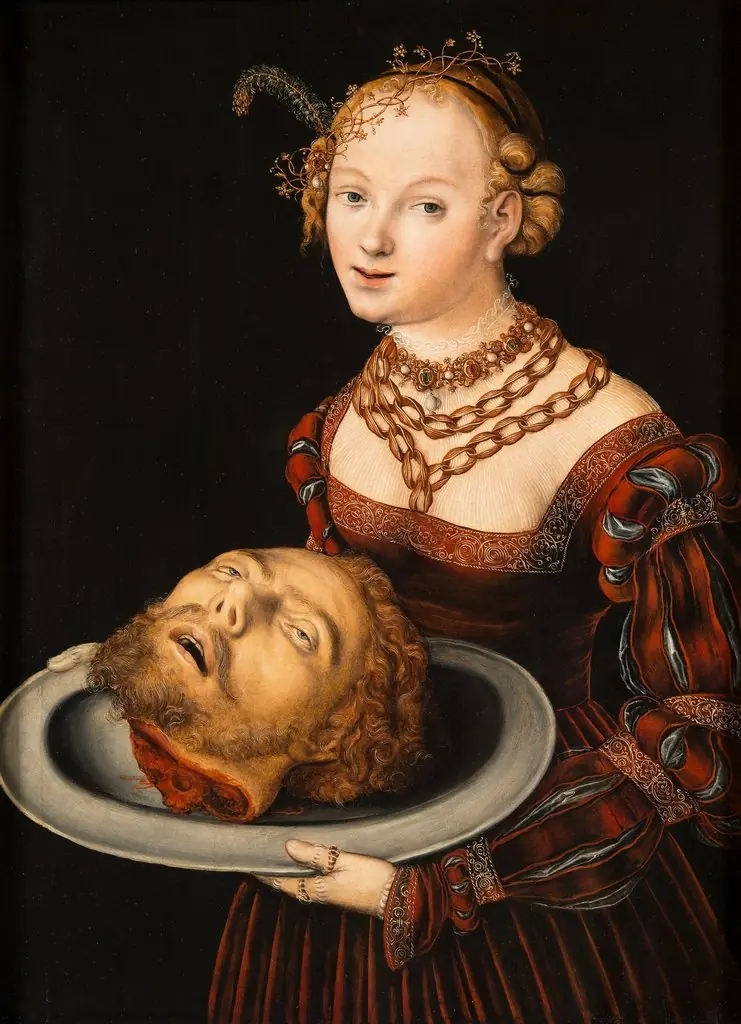 Salome with the Head of St John the Baptist
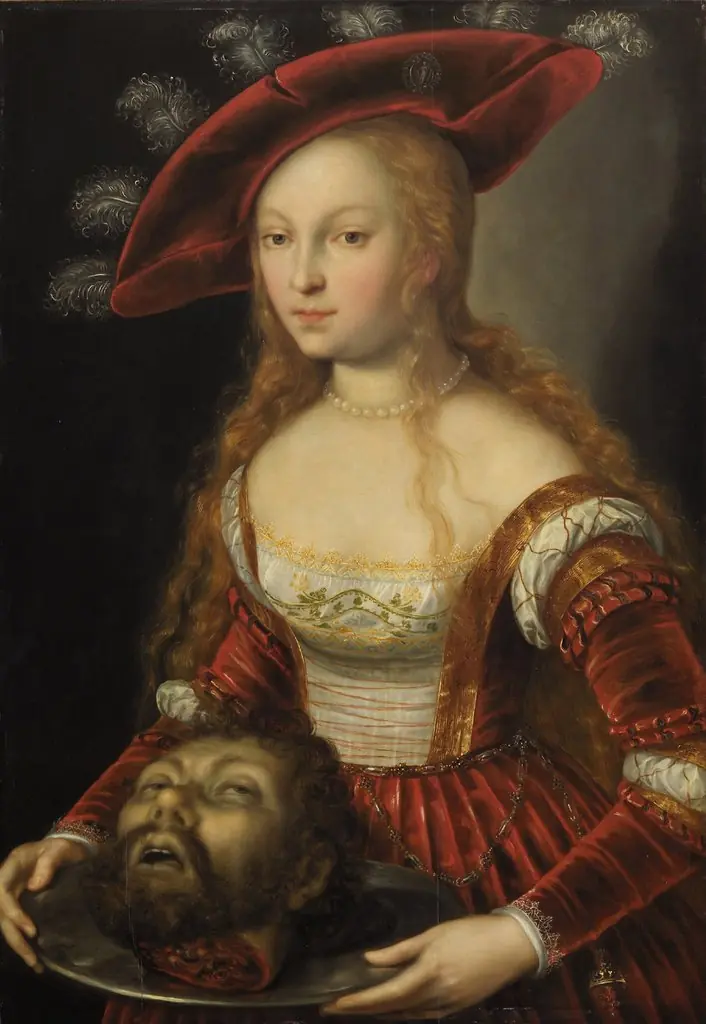 Salome with the head of John the Baptist
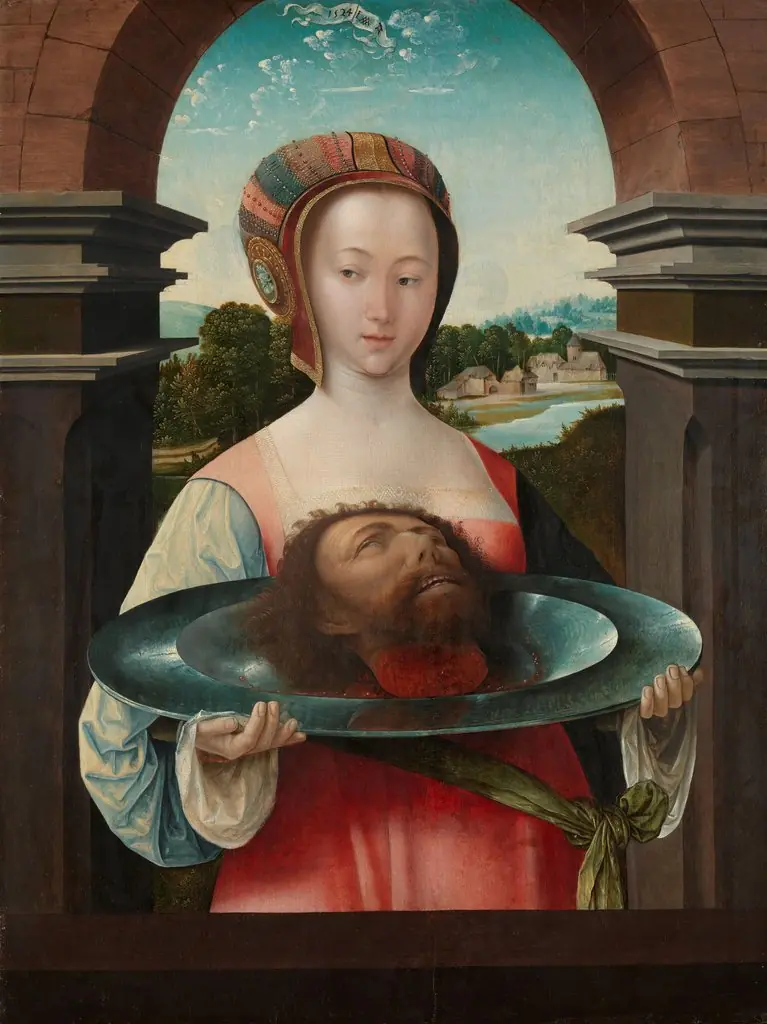 Salome with the Head of John the Baptist
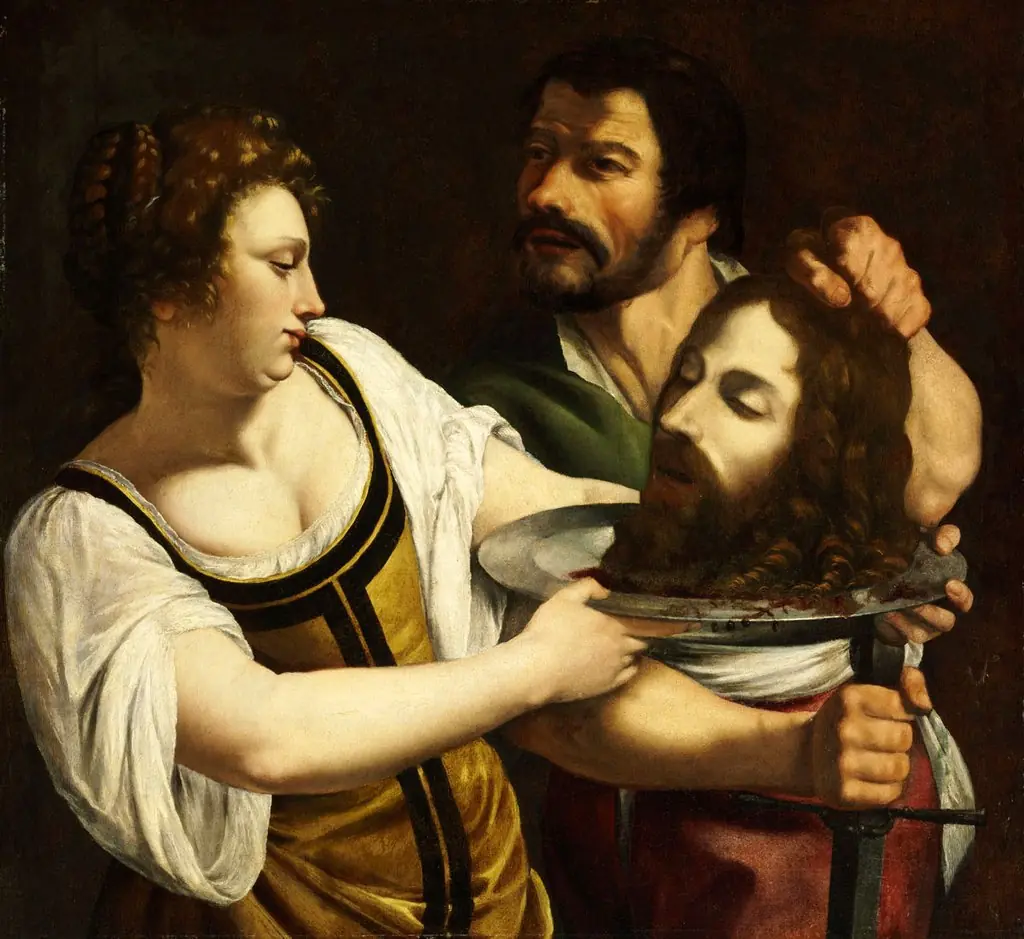 Salome with the Head of Saint John the Baptist
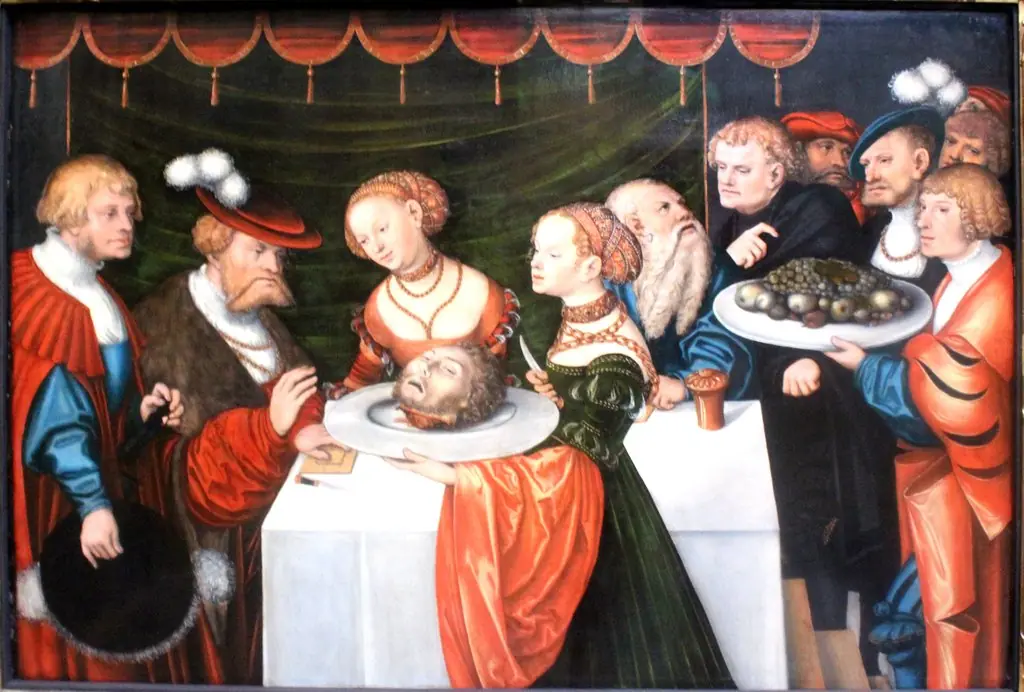 Salome with the head of St John the Baptist at Herodes table
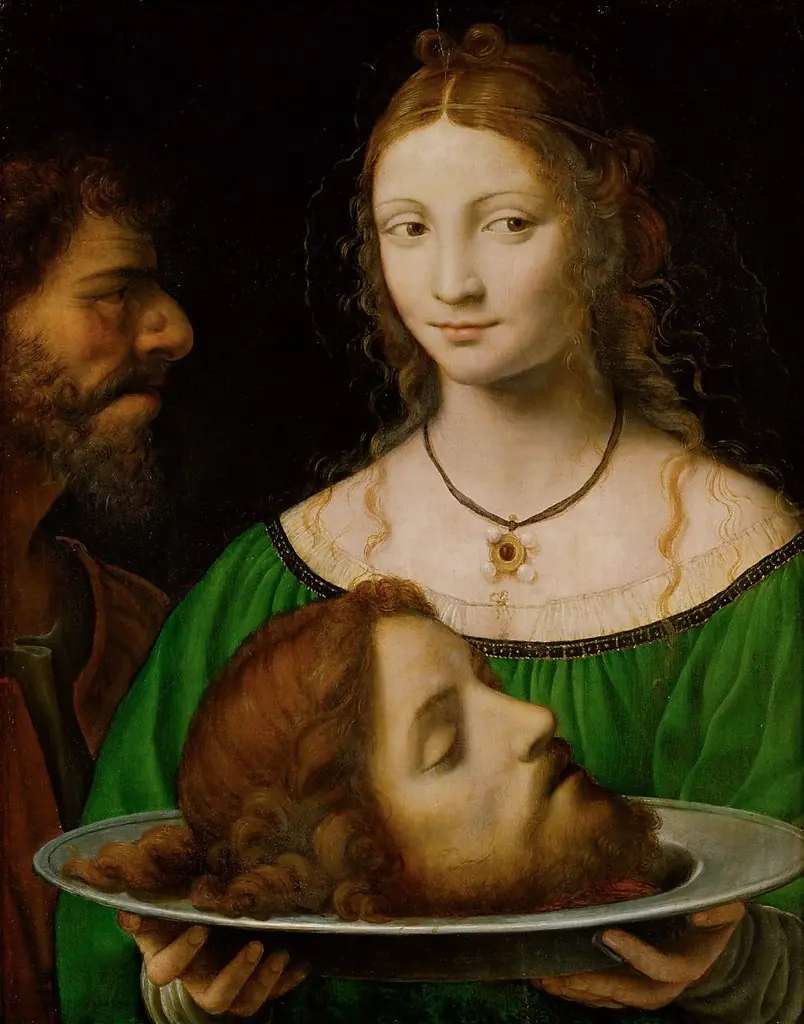 Salome with the Head of John the Baptist
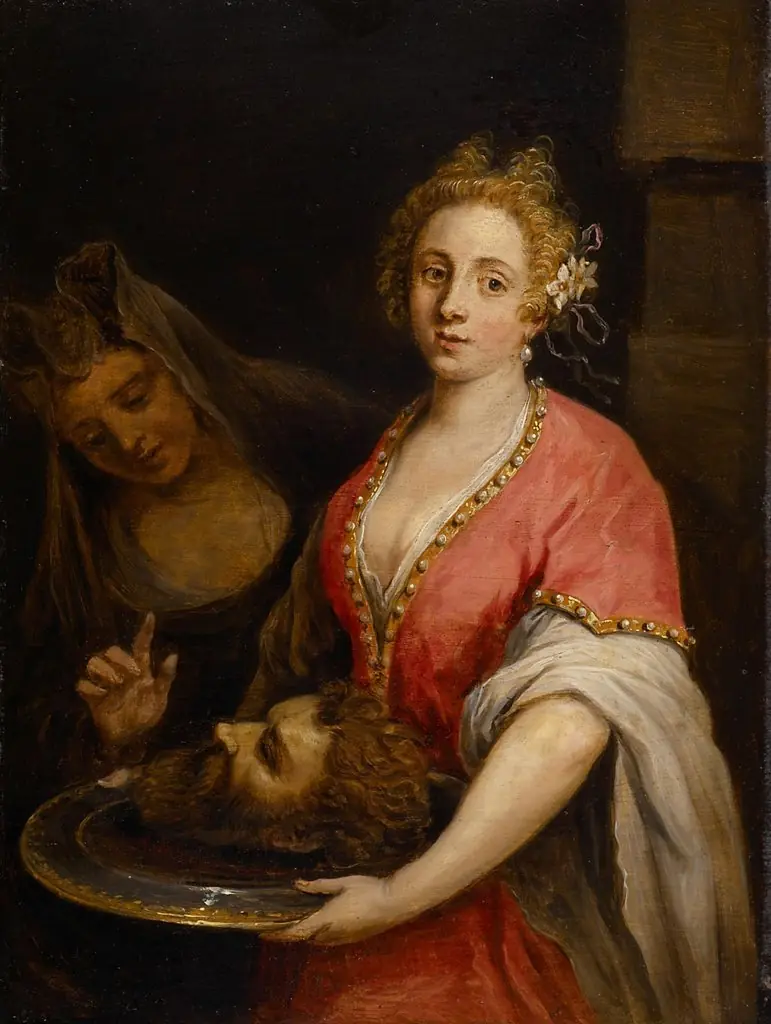 Salome with the Head of John the Baptist
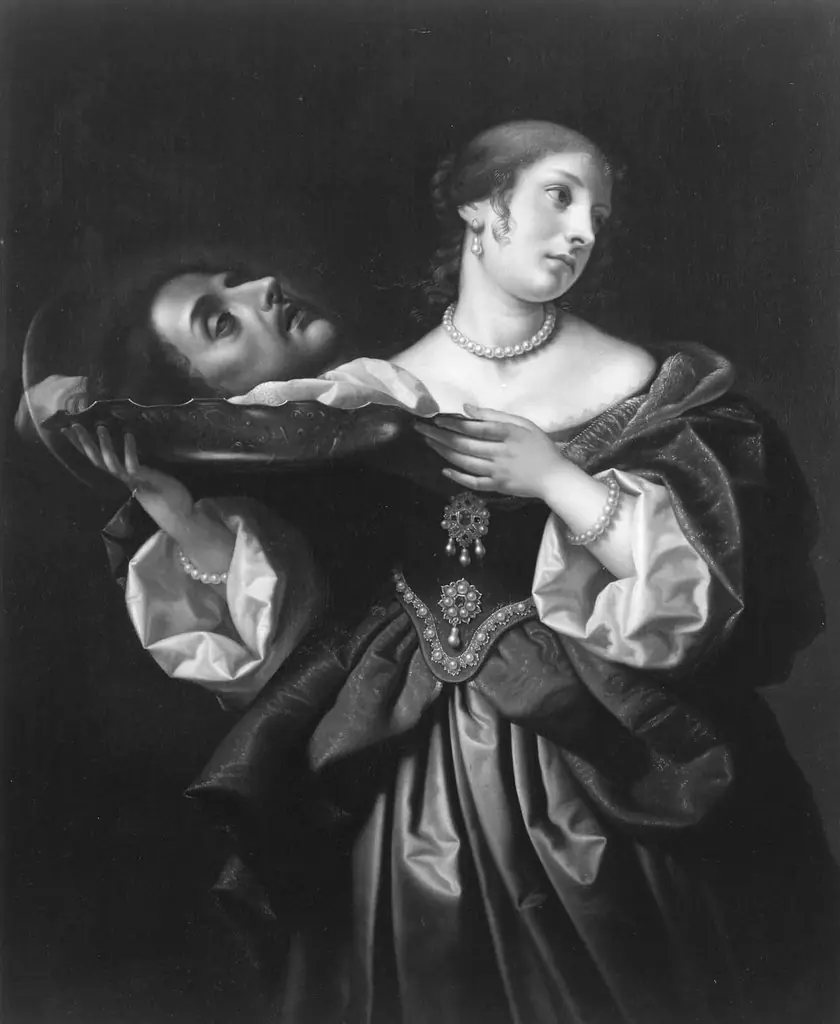 Salome with the Head of Saint John the Baptist
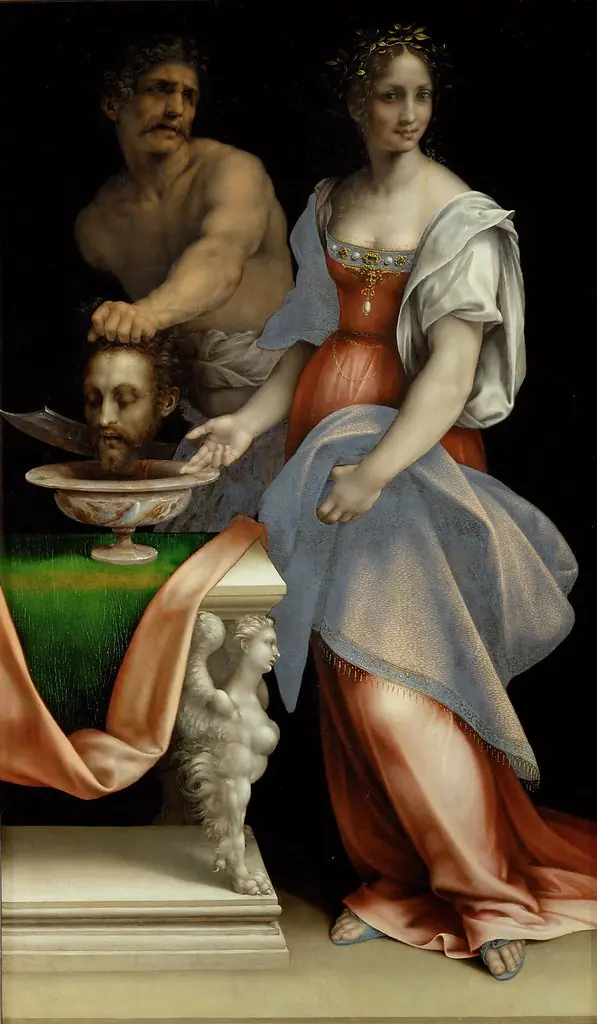 Salome with the head of John the Baptist
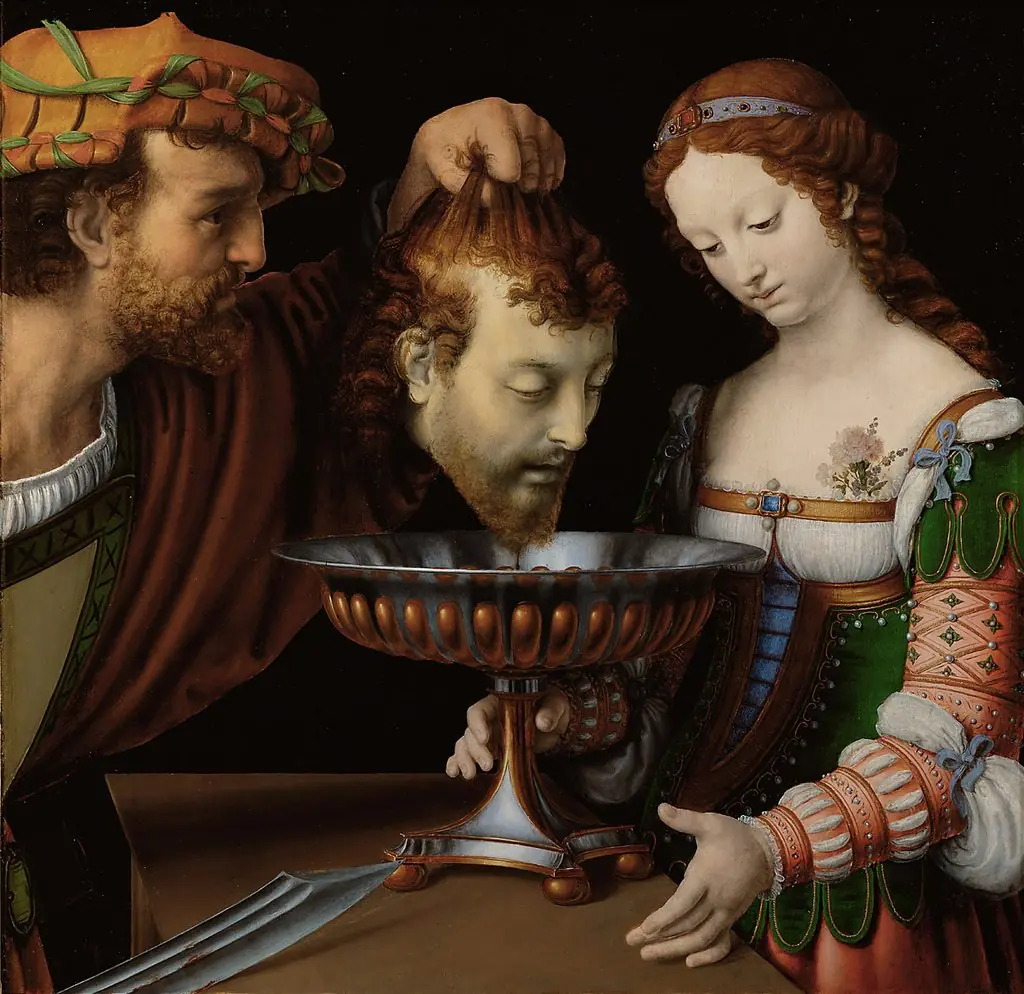 Salome with John the Baptist's head
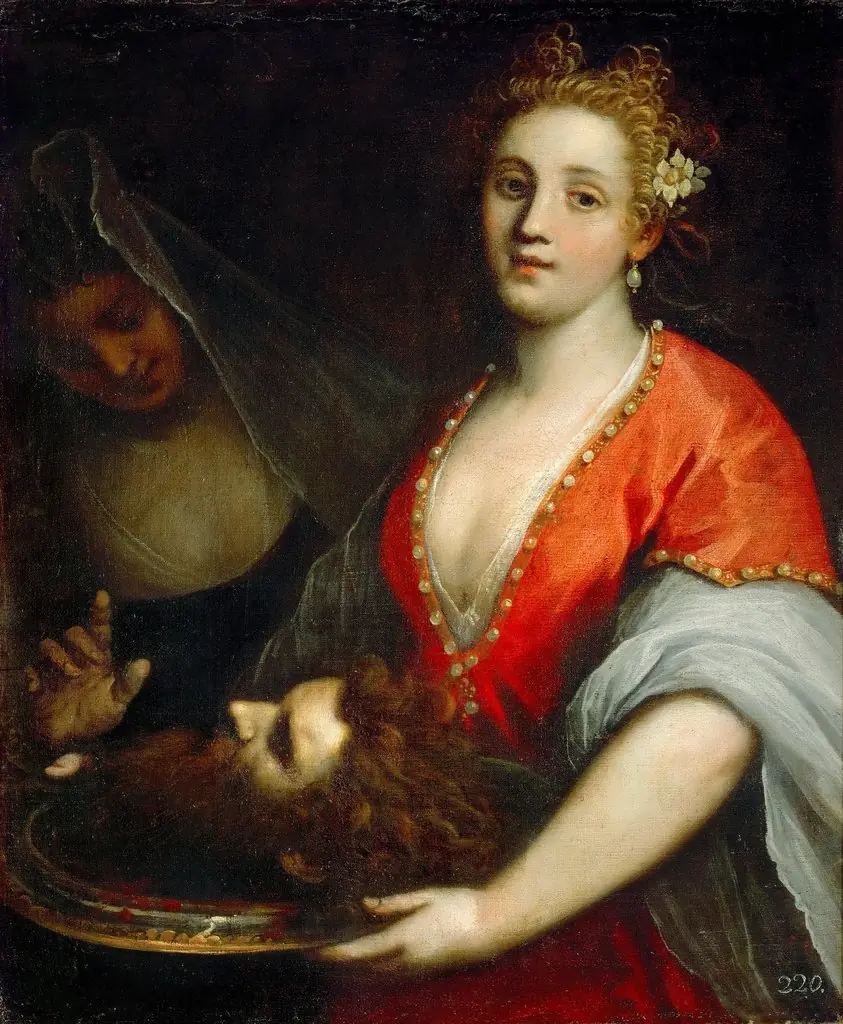 Salomé with the Head of John the Baptist