Artwork
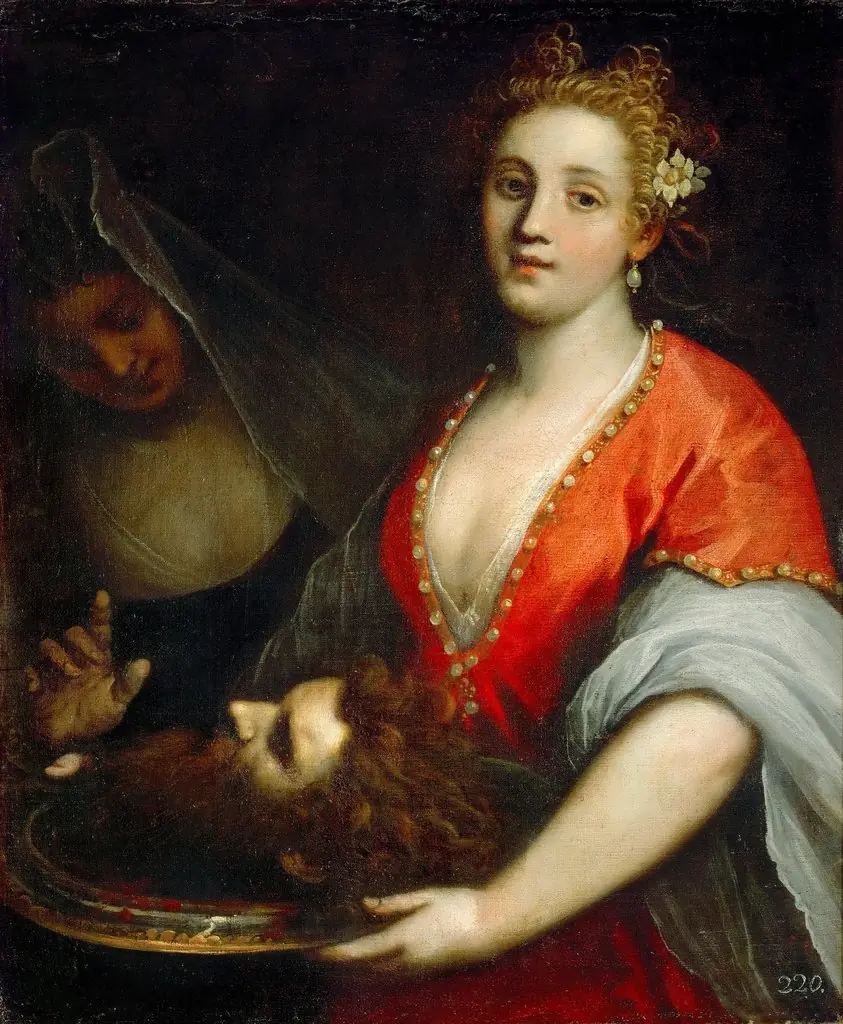
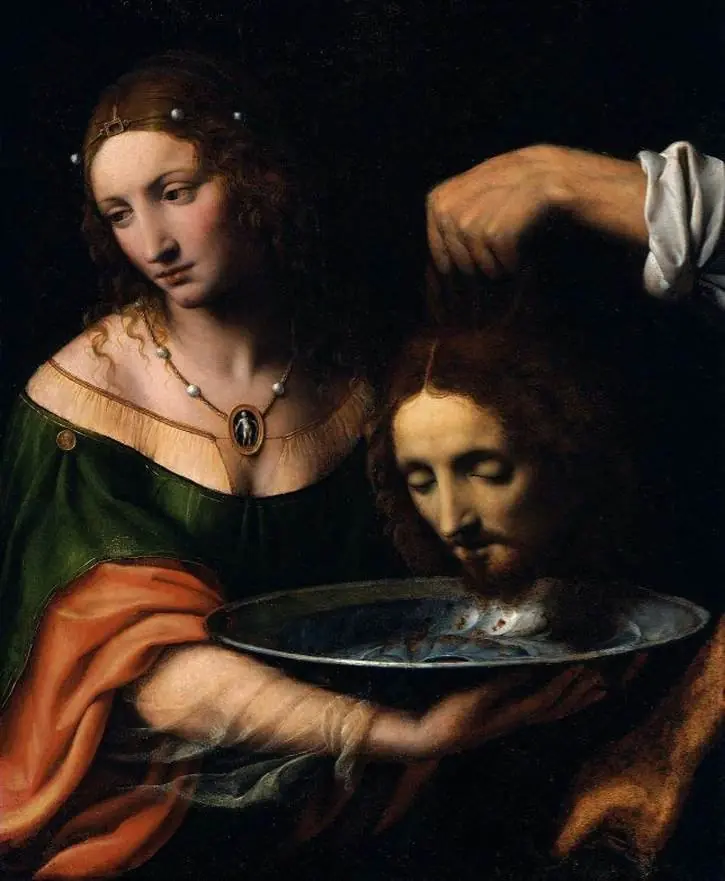
Salome with the head of Saint John the Baptist
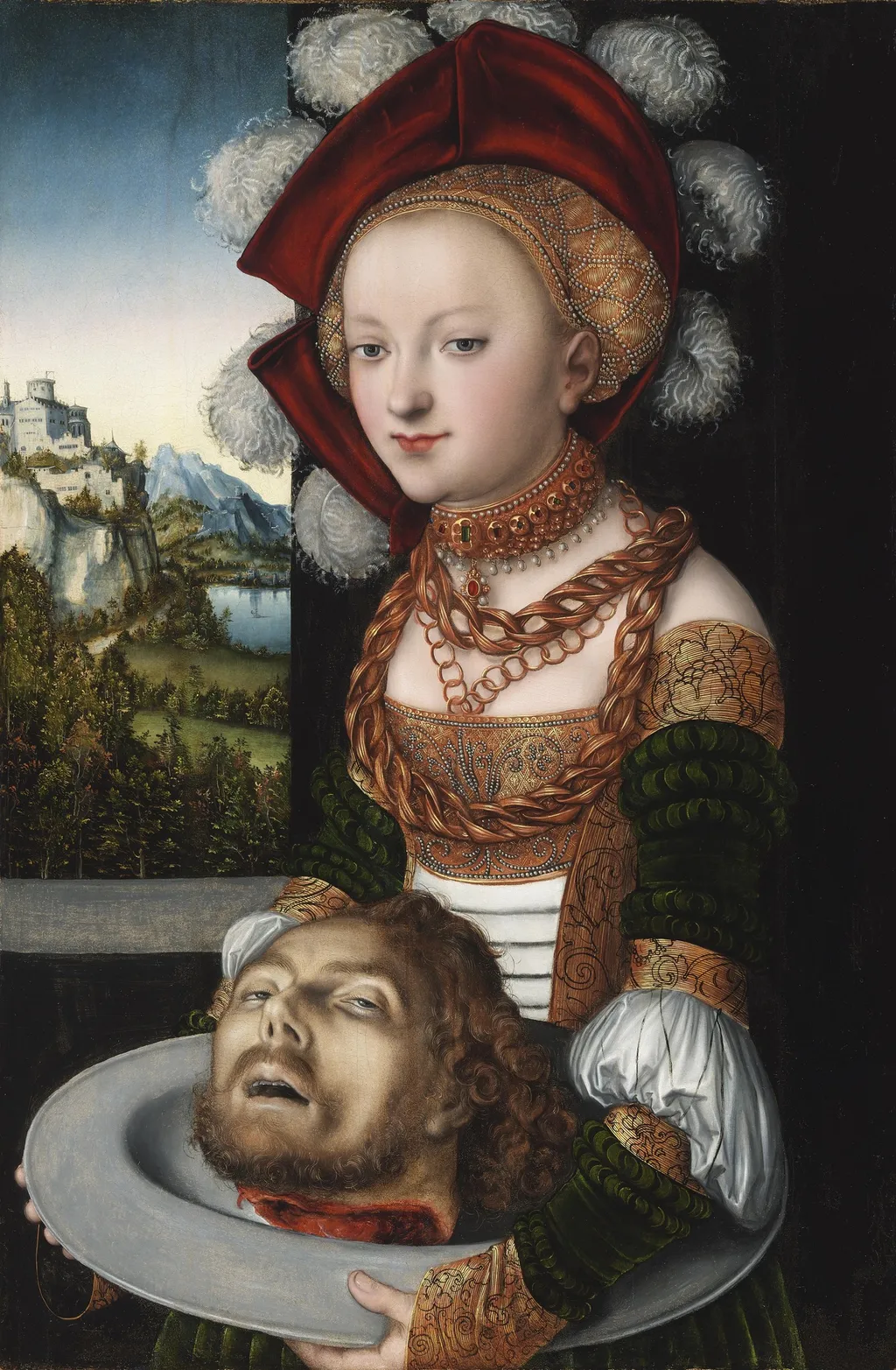
Salome with the head of Saint John the Baptist is an oil painting by the Northern Renaissance artist Lucas Cranach the Elder. It dates from 1530 and is held in the collection of the Museum of Fine Arts, Budapest.
About this work
Overview
The scene is rendered with quiet stillness rather than overt drama, focusing on the figure of Salome presenting the severed head on a plate.
Painted in 1530 by Lucas Cranach the Elder, this oil-on-panel work portrays the biblical moment of John the Baptist’s beheading. The scene is rendered with quiet stillness rather than overt drama, focusing on the figure of Salome presenting the severed head on a plate. The painting resides in the Museum of Fine Arts, Budapest, and exemplifies Cranach’s late style, blending Northern Renaissance detail with a restrained emotional tone.
Subject & Meaning
The painting illustrates the moment Salome, at her mother Herodias’s urging, receives the head of John the Baptist as payment for her dance. Rather than emphasizing the violence of execution, Cranach isolates the aftermath: Salome’s composed demeanor and the lifeless head create a meditation on moral consequence and the cost of political manipulation. The scene functions as a moral allegory, common in Protestant Reformation-era art.
Technique & Style
Cranach employs fine brushwork to render textures of fabric, metal, and skin with precision. Salome’s green gown, adorned with gold embroidery and a fur-trimmed red hat, contrasts sharply with the pallid, lifeless head on the gray plate. The background features a calm, distant landscape with a castle and lake, grounding the scene in a recognizable world while distancing it from the brutality of the foreground. Light falls evenly, avoiding theatrical chiaroscuro.
History & Provenance
The painting entered the collection of the Museum of Fine Arts, Budapest, in the 19th century, having passed through several Central European private collections since its creation. Its attribution to Cranach the Elder has been consistently supported by stylistic analysis and dendrochronological dating of the panel. No major restorations have altered its original composition, preserving its early 16th-century integrity.
Context
Created during the Protestant Reformation, the painting reflects Cranach’s close ties to Martin Luther and the shift in religious imagery away from Catholic saint veneration. John the Baptist, as a forerunner of Christ and critic of corruption, held symbolic weight for reformers. The depiction of Salome’s complacency may have served as a warning against worldly vanity and moral compromise in a time of religious upheaval.
Legacy
Cranach’s treatment of this subject influenced later Northern artists who sought to convey biblical narratives with psychological subtlety. The painting’s quiet horror—elegance juxtaposed with violence—became a template for moral allegory in Protestant art. Though not widely reproduced in its time, its presence in Budapest’s collection has ensured its continued study as a key example of Reformation-era visual theology.
Own this work as a print
Artist & collection
Artist
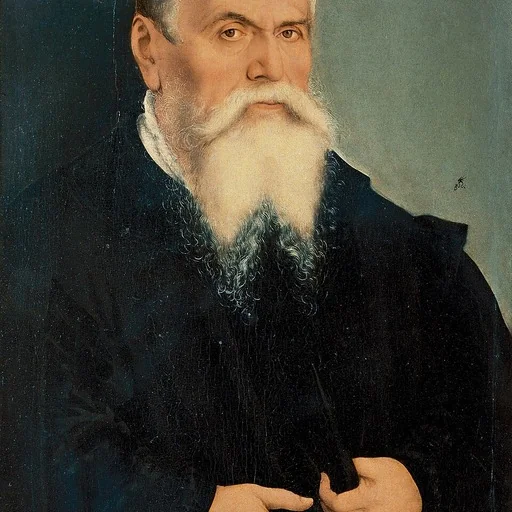
Lucas Cranach the Elder was a German Renaissance painter and printmaker in woodcut and engraving.

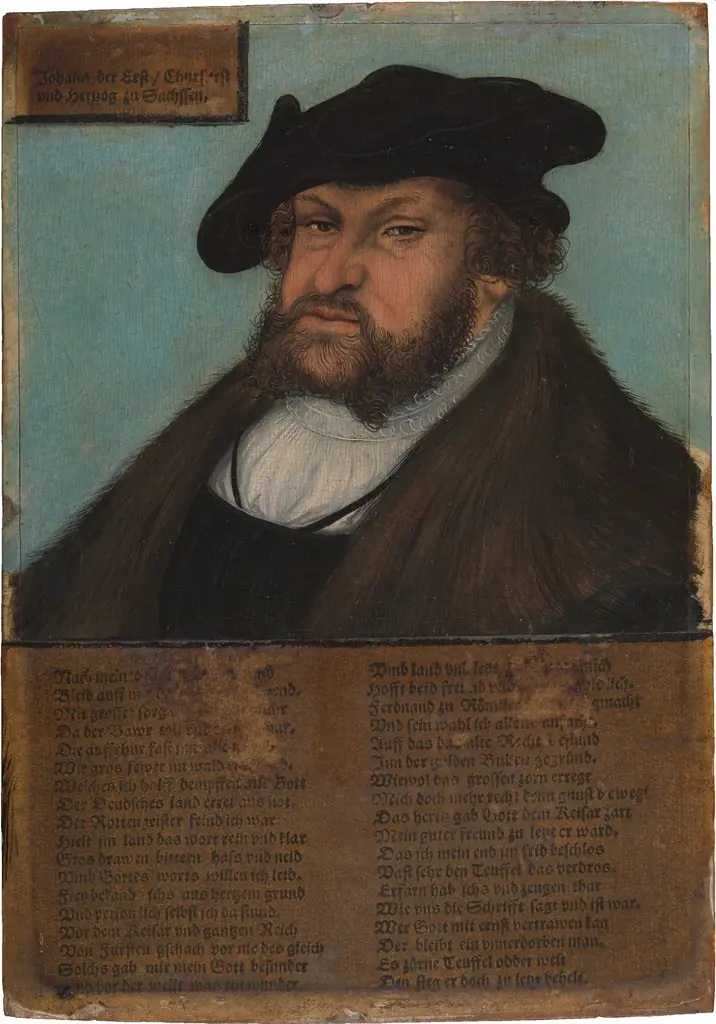
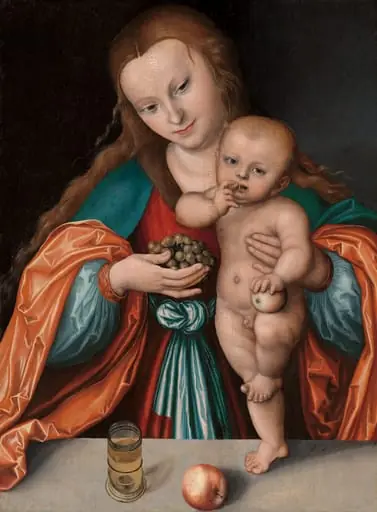
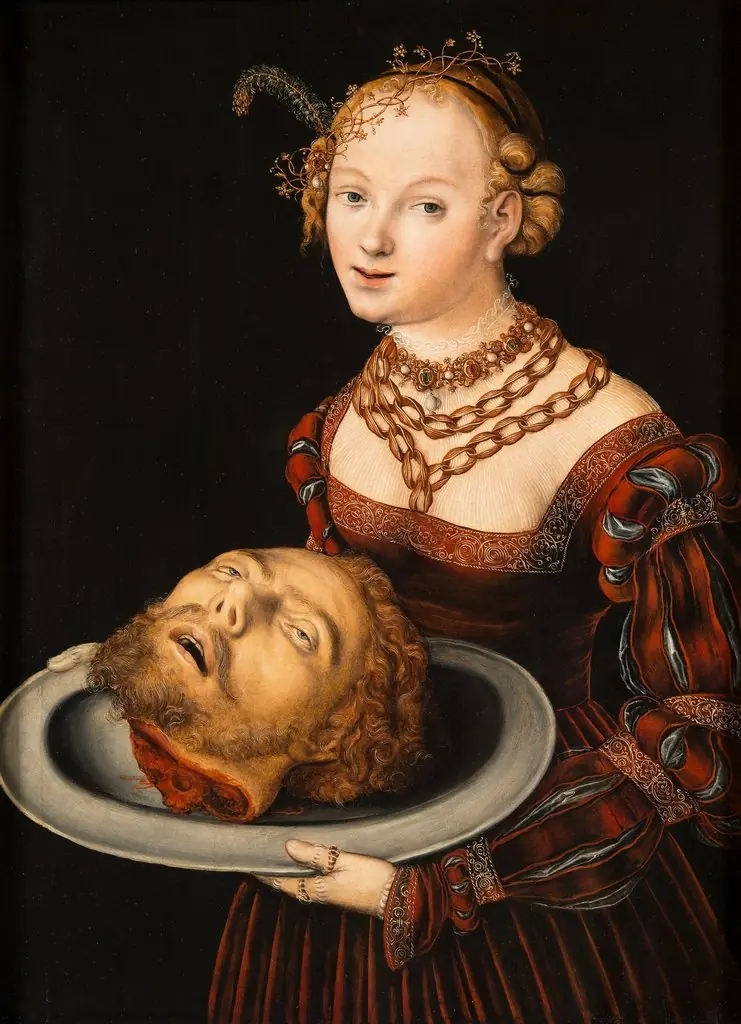 Salome with the Head of St John the Baptist
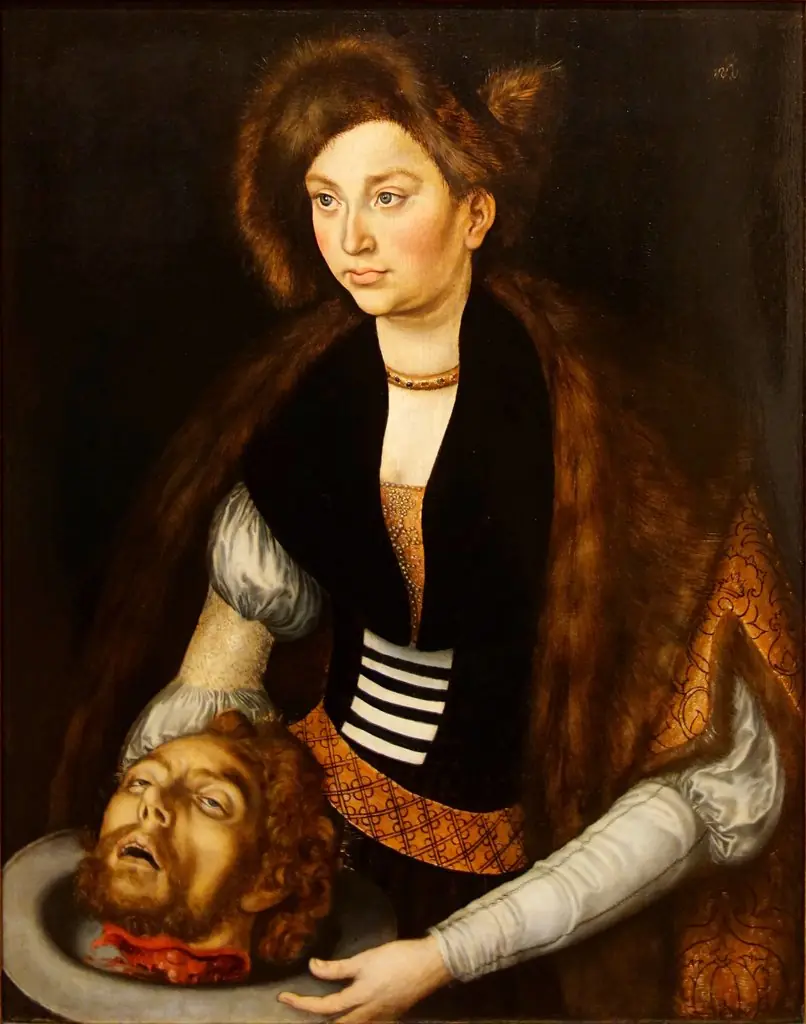 Salome with the head of Saint John the Baptist
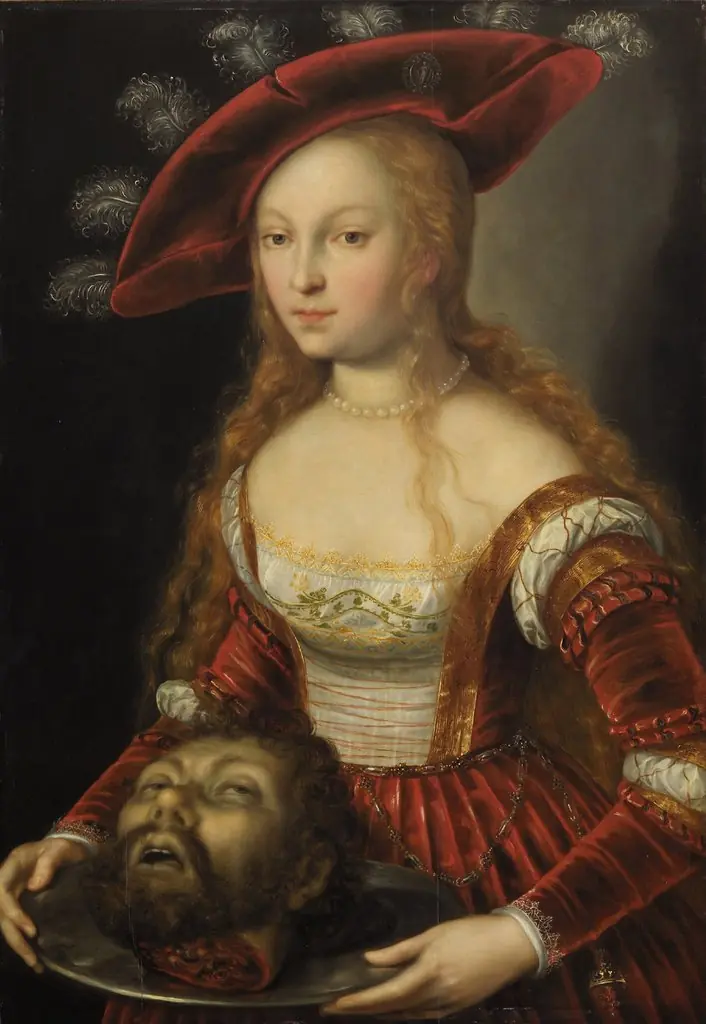 Salome with the head of John the Baptist
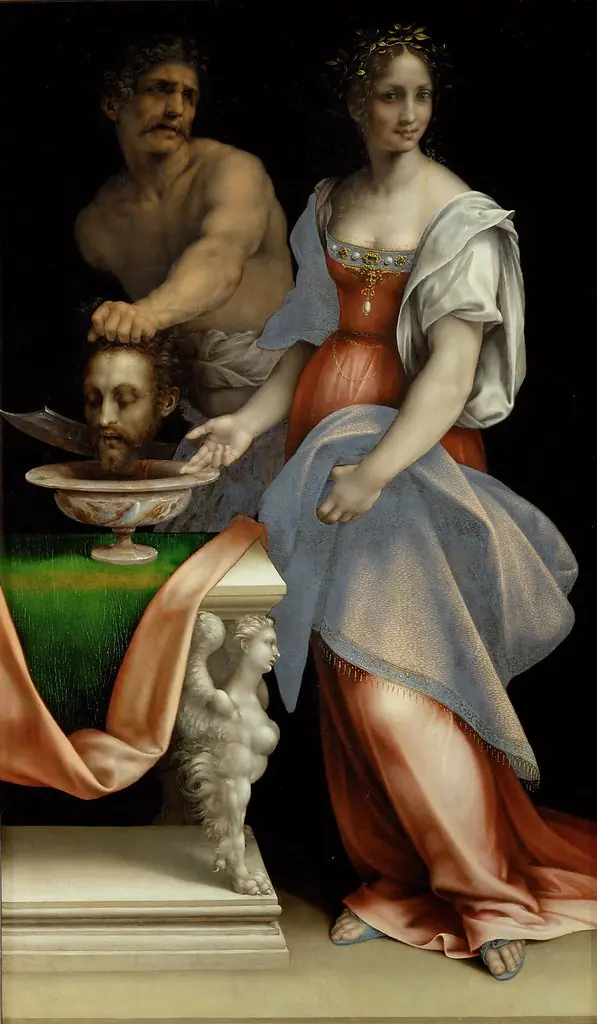 Salome with the head of John the Baptist
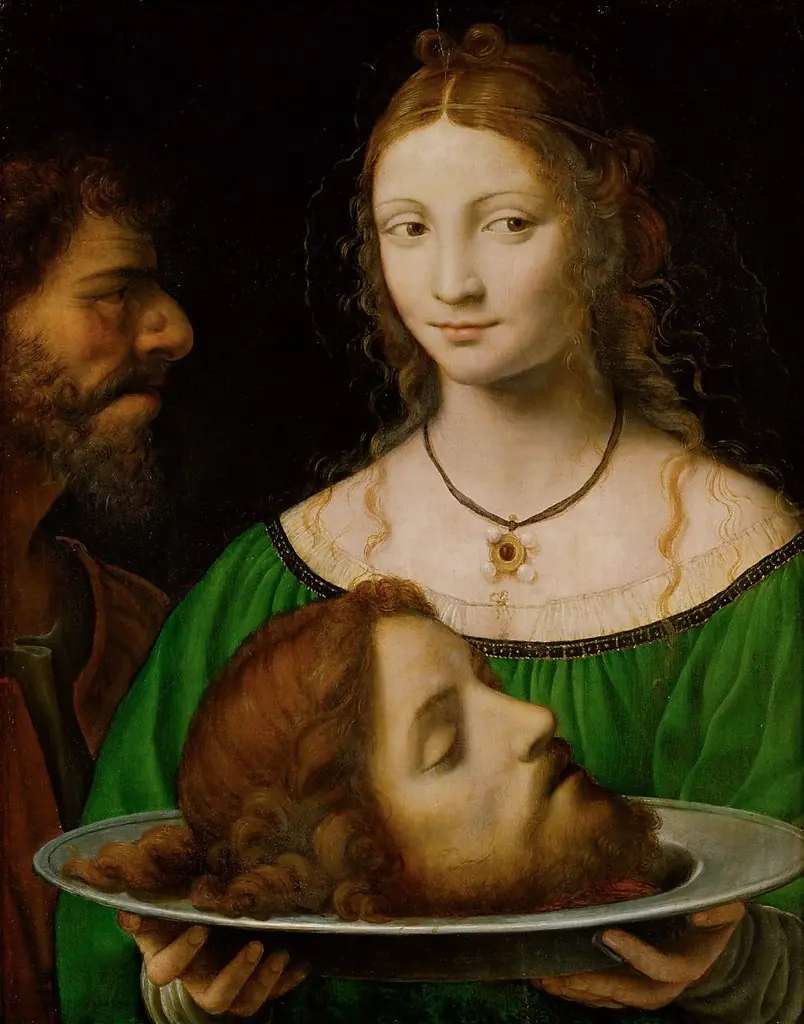 Salome with the Head of John the Baptist
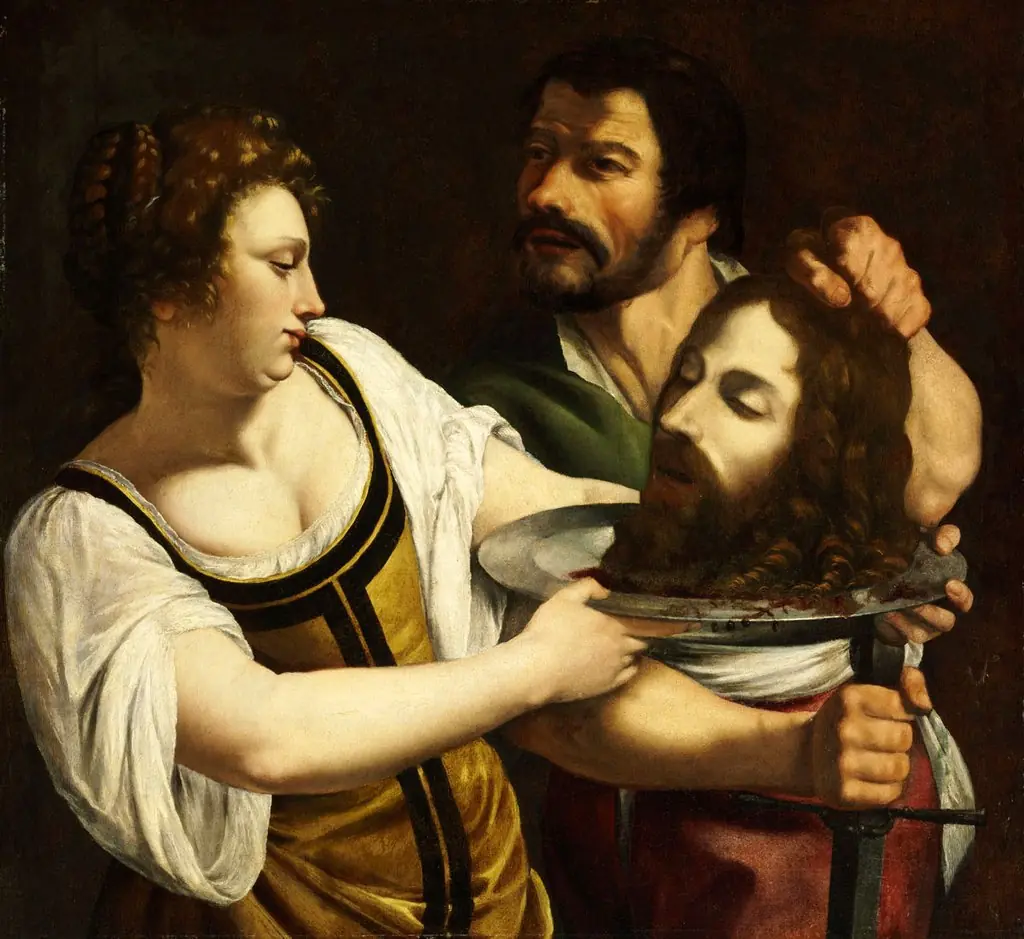 Salome with the Head of Saint John the Baptist
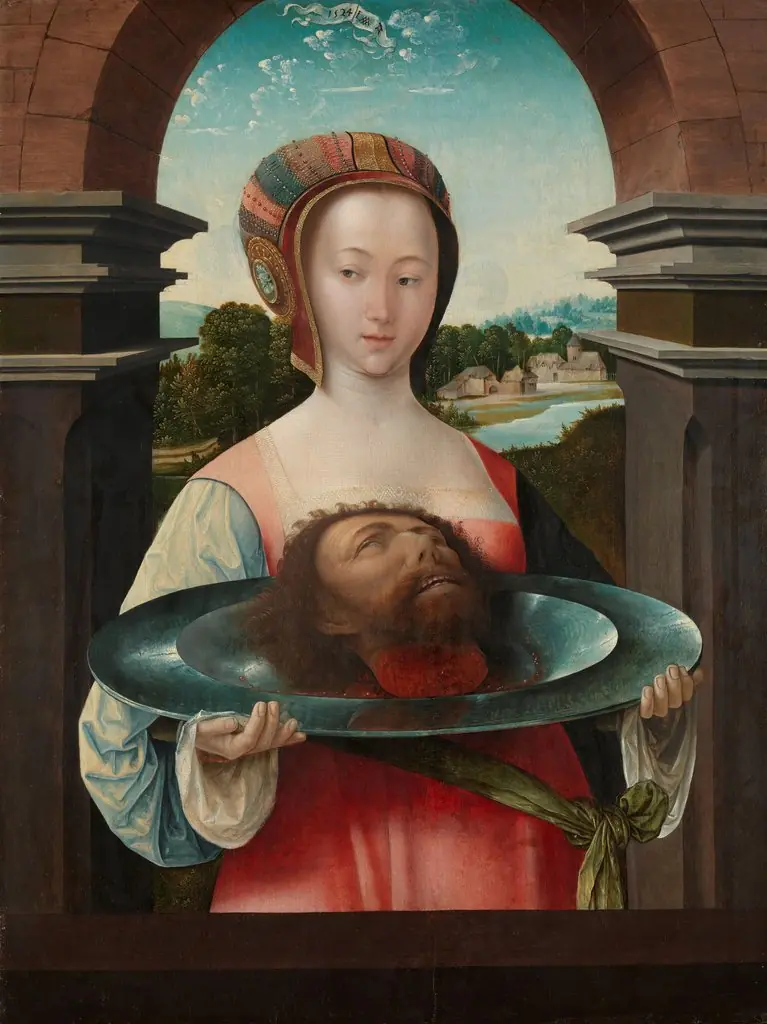 Salome with the Head of John the Baptist
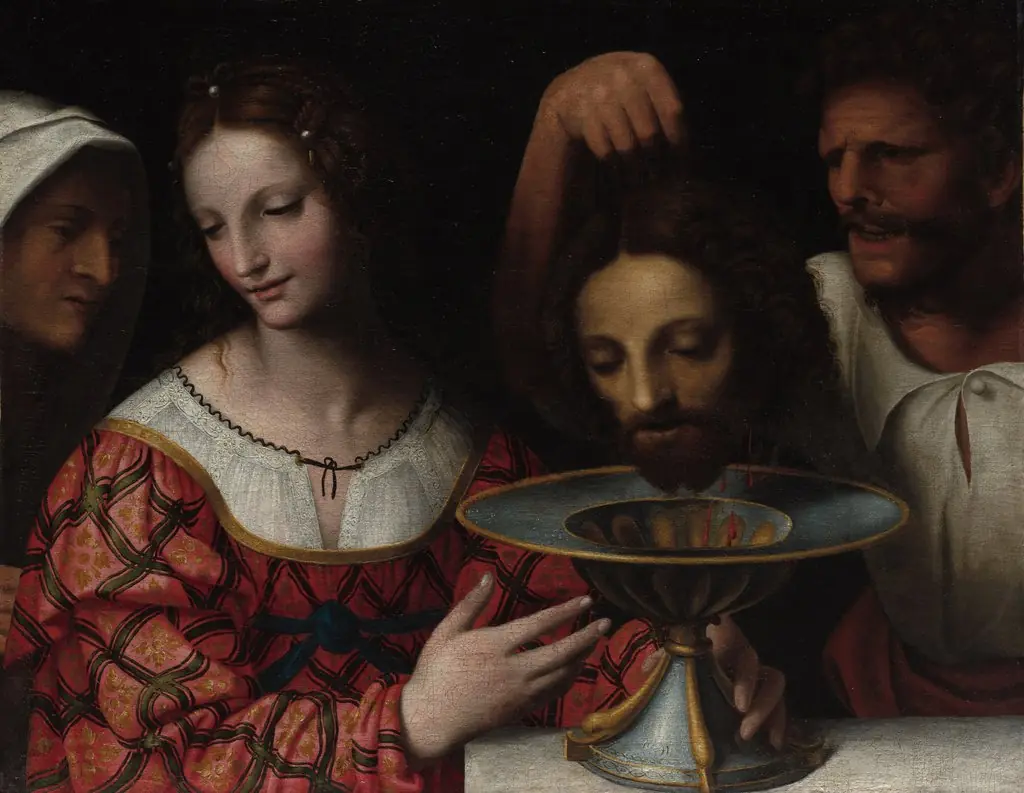 Salome with the Head of Saint John the Baptist
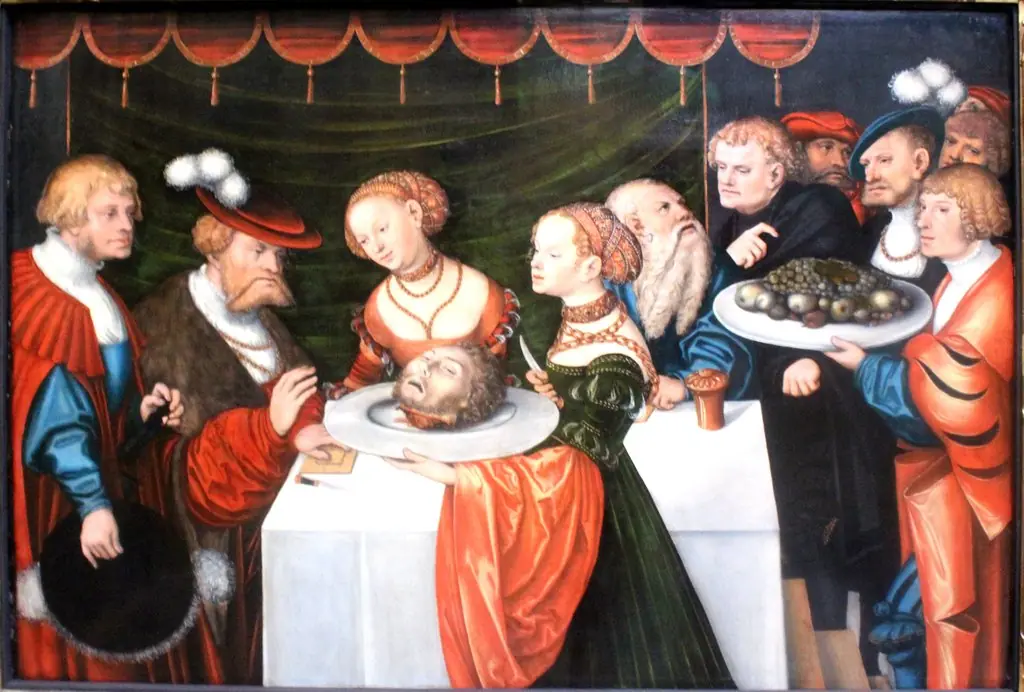 Salome with the head of St John the Baptist at Herodes table
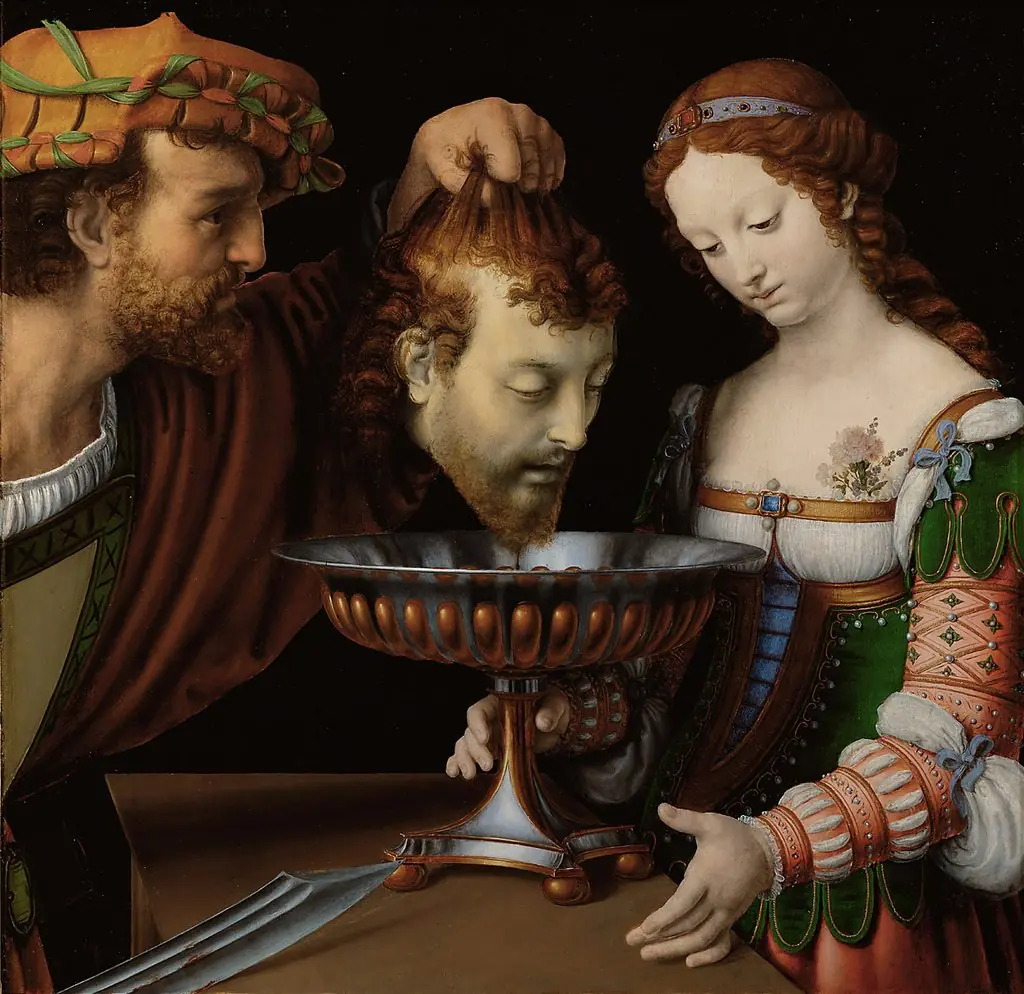 Salome with John the Baptist's head
 Salomé with the Head of John the Baptist
 Salome with the Head of Saint John the Baptist