Artwork
The Fall of Man
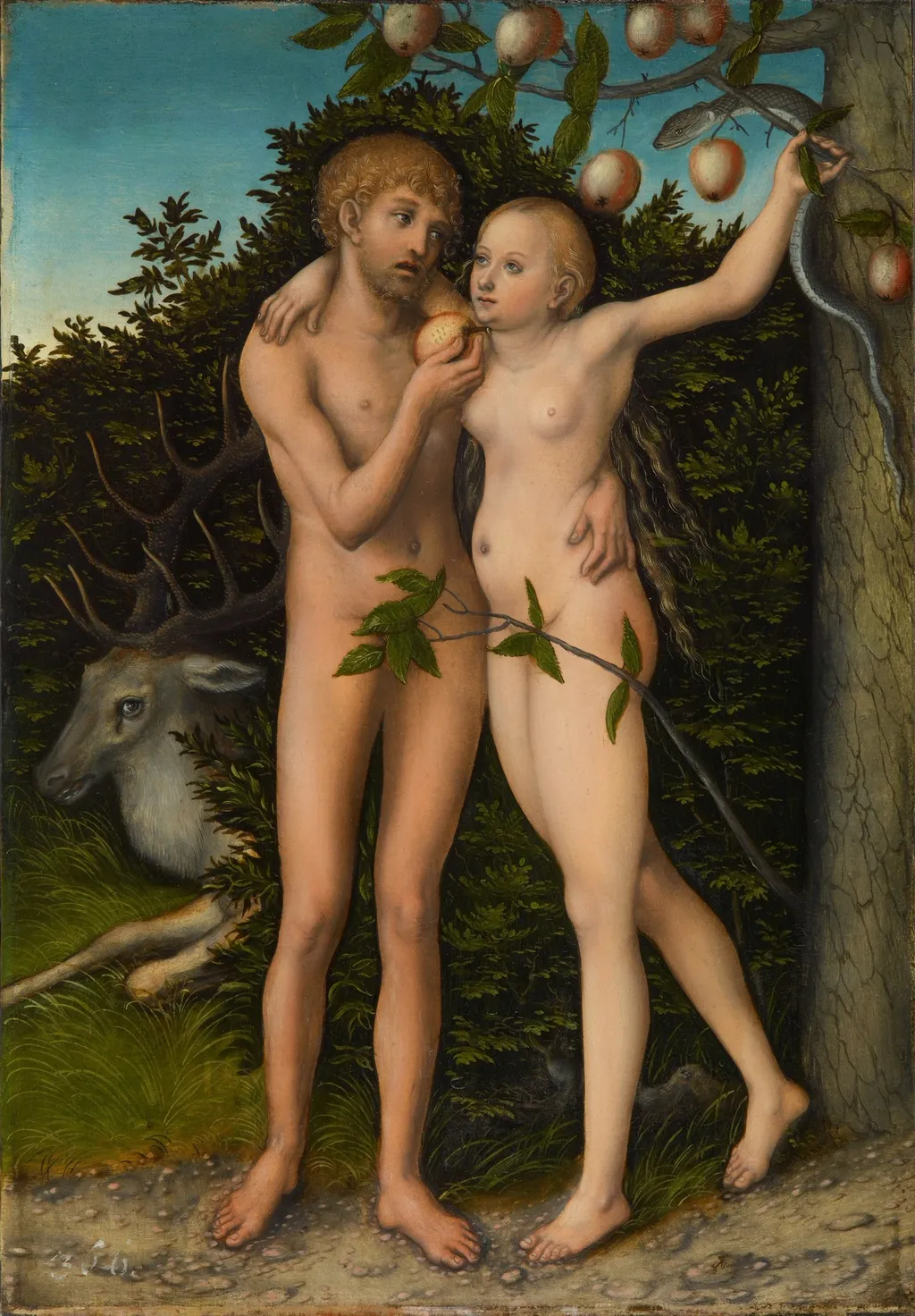
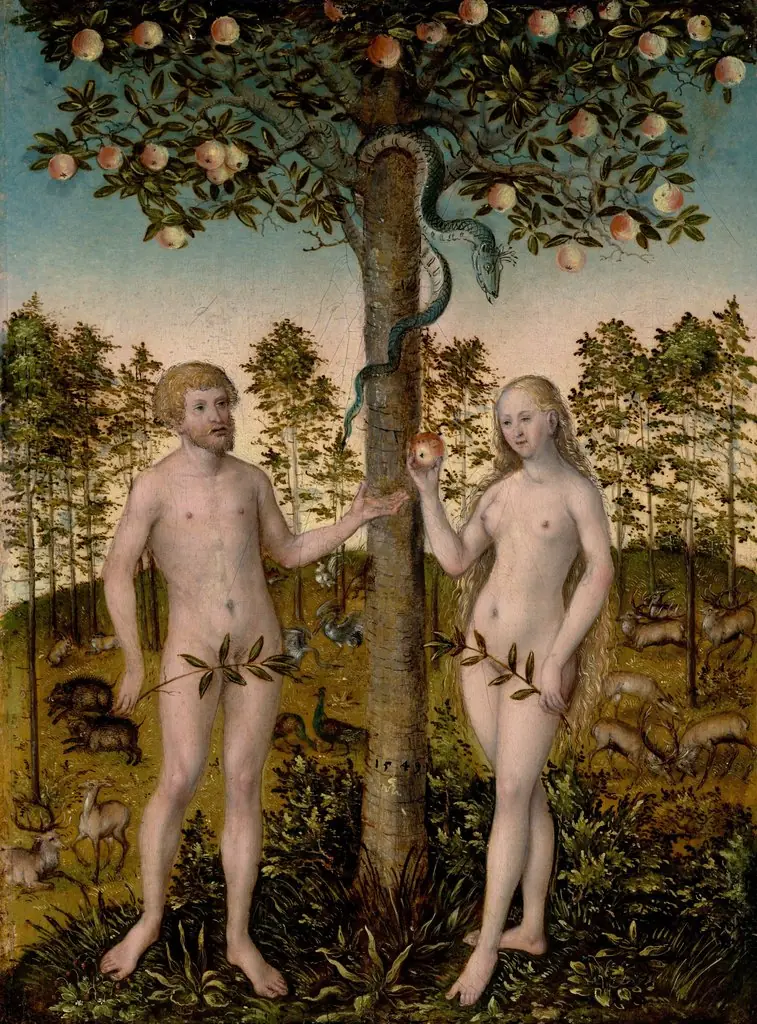
The Fall of Man is an unspecified painting by the Northern Renaissance artist Lucas Cranach the Elder. It dates from 1537 and is held in the collection of the Kunsthistorisches Museum.
About this work
Overview
The composition centers on Adam and Eve, isolated in a natural world that feels both serene and charged with consequence.
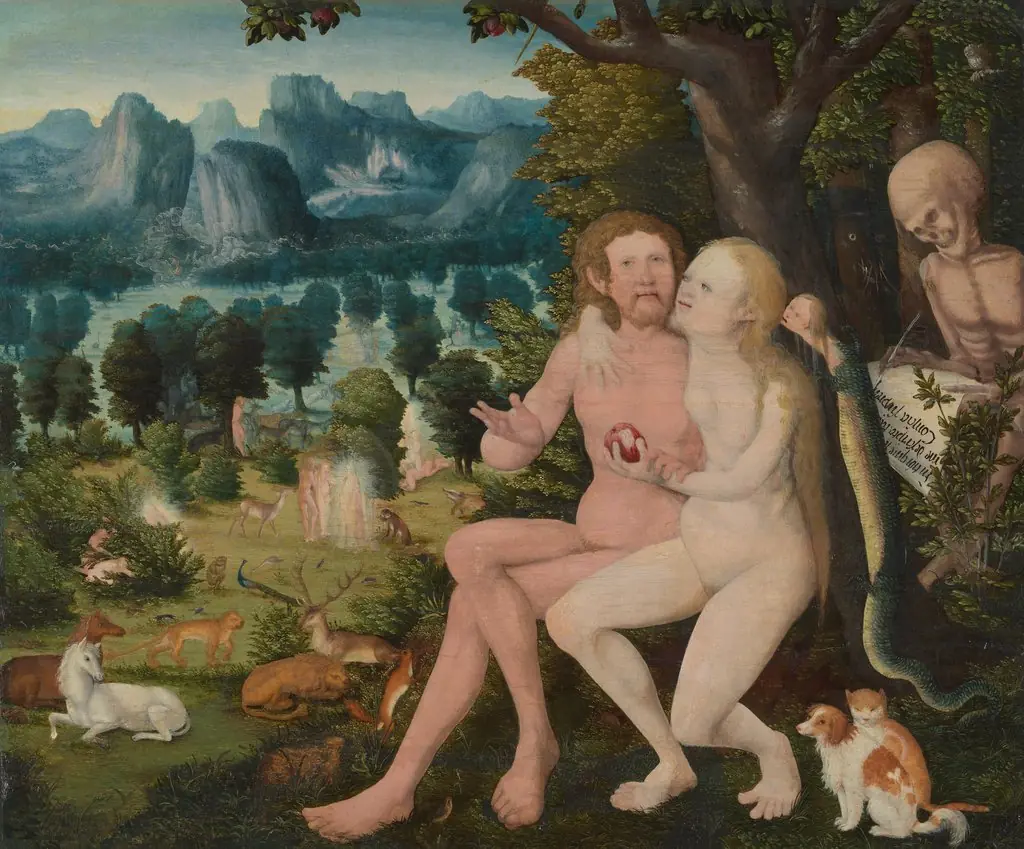
Painted in 1537 by Lucas Cranach the Elder, this work depicts the biblical moment of humanity's first transgression. Executed in oil on panel, it belongs to the Kunsthistorisches Museum in Vienna. The scene is set in a quiet, wooded landscape under a pale sky, with figures rendered in a stylized yet intimate manner. The composition centers on Adam and Eve, isolated in a natural world that feels both serene and charged with consequence.
Subject & Meaning
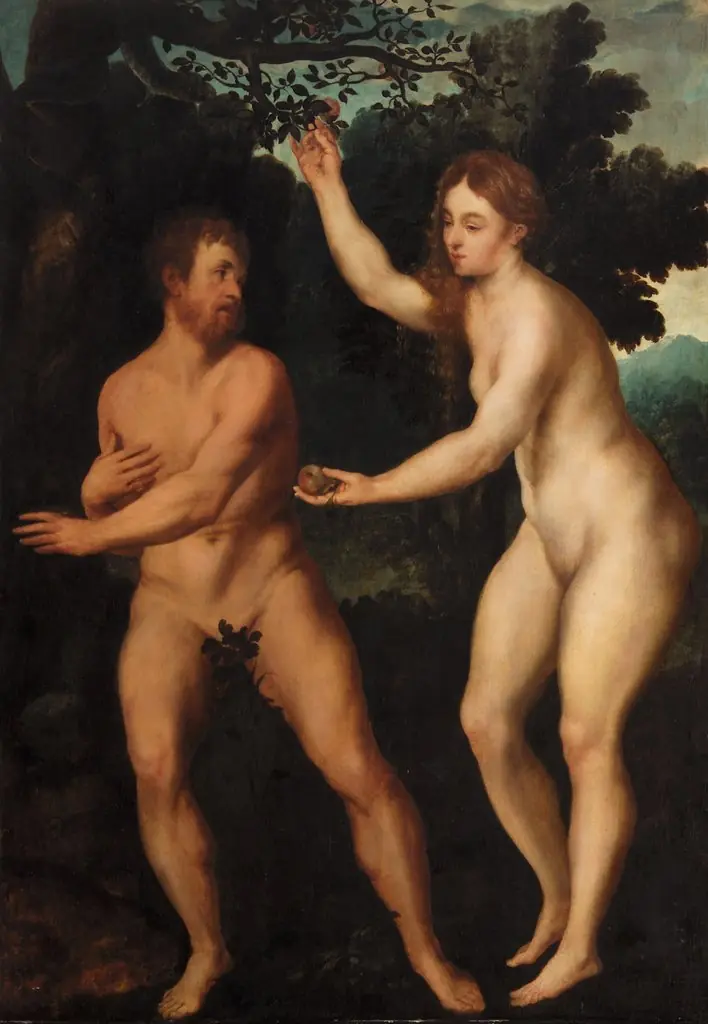
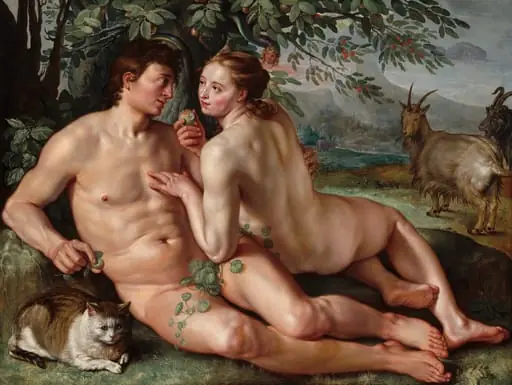
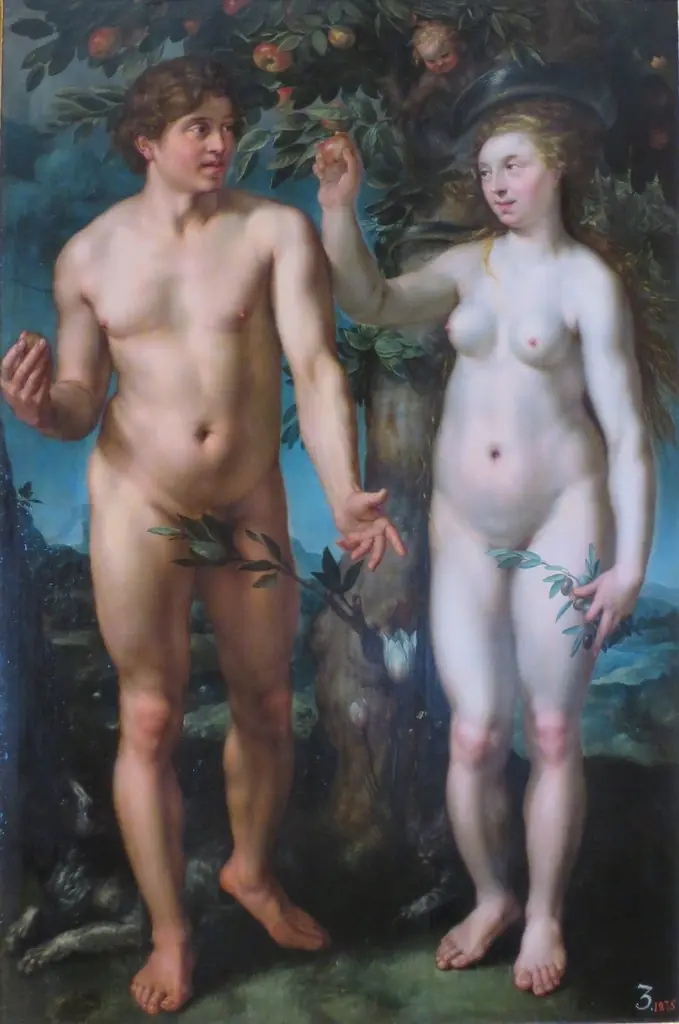
The painting illustrates the moment Eve, having been tempted by the serpent, reaches for the forbidden fruit while Adam stands beside her, holding a branch with an apple. Their nudity signifies innocence before sin, while the presence of the serpent—though subtly implied—anchors the narrative in Genesis. The deer in the background, a common symbol of purity in Christian iconography, contrasts with the impending fall, suggesting the loss of harmony between humanity and nature.
Technique & Style
Cranach employs a linear, almost decorative approach, with crisp outlines and flattened spatial depth typical of Northern Renaissance woodcut traditions. The figures are elongated and elegant, their forms rendered with smooth, controlled brushwork. The forest is rendered in muted greens and browns, while the sky is washed in pale blue, creating a calm, otherworldly atmosphere that distances the scene from realism and emphasizes its symbolic nature.
History & Provenance
Commissioned during the early years of the Protestant Reformation, the painting reflects Cranach’s close ties to Martin Luther and his circle. It was likely intended for private devotion rather than public display. The work remained in German collections before entering the Kunsthistorisches Museum’s holdings in the 19th century, where it has been preserved as part of its Renaissance painting collection.
Context
Created amid religious upheaval, the painting aligns with Protestant efforts to visualize biblical stories for personal reflection. Unlike Catholic altarpieces, it avoids dramatic spectacle, favoring quiet contemplation. Cranach’s repeated treatment of this theme suggests its importance in conveying theological ideas to a lay audience, using familiar imagery to reinforce moral and spiritual lessons during a time of doctrinal change.
Legacy
Cranach’s version of the Fall became one of the most widely reproduced religious scenes in 16th-century Germany. Its clarity of form and emotional restraint influenced later Protestant art, emphasizing narrative immediacy over ornate detail. While not revolutionary in composition, its enduring presence in museum collections underscores its role in shaping how biblical stories were visually transmitted across generations.
Own this work as a print
Artist & collection
Artist
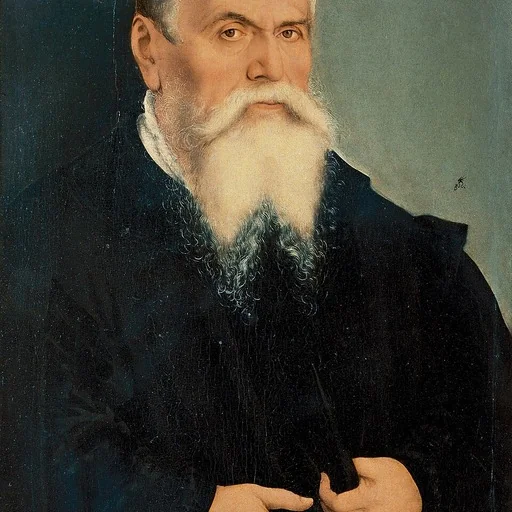
Lucas Cranach the Elder was a German Renaissance painter and printmaker in woodcut and engraving.

![The Fall of Man [middle panel], by German 15th/16th Century](https://artifactworldgallery.com/img/german-15th-16th-century--the-fall-of-man-middle-panel--51048cc74e2325c7-w320.webp)