Artwork
The Fall of Man
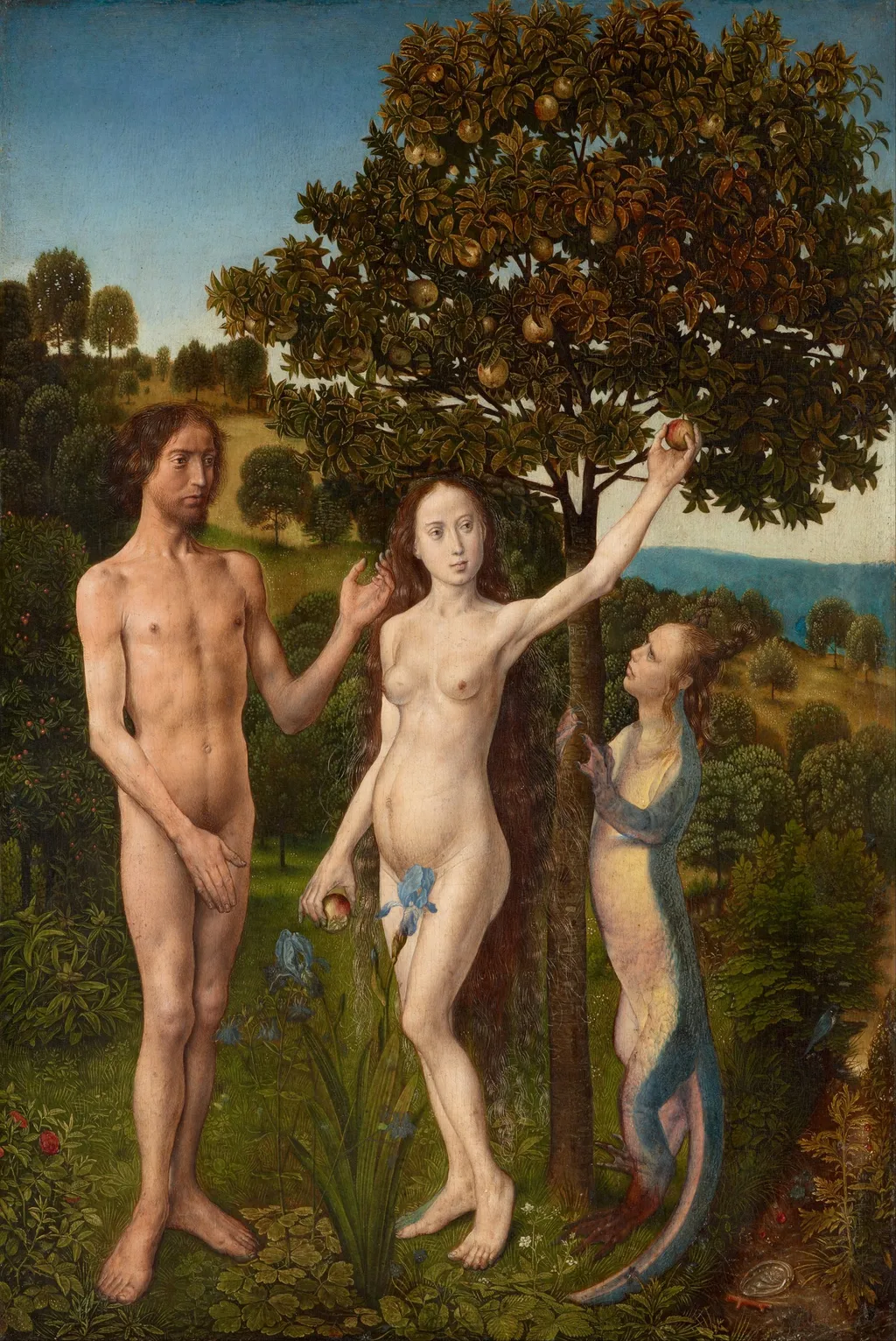
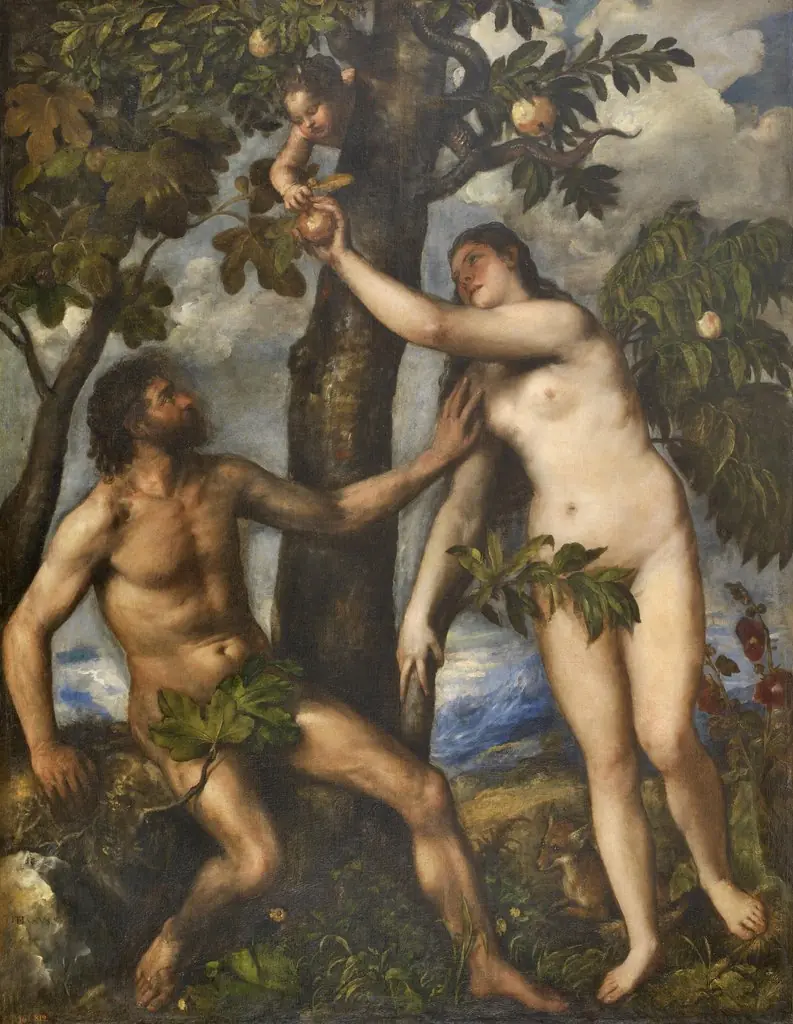
The Fall of Man is an oil painting by the Northern Renaissance artist Hugo Van der Goes. It is held in the collection of the Kunsthistorisches Museum. Created in 1488, this oil painting portrays the biblical narrative of Adam and Eve’s transgression.
About this work
Overview
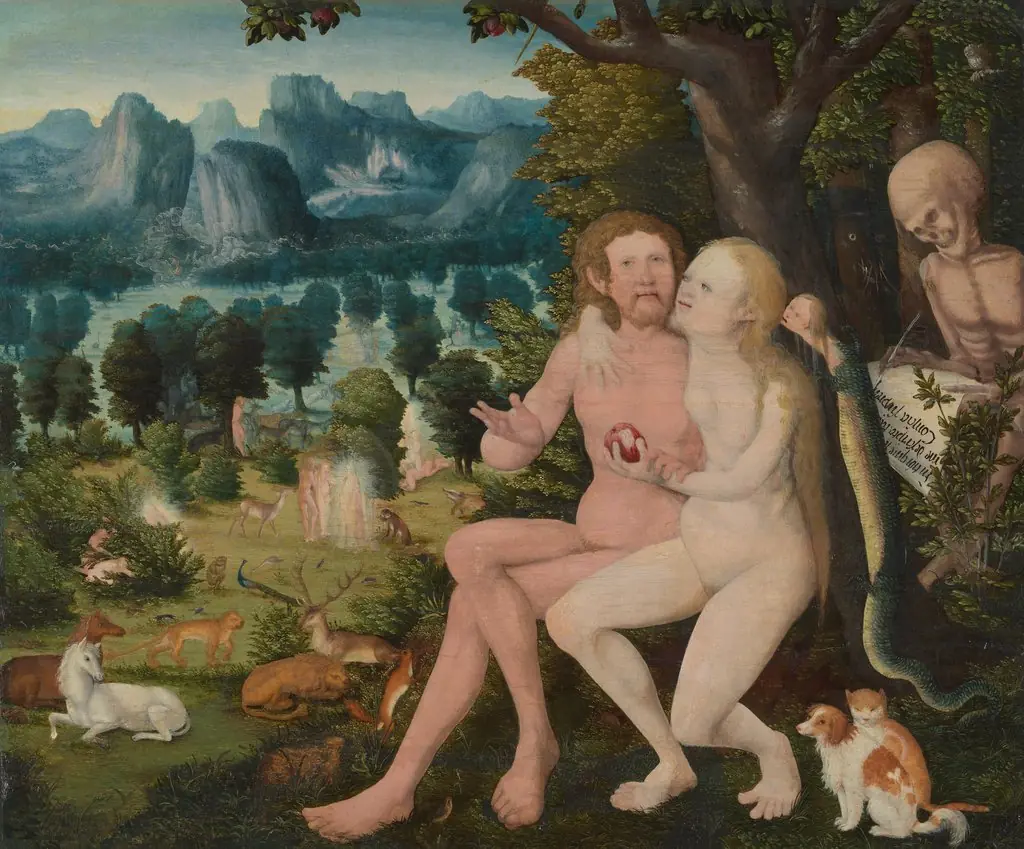
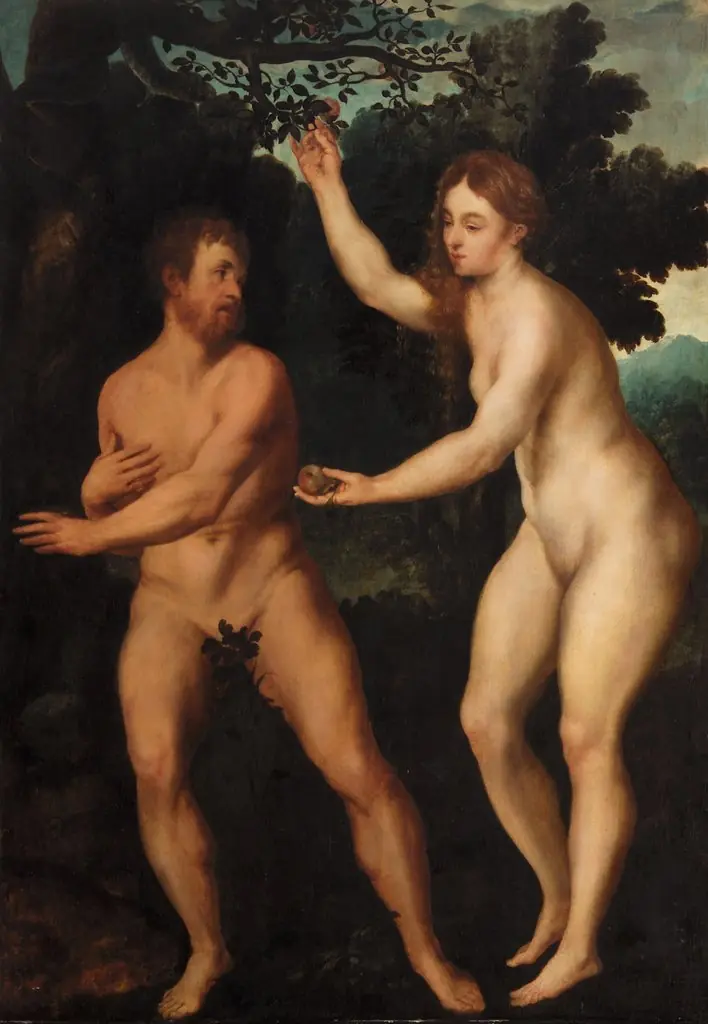
Created in 1488, this oil painting portrays the biblical narrative of Adam and Eve’s transgression. The composition places Eve at the centre, reaching for the forbidden fruit, while Adam watches nearby with a look of concern. A serpent coils around the tree, and a tranquil landscape of hills and sky forms the background.
Subject & Meaning
The work visualises the moment of the original sin, emphasizing the tension between temptation and obedience. Eve’s gesture toward the apple and the serpent’s presence underscore the theme of moral choice, while Adam’s reaction reflects human apprehension in the face of divine command.
Technique & Style
Executed in oil, the painting demonstrates the Northern Renaissance’s attention to detail and layered colour. The medium allows subtle modelling of foliage and skin, creating depth and texture that enhance the naturalistic setting and the figures’ expressions.
History & Provenance
Attributed to the Flemish artist Hugo van der Goes, the piece belongs to the Kunsthistorisches Museum’s collection. Van der Goes, noted for his large‑scale altarpieces and portraiture, was a leading figure in late‑15th‑century Flemish art, influencing contemporaries across Europe.
Own this work as a print
Artist & collection
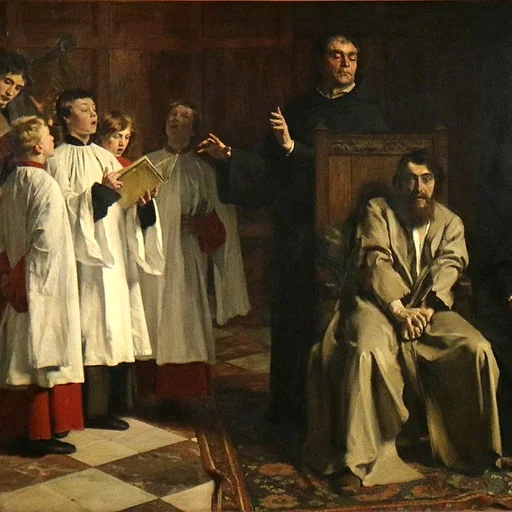
Artist
Hugo van der Goes (c. 1430/1440 – 1482) was a Flemish painter who was one of the most significant and original Early Netherlandish painters of the late 15th century. Van der Goes was an important painter of altarpieces…

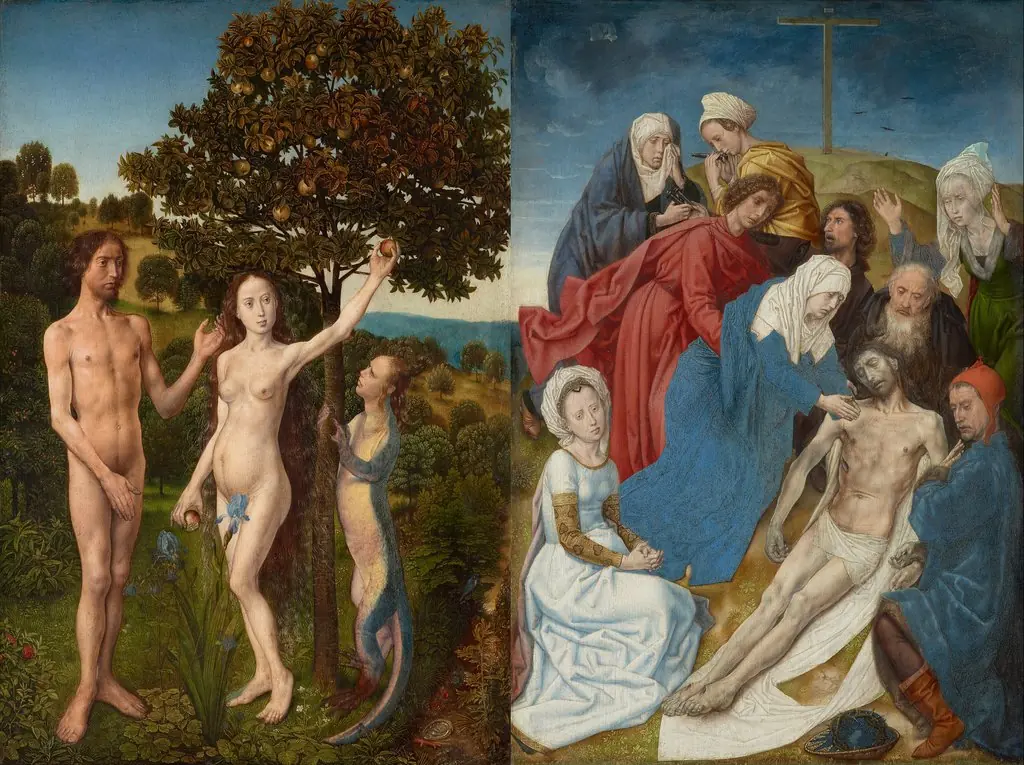 Vienna Diptych
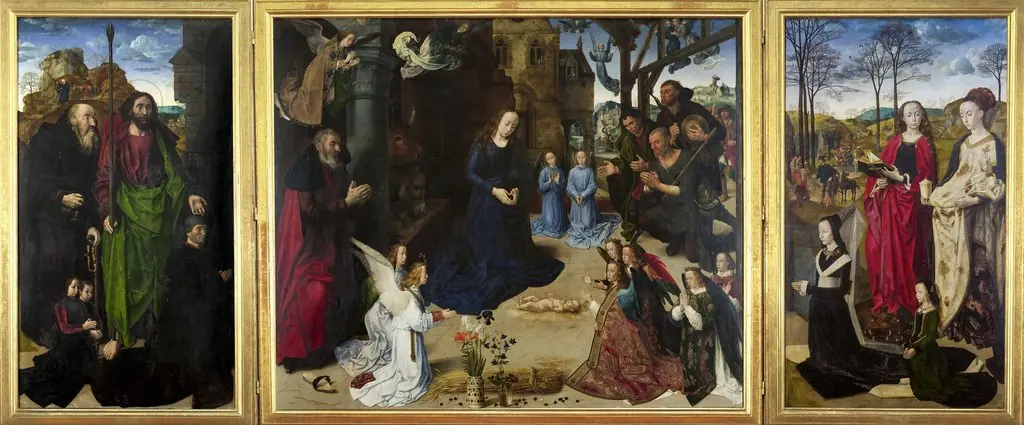 Portinari Triptych
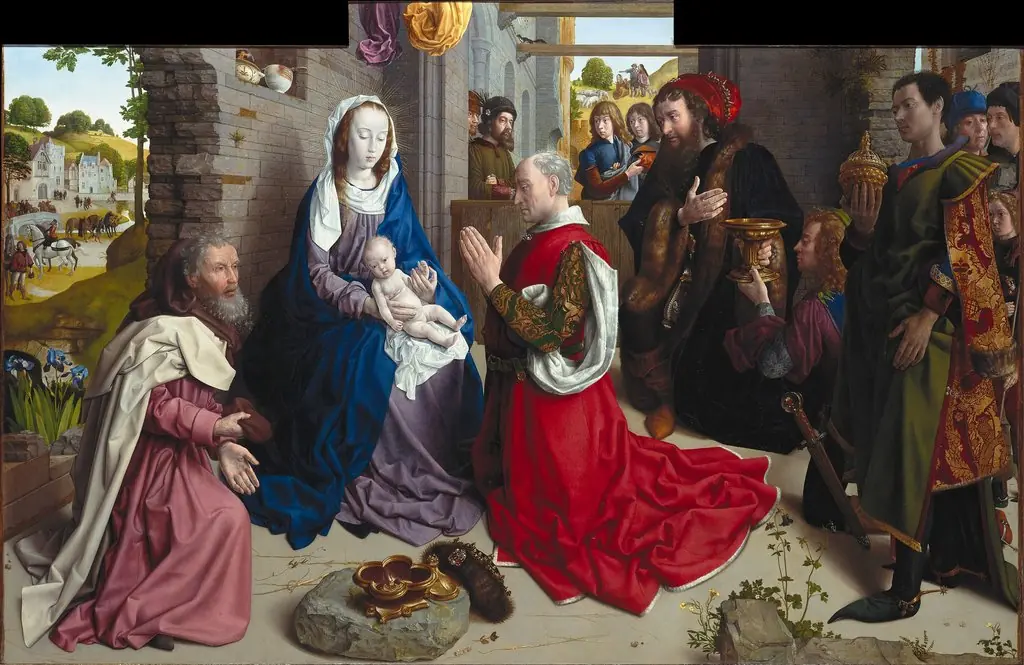 Monforte Altarpiece
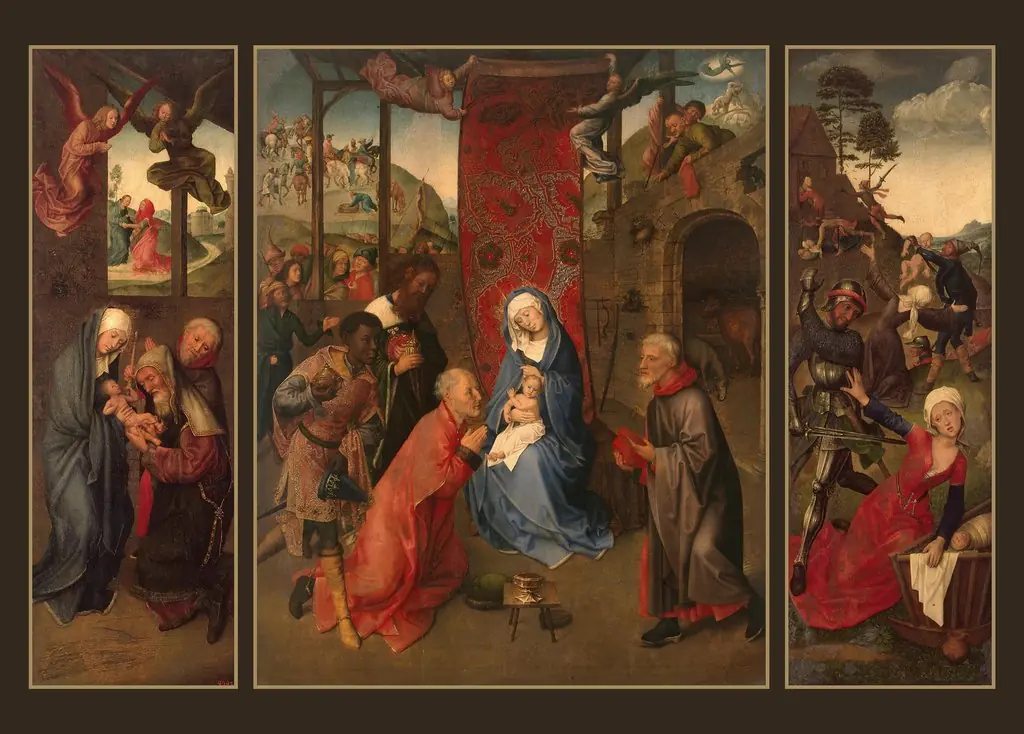 Adoration of the Magi (Triptych)
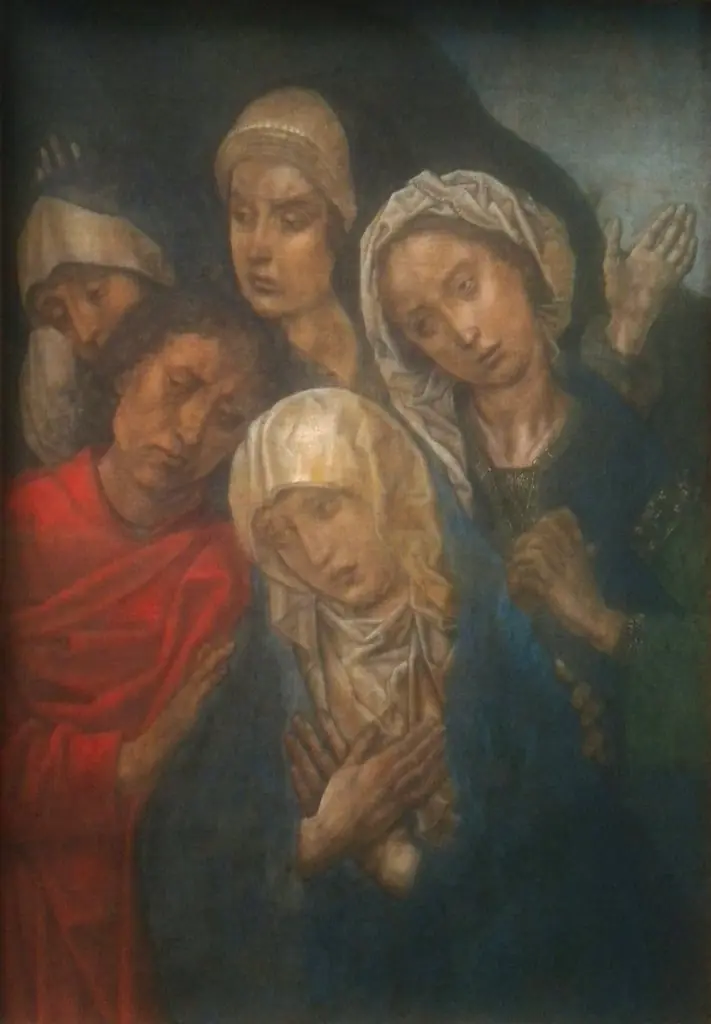 The Mourning of Christ
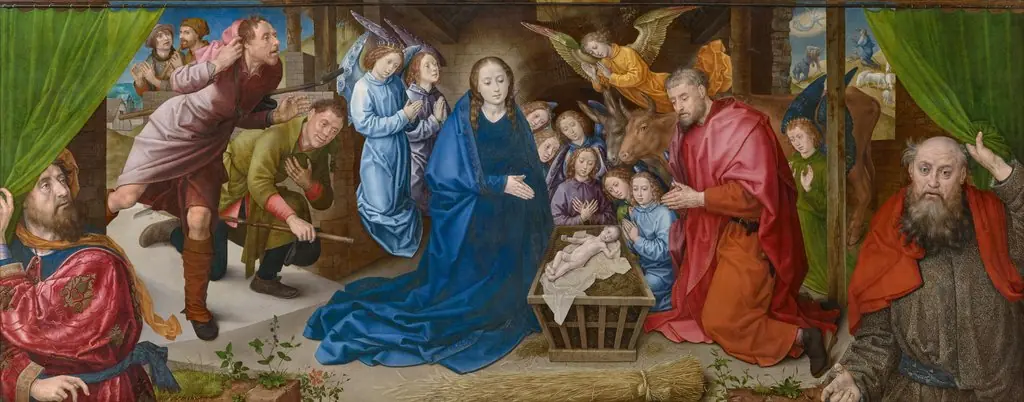 Adoration of the Shepherds
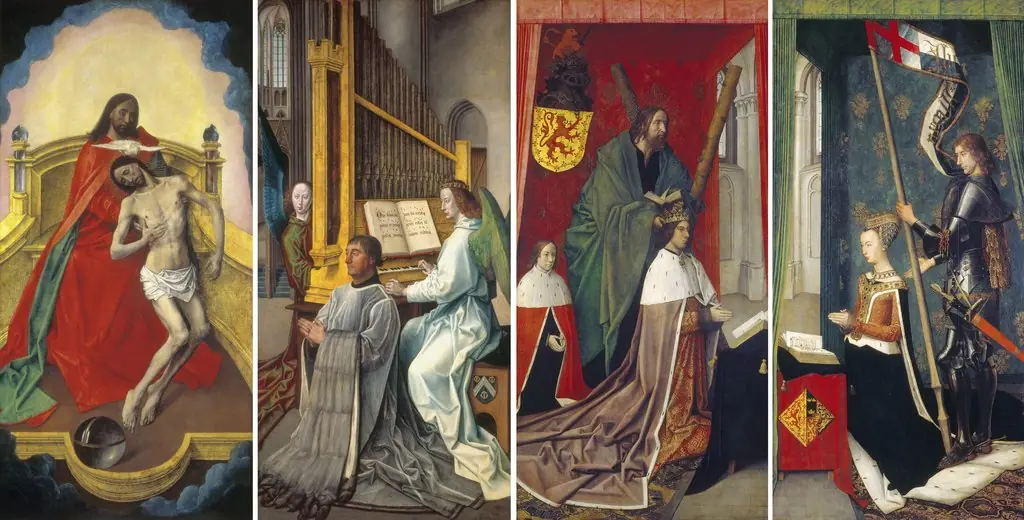 Trinity Altarpiece
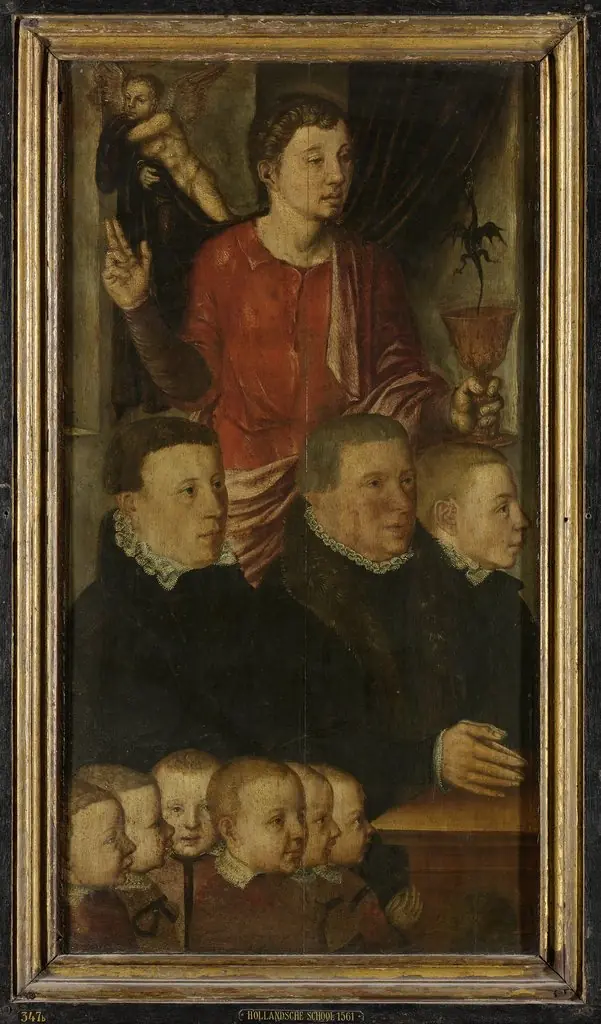 Left wing of a Memorial Triptych, formerly called the Gertz Memorial Triptych, with nine male Donor Portraits with Saint John the Evangelist (inner), and Saint Peter (outer)
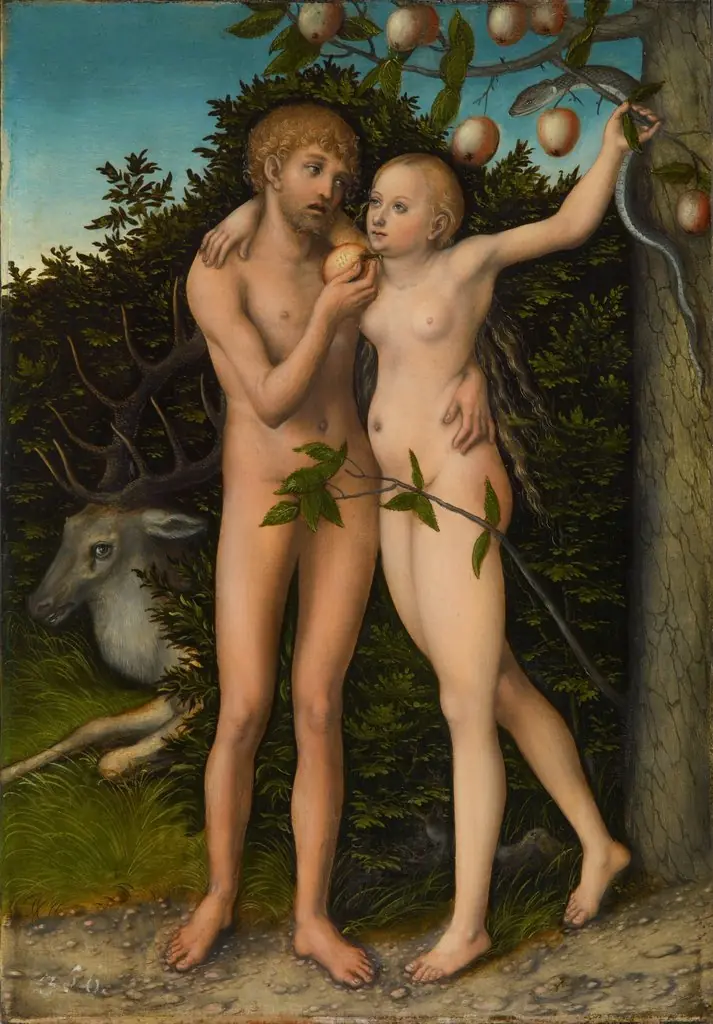
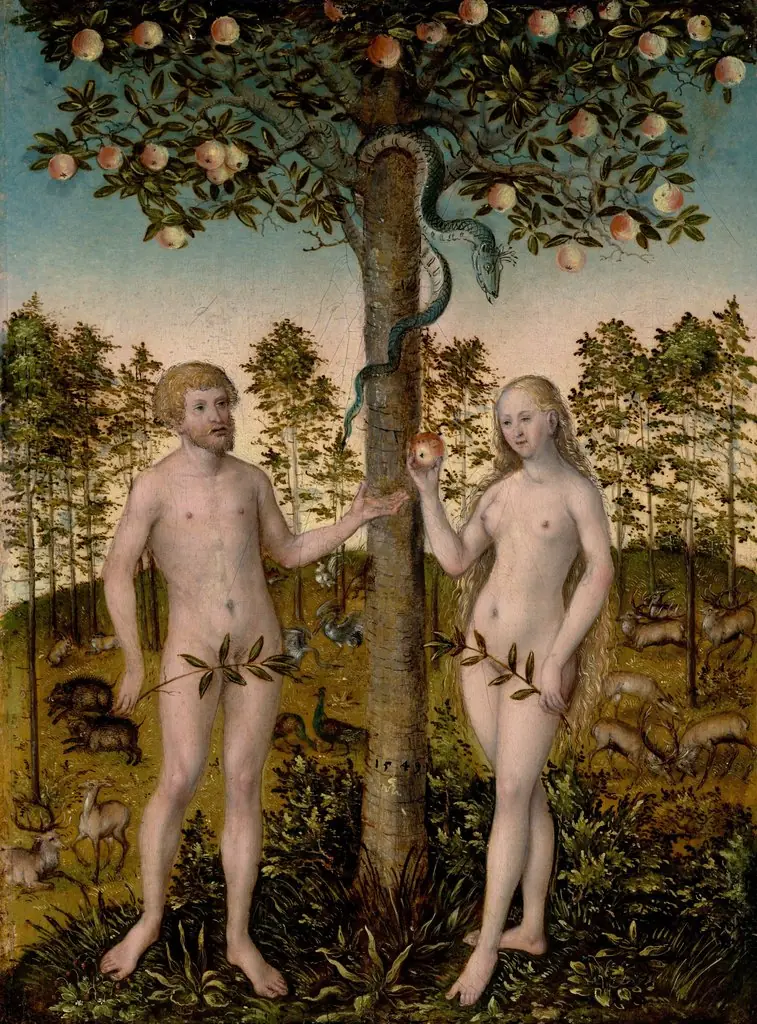
![The Fall of Man [middle panel], by German 15th/16th Century](https://artifactworldgallery.com/img/german-15th-16th-century--the-fall-of-man-middle-panel--51048cc74e2325c7-w320.webp)