Artwork
The Suicide of Lucretia
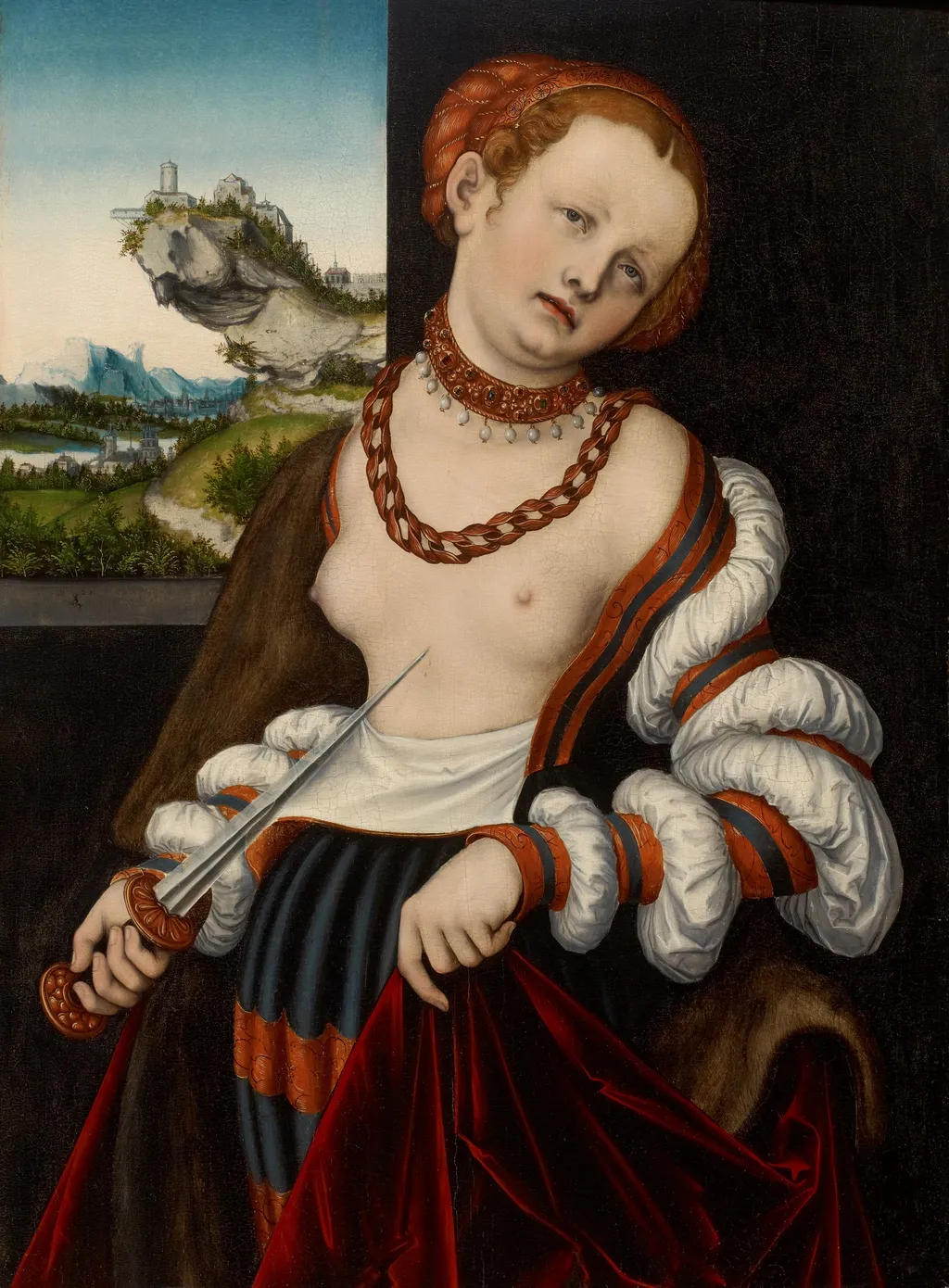
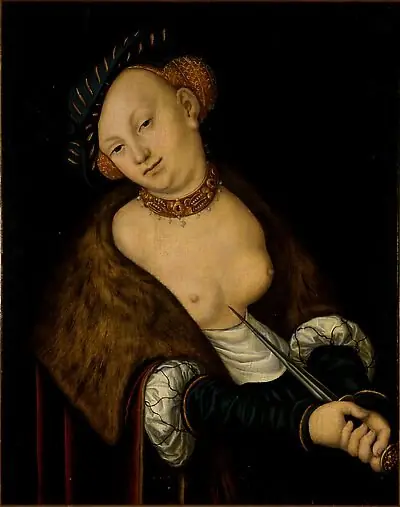
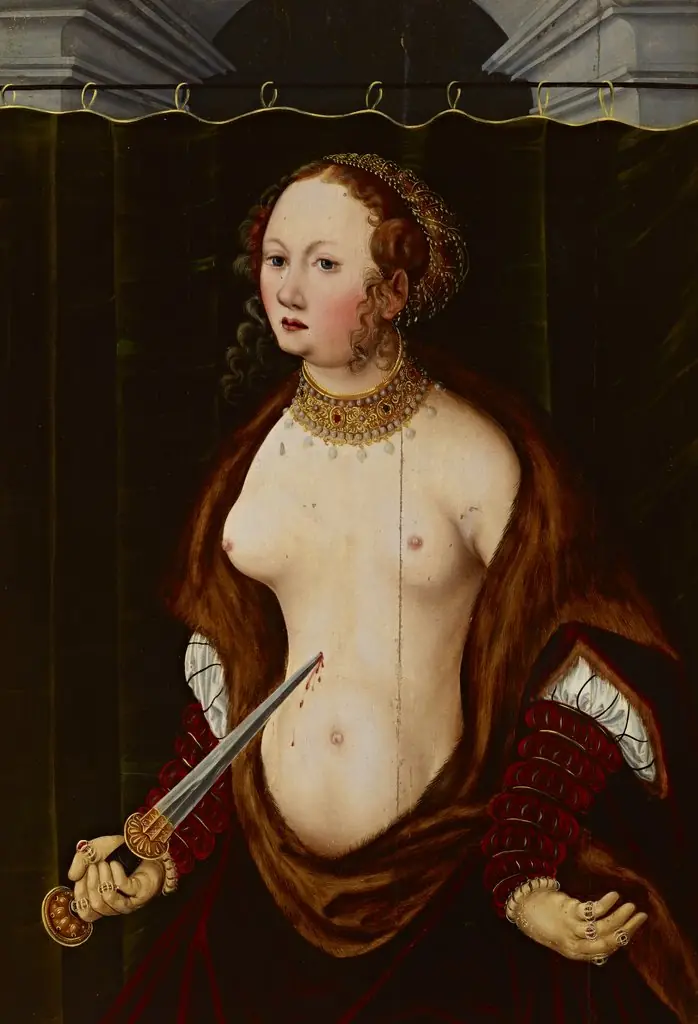
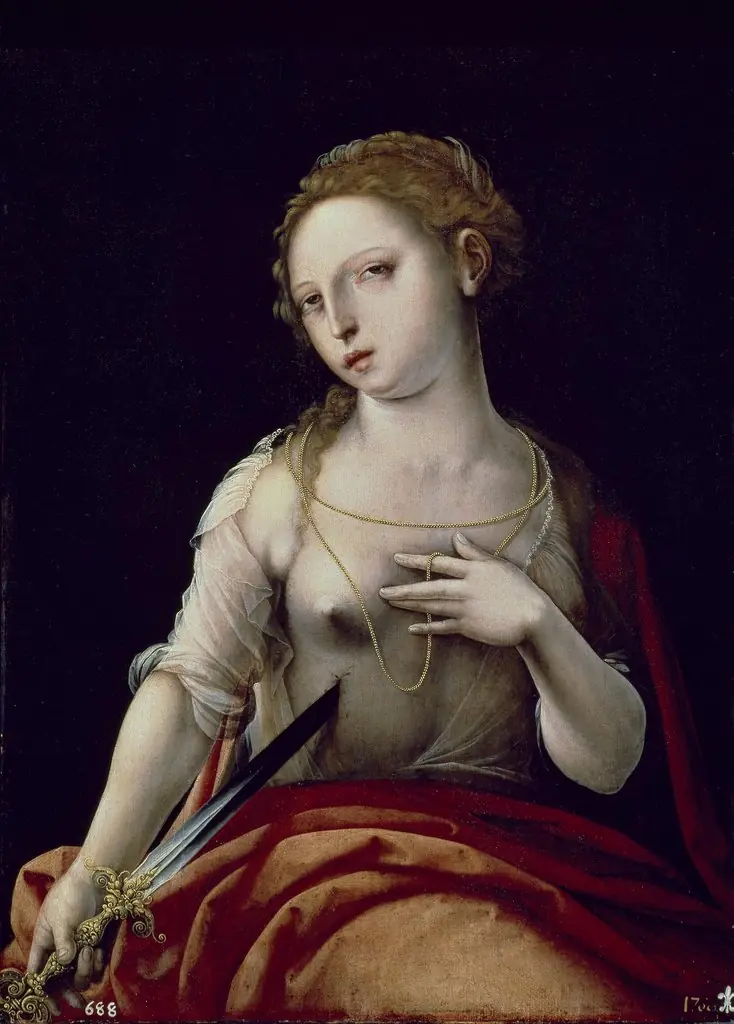
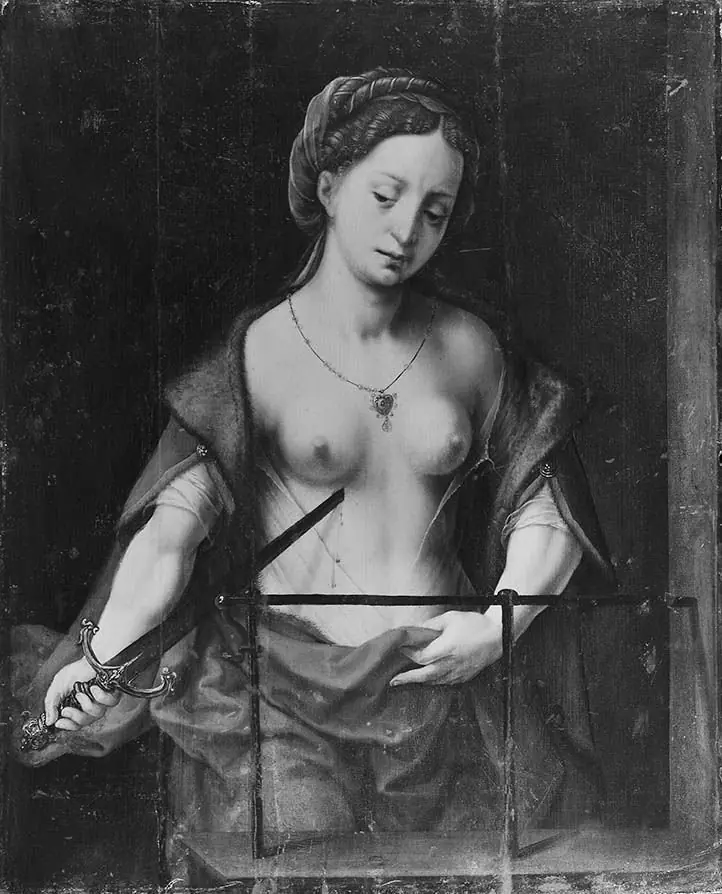
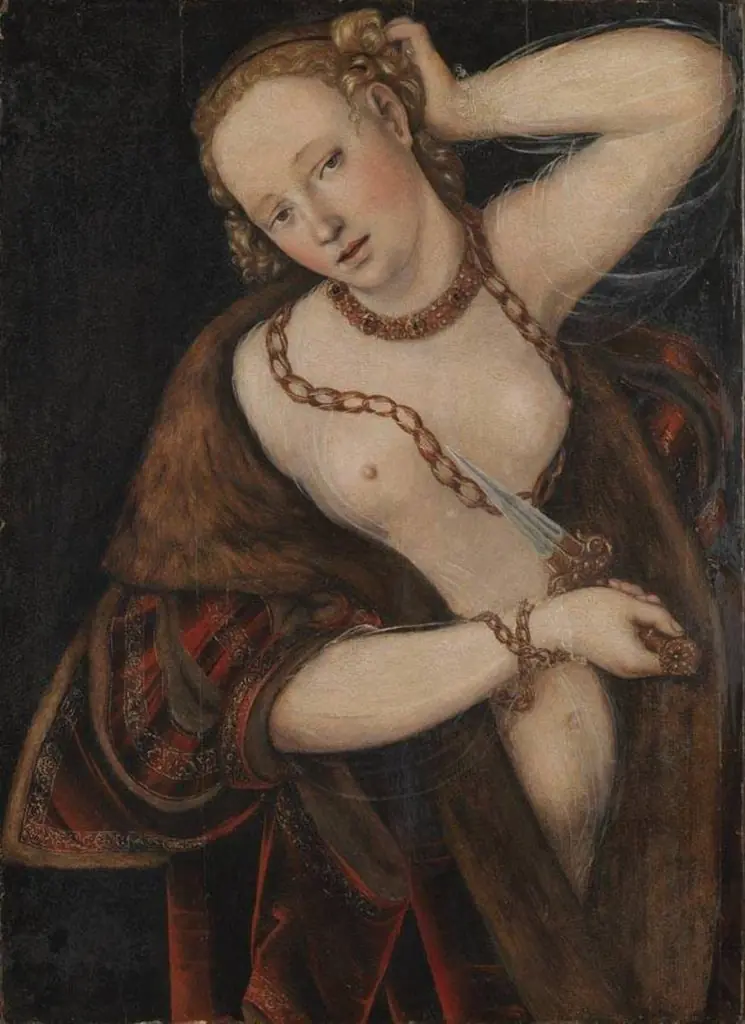
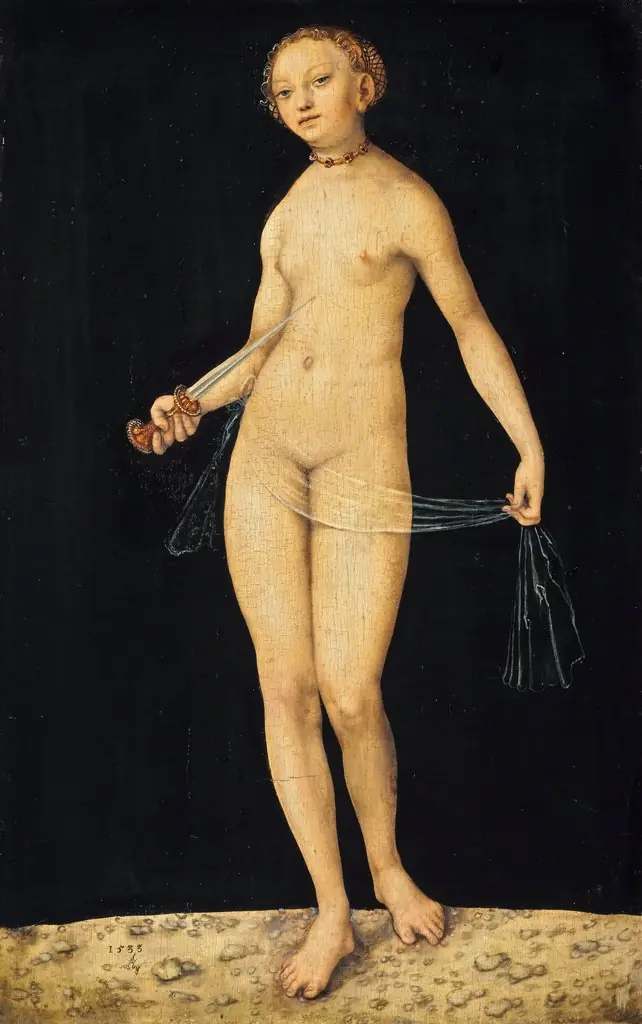
The Suicide of Lucretia is an oil painting by the Northern Renaissance artist Lucas Cranach the Elder. It dates from 1529 and is held in the collection of the Museum of Fine Arts, Houston.
About this work
Overview
Painted in 1529 by Lucas Cranach the Elder, this oil-on-panel work portrays the Roman noblewoman Lucretia at the moment of her self-inflicted death.
Painted in 1529 by Lucas Cranach the Elder, this oil-on-panel work portrays the Roman noblewoman Lucretia at the moment of her self-inflicted death. The scene is rendered with quiet intensity, focusing on her solitary figure against a calm, distant landscape. The painting is part of the collection at the Museum of Fine Arts, Houston, and reflects Cranach’s engagement with classical narratives through a Northern Renaissance lens.
Subject & Meaning
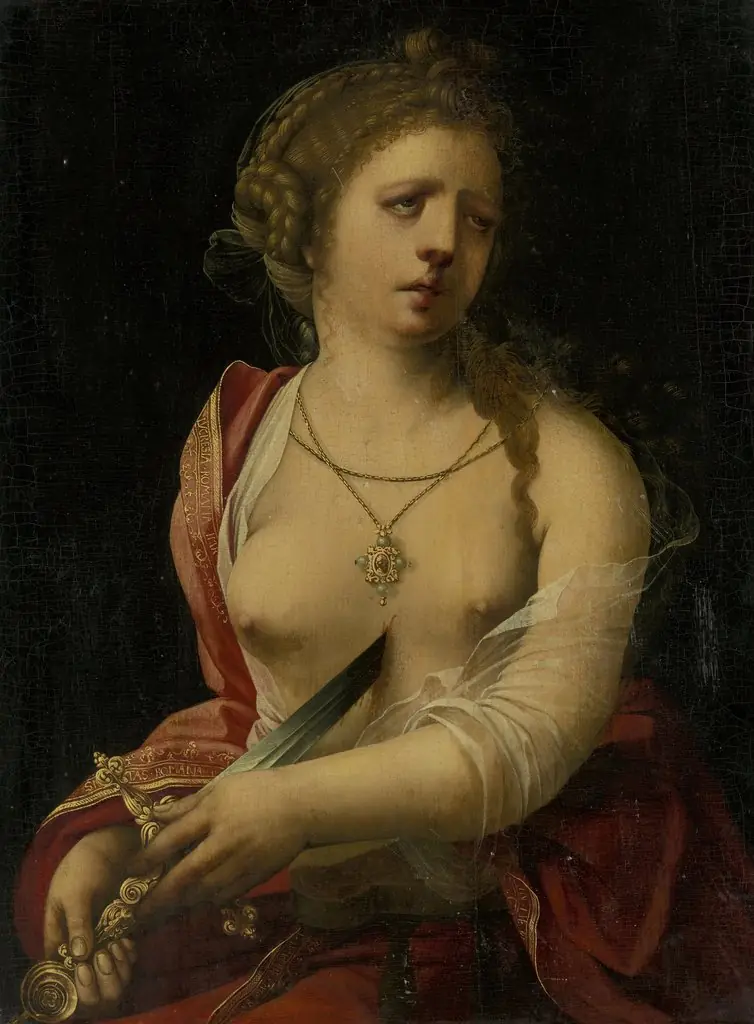
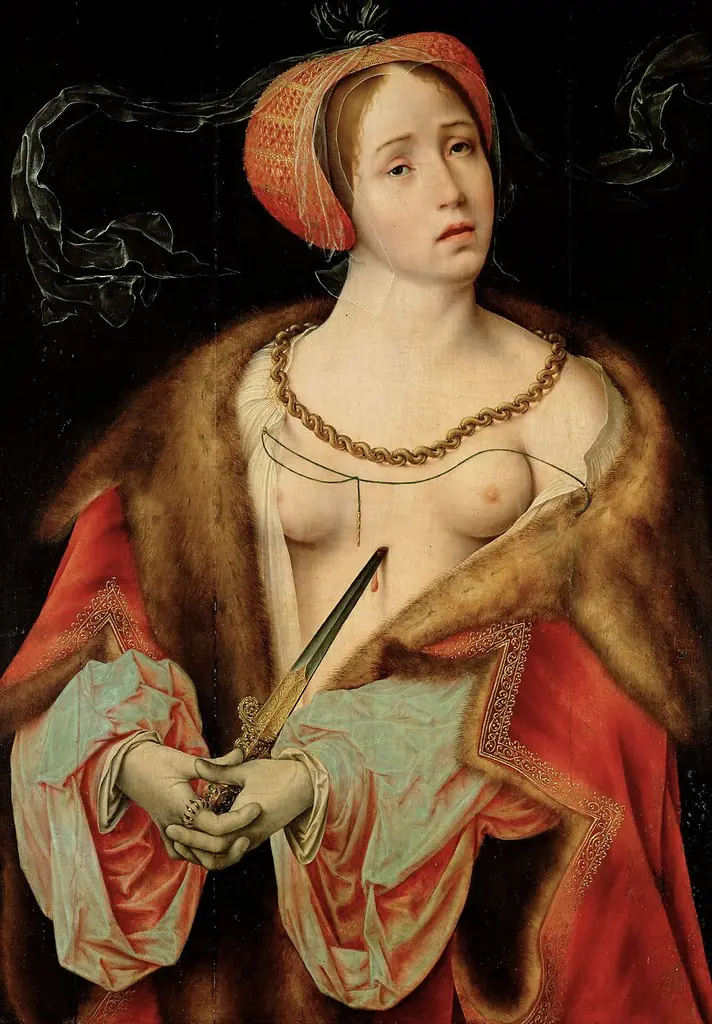
Lucretia’s act of suicide follows her rape by Sextus Tarquinius, a story from Roman history symbolizing virtue, honor, and the cost of violated integrity. Cranach depicts her not in anguish but in stillness, emphasizing moral resolve over emotional spectacle. The exposed chest and dagger suggest both vulnerability and agency, framing her death as a deliberate act of reclaiming dignity in a patriarchal world.
Technique & Style
Cranach employs chiaroscuro to model Lucretia’s form with subtle gradations of light and shadow, enhancing the three-dimensionality of her body and drapery. The red gown, sharply lit against darker tones, draws focus to her figure. The background, rendered in muted blues and greens, recedes with soft atmospheric perspective, creating a quiet contrast to the intimacy of the central act without distracting from it.
History & Provenance
Commissioned during Cranach’s tenure at the Saxon court, the painting aligns with early Reformation-era interest in moral and historical themes. It entered the Museum of Fine Arts, Houston’s collection in the 20th century, likely through a private acquisition. Its survival in relatively intact condition reflects careful stewardship, though its early ownership records remain partially undocumented.
Context
In early 16th-century Germany, classical stories like Lucretia’s were repurposed to reflect contemporary values—chastity, civic virtue, and resistance to tyranny. Cranach, closely tied to Lutheran reformers, may have intended the image as a meditation on personal integrity amid social upheaval. The serene landscape may allude to divine order, reinforcing the moral weight of her choice.
Legacy
Cranach’s interpretation of Lucretia diverges from later Baroque dramatizations, favoring restraint over spectacle. Its quiet composition influenced Northern European depictions of female moral agency. While less widely known than Italian versions, the painting remains a significant example of how humanist themes were adapted in Protestant artistic circles during the Reformation.
Own this work as a print
Artist & collection
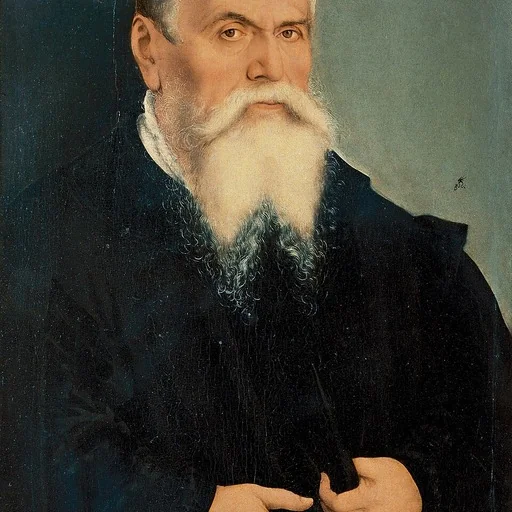
Artist
Lucas Cranach the Elder was a German Renaissance painter and printmaker in woodcut and engraving.