Artwork
The Death of Lucretia
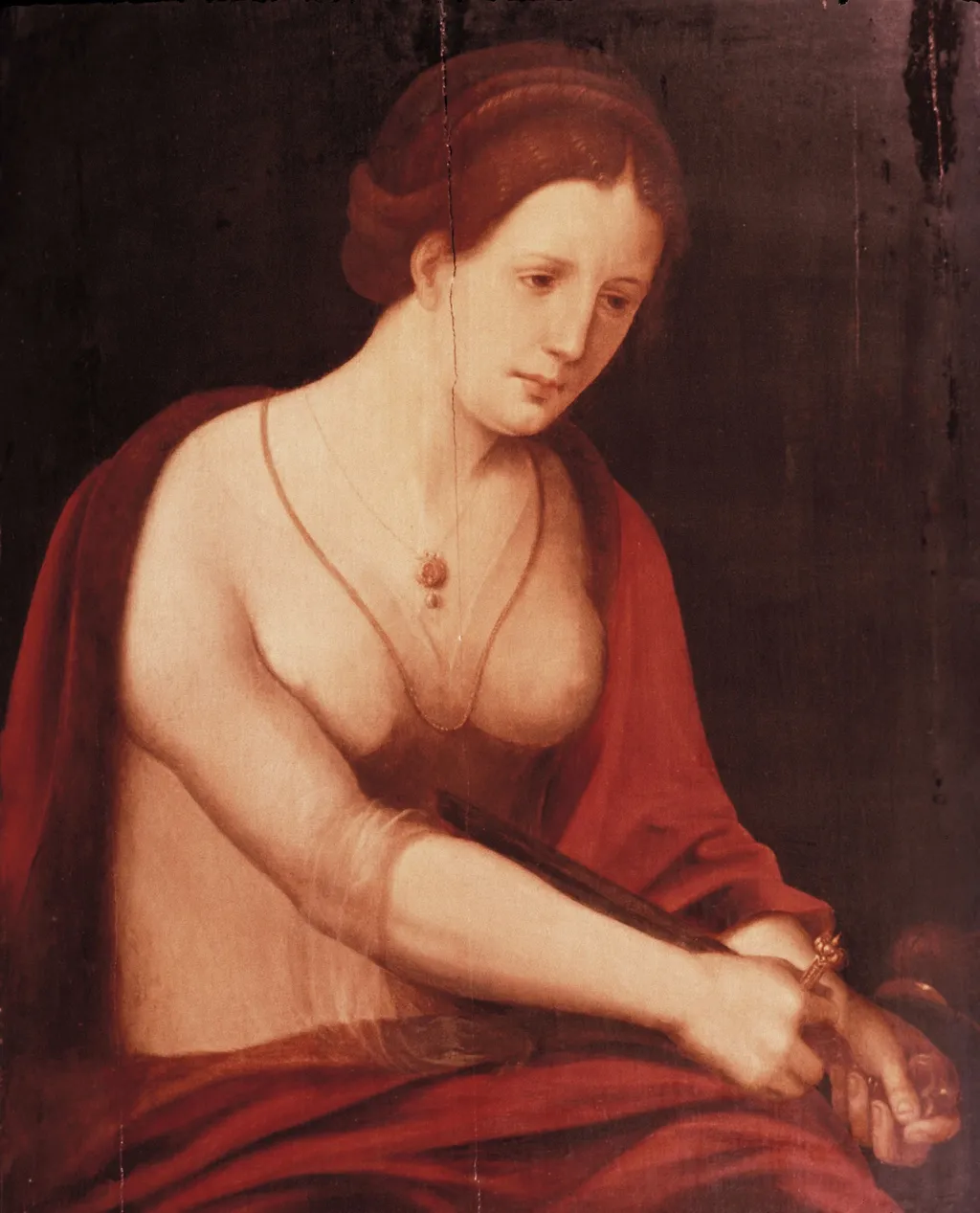
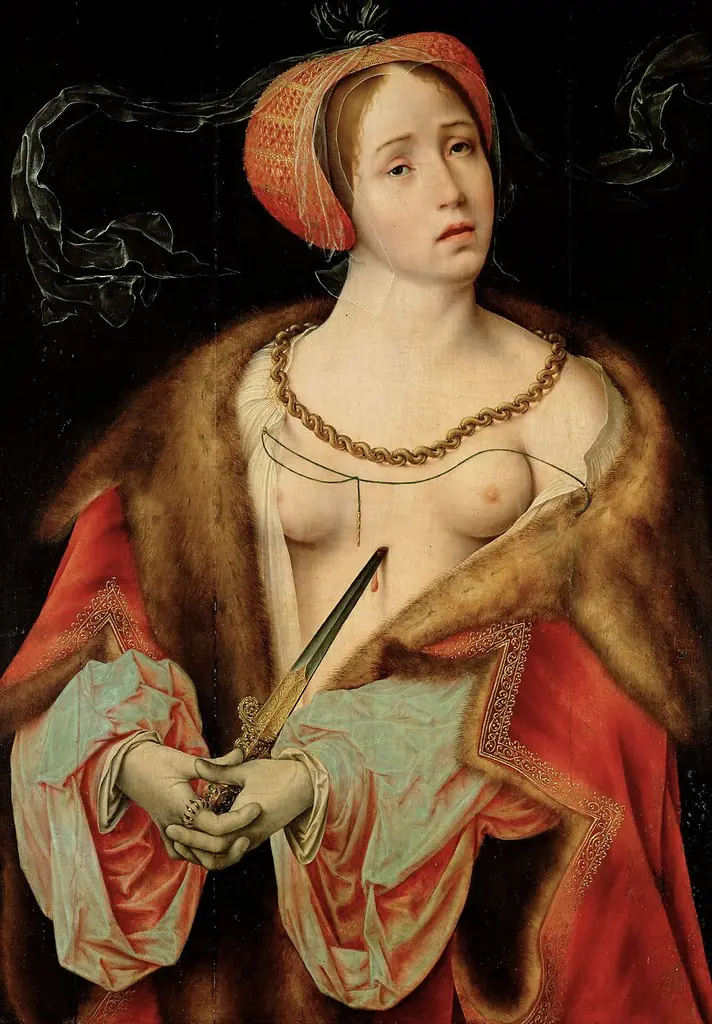
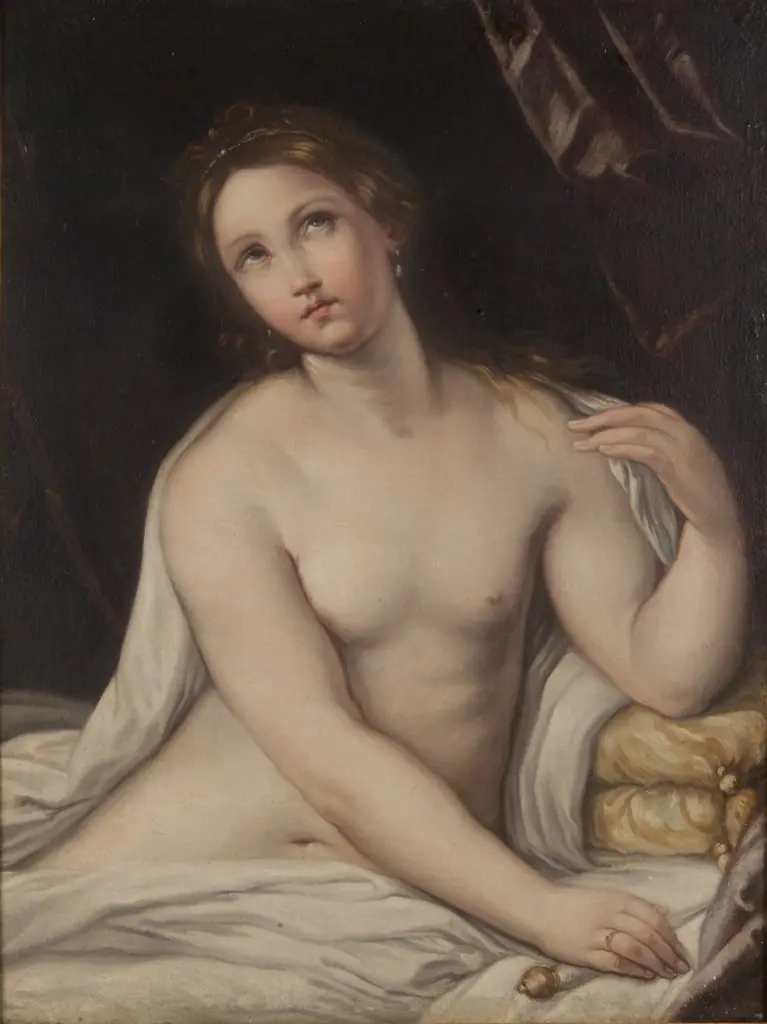
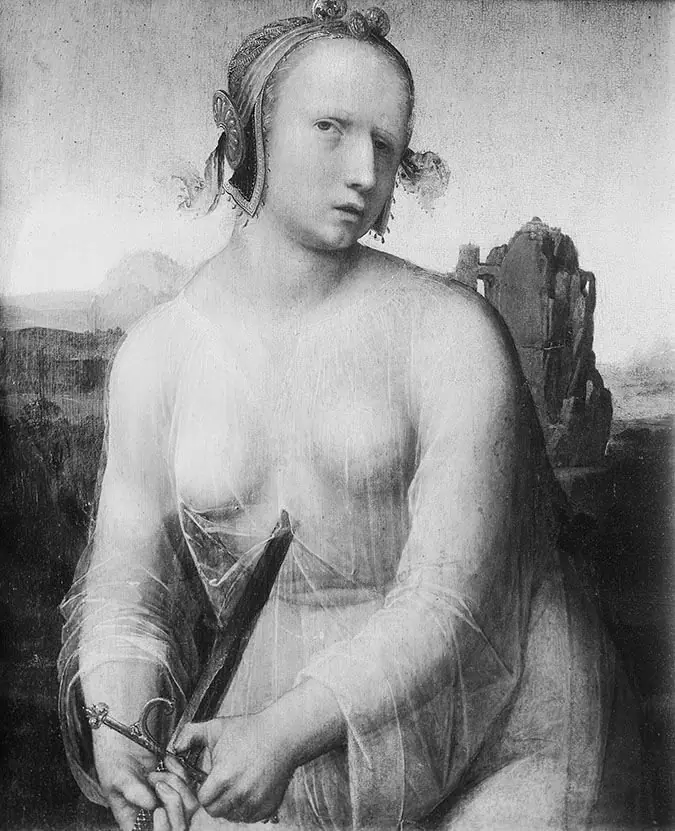
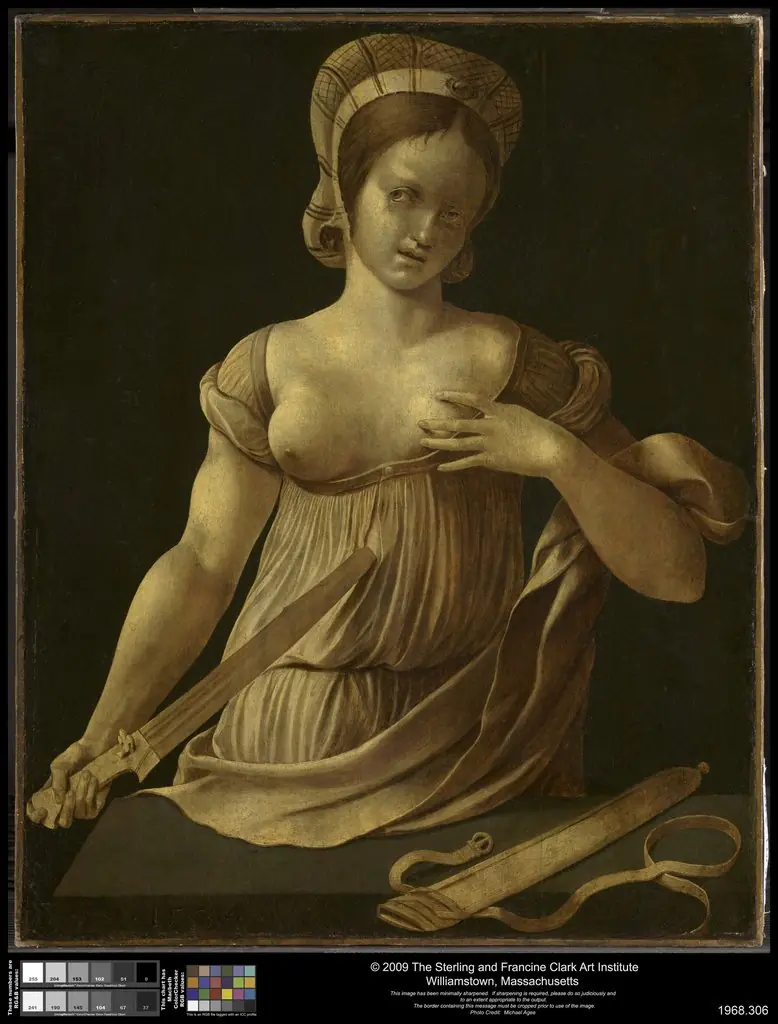
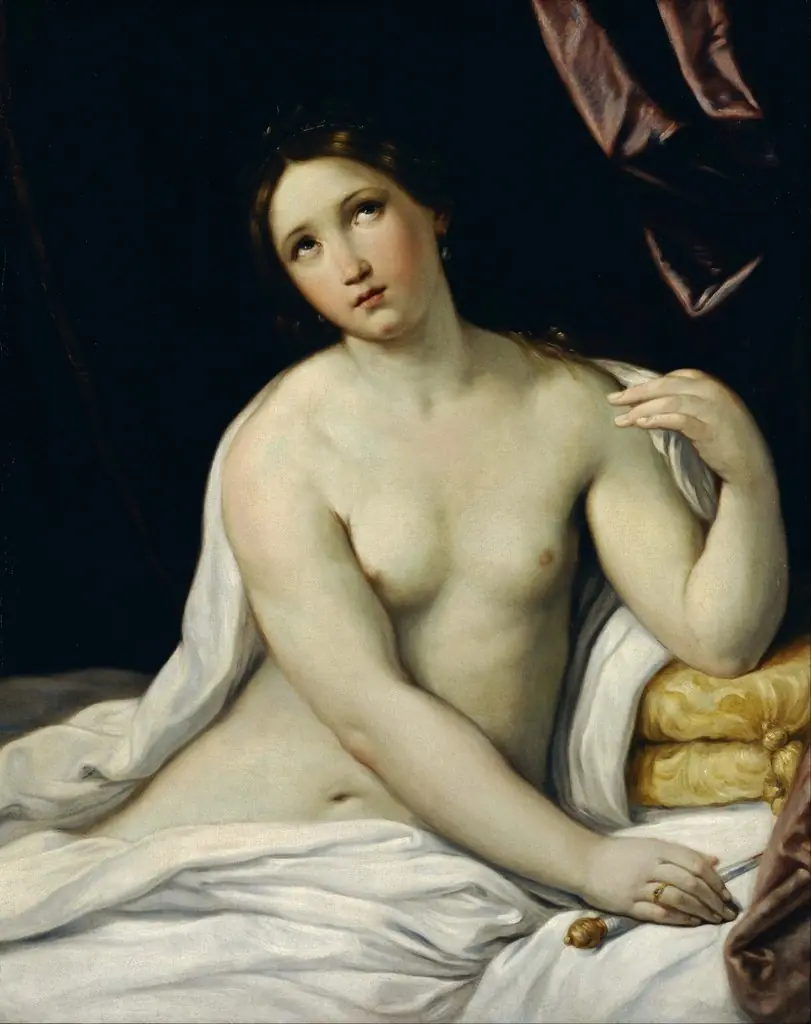
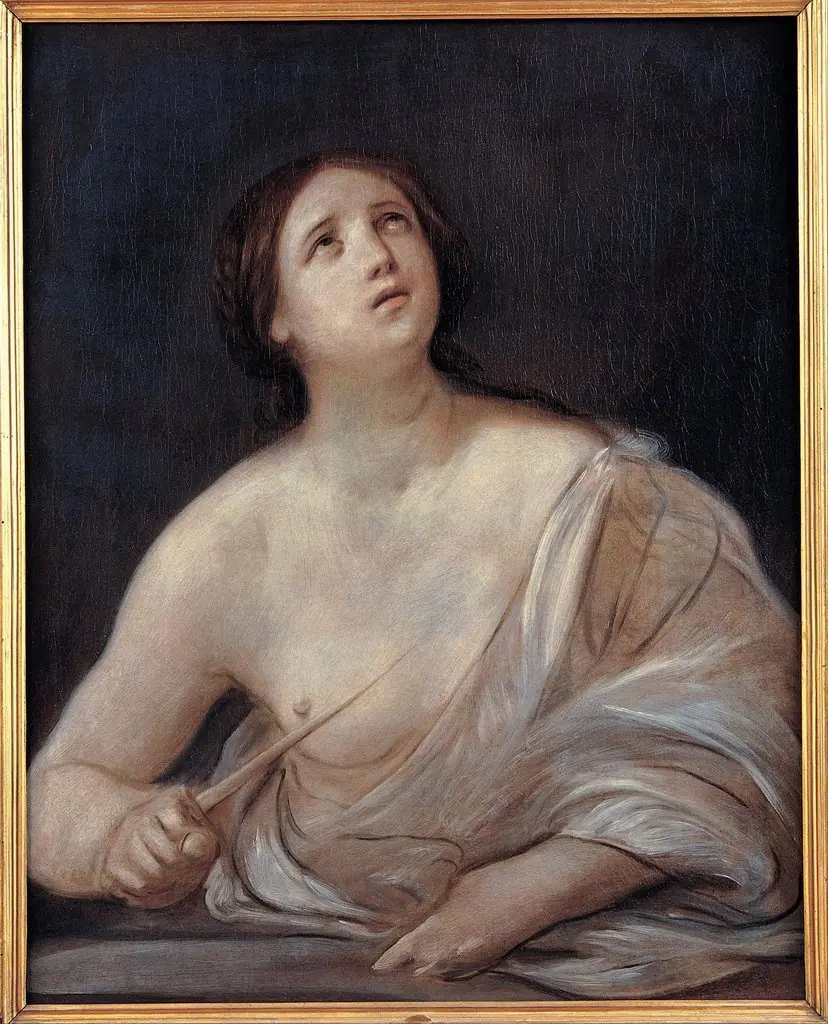
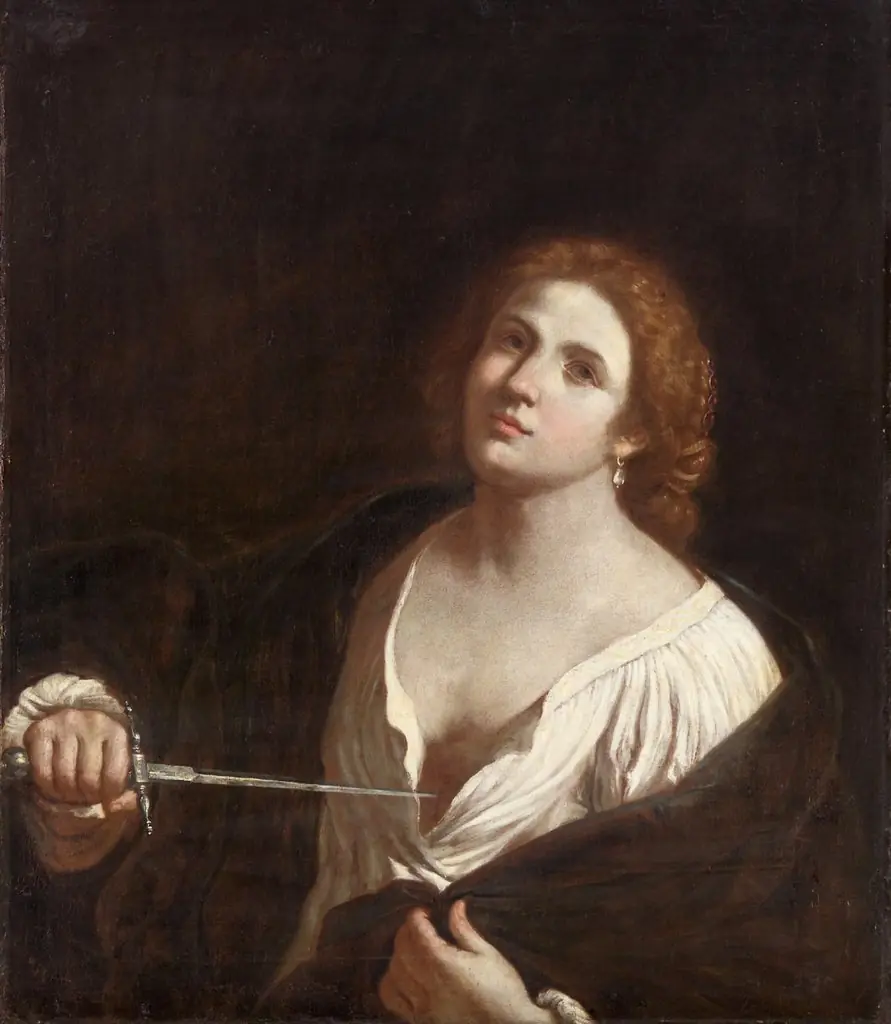
The Death of Lucretia is an unspecified painting by the Northern Renaissance artist Master of the Female Half-Lengths. It dates from 1550 and is held in the collection of the Detroit Institute of Arts.
About this work
Overview
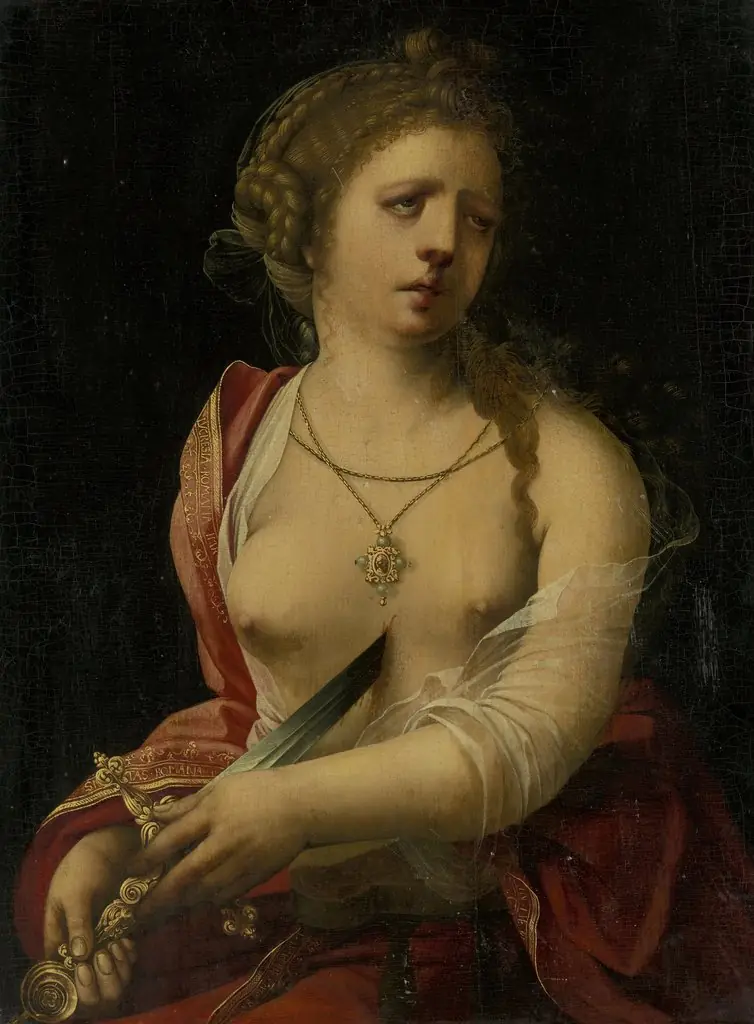
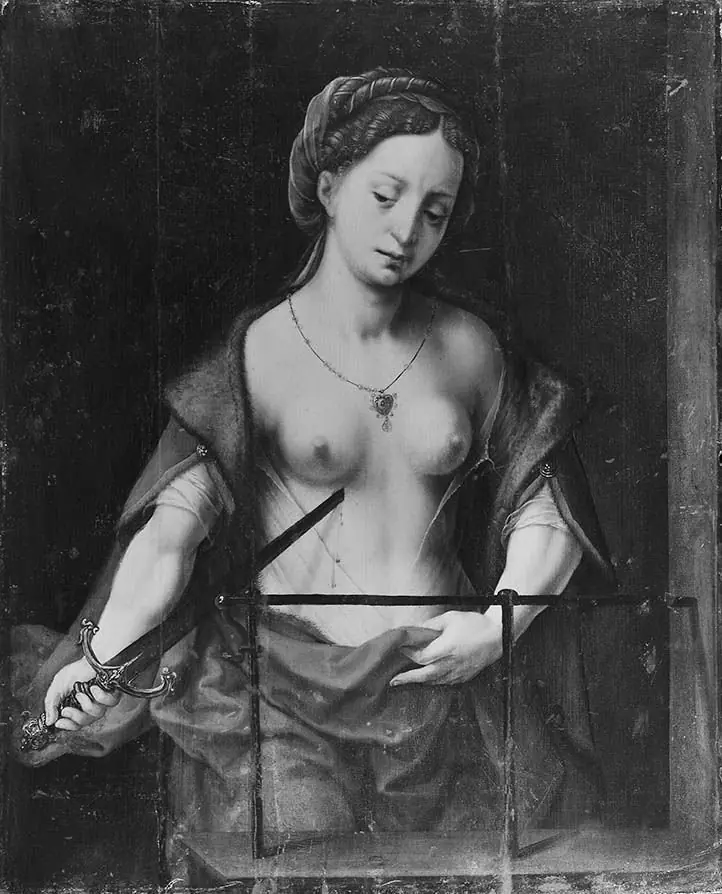
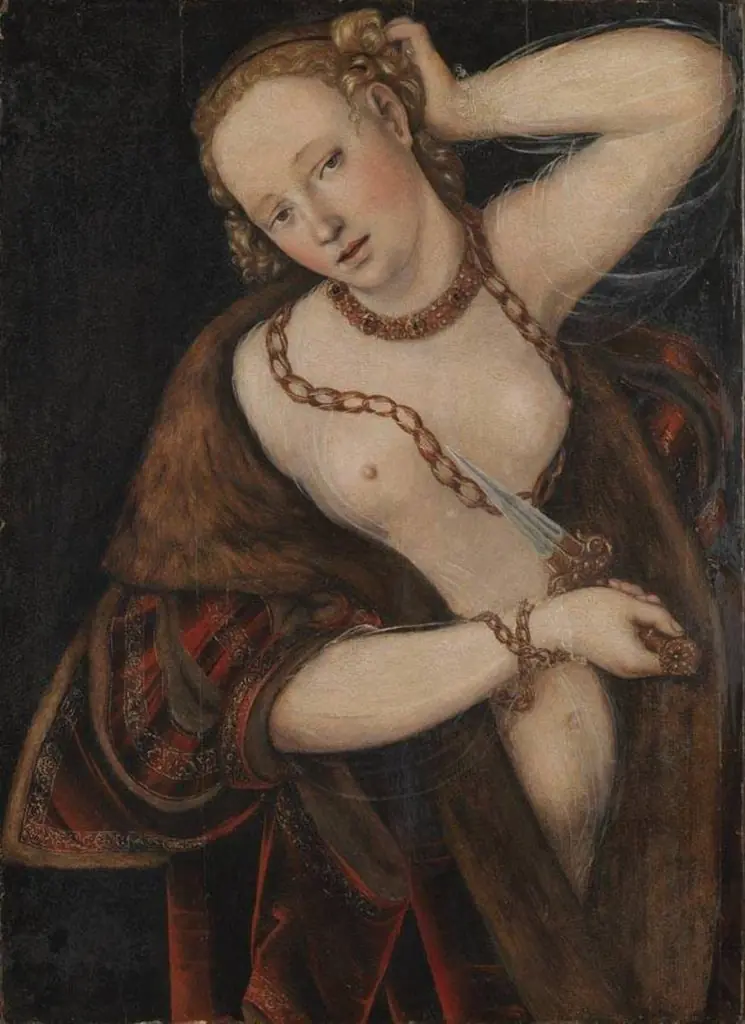
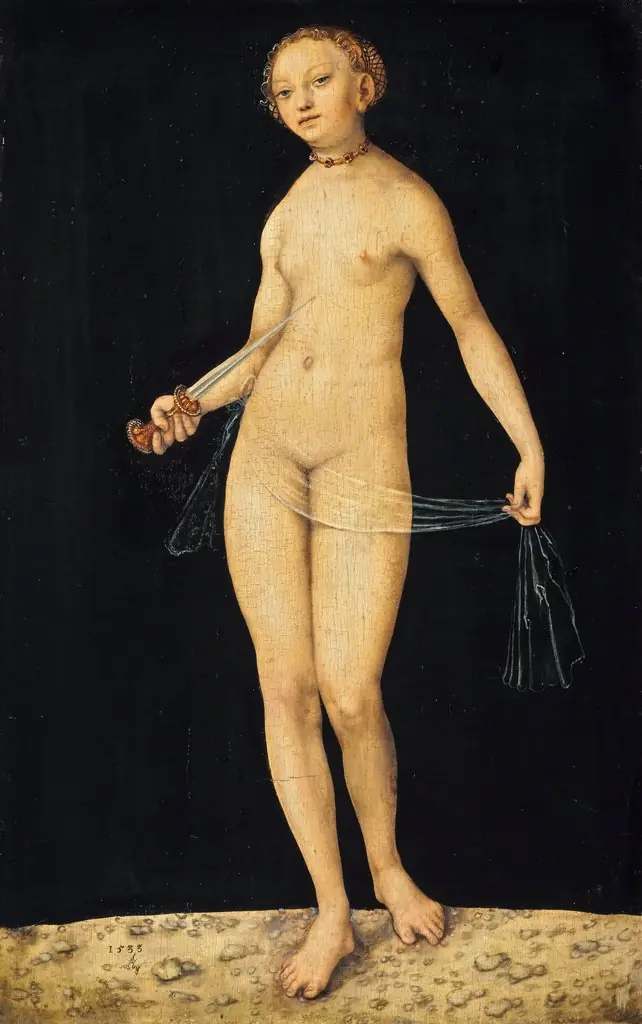
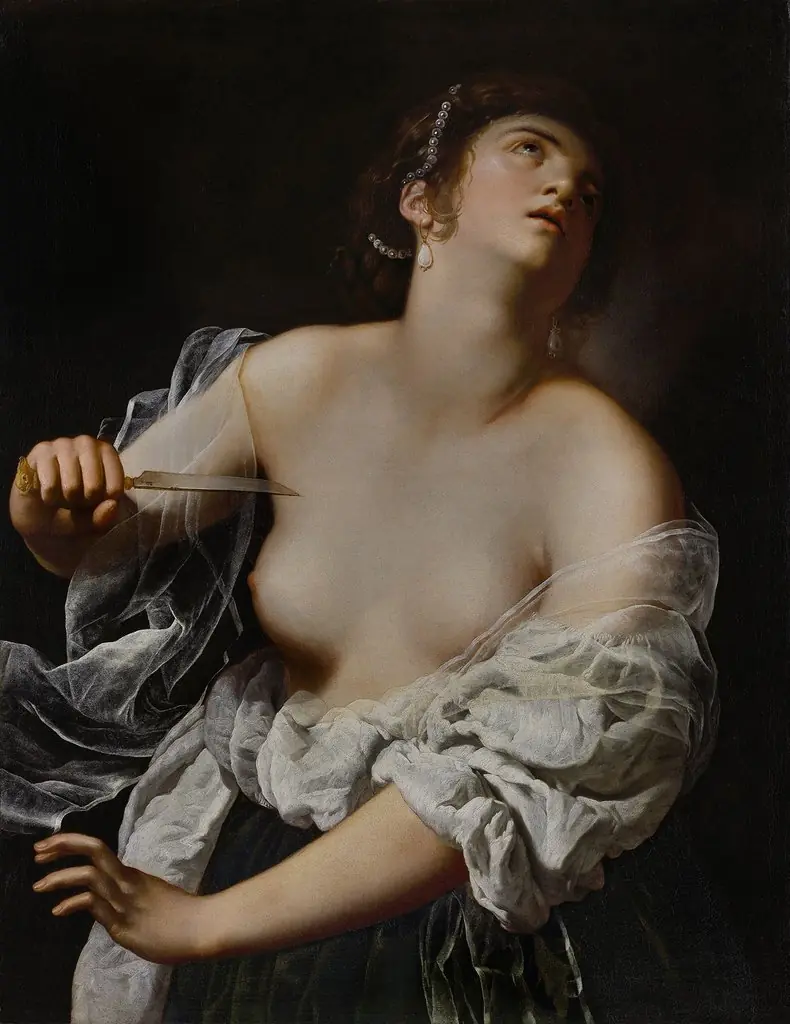
Created around 1550, this history painting is attributed to the anonymous workshop known as the Master of the Female Half‑Lengths. Executed in oil on panel, the work measures a modest size and is currently displayed in the collection of the Detroit Institute of Arts. Its subject is the Roman heroine Lucretia, whose tragic end has been a recurrent theme in Western art.
Subject & Meaning
The composition centers on a seated woman holding a knife, her gaze directed downward in a solemn manner. The weapon alludes to the legendary act of self‑sacrifice performed by Lucretia after being violated, an episode that sparked the overthrow of the Roman monarchy. The painting thus conveys themes of personal virtue, honor, and the political consequences of private tragedy.
Technique & Style
A light‑colored dress contrasted with a deep red cape creates a restrained yet striking palette.
Rendered in a half‑length format, the figure occupies the foreground against a muted backdrop. A light‑colored dress contrasted with a deep red cape creates a restrained yet striking palette. The artist’s handling of fabric folds and the subtle modeling of the face demonstrate a careful study of light, while the composition’s simplicity reflects the Northern Renaissance’s focus on intimate, narrative portraiture.
History & Provenance
The work emerged in the mid‑sixteenth century, a period when anonymous masters often specialized in devotional and historical subjects. It entered the Detroit Institute of Arts through a 20th‑century acquisition, though earlier ownership records remain sparse. The attribution to the Master of the Female Half‑Lengths rests on stylistic parallels with other half‑length female figures produced by the same workshop.
Context
Lucretia’s story, recounted by ancient historians such as Livy, became a moral exemplar during the Renaissance, embodying civic virtue and the power of personal integrity to inspire political change. Artists of the era frequently revisited this narrative to explore the intersection of private suffering and public consequence, aligning with contemporary humanist interests in classical antiquity and ethical exempla.
Own this work as a print
Artist & collection
Artist
Master of the Female Half-Lengths
The Master of the Female Half-Lengths is a notname coined by the German art historian Max J.