Artwork
Adam and Eve
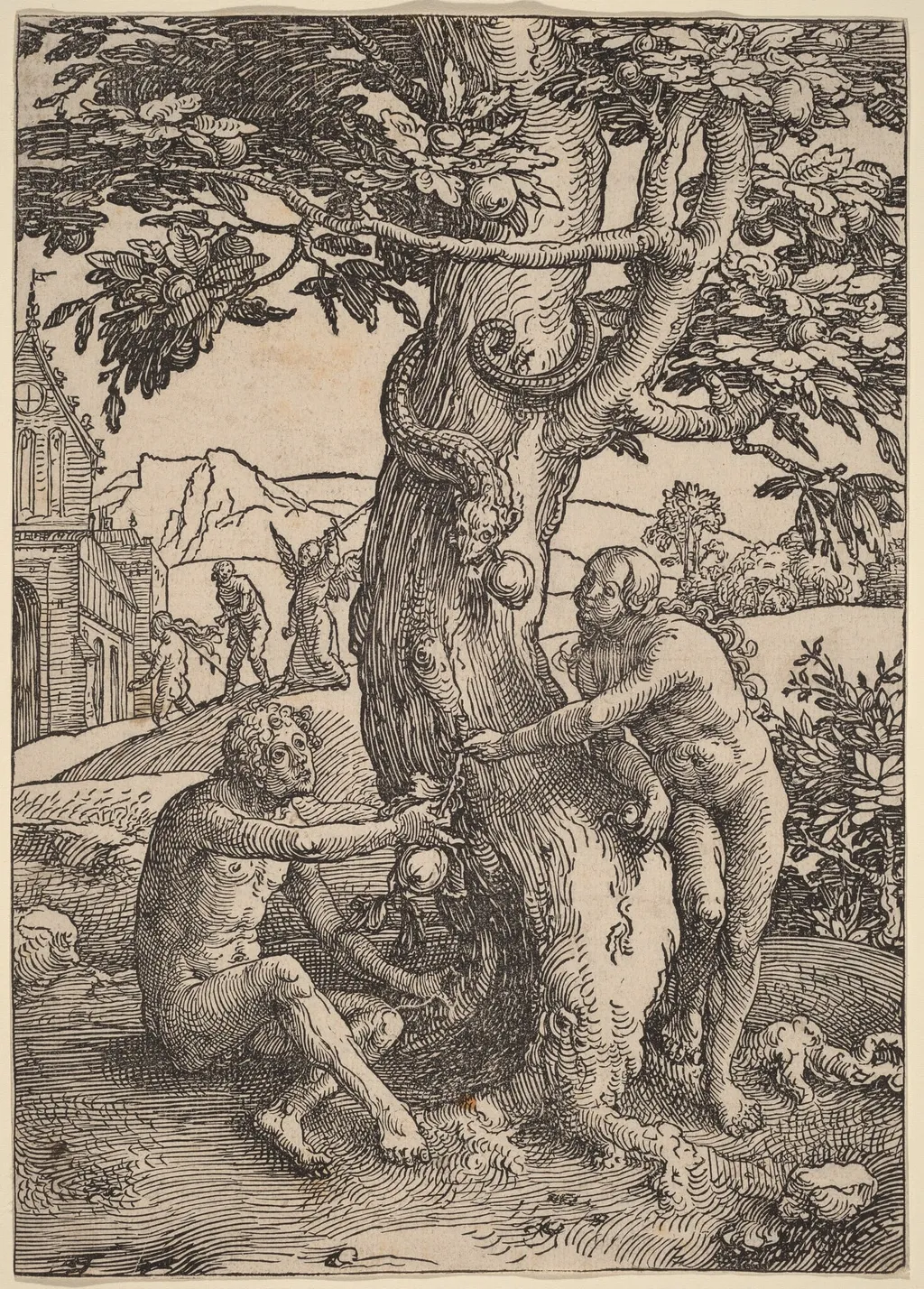
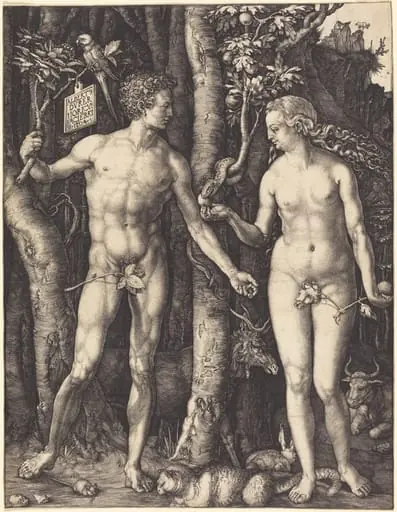
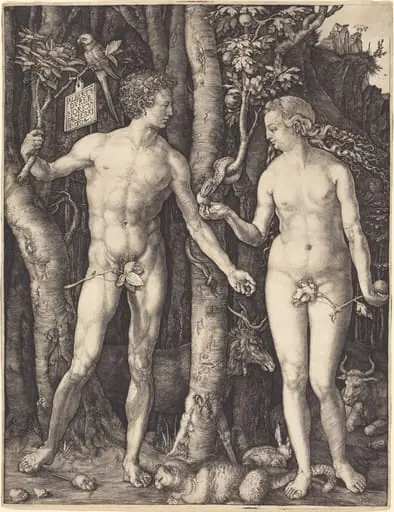
Adam and Eve is an ink print by the Renaissance artist Lucas van Leyden. It dates from 1518 and is held in the collection of the National Gallery of Art.
About this work
Overview
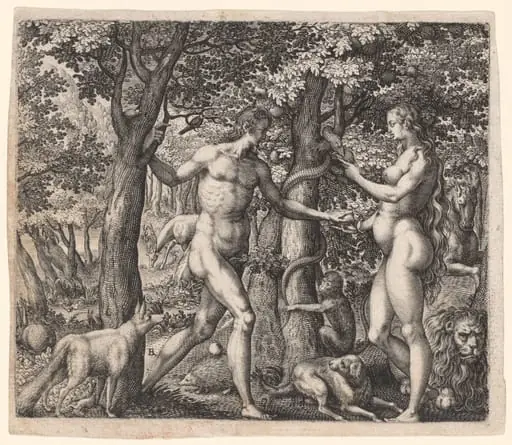
Lucas van Leyden’s 1518 woodcut titled *Adam and Eve* presents the biblical pair within a tranquil garden setting. The composition places Adam on the left and Eve on the right, both nude and modestly concealed by foliage, standing before a central tree that bears a coiled serpent. A gentle landscape of rolling hills and a distant structure frames the scene, creating a contemplative atmosphere.
Subject & Meaning
The image illustrates the Genesis narrative of the first humans in the Garden of Eden, emphasizing their innocence before the fall. The presence of the snake winding around the tree suggests the imminent temptation, while the serene surroundings invite reflection on the themes of purity, knowledge, and the human condition.
Technique & Style
Executed as a woodcut, the work showcases van Leyden’s mastery of line and contrast, typical of early 16th‑century Northern printmaking. Fine incisions render the delicate foliage and the subtle gradations of the background, while bold strokes define the figures and the serpentine form, balancing detail with the graphic clarity required for reproducible prints.
History & Provenance
Created by the Dutch painter‑printmaker Lucas van Leyden, a prominent early figure in Netherlandish genre painting and print production, the woodcut reflects his contribution to the spread of biblical subjects through affordable media. The piece dates to 1518, situating it within the artist’s mature period when he was actively engaged in both engraving and woodcut techniques.
Context
*Adam and Eve* belongs to the broader Renaissance interest in reinterpreting classical and biblical stories with heightened naturalism. In the Low Countries, such prints served both devotional and educational purposes, making scriptural narratives accessible to a wider audience beyond elite patrons.
Legacy
The woodcut exemplifies van Leyden’s influence on subsequent Dutch printmakers, who adopted his precise line work and narrative clarity. It remains a reference point for studying the diffusion of religious imagery through print culture in early modern Europe.
Artist & collection

Artist
Lucas van Leyden (1494 – 8 August 1533), was a Dutch painter and printmaker in engraving and woodcut. Lucas van Leyden was among the first Dutch exponents of genre painting and was a very accomplished engraver.

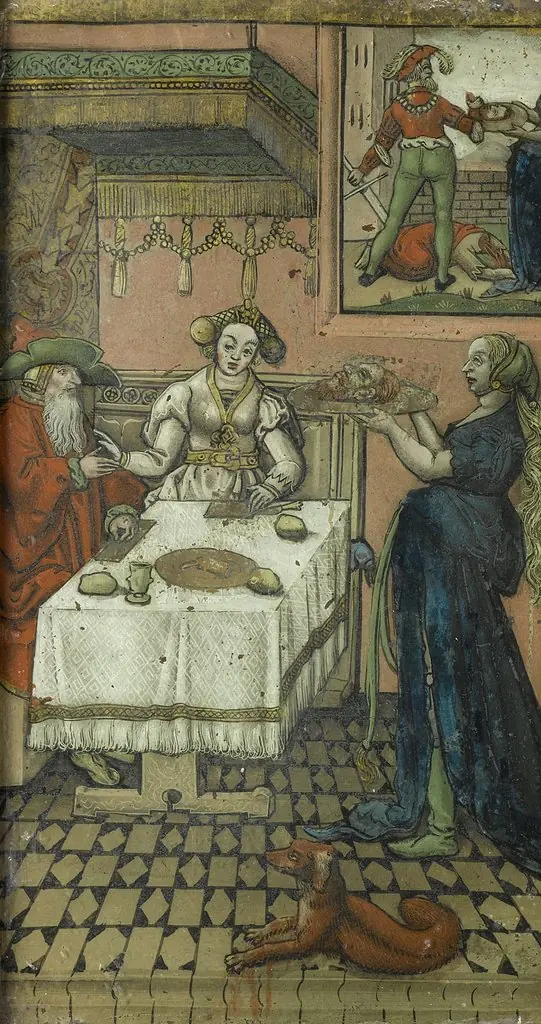 Salome with the head of St John the Baptist
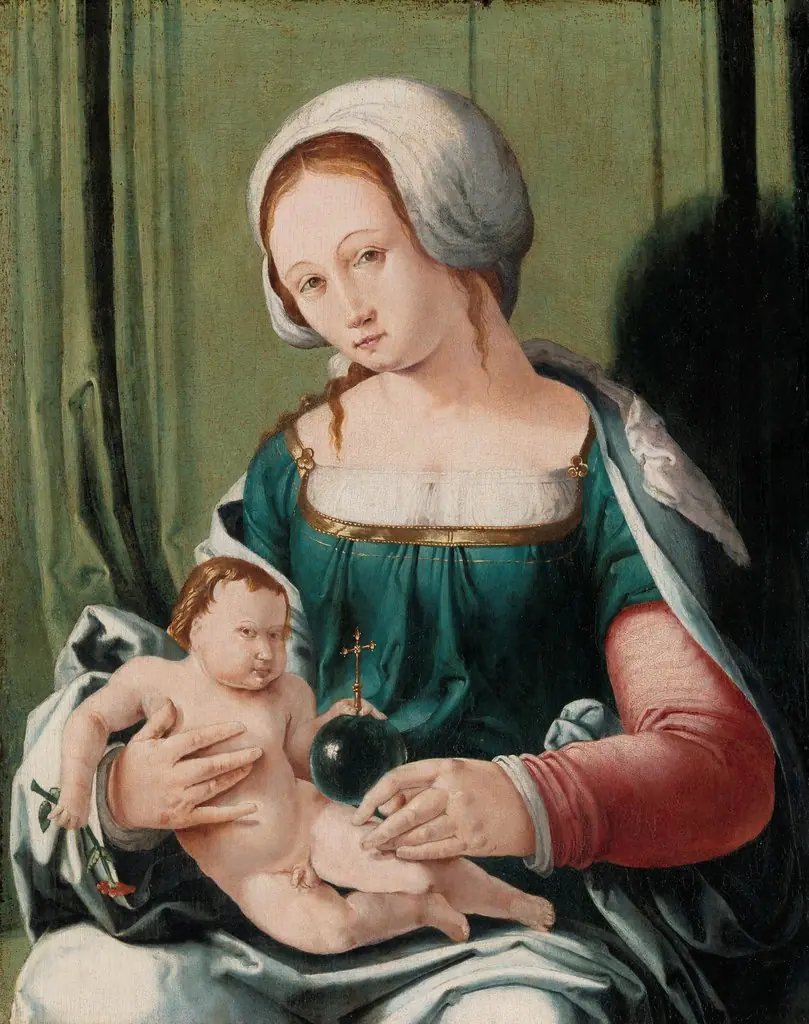 The Virgin and Child
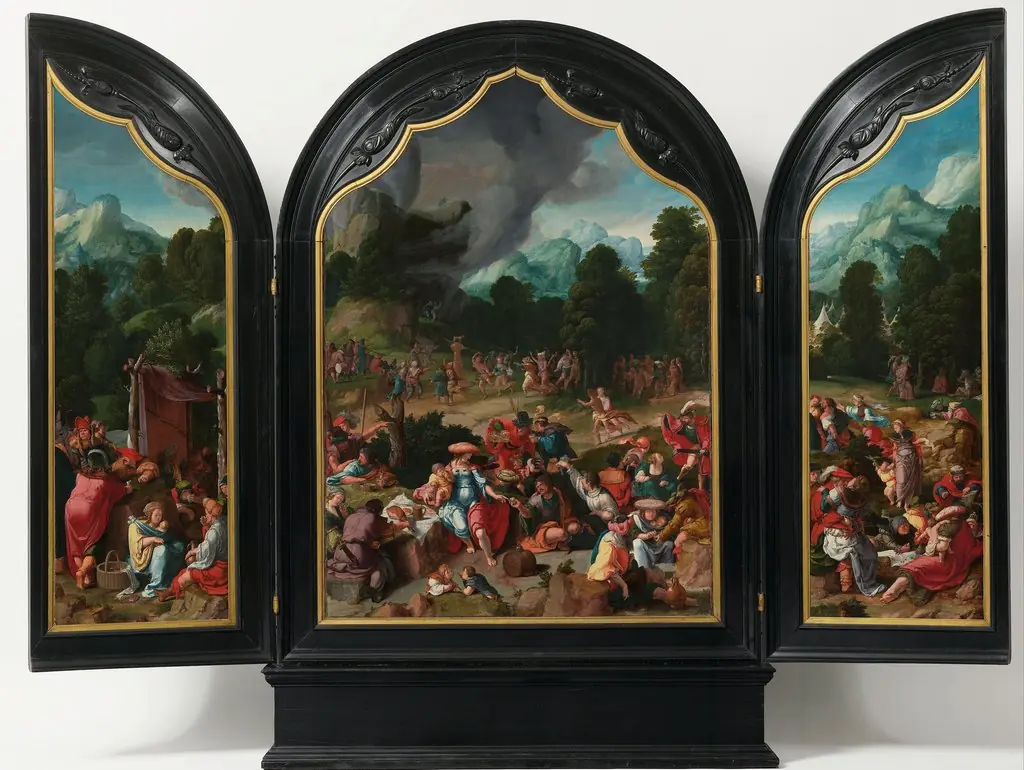 Worship of the Golden Calf
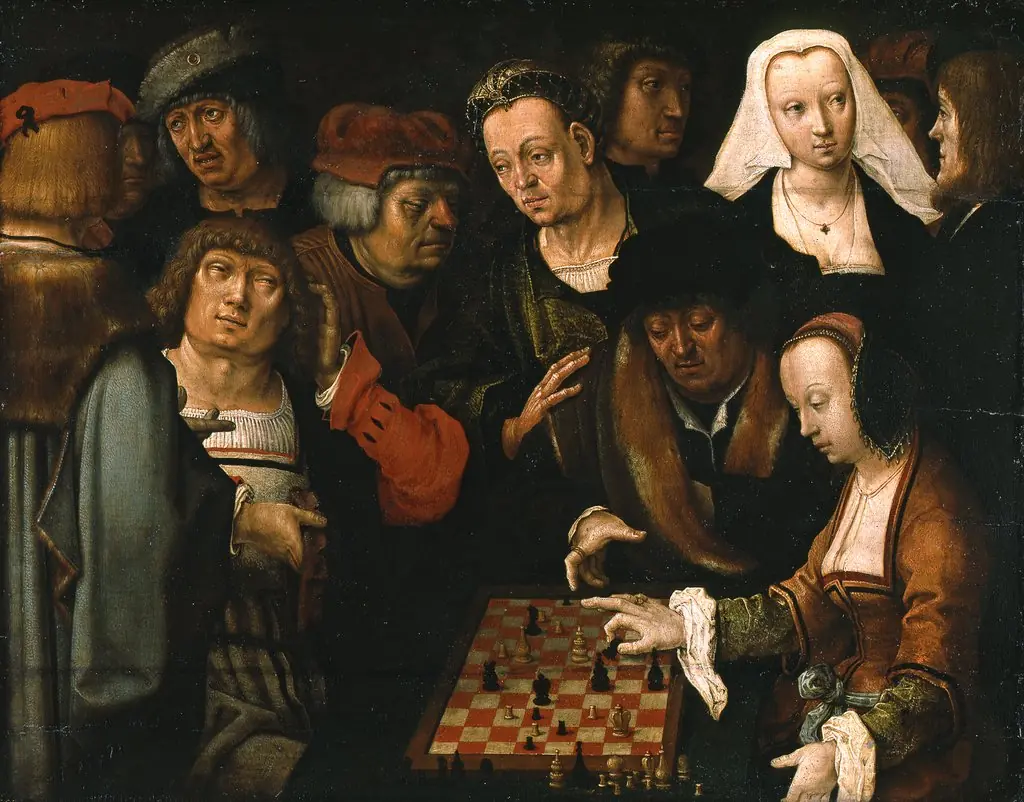 A Game of Chess
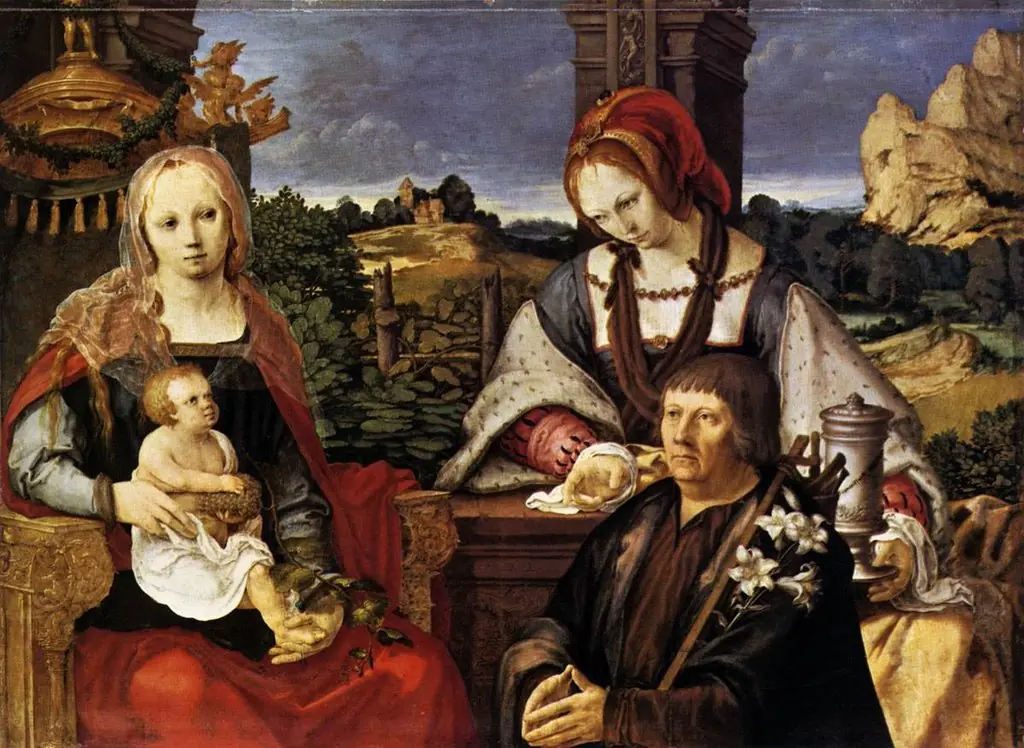 Mary with Child, St. Maria Magdalena and founder (separate outside, Inv. No. 7713)
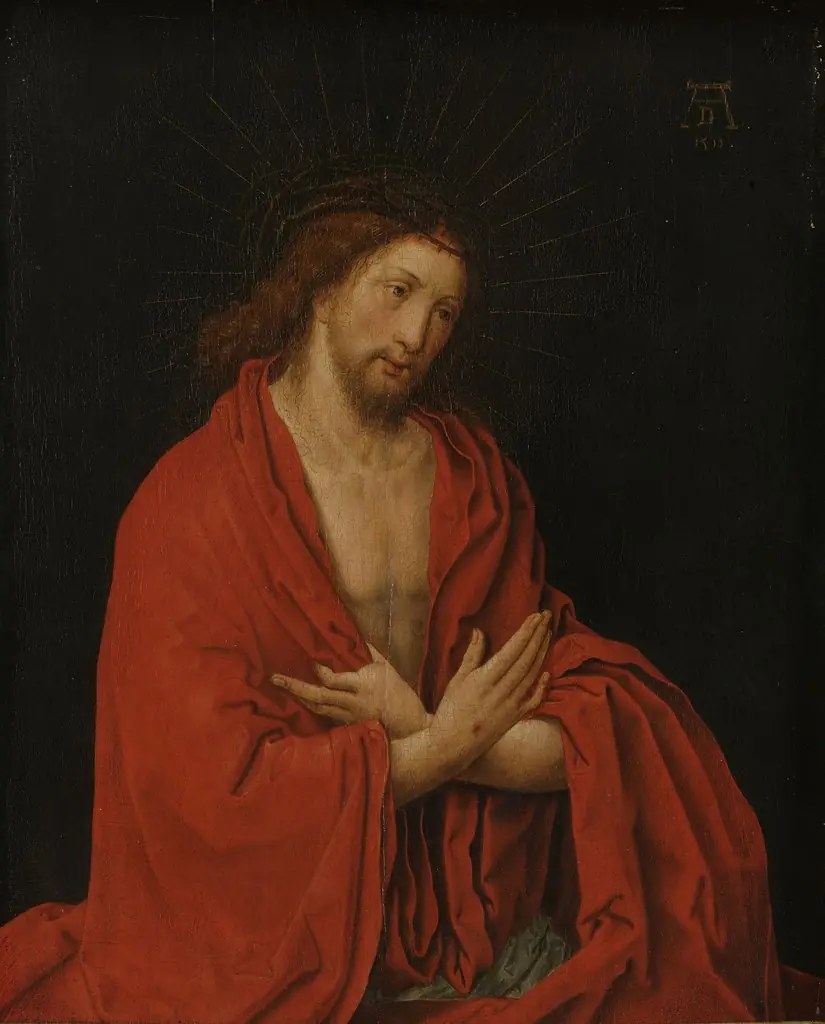 Inner left wing of a diptych with Christ as the Man of Sorrows
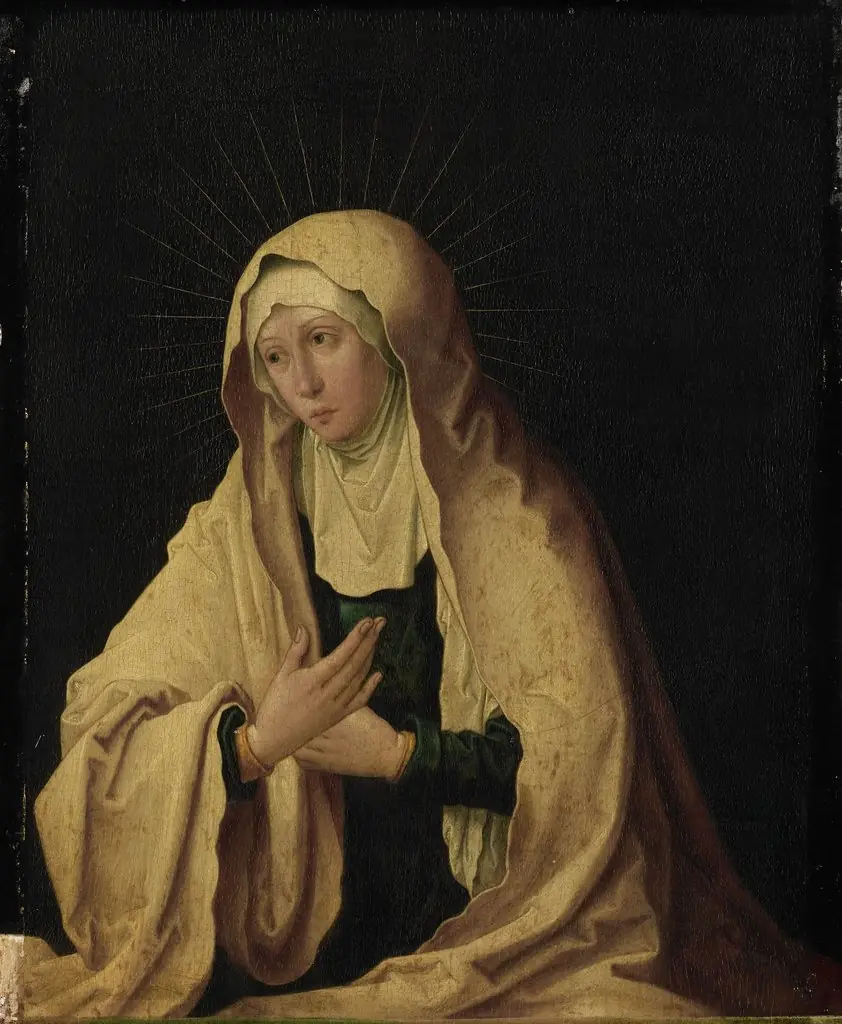 Inner right wing of a diptych with the Virgin as Mater Dolorosa
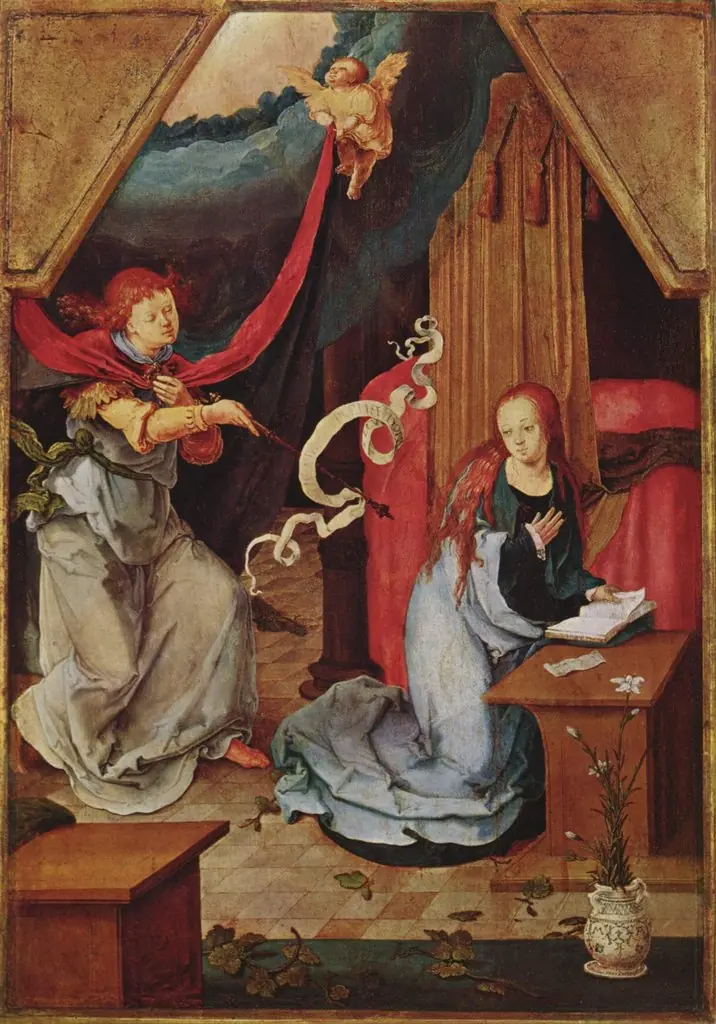 Annunciation