Artwork
Joseph Interprets the Dreams in Prison
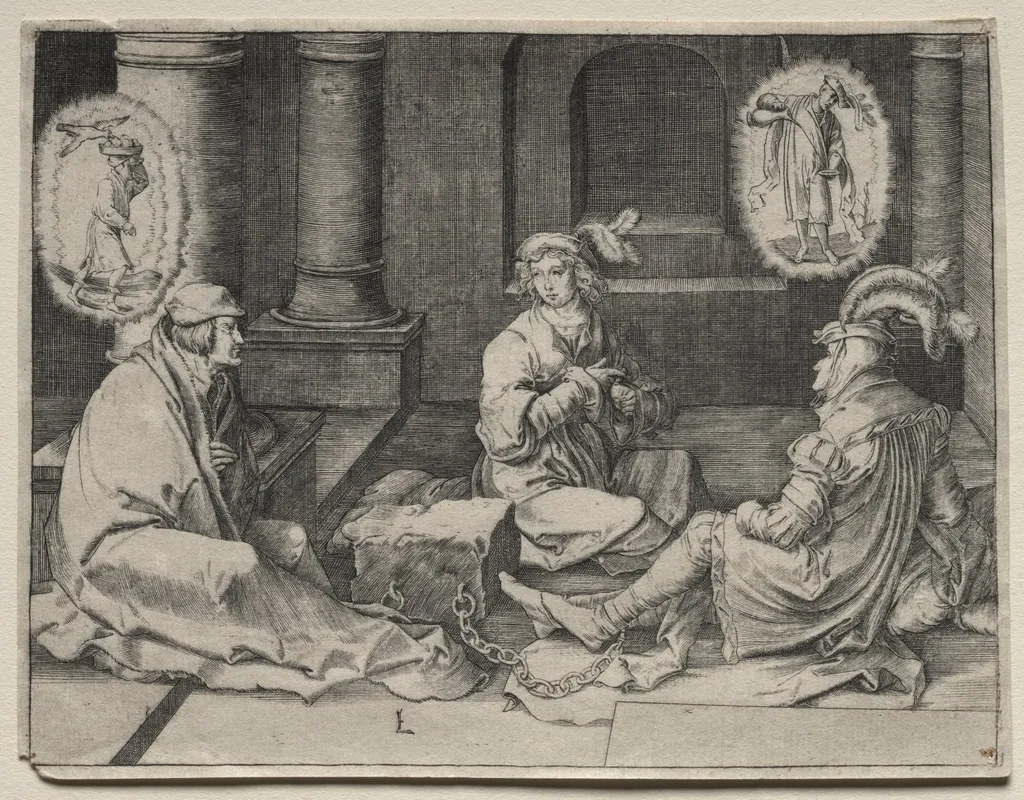
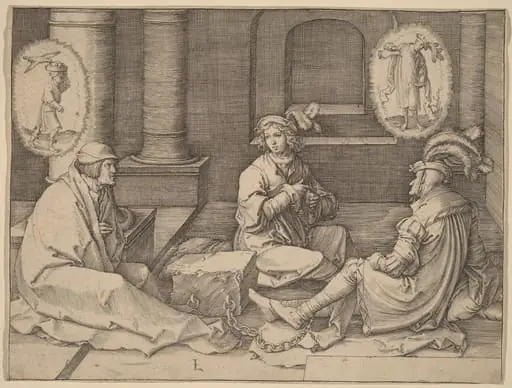
Joseph Interprets the Dreams in Prison is a print by the Renaissance artist Lucas van Leyden. It dates from 1512 and is held in the collection of the Cleveland Museum of Art. This print depicts a moment from Genesis in which Joseph, imprisoned in Egypt, interprets the dreams of two fellow captives.
About this work
The painting shows Joseph in prison, interpreting dreams for two fellow prisoners.
He listens to their stories and tells them what he thinks the dreams mean.
The scene is from the book of Genesis.
Joseph's interpretations are different for each man.
One man will be released and restored to his former life.
Check out the work of Lucas van Leyden (Dutch, 1494–1533) for more like this.
Overview
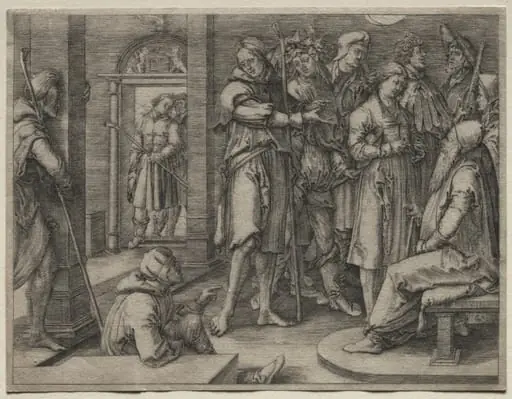
This print depicts a moment from Genesis in which Joseph, imprisoned in Egypt, interprets the dreams of two fellow captives. One dream foretells restoration, the other doom. The scene captures Joseph’s role as a divinely guided interpreter, whose insights are grounded in faith and precision. The composition divides the narrative into two distinct episodes, each tied to a different outcome.
Subject & Meaning
Joseph’s interpretations are not speculative but presented as divine revelations.
The cupbearer’s dream of pressing grapes into Pharaoh’s cup signifies his return to favor, while the baker’s vision of baskets on his head, being eaten by birds, predicts execution. Joseph’s interpretations are not speculative but presented as divine revelations. In Christian tradition, the wine and bread elements are read as symbolic prefigurations of the Eucharist, linking Joseph’s story to themes of sacrifice and resurrection.
Technique & Style
The print employs fine, precise lines typical of early 16th-century Northern engraving. Figures are rendered with restrained emotion, emphasizing clarity over drama. Spatial depth is suggested through architectural elements and overlapping forms, while the prisoners’ gestures and postures distinguish their fates. The medium’s detail allows for subtle narrative cues in clothing, gesture, and setting.
History & Provenance
Created by Lucas van Leyden, a Dutch artist known for his narrative engravings, this work reflects the popularity of biblical stories in Northern Renaissance printmaking. It was likely produced for private devotion or scholarly audiences interested in scriptural illustration. The print circulated widely, contributing to the visual dissemination of Old Testament narratives across Europe.
Context
During the early 1500s, biblical scenes were frequently depicted in prints to support religious education and personal piety. Joseph’s story, with its themes of unjust imprisonment and divine justice, resonated with audiences facing political and spiritual upheaval. Artists like van Leyden drew from humanist scholarship and scriptural commentary to ground their imagery in theological tradition.
Legacy
This print helped standardize the visual representation of Joseph’s prison scene in Northern European art. Its clear narrative structure and symbolic precision influenced later illustrators of biblical texts. Though not widely exhibited today, it remains a key example of how printmaking shaped religious storytelling in the Reformation era.
Artist & collection

Artist
Lucas van Leyden (1494 – 8 August 1533), was a Dutch painter and printmaker in engraving and woodcut. Lucas van Leyden was among the first Dutch exponents of genre painting and was a very accomplished engraver.

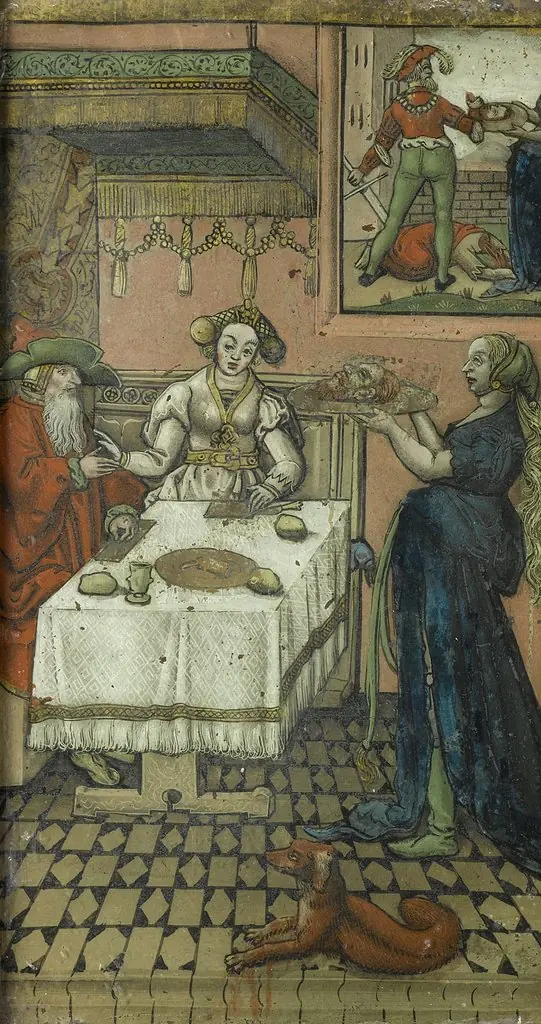 Salome with the head of St John the Baptist
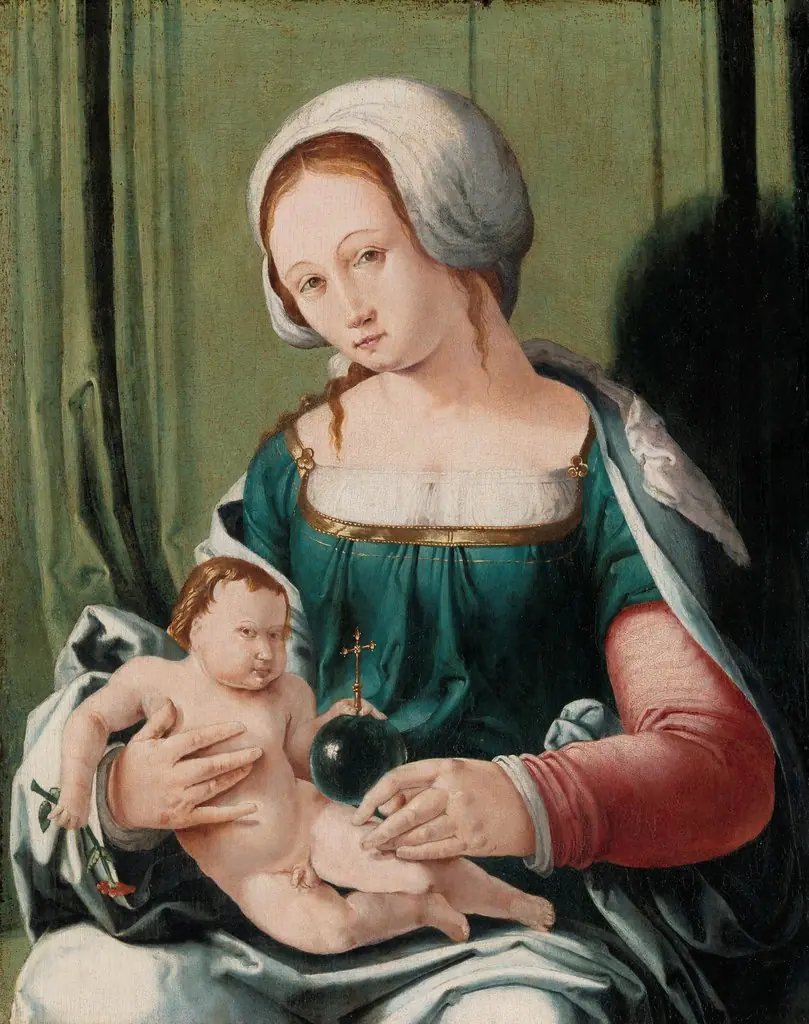 The Virgin and Child
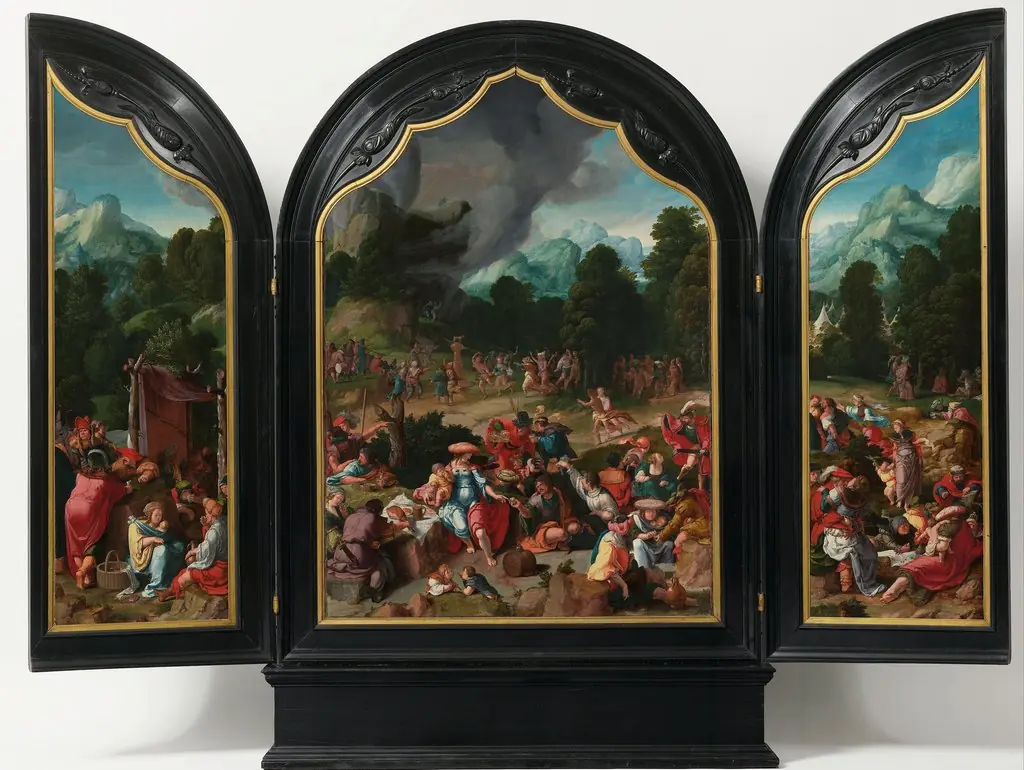 Worship of the Golden Calf
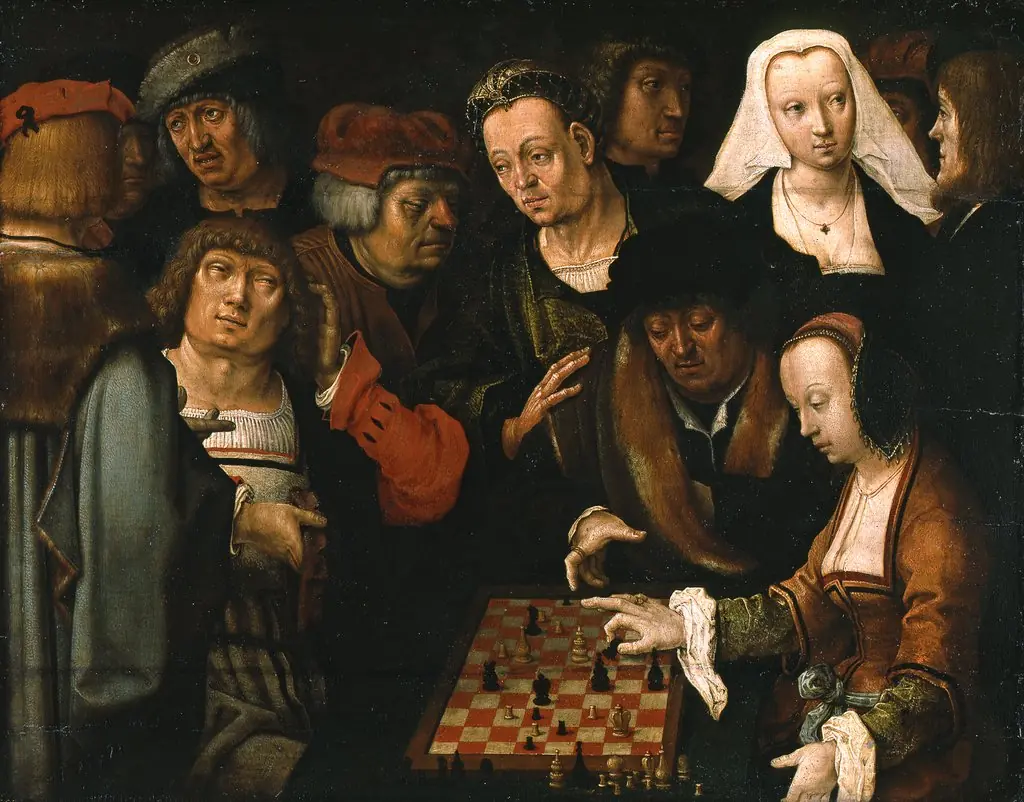 A Game of Chess
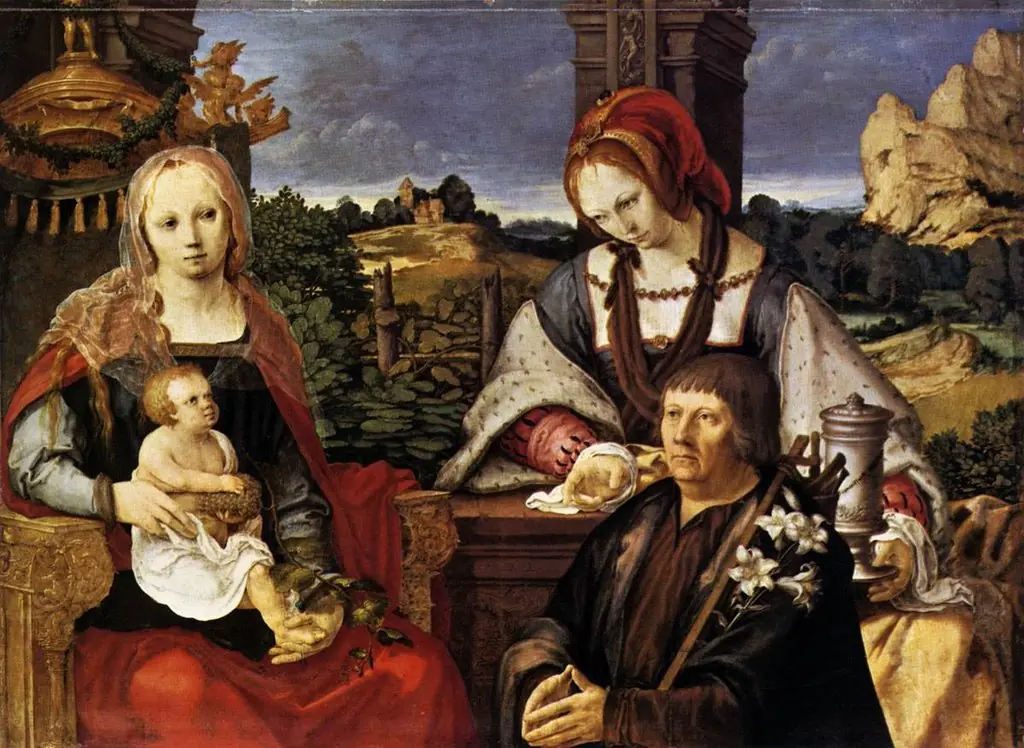 Mary with Child, St. Maria Magdalena and founder (separate outside, Inv. No. 7713)
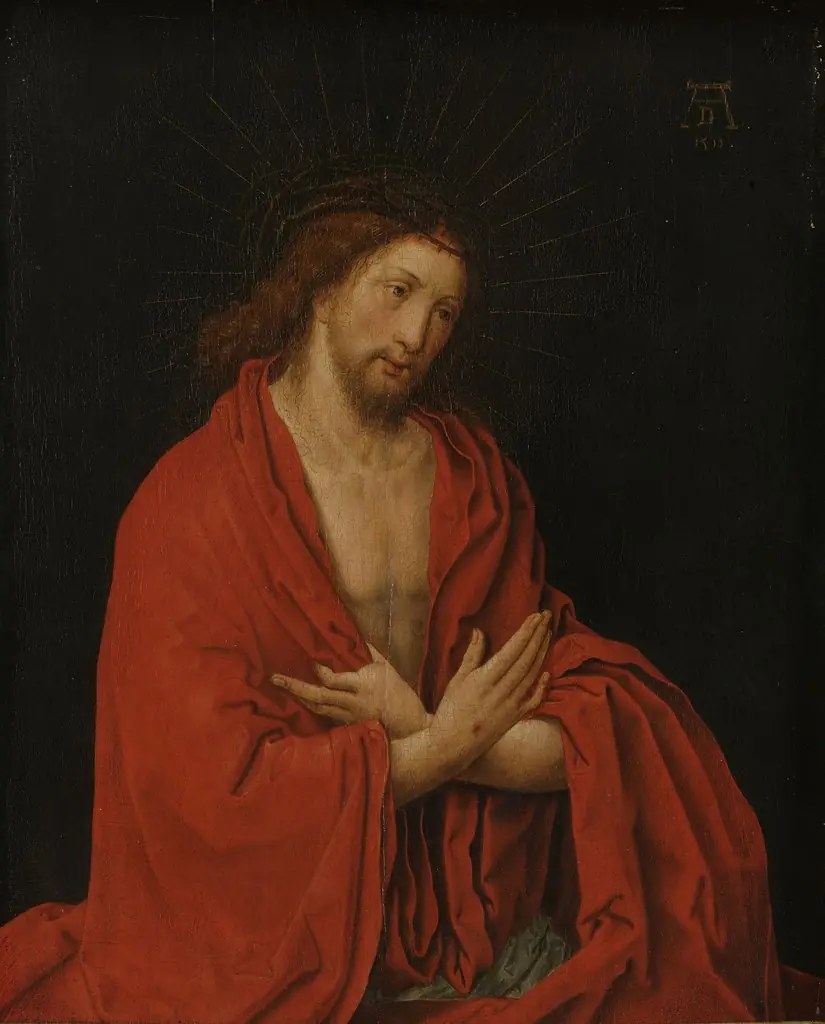 Inner left wing of a diptych with Christ as the Man of Sorrows
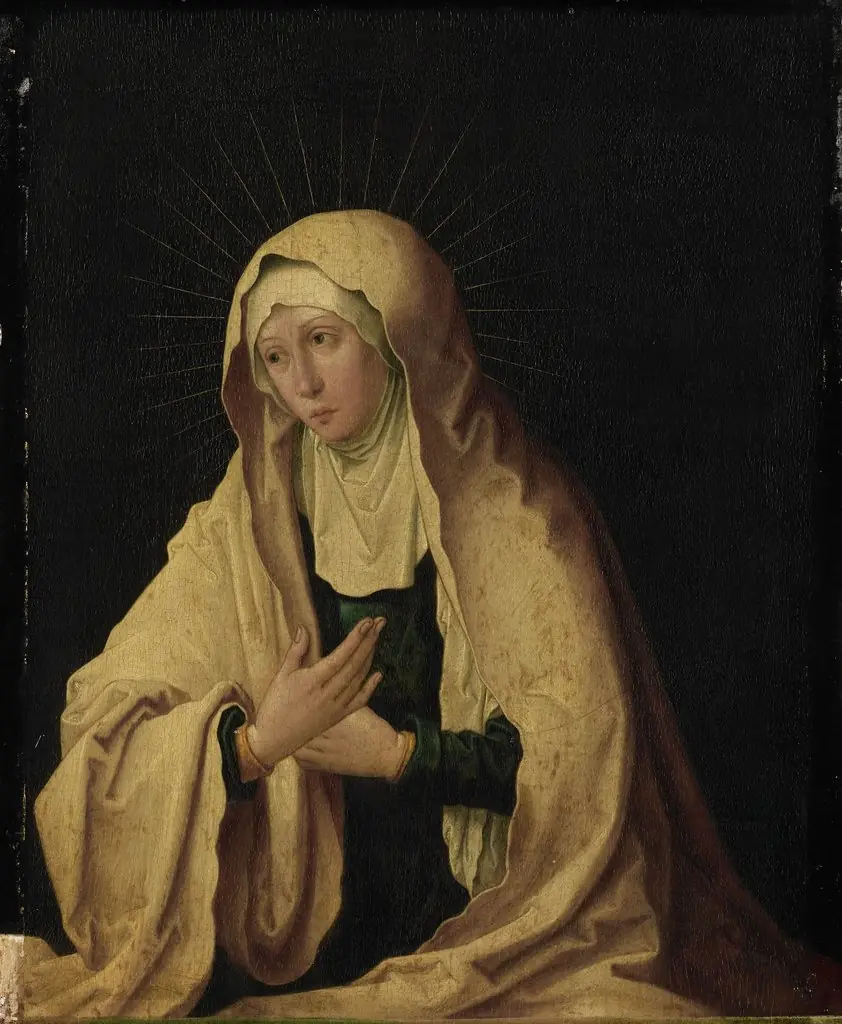 Inner right wing of a diptych with the Virgin as Mater Dolorosa
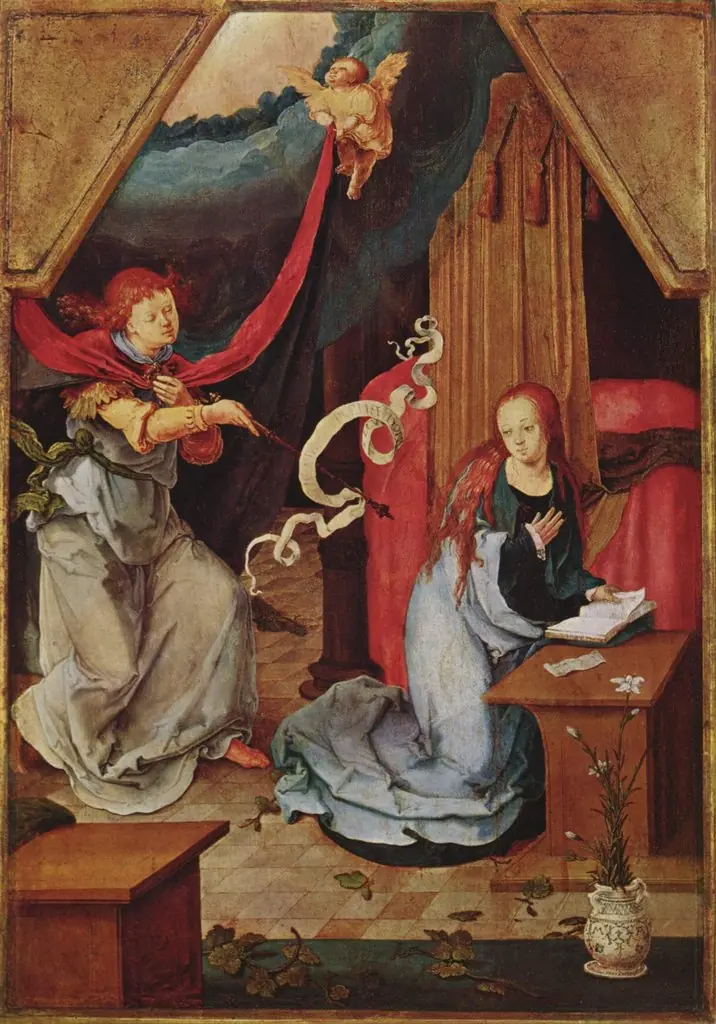 Annunciation