Artwork
Joseph Interprets His Dream to Jacob
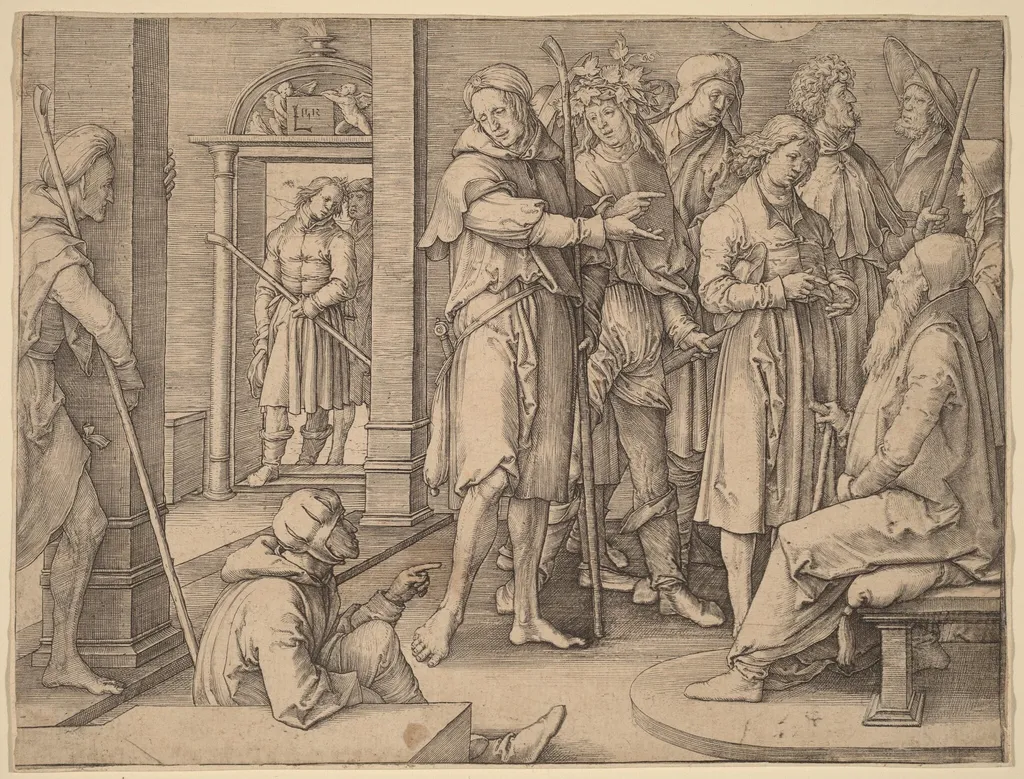
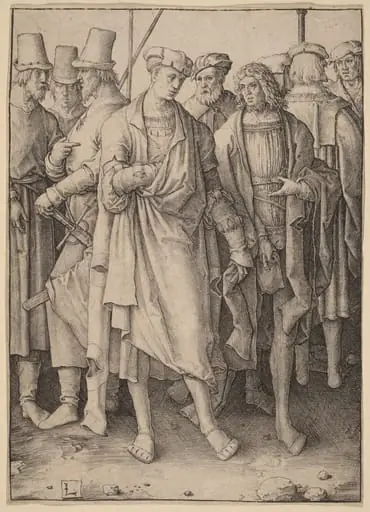
Joseph Interprets His Dream to Jacob is an ink print by the Renaissance artist Lucas van Leyden. It dates from 1512 and is held in the collection of the National Gallery of Art.
About this work
Overview
Lucas van Leyden’s 1512 engraving, *Joseph Interprets His Dream to Jacob*, presents a biblical moment in which Joseph conveys the significance of his vision to his father, Jacob. Executed in a compact, interior setting, the composition centers on Joseph’s animated gesture while Jacob listens seated to his right, emphasizing the narrative exchange.
Subject & Meaning
The work illustrates the Old Testament episode where Joseph, having interpreted his own prophetic dream, explains its implications to Jacob. The scene underscores themes of familial communication and divine revelation, portraying the transmission of prophetic insight from son to father within a modest domestic space.
Technique & Style
Van Leyden employs meticulous cross‑hatching to model forms and suggest volume, using fine, intersecting lines that generate subtle gradations of tone. The contrast between Joseph’s richer garments—a cloak and hat—and Jacob’s simpler attire is rendered through delicate line work, enhancing texture and delineating social distinction within the engraving.
History & Provenance
Created by the Dutch artist Lucas van Leyden (1494–1533), a prominent early practitioner of engraving and woodcut, the print reflects his reputation for precise draftsmanship. Produced during the early 16th‑century Northern Renaissance, it exemplifies his contribution to the development of narrative printmaking in the Netherlands.
Artist & collection

Artist
Lucas van Leyden (1494 – 8 August 1533), was a Dutch painter and printmaker in engraving and woodcut. Lucas van Leyden was among the first Dutch exponents of genre painting and was a very accomplished engraver.

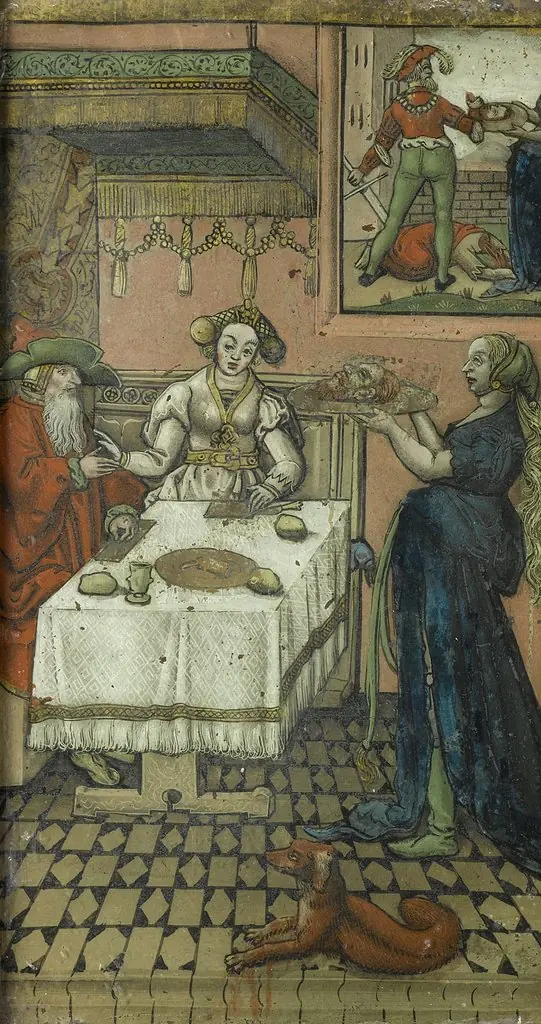 Salome with the head of St John the Baptist
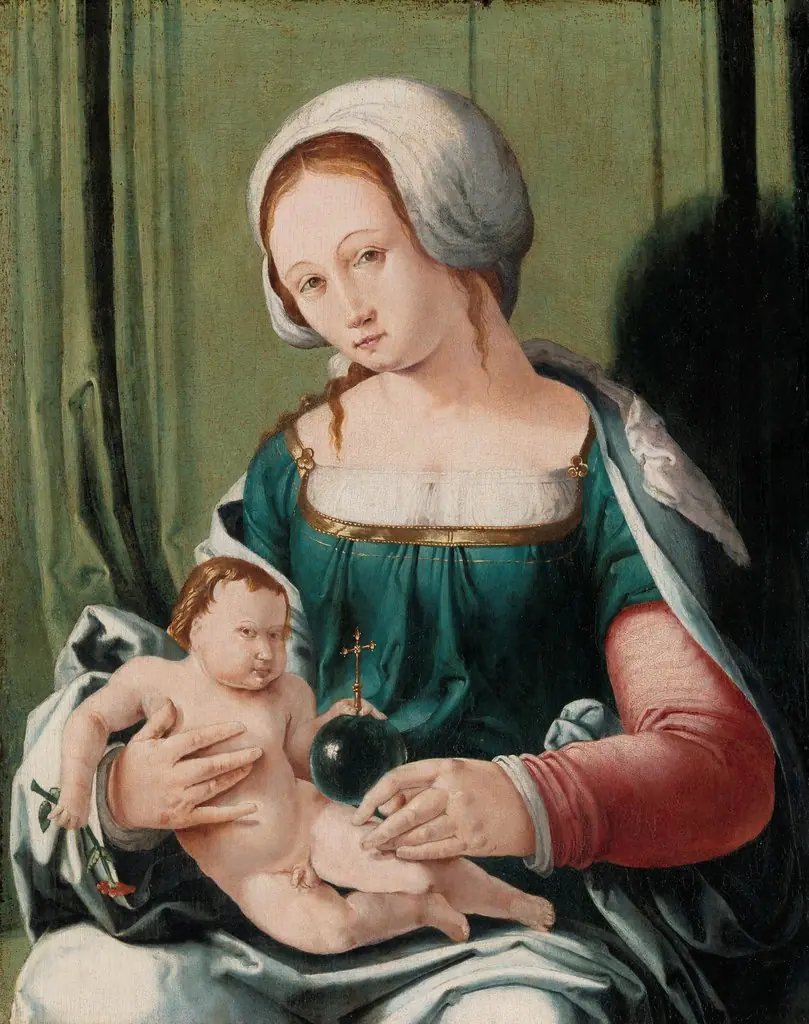 The Virgin and Child
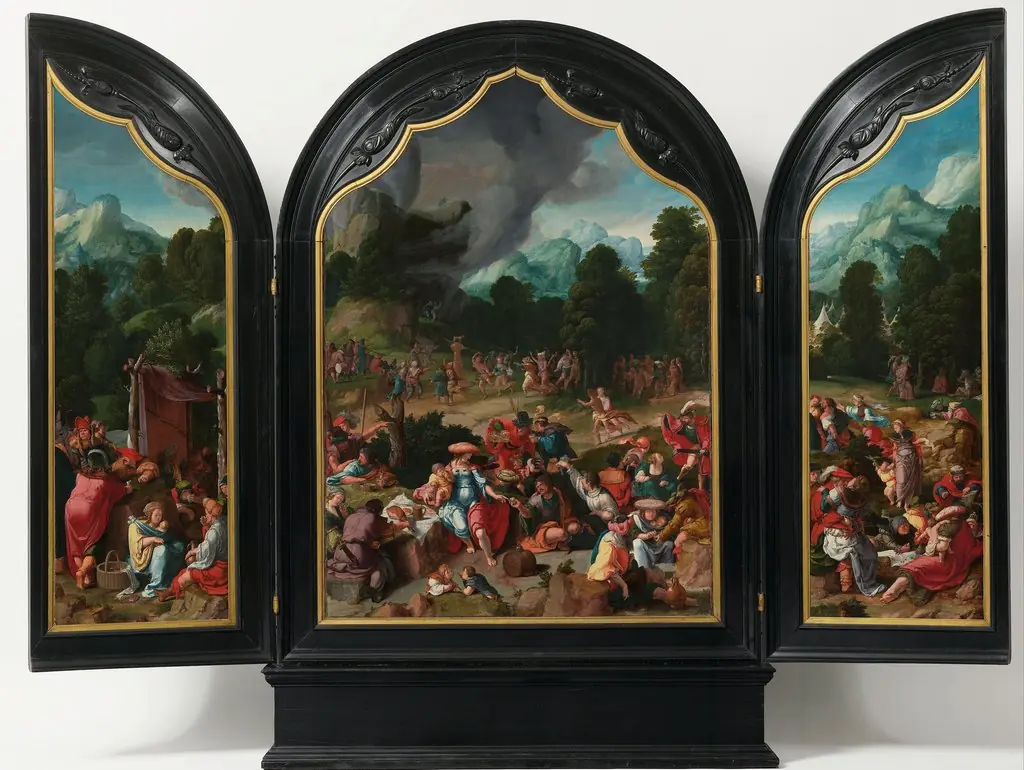 Worship of the Golden Calf
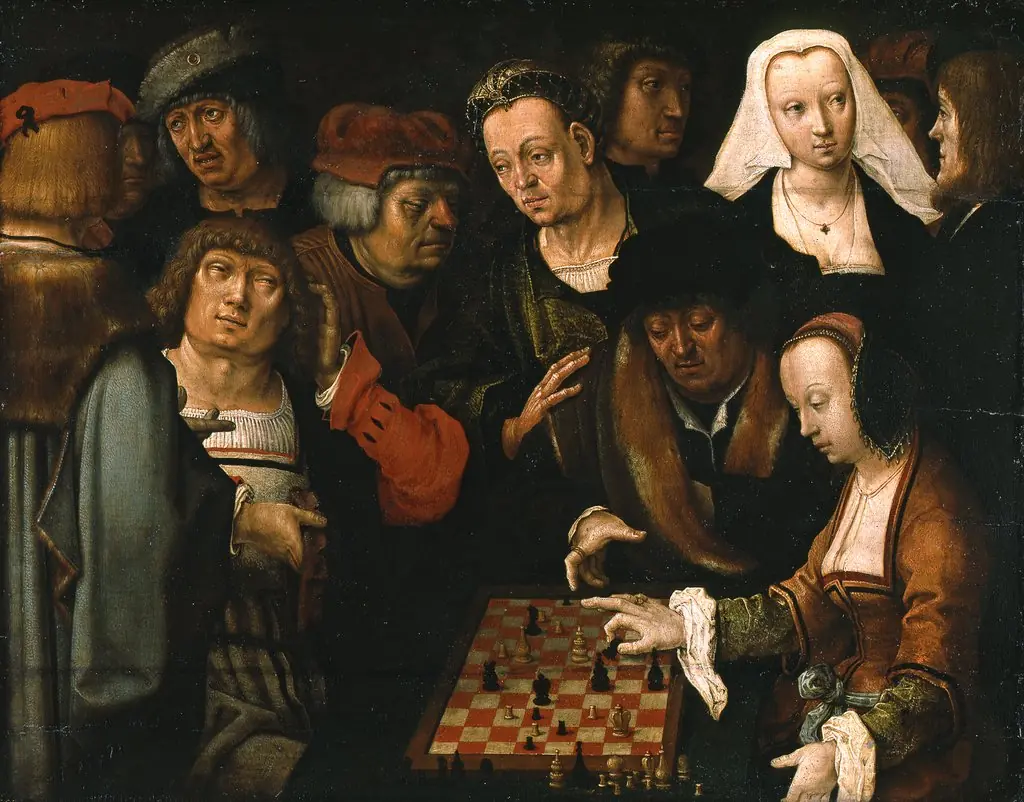 A Game of Chess
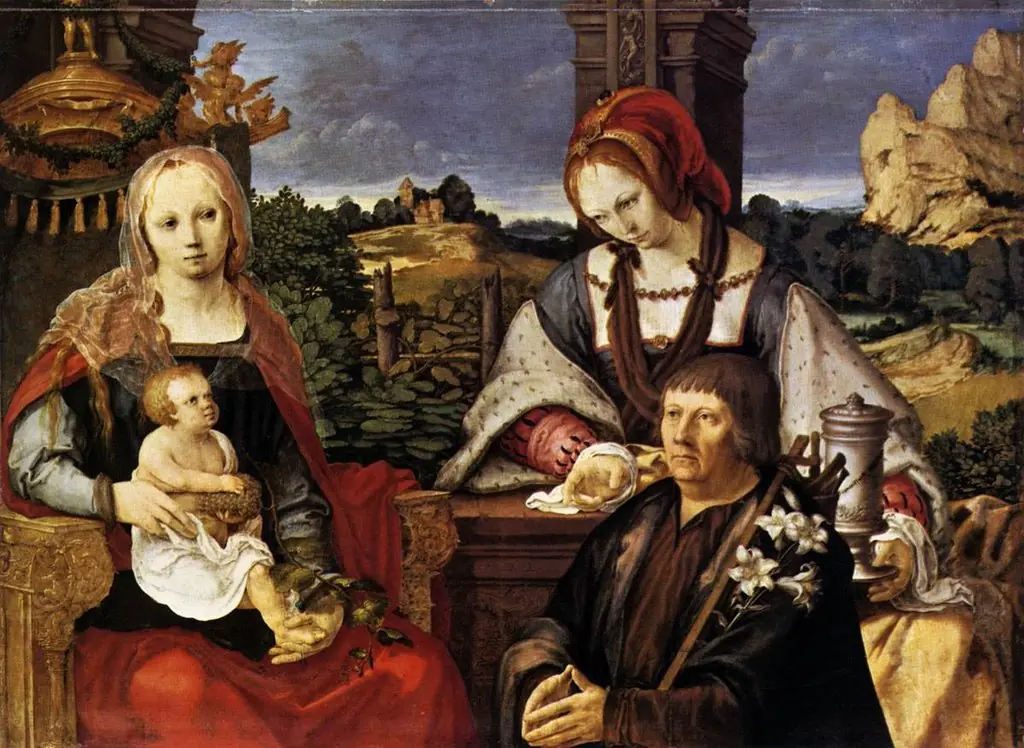 Mary with Child, St. Maria Magdalena and founder (separate outside, Inv. No. 7713)
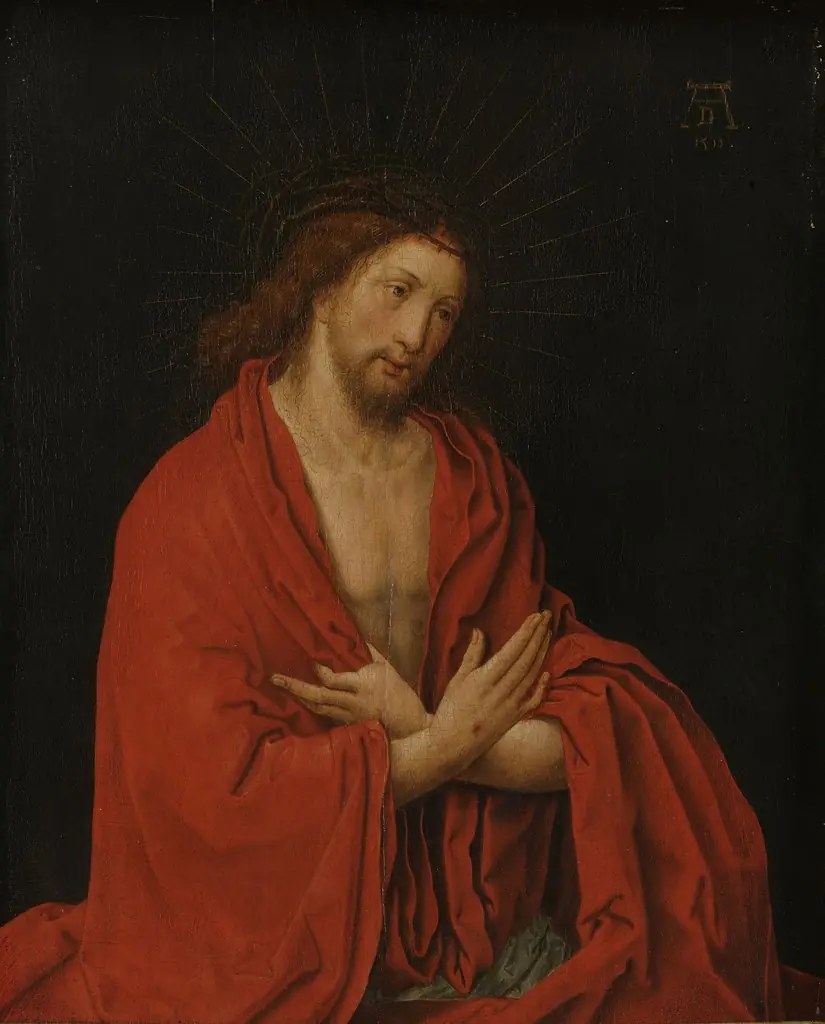 Inner left wing of a diptych with Christ as the Man of Sorrows
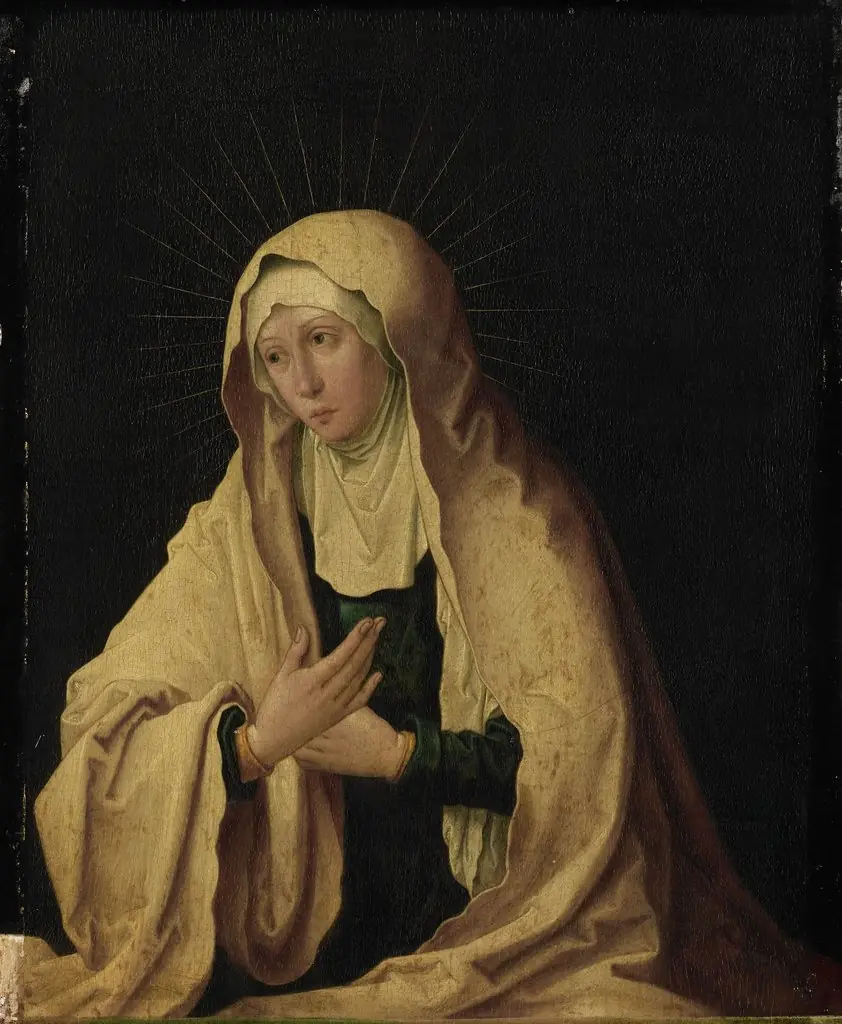 Inner right wing of a diptych with the Virgin as Mater Dolorosa
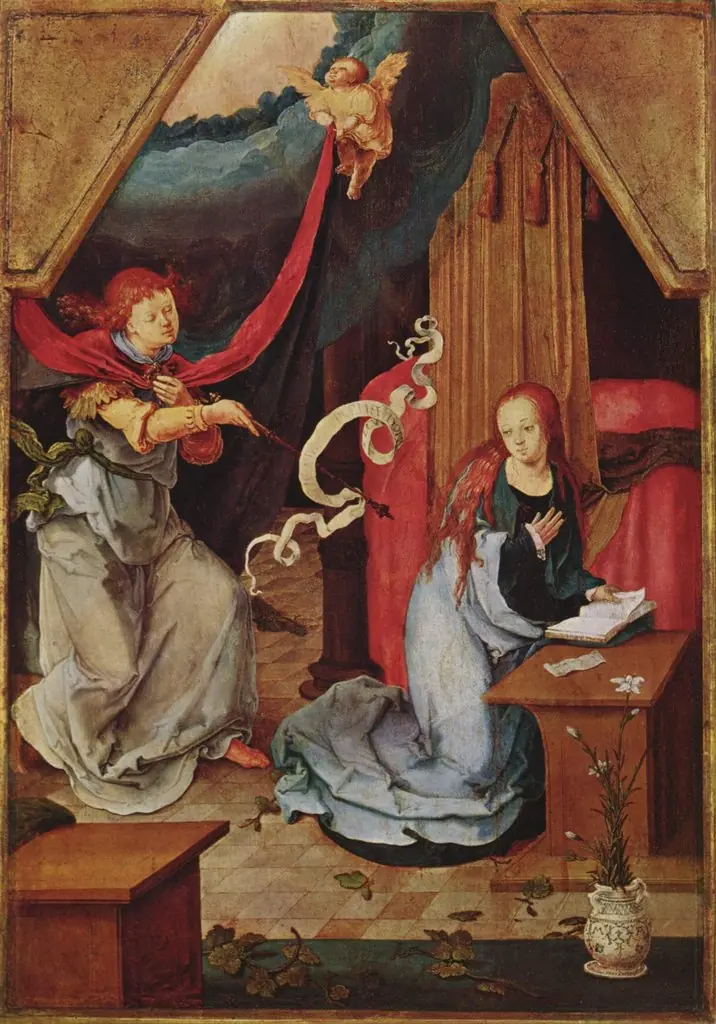 Annunciation