Artwork
The Evangelists: St. Matthew
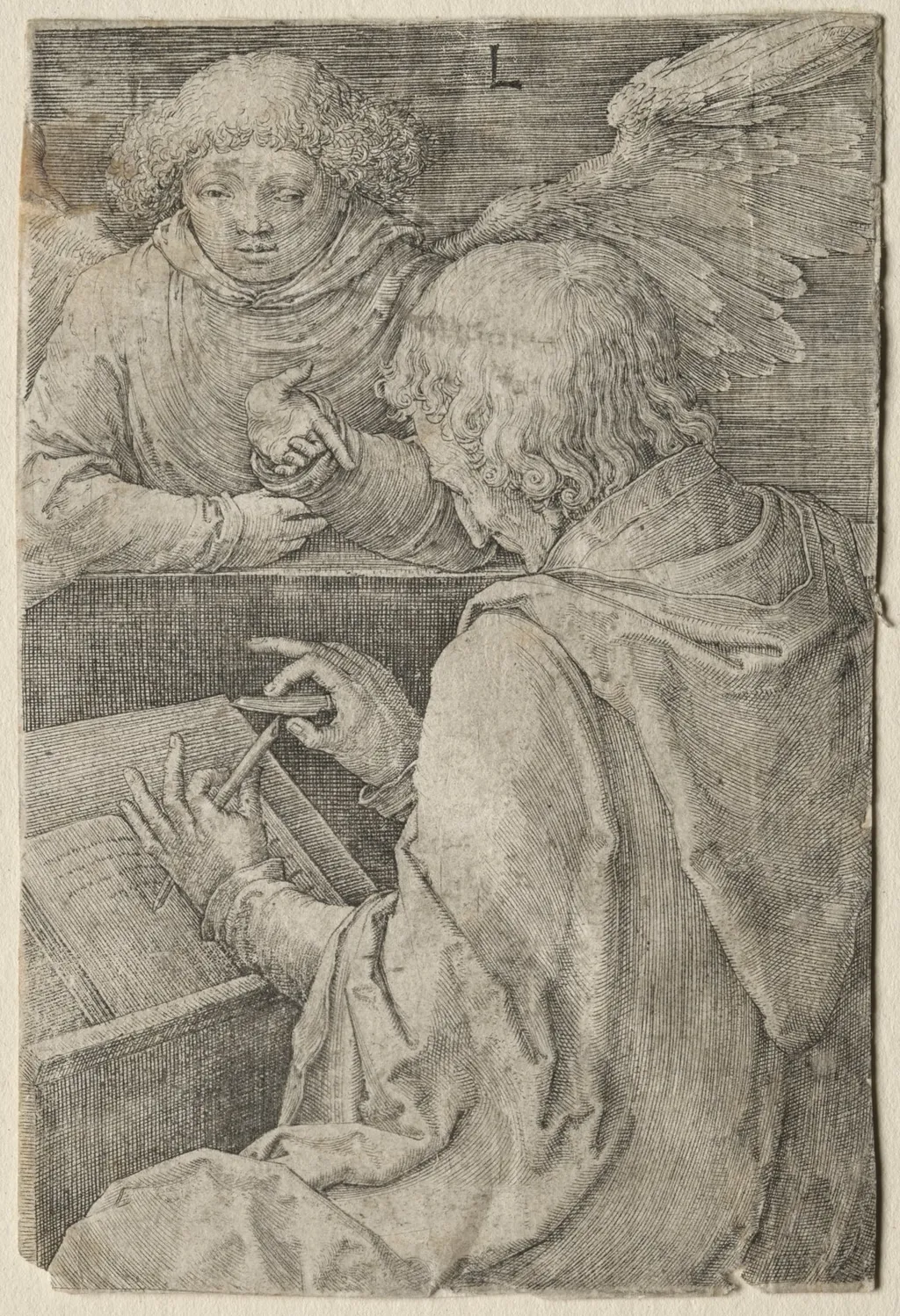
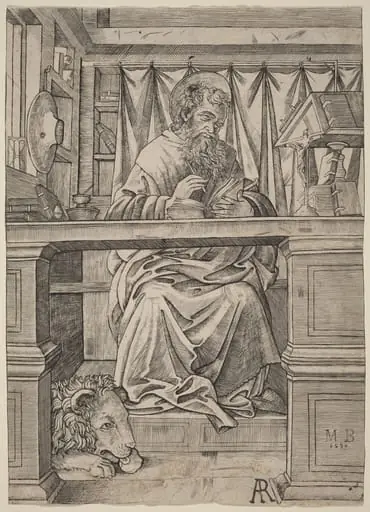
The Evangelists: St. Matthew is a print by the Renaissance artist Lucas van Leyden. It dates from 1526 and is held in the collection of the Cleveland Museum of Art.
About this work
Overview
Van Leyden, recognized for his technical precision in printmaking, produced this work during a period of flourishing Northern Renaissance print culture.
Created around 1526 by the Dutch artist Lucas van Leyden, this etching is one of four depicting the Evangelists. Van Leyden, recognized for his technical precision in printmaking, produced this work during a period of flourishing Northern Renaissance print culture. The piece is part of a series that reflects religious themes popular in early 16th-century Netherlands. It resides today in The Cleveland Museum of Art’s collection, where it exemplifies the era’s shift toward intimate, detailed religious imagery.
Subject & Meaning
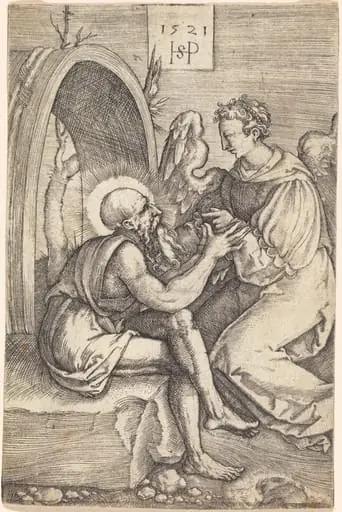
The scene portrays Saint Matthew, one of the four Gospel writers, in the company of a winged angelic figure. Their close proximity and shared focus on an open book suggest divine inspiration—Matthew recording the Gospel under heavenly guidance. The wings identify the figures as celestial beings, reinforcing the sacred nature of the text. The act of tracing the words with a finger implies contemplation and transcription, aligning with medieval and Renaissance beliefs about scriptural revelation.
Technique & Style
Van Leyden employed fine, controlled lines in etching to model form with subtle gradations of light and shadow. The figures emerge from a dark, nearly featureless background, enhancing their three-dimensionality. Delicate shading on skin and fabric, along with intricate rendering of curls and feathers, demonstrates his mastery of chiaroscuro. The composition’s intimacy and attention to tactile detail reflect Northern European traditions, prioritizing realism over grandeur.
History & Provenance
The print was made during Van Leyden’s mature period, when he was actively producing religious and genre scenes for a growing market of private collectors. While the exact early ownership history is undocumented, its presence in The Cleveland Museum of Art since the 20th century confirms its preservation through centuries of collecting. Its survival in good condition speaks to the durability of etching as a medium and the enduring interest in Northern Renaissance prints.
Context
In early 16th-century Netherlands, religious imagery remained central despite rising Protestant skepticism. Printmakers like Van Leyden adapted by creating devotional subjects that appealed to both Catholic and reform-minded audiences. His Evangelist series responded to demand for portable, affordable sacred art. The emphasis on quiet, personal moments—rather than dramatic narratives—mirrored broader trends in Northern art toward introspection and humanized spirituality.
Legacy
Van Leyden’s etchings influenced later generations of Northern printmakers through their technical refinement and emotional restraint. While not widely replicated, his Evangelist series contributed to the visual vocabulary of biblical figures in print culture. The work remains a reference point for scholars studying the transition from medieval iconography to Renaissance humanism in the Low Countries, preserving a quiet moment of sacred transcription in ink and paper.
Artist & collection

Artist
Lucas van Leyden (1494 – 8 August 1533), was a Dutch painter and printmaker in engraving and woodcut. Lucas van Leyden was among the first Dutch exponents of genre painting and was a very accomplished engraver.

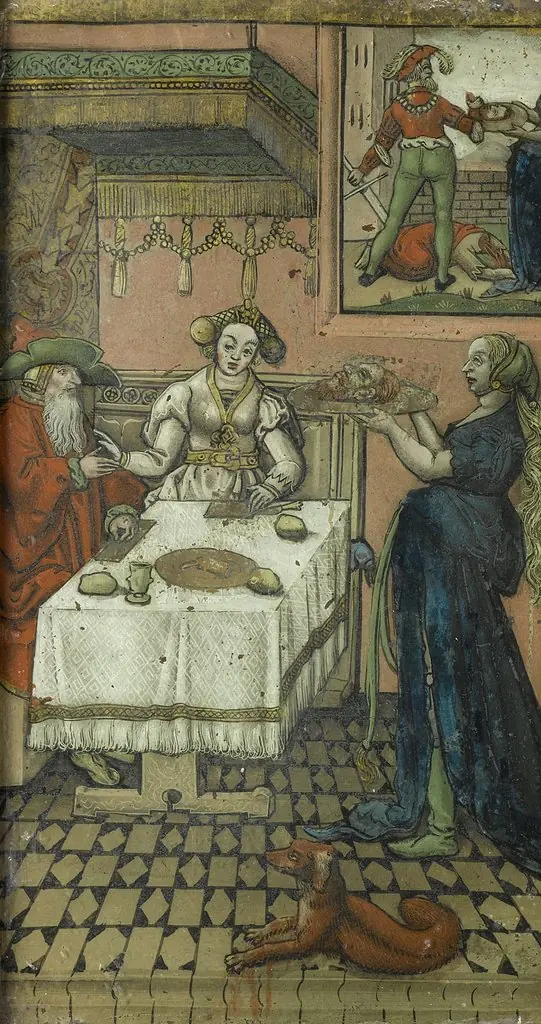 Salome with the head of St John the Baptist
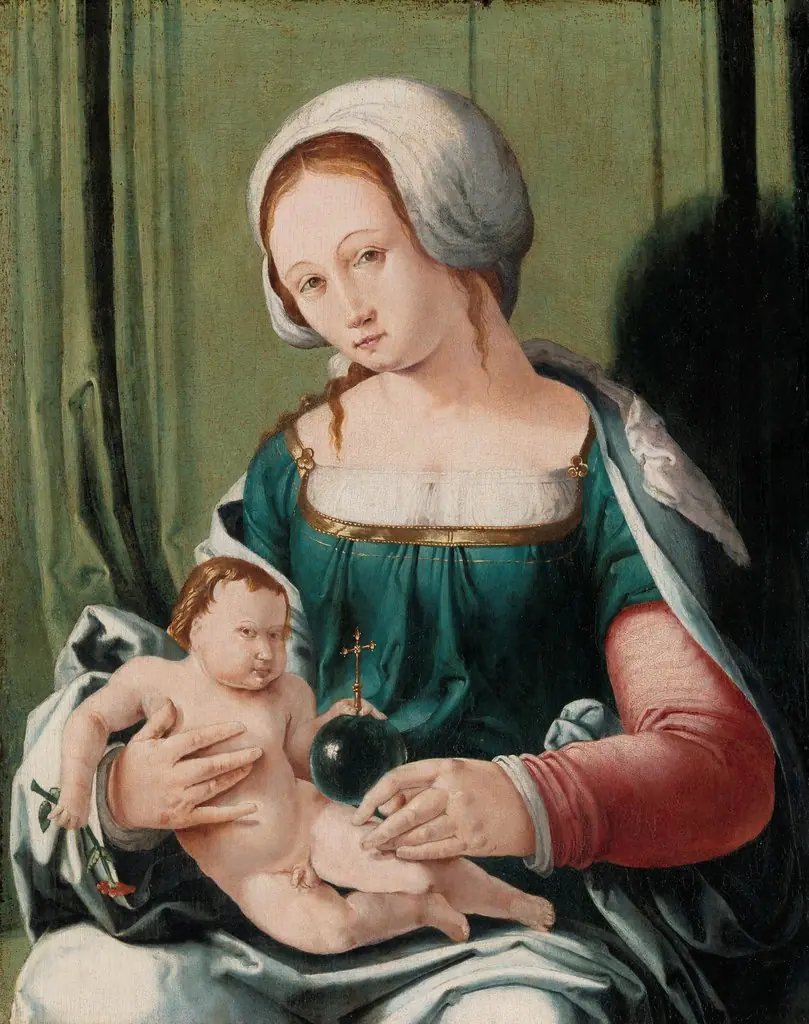 The Virgin and Child
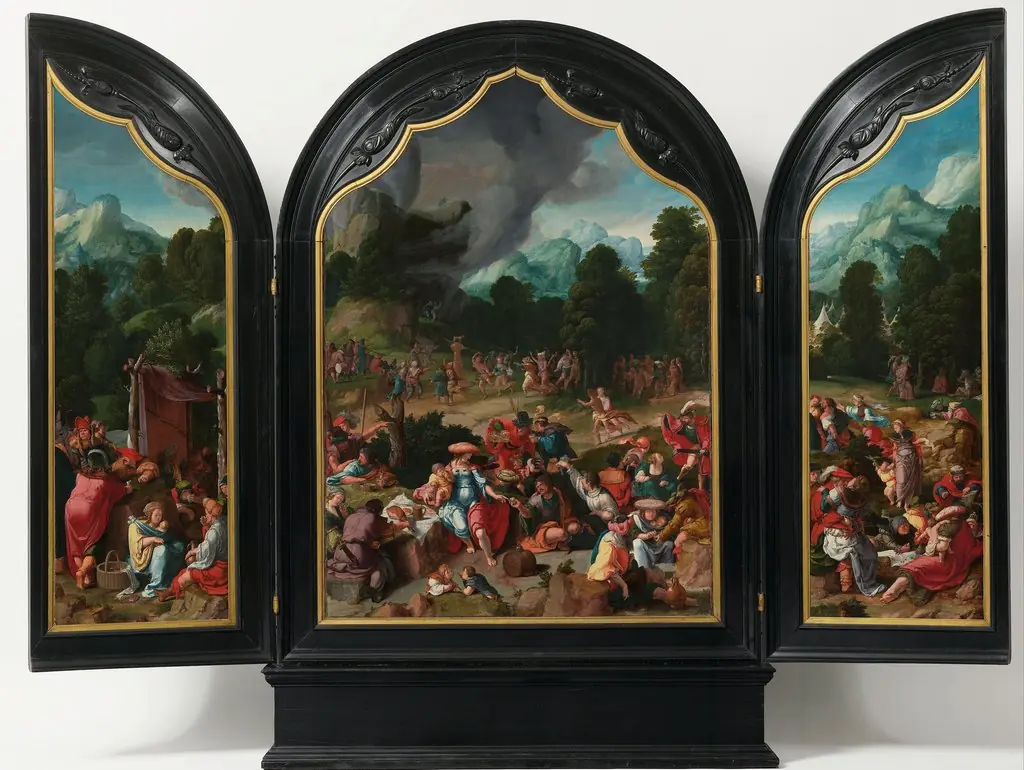 Worship of the Golden Calf
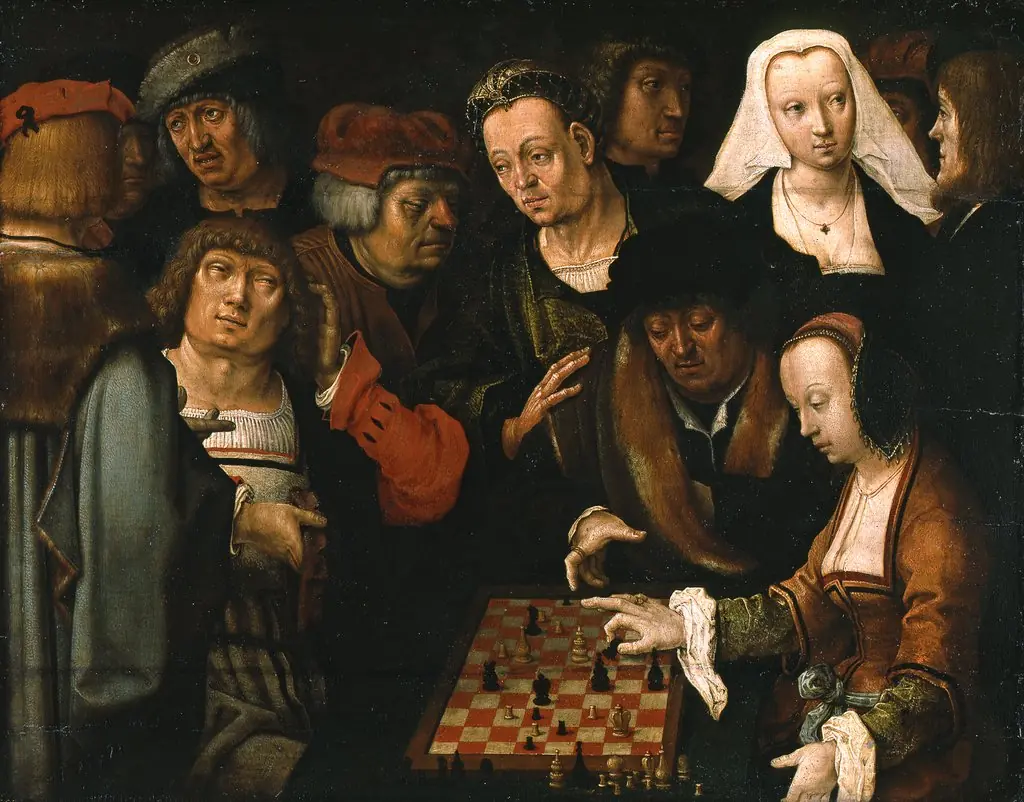 A Game of Chess
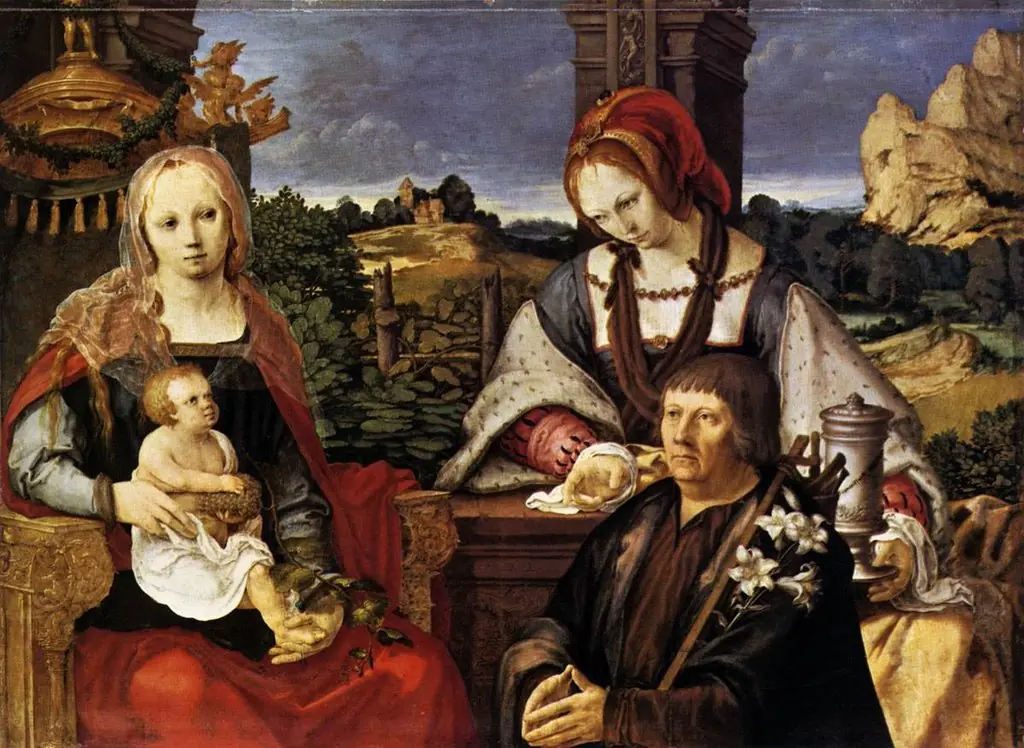 Mary with Child, St. Maria Magdalena and founder (separate outside, Inv. No. 7713)
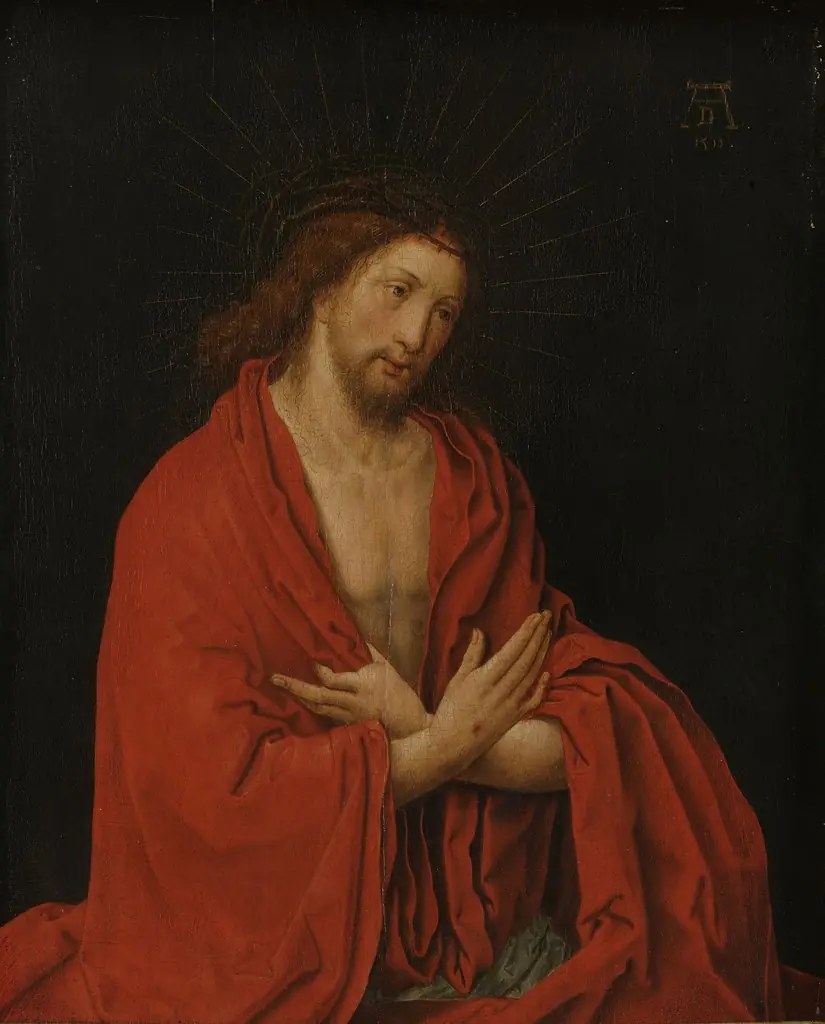 Inner left wing of a diptych with Christ as the Man of Sorrows
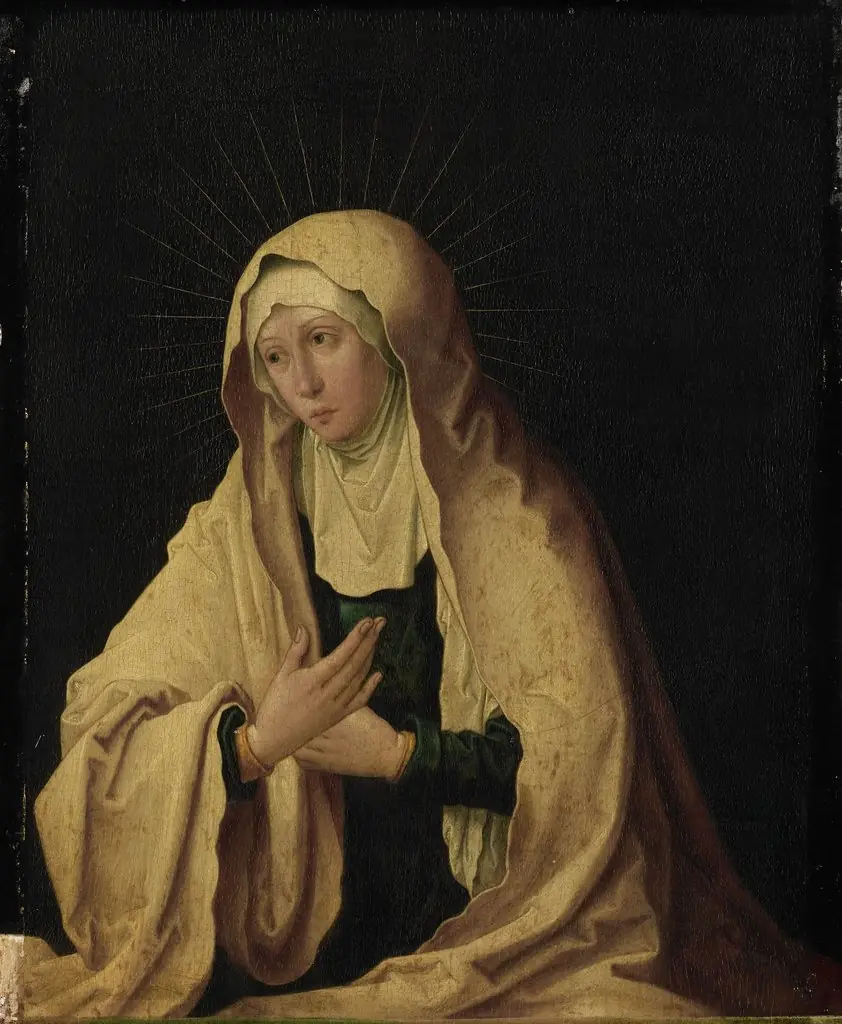 Inner right wing of a diptych with the Virgin as Mater Dolorosa
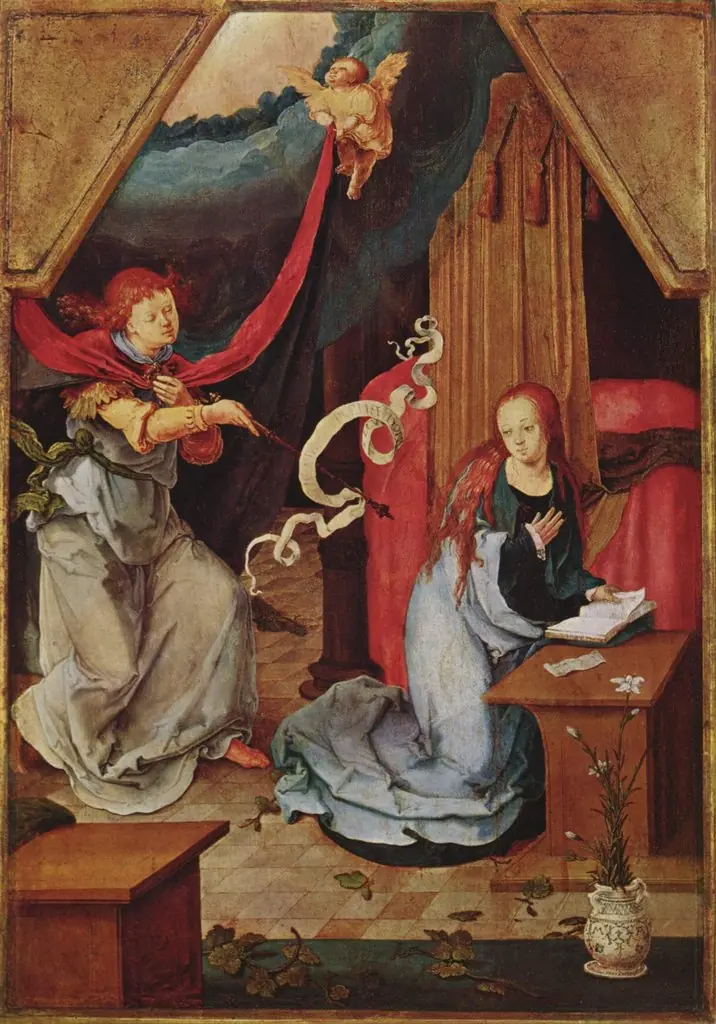 Annunciation