Artwork
The Passion: Christ Carrying the Cross
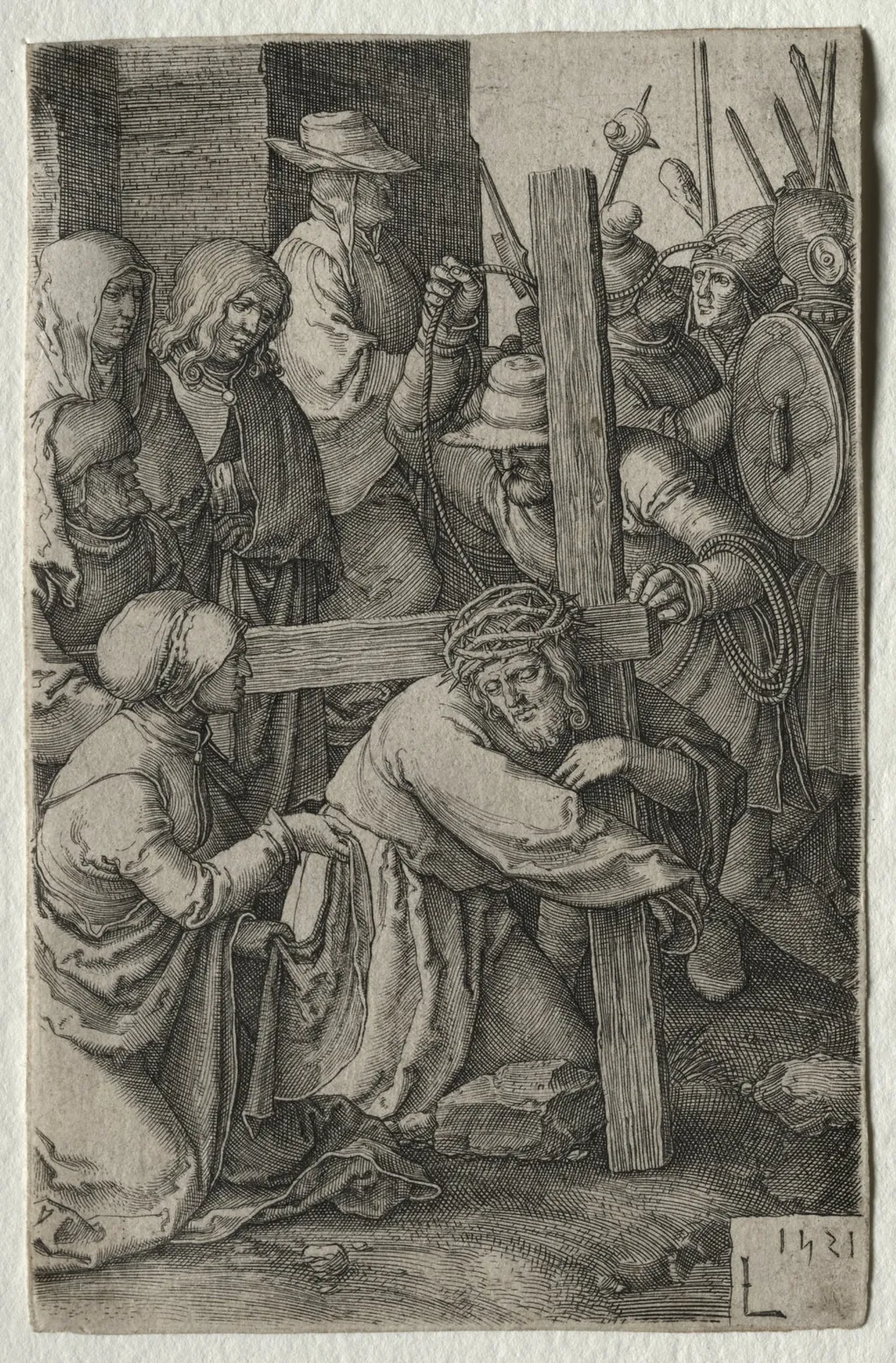
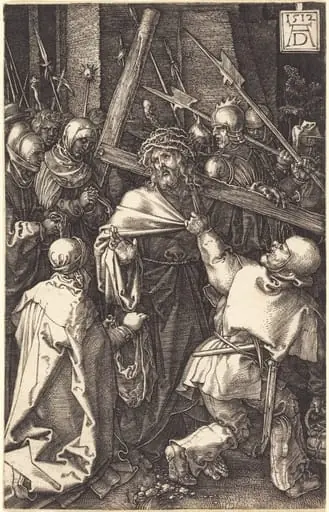
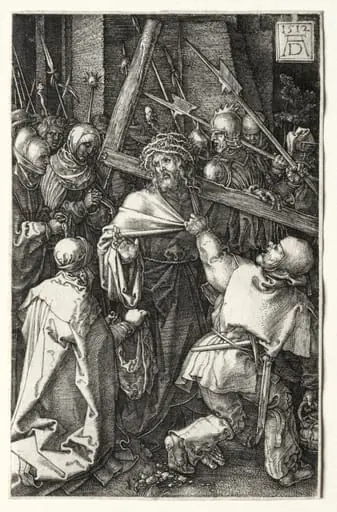
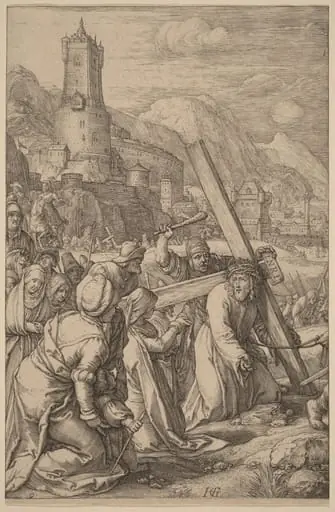
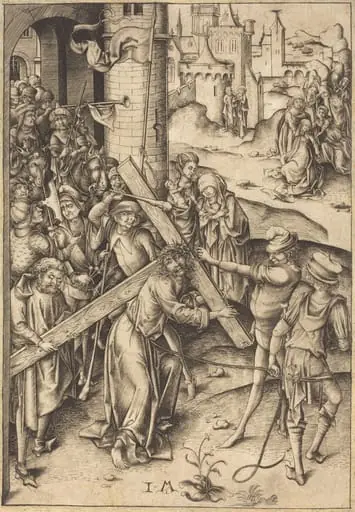
The Passion: Christ Carrying the Cross is a print by the Renaissance artist Lucas van Leyden. It dates from 1521 and is held in the collection of the Cleveland Museum of Art.
About this work
Overview
Created in 1521 by Lucas van Leyden, this black-and-white print depicts Christ bearing the cross on the way to crucifixion. Executed as a woodcut, it is part of a larger series illustrating the Passion of Christ. The work resides in the collection of The Cleveland Museum of Art and exemplifies van Leyden’s mastery of intricate detail and expressive line work within the medium of printmaking.
Subject & Meaning
The composition underscores the physical and emotional weight of the moment, emphasizing Christ’s isolation and endurance.
The scene captures Christ, crowned with thorns and burdened by the cross, surrounded by a varied crowd of onlookers. Figures display a range of reactions—some observe with sorrow, others with indifference or hostility. A bystander offers aid, introducing a note of human compassion amid the suffering. The composition underscores the physical and emotional weight of the moment, emphasizing Christ’s isolation and endurance.
Technique & Style
Van Leyden employed fine, precise lines to render textures in clothing, facial expressions, and architectural elements. Shading is achieved through cross-hatching and varied line density, creating a sense of volume and depth without color. The crowded composition is tightly packed, yet each figure is individually articulated, demonstrating the artist’s ability to convey narrative complexity within the constraints of woodcut technique.
History & Provenance
Produced during the height of van Leyden’s career, the print reflects the growing demand for religious imagery in Northern Europe amid the Reformation. It entered The Cleveland Museum of Art’s collection in the 20th century, following earlier ownership by private collectors and institutions in the Netherlands and Germany. Its survival in good condition speaks to its early recognition and careful preservation.
Context
In early 16th-century Netherlands, printmaking offered a means to disseminate religious themes widely. Van Leyden, alongside contemporaries like Dürer, elevated woodcuts beyond mere illustration to sophisticated artistic statements. This work aligns with broader devotional practices, where visual narratives of Christ’s suffering were used to inspire reflection and piety among lay audiences.
Legacy
Van Leyden’s detailed approach influenced later Northern European printmakers in their treatment of narrative and human emotion. His ability to render complex scenes with clarity and psychological nuance helped define the potential of woodcut as a serious artistic medium. This print remains a key example of how technical precision could serve profound spiritual storytelling.
Artist & collection

Artist
Lucas van Leyden (1494 – 8 August 1533), was a Dutch painter and printmaker in engraving and woodcut. Lucas van Leyden was among the first Dutch exponents of genre painting and was a very accomplished engraver.

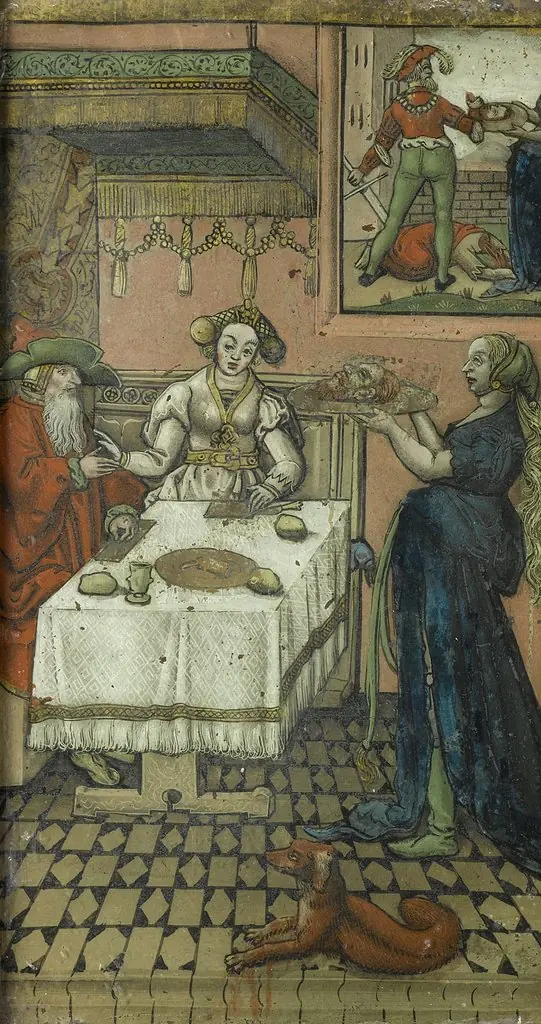 Salome with the head of St John the Baptist
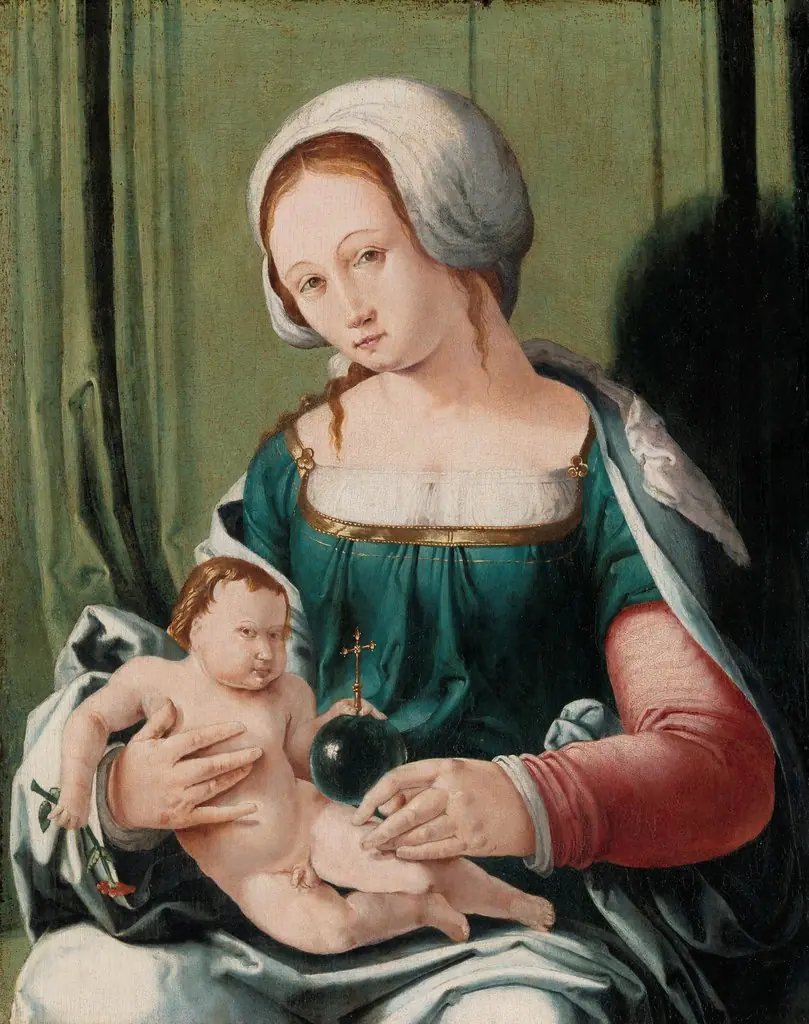 The Virgin and Child
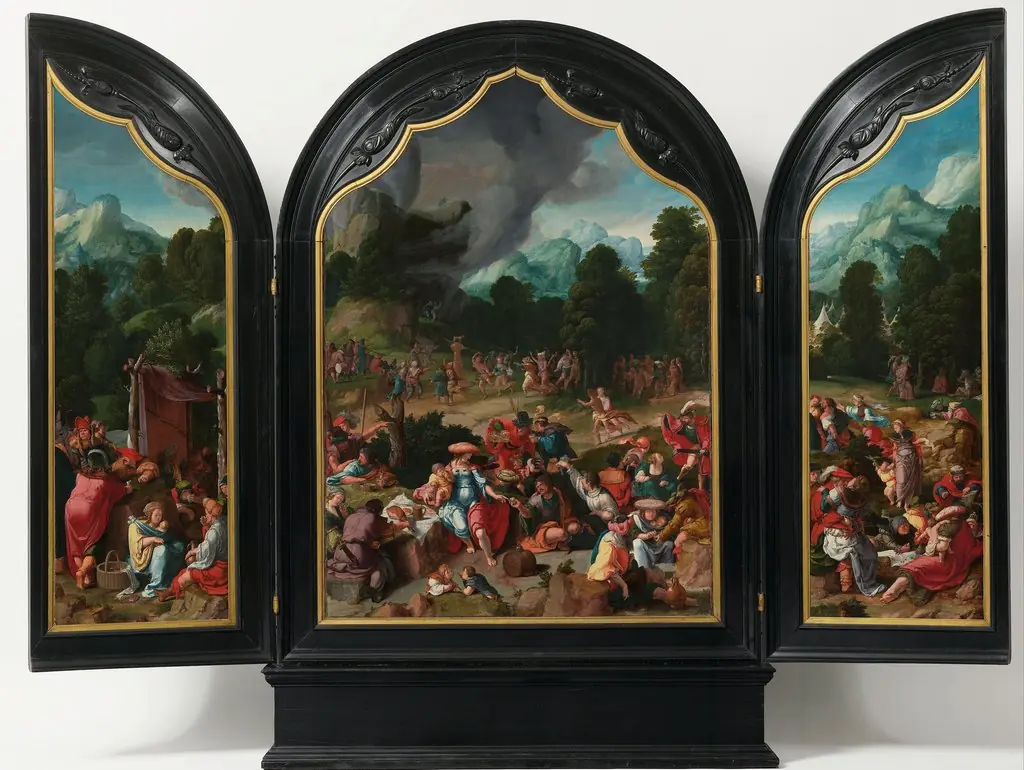 Worship of the Golden Calf
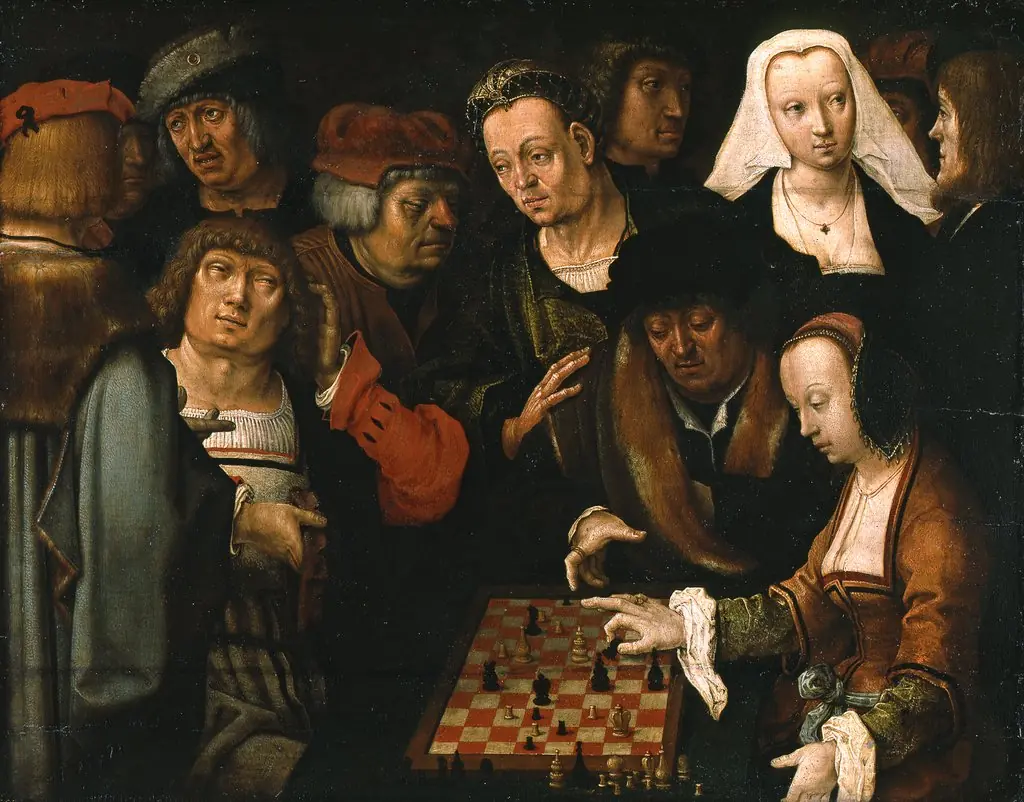 A Game of Chess
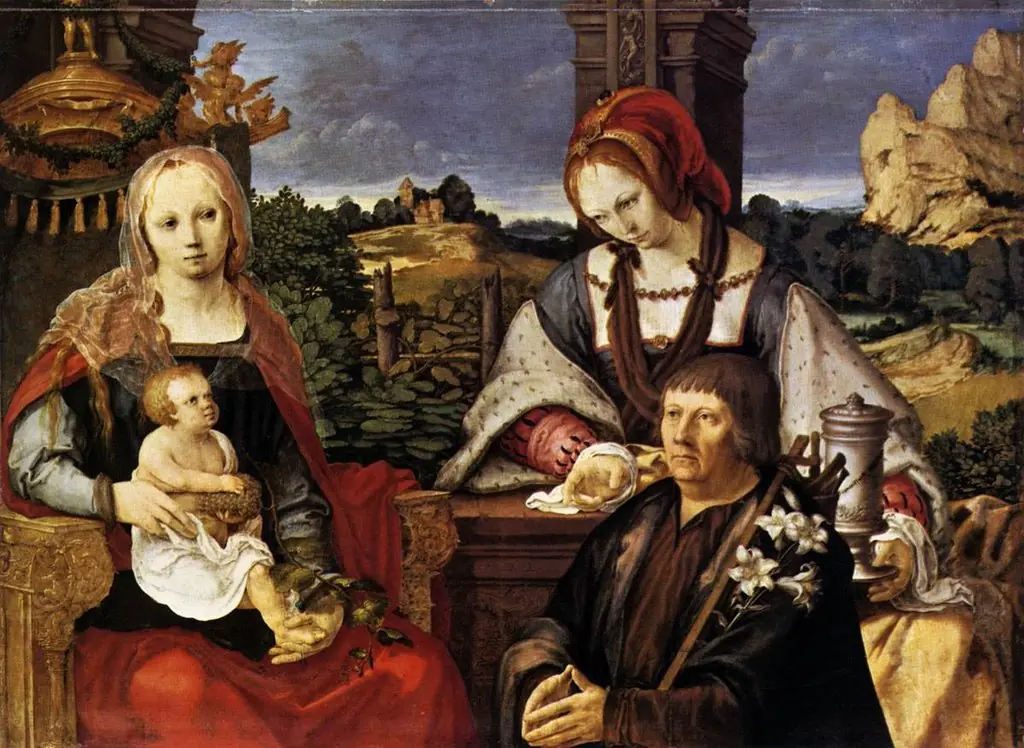 Mary with Child, St. Maria Magdalena and founder (separate outside, Inv. No. 7713)
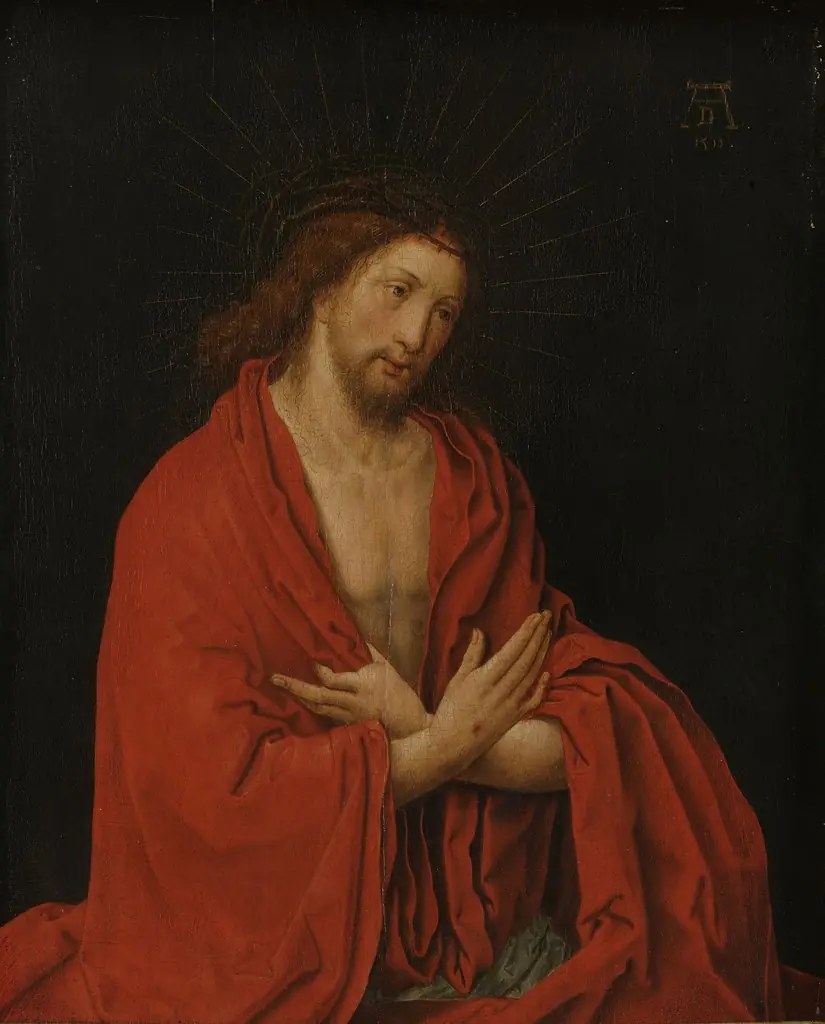 Inner left wing of a diptych with Christ as the Man of Sorrows
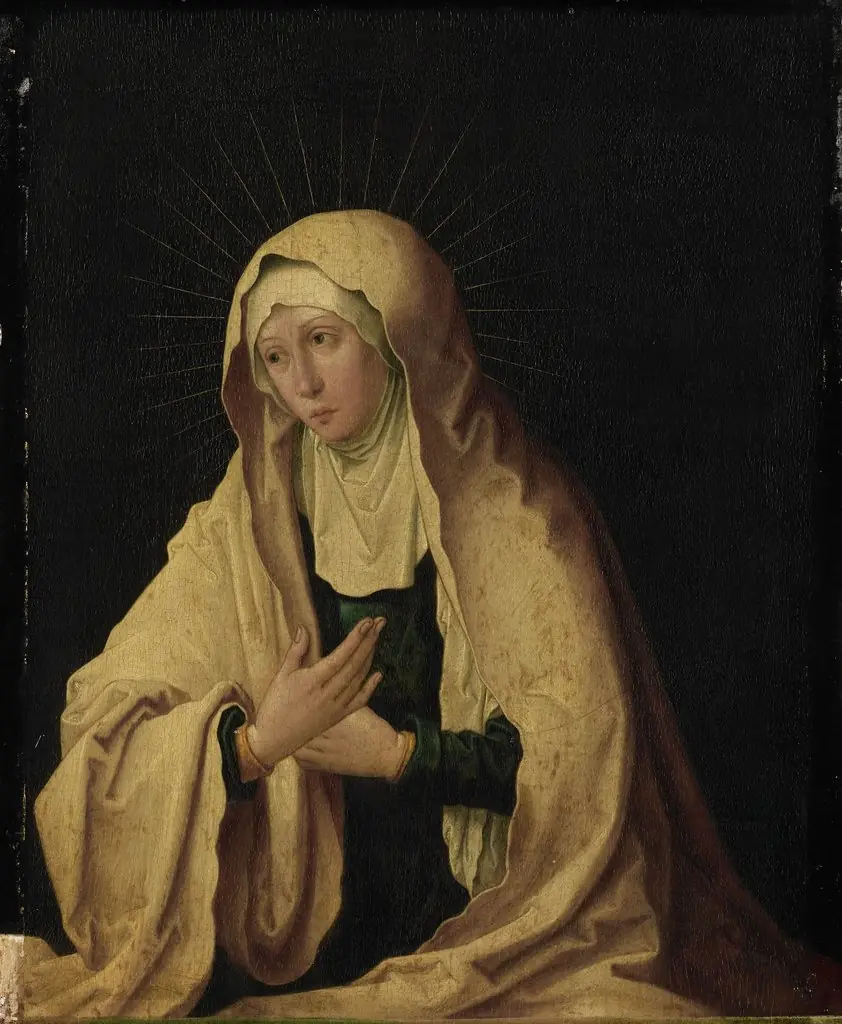 Inner right wing of a diptych with the Virgin as Mater Dolorosa
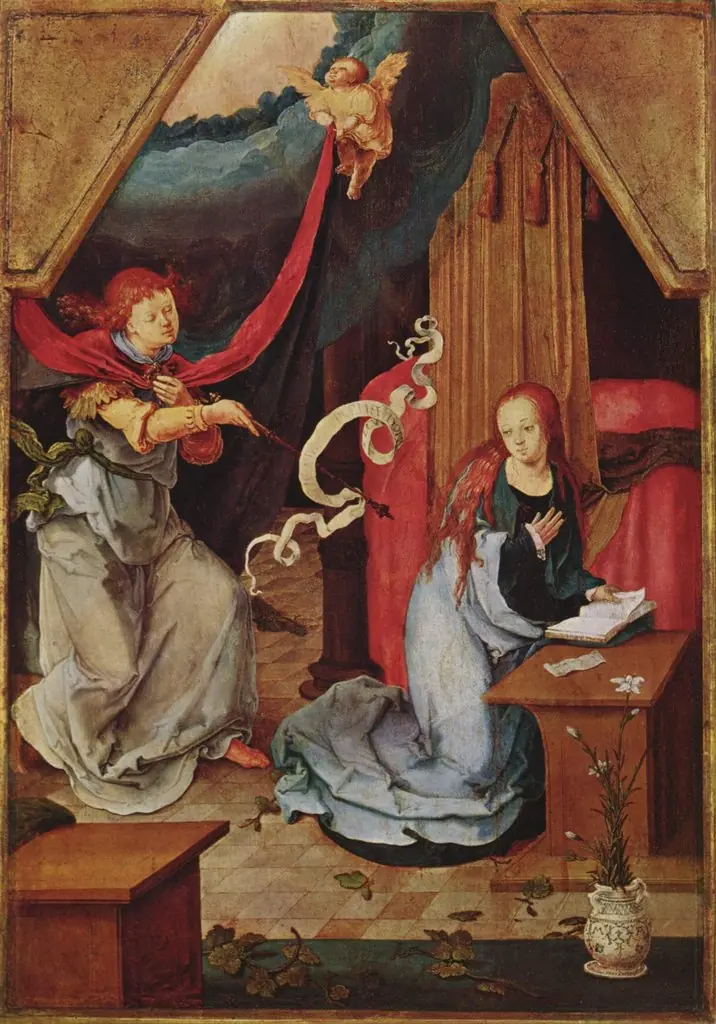 Annunciation