Artwork
The Raising of Lazarus
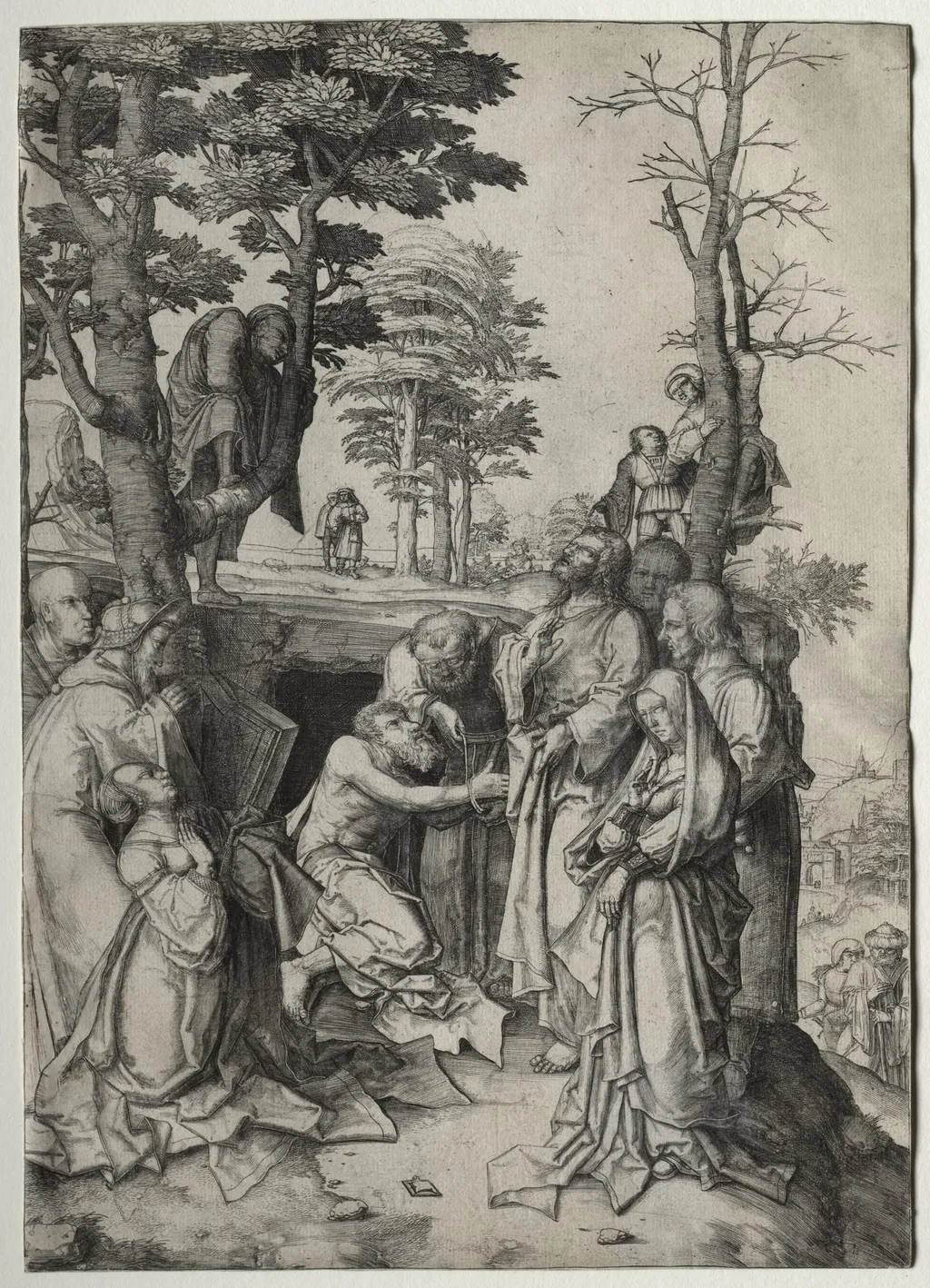
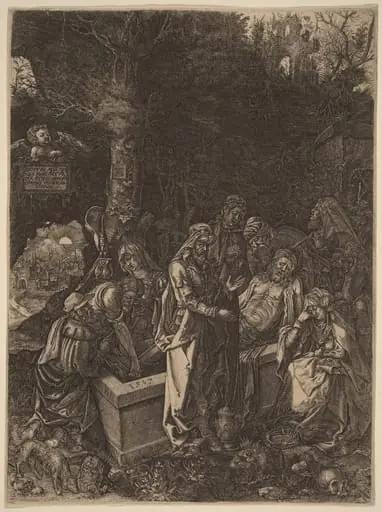
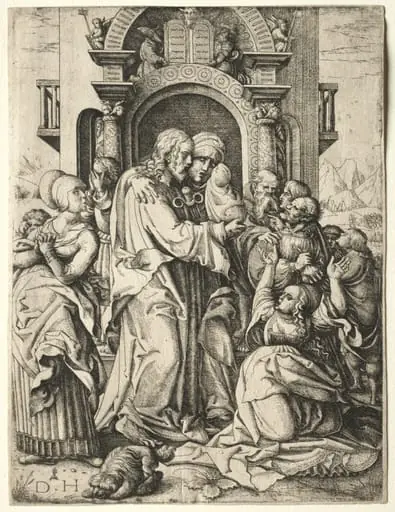
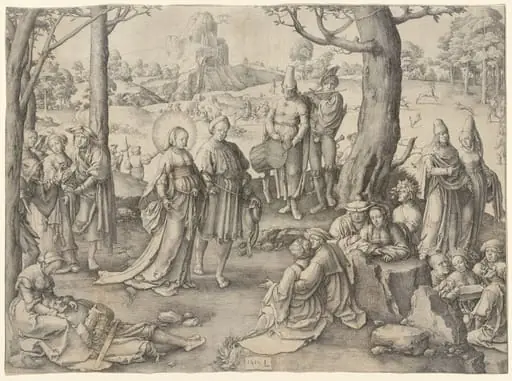
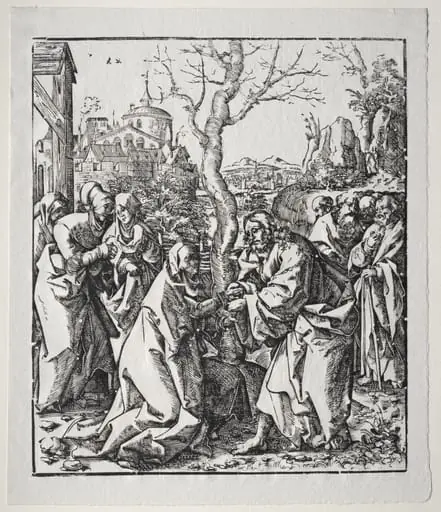
The Raising of Lazarus is a print by the Renaissance artist Lucas van Leyden. It dates from 1508 and is held in the collection of the Cleveland Museum of Art.
About this work
Overview
Executed in engraving, the work reflects van Leyden’s early mastery of the medium and his ability to convey complex narratives in small formats.
Created in 1508 by the Dutch artist Lucas van Leyden, this print captures the biblical moment of Lazarus being raised from the dead. Executed in engraving, the work reflects van Leyden’s early mastery of the medium and his ability to convey complex narratives in small formats. It is held in the collection of the Cleveland Museum of Art, where it stands as a significant example of Northern Renaissance printmaking.
Subject & Meaning
The scene illustrates the miracle described in the Gospel of John, where Christ restores Lazarus to life after four days in the tomb. Van Leyden emphasizes the shock and awe of witnesses as Lazarus emerges partially wrapped in burial cloths. The moment is rendered not as divine spectacle but as a human reaction to the inexplicable, grounding the sacred in tangible emotion and physical presence.
Technique & Style
Van Leyden employed fine, precise engraving lines to model form and texture, giving depth to drapery, facial expressions, and the stone tomb. Shading is carefully controlled to suggest volume without heavy contrast. The composition is densely packed with figures arranged in layered planes, creating a sense of spatial depth despite the small scale, a hallmark of his technical precision and narrative clarity.
History & Provenance
Produced early in van Leyden’s career, the print was made during a period when Northern artists were refining engraving as a serious artistic medium. It entered the Cleveland Museum of Art’s collection in the 20th century, having passed through private hands in Europe. Its survival in good condition reflects its early recognition as a work of exceptional craftsmanship.
Context
In early 16th-century Netherlands, religious subjects dominated print production, serving both devotional and educational purposes. Van Leyden’s work aligns with broader Renaissance interests in human emotion and anatomical accuracy, while retaining the detailed, narrative-driven style characteristic of Northern art. His prints circulated widely, influencing how biblical stories were visually understood across Europe.
Legacy
Though van Leyden is less known today than some contemporaries, his prints like this one helped establish engraving as a vehicle for serious artistic expression. His ability to compress complex scenes into intimate formats influenced later Northern printmakers. The work remains a reference point for understanding how religious narratives were translated into visual form during the Renaissance.
Artist & collection

Artist
Lucas van Leyden (1494 – 8 August 1533), was a Dutch painter and printmaker in engraving and woodcut. Lucas van Leyden was among the first Dutch exponents of genre painting and was a very accomplished engraver.

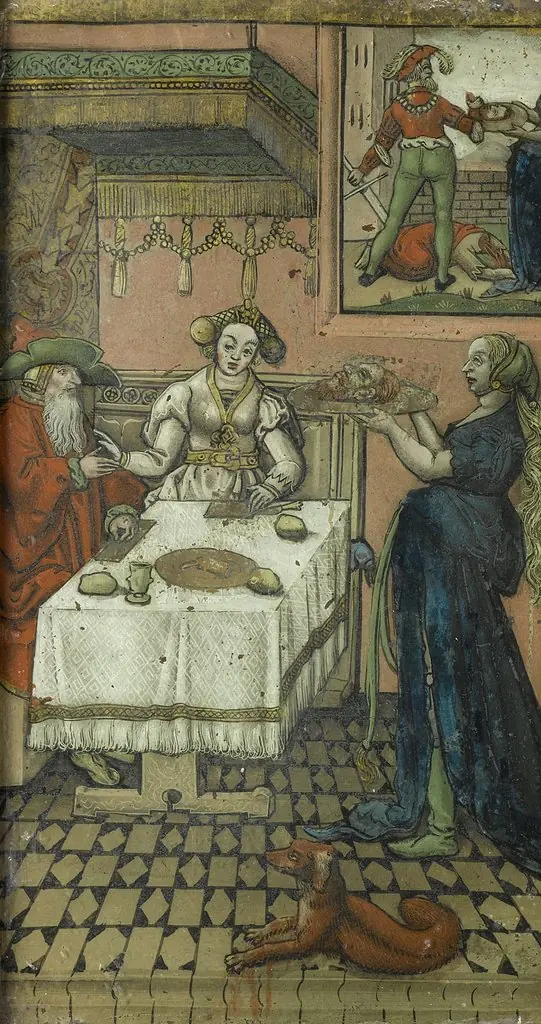 Salome with the head of St John the Baptist
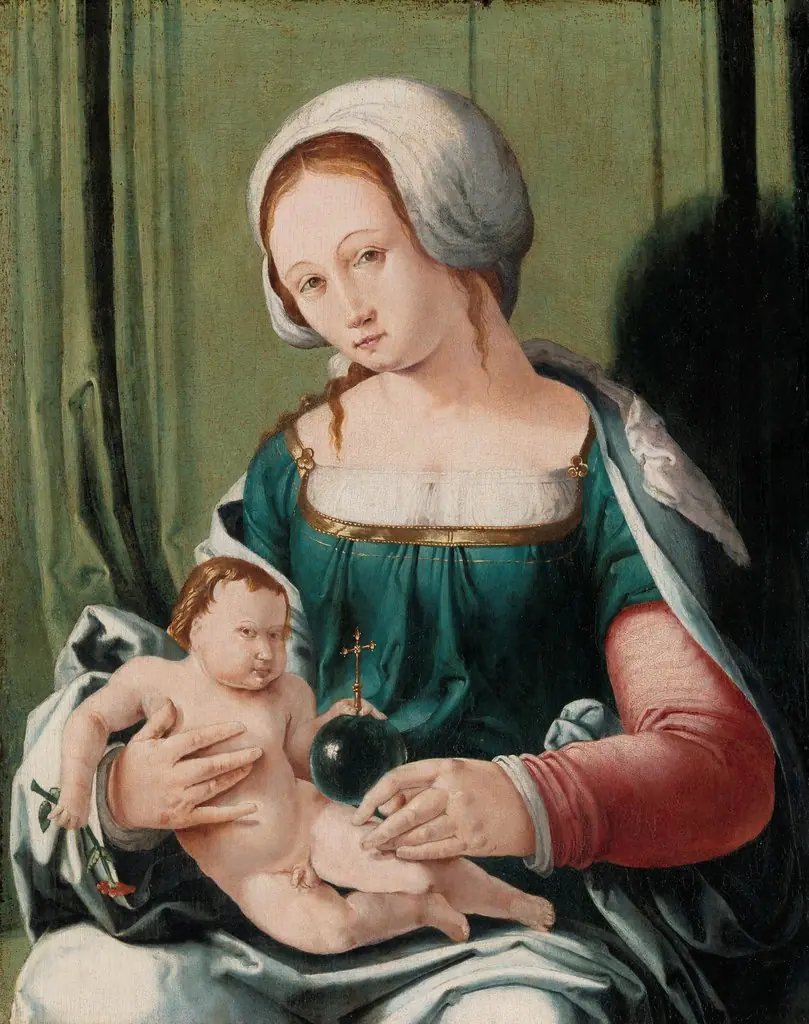 The Virgin and Child
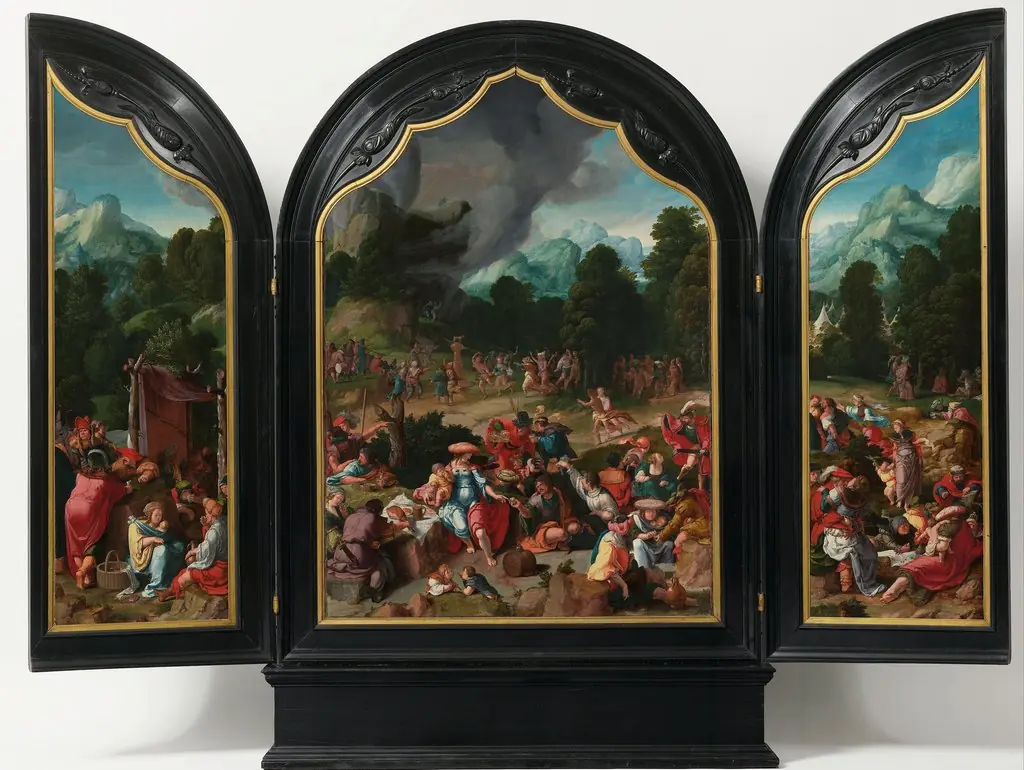 Worship of the Golden Calf
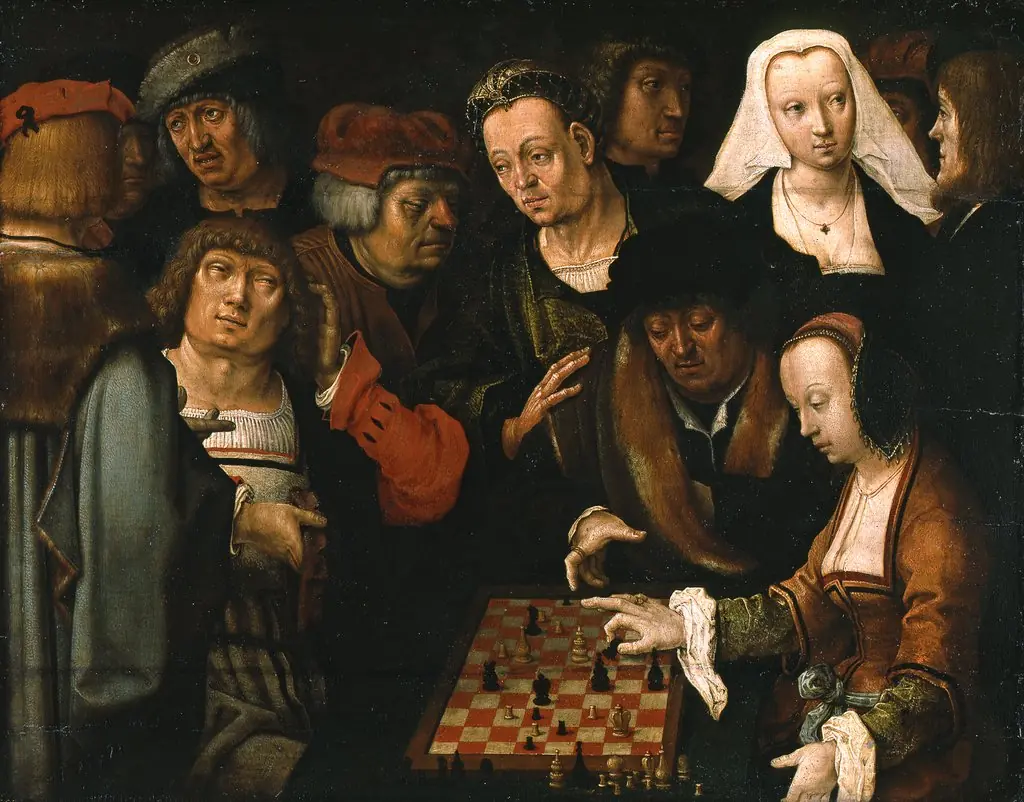 A Game of Chess
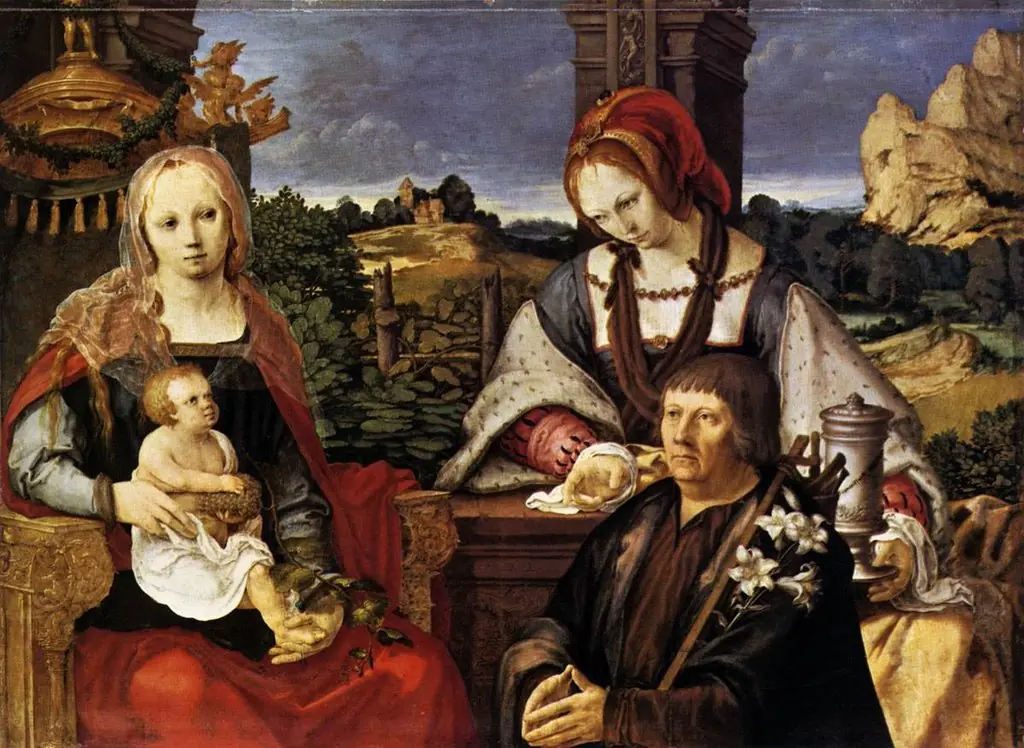 Mary with Child, St. Maria Magdalena and founder (separate outside, Inv. No. 7713)
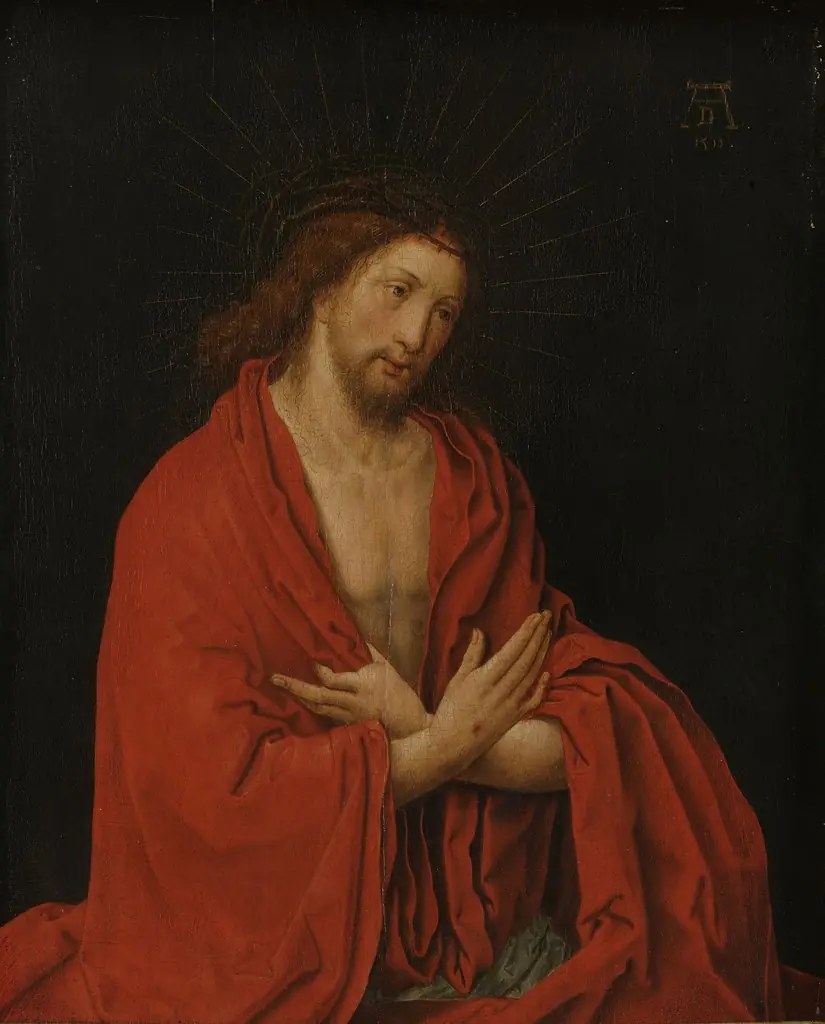 Inner left wing of a diptych with Christ as the Man of Sorrows
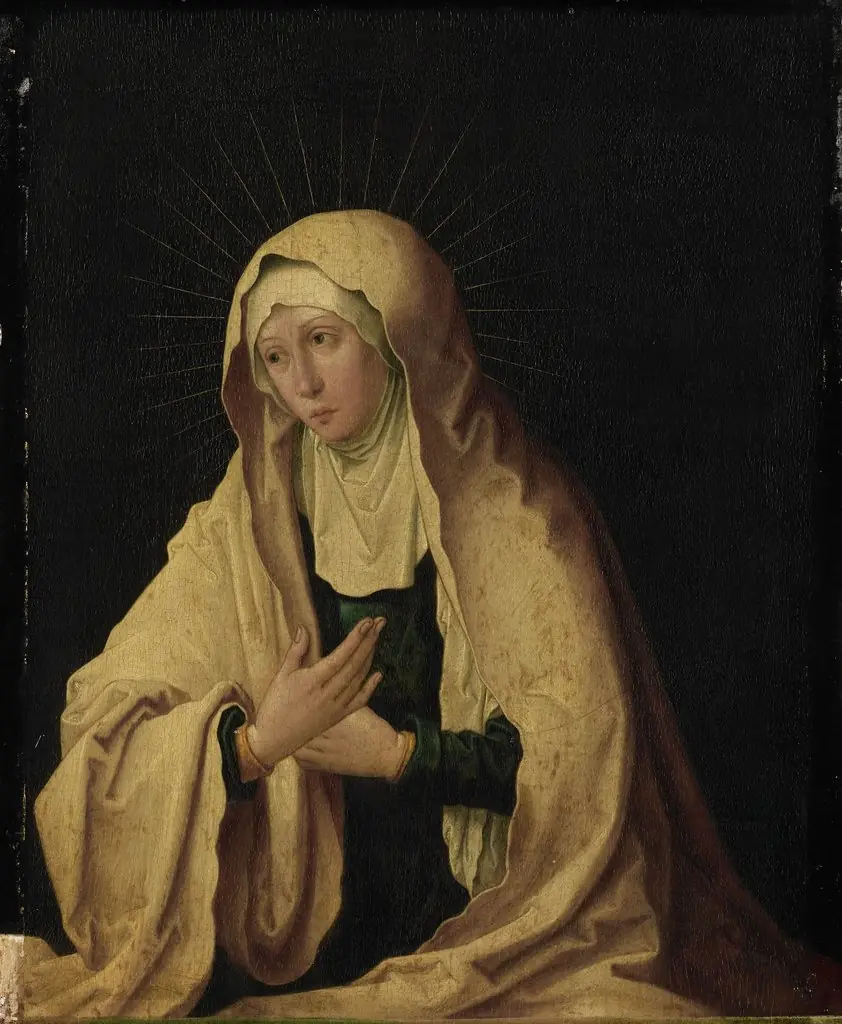 Inner right wing of a diptych with the Virgin as Mater Dolorosa
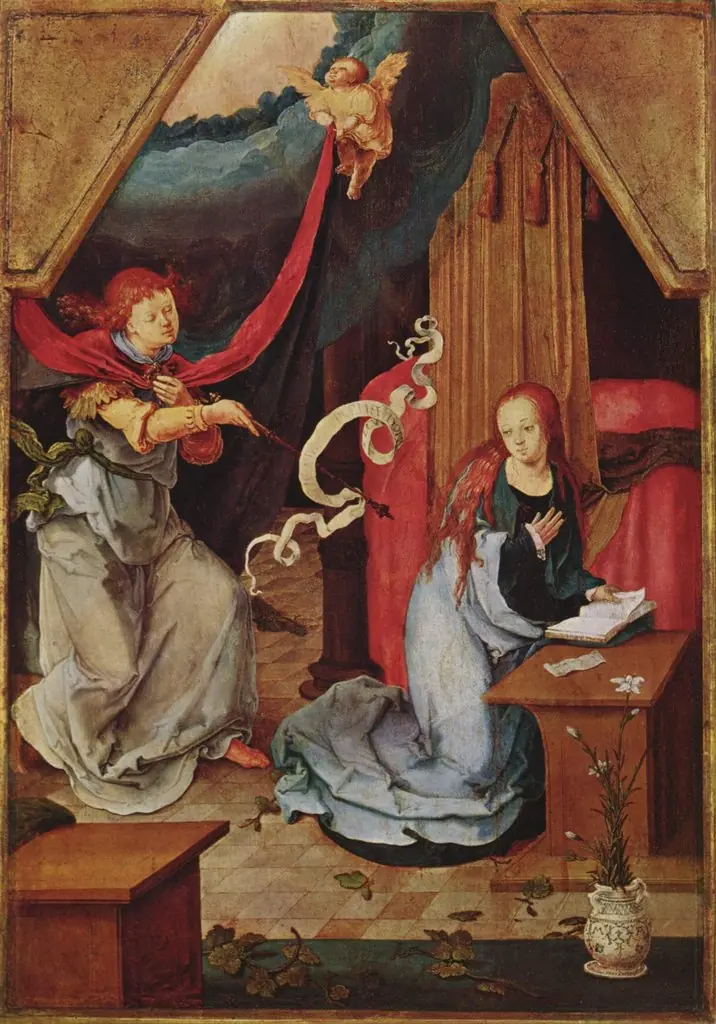 Annunciation