Artwork
The Round Passion: Ecce Homo
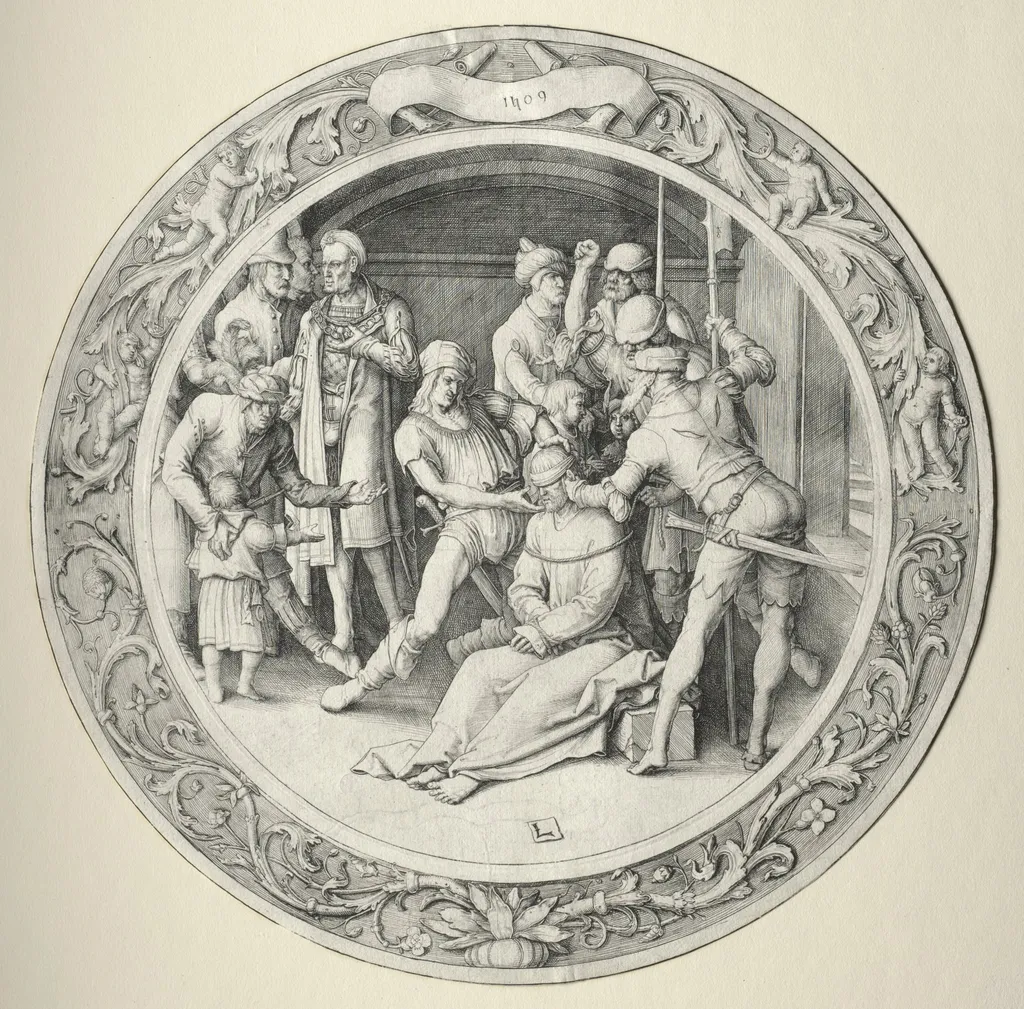
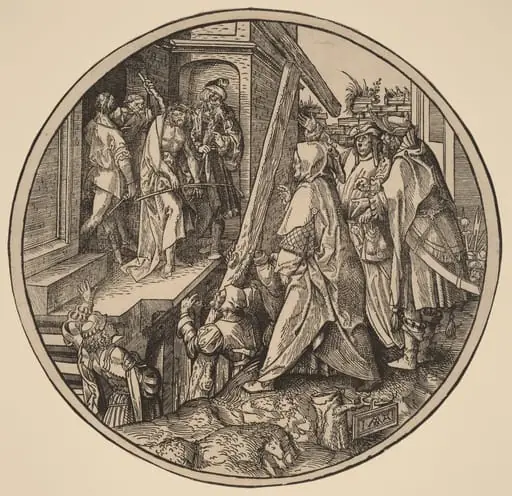
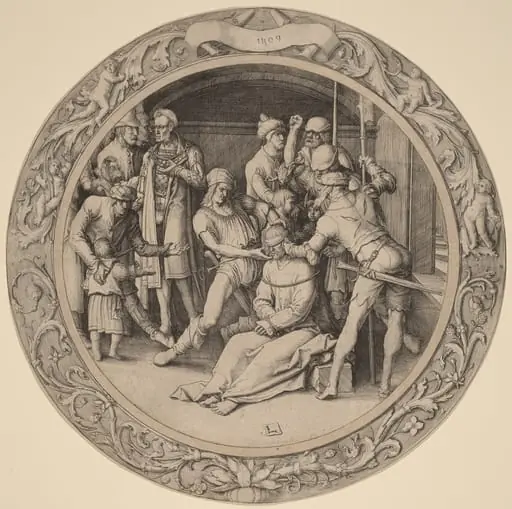
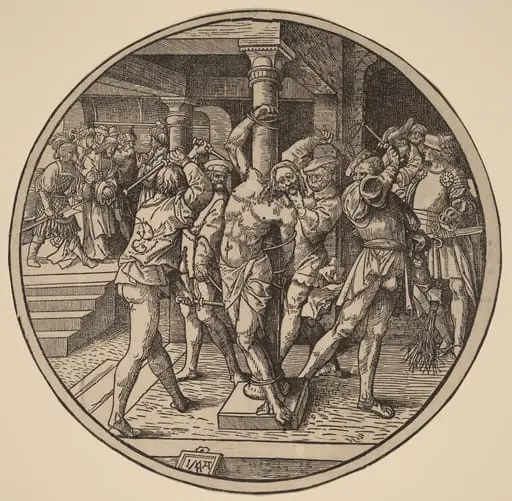
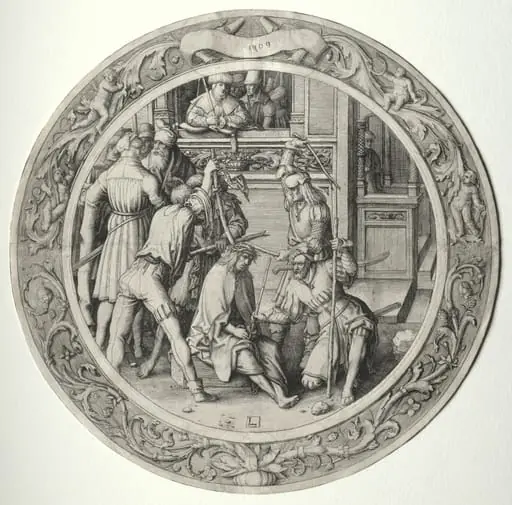
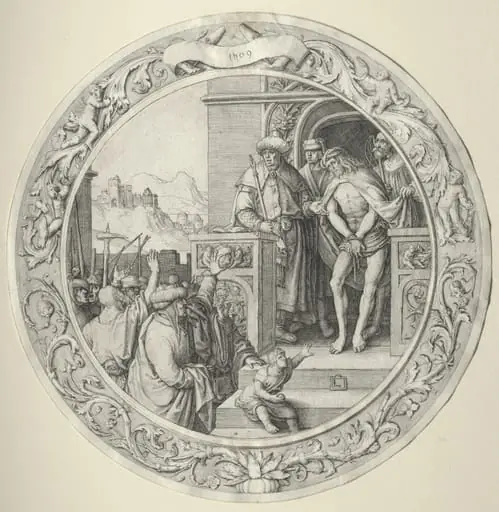
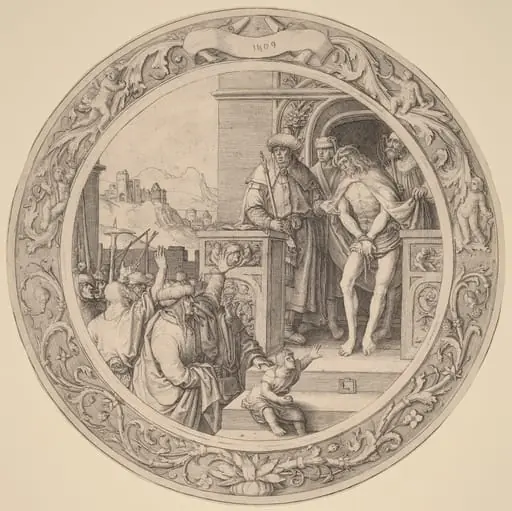
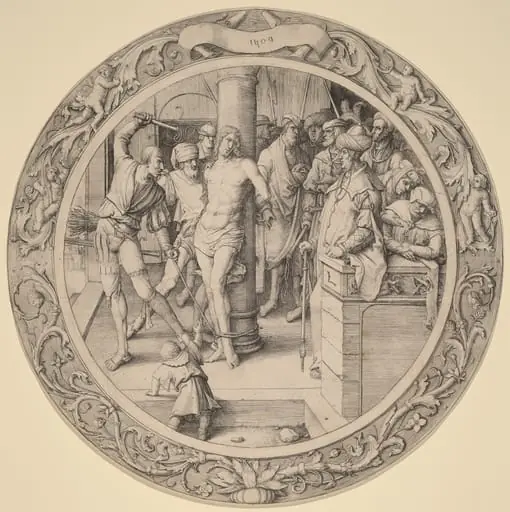
The Round Passion: Ecce Homo is a print by the Renaissance artist Lucas van Leyden. It dates from 1509 and is held in the collection of the Cleveland Museum of Art.
About this work
Overview
Though produced when the artist was only fifteen, the work demonstrates exceptional technical control and emotional precision.
Created in 1530 by Lucas van Leyden, this small woodcut is part of a series illustrating the Passion of Christ. Though produced when the artist was only fifteen, the work demonstrates exceptional technical control and emotional precision. It resides in the Cleveland Museum of Art, where it is displayed alongside pieces by his mentor, Cornelis Engelbrechtsen, reflecting the early Dutch printmaking tradition.
Subject & Meaning
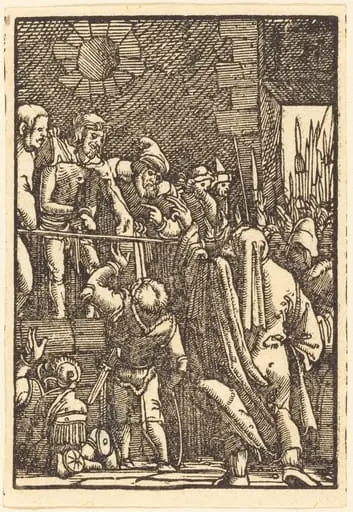
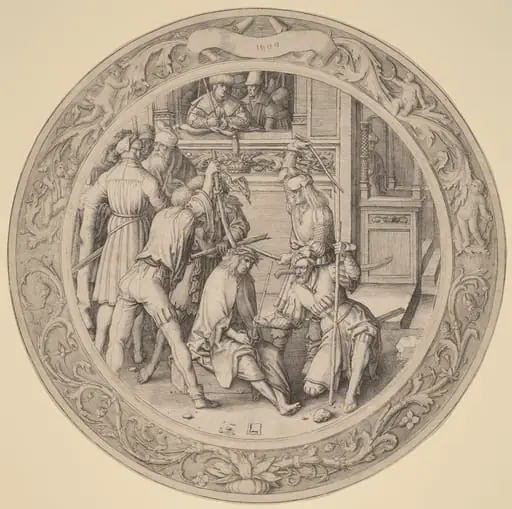
The scene captures Pontius Pilate presenting Jesus to the crowd, moments before his condemnation. Jesus, bound and crowned with thorns, bears visible bloodstains from the piercing spikes. Soldiers loom around him, their expressions and gestures conveying mockery and cruelty. The image emphasizes suffering and human indifference, aligning with devotional themes common in Northern Renaissance religious art.
Technique & Style
Van Leyden employed fine, incised lines to render minute textures: the grit of stubble, the rust on a metal staff, the delicate sheen of sweat on skin. The woodcut’s small scale heightens intimacy, drawing the viewer into the claustrophobic moment. His use of contrast and sharp detail reveals an advanced command of the medium, unusual for an artist so young.
History & Provenance
The print was made in the Netherlands during the early 16th century, a period of growing interest in printed religious imagery. It entered the Cleveland Museum of Art’s collection as part of its broader holdings in Northern Renaissance prints. Its survival in good condition reflects careful preservation and the high regard for van Leyden’s early work among collectors.
Context
Van Leyden emerged in a generation that shifted religious art from grand altarpieces to intimate, accessible formats. Woodcuts like this one allowed widespread distribution of biblical narratives among lay audiences. His focus on psychological realism and everyday detail aligned with broader Northern European trends, distinguishing his work from Italian contemporaries.
Legacy
Though van Leyden later gained fame for larger compositions and secular subjects, this early print remains a testament to his precocious skill. It influenced subsequent generations of Dutch printmakers who prioritized narrative clarity and tactile detail. The work endures as a quiet but powerful example of youth-driven artistic mastery in the print medium.
Artist & collection

Artist
Lucas van Leyden (1494 – 8 August 1533), was a Dutch painter and printmaker in engraving and woodcut. Lucas van Leyden was among the first Dutch exponents of genre painting and was a very accomplished engraver.

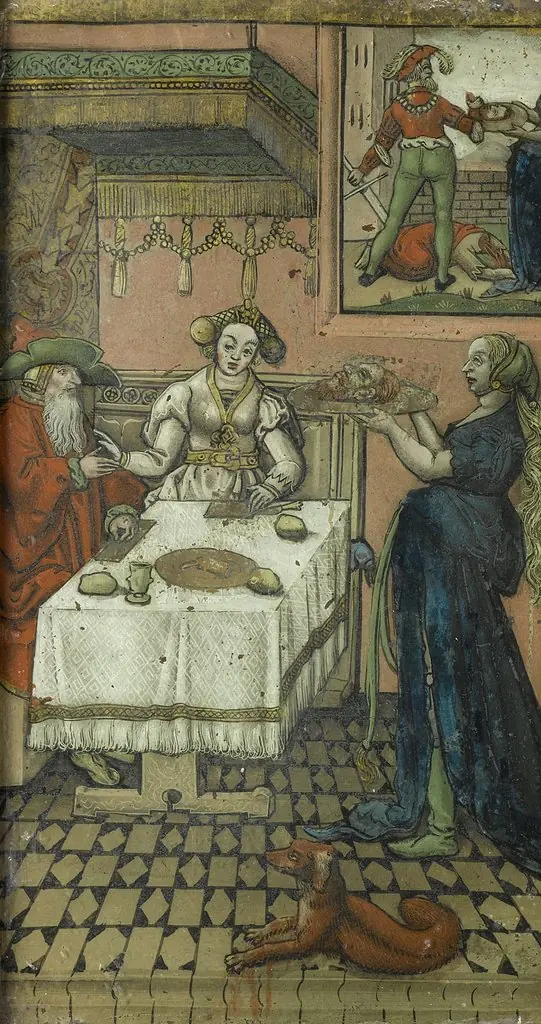 Salome with the head of St John the Baptist
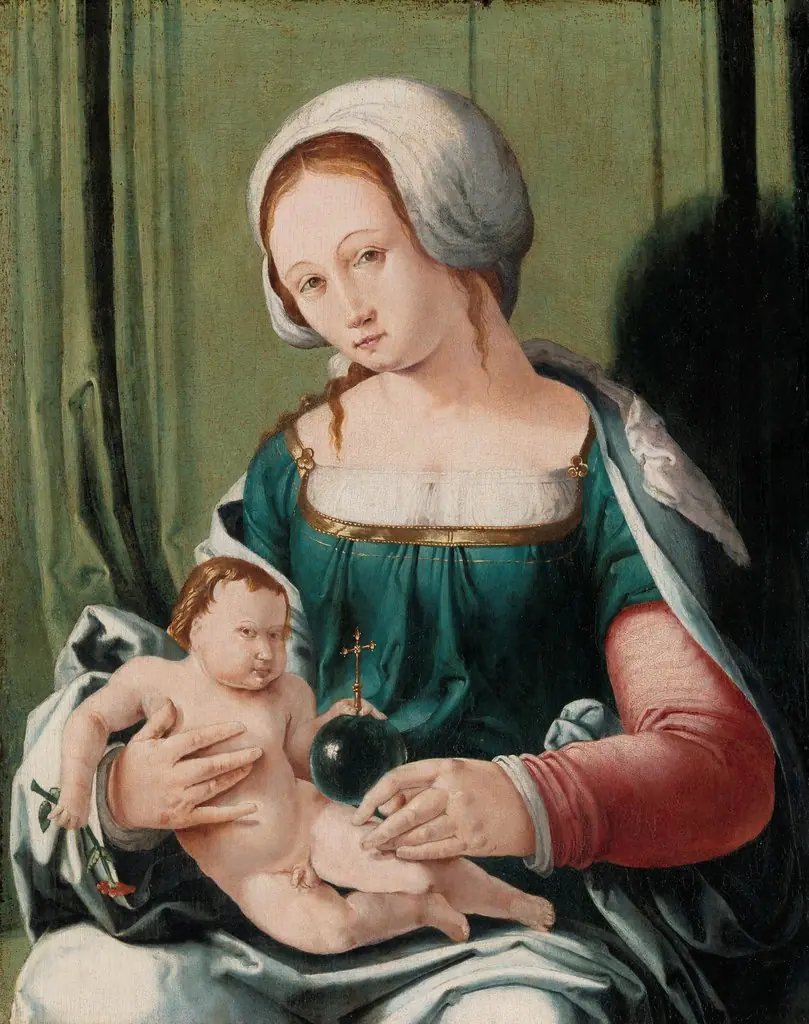 The Virgin and Child
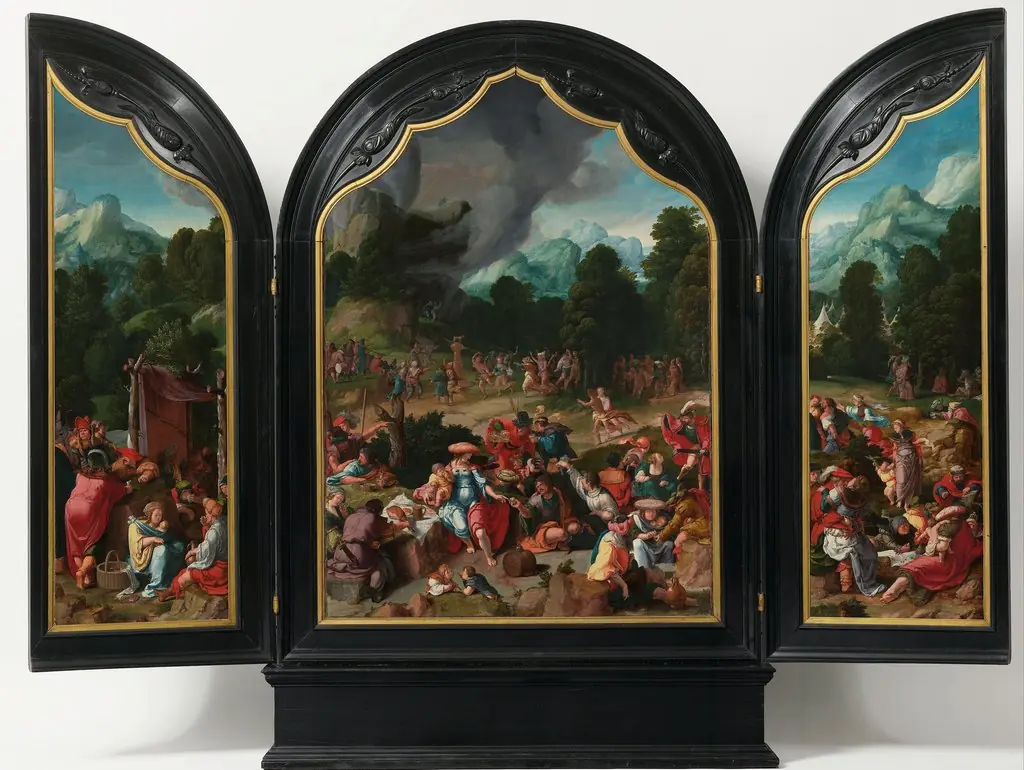 Worship of the Golden Calf
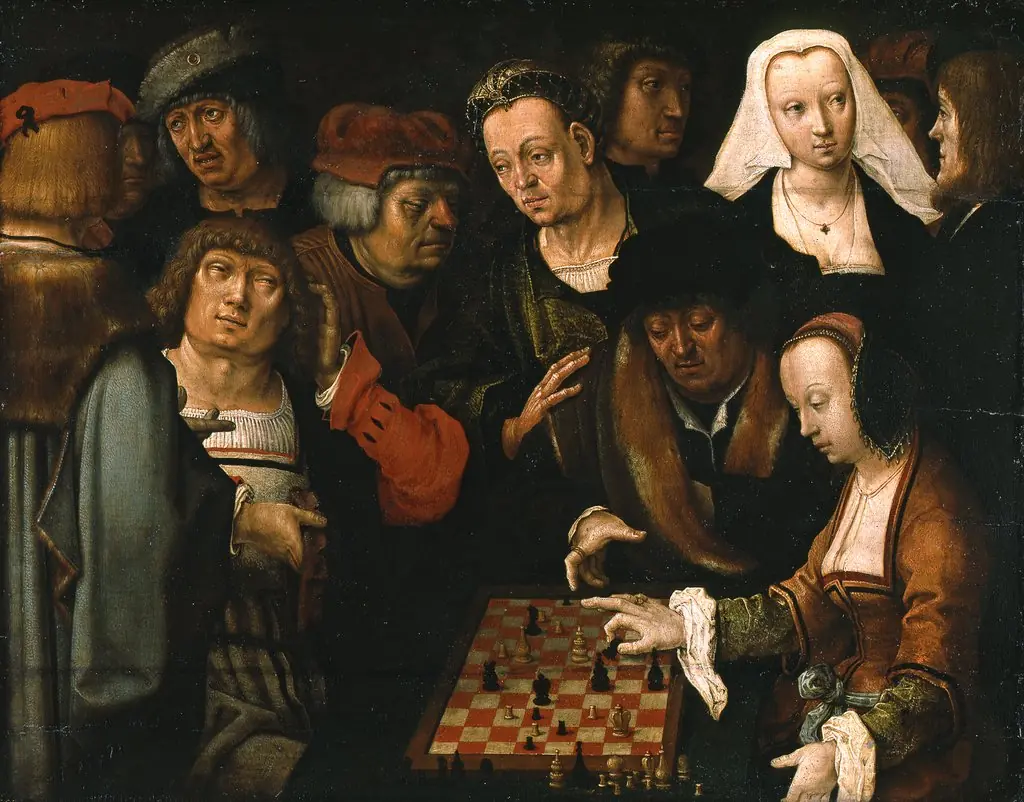 A Game of Chess
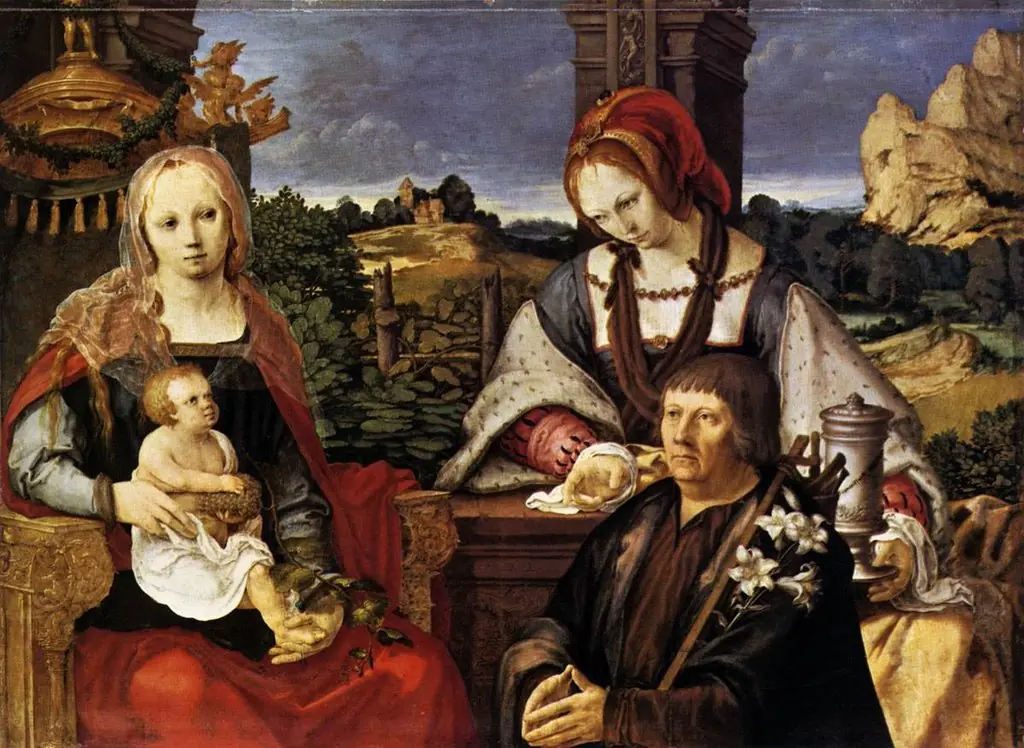 Mary with Child, St. Maria Magdalena and founder (separate outside, Inv. No. 7713)
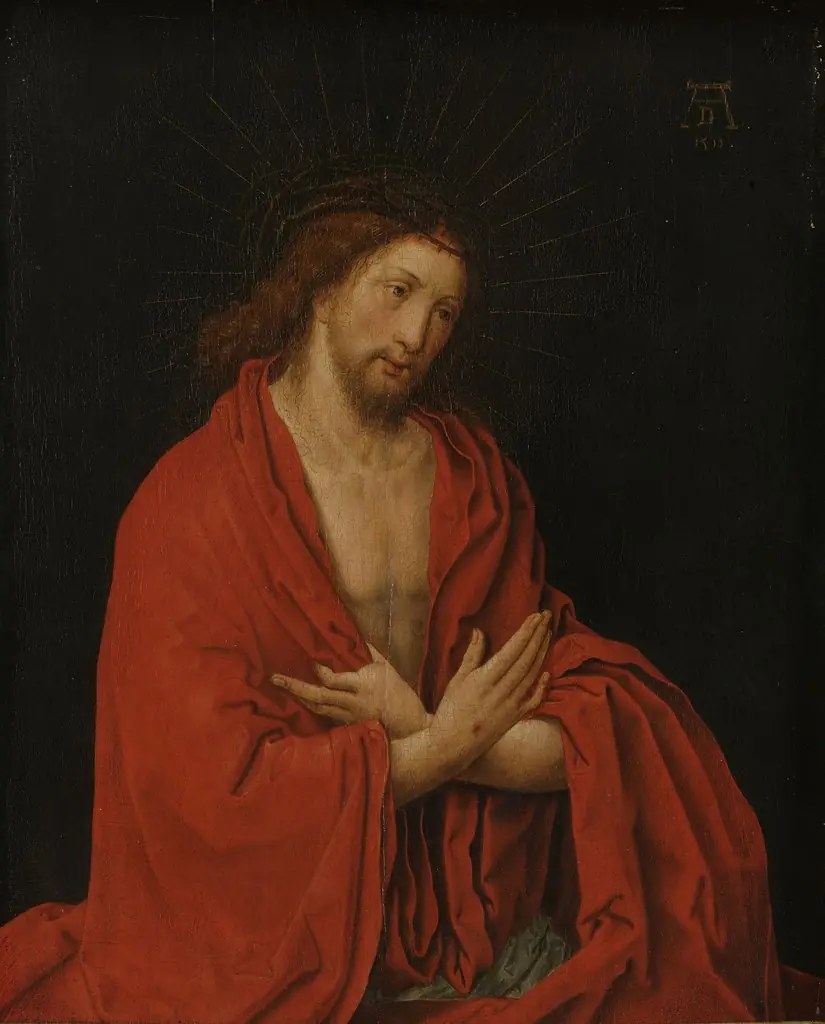 Inner left wing of a diptych with Christ as the Man of Sorrows
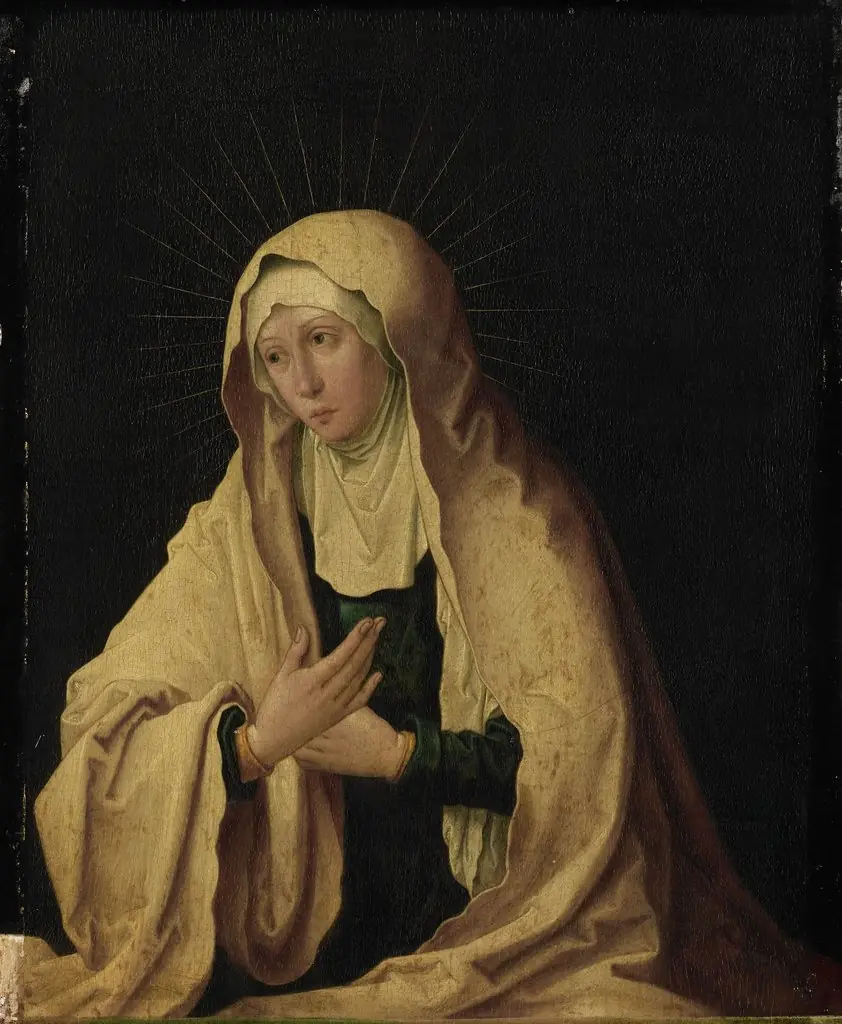 Inner right wing of a diptych with the Virgin as Mater Dolorosa
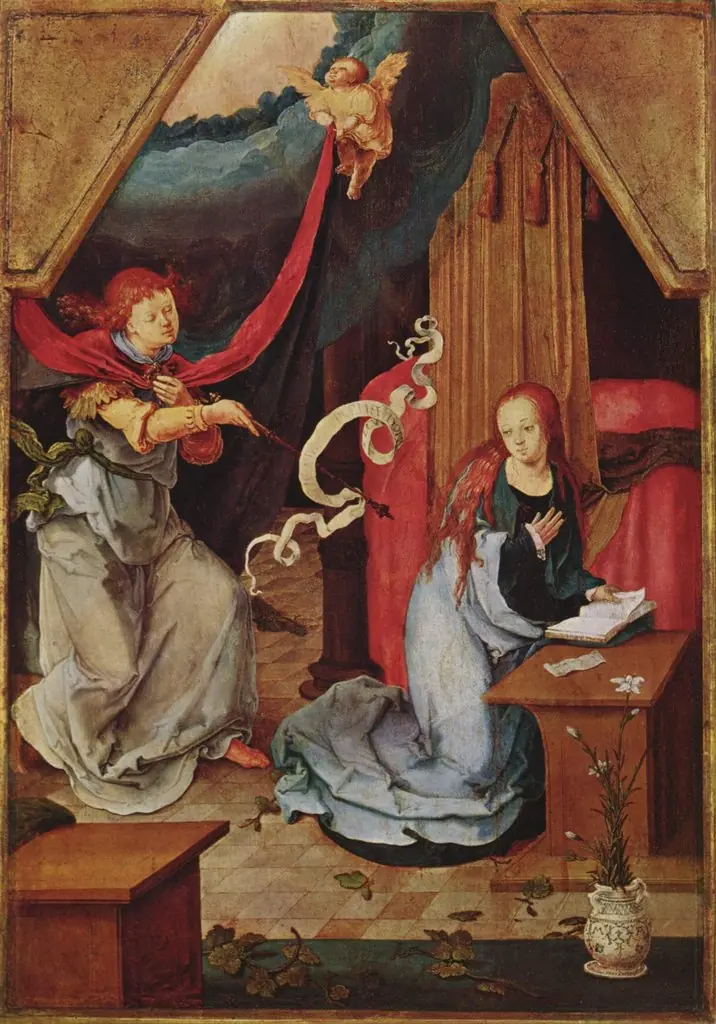 Annunciation