Artwork
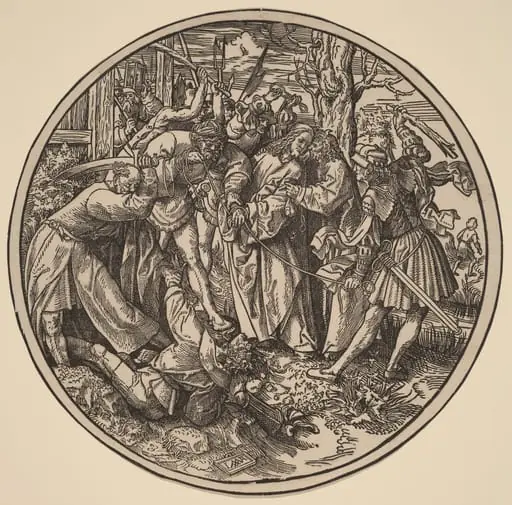
The Scoffing of Christ
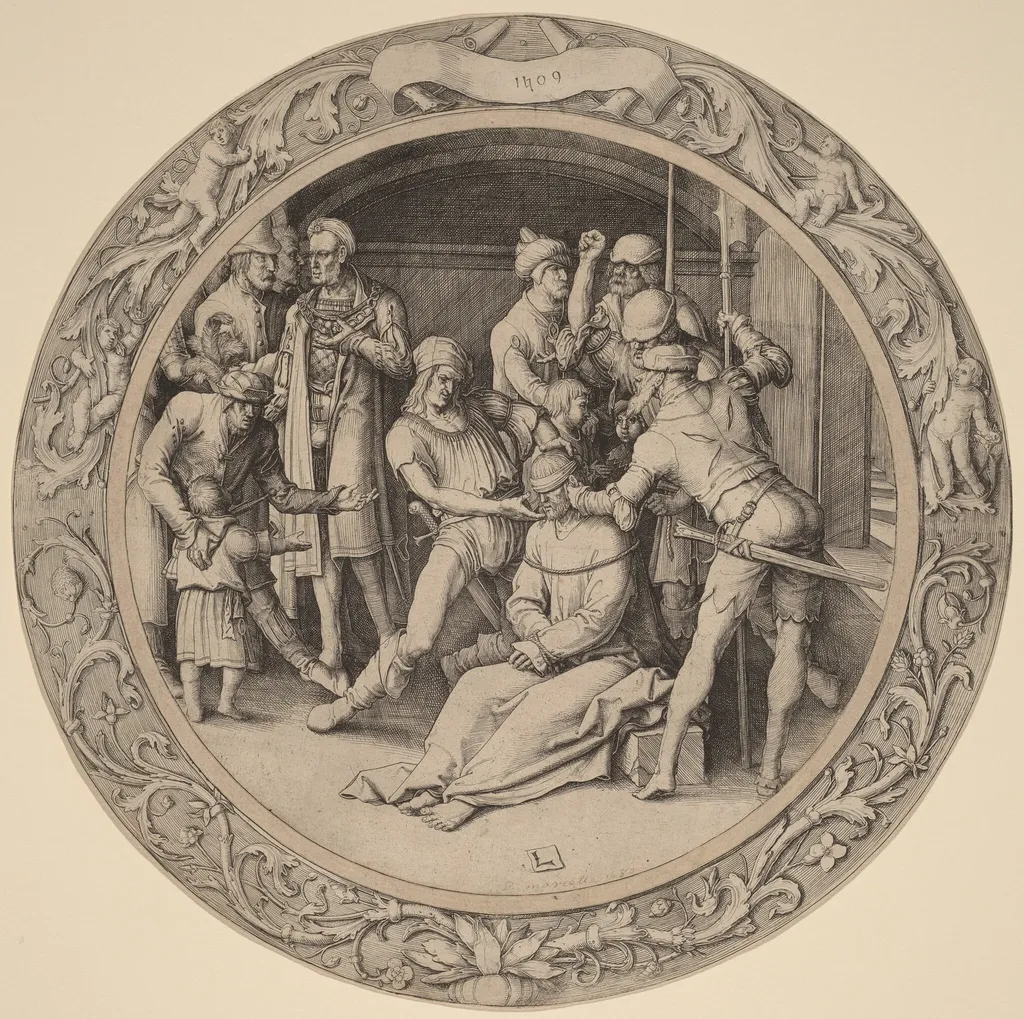
The Scoffing of Christ is an ink print by the Renaissance artist Lucas van Leyden. It dates from 1509 and is held in the collection of the National Gallery of Art.
About this work
Overview
The Scoffing of Christ is a 1509 engraving by Lucas van Leyden, a Dutch artist known for his precision in printmaking. This circular composition exemplifies his technical skill and focus on religious themes.
Subject & Meaning
The engraving depicts a scene of mockery, with a bound central figure, likely Christ, surrounded by a group of men in varied attire. The scene is rooted in Christian iconography, specifically the mockery of Christ before his crucifixion.
Technique & Style
Characterized by fine details, intricate lines, and textures, the engraving showcases van Leyden's mastery of Renaissance printmaking techniques, achieving a depth and realism typical of the era.
History & Provenance
Created in 1509, the work is part of van Leyden's religious oeuvre. While specific ownership history is not provided, its creation reflects the Netherlands' flourishing printmaking scene during the Renaissance.
Context
Produced during the Renaissance, the engraving aligns with the period's artistic innovations and the increased demand for religious imagery in accessible forms like prints.
Legacy
As one of van Leyden's notable works, The Scoffing of Christ contributes to the artist's reputation as a skilled printmaker and influences subsequent generations of artists in the Netherlands.
Artist & collection

Artist
Lucas van Leyden (1494 – 8 August 1533), was a Dutch painter and printmaker in engraving and woodcut. Lucas van Leyden was among the first Dutch exponents of genre painting and was a very accomplished engraver.

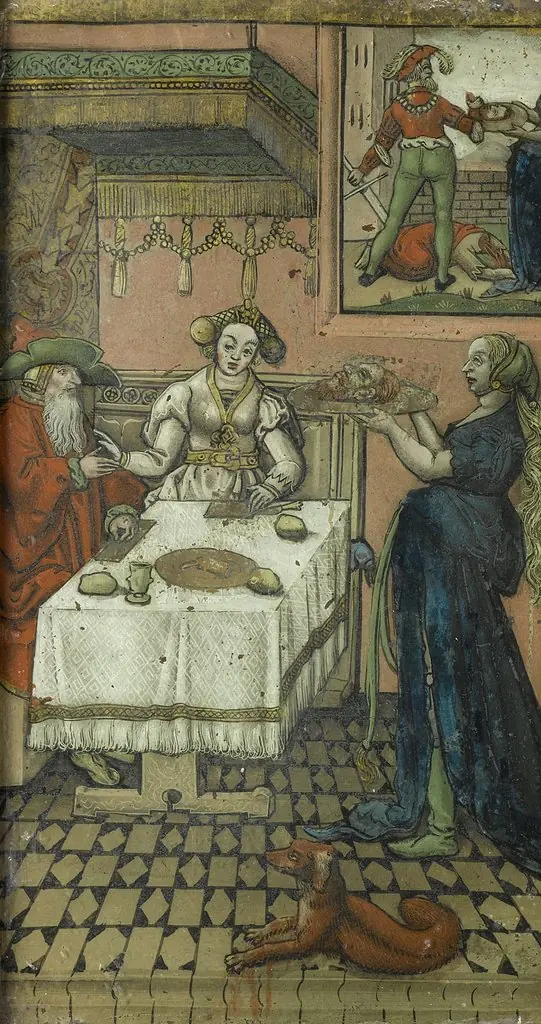 Salome with the head of St John the Baptist
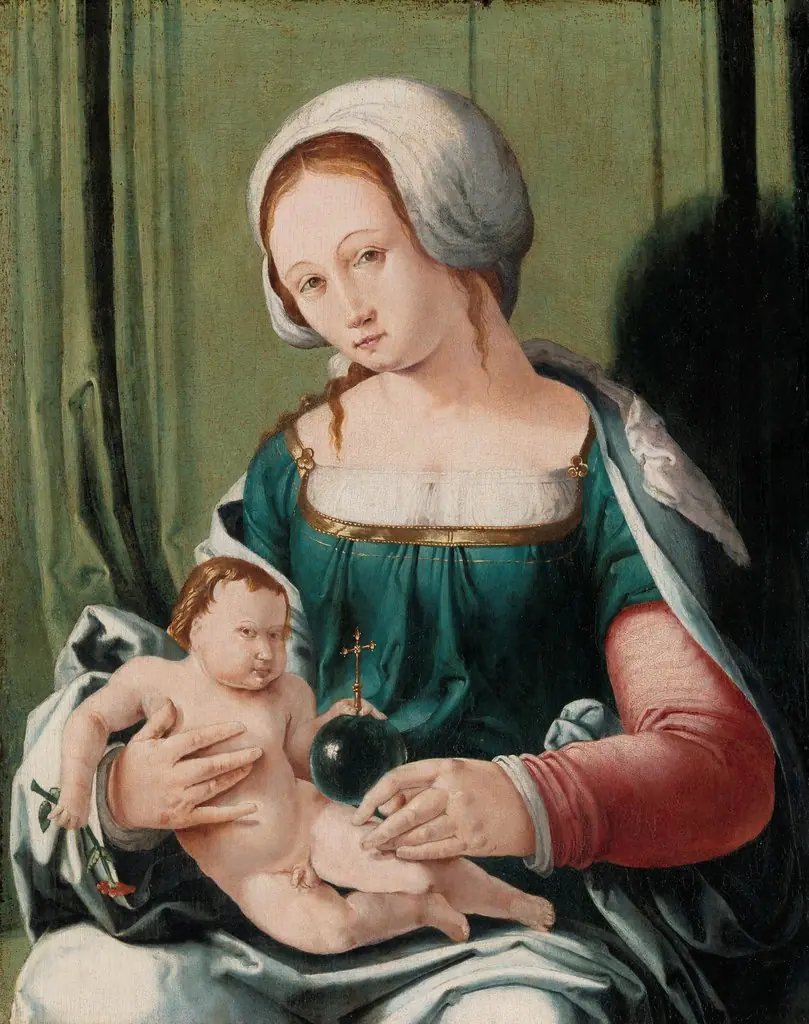 The Virgin and Child
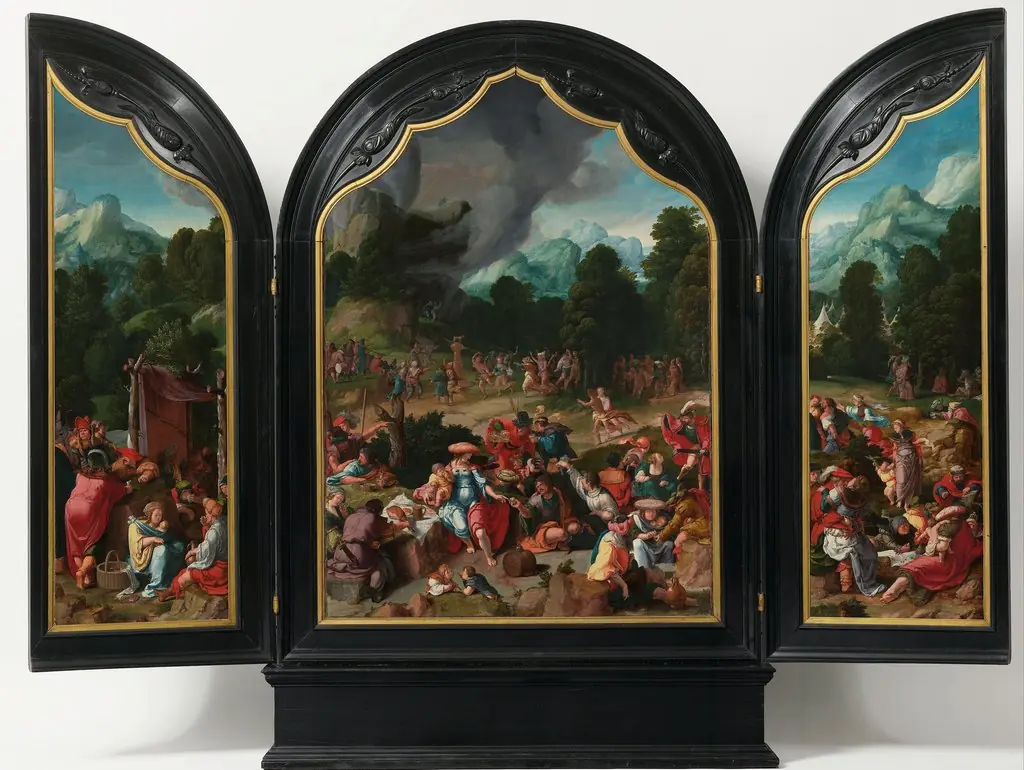 Worship of the Golden Calf
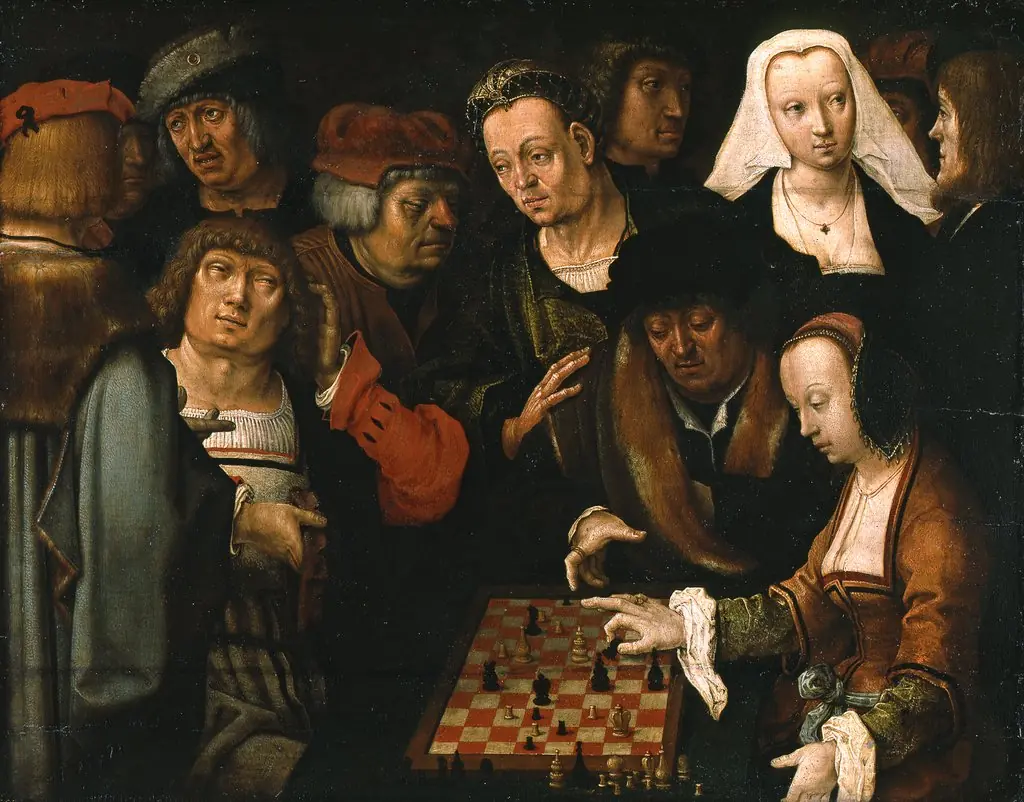 A Game of Chess
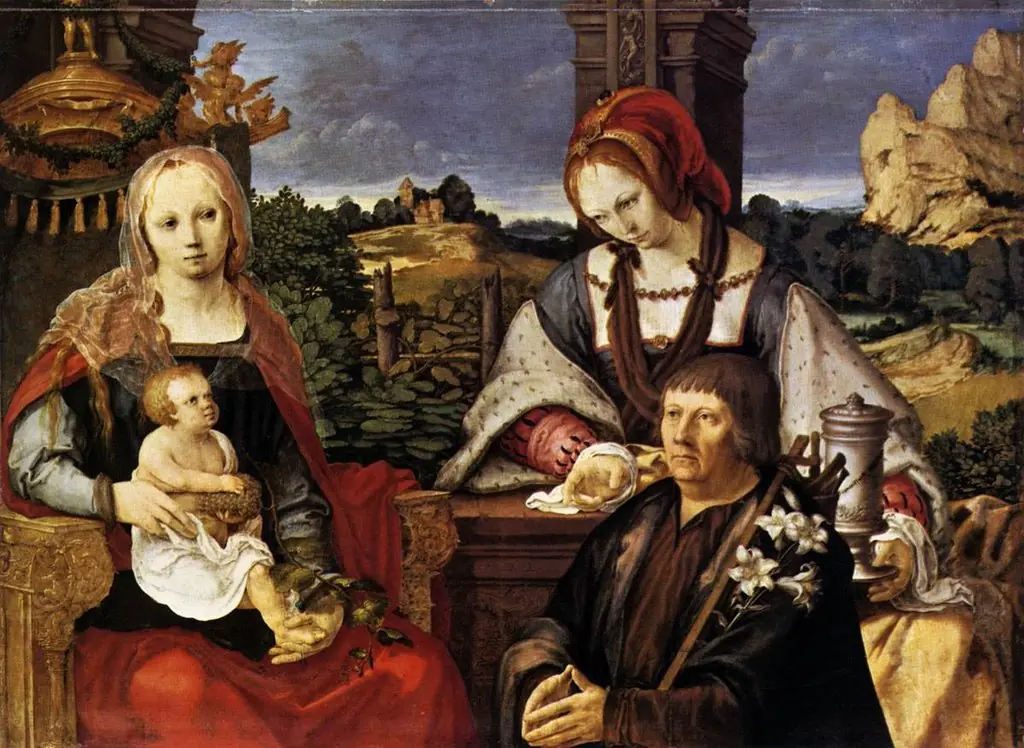 Mary with Child, St. Maria Magdalena and founder (separate outside, Inv. No. 7713)
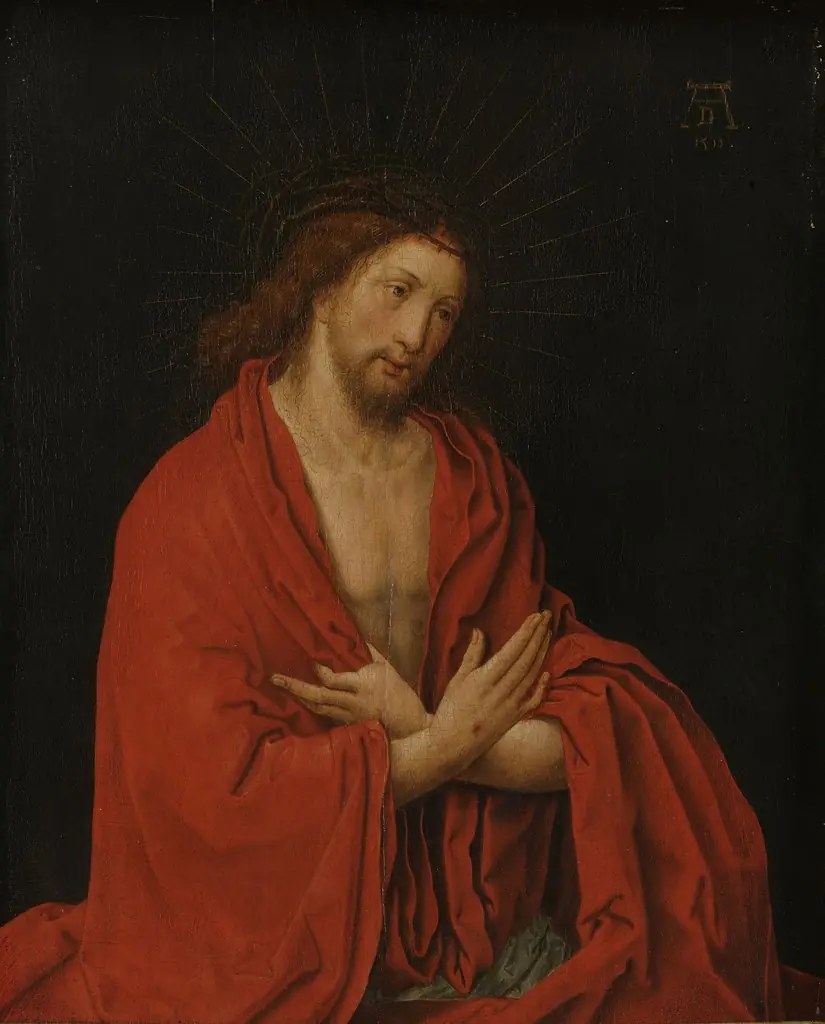 Inner left wing of a diptych with Christ as the Man of Sorrows
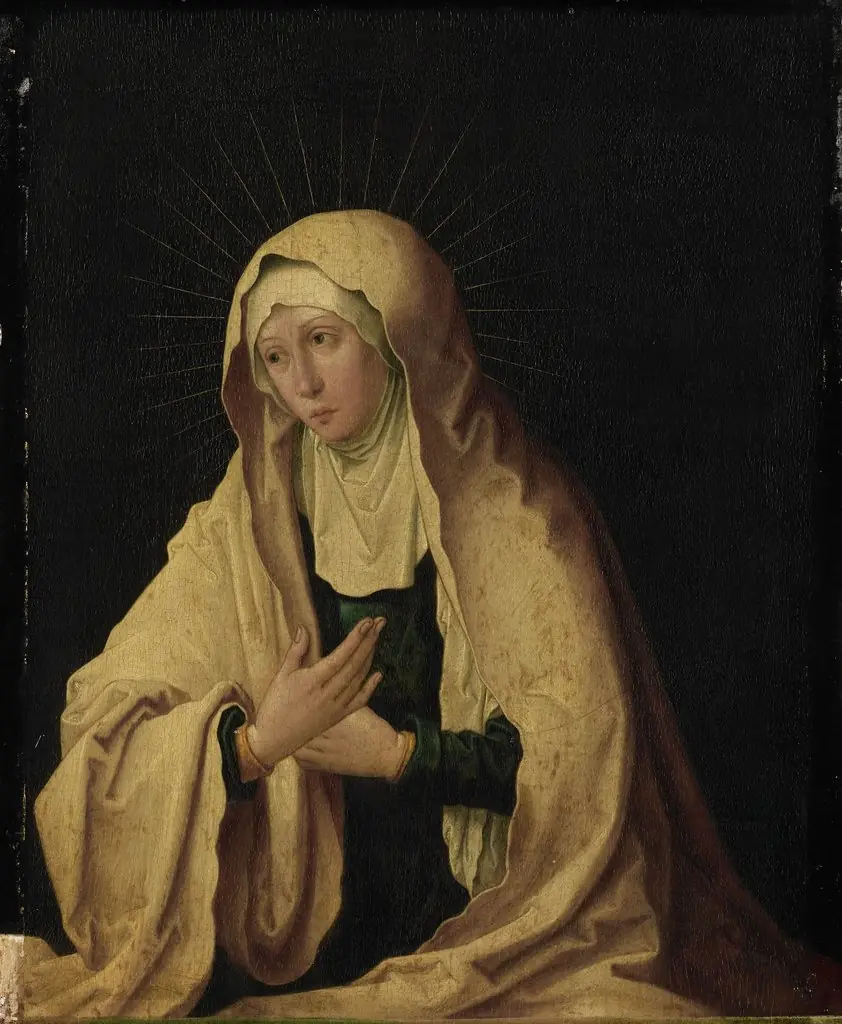 Inner right wing of a diptych with the Virgin as Mater Dolorosa
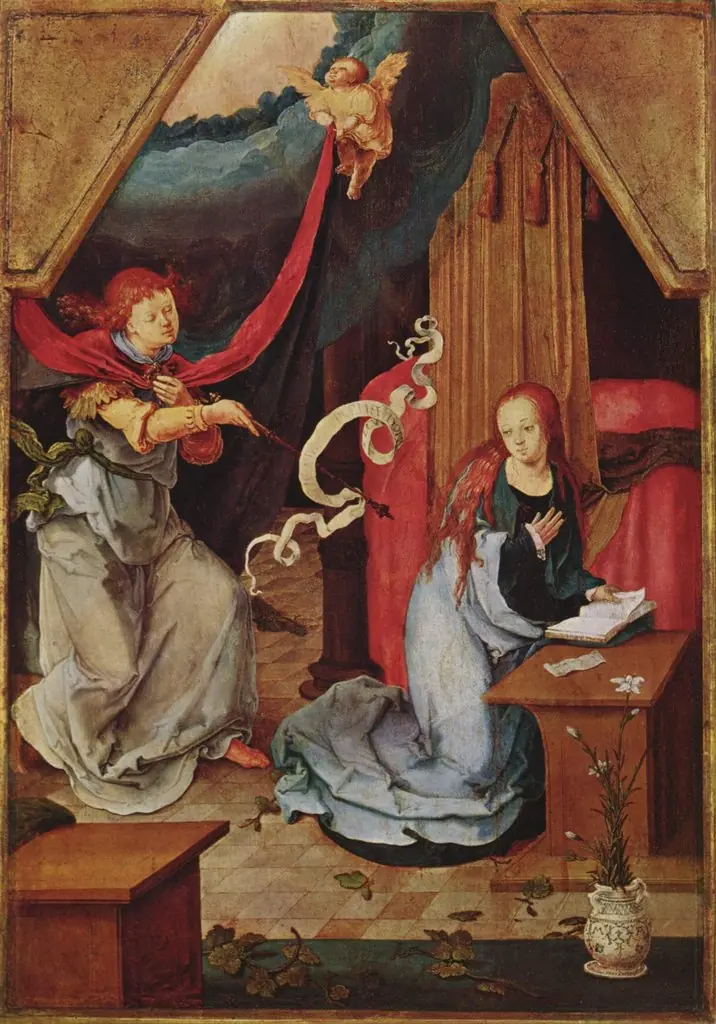 Annunciation
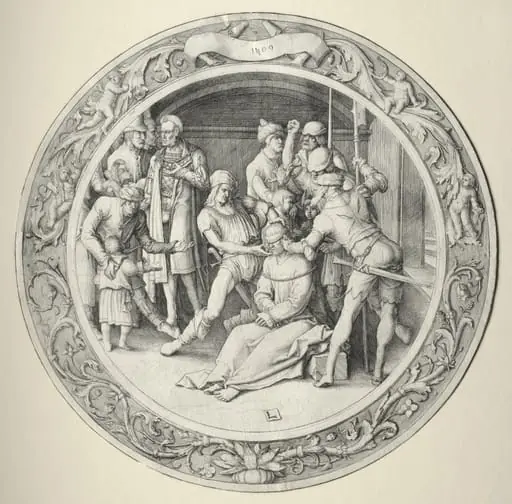 The Round Passion: Ecce Homo
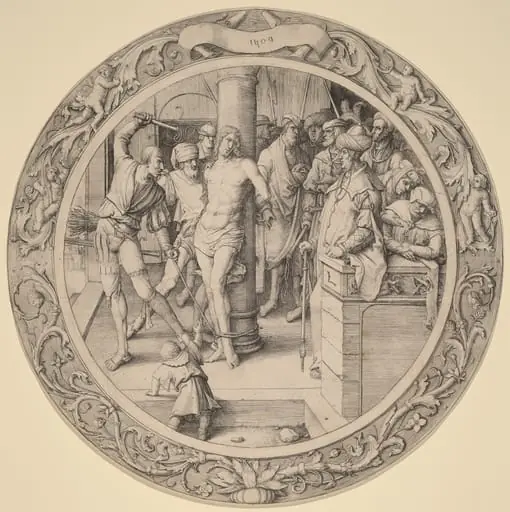 The Flagellation
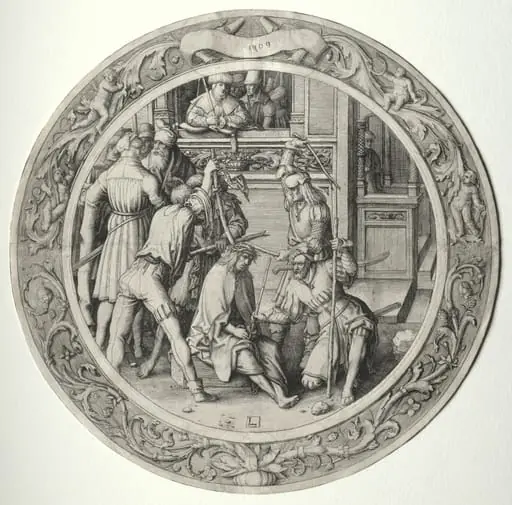 The Round Passion: Christ Crowned with Thorns
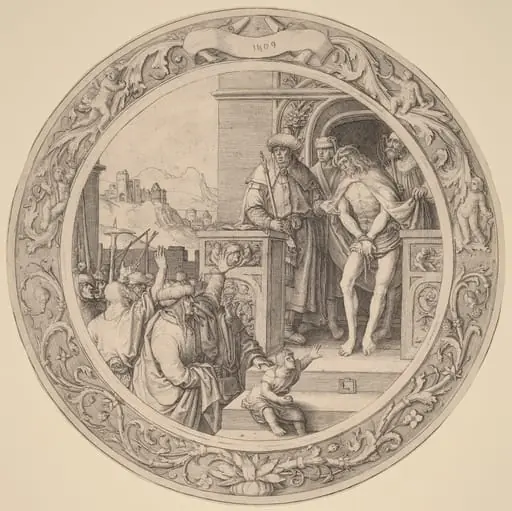 Ecce Homo
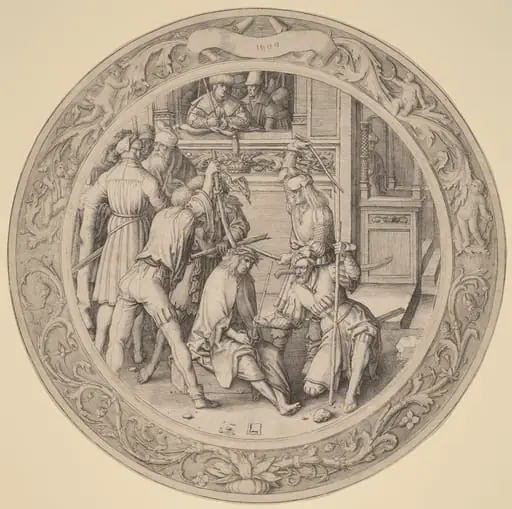 Christ Crowned with Thorns
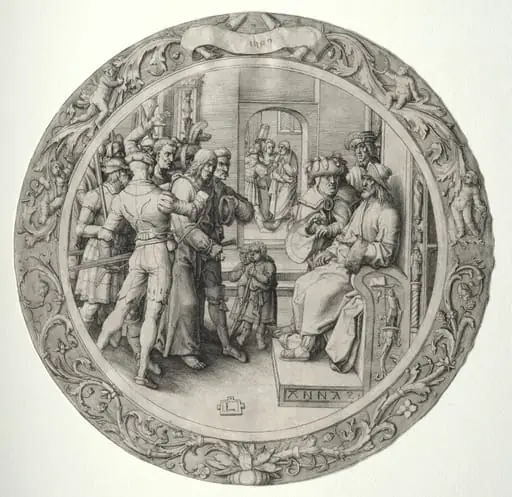 The Round Passion: Christ before the High Priest
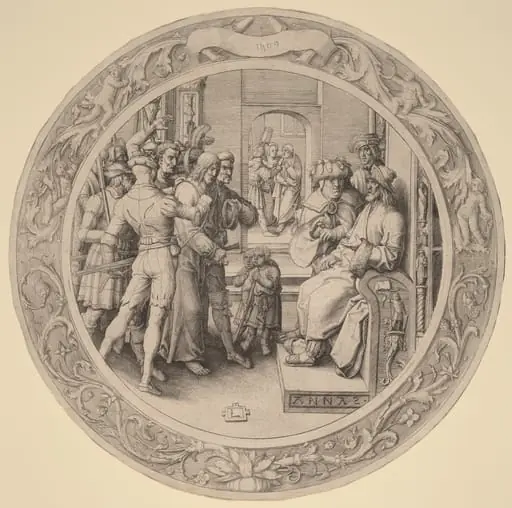 Christ before Annas
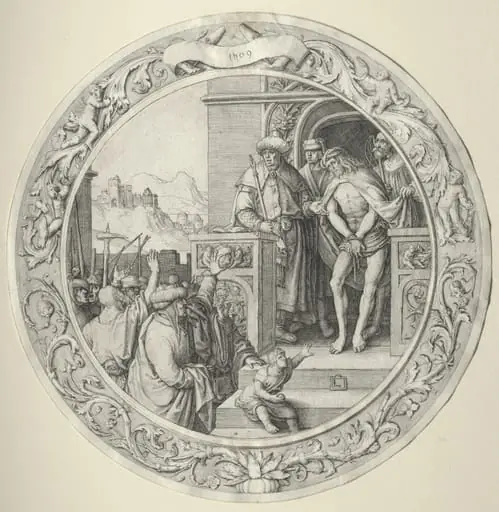 The Round Passion: Christ Presented to the People
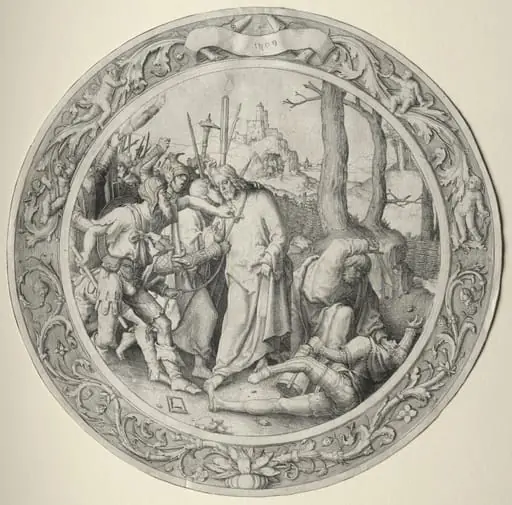 The Round Passion: The Betrayal of Christ
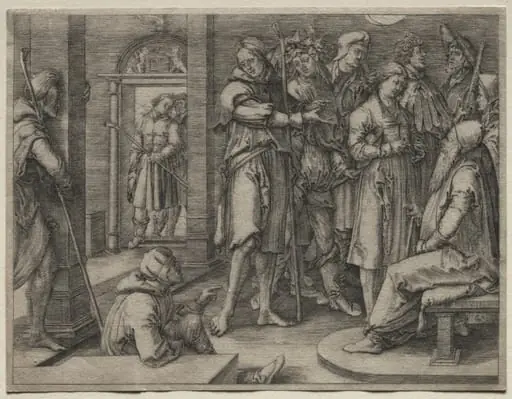 The Story of Joseph: Joseph Interprets his Dream to Jacob
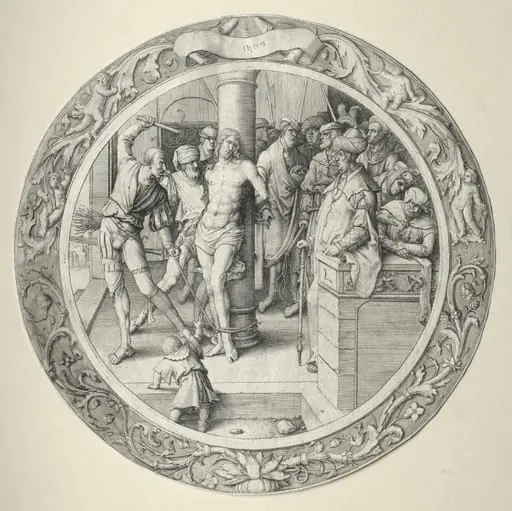 The Round Passion: The Flagellation
 The Betrayal of Christ