Artwork
The Temptation of St. Anthony
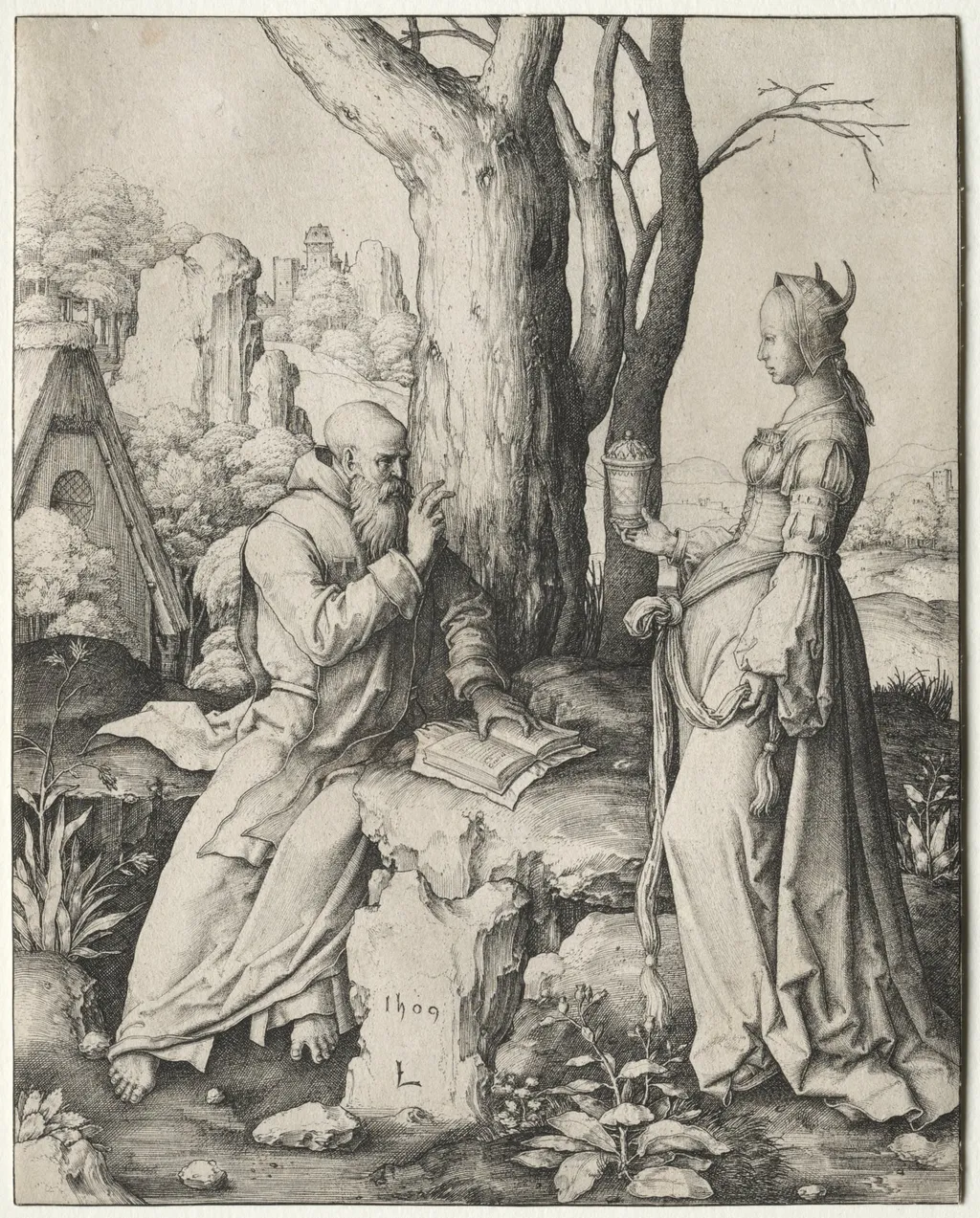
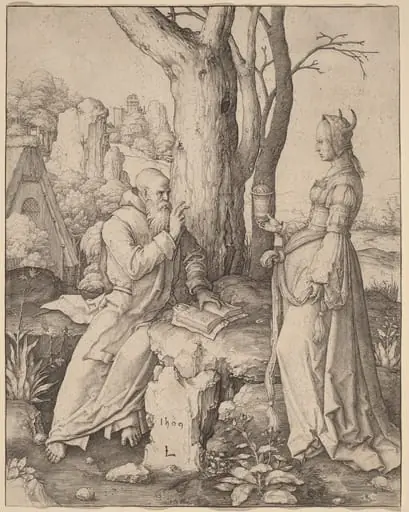
The Temptation of St. Anthony is a print by the Renaissance artist Lucas van Leyden. It dates from 1509 and is held in the collection of the Cleveland Museum of Art.
About this work
On the left, an older man with a long beard sits on a rock, holding an open book and pointing at something.
This black-and-white print shows two figures in a rocky, wooded landscape. On the left, an older man with a long beard sits on a rock, holding an open book and pointing at something. Next to him, a woman with horns on her head holds a lantern. The background has distant buildings and a hill.
The woman’s horns suggest she’s not human—this is a story about good versus evil. The year "1509" is written in the corner, showing when it was made.
If you like this style, look up Renaissance.
Overview
Created in 1509 by the Dutch artist Lucas van Leyden, this black-and-white print depicts a scene from the life of St. Anthony, a Christian hermit subjected to spiritual trials. Executed in engraving, the work exemplifies van Leyden’s precision in printmaking and his ability to convey complex narratives through fine line work. It resides today in the Cleveland Museum of Art as part of its early Northern Renaissance holdings.
Subject & Meaning
The print illustrates St. Anthony’s confrontation with demonic temptation, a common theme in medieval and Renaissance devotional art. The saint, aged and bearded, sits in contemplation beside an open book, while a horned female figure—symbolizing deceit or sin—approaches with a lantern. The contrast between his stillness and her unsettling presence underscores the spiritual struggle central to his legend.
Technique & Style
Van Leyden employed engraving to achieve intricate detail, using fine, controlled lines to render texture in rock, foliage, and fabric. The composition is tightly framed, directing attention to the two central figures against a distant landscape of hills and buildings. The monochrome palette enhances the dramatic tension, emphasizing form and shadow over color, a hallmark of Northern Renaissance printmaking.
History & Provenance
Produced in 1509 during the height of van Leyden’s career, the print circulated widely among collectors and religious communities in the Low Countries. Its survival in good condition and inclusion in the Cleveland Museum of Art’s collection reflect its enduring significance as an example of early 16th-century Northern European print culture.
Context
In early 16th-century Europe, depictions of St. Anthony’s temptations were popular in both visual and literary forms, often used to reinforce moral discipline. Van Leyden’s version aligns with broader devotional trends, yet distinguishes itself through its compact composition and psychological intensity, reflecting the humanist interest in inner spiritual conflict.
Legacy
Van Leyden’s engraving contributed to the dissemination of religious imagery beyond manuscript illumination and altarpieces, making sacred narratives accessible through affordable prints. His technical refinement influenced later Northern artists and helped establish engraving as a serious medium for narrative art in the Renaissance.
Artist & collection

Artist
Lucas van Leyden (1494 – 8 August 1533), was a Dutch painter and printmaker in engraving and woodcut. Lucas van Leyden was among the first Dutch exponents of genre painting and was a very accomplished engraver.

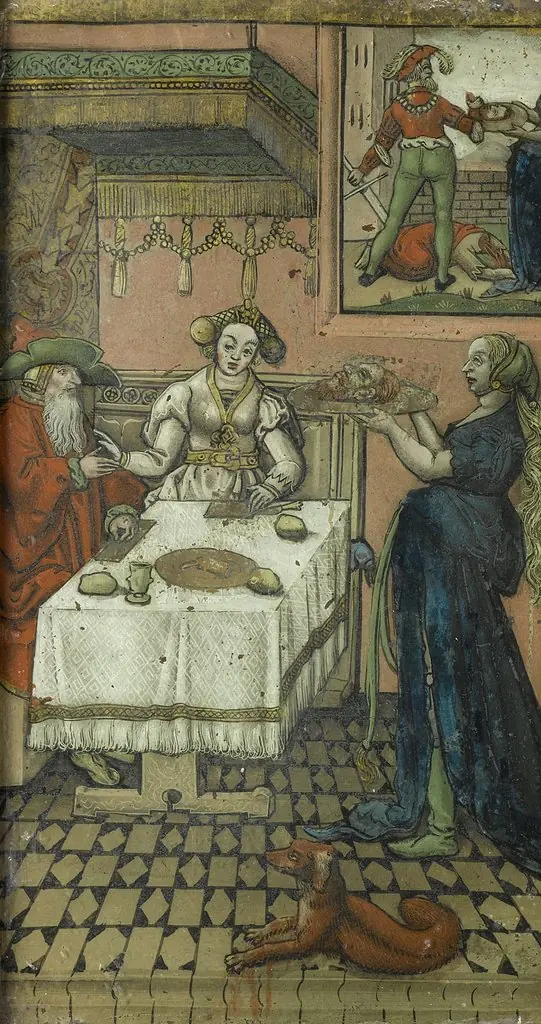 Salome with the head of St John the Baptist
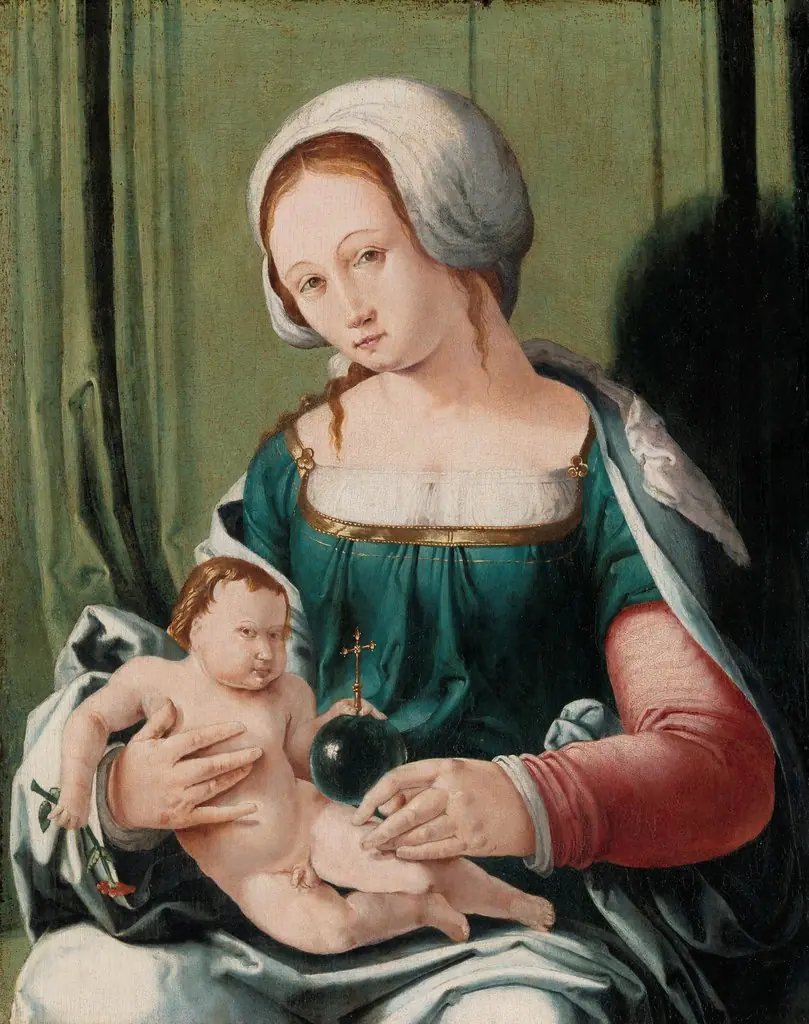 The Virgin and Child
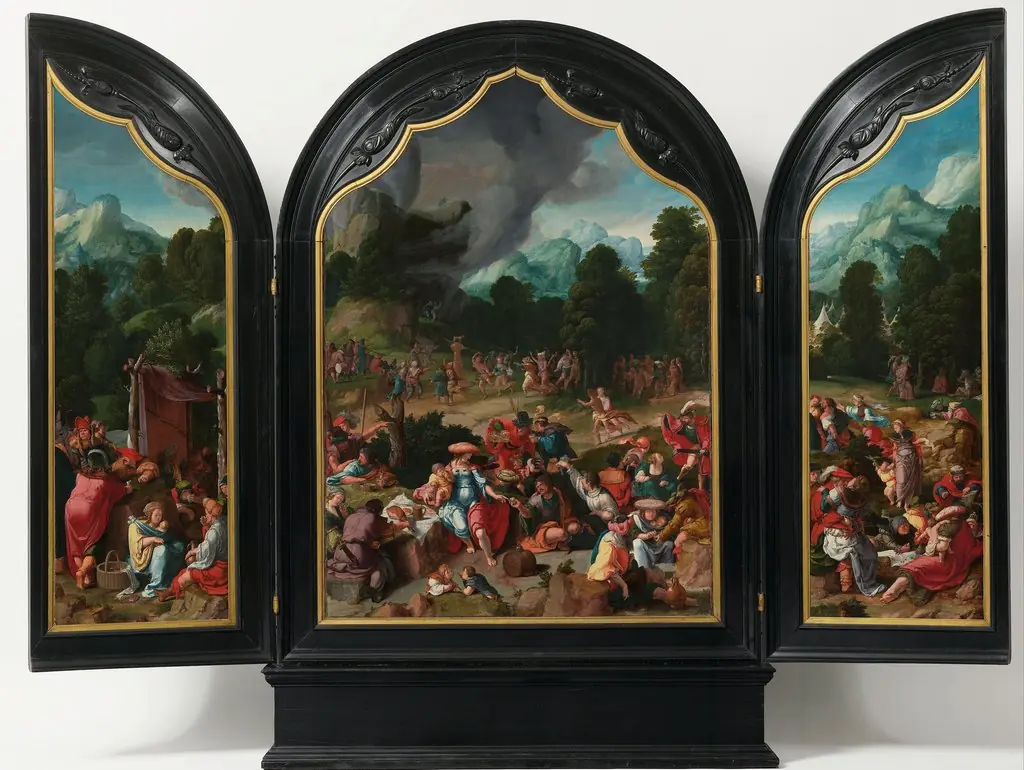 Worship of the Golden Calf
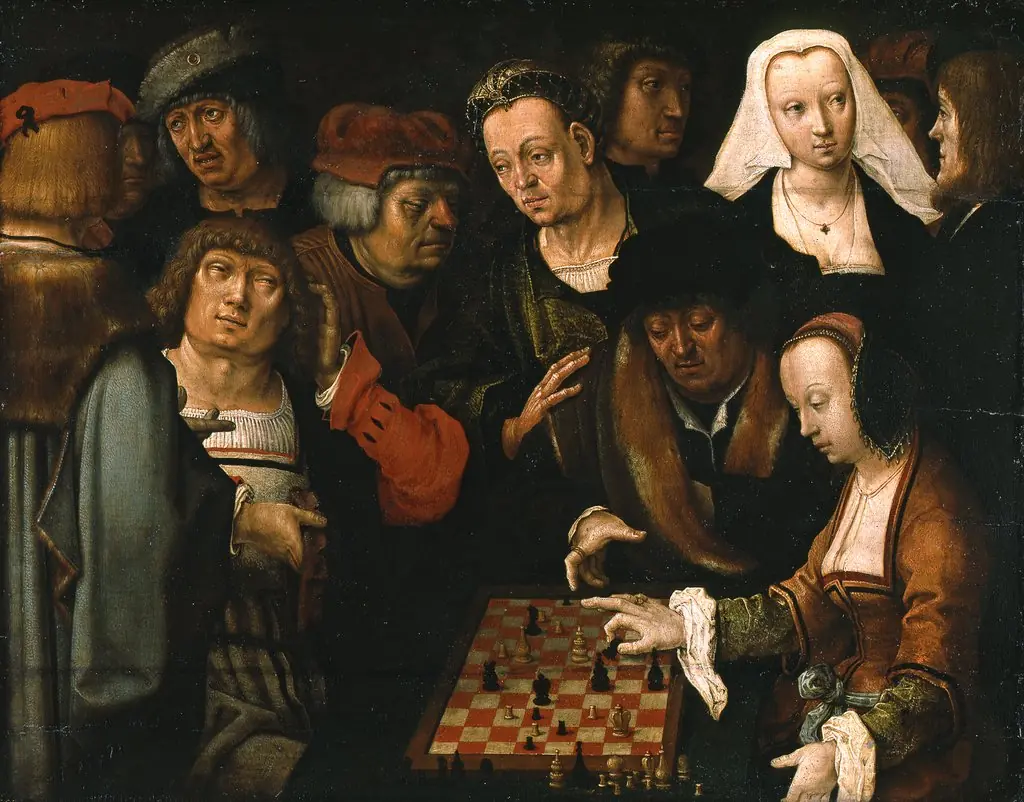 A Game of Chess
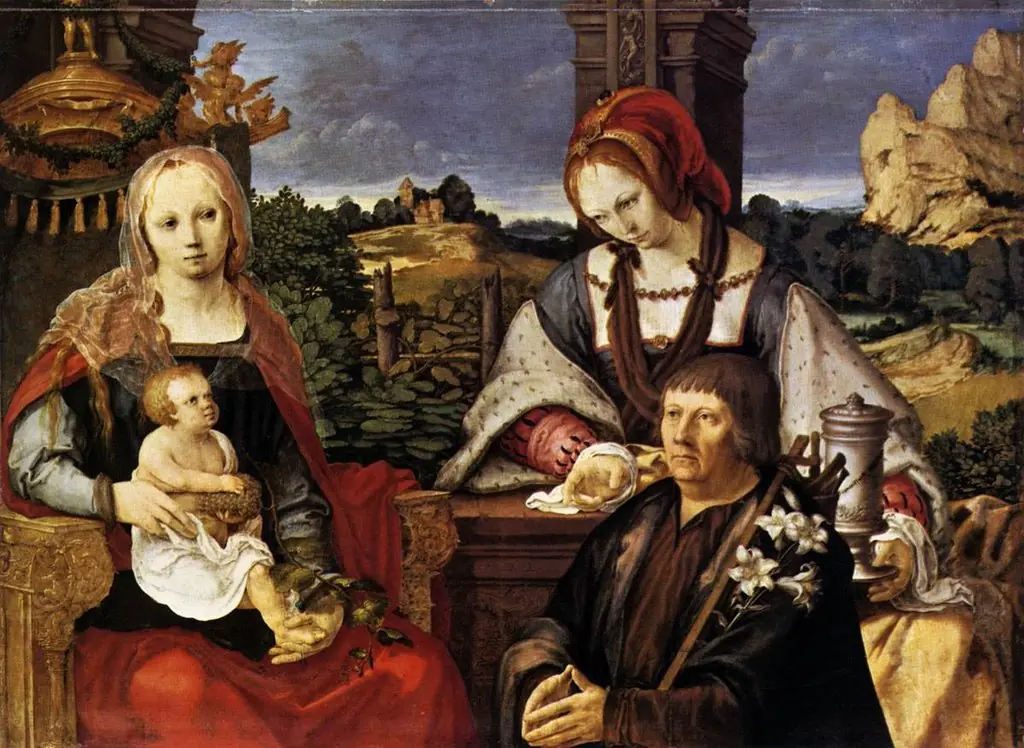 Mary with Child, St. Maria Magdalena and founder (separate outside, Inv. No. 7713)
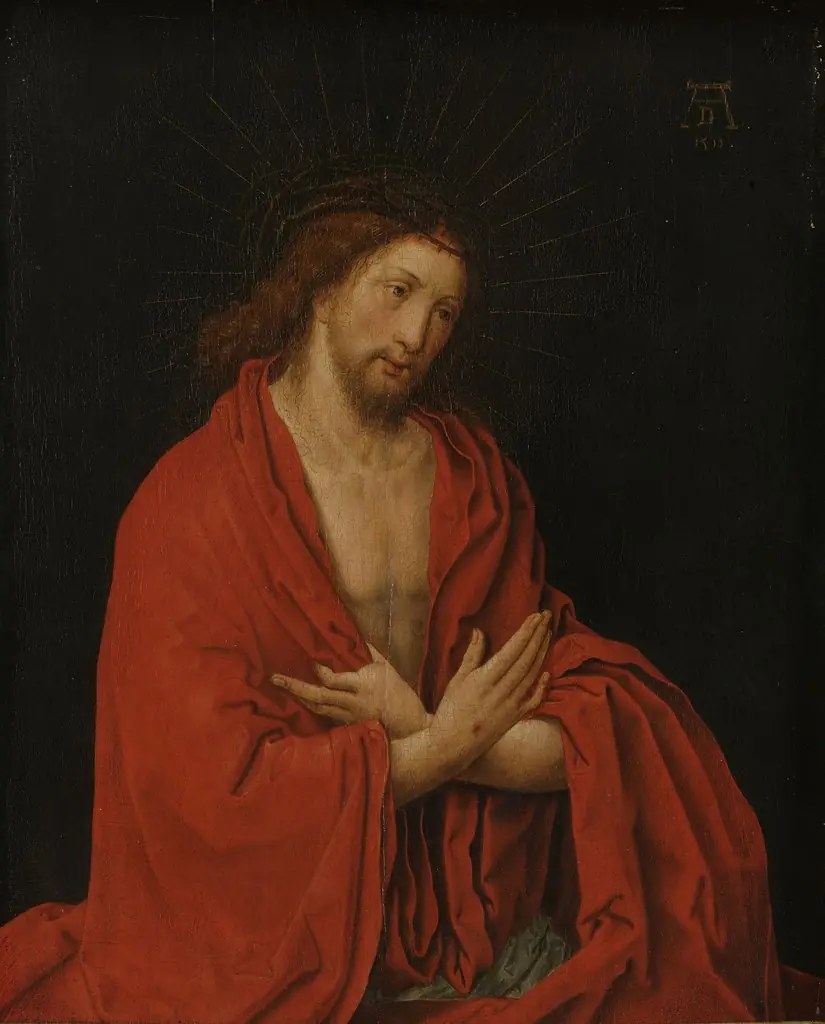 Inner left wing of a diptych with Christ as the Man of Sorrows
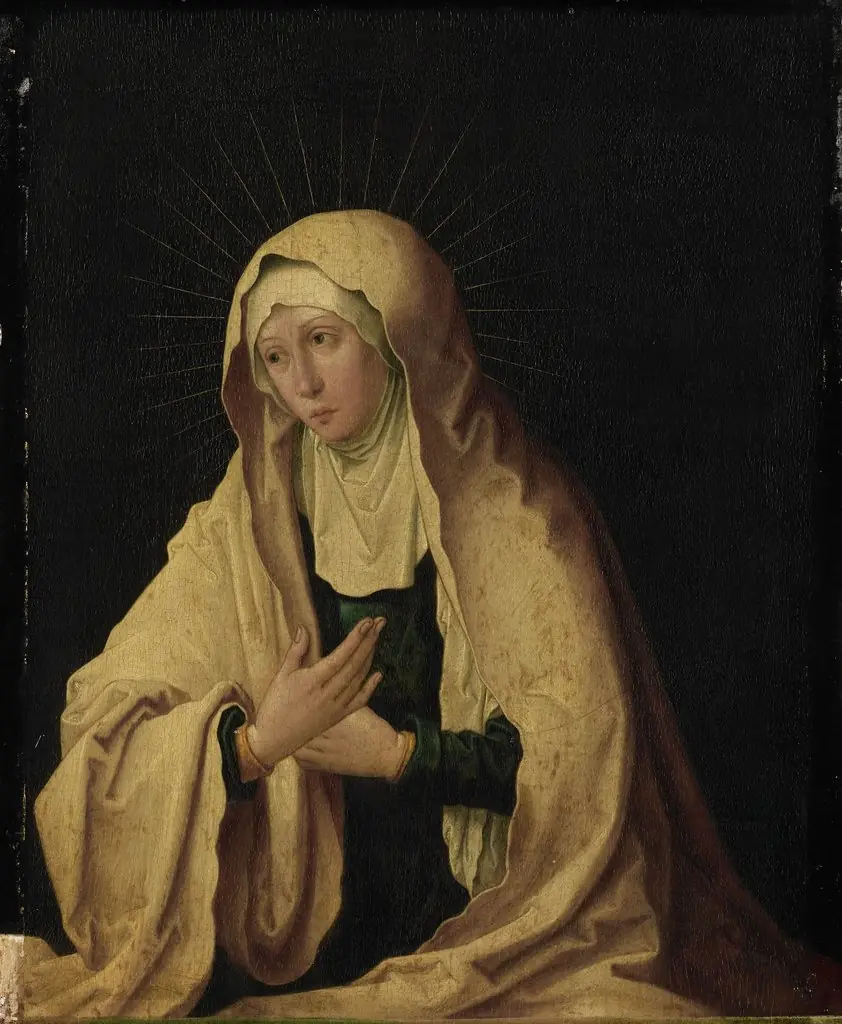 Inner right wing of a diptych with the Virgin as Mater Dolorosa
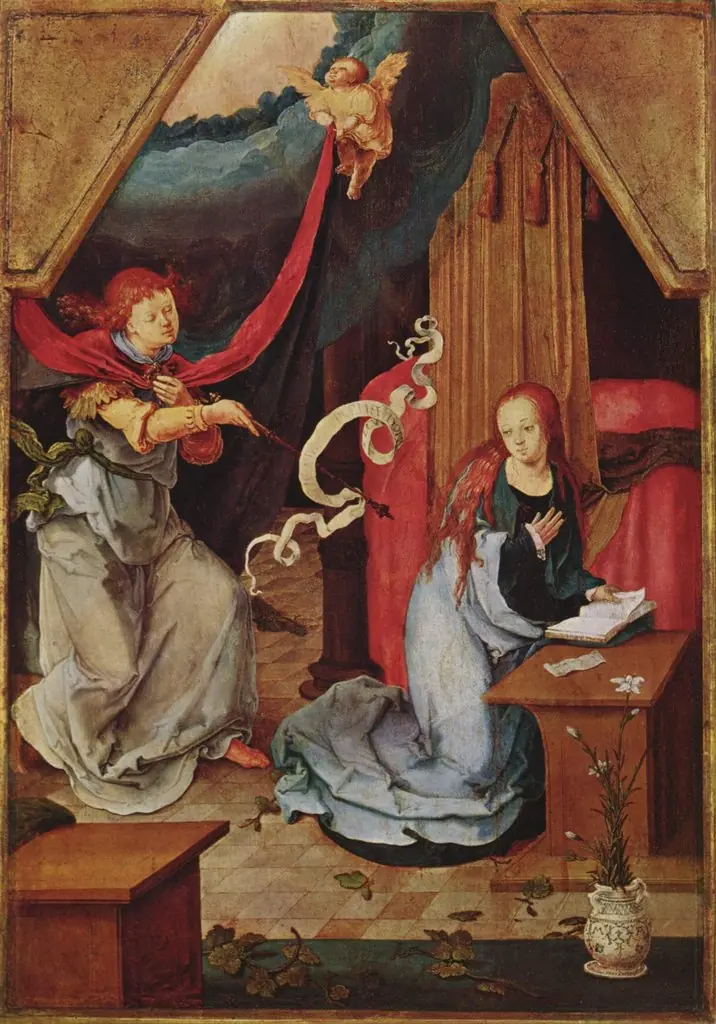 Annunciation