Artwork
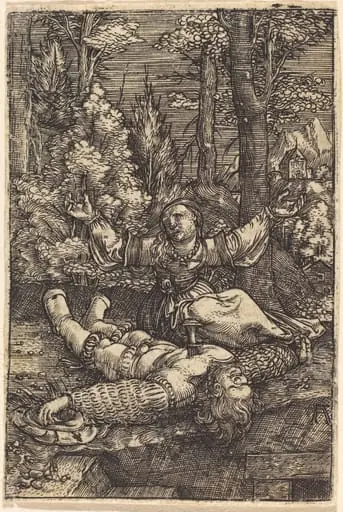
Pyramus and Thisbe
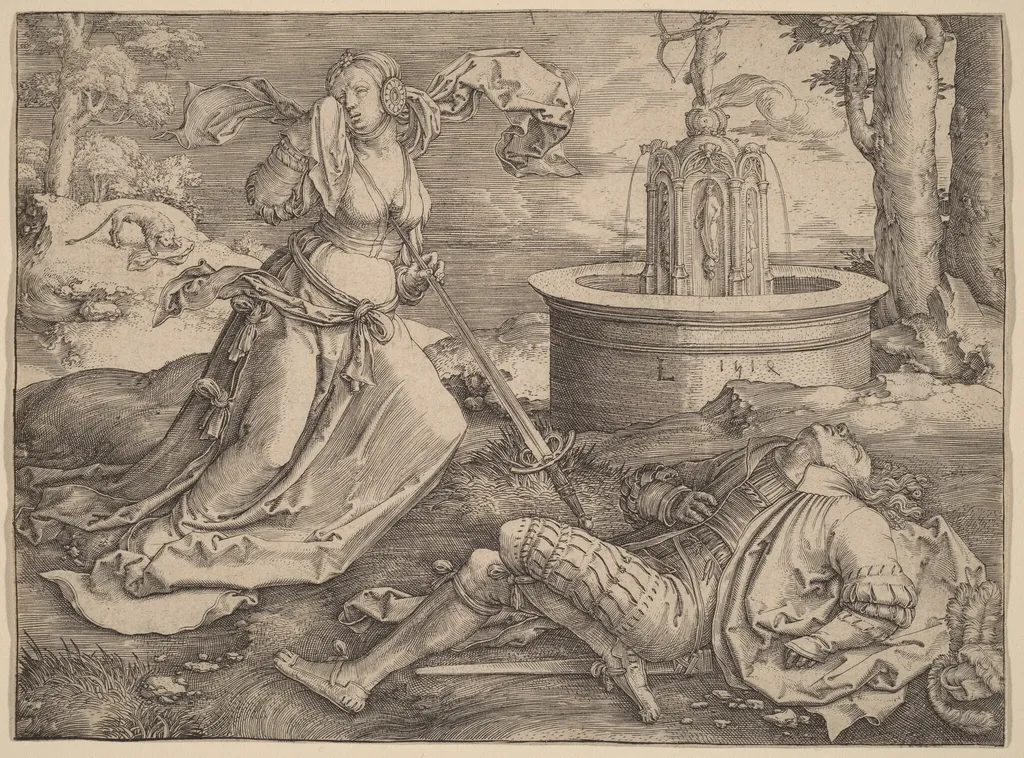
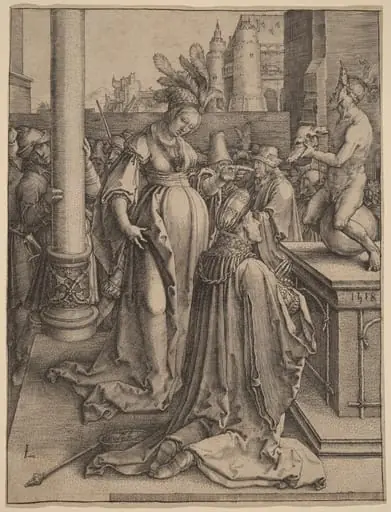
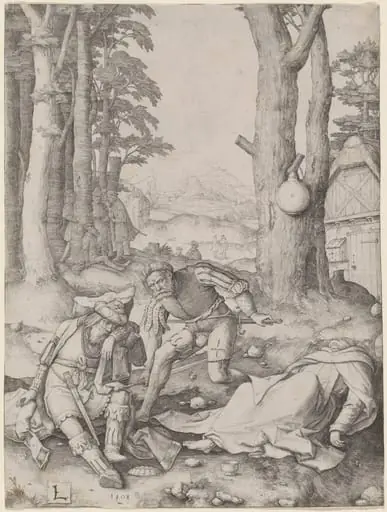
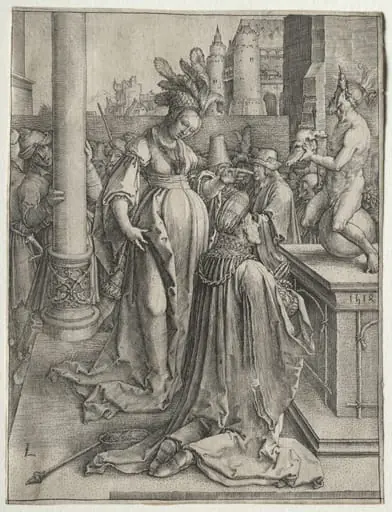
Pyramus and Thisbe is an ink print by the Renaissance artist Lucas van Leyden. It dates from 1514 and is held in the collection of the National Gallery of Art.
About this work
Overview
Pyramus and Thisbe is a 1514 engraving by Lucas van Leyden, a Dutch painter and printmaker active during the Northern Renaissance. The work exemplifies the period's emphasis on detailed engravings and narrative storytelling.
Subject & Meaning
The engraving illustrates the tragic tale of Pyramus and Thisbe from Ovid's works. The scene depicts Thisbe standing over the lifeless body of Pyramus, conveying sorrow and regret through facial expressions and body language.
Technique & Style
Van Leyden's precise linework and expressive figure rendering characterize the engraving. The composition balances intricate details with a serene backdrop, showcasing the artist's mastery of the medium.
History & Provenance
Created in 1514, the engraving is a product of the Northern Renaissance. While the current location or ownership of the specific print is not provided, it is attributed to van Leyden's oeuvre from this period.
Context
Part of the Northern Renaissance's narrative-driven art, Pyramus and Thisbe reflects the era's fascination with classical tales and meticulous engraving techniques.
Artist & collection

Artist
Lucas van Leyden (1494 – 8 August 1533), was a Dutch painter and printmaker in engraving and woodcut. Lucas van Leyden was among the first Dutch exponents of genre painting and was a very accomplished engraver.

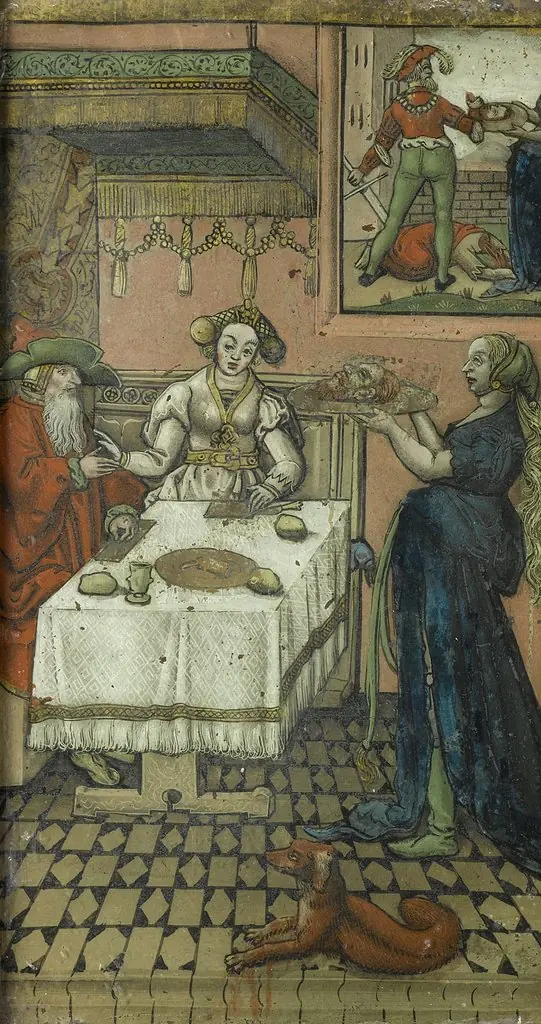 Salome with the head of St John the Baptist
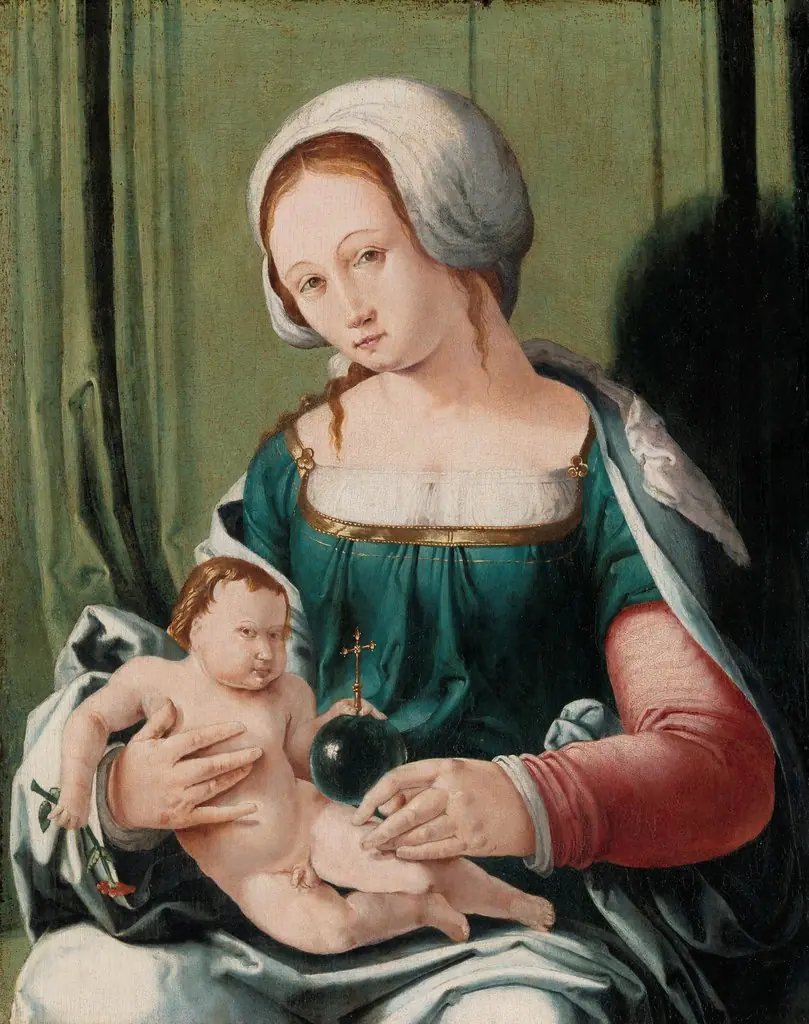 The Virgin and Child
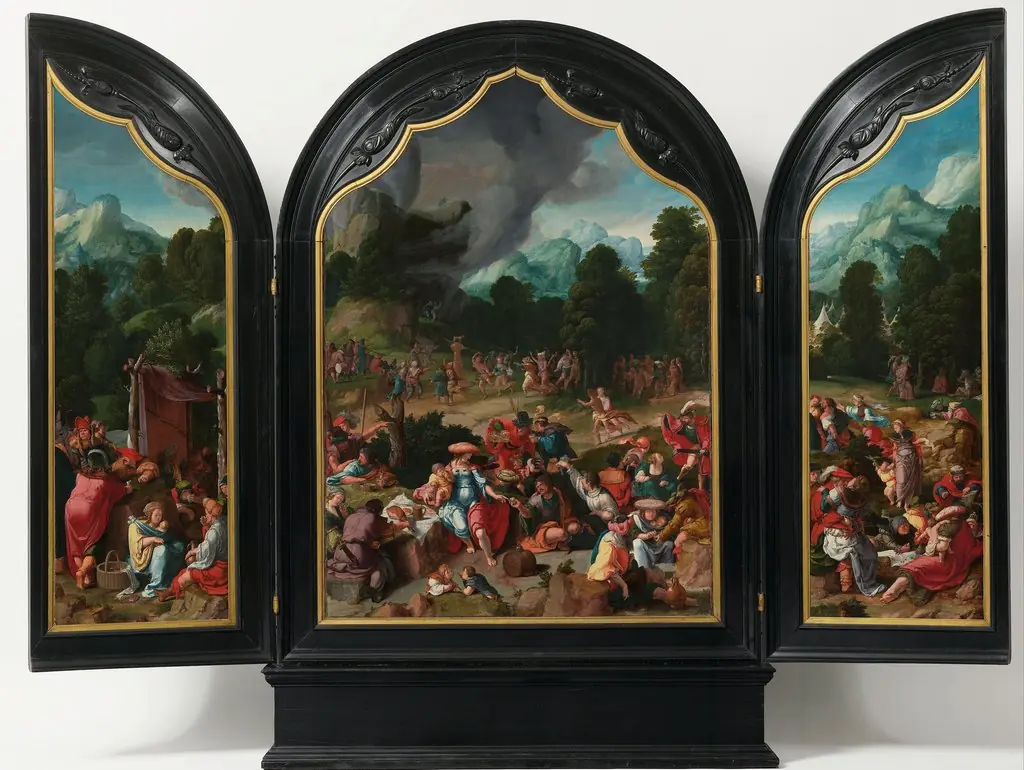 Worship of the Golden Calf
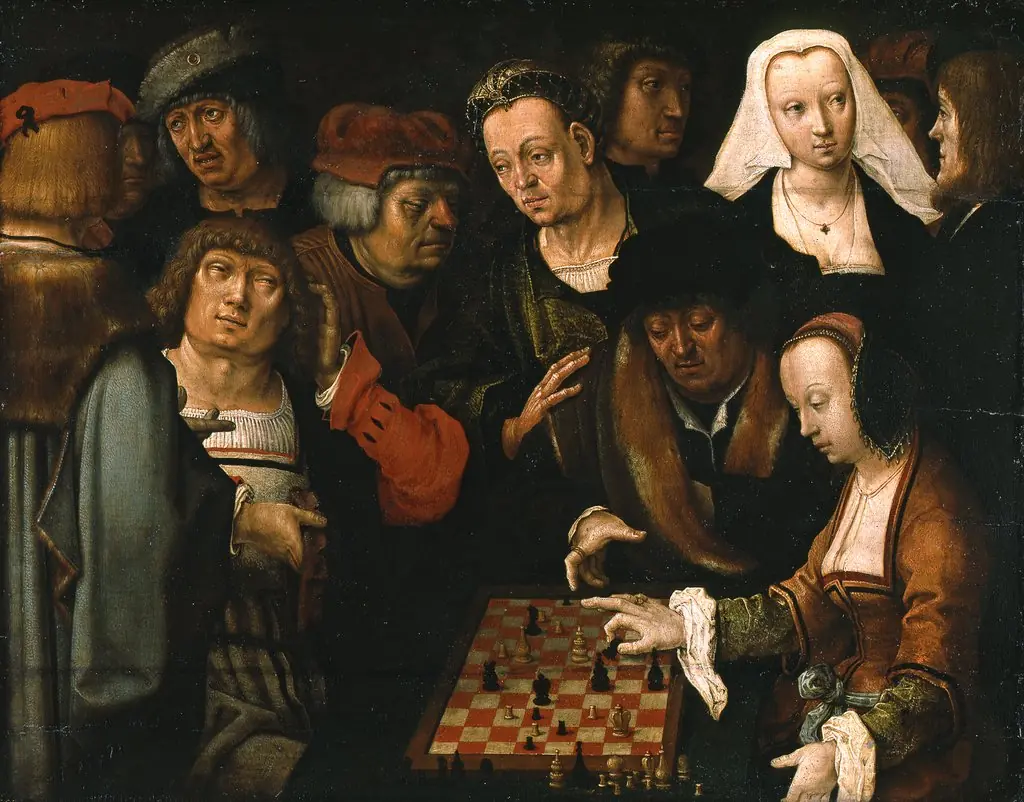 A Game of Chess
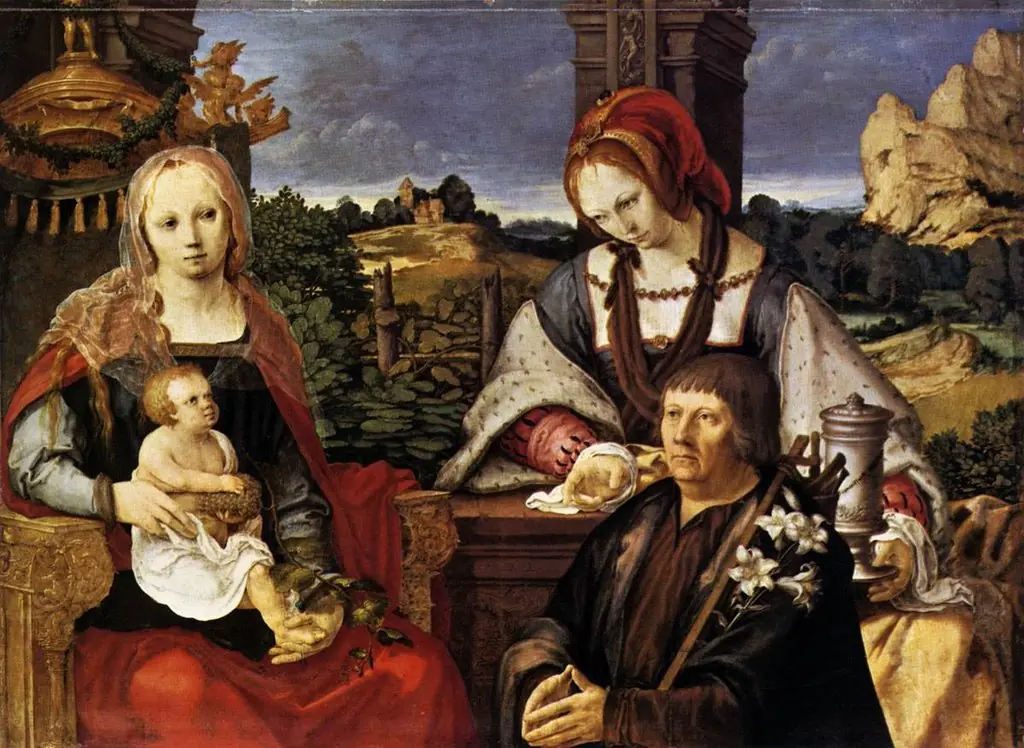 Mary with Child, St. Maria Magdalena and founder (separate outside, Inv. No. 7713)
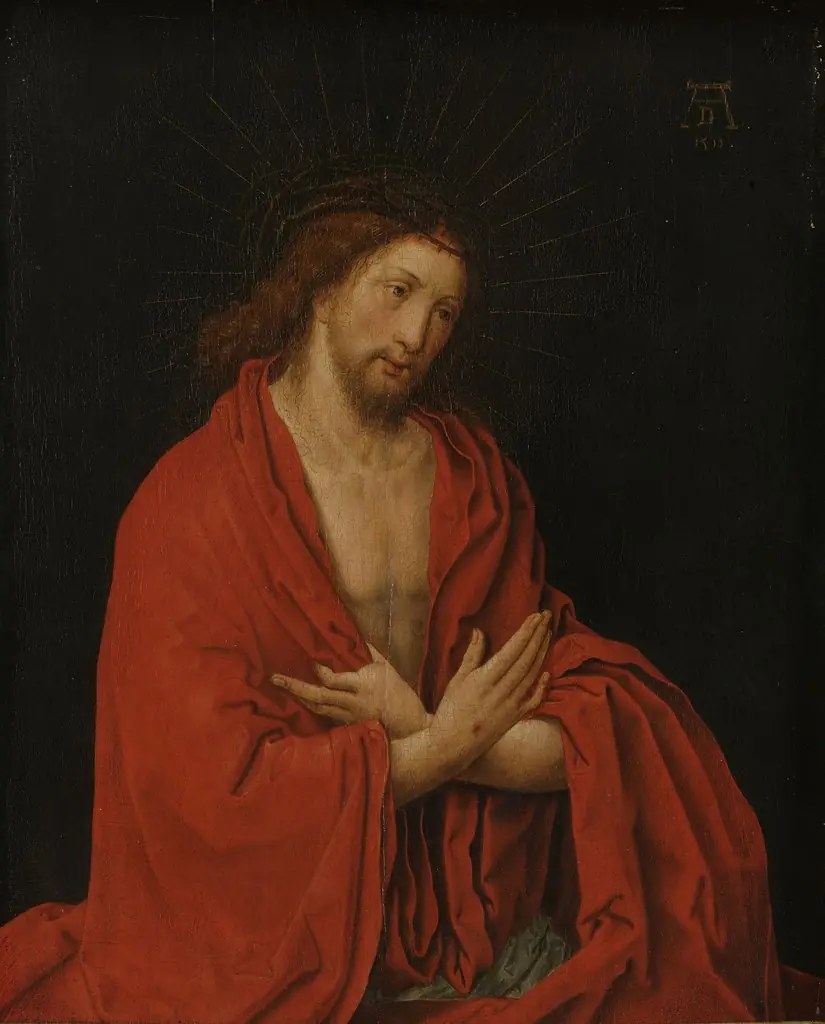 Inner left wing of a diptych with Christ as the Man of Sorrows
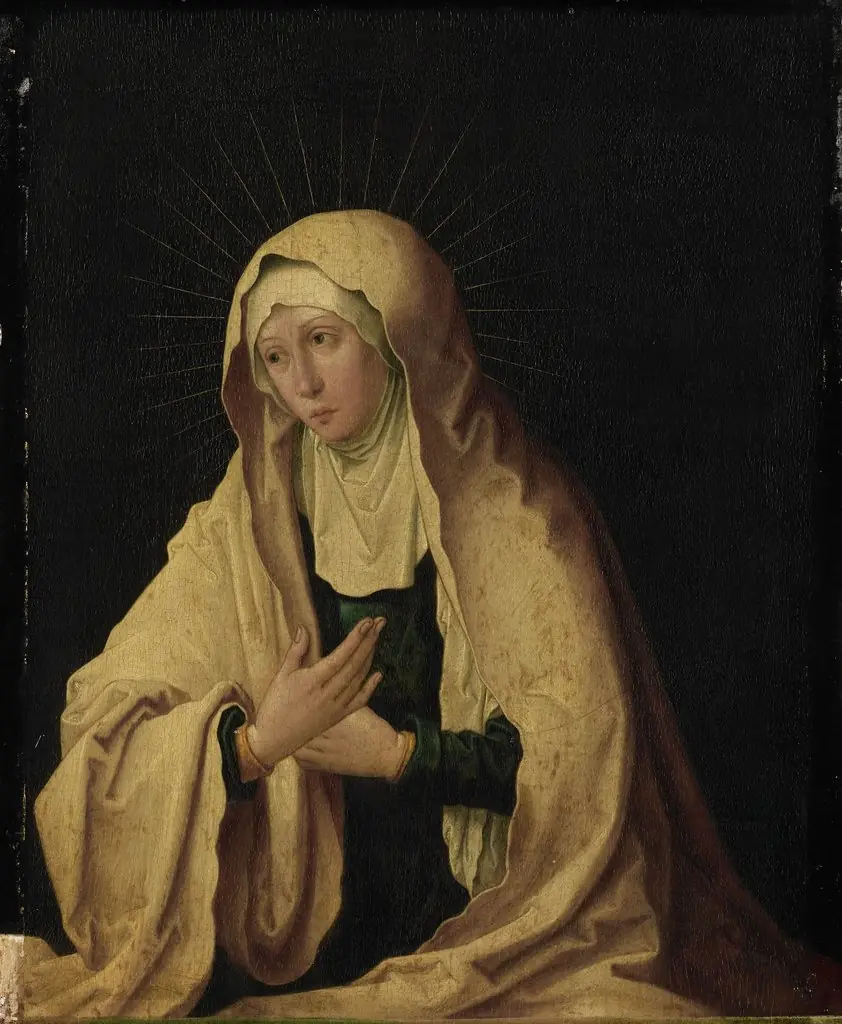 Inner right wing of a diptych with the Virgin as Mater Dolorosa
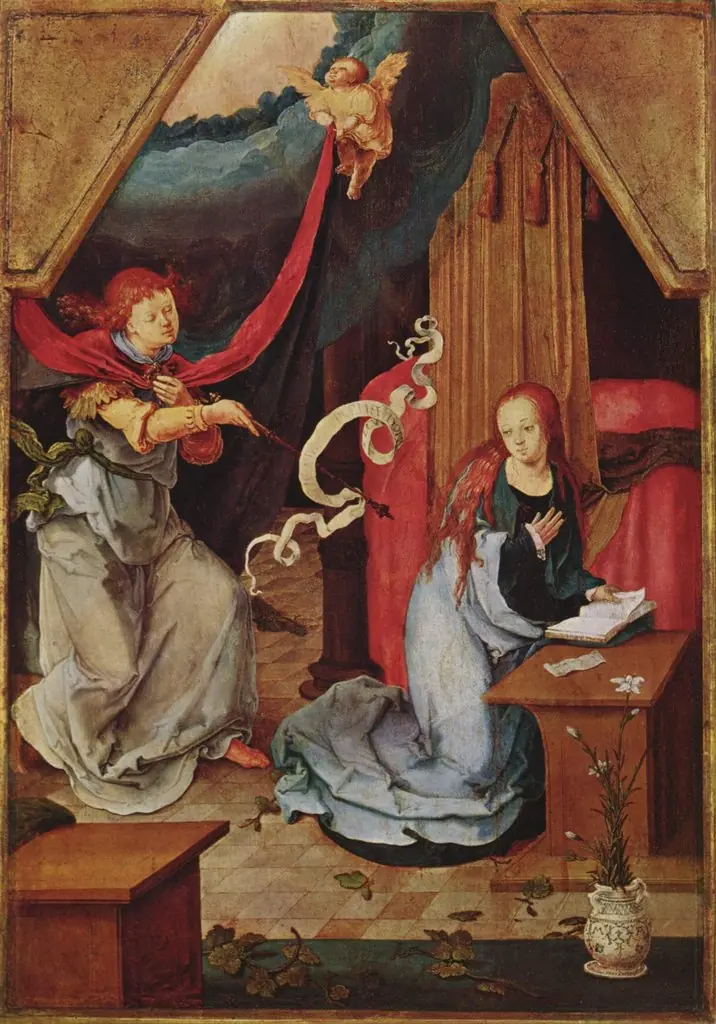 Annunciation