Artwork
Saint Luke
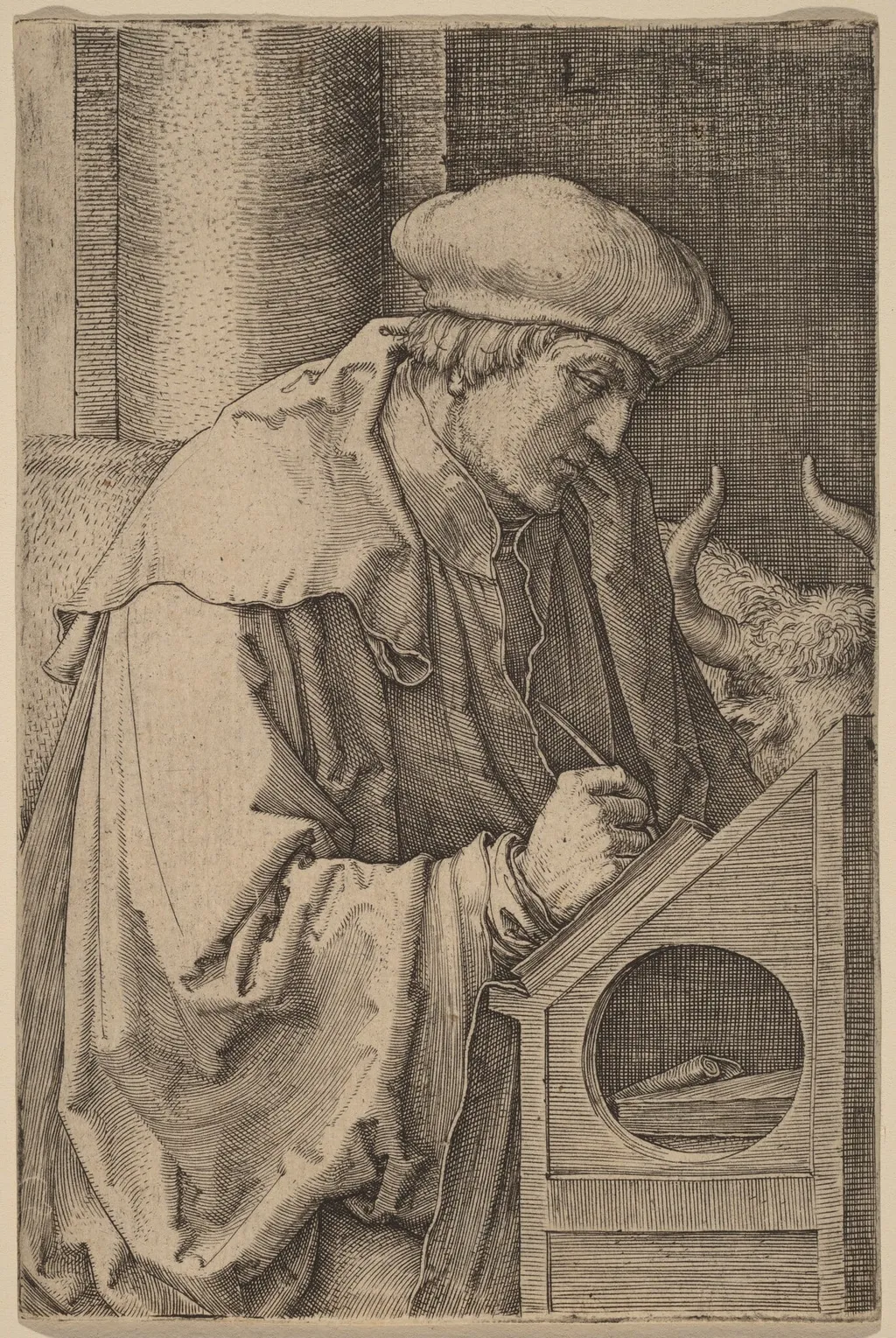
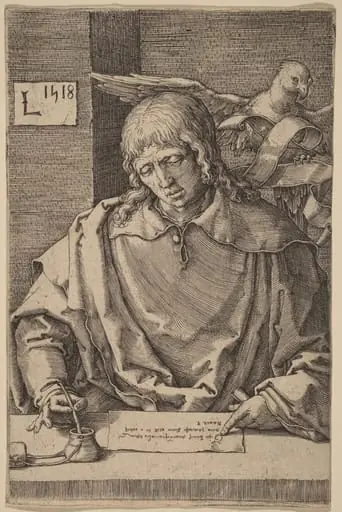
Saint Luke is an ink print by the Renaissance artist Lucas van Leyden. It dates from 1518 and is held in the collection of the National Gallery of Art.
About this work
Overview
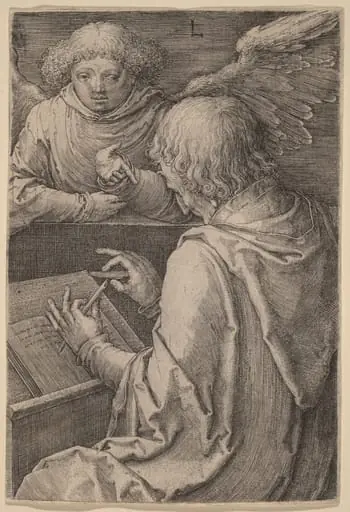
Lucas van Leyden’s 1518 engraving titled Saint Luke is a monochrome print characteristic of the Northern Renaissance. Executed in copperplate, the image presents the apostolic author of the Gospel of Luke in a contemplative pose, rendered with the precise line work that defines early 16th‑century Dutch printmaking.
Subject & Meaning
The figure is identified as Saint Luke, traditionally linked to the visual arts because of the legend that he painted the Virgin Mary. He is shown in a simple robe and flat cap, holding a small circular object—interpreted as a mirror or lens—symbolic of his role as a recorder of divine truth.
Technique & Style
Van Leyden employs fine cross‑hatching to model the folds of the garment, the draped curtain behind the saint, and the facial features. The dense network of intersecting lines creates subtle gradations of tone, giving the print a sense of depth despite its black‑and‑white palette.
History & Provenance
The engraving is among the earliest Dutch works in which van Leyden achieved notable success as a printmaker. Produced in 1518, it circulated through the burgeoning market for devotional images, contributing to the spread of his reputation beyond the Netherlands.
Context
During the early 16th century, Northern artists increasingly turned to print media to disseminate religious subjects. Saint Luke reflects this trend, combining devotional content with the technical virtuosity that distinguished the period’s engravings.
Artist & collection

Artist
Lucas van Leyden (1494 – 8 August 1533), was a Dutch painter and printmaker in engraving and woodcut. Lucas van Leyden was among the first Dutch exponents of genre painting and was a very accomplished engraver.

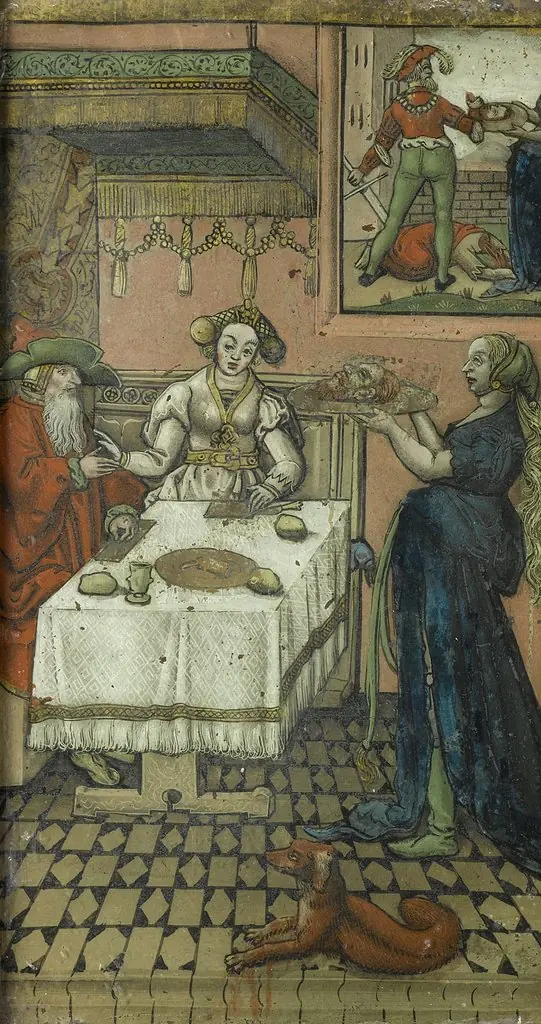 Salome with the head of St John the Baptist
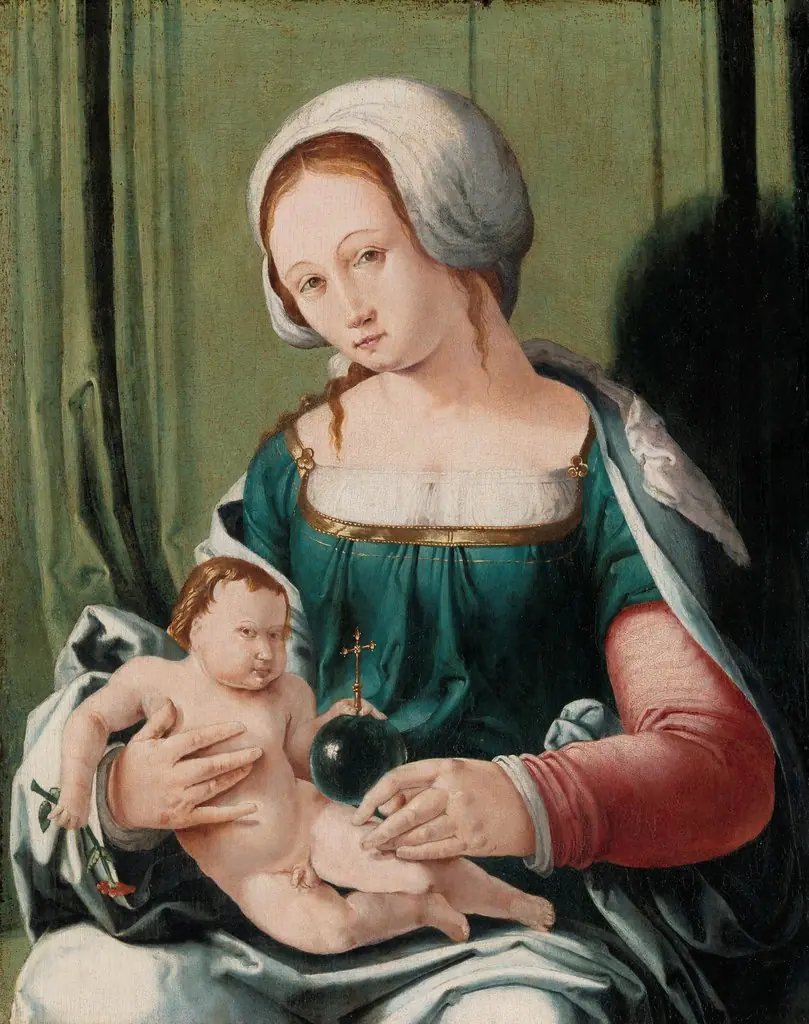 The Virgin and Child
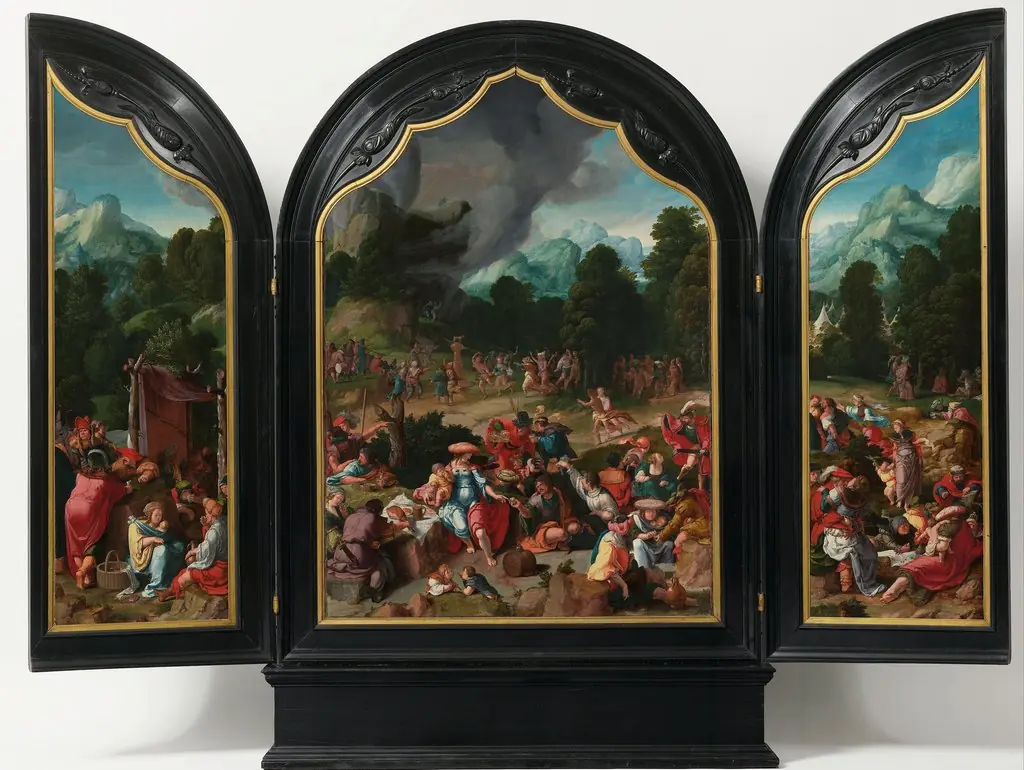 Worship of the Golden Calf
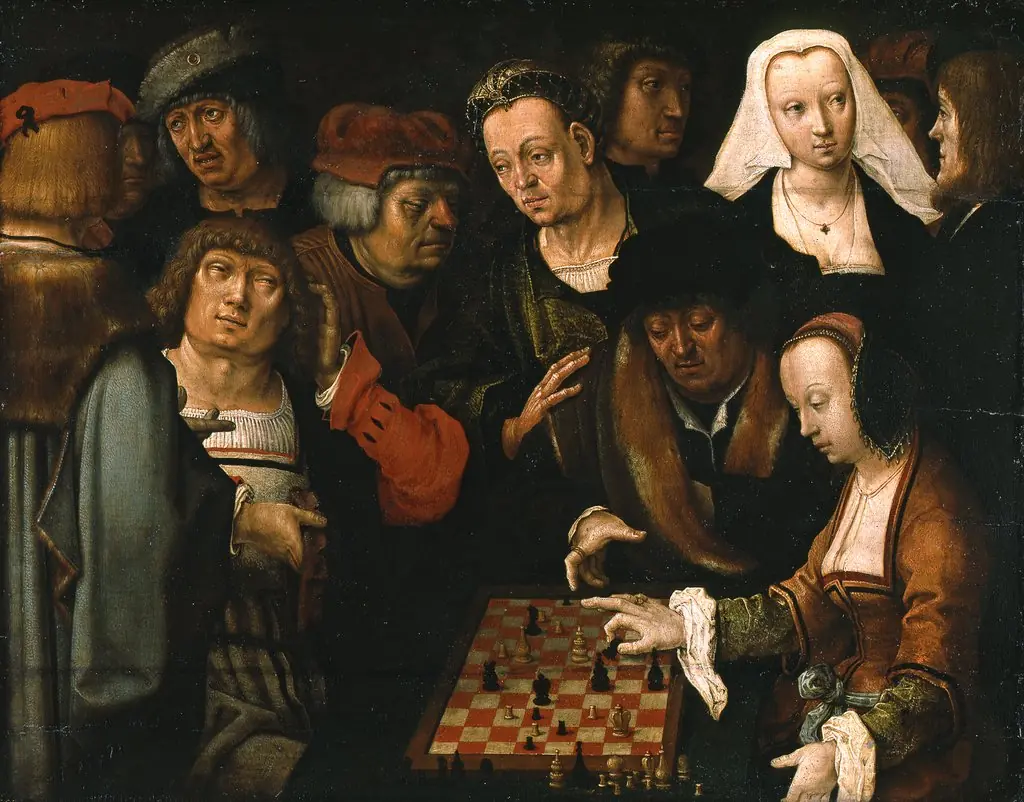 A Game of Chess
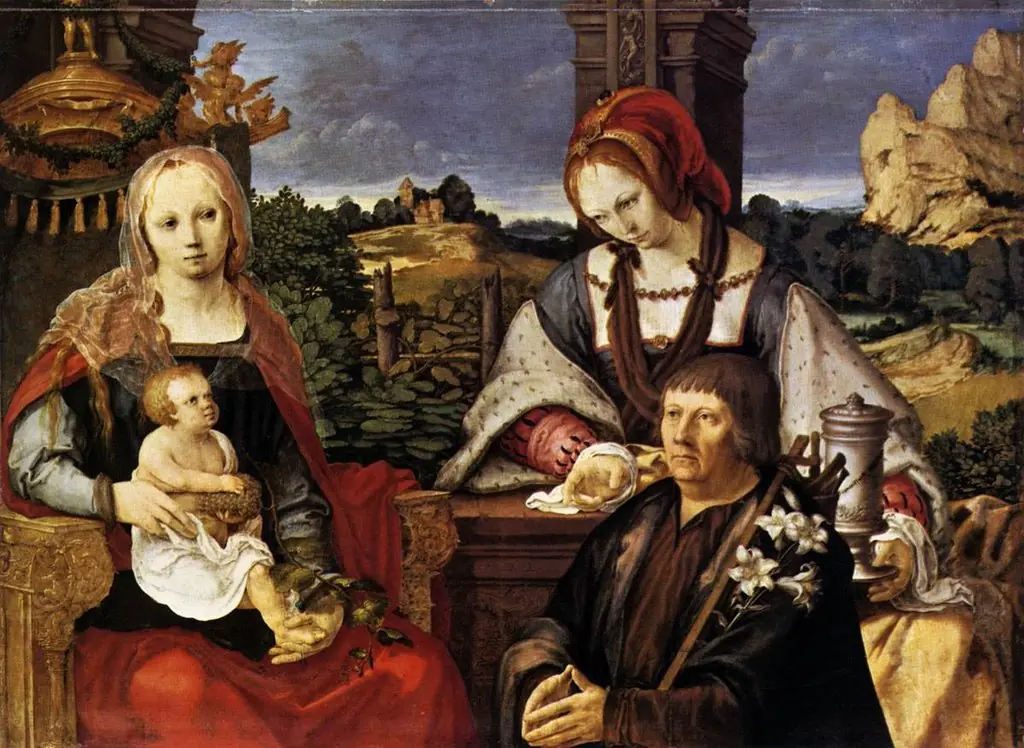 Mary with Child, St. Maria Magdalena and founder (separate outside, Inv. No. 7713)
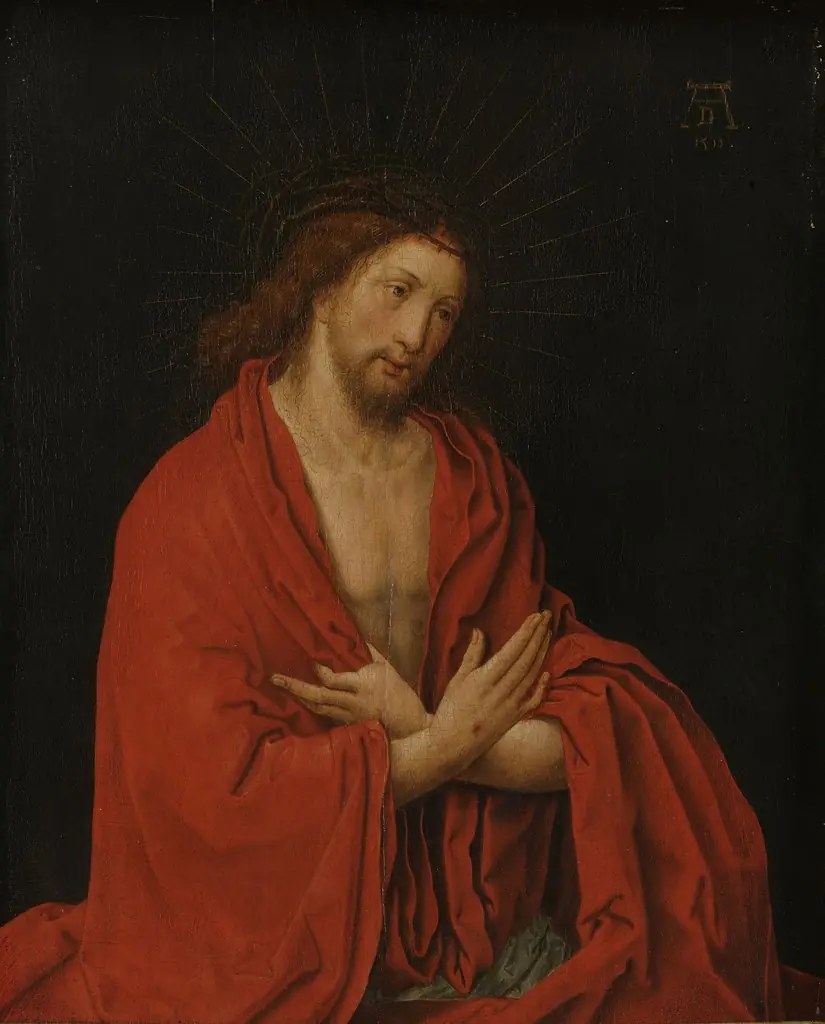 Inner left wing of a diptych with Christ as the Man of Sorrows
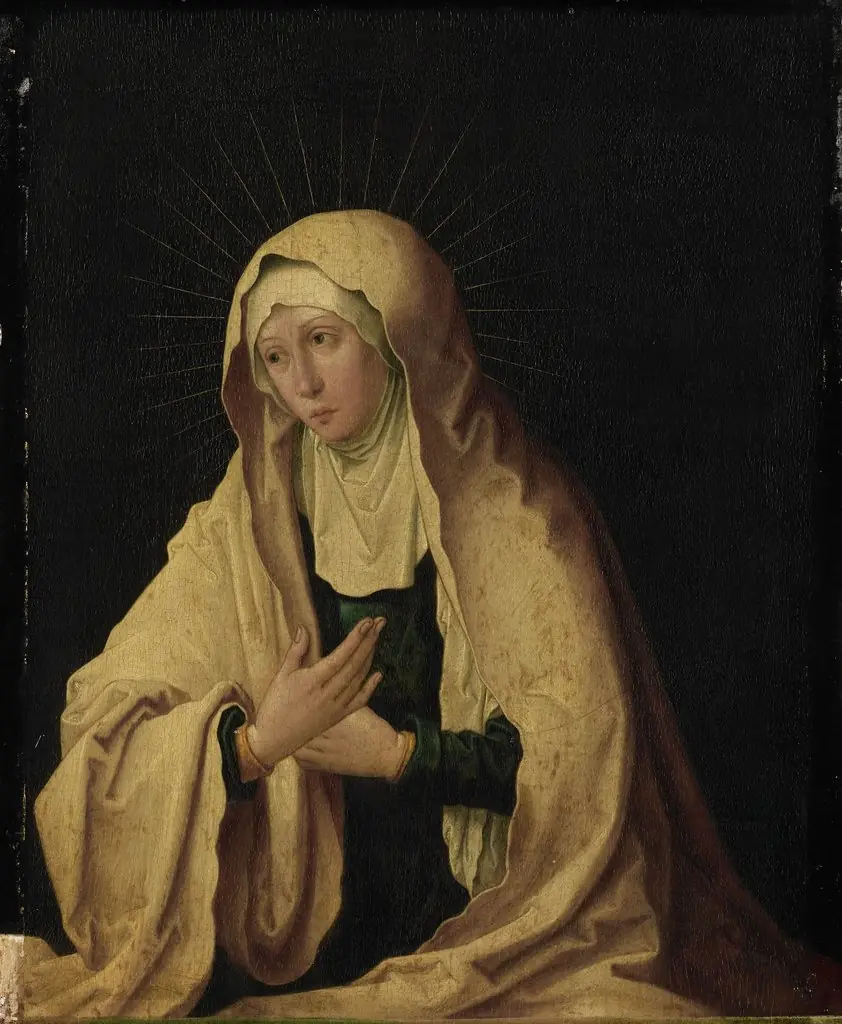 Inner right wing of a diptych with the Virgin as Mater Dolorosa
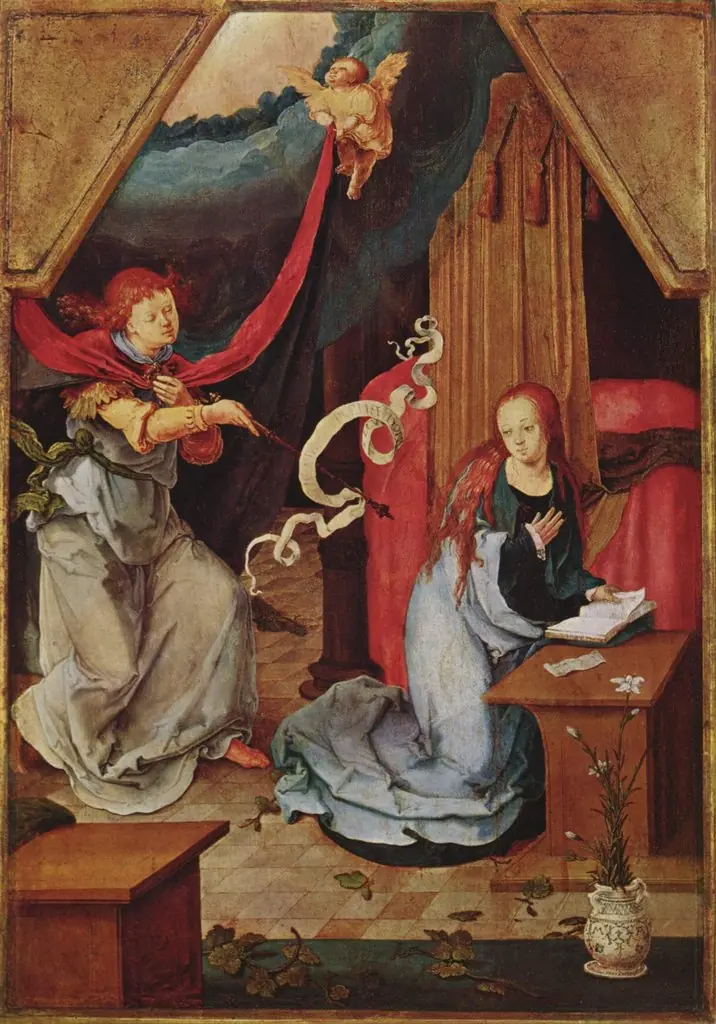 Annunciation