Artwork
The Dentist
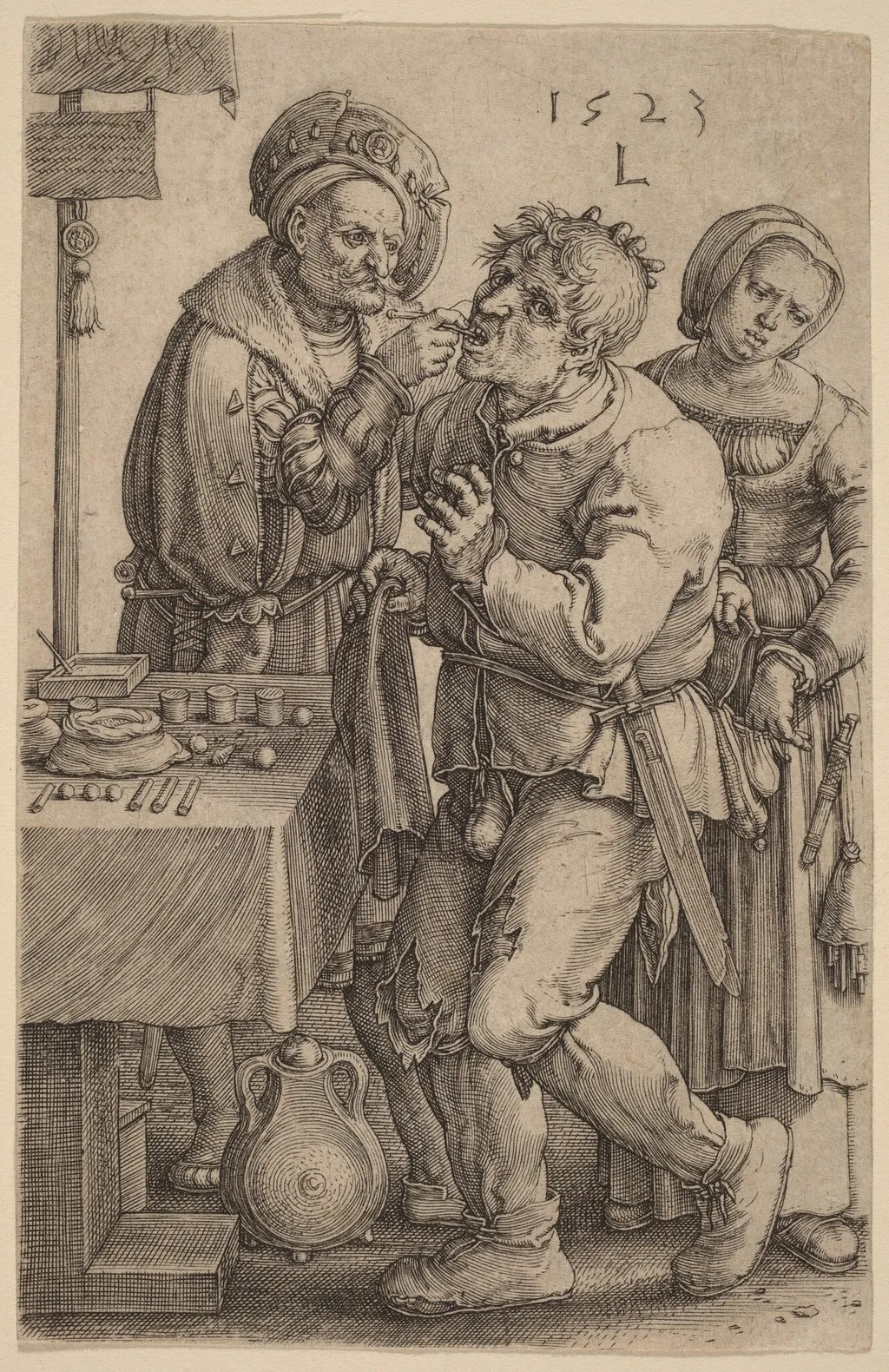
The Dentist is an ink print by the Renaissance artist Lucas van Leyden. It dates from 1523 and is held in the collection of the National Gallery of Art.
About this work
Overview
Lucas van Leyden’s 1523 engraving, titled *The Dentist*, presents a domestic interior where a dental procedure is being performed. The composition centers on a seated child whose mouth is attended by an older man with a dental instrument, while a woman and other onlookers observe the scene. Rendered entirely in black and white, the work captures a moment of everyday life with meticulous detail.
Subject & Meaning
The image portrays a dental extraction or cleaning, an uncommon subject for early sixteenth‑century art, suggesting a humorous or didactic commentary on contemporary health practices. The presence of a curious audience, including a woman in a headscarf, emphasizes the public’s fascination with medical procedures, turning a private act into a communal spectacle.
Technique & Style
Executed with fine, intersecting lines characteristic of engraving, van Leyden renders textures such as fur, fabric folds, and facial wrinkles with precision.
Executed with fine, intersecting lines characteristic of engraving, van Leyden renders textures such as fur, fabric folds, and facial wrinkles with precision. The careful modulation of line density creates tonal variation, allowing the candle’s glow and the reflective surfaces of bowls and pitcher to be suggested without color. The overall style reflects the Northern Renaissance’s interest in realistic detail and narrative clarity.
History & Provenance
Created during the Northern Renaissance, *The Dentist* is among the early Dutch prints that explore genre scenes rather than solely religious or mythological themes. While specific ownership records are scarce, the engraving was circulated among collectors of van Leyden’s work and contributed to his reputation as a leading printmaker of his generation.
Context
In the early sixteenth century, dental care was rudimentary, and public demonstrations of medical procedures were rare. Van Leyden’s choice to depict such a scene aligns with a broader European trend of incorporating quotidian activities into art, reflecting societal curiosity about science and the body.
Legacy
The engraving stands as an early example of genre printing in the Netherlands, influencing later artists who expanded the range of everyday subjects in visual art. Its detailed execution continues to be studied for its technical mastery and its insight into the social attitudes toward medicine in the Renaissance period.
Artist & collection

Artist
Lucas van Leyden (1494 – 8 August 1533), was a Dutch painter and printmaker in engraving and woodcut. Lucas van Leyden was among the first Dutch exponents of genre painting and was a very accomplished engraver.

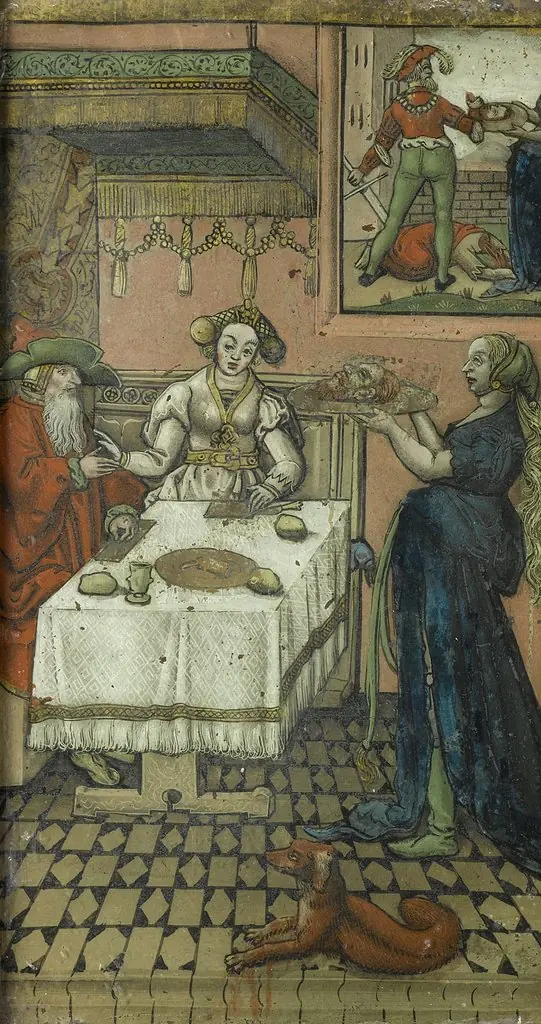 Salome with the head of St John the Baptist
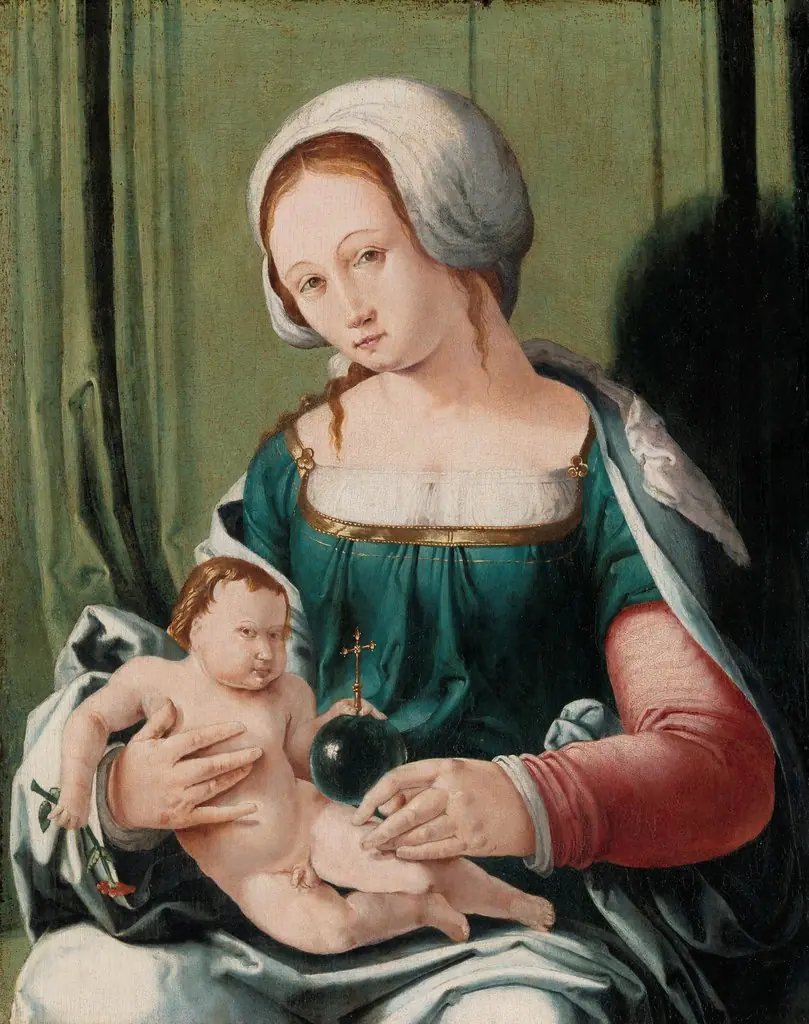 The Virgin and Child
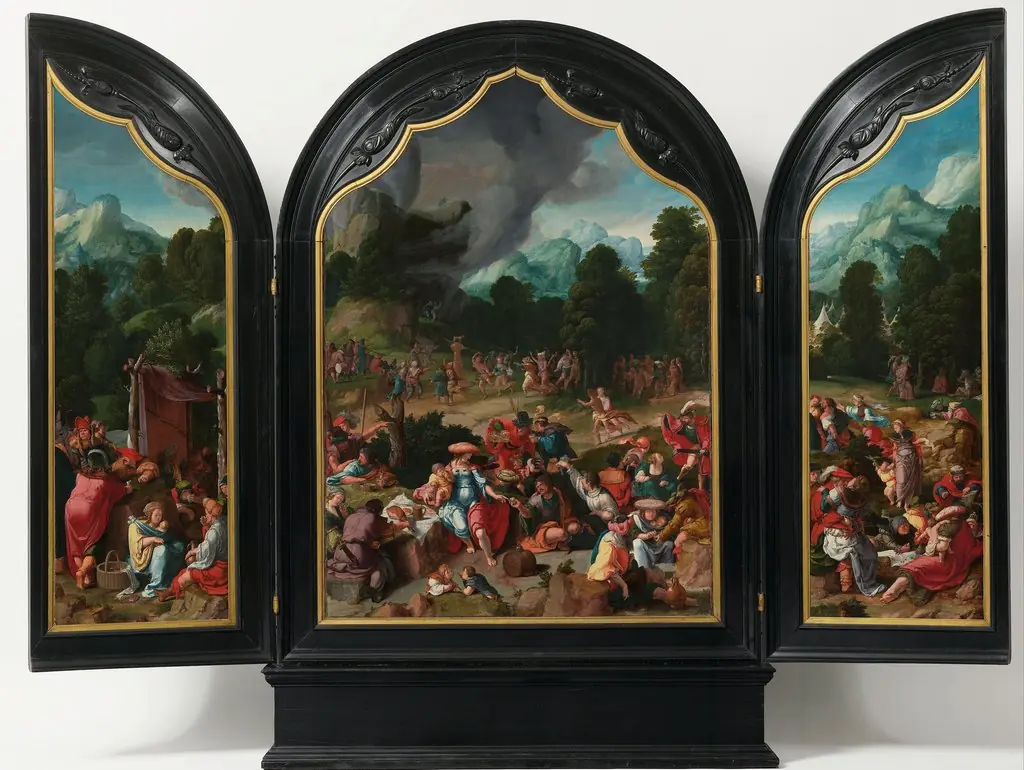 Worship of the Golden Calf
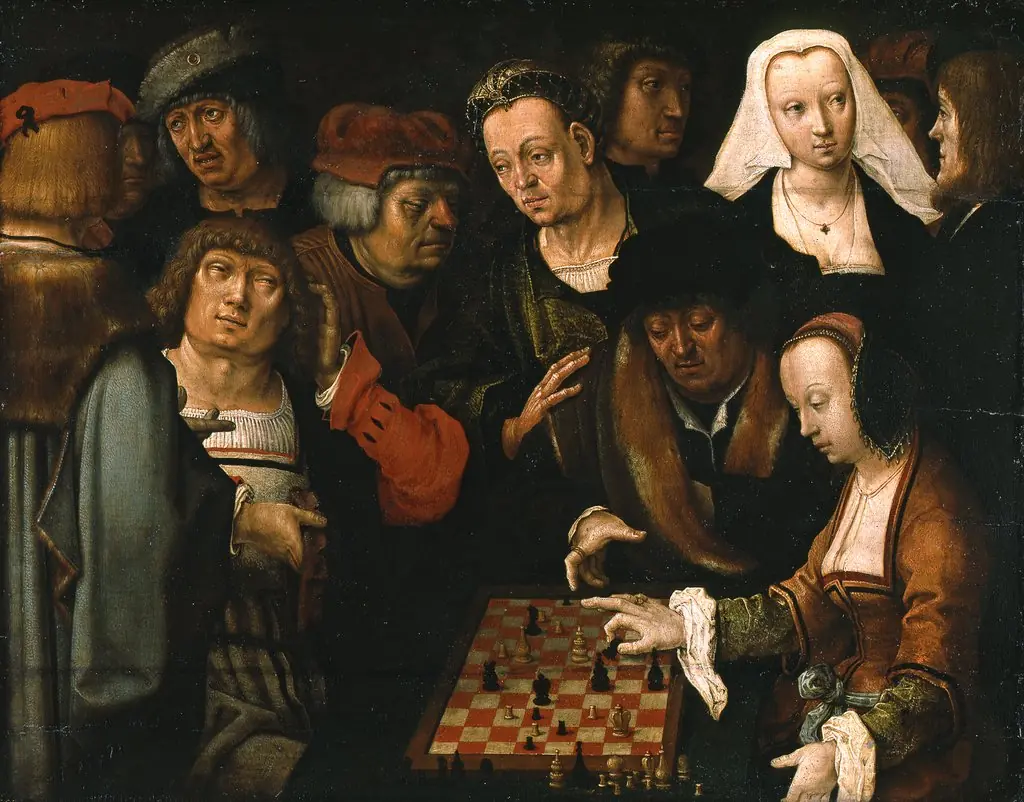 A Game of Chess
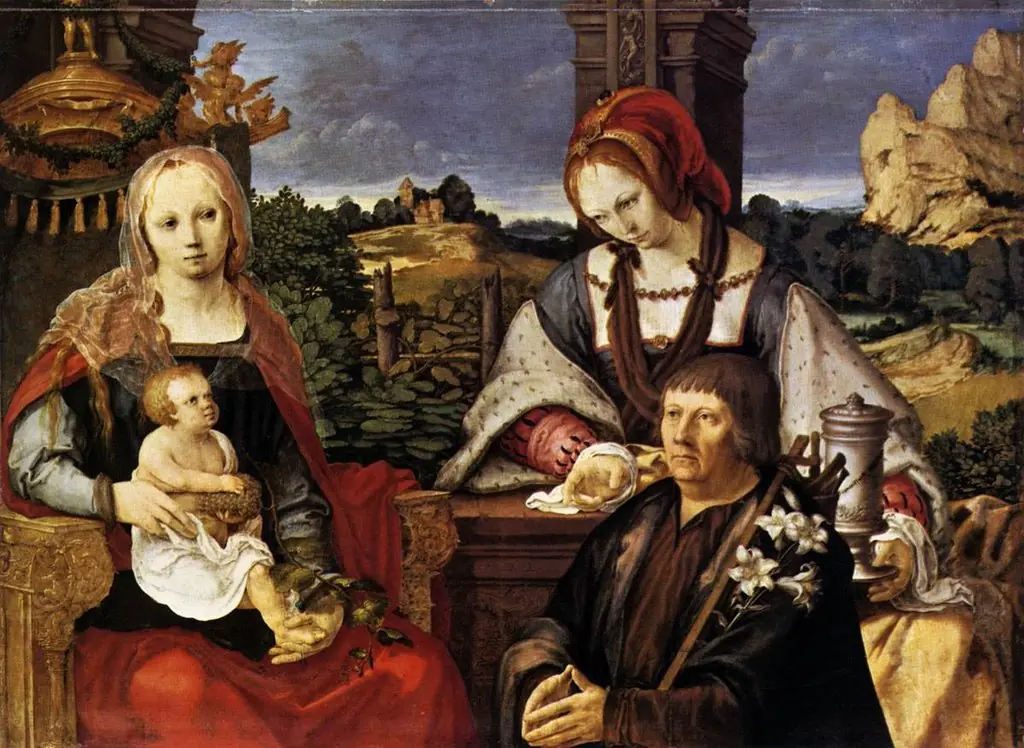 Mary with Child, St. Maria Magdalena and founder (separate outside, Inv. No. 7713)
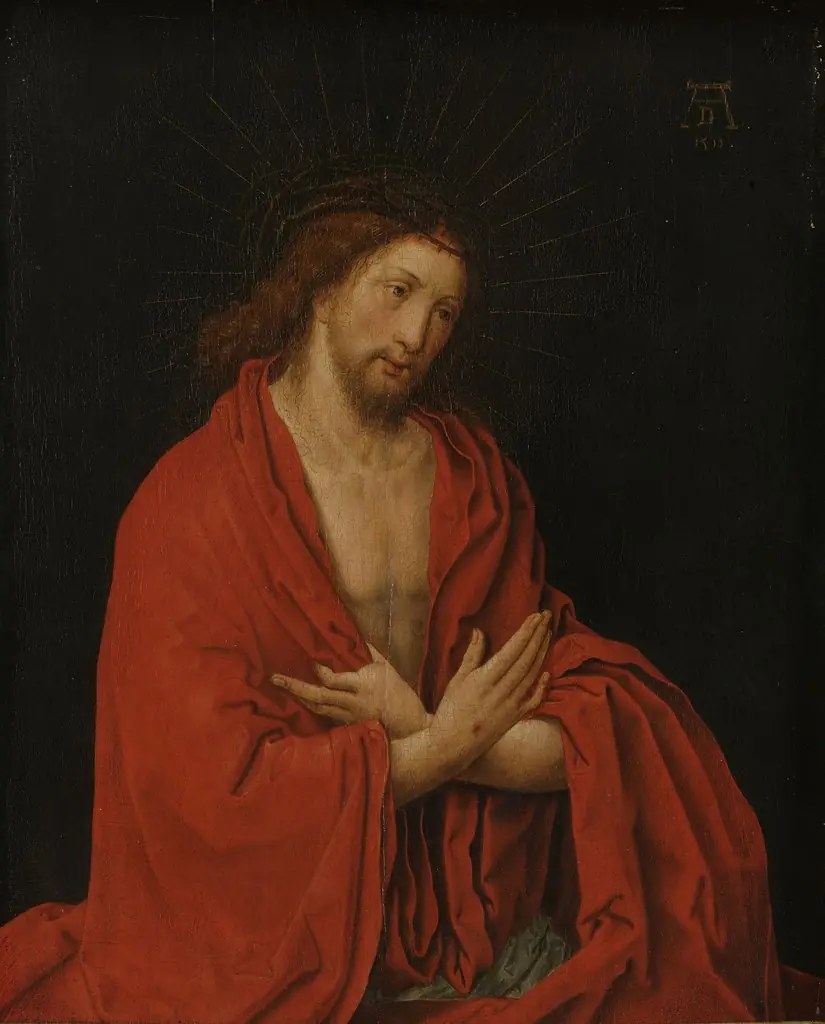 Inner left wing of a diptych with Christ as the Man of Sorrows
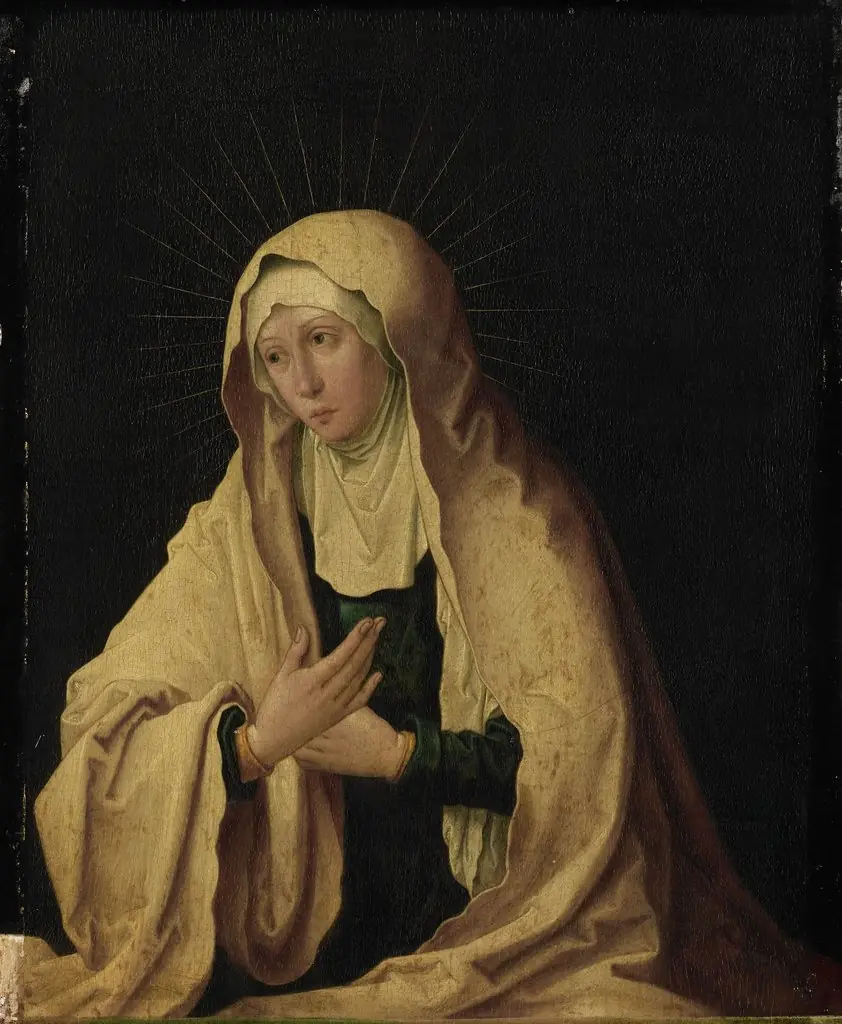 Inner right wing of a diptych with the Virgin as Mater Dolorosa
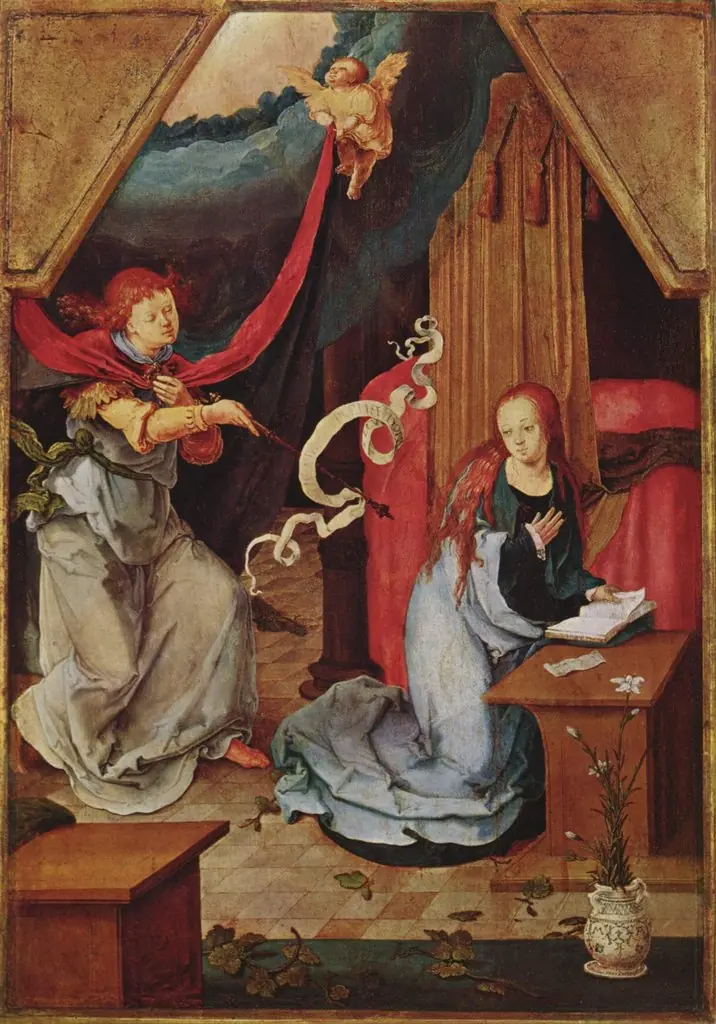 Annunciation
![The Surgeon [reverse copy], by Netherlandish 16th Century](https://artifactworldgallery.com/img/netherlandish-16th-century--the-surgeon-reverse-copy--12ced91956e84708-w320.webp)