Artwork
The Raising of Lazarus
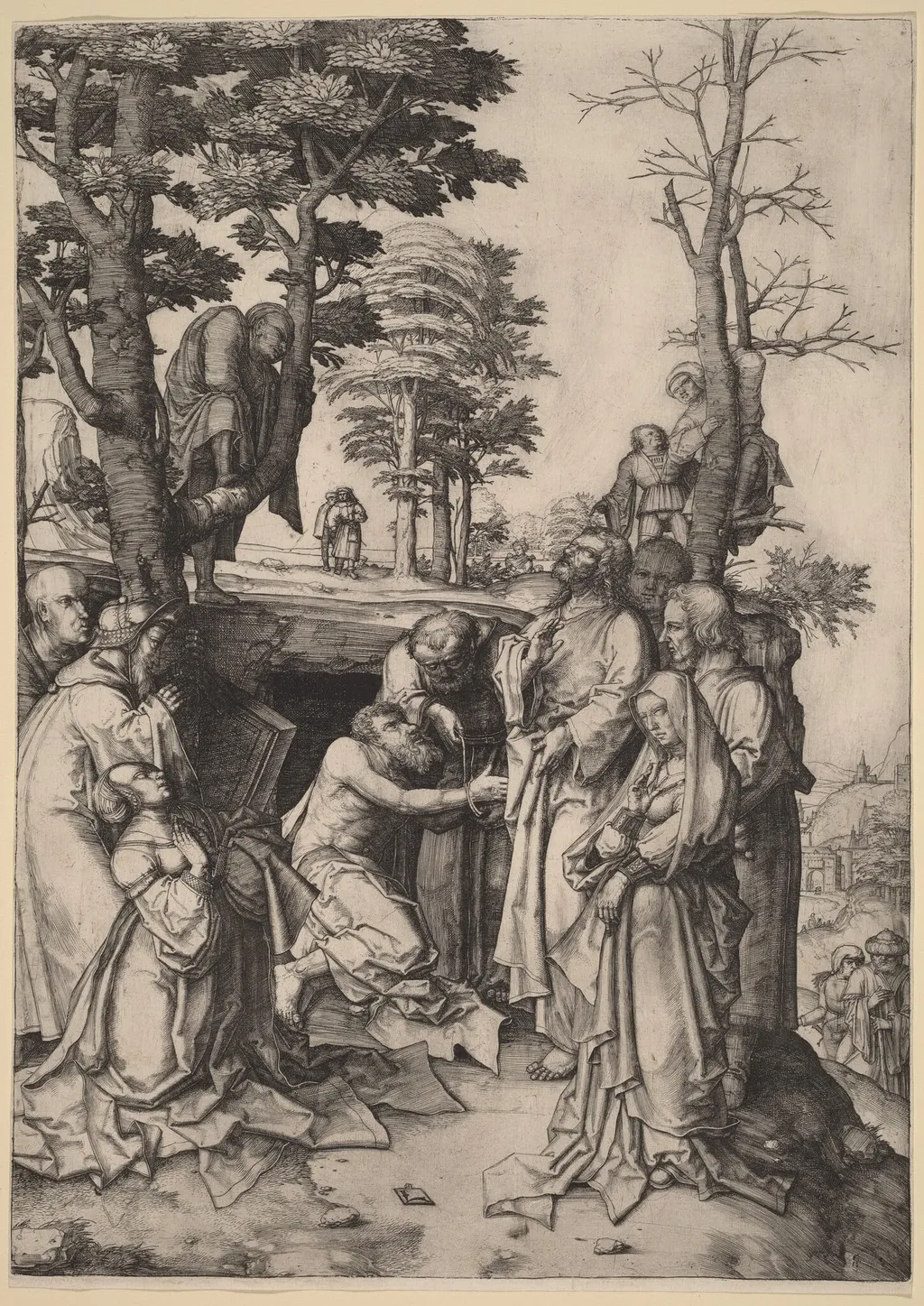
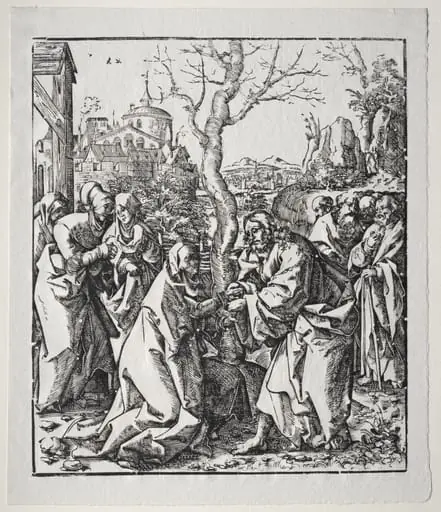
The Raising of Lazarus is an ink print by the Renaissance artist Lucas van Leyden. It dates from 1508 and is held in the collection of the National Gallery of Art.
About this work
Overview
Created in 1508 by the Dutch artist Lucas van Leyden, this engraving captures the biblical moment of Lazarus’s resurrection.
Created in 1508 by the Dutch artist Lucas van Leyden, this engraving captures the biblical moment of Lazarus’s resurrection. Executed in fine black-and-white lines, the print demonstrates van Leyden’s command of the engraving technique, which allowed for intricate detail and tonal variation on a metal plate. The scene is densely composed, with figures and landscape elements arranged to guide the viewer’s eye through the narrative.
Subject & Meaning
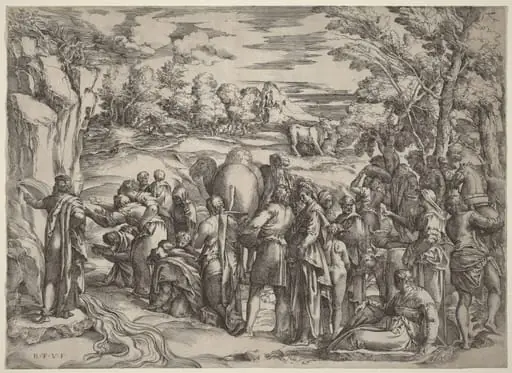
The image illustrates the miracle from the Gospel of John, in which Christ restores Lazarus to life. Lazarus lies on a stretcher at the center, surrounded by witnesses, while Christ, kneeling in prayer, gestures toward him. The composition emphasizes divine intervention amid human awe, with onlookers reacting in varied postures of disbelief, reverence, and anticipation, reinforcing the spiritual gravity of the moment.
Technique & Style
Van Leyden employed fine, precise engraving lines to render textures—from the folds of garments to the roughness of skin and bark. The background features delicate cross-hatching to suggest depth, while distant figures on a bridge are rendered with minimal strokes, creating spatial recession. His meticulous control of line gives the scene a sense of quiet intensity, characteristic of early Northern Renaissance printmaking.
History & Provenance
Produced during van Leyden’s early career, the print was part of a series of biblical scenes he engraved for wider circulation. Its technical sophistication helped establish his reputation beyond the Netherlands, reaching collectors and artists across Europe. Surviving impressions are held in major print collections, reflecting its early and enduring appeal among connoisseurs of graphic art.
Context
In early 16th-century Northern Europe, religious subjects dominated print production, serving both devotional and educational purposes. Van Leyden’s work aligned with a growing demand for accessible, detailed imagery that could convey complex narratives to a literate public. His integration of landscape and crowd scenes reflected broader trends in Netherlandish art toward naturalism and narrative richness.
Legacy
This engraving exemplifies van Leyden’s influence on the development of printmaking as a serious artistic medium. His ability to compress complex scenes into small formats inspired later engravers, including Dürer and his followers. The work remains a reference point for studying the transition from medieval symbolic representation to Renaissance spatial and psychological depth in graphic arts.
Artist & collection

Artist
Lucas van Leyden (1494 – 8 August 1533), was a Dutch painter and printmaker in engraving and woodcut. Lucas van Leyden was among the first Dutch exponents of genre painting and was a very accomplished engraver.

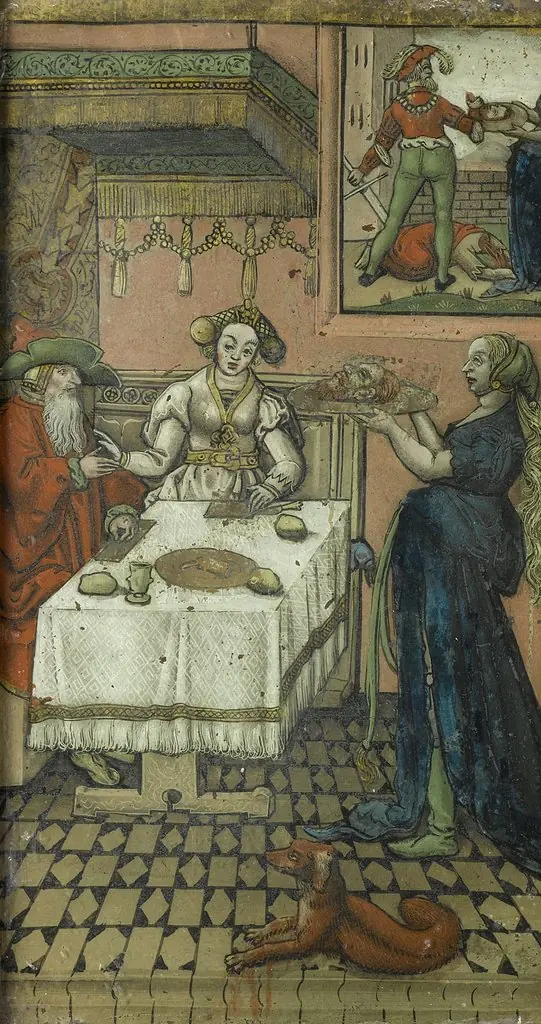 Salome with the head of St John the Baptist
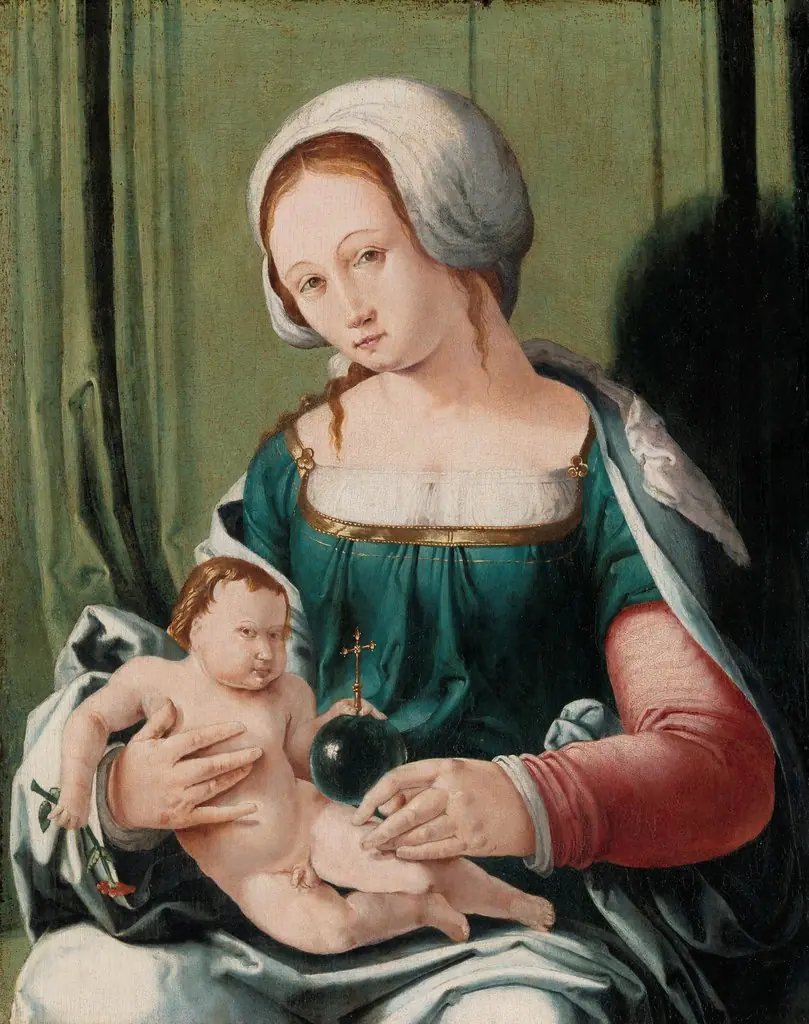 The Virgin and Child
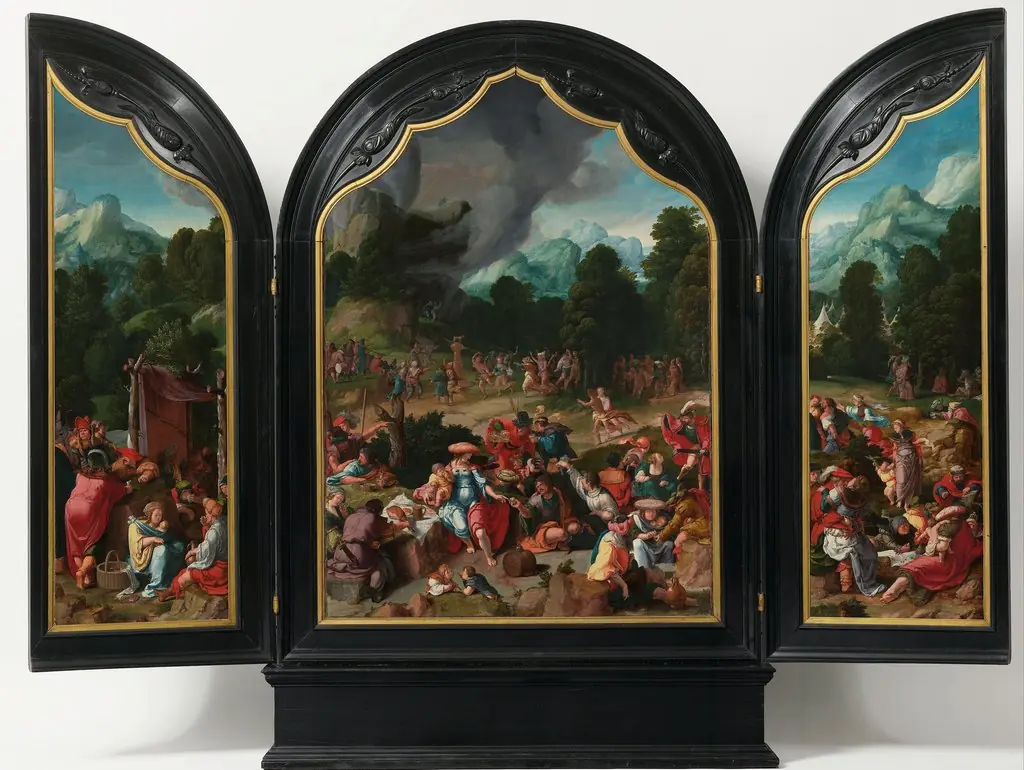 Worship of the Golden Calf
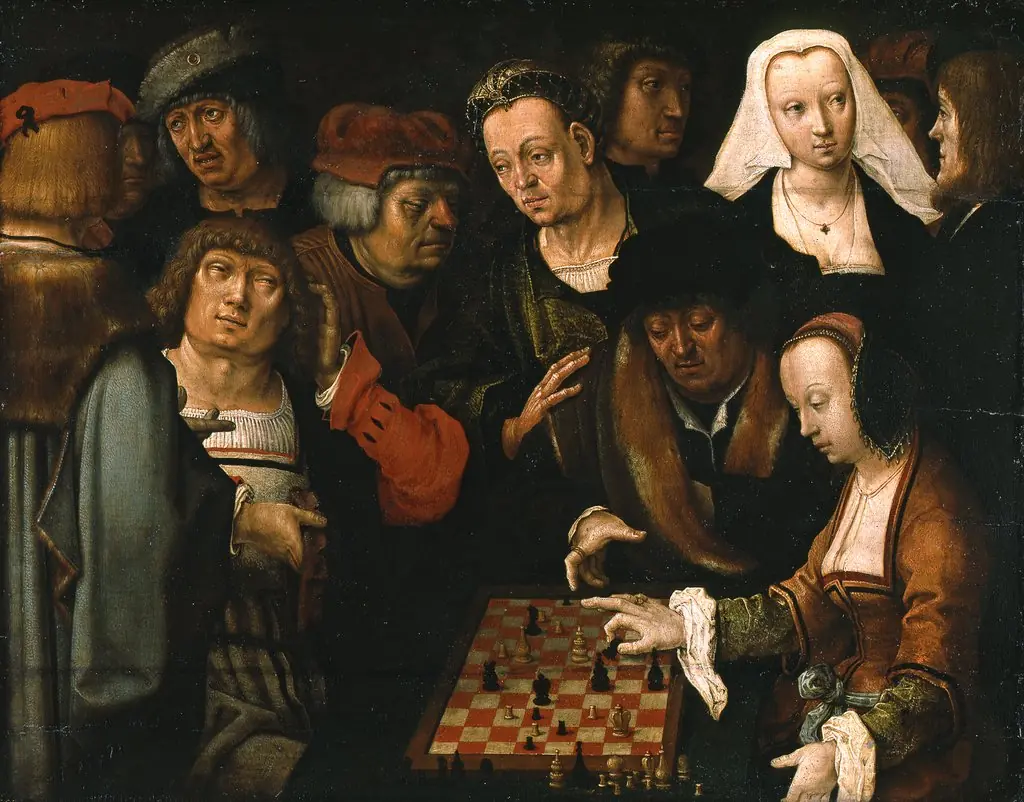 A Game of Chess
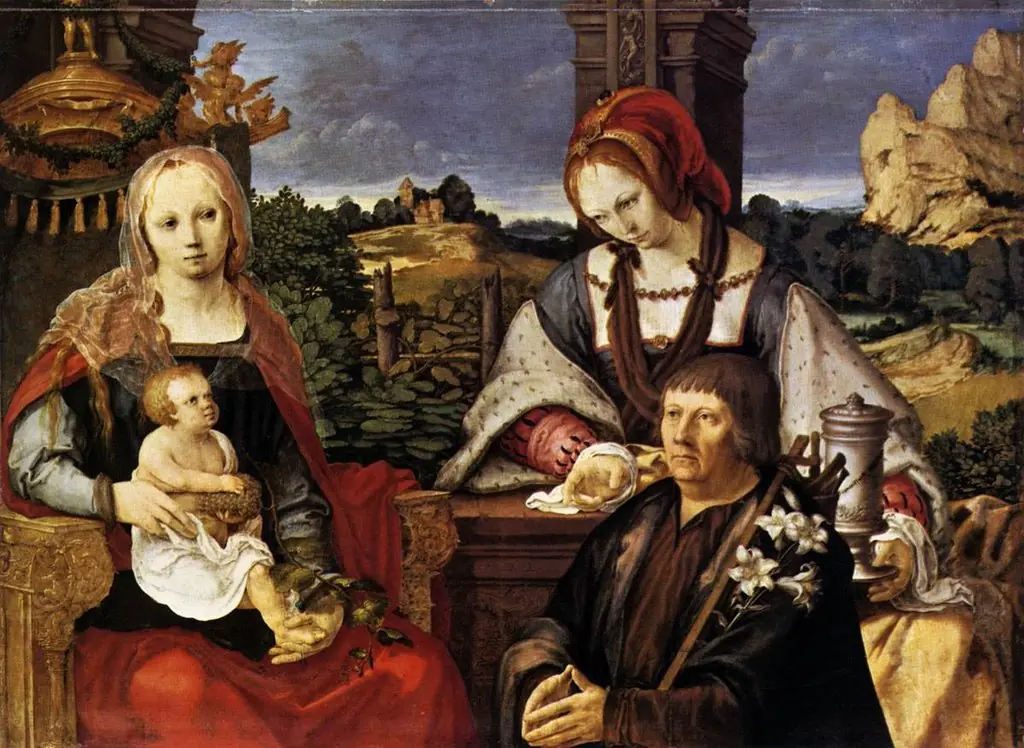 Mary with Child, St. Maria Magdalena and founder (separate outside, Inv. No. 7713)
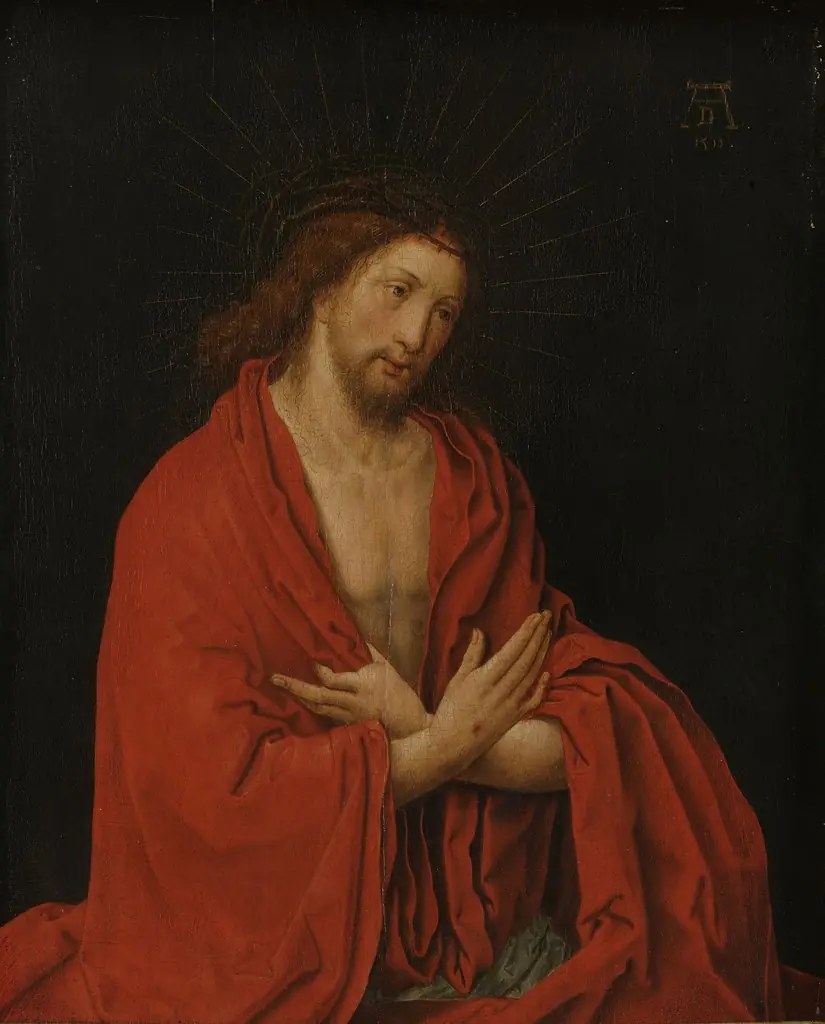 Inner left wing of a diptych with Christ as the Man of Sorrows
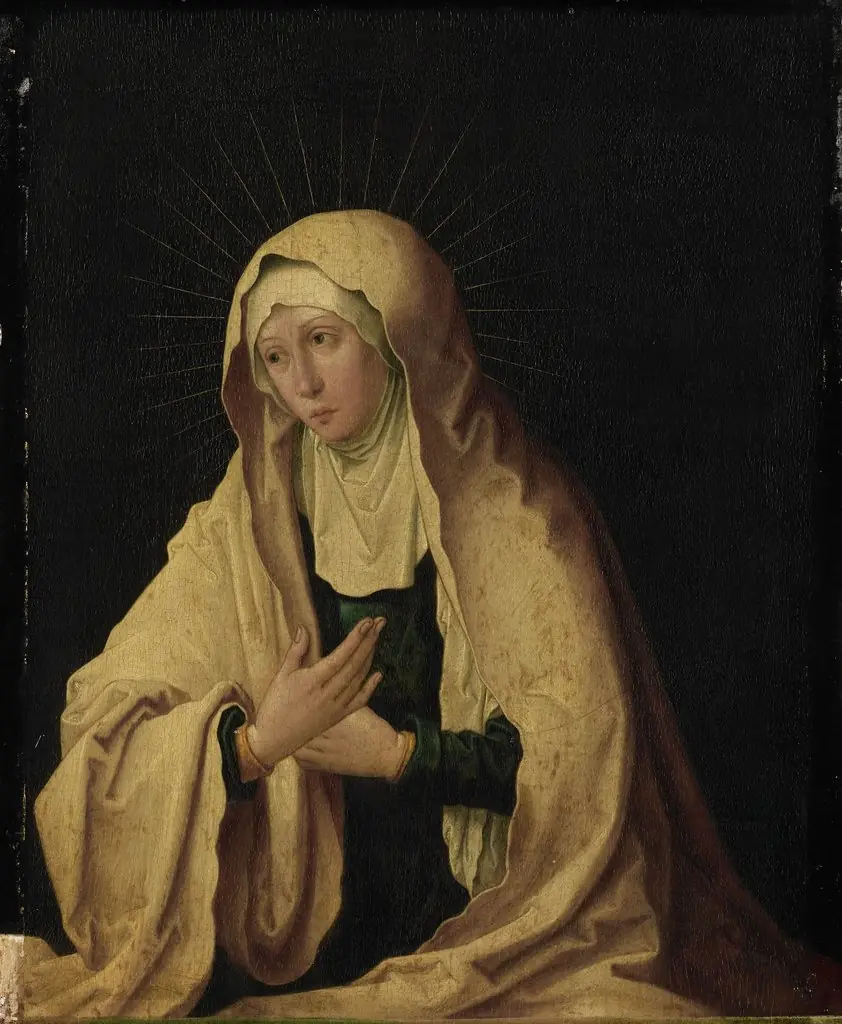 Inner right wing of a diptych with the Virgin as Mater Dolorosa
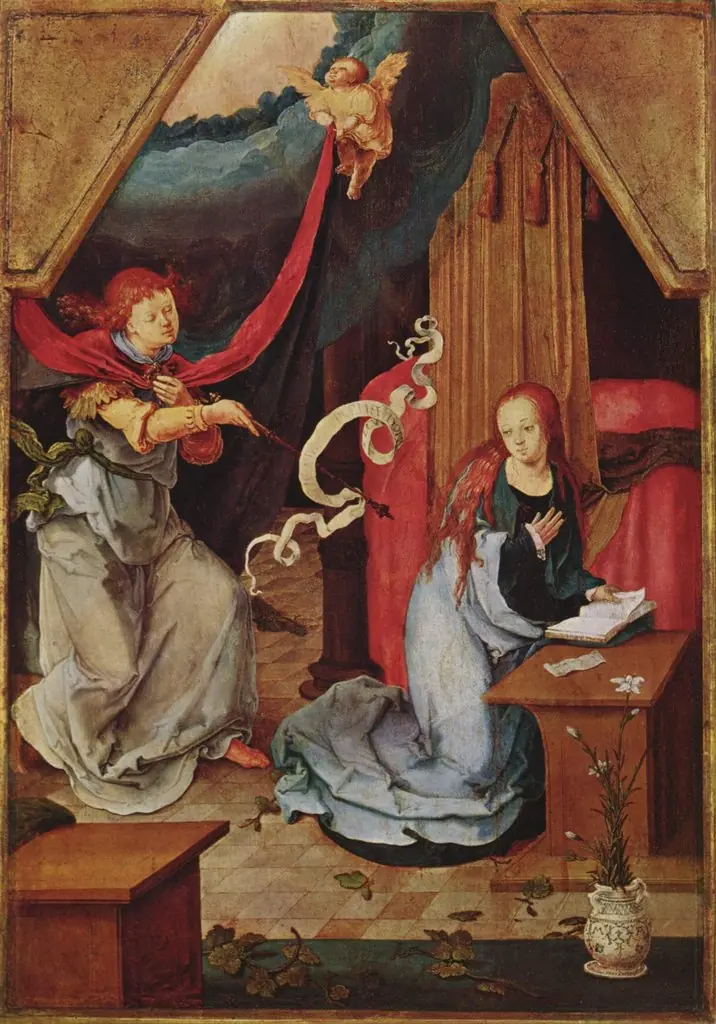 Annunciation